International conference delegates are crucial to New Zealand’s plan to boost off-peak tourism, aligning with Tourism New Zealand’s goal of growing international tourism revenue by NZ$5 billion (US$3 billion) over the next four years.
Notably, 70 per cent (NZ$3.5 billion) of this target hinges on attracting visitors during the shoulder season.
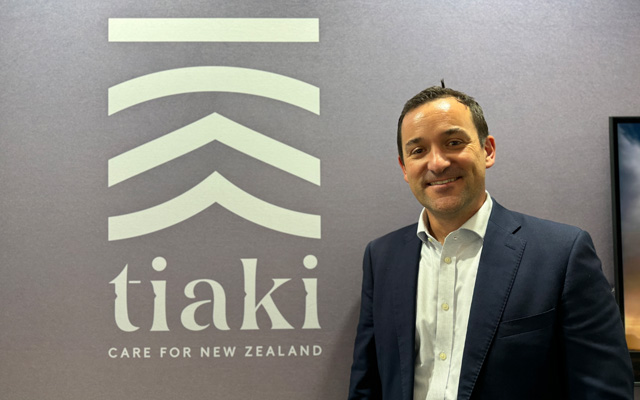
During a media presentation at Meetings 2024 this morning, Tourism New Zealand’s general manager NZ and business events, Bjoern Spreitzer, shared that in 2023, 83 per cent of international delegate arrivals came off-peak between March and November, compared to 62 per cent of holidaymakers.
“The conference market is entirely off-peak, but what’s promising are incentive groups from Asia and North America travelling in March and April,” he shared with TTGmice during an interview on the sidelines.
In 2023, the business events sector was worth NZ$403 million, and business events attendees were New Zealand’s fourth largest market by visitor spend – behind Australia, China, and the US respectively – with an average spend of NZ$426 per day compared to NZ$304 for holidaymakers.
“We believe that off-peak travel is a sustainable way to grow the industry. Supported by three new convention centres, and a commitment to delivering exceptional experiences on the ground, we are confident in the product we have,” Spreitzer said.
However, he acknowledged that three new convention centres – Te Pae Christchurch Convention Centre, Takina Wellington Convention and Exhibition Centre, and the upcoming New Zealand International Convention Centre (opening in 2025) – can only be marketed as new for another few years.
“These three to five years are the best time to capitalise on marketing these venues and put in our groundwork to ensure New Zealand stays relevant from a conferencing point of view. There will always be new venues around the world, and we can’t always bank on new venues,” he elaborated.
The next move to drive New Zealand’s business events industry forward, Spreitzer stated, is the bringing in of “high-impact legacy conferences”. Topics that align with the country’s strong sectors, such as technology, cultural, and environmental, will “open up more portfolios we can bid for”.
He added that during bidding for international business events, Tourism New Zealand always takes the lead with a “New Zealand first mindset”, before the host city is involved.
“The government has a plan in which sectors we want to focus on. We also have cities that have additional focus areas they want to grow and we are cognisant of all of them. Christchurch, Auckland, and Wellington may have different propositions and focus areas, but they are all committed to working collaboratively (to sell New Zealand first),” he explained.
When put up against other destinations around the world, Spreitzer is extremely confident that New Zealand’s ease of doing business, and the country’s amazing landscapes and experiences, will win planners over.
And even though the New Zealand dollar is not as strong as before, he pointed out that this does not affect business events arrivals, as the sector is “driven by the proposition we have”, although it may impact individual spending. Event planners and their clients expect a high-quality experience, and New Zealand’s selling points remain unchanged.
“Overall, the future of business events in New Zealand is extremely bright. We invest in it not because it brings monetary value, but because it brings experts and their knowledge here, and helps our country develop further,” Spreitzer concluded.