The city hosted the first joint congress of 21st Pacific Rim College of Psychiatrists (PRCP) and 7th World Association of Cultural Psychiatry (WACP) in Hamamatsucho, an area being developed for MICE
Brought to you by Tokyo Convention & Visitors Bureau
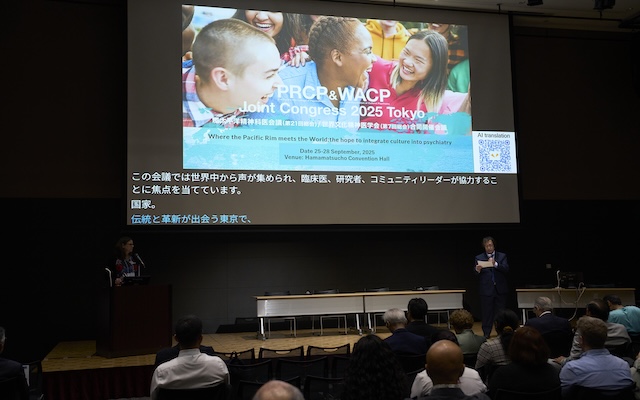
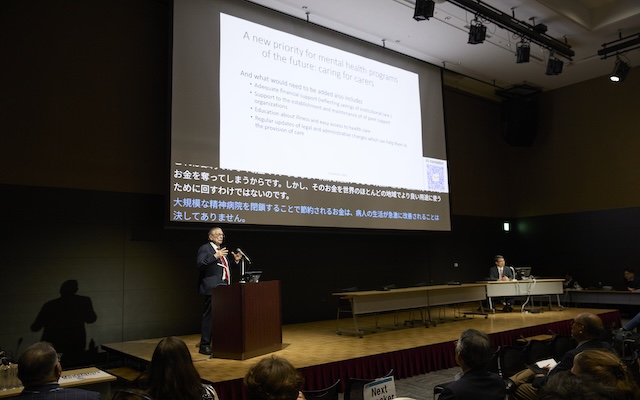
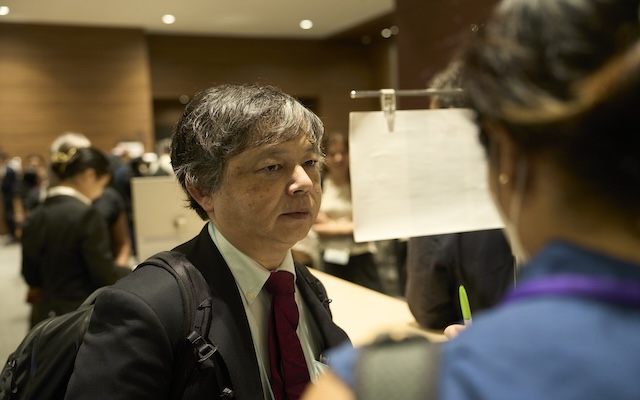
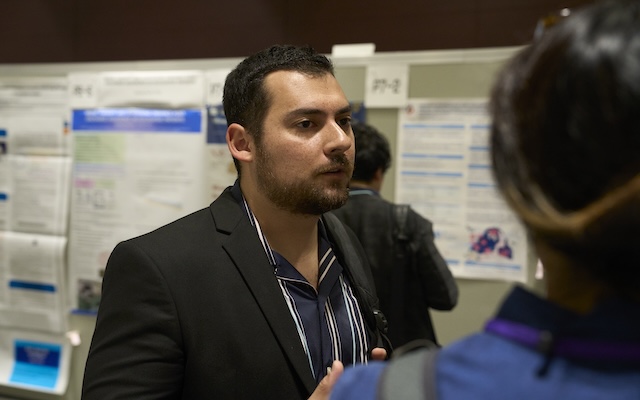
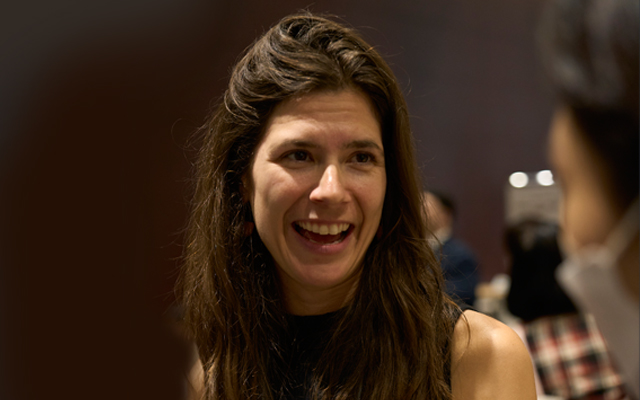
The Hamamatsucho Convention Hall & Hybrid Studio in Tokyo saw a lively gathering of professionals from the mental health sector from September 25 to 28, 2025.
About 1,175 participants from 55 countries attended the first ever joint congress between the 21st Pacific Rim College of Psychiatrists (PRCP) and 7th World Association of Cultural Psychiatry (WACP). With a focus on socio-cultural psychiatry, the congress comprised various symposia, oral presentations, lectures, plenary sessions and workshops.
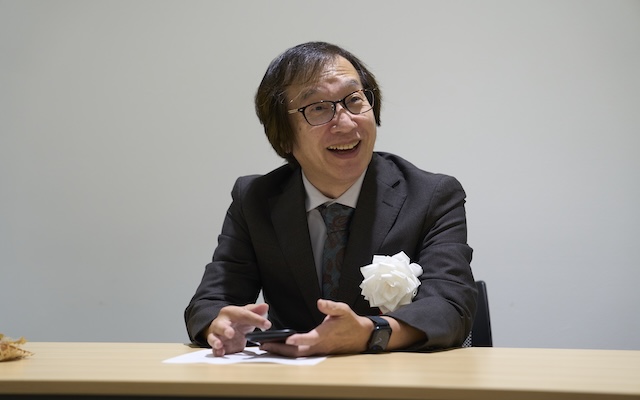
The decision to hold a joint congress in Tokyo fell into place rather serendipitously as both organisations were looking towards Asia to hold their events, according to Itsuo Asai, professor and the congress chair. As a board member of both organisations, he recognised the similarities and proposed a joint congress in Japan.
Tokyo was chosen for its international connectivity, ease of accessibility and all-round desirability as a destination for many visitors. The Hamamatsucho Convention Hall & Hybrid Studio itself is easily accessible from Haneda Airport by a direct monorail in less than 15 minutes. Moreover, the availability of hotels in the area added to the venue’s advantage.
“The Shiba, Tokyo Bay area where the venue is located, has been designated by the Tokyo Metropolitan Government as a leading area for business events in Tokyo,” said Toyota Sone, director of Sales, Business Events Team, Tokyo Convention & Visitors Bureau (TCVB).
“Hosting this international conference is expected to provide substantial momentum for attracting future international conferences and is an achievement of the collaborative efforts by the government and local companies to actively promote MICE,” he added.
The location proved a great benefit for professionals based in Japan.
Makoto Hashiro, owner of a dermatology and psychotherapy clinic in Osaka, cited Tokyo’s excellent accessibility for delegates from across Japan as well as for experts flying in from the West. The congress venue’s proximity to Tokyo Station, hotels, and restaurants further enhances convenience.
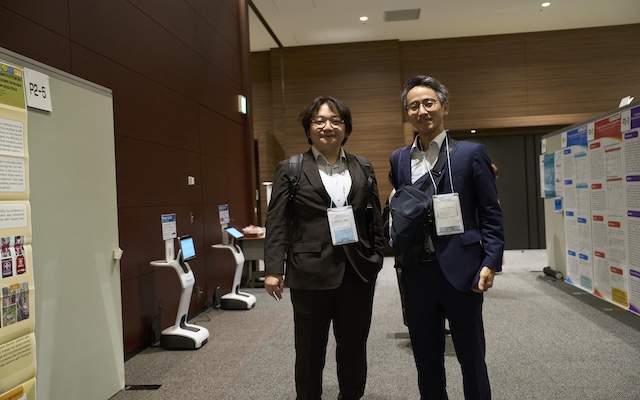
Morio Aki, an assistant professor at Kyoto University, noted Tokyo’s convenience. His colleague, Toshihiro Shimizu, agreed, highlighting the city’s abundance of restaurants and attractions that facilitated excellent networking. Both are members of the Japan Young Psychiatrist Association, and appreciate the networking opportunities provided by the congress.
For Francisco José Barbosa-Camacho who works at a hospital in Mexico, visiting Japan had always been a dream of his. Apart from engaging in knowledge exchange at the congress, he also enjoyed exploring Tokyo’s popular neighbourhoods of Akihabara and Shibuya. Similarly, University of Montreal professor, Dominique Gaulin, was happy to seize the learning opportunity and extend her stay in Japan post-congress with her husband and toddler, remarking that it was easy to travel around Tokyo with a child.
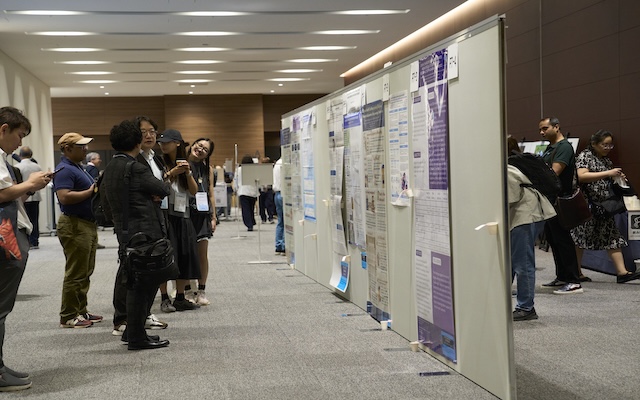
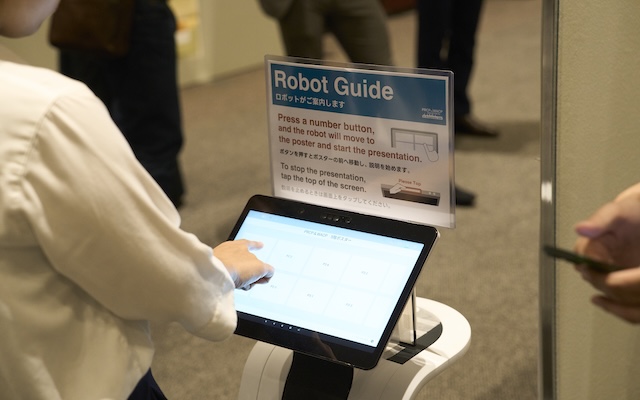
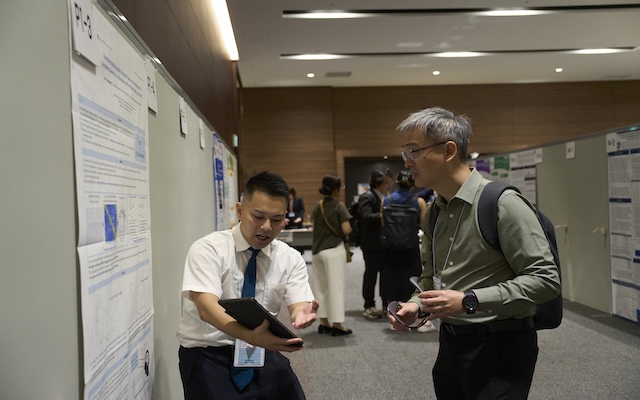
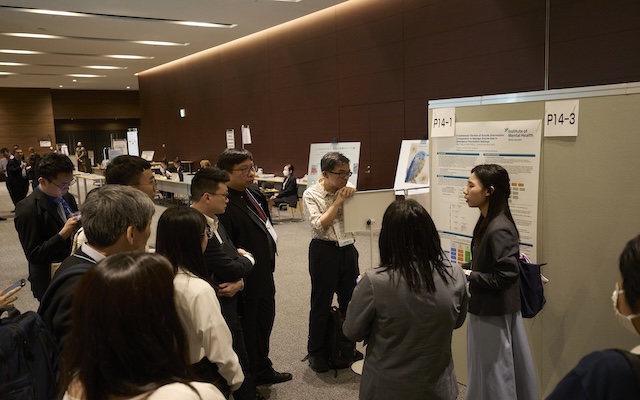
Beyond the logistical advantages, Asai acknowledged the financial support from the Tokyo Metropolitan Government and TCVB that enabled the organising committee to introduce new elements to the programme that made it more exciting, interactive and helpful for delegates.
“We utilised AI in programme planning and introduced robot guides in the poster sessions. The assistance with venue cost and the introduction of the AI-based simultaneous interpretation system proved to be the most valuable contribution to the congress’ success,” said Asai.
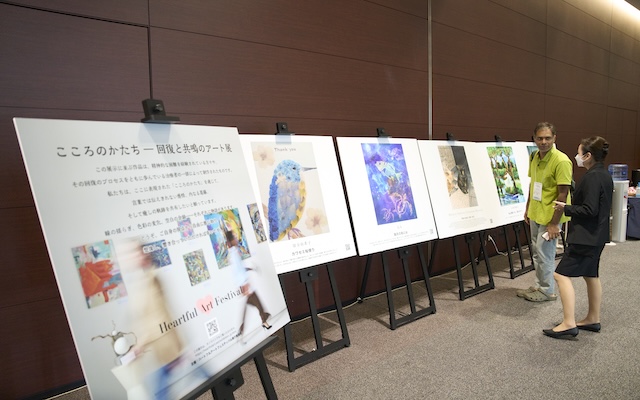
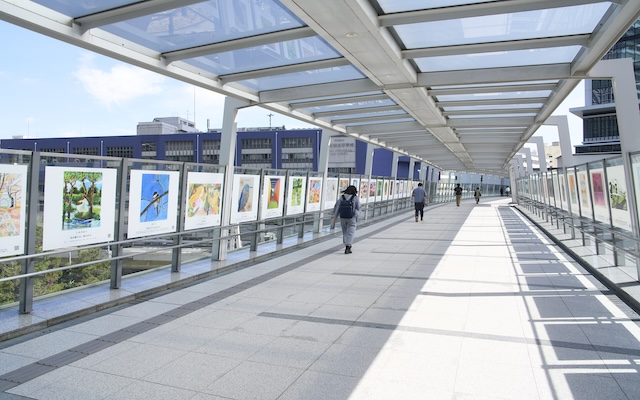
At the same time, The Heartful Art Festival, a project conceived by Asai to show how art can restore hope and pride to those suffering from mental illness, was carried out with the cooperation of DMO Shiba, Tokyo Bay, the local DMO responsible for the area. Art submissions were displayed at the congress venue and along a pedestrian bridge near the Hamamatsucho Station area throughout September. Following the congress, artworks remain on the website and will be developed as an online museum.
“The purpose of this exhibition is to provide a sense of pride and joy for the participants and their families. For future congresses, we plan to organise a lot of exhibitions in the same manner,” he said.
Experiencing more of Tokyo and gaining firsthand cultural experience
Complimentary cultural programmes and tours organised by TCVB further enriched the congress experience.
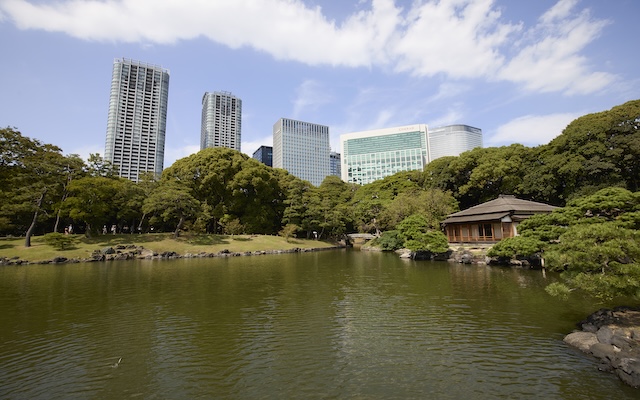
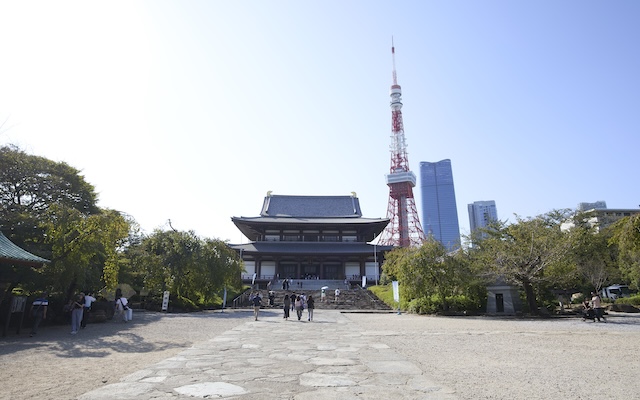
Delegates could sign up for excursions to iconic Tokyo attractions such as the Tokyo Skytree and a walking tour of Asakusa; Tokyo Tower and Odaiba area, or a river cruise and a visit to Hama-rikyu Gardens. The beautifully landscaped garden, originally built as a feudal lord’s residence and duck hunting grounds during the Edo period, offers a dramatic contrast to the skyscrapers of the surrounding area. A traditional teahouse and outdoor pavilions make it a unique venue option for MICE events.
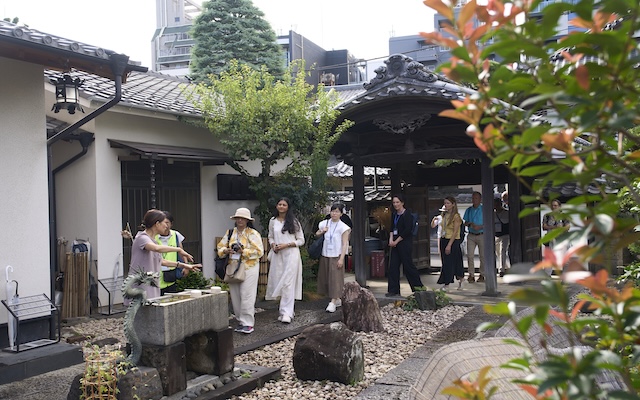
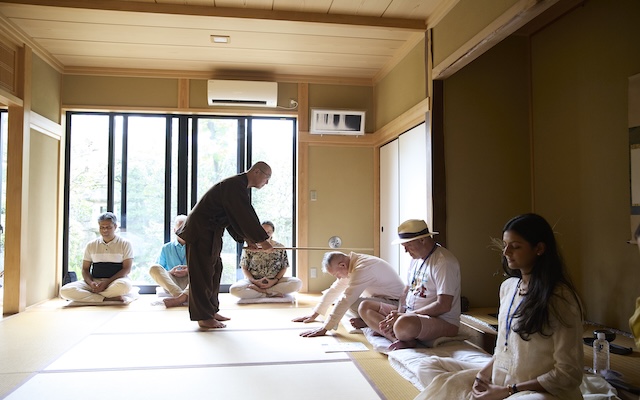
For a deeper cultural experience, delegates could also sign up for a zen meditation session. Held at Korin-in temple, staff explained the significance and process of this particular style of meditation before guiding participants through the process.
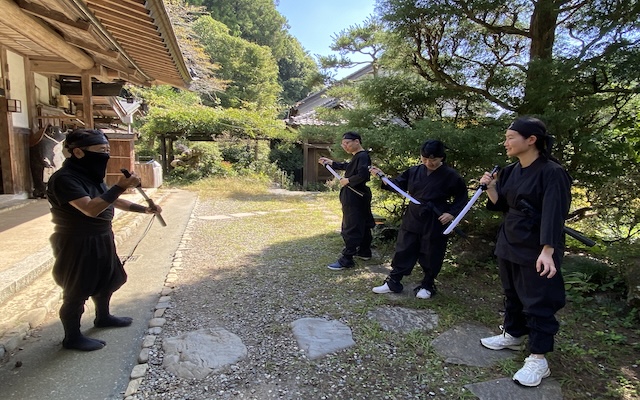
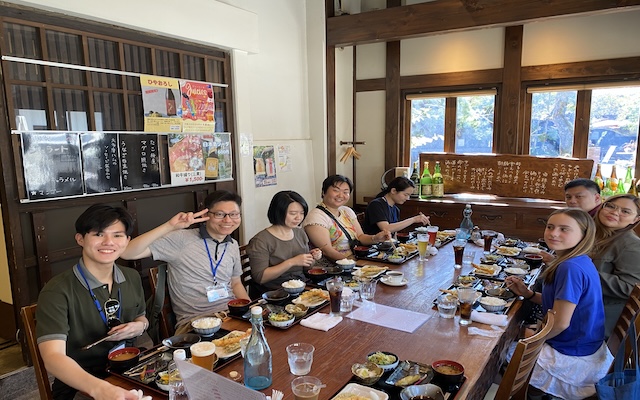
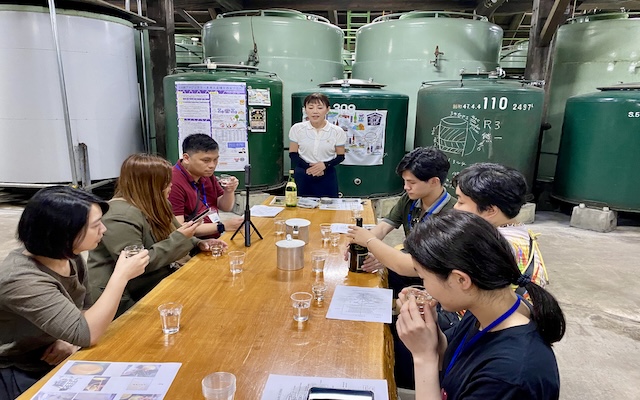
One of the highlights was a five-hour excursion to Nishi Tama, a district west of central Tokyo, for an interactive cultural experience.
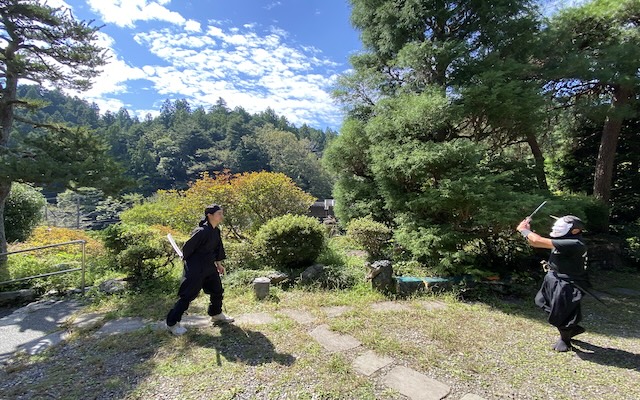
Delegates were transported to a past era at Hinode Bukeyashiki, a ninja dojo located in a 150-year-old historical residence. Dressed in ninja outfits, they received a crash course on ninja traditions and weapons from enthusiastic senseis (teachers), before getting hands on themselves, wielding said weapons including a throwing star, blowgun and sword.
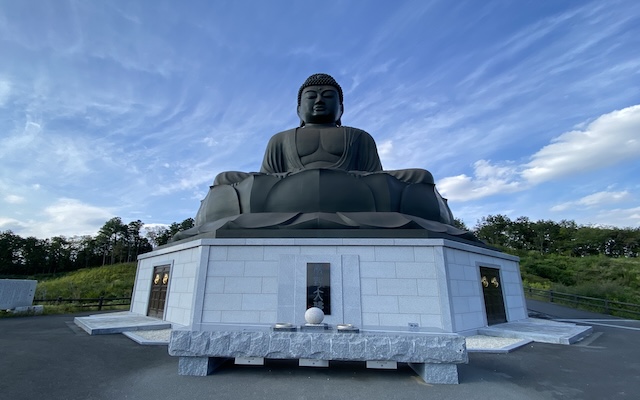
Then it was off to the Ishikawa Brewery for a complimentary lunch and learning about sake brewing, with a small tasting session. The last segment of the tour included a stop at the giant 12m Rokuya Buddha, one of the newer giant Buddha statues in a quiet part of the greater Tokyo countryside.
Even for repeat visitors to Tokyo, the opportunity to explore a different side of the city was still appealing.
“I always wanted to try the ninja activity and go on a sake tour but never had the chance to,” said Ynna Lee, a first year psychiatry trainee in Melbourne’s Monash Hospital, adding that it was just nice that the congress offered such an activity.
Similarly Huey-Ling Chiang, a psychiatrist in Taiwan and frequent visitor to Japan, enjoyed the novelty of the experience. “We get to do something by ourselves and it is an activity unique to Japan,” she said, adding that the tour was very good and well planned.
“By offering these tourism programmes free of charge, TCVB aims to invigorate tourism exchange triggered by international conferences, achieve sustainable visitor attraction, and further enhance the brand value of Tokyo as an international conference city where everyone can find genuine satisfaction,” said TCVB’s Sone.
He added that the Nishi Tama area was a way to showcase a new side of Tokyo “where you can experience nature while still being in the city.” “We hope that through the tourism programme, overseas participants experience Tokyo’s diverse appeal and are encouraged to return.”


To find out more about the support available for your event, visit businesseventstokyo.org