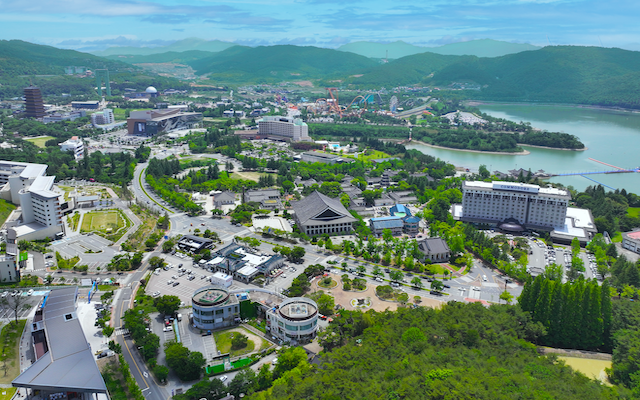


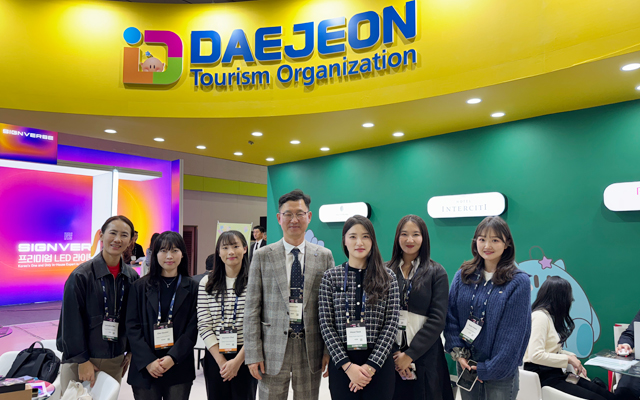
Daejeon, known as South Korea’s ‘Science City’, is utilising its deep well of academic and research infrastructure to become a leading international destination for specialised business events.
With 46 R&D institutions and 21 universities providing delegates with opportunities for post-conference technical visits, the Daejeon Convention & Visitors Bureau is aiming to shift the current 70 per cent domestic business events balance towards a 50-50 international split within the next decade.
With the support of the local government offering various subventions, along with 80 ambassadors, Lorraine Han, director, MICE Bureau Team, Daejeon Convention & Visitor’s Bureau, shared with TTGmice at Korea MICE Expo 2025 that the goal is attainable.
“We also have a Convention Belt – which offers 4,500 hotel rooms within walking distance from the Daejeon Convention Center – that was developed with business events in mind.
“Moreover, Daejeon Convention Center was expanded in 2022, and can currently hold 8,000 pax. We are also thinking of a third expansion (to accommodate even larger conferences),” she added.
When asked if it was difficult to get to Daejeon as opposed to Seoul for international delegates, Han pointed out that it was only 2.5 hours by bus.
“Asian delegates may think this sounds far, but our longhaul visitors from US do not think it is a problem; it’s all about perception we need to change.”
However, Han acknowledged that a hurdle for Daejeon in securing more international conferences is the lack of a major global hotel chain, and the limited inventory of international-standard accommodation, with only one five-star hotel currently in operation.
Han shared: “We are working hard to bring (a renowned brand) in. We understand this is important to international guests, especially those travelling to Daejeon for a business event.'”
To encourage international delegates to stay longer and increase local economic benefits, the government is also committed to expanding the variety of tourist attractions available in Daejeon.
Han pointed to the success of destinations like Jeju, where the ability to explore the island’s attractions post-event strongly influences extended delegate stays. In the interim, Daejeon has formed strategic collaborations with neighbouring cultural centres, such as Gongju and Buyeo (major UNESCO World Heritage sites), to ensure visitors have access to historical and sightseeing experiences.