

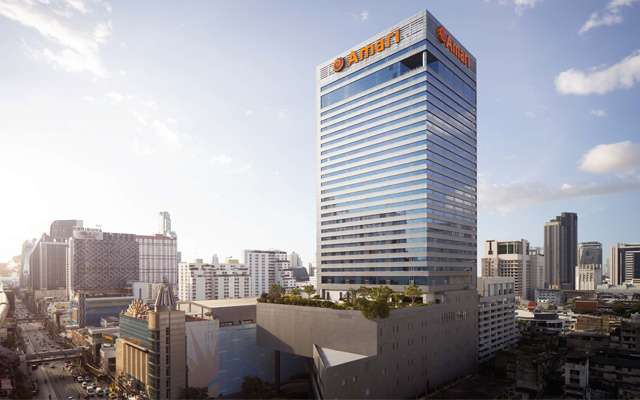
Amari Bangkok is shifting its strategy to capture high-margin channels, while advocating for broader city-scale collaboration to boost the capital’s business events sector.
Jose Luis Duran Sanles, general manager of Amari Bangkok, noted that Singapore and Gulf Cooperation Council markets remained reliable across both FIT and group segments.
“Retail Direct continues to be one of our fastest growing and highest margin channels, so we are investing heavily in direct bookings and digital performance,” Sanles said.
He added that Wholesale Dynamic provides essential base and shoulder-period stability, while Group Business, especially corporate, embassy, and government series – is gaining strong momentum.
“Looking ahead, our focus is clear to grow high-margin channels, strengthen resilient geo-markets such as Singapore, India, China, and the Middle East, and maintain a balanced mix that supports both profitability and sustainable long-term growth,” he elaborated.
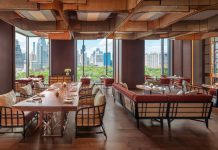
To capture corporate demand, the hotel is expanding its capabilities by launching Amber & Sage, a new versatile venue designed for meetings and private functions. This launch coincides with enhanced accessibility in the Pratunam district, which will be further strengthened by the upcoming MRT Orange Line complementing existing BTS connections.
The surrounding Pratunam area is also seeing a shift in traveller behaviours. Sanles pointed out that Indian travellers, supported by visa facilitation, are drawn to value shopping and local food. Conversely, the Middle Eastern market seeks premium experiences alongside luxury retail and quality dining.
“Overall, both markets are shifting toward lifestyle, wellness, and experience-led travel, positioning Pratunam as more than a shopping hub, but a broader urban lifestyle destination,” Sanles noted.
Looking at the wider landscape, Sanles identified untapped potential in Bangkok’s MICE sector.
He suggested developing district-based business events ecosystems, such as the Siam-Ratchaprasong-Pratunam corridor, to blend business sessions with cultural immersion.
“By moving from fragmented property-level competition to coordinated city-scale bidding, Bangkok can compete more effectively with centralised destinations like Singapore,” Sanles stated.