As climate change fuels unpredictable and devastating events worldwide, businesses must urgently adapt their travel risk management to protect their workforce and ensure operational resilience, writes Bala Selvam, regional security manager at International SOS
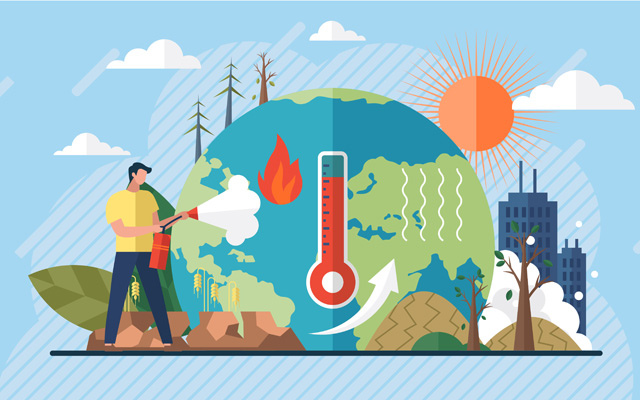
The devastating January 2025 wildfires in California serve as a stark reminder of the intensifying impact of extreme climate events, which are becoming a global concern.
These fires came on the heels of 2024, the hottest year on record, with global temperatures exceeding 1.5°C above pre-industrial levels. This unprecedented warming has driven flash floods, heatwaves, and storms worldwide, underscoring the urgent need for action.
Asia-Pacific has not been spared from these disruptions. Late 2024 brought six tropical cyclones to the Philippines within just two months, forcing mass evacuations and causing significant loss of life. South Korea recorded its heaviest November snowfall in over a century, grounding travel and creating widespread chaos.
As climate change accelerates, organisations across the region are increasingly grappling with their duty of care obligations. Robust travel risk management strategies are essential to protect employees and ensure operational resilience in this unpredictable landscape.
According to International SOS’ Risk Outlook 2025, 49 per cent of organisations expect significant health and operational risks from extreme weather this year. Some analysts have noted that the frequency of such incidents is increasing by 30 per cent annually, business travel plans must be robust enough to withstand these disruptions and adaptable enough to support employee wellbeing during crises.
Extreme weather events can leave employees stranded in unfamiliar locations, facing communication breakdowns, limited medical access, and supply shortages. These conditions can cause anxiety, fatigue, and impaired decision-making. Adaptable travel plans supported by risk monitoring tools and early warning systems help organisations adjust itineraries proactively, avoiding the greater costs of stranded employees and disrupted operations.
These challenges highlight the need for proactive travel risk management. While not all disruptions are predictable, pre-emptive measures reduce vulnerabilities and ensure employee health and safety during travel.
Strategies to climate-proof business travel
Pre-travel risk assessments: A tailored approach is crucial, considering factors like regional climate patterns, healthcare infrastructure, and transport networks. For instance, during typhoon season in South-east Asia, proximity to medical facilities and safe zones is vital. Equipping employees with practical information – such as emergency contacts and nearby shelters – boosts their confidence and ability to respond calmly to unexpected events.
Real-time monitoring and communication: Extreme weather can escalate quickly, but some events, like typhoons in South-east Asia, are more predictable due to advancements in meteorology and predictive modelling. Real-time monitoring systems tracking storms or flash floods enable organisations to adjust travel plans early. Reliable two-way communication channels provide employees with clear instructions, support, and a sense of connection during challenging situations.
Health and security contingency plans: Comprehensive contingency plans should address scenarios like emergency medical assistance, evacuation logistics, and secure accommodation. The Risk Outlook 2025 notes that organisations with integrated health and security protocols respond more effectively to crises. Plans must consider local complexities, such as limited transport or geopolitical factors, and be regularly updated to stay relevant in a changing climate landscape.
Mental health and wellbeing support: Travel disruptions are both logistical and emotional challenges. Employees stranded outside their home countries may face heightened anxiety or isolation, impacting their mental health. Organisations should provide mental health support, such as virtual counselling and post-travel wellness check-ins. Clear information on available resources normalises their use and shows a commitment to employees’ well-being.
Partnering with experts: In high-risk regions, accredited local expertise is vital for managing crises. Partnering with health and security experts like International SOS enables timely medical assistance, secure evacuation plans, and real-time intelligence, even in the most challenging environments. Such partnerships also aid in creating customised travel policies and training, enhancing organisational resilience.
Bridging technology and human oversight
While technological tools enhance risk monitoring and horizon scanning, data alone cannot manage a crisis. Effective travel risk management combines predictive tools with skilled professionals who deliver actionable insights. Experts provide the context technology lacks, ensuring accurate and rapid responses. This synergy is essential – neither data nor expertise works alone.
Crisis response teams are vital for organisational adaptability during emergencies. Regular training and scenario-based planning build their confidence and adaptability, enabling faster and more effective responses when crises arise.
A proactive approach to business travel
Travel disruptions are increasing as climate change reshapes the risk landscape. Extreme weather events are no longer anomalies but persistent challenges for global organisations. To navigate this complexity, businesses must prioritise the safety and well-being of their travelling workforce. Equipping employees with the right tools, information, and support embeds resilience into a robust travel risk management programme.
Safeguarding business travellers demonstrates an organisation’s commitment to sustainability. A proactive approach – integrating risk assessments, real-time monitoring, mental health support, and expert partnerships – protects employees, builds resilience, and enables businesses to achieve strategic goals despite climate-related disruptions.
 Bala Selvam is a regional security manager at International SOS