Event design and planning should be inclusive and cater to people with special needs in order to attract delegate participation and ensure that no segment of the audience is unintentionally excluded.
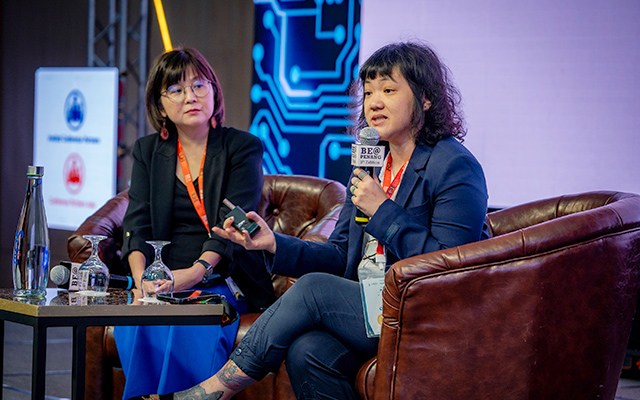
Autism advocate, gender-disability activist as well as founder of Autism Inclusiveness Direct Action Group (AIDA), Beatrice Leong, said many individuals with both visible and non-visible disabilities routinely avoid events because the environments are inaccessible or overwhelming.
“When we build events and ask people to come, have you ever thought about who’s not coming? Many stay away not because they don’t want to, but because the space is not designed for them,” she said.
Leong was speaking at BE@Penang organised by Penang Convention & Exhibition Bureau early this month, on the Accessibility: It is good business session.
With South-east Asia rapidly becoming an ageing region, she noted that more people will experience mobility, sensory, or cognitive limitations as they grow older.
“Inclusivity is not only a moral obligation but a growing market segment that event organisers cannot afford to ignore,” Leong stressed.
She urged organisers to adopt universal design principles, such as barrier-free layouts, quiet or low-stimulus areas, multiple formats for information delivery, streamlined registration and queuing systems, and accessible technologies including captioning, assistive listening tools and screen-reader-compatible platforms.
“These measures create environments where all delegates can participate fully and comfortably, regardless of age, ability or neurodiversity,” she explained.
She warned that overlooking accessibility carries reputational and commercial risks.
Delegates today are highly aware of whether an event feels safe, welcoming and inclusive, and negative experiences are quickly amplified online.
Citing AIDA’s analysis of public complaints found across social media in 2024, Leong said 60 per cent involved accessibility barriers which is a clear indication of unmet needs that translate into lost attendance and revenue.
Leong also called on venues and organisers to collaborate with disability communities from the planning stage, stressing that co-creation leads to more meaningful accessibility solutions that reflect real user needs and ultimately enhance the overall event experience for all attendees.