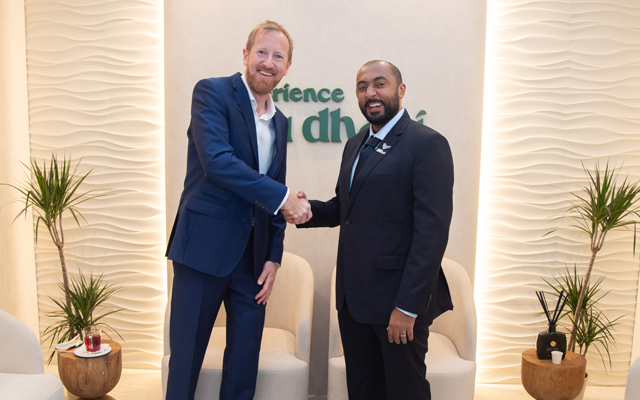
M&I’s Richard Barnes; and Abu Dhabi Convention & Exhibition Bureau’s Moammer Mohammed Al Marzooqi
The Department of Culture and Tourism – Abu Dhabi (DCT Abu Dhabi) and Worldwide Events have signed a strategic partnership to host the M&I Expo, slated for April 14-16, 2026.
M&I, an events provider within the portfolio of Worldwide Events, will bring to Abu Dhabi the “MICE 1,000”, a curated group of the most senior, influential decision-makers in the global business events industry for three days of networking, knowledge-sharing, and business development.
M&I’s Richard Barnes; and Abu Dhabi Convention & Exhibition Bureau’s Moammer Mohammed Al Marzooqi
The event, to be hosted at Abu Dhabi National Exhibition Centre (ADNEC), will feature immersive booths, compelling branded spaces, and storytelling-driven showcases attracting global exhibitors, including tourism boards, CVB’s, major hotel brands, conference centres, DMCs, and technology providers.
The M&I Expo programme will feature one-to-one pre-scheduled meeting format alongside a fully inclusive networking programme with hosted lunches, evening socials, and keynote speakers. In addition to the exhibition programme, buyers will have the opportunity to experience Abu Dhabi firsthand; engaging with its unique venues, culture, and hospitality offering.
Hosting the M&I Expo aligns with Abu Dhabi’s Tourism Strategy 2030, which aims to establish the emirate as a global leader in culture and tourism, while serving as a catalyst for diversified economic growth.
This announcement comes as Abu Dhabi’s tourism sector continues to grow in 2025, welcoming 1.4 million overnight guests in the first quarter alone. International visitation increased compared to the same period in 2024, with strong performance from key source markets including India, China, Russia, the UK, and US.
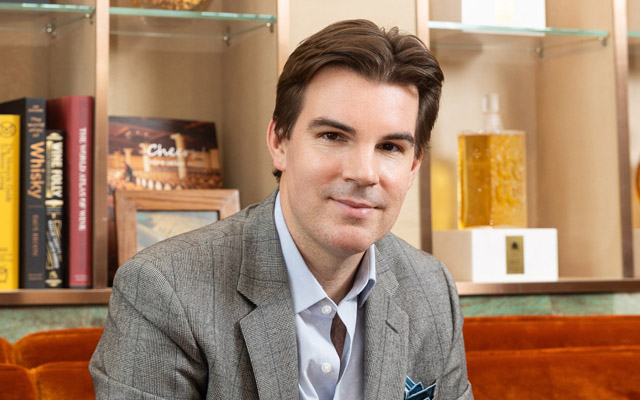
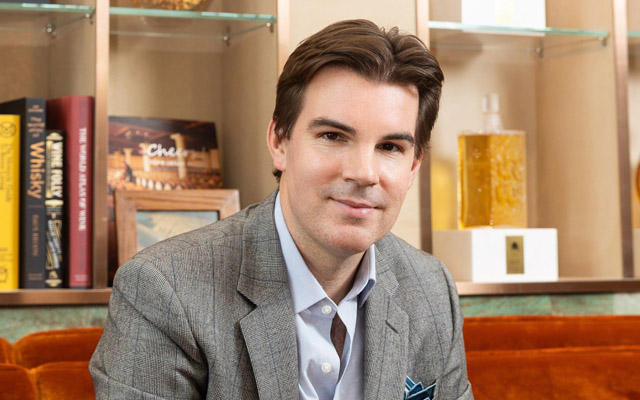
Preferred Travel Group has appointed Philipp Weghmann as chief development officer, a new role in which he will lead strategic growth and innovation across the company. He will also serve as president of Beyond Green, supporting the brand’s global expansion.
Weghmann will oversee the group’s global development, working with leadership teams to identify opportunities for brand growth and portfolio alignment. He will also manage the company’s Integrated Quality Assurance and Alliance Partner programmes.
With over 20 years in hospitality, Weghmann previously served as vice president and global brand leader for The Luxury Collection at Marriott International, leading brand strategy and growth for more than 120 hotels worldwide.
The Board of Tourism Australia has announced that managing director Phillipa Harrison will leave in August 2025 to pursue a new opportunity overseas.
Appointed managing director in 2019 and reappointed in 2024, Harrison joined Tourism Australia in 2017 as executive general manager international, overseeing international operations, global distribution, and partnerships.
Penny Fowler, chair of the Tourism Australia Board, praised Harrison’s leadership, noting that under her tenure, Australia welcomed more than eight million visitors last year for the first time in five years.
Reflecting on her time at Tourism Australia, Harrison expressed gratitude to the 300,000 tourism operators across Australia and the 200 staff worldwide who support the industry and help deliver memorable visitor experiences.
The recruitment process to appoint a new managing director will commence shortly.
AI will revolutionise business travel, as indicated by younger generations
Younger business travellers are optimistic about AI’s role in the future of corporate travel, where a March 2025 global survey by Corporate Travel Management (CTM) of over 700 Millennial and Gen Z employees found that both generations anticipate AI will positively transform travel booking and in-trip experiences.
According to CTM’s sentiment check on Millennial and Gen Z business travellers in relation to artificial intelligence (AI), 41 per cent are excited about the use of AI in travel, while 31 per cent are concerned.
Overall, Millennial and Gen Z respondents expect AI to have a positive impact on booking speed (65 per cent); choice of travel products (61 per cent); and cost of travel products and services (60 per cent)
For a generation raised on tech, Gen Z surprisingly expressed equal excitement and concern relating to the use of AI in business travel (41 per cent each), compared to a more positive outlook amongst the slightly older Millennials where two-thirds (66 per cent) are excited about its potential and just 25 per cent are concerned.
With 59 per cent of global respondents indicating they book all their own travel, the demand for intuitive, self-service technology that enables anytime, anywhere access is accelerating.
CTM’s global chief technology officer, Joel Bailey, said: “Millennial and Gen Z travellers are going to be our future business decision-makers, so they are not just influencing the future of business travel, they are defining it. Their clear preference for digital tools and confidence in the benefits of AI are shaping how we evolve our technology roadmap…”
The research also highlighted website/online booking tools (71 per cent) and mobile app (52 per cent) as the top two most popular booking channel choices among Millennial and Gen Z travellers today, reflecting preferences for user-friendly, accessible booking solutions.
While websites/online booking tools are expected to remain in pole position for booking travel in the coming two years, their usage is expected to drop by three per cent (68 per cent). Notably, the preference for using mobile apps in the coming two years increases by six per cent (58 per cent). Asia (Singapore and Hong Kong) was the only region to prioritise mobile apps as its preferred booking channel over all other tools (66 per cent) in the coming two years.
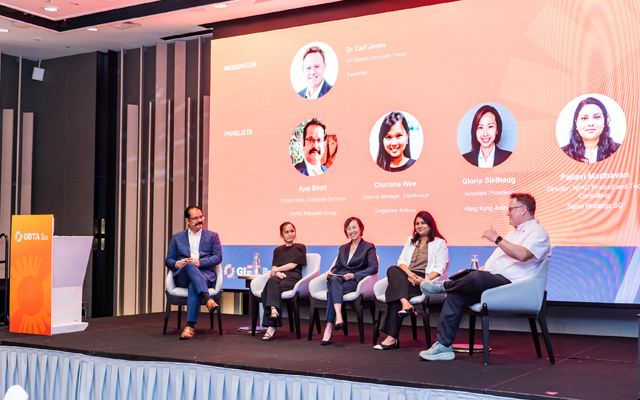
Godrej Industries Group’s Ajay Bhatt; Singapore Airlines' Charlene Wee; Hong Kong Airlines' Gloria Slethaug; Sabre Holdings' Pallavi Madhavan; and Traveloka’s Carl Jones (moderator)
Corporate travel stakeholders have made a call to buyers and sellers to get onboard NDC if they have not since IATA’s introduction more than a decade ago, adding that unfulfilled industry solutions will require a robust ecosystem and time to build it.
At the standing-room interactive breakout session – NDC and Modern Retailing: Elevating the Future of Corporate Travel in APAC – at last week’s GBTA APAC Conference in Singapore, Sabre’s Pallavi Madhavan, director, APAC products and tech consulting, reminded attendees leisure travel demand is simpler, whereas corporate travel bookings require “many changes” and “more servicing”.
Godrej Industries Group’s Ajay Bhatt; Singapore Airlines’ Charlene Wee; Hong Kong Airlines’ Gloria Slethaug; Sabre Holdings’ Pallavi Madhavan; and Traveloka’s Carl Jones (moderator)
Charlene Wee, general manager, distribution Singapore Airlines (SIA), added “corporate travel nuances differ with duty of care and back-end requirements”.
Hong Kong Airlines’ assistant president Gloria Slethaug acknowledged challenges such as solving interlining, providing PNR data for corporates and TMCs, and NDC enabling point-of-sale flexibility were very complex.
On the plus side, buyer Ajay Bhatt, group head – corporate services, Godrej Industries, noted NDC has the potential to add layers in the booking process and incorporate loyalty programmes, for example, and would like to see the gap between the leisure and corporate travel experience plugged.
He continued: “There is no option but NDC, which is still in a nascent stage of design despite being around for 10 to 12 years… and (it is important) for all stakeholders to be on it”. We (buyers) need to work with our TMCs to adopt it.”
Agreeing, Sabre and SIA said more services need to be included, there were some technical gaps, all stakeholders have to start even if NDC is not mature so that the system can continue to build to optimise aspects such as personalisation and transparency.
Describing NDC as a technical change, Wee said SIA is working with its partners to simplify the process, and noted that if the agency is not onboarded, the “TMC may not be showing but corporates are able to access it on the airline platform”.
Amid global instability in 2025, the business events industry must proactively embrace agility, designing adaptable, human-centric experiences that transform disruption into a competitive edge
As economic indicators flash warning signs and geopolitical flashpoints multiply across Asia and beyond in 2025, business travel managers and event planners face a fundamental challenge: how can we deliver high-impact business mobility in an environment where disruption has become the norm?
The stakes are substantial in today’s business landscape. Corporate travel drives organisational growth through irreplaceable human connections – forming partnerships, closing deals, and strengthening relationships that digital interactions simply cannot replicate.
Amid global instability in 2025, the business events and corporate travel industry must proactively embrace agility, designing adaptable, human-centric experiences that transform disruption into a competitive edge
Meanwhile, MICE initiatives create powerful brand experiences that resonate long after the event concludes, building loyalty and deepening engagement through shared moments. Both remain foundational to business success yet face unprecedented budget scrutiny and complex safety challenges that test even the most experienced professionals.
For event planners, this is not just about overcoming logistical hurdles. Success now hinges on creating frameworks where meaningful connection can thrive against a backdrop of uncertainty. The traditional event model – built on fixed timelines, rigid contracts, and inflexible formats – has become a liability rather than an asset. Today, resilience must be woven into every phase of planning – from concept to execution – creating experiences that can seamlessly adapt while preserving their essential human connection and brand impact.
What’s emerging is a shift from a duty of care to a duty of awareness. It is no longer sufficient to react when something goes wrong. Success now depends on proactively equipping delegates, teams, and clients with the right tools, information, and contingencies before departure or event day.
The most successful event planners now lead with:
Pre-event engagement strategies that build anticipation and clarity, while establishing contingency pathways that can be activated seamlessly when needed
On-site experiences that feel authentic, immersive, and reflective of the brand
Flexible formats that can adapt to changing circumstances without losing impact
For MICE professionals, success means developing concepts that transition effortlessly between in-person, hybrid, and virtual formats with minimal redesign. Contract negotiations must prioritise exceptional collaborative experiences over marginal cost advantages. The goal transcends simply planning an event – it’s about creating memorable experiences that drive productivity and engagement.
In volatile markets like those we are experiencing in early 2025, agility is not just beneficial – it is essential for survival. Organisations that compartmentalise risk and flexibility as separate concerns often find themselves constantly firefighting.
Instead, successful programmes embed adaptability into their DNA, treating uncertainty not as an obstacle but as a design parameter.
At ATPI, we have witnessed first-hand how companies that master this integration don’t just weather disruptions – they leverage them to create competitive advantages. They understand that in today’s landscape, the ability to pivot gracefully while maintaining quality and purpose has become the ultimate differentiator.
The organisations thriving in this uncertain environment aren’t merely managing change – they are architecting experiences that flourish because of it.
By understanding the distinct yet complementary roles of corporate travel and MICE, these companies are creating meaningful human connections that drive business forward, regardless of the challenges that arise.
Ali Hussain is the regional managing director, Asia, at ATPI, a travel and event management solutions company.
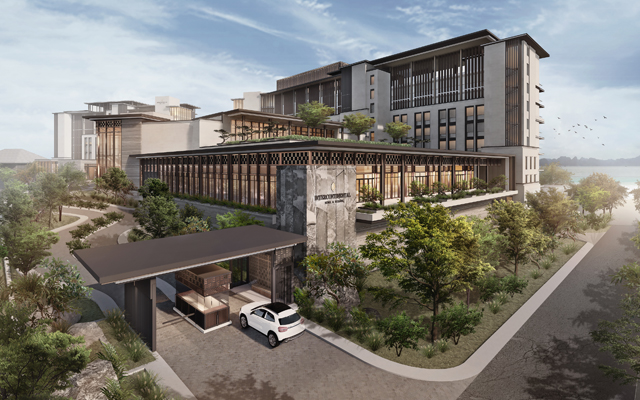
A rendering of InterContinental Halong Bay Resort and Residences
Set to open in mid-July 2025, the new 275-room InterContinental Halong Bay has hit the ground running to establish itself as a destination for corporate events and meetings in the Asia-Pacific region.
“We are currently at the ramp up period, and our target markets for meetings and incentives are predominantly Vietnam, Taiwan, South Korea, China, Japan, Singapore and Hong Kong. We are also seeing keen interest from India, and are working with IHG to fast track the opening of the hotel in these markets,” said Bastien Pucheu, area director of commercial, IHG BIM Estate Vietnam, IHG Hotels & Resorts, told TTGmice when interviewed at IMEX Frankfurt 2025.
A rendering of InterContinental Halong Bay Resort and Residences
Although the hotel is not open yet, Pucheu has already seen a “fair bit of interest” from corporates as this is the “first luxury branded hotel to operate in the area”.
The Grand Ballroom will be the InterContinental Halong Bay’s largest event space, accommodating up to 1,050 guests in theatre-style, which can be split into three smaller spaces when required. There are four additional meeting rooms, as well as outdoor options, including a manicured garden with a capacity of 330 people, and a terrace accommodating up to 390 for receptions.
“We could also potentially cover the 130m-long pool in front of the 24 three-bedroom villas, and organise private buyouts of that section for groups of up to 70 pax,” he elaborated.
To kick things off, Pucheu indicated that the property is targeting groups of around “100 to 200 corporates”, with future plans to “grow from there”. Property buyouts are also welcome.
Several incentive itineraries – developed with local partners – are already in the works, including a day cruise in Halong Bay, or a visit to floating villages specific to the area. He also assured event planners that they already have local partners, who are “well aware of the needs of corporate planners”, onboard.
The hotel’s other facilities include three outdoor pools, alongside six F&B venues. For example, Roku & Sky Bar will be located on the resort’s rooftop, while Yulong Mansion is a two-storey venue that will offer a modern Cantonese dining experience. There is also the Del Mar beach club, which groups can book for private events.
When queried about Vietnam’s untapped positioning as a business events destination in Asia-Pacific, Pucheu opined: “I believe Vietnam has huge potential when it comes to meeting and events, but people don’t know about it yet. The food and level of service is fantastic, and there is lots of new infrastructure coming online.
“With the development of this property in Halong Bay, an absolutely iconic destination, it will definitely help raise the country’s profile on the global MICE stage.”
The St. Regis Singapore has unveiled the newly-redesigned John Jacob Ballroom, a key milestone in the hotel’s ongoing transformation.
Honouring the House of Astor’s legacy as the House of Celebrations, the refreshed space blends classic grandeur with the refined charm of a 19th-century Orangerie.
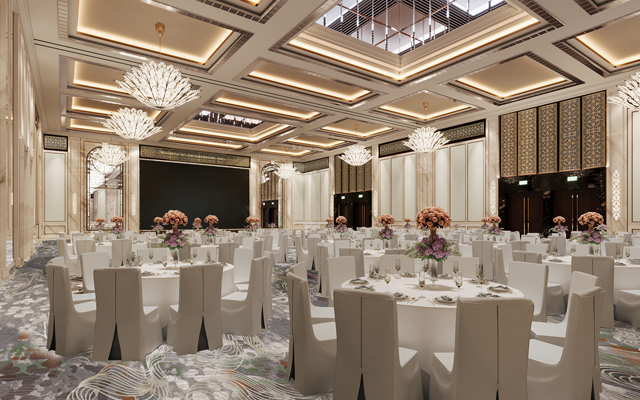
John Jacob Ballroom
At the helm of the ballroom’s redesign is studio FBEYE International, whose vision draws inspiration from the nearby Singapore Botanic Gardens. Two skylights crown the John Jacob Ballroom, transforming the venue into a light-filled grand garden pavilion. Climbing vine motifs and a custom-designed carpet – its palette inspired by citrus leaves and sculpted topiary in tones of aged stone, tangerine, sage, and olive – evoke a secret garden. Crystal chandeliers capture the shifting daylight, while floral-inspired light fixtures lend a sculptural softness to the space.
Spanning slightly over 700m2, the pillarless space can host 400 guests for a formal dinner or 500 in a theatre-style arrangement. For smaller events, the ballroom can be divided into two self-contained venues with a soundproof air wall.
Additionally, the ballroom is newly outfitted with two high-resolution LED walls measuring 9.6m by 5.3m, promising captivating visual displays. Ten intelligent lighting systems allow for seamless mood curation, while a state-of-the-art sound system ensures absolute clarity, supporting events of professional calibre.
Adding a sense of theatre to the foyer is a new built-in bar, inviting guests to enjoy pre-function live cocktail showmanship. For guests of honour, a new VIP Room – complete with plush sofas, ambient lighting and refined botanical accents – located next to the ballroom offers a private sanctuary.
The St. Regis Singapore’s Meetings Reimagined MICE offer allows meeting planners to select from a list of exclusive privileges depending on the minimum contracted spend. These benefits include suite upgrades, a private Bloody Mary cocktail experience for up to 30 guests, and a one-hour cocktail reception featuring the chef’s selection of three canapés with free-flowing soft drinks, beer and house-pour spirits.
In a move to attract more business events to regional Victoria, Novotel Geelong has launched a limited-time 2025 conference offer packed with perks, including big savings and bonus rewards, for event planners.
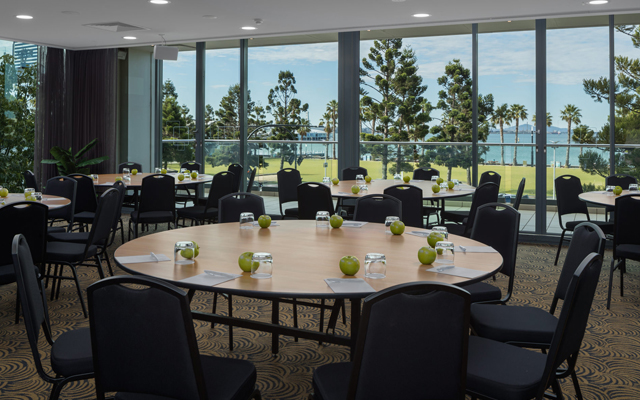
Peninsula Room
Those booking a conference by the end of June for an event held by September 30, 2025, will receive an assortment of exclusive benefits, including A$25 off the accommodation rate; buffet breakfast; 25 per cent discount on the day conference package; and 25,000 bonus ALL Meeting Planner points
Located on the waterfront offering views over the bay, Novotel Geelong features 109 guest rooms, each with a balcony, plus an indoor heated pool, steam room and fitness centre.
A dedicated function level with 11 unique spaces makes the hotel an ideal venue for small business meetings or a conference or event for up to 250 people.
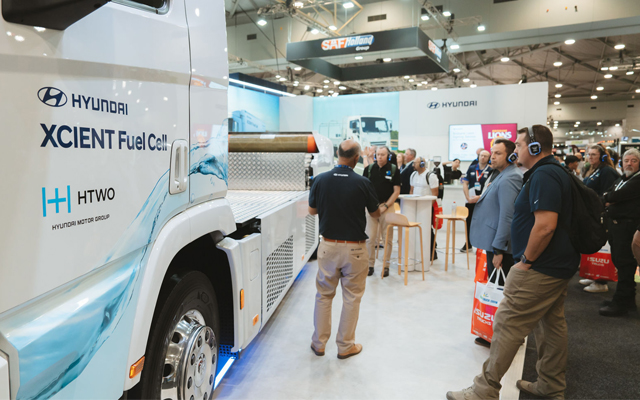
This year’s Brisbane Truck Show has broken attendance records, welcoming 54,790 patrons to the Brisbane Convention & Exhibition Centre (BCEC), which has hosted the Australian transport industry event since 2011.
Driven by a 12,000 increase in attendees compared to the 2023 show, this year’s Brisbane Truck Show has already eclipsed the previous event’s 92,982 room nights and A$43.6 million (US$28.2 million) economic impact on Queensland.
Brisbane Truck Show 2025
Big rigs, trucks, trailers and accessories along with the very latest in transport, equipment and related technologies filled 35,000m2 of space over three levels of the Convention Centre.
Beyond the BCEC, Truck Week 2025 extended the Show into a successful week-long festival of all things trucking, with innovation, road safety, sustainability and education all on the agenda.
Organised by the Heavy Vehicle Industry Australia, the Brisbane Truck Show is the biggest automotive exhibition in the Southern Hemisphere. It is the largest exhibition held at BCEC in size and scale and has a multiplier effect on the city’s economy, due to the involvement of suppliers, contractors and other local businesses connected to the Show. This is in addition to the 17 associated events held at BCEC during the Show.
Just 10 minutes from Phuket International Airport on the serene northern coast, this 178-key, Bill Bensley-designed resort offers delegates a quiet, tropical paradise steeped in Phuket’s tin-mining heritage
The newly-opened Ritz-Carlton, Bangkok anchors the One Bangkok development with cosmopolitan elegance. Featuring the city's largest ballroom and a spectacular new penthouse suite, it delivers exceptional hardware and deeply authentic, soulful service for business and leisure travellers alike
Behind the imposing, Brutalist concrete that defines Zurich’s Oerlikon district lies a surprising secret. While its exterior honours the neighbourhood’s industrial roots, stepping inside Mama Shelter reveals a vibrant, neon-soaked world that is a far cry from its rigid shell



 With over 20 years in hospitality, Weghmann previously served as vice president and global brand leader for The Luxury Collection at Marriott International, leading brand strategy and growth for more than 120 hotels worldwide.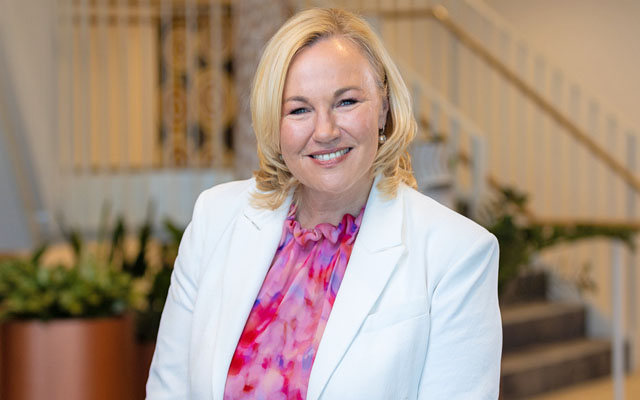
 Penny Fowler, chair of the Tourism Australia Board, praised Harrison’s leadership, noting that under her tenure, Australia welcomed more than eight million visitors last year for the first time in five years.