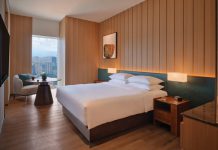
Bernard Rodrigues is now general manager of New World Millennium Hong Kong Hotel. Prior to this, Rodrigues headed The Charterhouse Causeway Bay Hong Kong. He has more than 29 years of hospitality experience across Asia.
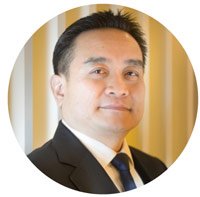
Bernard Rodrigues is now general manager of New World Millennium Hong Kong Hotel. Prior to this, Rodrigues headed The Charterhouse Causeway Bay Hong Kong. He has more than 29 years of hospitality experience across Asia.

Michael Murphy is now general manager of Six Senses Qing Cheng Mountain, scheduled to open in early 2015. He was recently general manager of the pre-opening team for Howard Johnson Hi-Tech Plaza Chengdu.
Edwina San has joined Park Hyatt Melbourne as director of sales & marketing. San was last with the Melbourne Convention Bureau, where she held the position of general manager commercial partnerships for seven years.
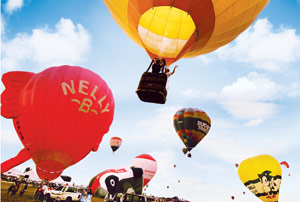
Clark’s fun surroundings and host city status for APEC 2015 will up its appeal as a MICE destination but access must improve, writes Marianne Carandang
Clark, a freeport zone in Central Luzon, about 90km north of Manila, has set its sights on international business events, counting on the region’s cultural heritage within the Pampanga region, and its relatively short distance from the beach and adventure attractions of
Subic, which already enjoys visibility as a MICE destination on its own.
However, Ronnie Tiotuico, regional director for Central Luzon with the Department of Tourism, admitted that “Clark cannot be a stand-alone destination on its own”.
Clark’s positioning, Tiotuico noted, becomes stronger when viewed as a “single” destination in conjunction with nearby Subic which has a convention facility of its own, the 12,000m2 Subic Bay Exhibition and Convention Centre (SBECC) and a plethora of outdoor sports activities and natural parks.
Besides hosting this year’s edition of the Philippine MICE Conference in June, an event that drew about 500 trade participants, including international buyers, Clark is also starting to work closely with associations. According to Tiotuico, the destination has won two upcoming conventions – the Mother Butler Guild National Convention from November 7 to 9, 2014 at the Hotel Stotsenberg, which aims for 1,500 delegates, and the 40th Kiwanis International Asia Pacific Convention, which is expected to welcome 1,300 delegates from March 5 to 7 next year at Fontana Convention Center.
In 2015, the city will host the Asia Pacific Economic Cooperation (APEC) Summit.
To publicise the array of MICE venues in Clark and its surrounding region, Tiotuico’s office launched the Central Luzon Convention Planners Guide in March. In Clark, properties that can support business events include Holiday Inn Clark, Lewis Grand Hotel, Grand Palazzo Royale and Widus Hotel & Casino.
Conversations between TTGmice and representatives at SMX Convention Specialists Corp (SMXCC) in 2012 and 2014 revealed that an SMX Convention Centre, or at least a smaller trade hall facility at the nearby SM Clark mall, was under serious consideration. In June, SMXCC vice president and general manager, Dexter Deyto, confirmed that a convention facility remained in the works.
Meanwhile, parent company SM Hotels and Conventions Corporation is going ahead with plans to open a 150-key Park Inn by Radisson hotel in 2016.
On the access front, the destination is supported by Clark International Airport which services airlines such as Jin Air, Asiana Airlines, Dragonair and Qatar Airways. Arrivals through this gateway grew 71 per cent from 2011 to 2012, to reach 1,315,757 passengers.
In August this year, the Aquino presidential administration revived a US$400 million, 80km railway proposal aiming to link Ninoy Aquino International Airport to Clark, a project which stalled in 2012. If this had gone ahead as planned two years ago, it would have boosted the destination immediately.
Doubts over the project’s status almost certainly had an effect on Clark’s tourism and MICE prospects in the short-run. In 2013 arrivals declined 8.8 per cent to 1,200,592, when carrier pullouts began in earnest, starting with Airphil Express (February 2013) and Philippines AirAsia (September 2013).
While AirAsia is resuming flights between Kuala Lumpur and Clark on October 17, it is a far cry from the ambitious operations initially promised by AirAsia CEO Tony Fernandes.
Meanwhile, Cebu Pacific, which operates flights to Singapore, Hong Kong and Macau, ran a short-lived service to Shanghai in end-2013.
Emirates’ attempt to mount daily flights between Clark and Dubai – a launched October 1, 2013, – likewise ended in May this year because of “intense competition” and jet fuel excise taxes, the carrier stated.
Despite these setbacks, Clark is still viewed as an intermediate destination, particularly for incentive travellers visiting northern Luzon from Manila, said Anna dela Cruz, account officer of Annset Holidays, who has brought incentive groups of 70 to 80 pax to Clark on the way to Baguio and Sagada.
Mitch Ballesteros, chief marketing officer at Ex-Link Events, recommends convention activities of up to 400 pax in Clark.
“I can see an ASEAN business conference being held here, or Rotary International events, because of the proximity of the airport and the absence of traffic,” she said.
While Gilda Padua, who operates two travel companies and is president of the Greater Clark Visitors Bureau, is planning to promote nearby Angeles as a destination, so as to strengthen Clark’s tourism appeal, she admitted that it would be a tough run.
“(Clark has) small convention facilities but there are still some components missing in the area,” commented Padua. She is working with a small but growing base of inbound tour operators and is sourcing for guides and licensed tour buses from Manila.
On the upside, however, Padua said short-stay MICE visitors could take half a day to play golf in Clark, either before or after business meetings, or be brought to neighbouring Subic for a day of post-event leisure activities or overnight stays.
She is also optimistic that Fontana Leisure Parks and Casino’s 200-million peso investment into expanding the Fontana Convention Center will grow Clark’s current capacity from 500 to 1,000 pax, in time for some of the initial APEC 2015 events in January and February.
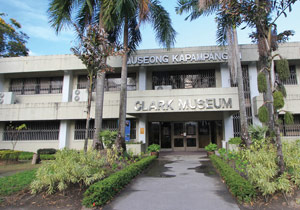
Start the day of sight-seeing with a tour of Clark’s historical landmarks.
First stop, Clark Museum where well-preserved military artifacts dating back to World War II are on display. Appreciate Clark’s past as a military base under Japanese occupation.
After that, drive past the wide open Clark Parade Grounds, where many old-fashioned post-war homes have been converted into restaurants and corporate offices, as well as the sprawling Air Force City grounds, which displays old fighter jets no longer in use.
As lunch hour beckons, make a stop at Camalig Restaurant in downtown Angeles and indulge in Pampanga’s rich specialties which include pork sisig, stuffed frog, deep fried crickets and morcon.
Later, get onto the pristine highways of the Subic-Clark-Tarlac Expressway and enjoy a 45-minute drive into the port town of Subic, landmarked by high trees. Keep an eye out – and perhaps a camera ready too – for bats and monkeys that trail along the roads.
Continue onwards into the Subic Bay Metropolitan Area and walk down the waterfront, which has a lighthouse and great views of a yacht marina.
Spend the rest of the afternoon at the Zoobic Safari or watch dolphins perform to music and jump through hoops at Ocean Adventure.
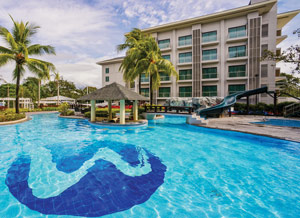 The 119-keys Widus Resort and Casino in Angeles, Clark has completed an initial phase of guestroom and meeting room expansion. Works included the addition of a second hotel tower with 114 rooms in November 2013.
The hotel’s lobby was also renovated, while a new 120-seat dining room/function area was added in the casino.
By the end of this year, the property will debut a new casino.
The Greater Clark Visitors Bureau will soon launch a shuttle bus service connecting various business hotels in the Clark area to Metro Manila.
This will complement an existing Airport Lounge service in Trinoma Mall in Quezon City, which brings airport passengers to Clark. The Airport Lounge runs a thrice daily service from Trinoma Mall in Quezon City, and four services a day from Clark to Trinoma.
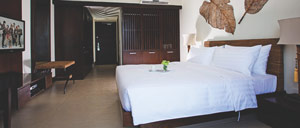 Kamana Sanctuary Resort and Spa has 48 beachfront rooms and over-water cottages overlooking Subic’s deep water bay, making it an ideal destination for incentive trips. Its location in the Nabasan Beach/Ilanin Forest district allows guests to easily partake in jet-ski and wreck dive activities, as well as hikes through Subic’s virgin forests.
Other facilities at the hotel include a restaurant with a well-stocked cellar, a function room for more than 100 people and a spa.
Visit www.kamanasanctuary.com for more information.
Clark International Airport in the Clark Freeport Zone recently completed a 417 million Philippine peso (US$9.6 million) expansion of its existing passenger terminal, which has expanded from 8,587m² to 18,573m².
The larger terminal now offers 34 check-in terminal counters and 24 immigration counters, and boasts increased baggage and passenger handling capacity. It can now tackle five million passengers annually, up from 2.5 million pre-expansion.
A new budget terminal is also underway, which will further expand airport capacity to 10 million per annum.
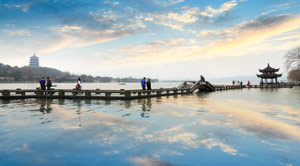
Hangzhou is hungry for MICE and the Hangzhou Tourism Promotion Centre (HTPC), which set up a MICE department in 2009 and China’s first MICE Association with more than 100 members from all sectors of the industry in 2010, wants to up the ante.
New high-end hotels in the CBD and resorts set amid tea plantations and forests is giving the city new breadth of accommodation options.
To boost MICE, Hangzhou has launched an ambassador’s programme to attract international meetings and conventions in industries the governments is targeting.
At a recent industry roundtable discussion co-presented by Starwood Hotels and Resorts and TTGmice, and held at the Sheraton Hangzhou Wetland Park Resort, Roger Shu, MICE manager, MICE Department of HTPC, said steps are being taken to add a second brand, the Hangzhou MICE Promotion Center (HMPC) which will act like a convention and exhibition bureau (CVB) to ensure the destination does not lose its number three ranking in China, especially to rival Nanjing.
Hangzhou also wants to be more appealing to international source markets and the message it wants to send is that China comprises not only Beijing and Shanghai.
In ICCA’s 2013 ranking of Chinese cities for international association meetings, Beijing takes top spot with 105 meetings, followed by Shanghai with 72. In joint third position with 17 meetings each are Hangzhou and Nanjing, and Hangzhou is determined to outpace its rival.
Roundtable attendees from the airline and hotel sectors agreed the creation of HMPC will benefit the destination.
Shu noted: “Hangzhou welcomed 10,000 delegates in 2013 and our target is to reach 25 international association meetings with more than 500 people each, in three years’ time.
“HTPC bid for 50 international association meetings this year and clinched three. With the HMPC, Hangzhou will be in a stronger position to influence decision-makers to hold association meetings (here) and to attract regional association meetings and incentive business.”
Shu hopes the HMPC will be ready by 2015. Meanwhile, a system to collate MICE data is also being set up.
While MICE group extensions from Shanghai, only about 90 minutes away by car and is served by several daily train services, are important, Hangzhou is eyeing more direct business.
With the support of HTPC’s MICE Department and the MICE Association, Hangzhou has been ramping up its promotions by launching media familiarisation trips with hotel groups, and trade familiarisation trips with scheduled table-top appointments for buyers from national associations, among others.
Air France KLM, as the first international carrier to launch direct flights from Amsterdam to Hangzhou in 2010, has also organised a familiarisation trip for European buyers.
Today, Hangzhou is served by 20 airlines, with 12 offering direct flights to several major Asian cities.
Tina Zhou, director of sales, Sheraton Hangzhou Wetland Park Resort, said: “Before the hotel opened in 2011, we invited 20 buyers from Beijing for a familiarisation trip. In 2013 we organised a MICE event for 300 trade professionals to showcase the hotel’s new meeting space (and) promote the wetland park for MICE activities (including teambuilding).”
Jackson Wang, deputy managing director, Hangzhou New China Travel Service, which has expanded into MICE, said incentive groups tend to stay three to four nights and the company is trying to encourage longer stays by combining the city’s classic and modern elements, its water heritage, and slower pace compared to other big Chinese cities.
Wang explained: “Hangzhou is an important tea centre and MICE groups can visit tea plantations and learn more about Hangzhou’s tea culture, hike and bike in its nature parks, and visit UNESCO World Heritage sites such as the Grand Canal and the West Lake.”
He noted that direct flights and attractive pricing have appealed to incentive groups from Malaysia and Singapore, who enjoy night attractions such as the Impression West Lake performance and local cuisine.
Starwood’s The Azure Qiantang, A Luxury Collection Hotel, Hangzhou, which opened in September, has added a new high-end dimension to the destination and is now offering the brand’s Gold Concierge Service.
General manager, Andy Wang, said the hotel’s 700m2 ballroom, seven meeting rooms, and signature restaurants are positioned for MICE.
“Our ample garden is ideal for theme parties for between 200 and 250 people,” he said, adding that Starwood’s Hangzhou room inventory, which now includes the Sheraton and Four Points by Sheraton brands, will grow to 1,550 within two years.
While the industry acknowledges government support has boosted the destination, the wishlist now includes the development of more professional conference organisers, more exciting and exclusive quality products, better service standards, greater market awareness of the city’s MICE capabilities, and more international direct flights.
Begin the morning with a visit to the Longjin Tea Plantation and get a small workout climbing up the hilly terraces to 300m for the best view. On the way down, visit a farmhouse for tea tasting and snacks.
To know more about tea production and the different types of tea, the group can visit the China National Tea Museum on the West Lake as part of the afternoon itinerary if a lake cruise is to be included.
From the Longjin Tea Plantation, head to the famous Linyin Temple built in the 4th Century AD by monks from India, and rebuilt no less than 16 times. On the temple grounds are Buddhist relics and fascinating Buddha statues carved into the rock face.
A vegetarian meal can be arranged at the temple or at one of the restaurants at the exclusive Aman Fayun, located in a private area of the temple grounds.
After lunch, send the group to Hefang Street, popular for souvenirs and knick-knacks.
Around the neighbourhood in 95 Dajing Lane is Hu Qing Yu Tang, the most successful Chinese pharmacy. It opened in 1878 and still dispenses medicine today.
In August and September, viewing the tidal bores of the Qiantang River, where waves rise as high as 10m, is a popular activity. The well-located Azure Qiantang, A Luxury Collection Hotel, which opened in September, provides a vantage point from its Panorama Signature Restaurant and 22nd floor terrace.
Return to the hotel to rest and refresh and finish the day tour by watching Zhang Yimou’s production, Impression West Lake, when the sun sets. The hour-long dream-like performance starts at 19.45 and is based on two classical and legendary Chinese love stories.
Itinerary provided by Hangzhou New China Travel Service
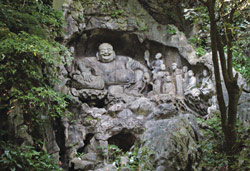
Linyin Temple
Picture by Caroline Boey
Shanghai remains a hot MICE destination but meeting planners looking for new locations with easy access can turn to nearby destinations such as Hangzhou and Huzhou. Both are under two hours away by land or rail from Shanghai.
Starwood’s growing portfolio around the Yangtze River Delta throws up two options that can stand alone or twinned.
The 380-room Sheraton Hangzhou Wetland Park Resort, which opened in 2011, sits within the Xixi National Wetland Preservation Area, and the sprawling nature reserve can be used for outdoor activities, ranging from hiking to teambuilding programmes.
With its inventory of more than 1,900m² of function space, the resort has been picked for product launches or meetings for between 300 and 400 people.
General manager Kathy Ma told TTGmice: “MICE is our bread and butter (across the week). Although we didn’t reach our budget, business has increased 42 per cent year-on-year, while the market has been trading downwards this year. The corporate FIT weekday segment also expanded significantly from last year, growing 39 per cent.”
The property now wants to improve the five per cent contribution from longer-staying, higher-spending international MICE guests, and to book more corporate meetings.
Education, automobile, real estate, tourism, IT, financial, and pharmaceutical groups remain the segments the resort will continue to tap.
Aiding Ma’s business goal is Hangzhou’s improving global air access. Qatar Airways, for example, added a frequency linking Hangzhou to Europe earlier this year, SilkAir now flies from Singapore, and a new service linking Moscow was launched in June.
Travel time from the Hangzhou Xiaoshan International Airport to the resort varies and is 50 minutes or significantly less without traffic jams.
Hangzhou’s relatively good infrastructure compared to other second-tier cities has attracted large fairs, such as the Xihu International Expo, according to Ma. Its natural tourism resources also provide a good fit for MICE programmes incorporating outdoor activities.
Starwood’s portfolio in Hangzhou includes the Sheraton, Luxury Collection and Four Points by Sheraton brands, with two more Sheratons opening in 2015 and another Four Points by Sheraton in 2020.
In contrast to the Xixi wetland park, Taihu Lake provides the backdrop for the 321-room Sheraton Huzhou Hot Spring Resort which opened end-2012.
Huzhou is 75km north of Hangzhou and 160km west of Shanghai, and the resort is about 90 minutes away by car from the Sheraton Hangzhou. The destination has a long history, is one of China’s four major silk-producing cities, and is the birthplace of calligraphy and the writing brush.
Sheraton Huzhou’s modern classic architecture – an incomplete doughnut-shaped glass structure – is a sight to behold. Referred to as the Ring of Happiness and nicknamed Moon Hotel, the reflection of the building in the water creates the vision of the moon, which is symbolic in Chinese culture.
At night, state-of-the-art lighting technology, which can be themed with music and display a company’s logo for corporate events, turns the building into a light and sound show for guests and local residents.
The luxury resort is the only international hotel brand in Huzhou, and Mystic Spa, with 101 hot spring pools, is the largest hot spring resort in China.
The resort has 2,200m2 of indoor meeting space. The 300m² Taihu Meeting Room on the 27th floor provides a panoramic view of the lake filled with sailboats.
Outdoors, the 1,600m2 floating Rose Garden and sprawling grounds provide ample space for unique incentive events or teambuilding activities around the lake. The hotel is planning to introduce fishing trips next summer.
Close to the resort are Fisherman’s Wharf with F&B options, Capital Outlets, which opened in October last year and stocks mid-range brands, and the fascinating Wood Museum housing naturally formed, but strange-looking wood pieces.
For golfers, the 18-hole Huzhou Hot Spring Golf Club is located about 20 minutes away.
Jonathan Kuss, Sheraton Huzhou hotel manager, said: “Not many people, including those in China, know about Huzhou perhaps because there is no airport and there are no direct flights. Huzhou is a beautiful destination with a country town feeling. There is a real opportunity for the Sheraton Huzhou, with what it offers, to put the destination on the map.
“Of the 10 per cent international markets the resort caters to, the majority of guests are from Japan, South Korea, Singapore, Taiwan and Hong Kong.”
The resort is intensifying its MICE marketing and kicked off with a major domestic and international media event for 82 journalists in May.
Kuss said: “We want to target the international MICE market, specifically senior management and upmarket meeting groups. Our strategy is to offer a ‘very negotiable’ weekday approach, and to cater to very creative events from Thursday through Sunday.”
– Caroline Boey
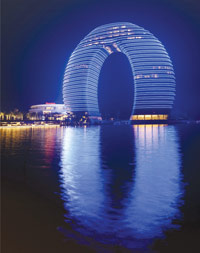
Sheraton Huzhou’s architecture
is a stunning sight on Taihu Lake
Azure Qiantang, A Luxury Collection Hotel, Hangzhou, which opened in September, is offering a special package until end of this year. Its deluxe room package at RMB1,300 (US$211.50) a night is inclusive of breakfast for two, and high-speed Internet access.
The hotel caters to meeting groups with its 650m2 Grand Ballroom and the 312m2 foyer. F&B options include Lan Ting Chinese Restaurant which serves a variety of local Chinese cuisine and signature dishes reflecting the “five water” elements that surround Hangzhou.
The 151-room Millennium Resort Hangzhou, which opened in 2Q2014, is the first Millennium & Copthorne resort property to open in China.
The city resort boutique hotel sits south of West Lake and along the Nine Creek, nestled among tea plantations and ancient forests. Its serene location makes it suitable for corporate retreats.
Millennium Resort Hangzhou has a 400m2 ballroom that can cater for up to 280 people, and four smaller function rooms. Besides an all-day dining restaurant, there are seven private dinning rooms, authentic Longjing tea service, and a large bar with live music.
Nearby are world-renowned attractions such as Liuhe Pagoda, Lingyin Temple, and the Song Dynasty Town.
Sheraton Huzhou Hot Spring Resort opened its signature Mystic Spa and Hot Spring Village in March.
The 20,000m² spa and hot spring village complex, adjacent to the resort’s main building, has 101 hot spring pools, 39 private guest villas, eight spa chalets for private treatments, and 21 treatment room. It is billed at the largest and most sophisticated natural hot spring resort in China.
Central to Mystic Spa is a large glass dome pool complex featuring 28 hot spring pools of various shapes and sizes, and privacy access overlooking the resort’s private lake.
The red wine spa pool, with a wine bottle-shaped spring pouring wine into the pool to provide antioxidant benefits, is a unique feature.
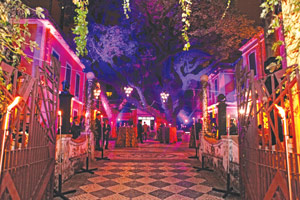
Despite Macau’s status as a UNESCO World Heritage Centre and its plethora of historical sites, business event planners are hitting a brick wall when it comes to securing a meaningful unique venue for their clients.
According to Macau’s Cultural Affairs Bureau, no applications from private companies for the use of heritage sites under its management have been accepted for the last six to seven years. The reason? These venues were abused during past events.
Only applications by non-profit organisations for charity activities will be considered.
The bureau’s stand on this matter has drawn critcism from local event specialist Bruno Simoes, CEO of smallWORLD Entertainment.
“No government owned space is available for private events. It is unfortunate.”
 Sharing the same observation is MCI Group Macau’s managing director, Peter Hassall.
Hassall recalled: “Mount Fortress (built from 1617 to 1626 as the city’s main military defence structure) used to be available for event hire but we were told that was stopped due to past abuse of the property.”
In order to continue to provide unique settings for client events, MCI Group Macau has turned to privately owned venues.
In mid-2013 it organised a VIP event for global hospitality giant, Starwood Hotels & Resorts, at Albergue 1601. The restaurant sits in the heritage St. Lazarus Quarter on the Macau Peninsula, serving up contemporary Mediterranean cuisine in a traditional Portuguese setting. It can accommodate a sit-down dinner banquet for 240 guests.
“We had to get permission from the owners, which normally takes around three weeks, (and approval depends) on whether there are other events (being booked at the same time) at the venue,” said Hassall.
For the event, MCI Group Macau paid a fee to hire Albergue 1601 for privacy, engaged entertainment from The Venetian Macao and had Sheraton Macao Hotel cater F&B.
Hassall said: “People think that Macau is all Chinese, but this event presented them with a unique insight into the destination’s Portuguese history. The entertainment was specially chosen to showcase Macau’s heritage (through storytelling).”
Offering event planners yet another privately owned venue option is the new Macpro Gallery in the downtown Central district of Macau Peninsula.
The venue occupies the second floor of a commercial complex and had undergone a year-long renovation to become the multipurpose space it is today. A picture-hanging system, various lighting modes, professional audio equipment recording system, projector and Wi-Fi access are all provided, allowing Macpro Gallery to meet the needs of a variety of events.
Macpro Gallery is joined by Macpro Business Centre on the 27th floor of the same building, a venue that offers 13 serviced offices and two meeting rooms that can accommodate three and 50 pax respectively.
Business development director of Macpro Gallery, Anita Ao, said: “The supply of off-site venues in Macau is limited. Organisers have to constantly look for fresh and new venues to thrill their attendees.”
Ao said Macpro Gallery’s unique selling points are its “fresh look and chic feel” and relative afffordability compared to function rooms at hotels in the destination.
“It is also away from the gaming environment,” she added.
Business events held at Macpro Gallery can incorporate walking tours of the surrounding historical sites, Ao suggested.
Event planners who do take gatherings to such standalone private venues are supported by a variety of catering services. MGM Macau, for instance, has a specialised catering and events team, comprising of eight personnel who manage all in-house and off-site events. The team is experienced and has handled several government functions.
Vice president of sales, public & community relations, Irene Wong, told TTGmice: “(Clients can choose) either plated dinners or cocktails with pass-around canapés – it all depends on the venue. The key challenge in using off-site venues is limitation on power and water supply, food preparation areas or even sheltered spaces.”

Hotel Royal Macau’s latest dining destination brings traditional Portuguese flavours, crafted by two internationally recognised Portuguese chefs, Luis Américo and Marco Gomes, to the shores of Macau.
The 120-seat FADO restaurant features four private rooms and offers a menu of well-loved dishes made with a contemporary touch and using ingredients, such squid and olive oil, that are imported directly from Portugal. A live cooking demonstration is offered when the Bolinhos de Bacalhau dish is ordered.
Diners can also enjoy a good selection of Portuguese wines.
FADO is open for breakfast, lunch and dinner.
Macau CTS Hotel Management (International) is renovating two of its member hotels in Macau.
The 132-key Riviera Hotel has just completed phase one of works which gave some of its guestrooms a new resort theme. Other room themes will be introduced through the next stage of refurbishments.
The other property to benefit from refurbishments is Hotel Beverly Plaza Macau. Four suites have been upgraded and each boast a unique theme. Phase two of work, due to complete in 2015, will give four other suites decor themed after the four seasons, spring, summer, autumn and winter.

The new SOHO at City of Dreams integrated resort is a complex offering 16 restaurants and bars, state-of-the-art entertainment and engaging street art, making it a new destination for visitors to hang out and have a good time.
The extensive array of dining outlets include familiar chain restaurants such as Din Tai Fung and Hard Rock Café, as well as popular eateries imported from Hong Kong like Chan Kee Roasted Goose.
For entertainment, visitors can expect street performers executing stunning acts, including a one-of-a-kind flash mob featuring international award-winning dancers, graffiti artists who will speed-spray paintings, comedians, magicians and musicians.
Macau Fisherman’s Wharf is now under redevelopment and will present refreshed facilities, new dining establishments and three new hotels – Harbourview Hotel, Legend Palace Hotel and Legendale Hotel – when it completes in 3Q2016.
The first hotel of the trio to open will be the four-star 445-key Harbourview Hotel, a property modelled after 18th century architecture in Prague. It is expected to welcome its first guests in 3Q2014.
The completed attraction will also increase in size, from 23,500m² to approximately 133,000m².
It is located at Freguesia da Sé in Macau Peninsula.

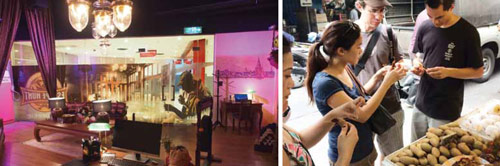
Whether it’s snoring, snacking or cycling, Thailand travel specialists are developing a range of products which either provide delegates with unique ways of experiencing the local culture and environment, or offer them the ultimate opportunity to recover from the pressures of corporate life, all of which make ideal elements for immersive incentive programmes and pre/post-meeting tours.
Leisure itineraries for visiting corporate groups have included traditional Thai cooking classes, fruit carving lessons and bamboo raft trips for decades and while such activities may be popular for first-time visitors to the country, they quickly loose their appeal with repeat clients who are constantly pressuring DMCs for new ideas.
Indigo Pearl Phuket, Taste of Thailand Food Tours and Spice Roads have all recently launched innovative products that can add another experiential level to corporate programmes.
Jacob Hodder, who started Taste of Thailand Food Tours last year, said his company seeks to provide clients with “an intimate window into Thai culture, history and people through food” by taking them on walking tours to small local restaurants and hawker stalls. The company, which currently runs tours in Bangkok and will be launching a nighttime tour this month, keeps group sizes small but can run concurrent tours to handle larger corporate groups.
“We aim to provide full bellies and full minds by the end of our experience,” Hodder said.
He added: “Every dish has a story to tell – from the historical influence of Indian spices and Chinese noodles to the folklore of finding your perfect love through the use of a mortar and pestle.
“Often the story is in the amazing people who serve secret recipes handed down generation after generation for more than 100 years or the great grandfather’s street cart that grew in popularity to become a locally renowned restaurant. Sometimes it is even the architecture of an eatery or local market that provides us a glimpse into the yesteryear of Bangkok and how rapidly the city is modernising.”
Spice Roads is another company that provides visitors with a street-level view of life in Bangkok. The cycling specialist launched two new tours – Chinatown and Bangkok Sunset Ride – in the Thai capital in September.
The Chinatown tour starts at the Grand China Hotel and takes riders through bustling back alleys before crossing the river to visit the Portuguese church and on to Wat Arun. Meanwhile, the Bangkok Sunset Ride takes participants past the palaces and temples in the Rattanakosin Island area. Both trips cover about 15km in four hours.
Patricia Weismantel, product manager at Spice Roads, told TTGmice: “If you’re driving around Bangkok in a minivan, you’re not going to see much of the city. These tours take people right into the old part of town, down little back alleyways which they would otherwise have walked past. It’s hard to find these places on your own.
“We also have similar day and night tours in Chiang Mai. The night ride is really cool because it takes you around the old town and through the night market. Our clients love it because they feel they have experienced Thailand in a different way.”
Indigo Pearl Phuket, on the other hand, has introduced an incentive package which is all about doing as little as possible.
The Art of Sleep, which is aimed at executives needing a serious recharge from the pressures of work, was developed by Chris Oakes, the resort’s general manager and a self-confessed insomniac, who said the property is the first in Thailand to offer such a package.
“Sleep has become the great casualty of modern life, stolen by the stresses of work and family and the round-the-clock connectivity imposed by the Internet age,” he said.
“For many companies that have been working hard towards a goal or an incentive, time together with plenty of time for sleeping and recovering would be a very attractive proposition.
“And with that rest and relaxation often comes a flowering of creativity and seeing old problems with new eyes. So the benefits for a company could be manifold.”
To adapt the package for MICE groups, Indigo Pearl has added elements including group sleeping sessions on beanbags under shady trees that line the beach, specially crafted spa therapies, in-room aromatherapy to induce relaxation, tai chi and yoga classes, and more.
The property is targeting high-level groups from Hong Kong, Singapore and Australia.
Art of Sleep can be added to an existing package from 6,500++ baht (US$201.50) per person.

Day 1
Kick off the day with a Bangkok Food Challenge. Your group will be split into teams and a Thai chef will shows participants how to make three local dishes. The team is then given a crash course in Thai to help them purchase key ingredients and handle local transport. A set of flash cards denoting the ingredients and 1,000 baht of spending money will be distributed before teams are sent off to secure all ingredients in under three hours. Points are awarded for the fastest time, greatest variety of transport used, most relevant posts on the activity on Facebook, etc.
The cook-off begins after lunch, and teams have 90 minutes to cook the three dishes from scratch.
Free time/coffee break is offered after this challenge.
Up next: Escape Hunt Bangkok. Teams will compete to solve a historical murder mystery challenge.
Your group will have the evening off to themselves.
Day 2
The day begins with surfing lessons and teambuilding games at Flow House Bangkok.
After lunch, your group will head to Healthland Asoke for a revitalising Thai massage.
Come evening, take on a cocktail mixology class from Flow Cocktail and compete with one another to create the best libation.
End the two-day teambuilding programme over dinner and drinks at LB Terrace.

Housed in a 100-year-old villa, which has been painted shocking pink, Naamsah Bottling Trust is celebrity chef Ian Kittichai’s latest addition to Bangkok’s dining scene. The restaurant serves Kittichai’s personal take on classic Thai dishes and street cuisine, some of which have been combined with other cosmopolitan comfort foods, such as tacos and fois gras. The bar serves more than 30 kinds of cocktails.
Visit www.naamsah.com for more information.
Situated in a former house and gardens off Ekkamai Road, Mikkeller Bangkok is the fourth addition to the Danish gypsy brewery’s global bar footprint. Serving 30 craft beers on tap, with more in bottles, the bar boasts the country’s best range of high-quality drafts, many of which are one-off creations from the master brewer. The taste-before-you-buy policy makes choosing more fun.
Corporate gatherings need not always be over cocktails and dinners. Event planners can arrange for a cosy movie night at Bangkok’s poshest cinema, Embassy Diplomat Screens, where cinephiles can choose from a host of seating options, from cocoons to day beds.
The smallest theatre in the venue offers just 31 seats.
Other facilities include a bar, quality bites from DEAN & DELUCA, headphones with private language choices, and a living room waiting area.
Embassy Diplomat Screens, located in Central Embassy on Ploenchit Road, is open for private bookings.
Visit www.embassycineplex.com.
 Ashley Sutton, the godfather of Bangkok cocktail bars, has outdone himself with his latest creation, A R Sutton Engineers & Co Siam, which, he says, combines colonial inspirations with a touch of black magic.
Drinks are design by Joseph Boroski, a big name in the world of bars and mixology. The bar’s dark interiors sport plenty of exposed beams, red brick and polished metal.
Visit www.facebook.com/A.R.Sutton.engineers for more information.
Paolo Vitaletti earned a reputation for serving some of Bangkok’s best Italian food with the opening of Appia. His latest venture, Peppina, is already rated by some as being home to the city’s best pizza. No pasta is served here but there are plenty of other Italian favourites and grilled meats, as well as a solid list of wines, craft beers and cocktails. Advance booking is strongly advised.
Visit www.facebook.com/peppinapizza for details.
Anyone wanting to check out more than a couple of Bangkok’s museums should purchase the Muse Pass ticket book which provides entry to 20 museums in the city and its environs for 199 baht (US$6.20). Participating museums include Museum Siam, Siam House of Bizarre Creatures, Phaya Thai Palace, Bangkok Folk’s Museum, King Prajadhipok Museum, Thai Film Museum, Science Museum and The Queen’s Gallery.
Visit www.thaiticketmajor.com for details.

Museum Siam
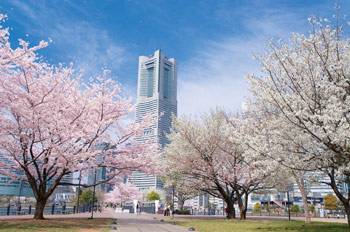
Yokohama, the capital city of Kanagawa Prefecture and the commercial hub of the Greater Tokyo Area, has enjoyed several years of good business in the associations congress sector.
In 2012, Yokohama hosted several massive international meetings such as the Annual Meeting of the International Society for Stem Cell Research (3,500 delegates), and the 4th Congress of the World Union of Wound Healing Societies (3,000 delegates). The same year also saw the city winning a number of high-profile meetings like the Goldschmidt Conference (2016), Biennial Congress of the Asian-Pacific Hepato-Pancreato Biliary Association (2017) and the International Orthodontic Congress (2020).
Yokohama’s congress fortunes flowed into 2013, when it hosted major international meetings like the 28th International Chemotherapy and Infection (1,500 attendees) in June, and the 2013 IDF World Dairy Summit (2,200 delegates) in October.
A spokesperson with Yokohama Convention & Visitors Bureau (YCVB) told TTGmice that 2014 would be another good year.
“We had some major meetings this year too, like the 16th International Congress of the World Federation of Occupational Therapists in June and the XVIII ISA World Congress of Sociology in July,” the spokesperson revealed.
Both events attracted about 5,000 delegates to the populous port city.
Eager to further grow its crop of association congress wins, YCVB last year developed a new brand and tagline – Japan’s First Port of Call – to better reflect its status as a destination for conventions.
The spokesperson said: “This is meant to convey the message that one of Yokohama’s characteristics is that we are the first in many ways.
“From being the first Japanese port to open up (to the world in 1859), to hosting first-in-Asia congresses, and the first in innovation and research and development, our ‘can-do’ approach has made Yokohama Japan’s first port of call. For international meeting organisers who want to bring their events to Yokohama, YCVB is their first port of call as we are a full-service bureau.”
The new brand is reflected in a logo that uses a Japanese nami pattern, representing waves and reinforcing Yokohama’s status as a harbour city that is open and dynamic, and at the same time offering Japanese tradition, hospitality and efficiency. A key image, capturing the port and the main convention area was also created.
The new branding and tagline is aimed at international and regional associations, with a focus on life sciences, environment, medical, IT and biotechnology industries.
“In 2013, we applied the new branding to our new website, sales collateral and promotional video. This year we will go further in promoting our city in the associations market,” the spokesperson added.
She shared that Yokohama is especially keen to attract associations related to life sciences and the environment.
Explaning the importance of the life sciences industry to the destination, she said: “Yokohama was designated Life Innovation Special Zone (Comprehensive International Strategic Zone for the Life Sciences) by the national government, and has four main areas where bio-science research and development (facilities and companies) are concentrated.
“We have many (research and development facilities) and universities, so meeting planners will find (a ready pool of) enthusiastic local delegates and suppliers wanting to attend medical meetings.”
Yokohama Bio Industry Center and the Advanced Medical Research Center are good examples of city-private sector collaboration. The head of the Advanced Medical Research Center was involved in the 12th Annual World Congress of the Human Proteome Organization in September last year. The event drew 1,500 researchers on human proteome to Yokohama.
“Yokohama is also keen on environmental issues. It has been designated Future Environmental City by the national government since 2011. The city aims to create and promote solutions for a variety of social issues related to the environment,” she said, adding that this direction has led to the creation of Yokohama Green Valley, Yokohama Eco School and a global network that supports Asian nations in environmental matters.
Yokohama’s strong support in this area earned it the Intergovernmental Panel on Climate Changes, which was held in March this year.
The spokesperson explained that association meetings can benefit from a strong local attendance due to a “large and active Japanese society” in various industries.
“And because of the availability of Japanese experts in many fields, excellent content is promised at meetings held here. Proximity to China and South Korea also means good turnout from these two countries, making it a more attractive meeting,” she added.
Associations that bring their congresses to Yokohama will also enjoy certain support from the city and YCVB. The city offers financial help to international meetings of over 1,000 delegates, while YCVB provides in-kind support that varies according to the percentage of international attendees.
Yokohama’s track record of welcoming large-scale congresses is sufficient proof of its MICE capability. PACIFICO Yokohama is the city’s main convention complex, featuring a 1,350m2 Annex Hall, a 20,000m2 Exhibition Hall, a 1,004-seat Conference Center, a 5,002-seat National Convention Hall and a selection of outdoor spaces. It is also connected to the 600-room InterContinental Yokohama Grand hotel. It held 100 international association meetings in 2013.
Meeting planners can also utilise function rooms in business hotels across the city.
Maiko Hiraoka, spokesperson for The Yokohama Bay Hotel Tokyu, said her hotel was often used when massive events required more venues than what PACIFICO could offer.
The city is supported by over 14,000 hotel rooms. While no new hotels are coming up, congress delegates can look forward to refreshed stays over the next few years. InterContinental Yokohama Grand hotel will refurbish 90 per cent of rooms this year and renovate its 100 suites in 2015. Hotel New Grand, a five-star property, will add a terrace to its renewed banquet room, giving event guests clear views of Yokohama Bay.
In terms of international air access, Yokohama is served by two international airports – Narita and Haneda.
The YCVB spokesperson shared that Haneda Airport will raise its number of arrivals/departures this year from six million per year to nine. Among the new air services are All Nippon Airways’ (ANA) flights to Vancouver, Hanoi and Munich from March. Additional frequency to/from London, Paris, Frankfurt, Munich, Singapore, Bangkok, Jakarta and Manila will come too.
At Narita International Airport, ANA commenced new services to/from Düsseldorf in March while the number of LCCs serving the airport is growing.
Despite the heavy tourist footfalls and benefits to the local economy and related industries that come with congresses, this segment of business events is “not top of mind” for many local MICE suppliers.
The “long period it takes from bid win to the event actually taking place” is one of the reasons, said the spokesperson, who added that domestic meetings and weddings are “big business in Japan”.
Yoko Ueda, sales manager of Yokohama Royal Park Hotel, told TTGmice that association meetings made up less than five per cent of the hotel’s total events business and numbers had not grown significantly in recent years.
“We are keen on marketing to this segment but we have a budget issue for promotions. We tend to chase the domestic meetings market which is very strong and reliable (and) work with YCVB (for international association meetings) instead, as it has an overseas network,” Ueda said.
To get local stakeholders to be more active in courting international association events, YCVB formed the MICE Experts Consortium with 50 local suppliers and holds meetings regularly to discuss the issues Yokohama needs to address in order to win more business.
The bureau’s spokesperson added: “YCVB endeavours to illustrate to its supplier community the beyond-tourism impact of hosting such meetings. In February, YCVB invited GainingEdge’s Mike Williams to share international case studies on (such) benefits at a half-day symposium.”
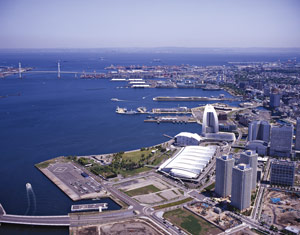
Jordan Takako Kurosawa, director of international sales & marketing at PACIFICO, agrees that hosting international association meetings brings benefits beyond that of tourism earnings.
“They provide opportunities for local businesses, researchers and institutes to interact with top leaders and experts in the field, and help incubate local business/academic research by adapting the latest trends and studies published during these meetings,” she opined.
PACIFICO is looking to grow its business contribution from this segment of events, from the current eight to 10 per cent to 10-15 per cent by 2015.
“We plan to have more sales and promotions in Europe and North America, markets that are not yet familiar with Yokohama being an association meeting destination. We will exhibit at major trade shows like IMEX, IMEX America or EIBTM with YCVB,” Kurosawa said.
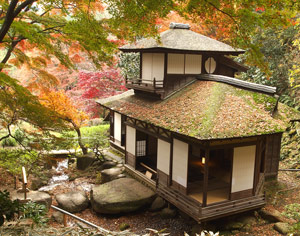
Yokohama is not all concrete buildings. The Sankeien Gardens shows a different, serene side of the big city, with traditional Japanese houses and architecture, manicured gardens, a pond and small streams setting the scene of ancient Japan. Open to the public since 1904, Sankeien Gardens is most beautiful in autumn and spring. It is illuminated at night during the cherry blossom season, which falls around late-March/early-April.
The garden is open daily from 09.00 to 17.00; last admission at 16.30. Visit www.sankeien.or.jp for more information.
NTT East is offering free Wi-Fi access to overseas visitors in Yokohama. To enjoy the complimentary connection, visitors need to present their passports at designated counters located across the city and collect a Wi-Fi card with user ID and password, or download the free app, NAVITIME for Japan Travel, onto their smartphones ahead of their travel.
Free Wi-Fi access is available for 14 days from the day of registration, at specific Wi-Fi hotspots.
More details can be found at www.yokohamajapan.com/about/free-wi-fi-service-overseas-tourists-visit-yokohama-2/.
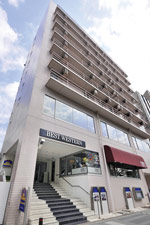 Opened in May, Best Western Yokohama sits in the Tsurumi ward of the port city, close to the bay area, and is easily accessible from the JR Yokohama and JR Shinagawa stations.
It appeals to meeting planners with its 100m2 meeting room, a space good for events with up to 60 delegates.
Guests can choose from single, double, twin and triple options, with all of Best Western Yokohama’s 185 rooms equipped with flat-screen TVs and free Wi-Fi.
Yokohama is home to several prominent manufacturers such as Nissan Motor Corporation, Kirin Brewery and FANCL, and educational factory tours can be arranged with the help of the Yokohama Convention & Visitors Bureau.
Hands-on experiences are often included in these factory tours. At Kirin Brewery, for example, visitors can take part in a beer-making class and learn what are the ingredients needed to make a good brew, and understand the various necessary processes such as fermentation and aging.
Corporate groups can also enjoy guided tours of specialty museums such as the Shin-Yokohama Raumen Museum, where an expert will explain the history and culture behind this familiar noodle dish; and the Silk Museum, where delegates can join a loom weaving workshop and other activities.
Contact Yokohama Convention & Visitors Bureau at (81-45) 221-2111 for a full list of industrial tours available to corporate groups.
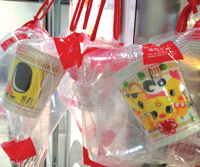 Anyone who appreciates the convenience of cup noodles will enjoy a visit to the interactive Cup Noodle Museum in Yokohama. Exhibits lead visitors into the mind of Momofuku Ando, inventor of the world’s first cup noodle and founder of Nissin Food Products, and showcase the astounding variety of cup noodles that have been created through the years. Visitors can also make their own cup noodles at the Chicken Ramen Factory and the My CUPNOODLE Factory.
Visit www.cupnoodles-museum.jp for more information.
Yokohama’s Sojiji Temple, regarded as one of the most important Zen Buddhism temples in Japan, features a collection of traditional Buddhist architecture and boasts a serene environment.
Visitors to the temple are invited to pariticpate in zazen meditation sessions, conducted in English.
If meditation is not quite your cup of tea, strolling through the temple and its gardens will be refreshing enough for hurried city dwellers.
Visit sojiji.jp/zenen/sanpai/zazen-english.html for more information.
INDIAN travel consultants are clamouring for more direct flights to the Philippines and lighter visa restrictions as MICE traffic between the two nations soars.
“Take out the direct flight problem and the Philippines will become ideal for MICE,” said Sandiip Srivastava, director and head, travel solutions, Youdian Business Solutions.
“You have everything – sand, sea, hills, natural beauty, Indian food, culture similar to India, heritage, shopping, and reasonably priced hotels.”
Srivastava was speaking to TTGmice e-Weekly during the Philippine-India Travel Exchange earlier this week, where 19 Indian buyers met with 40 Philippine sellers.
Likewise, Nilam Mhaska, senior executive of operations, Fountain Head Entertainment, who sent a 500-pax incentive group to Manila two months ago, said direct flights were necessary.
She noted that compared with Philippine Airlines’ (PAL) Delhi-Manila via Bangkok flights that were axed in June 2013, flying from India to Manila via a third destination now takes longer.
Second on travel consultants’ wishlists is the easing of visa requirements for Indian nationals. “It’s easy to secure visas for Singapore and Thailand. But it’s very tough to get a visa in the Philippines, you need to produce 10 documents,” said Ashwani Gupta, managing partner, Dove Travels.
He said addressing the visa and access problems will make the Philippines more attractive to MICE planners tired of the usual suspects Thailand and Bali.
Glen Agustin, DoT chief tourism operations officer, said efforts are being made to address these issues.
Despite PAL’s terminated service and the slow outbound during the months leading to India’s presidential election, India arrivals rose 8.9 per cent to 34,853 in January-July this year.
Agustin added that where MICE groups did not reach 150-pax in size before, groups are getting bigger this year and the Philippines has received a series of incentives.
THE annual airports and airlines networking event and route development forum, Routes Asia, will be held in Manila for the first time from March 6-8, 2016.
Airlines, airports, tourism authorities, and policy leaders from around the world are expected to convene in Manila for the three-day event that will include a strategy summit, briefings on route strategies, and pre-arrange appointments, among other things.
Art Boncato, the Philippines’ assistant tourism secretary, said that winning the bid to host Routes Asia 2016 heightens the country’s attractiveness as a MICE destination and showcases its capability for big events. “(The event) will expose not only Manila but all of our destinations…and secondary gateway airports, for more possible connections to the rest of the world.”
The Department of Tourism and its marketing arm Tourism Promotions Board, the Manila International Airport Authority, and Mactan-Cebu International Airport, are jointly hosting Routes Asia 2016.
Routes Asia was held in Kuching, Sarawak this year, where 700 delegates were anticipated. The event will be held in Kunming next year.
Other Asia-Pacific destinations that have hosted the event since its inception in 2003 include Adelaide, Pattaya, Macau, Hyderabad, Mumbai, and Incheon.