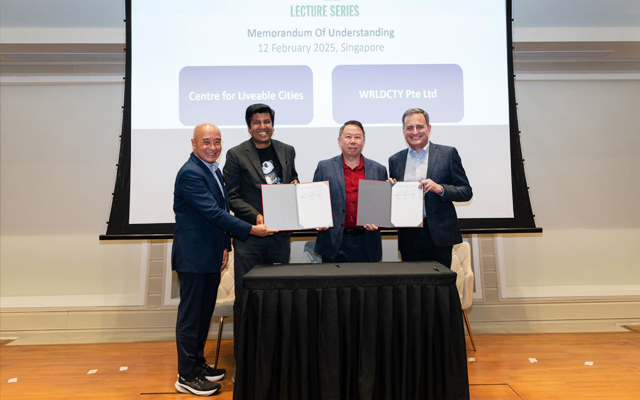
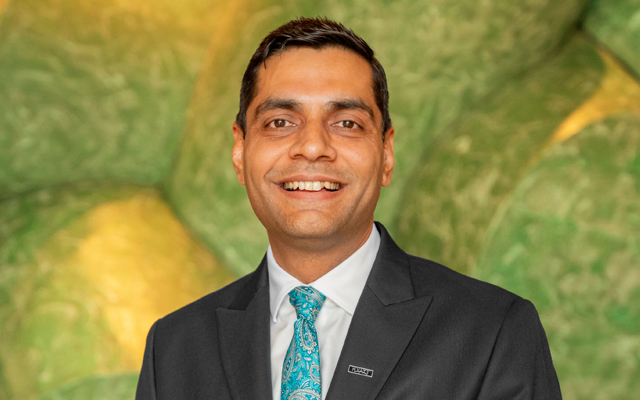
From left: Centre for Liveable Cities' Michael Koh; WRLDCTY’s Anupam Yog; Centre for Liveable Cities' Hugh Lim; and WRLDCTY's Christopher Fair
The Centre for Liveable Cities (CLC) and WRLDCTY Pte Ltd have formalised a partnership to collaborate on creating more liveable, lovable, and sustainable cities.
A Memorandum of Understanding (MoU) was signed on February 12, 2025, by Hugh Lim, executive director of CLC, and Christopher Fair and Anupam Yog of WRLDCTY, at a CLC lecture focused on urban liveability.
From left: Centre for Liveable Cities’ Michael Koh; WRLDCTY’s Anupam Yog; Centre for Liveable Cities’ Hugh Lim; and WRLDCTY’s Christopher Fair
This marks the first formal agreement between the two organisations and establishes a framework for knowledge exchange and international collaboration. The MoU outlines joint efforts across various platforms, including conferences, symposiums, research projects, studies, and publications. Both CLC and WRLDCTY will leverage their respective networks to foster new global connections.
A key aspect of the partnership will involve collaborating on global conferences and knowledge-sharing events. This includes joint participation in expert panels and the development of complementary sessions and workshops at significant events. Notably, WRLDCTY will bring its global conference to Singapore for the first time, coinciding with CLC’s World Cities Summit in June 2026.
The MOU also emphasises collaborative research into the measurement and design of liveable and sustainable cities and regions. CLC and WRLDCTY plan to co-author knowledge products, such as blogs, articles, and urban briefs, translating research findings into practical steps for implementation.
“CLC and WRLDCTY believe that cities should be liveable, distinctly loveable and sustainable. Through this partnership, we aim to offer greater insights, inspire more innovative approaches and solutions, and leverage on each other’s networks to reach out to more city leaders and urban practitioners around the world…,” said Lim.
Christopher Fair, director of WRLDCTY, added: “CLC and Resonance have both been studying and sharing best practises in sustainable urban development and innovation for more than a decade. This collaboration is not only an opportunity to bring the best minds from both our organisations together on key research initiatives, but to amplify our outreach and knowledge sharing together with countries, cities and communities around the world.”
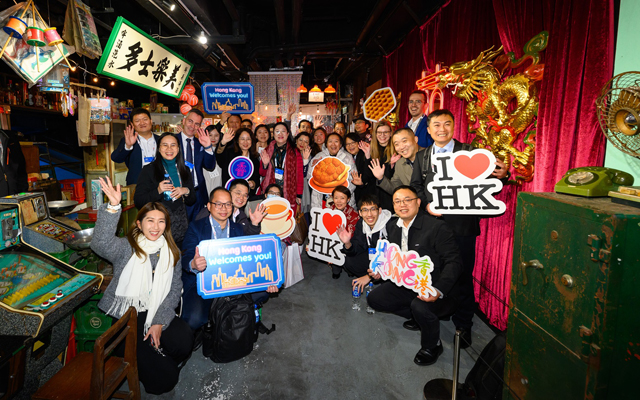
In January 2025, the Hong Kong Tourism Board (HKTB) introduced 100 delegates from the Asia Financial Forum (AFF) to Hong Kong’s diverse tourism offerings.
This initiative aligns with the recently released Development Blueprint for Hong Kong Tourism Industry 2.0, which emphasises creating enriching and memorable visitor experiences.
The HKTB curated a range of experiences for the delegates, showcasing the city’s blend of old and new. These experiences included a tour of the cultural heritage of Old Town Central, a guided Gold Foil Paste Ceremony at Man Mo Temple, and a visit to Tai Kwun. Delegates also enjoyed a trip to the Peak and Sky Terrace 428 via the iconic Peak Tram, and a night-time cruise aboard the Aqua Luna, a traditional red-sail junk boat, for breathtaking views of Victoria Harbour.
The AFF, a prominent annual event launched by the HKSAR Government in 2007, attracts key figures in the global financial sector. This year’s forum was also the first major event on Hong Kong’s 2025 calendar.
Accor has launched its Let’s Make It… campaign, offering double Reward points to ALL Meeting Planner loyalty members for eligible events held by May 31, 2025.
The offer is valid at participating Accor hotels across Asia Pacific, the Middle East, and Africa. To benefit from the promotion, ALL Meeting Planner members must register for the campaign.
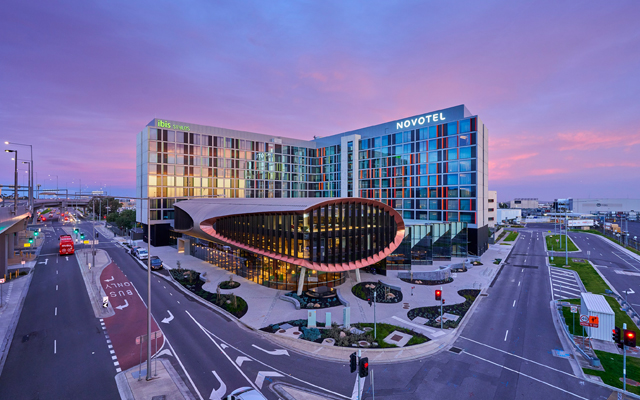
Novotel & ibis Styles Melbourne Airport
Overall, the ALL Meeting Planner programme allows planners to earn points year-round, which can be redeemed to cover up to 15 per cent of their event bill. The programme also provides access to exclusive rewards, including world-class experiences at Accor Stadium and Qudos Bank Arena in Sydney.
Accor also offers an event website, a Net Zero Carbon tool, and the ALL Meeting Planner loyalty program to enhance the planning process.
Accor boasts a portfolio of over 400 hotels across the Pacific, across 19 international brands.
Asia’s cruise tourism strategy hinges on collaboration among cruise lines, national tourism boards, local authorities, and businesses to create a cohesive ecosystem that enhances passenger experiences.
This approach fosters innovative itineraries, enriching onshore excursions, and aligning infrastructure with passenger needs, ultimately boosting satisfaction, repeat business, and economic growth.
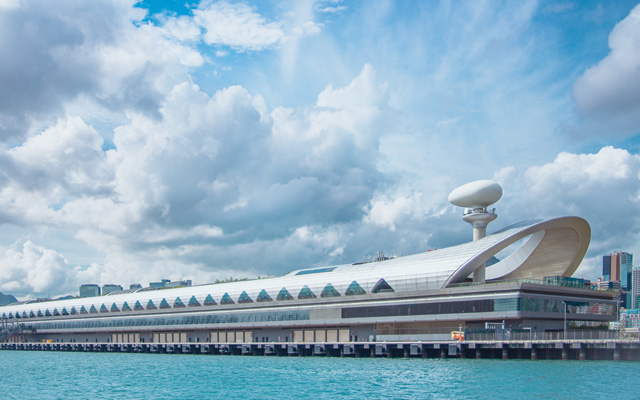
Kai Tak Cruise Terminal in Hong Kong
Patricia Yuen, director, cruise, Hong Kong Tourism Board (HKTB), shared that Hong Kong received 30 cruise brands in 2024, a 66 per cent increase over 2023.
To further drive the cruise industry forward, HKTB has partnered with the Philippines, Korea and Xiamen to enhance regional cruising, as it believes in the importance of promoting multiple destinations to cruise lines, rather than a single port, given that most itineraries include more than one stop.
These four destinations capitalised on their presence at the Seatrade Cruise Global in Miami in 2024 to co-host a luncheon for cruise lines’ executives, itinerary planners. and media.
Yuen shared: “This event served as a one-stop platform for cruise lines and media to receive updates from major cruise destinations in Asia. In addition, it facilitated insightful exchanges between participating destinations and key industry players, fostering valuable partnerships and promoting the development of Asian cruise itineraries.
“Looking ahead, we will continue to enhance our collaboration with key neighbouring destinations. By pooling together the latest updates and offerings from each destination, we can promote the vast potential and enhance the collective appeal of cruises in Asia.”
On the outlook for 2025, Yuen said that the expansion of the three-runway system at Hong Kong International Airport will not only lead to new direct flight routes, but it will also boost the fly-cruise business for both the short and long-haul markets.
She anticipates more cruise lines will confirm berth bookings early this year, as the three-runway system, which started operations in December 2024, is poised to attract more visitors to the city.
Complementing this development, the anticipated opening of Kai Tak Sports Park in 1H2025, Hong Kong’s largest sports venue with state-of-the-art facilities, is also expected to draw significant crowds.
These major infrastructure projects underscore Hong Kong’s commitment to expanding its appeal as a premier destination, welcoming both cruise passengers and international event attendees.
Penang, too, has become an increasingly popular cruise destination in Asia, with passenger numbers surpassing pre-pandemic levels in 2023.
This growth is largely attributed to the expansion of the Penang Swettenham Pier Cruise Terminal, which can now accommodate two Royal Caribbean International Oasis-Class vessels, increasing its capacity from 8,000 to 12,000 passengers.
Ooi Chok Yan, CEO of Penang Global Tourism, highlighted the importance of managing passenger flow. “Coordination with local authorities, including Penang Island City Hall and traffic police, ensures smooth traffic and prevents congestion, benefiting both visitors and locals,” he said.
Penang Global Tourism and Penang Port collaborate on destination marketing and providing memorable onshore welcomes, particularly for maiden calls. Ooi emphasised that positive experiences often lead to repeat visits.
Penang also offers tailored itineraries for corporate meeting and incentive groups. These include workshops with local artisans, tours exploring the city’s heritage, and activities fostering teambuilding.
“Our immersive experiences connect visitors to Penang’s rich culture, creating lasting memories that go beyond sightseeing,” Ooi added.
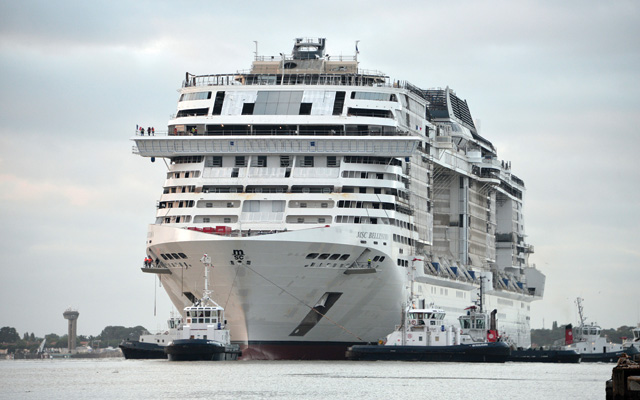
MSC Bellissima
Oliviero Morelli, president of MSC Cruises Japan and South Korea, acknowledged that shore excursions and land activities are integral to the cruise experience, influencing an organiser’s decision to choose MSC Cruises for business events.
“We collaborate with tourist boards and local providers to ensure that local economies thrive while minimising the impact on transportation and infrastructure at our ports. All our efforts are guided by a strong commitment to responsible tourism.”
Morelli has seen a significant shift post-lockdown, with more corporate organisers and meeting planners from China, Japan, and Taiwan opting to host events on cruise ships. This model provides access to meeting rooms, restaurants, entertainment and various activities all in one location.
He highlighted that short Asian sailings of three to five nights are particularly popular among corporate groups, who seek memorable experiences that incorporate local culture, festivals, and events.
He added that environmentally-conscious excursions that focus on environmental sustainability, were also gaining in popularity.
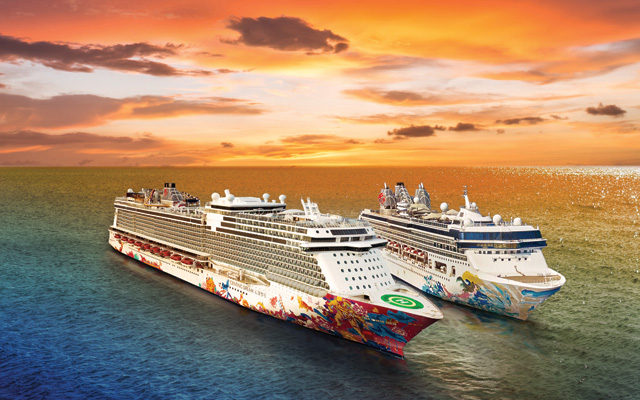
Genting Dream (left) and Resorts World One
Michael Goh, president, Resorts World Cruises, shared the cruise line has been seeing a strong and steady upward trend in corporate demand in 2023 and 2024, and is optimistic about this continued growth in 2025.
He said: “By offering exclusive, flexible itineraries and access to unique port destinations, we provide incentives and experiential offerings that go beyond what traditional land-based resorts can deliver.”
Resorts World Cruises’ collaborations with various authorities, including tourism boards and business travel partners, are aimed at enhancing the appeal of its corporate incentive offerings, where curated land tours are bundled with onboard experiences, making them more comprehensive and rewarding for event organisers and participants.
The Hyatt Regency Hua Hin has announced a new promotion, offering up to 20 per cent discounts and exclusive benefits for events booked by March 31, 2025.
The offer is valid for stays until October 31, 2025.
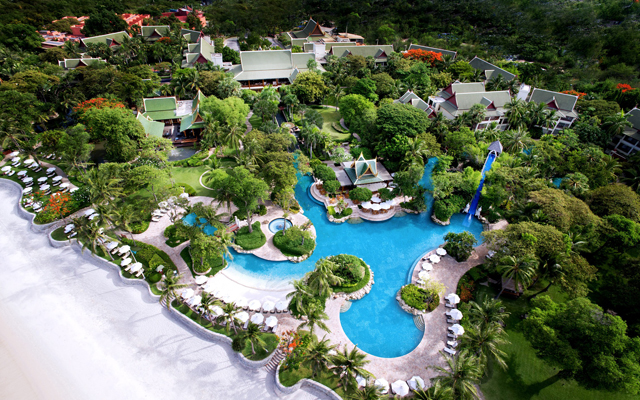
Hyatt Regency Hua Hin
The “Open Spaces for Open Minds” promotion aims to attract event planners seeking inspiring venues and impeccable service. Included in the package are complimentary room nights (one for every 30 paid), and suite upgrades (one for every 30 paid rooms). Additional benefits are available for those who meet minimum spending requirements.
The Hyatt Regency Hua Hin boasts over 900m2 of flexible event space, including a grand Ballroom – complete with a dedicated pre-function area – capable of accommodating up to 300 guests. The ground-level facilities are easily accessible and feature a private porte-cochere.
For smaller events, the main function room can be divided into three separate spaces, accommodating groups of 40 to 240. A dedicated boardroom, a stylish drawing room, and outdoor spaces are also available.
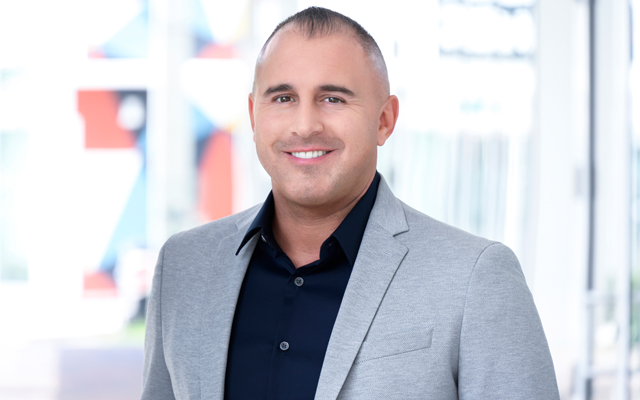
Oceania Cruises has appointed Brennan Quesnele as the brand’s new senior vice president of sales, effective February 24, 2025.
Reporting directly to Frank A Del Rio, president of Oceania Cruises, Quesnele will oversee the execution of Oceania Cruises’ sales strategies and partner relationships around the globe, as well as maximising growth opportunities across all trade partner sales channels.
The heads of field sales, strategic accounts, and international sales – Tricia Wolf, Scott Kluesner, and Jason Worth, respectively – will report into Quesnele.
Quesnele joins Oceania Cruises from its sister brand, Norwegian Cruise Line (NCL), where he held the role of vice president of strategic and national accounts since July 2022. Prior to NCL, Quesnele served in various executive leadership roles within the sales, marketing, and product areas at Flight Centre Travel Group.
Grand Hyatt Mumbai Hotel & Residences has appointed Sumit Datta as hotel manager.
With 19 years of experience in luxury hospitality, Datta brings extensive expertise in guest satisfaction, strategic planning, business operations, and revenue analysis to his new role.
His career includes leadership positions at prestigious properties such as Taj Falaknuma Palace, Taj Lands End, The Leela Palace Jaipur, and Le Meridien Gurgaon.
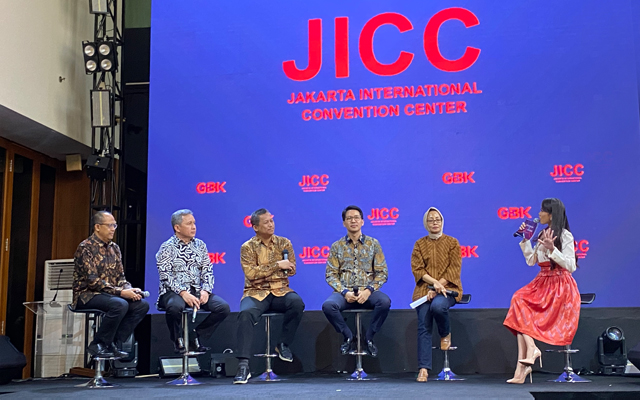
PPKGBK’s Board of Directors at the rebranding announcement
The Gelora Bung Karno Complex Management Center (PPKGBK) has rebranded the Jakarta Convention Center – which stands on Block 14 of the Gelora Bung Karno complex – as the Jakarta International Convention Center (JICC).
This is amid ongoing unresolved legal disputes with Graha Sidang Pratama (GSP), the centre’s management company.
PPKGBK’s Board of Directors at the rebranding announcement
In line with the rebranding, PPKGBK has announced plans to establish a dedicated business unit to manage JICC operations. During this transition period, the venue will be directly managed by PPKGBK under the leadership of Sri Lestari Puji Astuti, the head of marketing and sales at PPKGBK.
Sri indicated that the focus now was on ensuring operational continuity while honouring all existing contracts.
“We are prioritising clients who have already made reservations or bookings (with GSP), as the event schedule is likely packed until mid-year,” she said, adding that to ensure that existing events are executed smoothly, no new requests will be processed.
The transition has been met with some controversy, with industry players reporting challenges in event organisation.
Speaking at the JICC rebranding announcement, Wahyu Promo Citra’s CEO Sukur Saka pointed out that the new management’s sudden changes to rules and contracts, including pre-event full rental payment deadlines, have created difficulties for event organisers.
Sukur explained that the PEO encountered difficulties coordinating logistics with several different parties, as the company was unsure of their standards and prevented from using its own established vendors.
With unresolved legal issues still pending, industry stakeholders worry that such sudden changes will persist.
Jeffrey Eugene, secretary general of the Indonesian Exhibition Companies Association, said: “This is business; we can’t be given something uncertain, especially when it involves costs, reputation, and responsibility to clients and the public.”
Jeffrey highlighted growing doubts among members regarding the newly-rebranded JICC’s capacity to deliver the expected level of service and management competence.
Although JICC has hired experienced hospitality professionals, Jeffrey pointed out that managing an exhibition venue requires a distinct skill set that goes beyond traditional hospitality experience.
On the other hand, finding viable alternatives to JICC is also a challenge.
“In Jakarta, there aren’t many venues with large spaces, and most of the ones that exist are already fully booked,” Jeffrey stated.
While organisers with events before March 2025 are largely committed to JICC due to time limitations, those planning events after June are already considering alternative locations.
Yudha Imam Sutedja, managing director of Okta Sejahtera Insani, shared that his company is considering moving their upcoming Hospital Expo to another venue.
“It will be a tough decision as JICC’s location is premium, but for us, the quality of services and management competence are key,” he said.
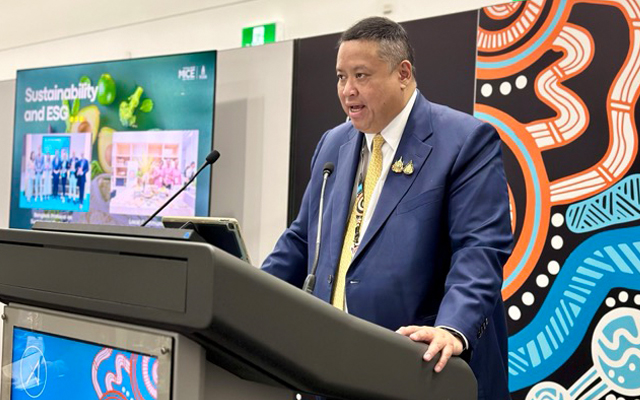
TCEB President Chiruit Isarangkun Na Ayuthaya speaking at the launch of the Meet Well campaign at AIME 2025; photo by Adelaine Ng
The Thailand Convention and Exhibition Bureau (TCEB) recently unveiled its Meet Well campaign at AIME 2025, an initiative designed to capitalise on the post-pandemic surge in Thailand’s business events sector by addressing the industry’s increasing demand for wellness, sustainability, seamless connectivity, and ROI-driven experiences.
Speaking at AIME 2025, TCEB President Chiruit Isarangkun Na Ayuthaya confirmed that Thailand has firmly re-established itself as a top regional player. “Last year, we recorded nearly one million business events visitors, and we saw strong growth from key markets like India and China,” he told TTGmice.
TCEB President Chiruit Isarangkun Na Ayuthaya speaking at the launch of the Meet Well campaign at AIME 2025; photo by Adelaine Ng
He also noted Thailand’s success in exhibition space sales, ranking fourth in Asia, reinforcing its position as a premier business events destination.
The Meet Well campaign places wellness at the forefront, leveraging Thailand’s position as one of Asia’s top wellness destinations to integrate luxury wellness experiences, medical treatments, and holistic retreats into business events.
Connectivity is another pillar, with TCEB promoting city-pairing journeys to enhance delegate experiences, linking major hubs like Bangkok with secondary cities such as Ayutthaya through high-speed rail and well-connected transport networks.
Sustainability also plays a central role, with new low-carbon routes developed in collaboration with the Thai Ecotourism and Adventure Travel Association, allowing delegates to participate in sustainability programmes and community-driven projects.
With Thailand’s business events industry projected to grow at 6.2 per cent annually, TCEB returned to AIME with a pavilion for the first time in four years, featuring 12 top-tier Thai exhibitors from Bangkok and Phuket.
However, the demand to participate far exceeded the available space. “More than a hundred Thai suppliers wanted to join us at AIME this year, but we could only accommodate a portion of them,” Chiruit revealed.
As a result, TCEB is eyeing larger delegations and new event opportunities for 2026 and beyond.
“We are back in the game and expanding our participation at international tradeshows,” said Chiruit. He also pointed to research from UFI, the global association of the exhibition industry, which forecasts strong growth in exhibitions and business events across Asia.
Australian event planners are also showing renewed interest in Thailand, with large-scale groups already in discussions. “Some (of those) Australian groups aren’t just in the hundreds but in the thousands,” Chiruit noted, suggesting that Thailand is fast becoming a preferred destination for major corporate and incentive events.
To further streamline international business travel, Thailand has allowed visa-free entry for travellers from over 93 countries, and operates an advanced biometric identification system across six major international airports, expediting arrivals and departures for large groups.
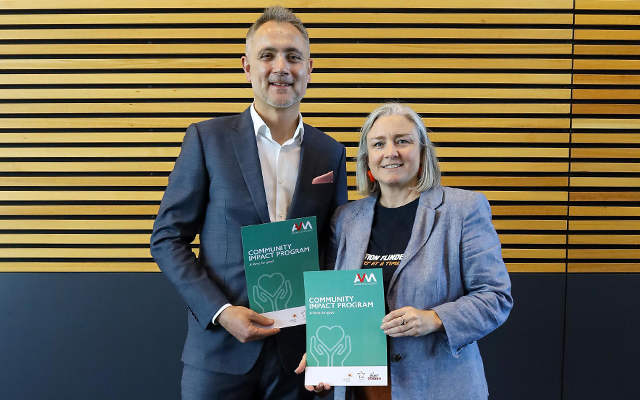
From left: Adelaide Venue Management's Martin Radcliffe; and Operation Flinders' Sarah Leo at the programme
Adelaide Venue Management (AVM), operators of Adelaide Convention Centre, Adelaide Entertainment Centre and Coopers Stadium, has rolled out a new Community Impact Program.
The programme – an extension the AVM’s ESG Strategy, The Green Print – has been designed to amplify the organisation’s social impact, while also helping inspire, educate and support event organisers with their own event legacy objectives.
From left: Adelaide Venue Management’s Martin Radcliffe; and Operation Flinders’ Sarah Leo at the programme
The programme is built on a set of partnerships with local South Australian organisations across four key areas – Community, Environment, First Nations and Goods Donations – and provides options for event organisers to work with the partners to leave lasting legacies for their events in South Australia.
To coincide with the launch of the programme, AVM has named Operation Flinders as its principal community partner, with affiliate members including Trees For Life, Reconciliation South Australia and Vinnies. The programme also pledges AVM’s ongoing support to local food redistribution centres Faithworks, Foodbank, Hutt St Centre and OzHarvest.
Martin Radcliffe, CEO of Adelaide Venue Management, said that AVM’s Community Impact Program is all about providing a framework and simple, tangible solutions to support the delivery of socially responsible events.
“The events industry – and business events in particular – has an extraordinary power to drive positive change, not only for the sector or speciality related to the event, but also for the communities of the host destination. AVM is driven to maximise positive impact in our community, both through our own team’s work, as well as the initiatives of our clients.”
As part of the programme’s framework, AVM has worked closely with each of its community partners to develop a series of measurable engagement opportunities for event organisers to consider.
For example, event organisers can support Operation Flinders, an organisation providing adventure therapy programmes for young people, by donating registration fees or sponsoring participants.
For environmentally-focused events, AVM has partnered with Trees For Life, offering options like offsetting travel carbon or planting trees for attendees.
Meanwhile, in the First Nations category, AVM works with Reconciliation South Australia to connect organisers with local performers, speakers, and suppliers. AVM will also facilitate goods donations to Vinnies, Foodbank and other organisations, and operate a food distribution programme for unused food items.
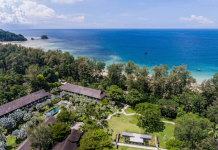
Just 10 minutes from Phuket International Airport on the serene northern coast, this 178-key, Bill Bensley-designed resort offers delegates a quiet, tropical paradise steeped in Phuket’s tin-mining heritage
The newly-opened Ritz-Carlton, Bangkok anchors the One Bangkok development with cosmopolitan elegance. Featuring the city's largest ballroom and a spectacular new penthouse suite, it delivers exceptional hardware and deeply authentic, soulful service for business and leisure travellers alike
Behind the imposing, Brutalist concrete that defines Zurich’s Oerlikon district lies a surprising secret. While its exterior honours the neighbourhood’s industrial roots, stepping inside Mama Shelter reveals a vibrant, neon-soaked world that is a far cry from its rigid shell