Asia/Singapore Saturday, 30th May 2026
Page 28

Green splendour

0

Kutchan, a town in Western Hokkaido just two hours by car from Sapporo, is boosting its business event hosting capabilities with the opening of new accommodations and launch of new products and services.

Home to the main resorts of the Niseko area, Niseko Grand Hirafu and Niseko Hanazono, Kutchan has long been renowned for snow sports, but business events stakeholders are intensifying efforts to enhance its appeal as a year-round destination, particularly to meetings and incentives.
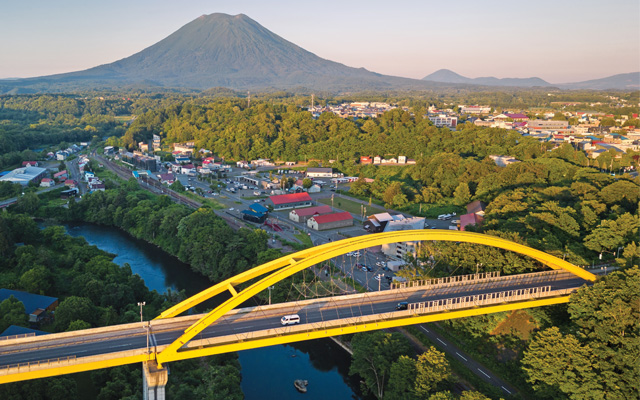
Aerial view of the bridge over the Shiribetsu River with Mount Yotei in the background

Leading efforts is MICE Niseko, a DMO launched in 2020 to provide a one-stop service for business events, and Kutchan Tourism Association. Together, they aim to increase demand using a new framework that supports everything from facilities, activities and catering to entertainment, sustainability and guest speaker programmes.

“We are targeting incentive groups of 20 to 100 people and expect to see growth first from Thailand, Singapore, Taiwan, South Korea, North America and Hawaii,” said James Suzuki, director general of Kutchan Tourism Association, adding that Australia is a longer-term market, both for incentives, conferences, and conventions.

The association is also aiming for corporate management and shareholder meetings, as Kutchan offers high-end, yet competitively priced, accommodation as well as meeting rooms with impressive views of nature, explained Suzuki.

Luxury villa and chalet management provider Elite Havens hopes to welcome more business visitors to its six to eight person chalets in Hirafu and Niseko Village, which are clustered together.

“This setup offers an ideal balance for corporate groups – providing private spaces for relaxation and breakout sessions, while keeping the team connected and fostering collaboration,” said a spokesperson.

Hotel options, meanwhile, include the 87-key Chalet Ivy Weiss and the ski-in, ski-out Nikko Style Niseko Hanazono, which features a 122-seater all-day dining restaurant and a 136m2 banquet room that can accommodate 50 pax in banquet-style and 120 pax in theatre style.

Other new developments are also transforming Niseko Grand Hirafu as both a winter and summer destination.

Following the addition of a 10-seater gondola in the 2024/25 season, a six-seater chairlift is scheduled to be in operation by February 2026. Sanshoku, a restaurant and bar with 240 seats, opened in July 2025 for exclusive use by groups following a renovation, and two more F&B facilities, the 380-seat Nest813 and 270-seat Ace Center, were unveiled in December 2025.

At nearby Niseko Hanazono, two art installations by internationally renowned artist Bruce Munro have been added to the immersive outdoor artwork of 180,000 points of light, Mountain Lights, which is open from July to October.
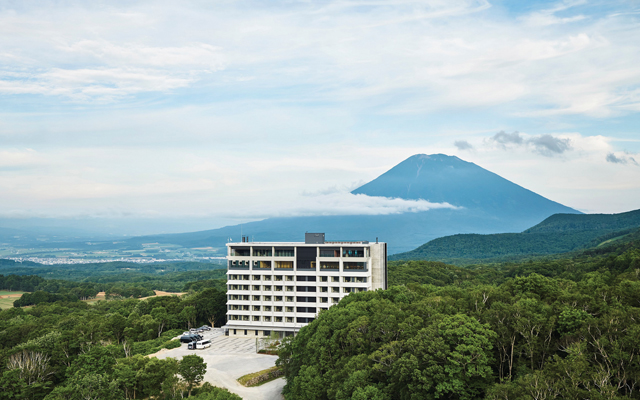
Chalet Ivy Weiss offers a deep connection to Hokkaido’s untouched alpine wilderness

Other new activities in the resort during Green Season range from high-octane ziplining and tree trekking to tranquil experiences such as afternoon tea by luxury pastry brand Pierre Hermé Paris, served in a boat on a lake.

Elsewhere, a performance called Fire Goddess introduces Ainu culture, which is native to Hokkaido, through dance, music and fireworks.

Suzuki hopes the activities, experiences and entertainment will appeal to groups seeking teambuilding and engagement with Japanese culture, while the year-round guest speaker programme comprising diverse speakers from 70 countries, is “ideal for education and insight” for corporate groups.

The private sector, too, is striving to increase arrivals during the warmer months.

“Collaboration is key to our Green Season strategy,” said the Elite Havens spokesperson. “We’re working closely with local partners, including tour operators and activity providers, to create compelling packages and seamless experiences for our guests throughout the warmer months.”

Efforts are already paying off, as Kutchan will welcome several international events in 2026 including Swatch Nines Snow, an action-packed snow sports event that will debut in Asia at Niskeo Grand Hirafu over April 6 to 11, and the UCI Gran Fondo World Series Championships, which will welcome amateur cyclists from around the world to Niseko in August.
Grand Hyatt Seoul joins Hyatt Asia Pacific Meetings & Events Alliance

0
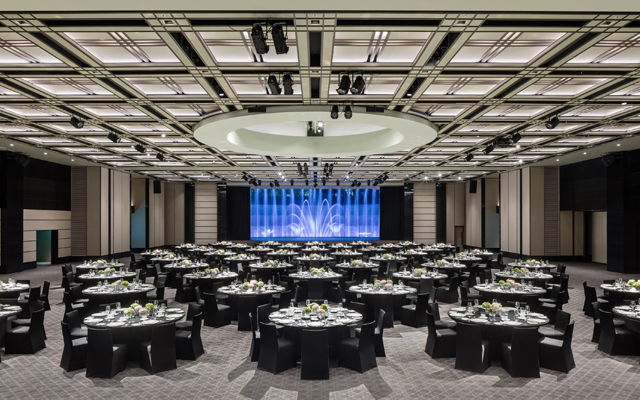
Grand Hyatt Seoul’s ballroom

Hyatt has expanded its Asia Pacific Meetings & Events Alliance to nine properties with the addition of Grand Hyatt Seoul.

The programme streamlines regional business events planning by offering corporate organisers a centralised, collaborative approach to multi-city and multi-year events. Planners accessing the Alliance benefit from a single point of contact, simplified contracting, and coordinated service delivery across key business hubs.

Grand Hyatt Seoul’s ballroom

Under the “Together by Hyatt” philosophy, the Alliance focuses on operational consistency and tailored incentives for multi-destination programmes. The participating network now comprises Grand Hyatt properties in Seoul, Singapore, Bangkok, Bali, Hong Kong, Taipei, Kuala Lumpur, and Manila, alongside Hyatt Regency Sydney.

The Philippines charts MICE future with new seven-city guidebook

0
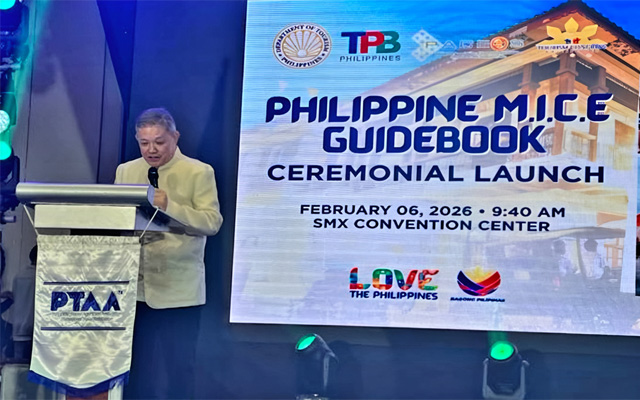
PACEOS' president Patrick Lawrence giving a speech at the launch event

The Philippines has launched a specialised MICE Guidebook covering seven key destinations to showcase the country’s readiness for high-stakes business events.

A collaboration between PACEOS (Philippine Association of Convention/Exhibition Organizers and Suppliers) and the Tourism Congress of the Philippines (TCP), the Philippine MICE Guidebook: A Comprehensive Guide for Meetings, Incentives, Conventions, and Exhibitions streamlines the planning process by detailing venues, accommodations, and service providers across seven key hubs: Manila, Clark, Boracay, Iloilo, Cebu, Bohol, and Davao.

PACEOS’ president Patrick Lawrence giving a speech at the launch event

Beyond directories, the resource features regional event calendars, local expertise, and unique destination offerings to assist global organisers.

Supported by the Department of Tourism and its marketing arm, Tourism Promotions Board, the Philippine MICE Guidebook was launched at the Philippine Travel Agencies Association’s Travel Trade Expo last week.

TCP’s president James Montenegro stated that the guidebook’s documentation of unique local offerings and best practices serves as an invaluable resource to boost the country’s visibility and appeal in international markets.

Meanwhile, Marisa Nallana, board member of PACEOS, told TTGmice that the guide provides the global market with a clear overview of the Philippines’ business events facilities, with the potential for expanded content in future editions.

“As the MICE industry continues to evolve, it is essential that we prioritise responsible tourism that benefits both local communities and the environment. By promoting eco-friendly and socially responsible practices, the Guidebook will contribute to the long-term sustainability of the industry,” Montenegro said.

Thailand shifts focus from tourism receipts to building cities

0
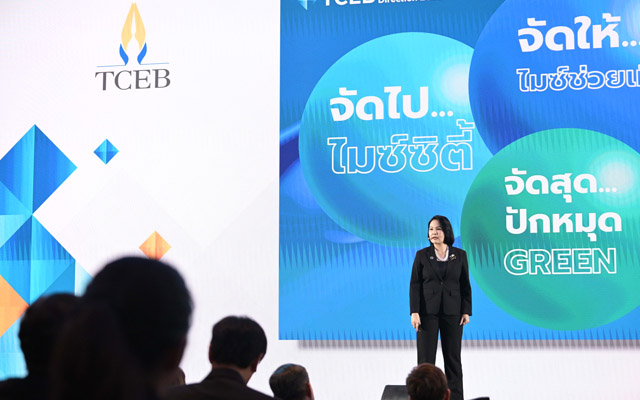
TCEB’s Suratsa Thongmee speaking at the event; photo by TCEB

Thailand is shifting the focus from tourism revenue to investing in long-term urban development for its business events sector.

At the recent TCEB Strategic Direction 2026 briefing, Suratsa Thongmee, senior vice president of domestic marketing at the Thailand Convention and Exhibition Bureau (TCEB), unveiled a new vision where events serve as a “stamp of trust” for investors.

TCEB’s Suratsa Thongmee speaking at the event; photo by TCEB

She indicated that successfully hosting mega-events proves a city’s management capability and infrastructure readiness, signalling that the destination can support long-term industrial investment.

“MICE is not about organising events or tourism; it is a critical investment mechanism that builds trust and confidence in a destination’s ability to support industry and economic growth,” Suratsa stated.

That is because business events are able to validate a city’s capacity to handle complex logistics and large population flows.

“If a mega-event MICE project is held in a certain area, it shows the city has the management to create change,” Suratsa explained.

This capability, she noted, creates a belief among investors that if a city can support mass gatherings, it can also support new businesses and industries.

To execute this vision, TCEB is employing a comprehensive MICE 4D strategy designed to shift the industry’s focus from quantity to quality.

A key component of this strategic direction involves “Strategic Area Profiling”, which maps specific “Future Focus” industries to Thailand’s diverse regions.

For instance, the north will focus on creative cultural industries, the north-east on medical wellness, the Eastern Economic Corridor (EEC) on advanced manufacturing and mobility, the central region on food security and biotechnology, and the south on premium wellness markets.

This regional specificity allows cities to develop International Property (IP) based on local identities, moving beyond generic tourism to specialised business hubs.

“Beyond immediate revenue, MICE creates jobs and fosters a sense of ownership among residents, ultimately encouraging the new generation to remain in their home cities rather than migrating,” she emphasised.

Spain bets on outbound APAC incentives

0
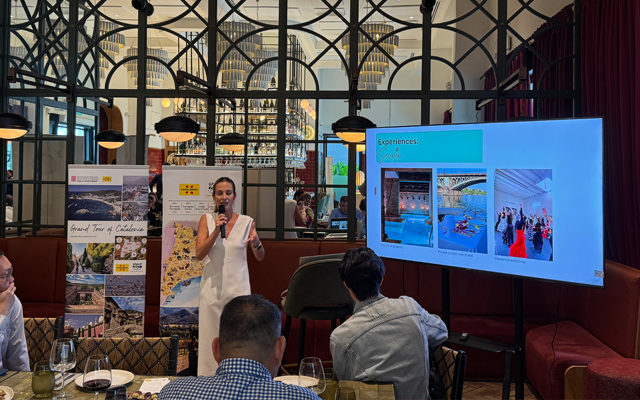
Spain Tourism Board’s Irene Valencia giving a presentation in Singapore; photo by Rachel AJ Lee

Spain has identified corporate incentive travel as its primary growth driver for the Asia-Pacific (APAC) region, with Singapore, Indonesia, and Thailand emerging as the priority outbound markets.

While Europe and the US traditionally dominate large-scale conventions, Raul Guerra, director of APAC for the Catalonia Tourism Board, noted that the APAC market is heavily driven by the incentive segment.

Spain Tourism Board’s Irene Valencia giving a presentation in Singapore; photo by Rachel AJ Lee

Guerra estimates that corporate incentives represent approximately 10 per cent of all arrivals to Catalonia. While segregated data for APAC is difficult to track, he shared that the region’s share of incentives is likely “higher than average” compared to other global markets.

A surprising shift in the region’s hierarchy was noted by the Spain Tourism Board, which revealed that Thailand has recently surpassed Singapore in terms of incentive volume to Spain.

“For leisure travellers, Singapore is still the top inbound market for South-east Asia. But within the MICE sector, it has not been the case for the past year,” Irene Valencia, market analyst and trade manager of the Spain Tourism Board, told TTGmice. “Last year, Thailand surpassed Singapore because they have held several large events in Spain. It also helps that connectivity is improving, including the direct flight between Bangkok and Madrid on Iberojet.”

Guerra added that the Philippines is another South-east Asian market to watch. While currently dominated by leisure tourists, it has growing potential for incentive groups.

For 2026, Valencia plans to cultivate closer relationships with regional event planners through highly personalised engagement and “MICE-specific fam trips”. In 2025, the Spain Tourism Board organised two such trips – one specifically for Thai planners and another for other South-east Asian planners – to showcase the country firsthand.

Valencia believes that personal experience is the only way to build trust with the trade. “If they don’t know the country, they cannot sell it. We really want them to experience it for themselves, because a presentation is not the same as being on location.”

Beyond the major gateways of Madrid and Barcelona, she pointed out that cities like Malaga, Seville, and Valencia are making “huge efforts to position themselves as great options for MICE”. These secondary cities offer high-speed rail connectivity, and unique cultural assets while being less crowded than the primary hubs.

Despite global economic shifts, Guerra stated he has not yet noticed shrinking budgets among the trade. “I think corporates realise that incentive trips bring far more value (than their cost), as travel is something people appreciate more now after Covid,” he opined.

To sweeten the deal, Guerra highlighted several “off-the-catalogue” experiences that cater to the APAC market’s desire for exclusivity. These include gala dinners in UNESCO-listed heritage sites like the Hospital Sant Pau in Barcelona, and bespoke corporate events involving iconic global brands like FC Barcelona.

Stakeholders call for formal frameworks in strategic partnerships: BE in Sabah 2026

0
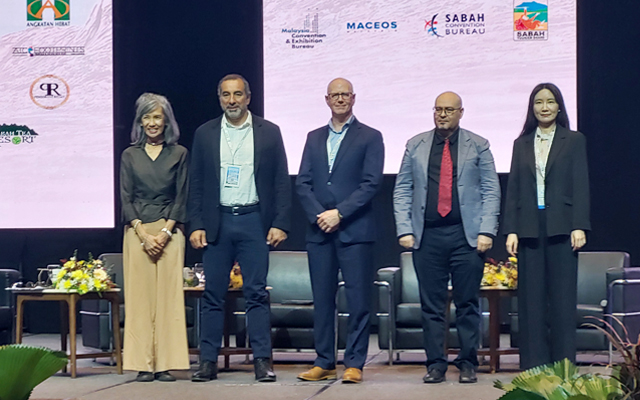
From left: GainingEdge’s Jane Vong Holmes (moderator); Dubai World Trade Centre’s Mahir Abdulkarim Julfar; Northstar Meetings' Martin Balmer, Institute of Tourism’s Reza Soltani; and BornTiger’s Bona Nahyun Lee

Strategic partnerships are the primary driver for destination competitiveness and event scalability. However, industry experts warn that these alliances must be structured with formal frameworks and clear KPIs, rather than relying on informal goodwill.

That was the message from panellists speaking at the Limitless Horizon: How strategic partnerships define the future of business events session, held during the 3rd International Business Events Forum – BE in Sabah 2026.

From left: GainingEdge’s Jane Vong Holmes (moderator); Dubai World Trade Centre’s Mahir Abdulkarim Julfar; Northstar Meetings’ Martin Balmer, Institute of Tourism’s Reza Soltani; and BornTiger’s Bona Nahyun Lee

Mahir Abdulkarim Julfar, executive vice president of Dubai World Trade Centre (DWTC), stressed that partnerships must be anchored in long-term intent, not short-term wins.

He shared: “It’s not about the outcome of this year or next year only, but about how we are going to grow together.”

Mahir highlighted how DWTC works with organisers on three-year business plans that map out projected growth by industry, sub-sector and geography. These plans are reviewed annually, allowing both parties to assess whether assumptions made earlier still hold true in a fast-changing market, and to recalibrate resources, capacity and strategy accordingly.

“Every year, we review where we said we would be and where we are actually heading,” Mahir explained, positioning partnership planning as an ongoing performance exercise rather than a static agreement.

Martin Balmer, account director at Northstar Meetings Group, pointed to the need for clarity and alignment. Effective partnerships, he said, begin with shared objectives, clearly defined roles and agreed KPIs.

Meanwhile, Reza Soltani, president, Institute of Tourism in Belgium, noted that collaborations rarely fail because of misaligned goals. Instead, they break down due to unspoken expectations and an absence of shared understanding when conditions deteriorate.

Soltani stressed that while organisations often focus on credentials, scale and capability during partner selection, these factors offer limited insight into how a partnership will hold up under pressure.

He said: “Understanding how a partner reacts in difficult situations is just as important as assessing technical expertise or market reach.”

Bona Nahyun Lee, CEO of BornTiger, and a seasoned business events strategist, emphasised that differences between partners are not the problem, but ambiguity is. She argued that partnerships break down not because organisations have different goals or philosophies, but because those differences are never made explicit at the outset.

Lee indicated that when partners are clear about where they align and where they diverge, including how each defines success, differences can become a source of complementary value rather than tension.

UPGroup Asia and The MasterPlan LLP choose collaboration over competition

0
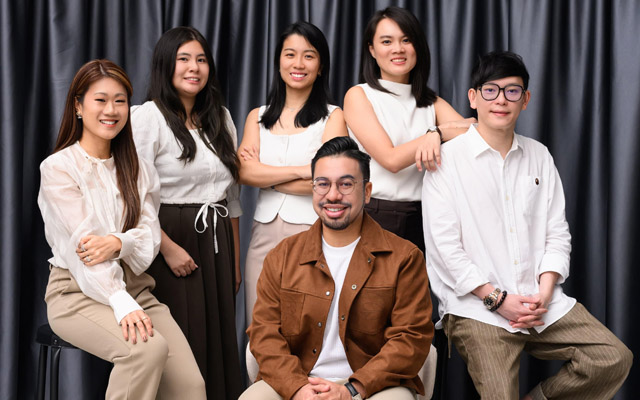
Jasmine Ho (extreme left) and Adam Piperdy (in brown) with their leadership teams

UPGroup Asia and The MasterPlan LLP (The MasterPlan) have entered into a strategic partnership, formalising a collaboration designed to streamline event delivery and integrated experience design across the Asia-Pacific region.

While both companies will continue to operate independently, the partnership marks a deliberate move toward joint pitching and execution. Speaking to TTGmice in an exclusive interview, Jasmine Ho, founder and managing partner of The MasterPlan, noted the significance of the alliance.

Jasmine Ho (extreme left) and Adam Piperdy (in brown) with their leadership teams

“It has been a while since the industry has seen local smaller businesses partnering officially rather than competing. I’ve tried partnering in the past, but I don’t think I had the right experience or network then. After my time with SACEOS (Singapore Association of Convention & Exhibition Organisers & Suppliers) and the Entrepreneurs’ Organization, I found the ‘missing puzzle piece’ in a partner who shares the same values and leadership direction,” she explained.

The partnership will have a clear division of expertise. The MasterPlan leads in programme strategy, hospitality, and stakeholder management, while UPGroup Asia provides production depth and regional infrastructure.

Adam Piperdy, founder and CEO of UPGroup Asia, noted: “Our clients are looking for integrated support. By aligning our teams from the start, we eliminate coordination gaps and duplication for the client.”

This synergy is vital to UPGroup Asia’s ongoing regional expansion. Since March 2025, the group has grown its regional team to 12 members, sharpening its focus on high-growth markets in Bangkok, Vietnam, and Indonesia. The partnership with The MasterPlan will extend into these markets, allowing Singapore-based programmes to scale regionally with “consistency, speed, and confidence”, said Piperdy.

Over the coming months, the two firms will showcase their combined approach through industry initiatives in Singapore. When asked if a formal joint venture is on the horizon, Ho expressed: “We’d love to eventually offer clients a true one-stop solution. It’s always on my mind to expand.”

Song Saa Private Island expands into corporate wellness

0

Song Saa Private Island, off the coast of Cambodia, has expanded its offerings from luxurious leisure to curated corporate retreats and small meetings, with a strong focus on wellness.

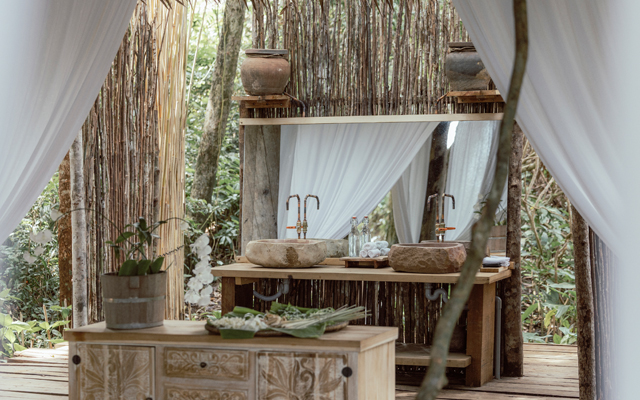
To coincide with the launch of Saraan Sanctuaries – a series of nature-centric wellness spaces dotted around the private island – Song Saa has compiled a diverse range of activities tailored for groups.

These include visiting bat caves, kayaking through mangroves and jungle treks, cooking classes, botanist workshops, foraging and essential oil making. There’s also the option to receive a monk’s blessing, indulge in spa treatments and visit local communities Song Saa works with.

Song Saa can also organise a digital detox day for corporates seeking to switch off during their retreat.

The new 65m2 Wellbeing Centre with a sweeping ocean view can also host 22 pax. Mana Kannoi, the resort’s associate director of wellbeing and spiritual care, noted that introducing wellness elements into meetings is a growing trend.

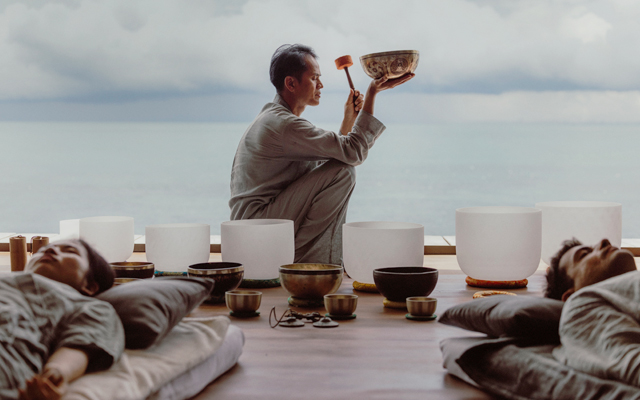
“Corporate groups can start the day with a yoga or meditation session, enjoy their meeting, and then relax at the end of the day with a soothing sound bath. It’s a good combination,” he said.

Amora Hotels and Resorts welcomes new COO

0

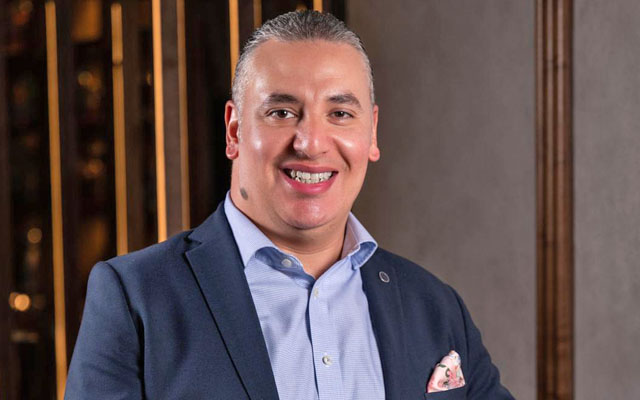
Amora Hotels and Resorts appoints Tamer Habib as chief operating officer. In this role, he will lead the group’s commercial strategy and overall vision.

With more than three decades of hospitality experience, Habib most recently served as vice president of operations at Amora Hotels and Resorts.

His career includes senior roles with Marriott, Hyatt, InterContinental, and Stamford, bringing deep operational and commercial expertise to the group’s continued growth across Australia and Asia.
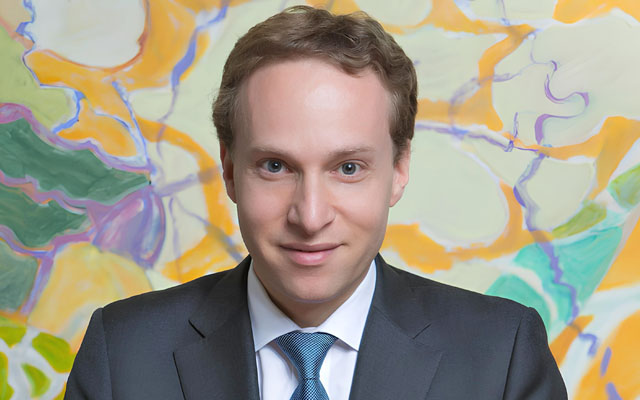

Waldorf Astoria Kuala Lumpur appoints GM

0

Etienne Dalançon has been named general manager of the upcoming Waldorf Astoria Kuala Lumpur, set to open in late 2026.

He brings over 20 years of luxury hospitality experience and most recently served as general manager of Waldorf Astoria Maldives Ithaafushi. His career spans senior leadership roles across Asia and Europe, with a strong focus on service excellence and operational leadership.

Reviews

The Slate Phuket

Just 10 minutes from Phuket International Airport on the serene northern coast, this 178-key, Bill Bensley-designed resort offers delegates a quiet, tropical paradise steeped in Phuket’s tin-mining heritage

The Ritz-Carlton, Bangkok

The newly-opened Ritz-Carlton, Bangkok anchors the One Bangkok development with cosmopolitan elegance. Featuring the city's largest ballroom and a spectacular new penthouse suite, it delivers exceptional hardware and deeply authentic, soulful service for business and leisure travellers alike

Mama Shelter Zurich

Behind the imposing, Brutalist concrete that defines Zurich’s Oerlikon district lies a surprising secret. While its exterior honours the neighbourhood’s industrial roots, stepping inside Mama Shelter reveals a vibrant, neon-soaked world that is a far cry from its rigid shell