1. Trapeang Sangkae Fishing Community, Cambodia
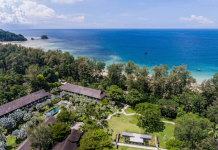
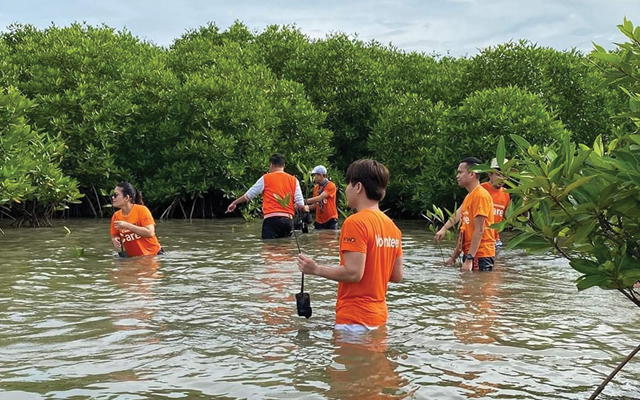
Once a struggling fishing community in Kampot, the Trapeang Sangkae Fishing Community is tapping into eco-tourism to ensure an education for its children, elevate local livelihoods and preserve the delicate marine ecosystem.
Fish stock in the area has depleted due to over-fishing and manmade development, which has caused swathes of mangroves to disappear. Visitors can replant mangroves, join fishermen on their patrols, enjoy boat rides, and even stay overnight to experience life in the riverine community.
2. The Lantern Lady, Hoi An, Vietnam
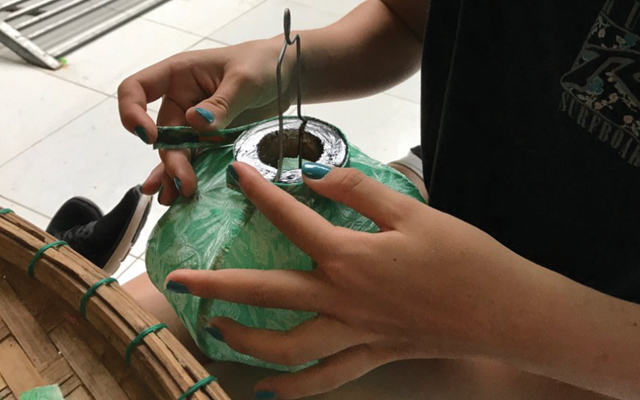
Delegates can immerse themselves into Vietnamese arts with a lantern-making workshop in Hoi An. Guided by local artisans, The Lantern Lady gives participants the chance to learn from master artisans to create their own colourful lanterns while learning about the cultural symbolism behind the age-old tradition.
The experience culminates with a special lantern-lit evening stroll through the town’s historic streets, offering an experience that fuses Vietnamese heritage, creativity, and cultural connection.
3. Pos Lanai, Malaysia
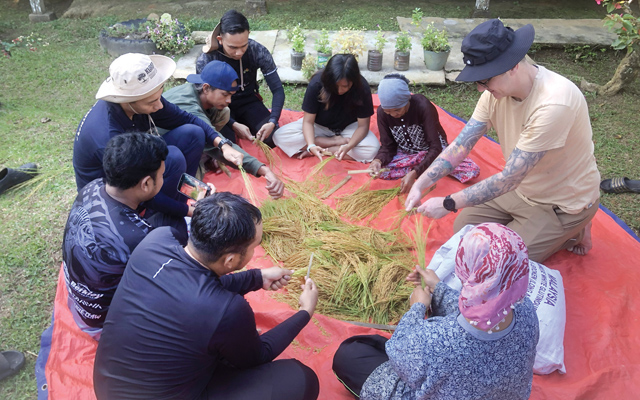
Pos Lanai in Pahang – home to the Semai community – offers groups a meaningful way to connect with Malaysia’s indigenous heritage while giving back. Guests engage alongside community members in hands-on activities such as edible forest planting, traditional atap weaving, river clean-ups, and seasonal padi harvesting and processing.
The programme fosters cultural exchange, supports local livelihoods, and contributes to environmental stewardship, making it a purposeful and memorable activity rooted in community and sustainability.
4. Morazen Yogyakarta Hotel, Indonesia
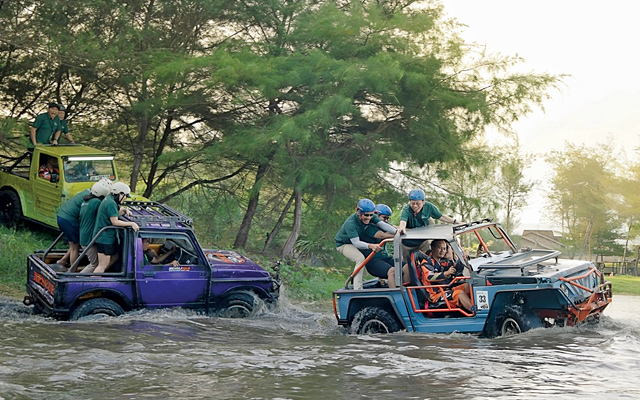
Set in the coastal highlands of Kulon Progo, Morazen Yogyakarta Hotel offers a “soft adventure” 4WD Jeep tour to decompress after intensive meetings.
Designed for groups of up to 100 (four per vehicle), the rugged route heads west toward Glagah Beach, famous for its dramatic tetrapod breakwaters. The journey then transitions from rural rice fields to off-road village paths and sandy coastal tracks, offering a controlled adrenaline rush. To conclude, teams can engage in sunset teambuilding, mangrove planting, or turtle releasing – blending authentic local insights with environmental conservation.
5. Happitat, Australia
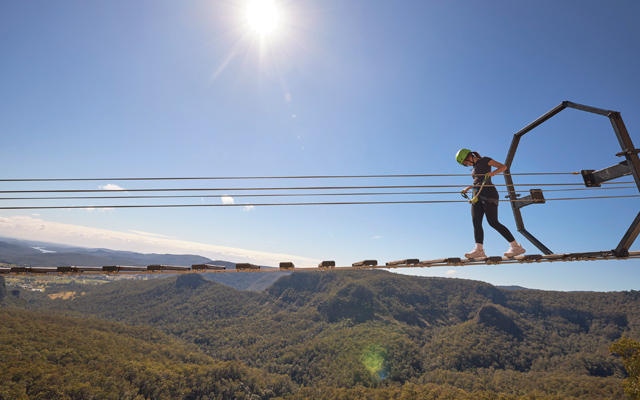
Perched 400 meters above the Gold Coast’s Lamington National Park, Happitat is the world’s first cliff park. Featuring ziplines, via ferrata climbs, and cantilevered platforms, the five-hour experience is designed for accessibility rather than extreme fitness.
Built on the belief that shared challenges foster real connection, this accessible activity is ideal for corporate and incentive groups of up to 350 guests seeking a memorable, high-impact bonding experience.
6. Bangkok Community Help Foundation, Thailand
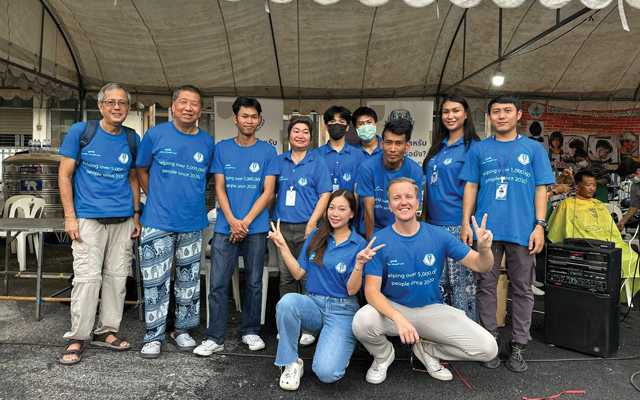
Event planners can integrate high-impact CSR into Bangkok itineraries by partnering with the Bangkok Community Help Foundation.
This volunteer-driven organisation offers corporate groups hands-on activities ranging from food relief and care package distribution to building projects, such as restoring homes or local libraries. By working alongside local volunteers, delegates foster team cohesion while making a tangible difference in vulnerable Thai communities.



 He previously served as CEO of Gulf Air Group, and prior to that, as CEO of Star Alliance. He has also held senior leadership roles at International Air Transport Association.