PHOTO CAPTION:
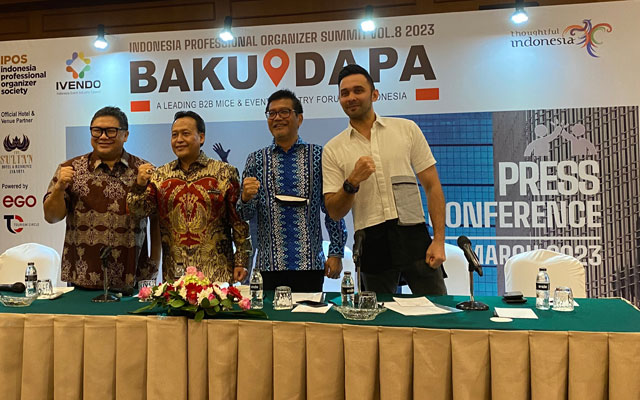
From left: IPOS' Harry Nugraha, The Sultan Hotel & Residence Jakarta's I Nyoman Sarya, IVENDO's Mulkan Kamaludin and Teuku Zacky
Although the number of event activities in Indonesia has surpassed that of the pre-pandemic era at 23,000 events in 2022, the overall gross turnover is still far below that of 2018-2019.
This information was part of The Dynamics of the Event industry Indonesia 2022-2023 survey done by The Indonesian Event Industry Council (IVENDO). The survey also revealed that the revenue was 534 billion rupiah (US$34.6 million), much lower than that of the pre-pandemic era which was between 97 and 121 trillion rupiah.
PHOTO CAPTION: From left: IPOS’ Harry Nugraha, The Sultan Hotel & Residence Jakarta’s I Nyoman Sarya, IVENDO’s Mulkan Kamaludin and Teuku Zacky
The survey was conducted in 25 provinces, with 247 respondents comprising organisers, event suppliers and production houses, where 34 per cent handled 32 events last year, and another 24 per cent handled 12 events.
In terms of value, 58 per cent of the events were worth between 10 and 50 million rupiah, and only 10 per cent had a value of one billion rupiah per event.
As for the types of events, government activities dominated in 2021, with events in 2022 starting to balance out, comprising the government (13 per cent), association events (12 per cent), state-owned companies (12 per cent), and corporate meetings (14 per cent). The survey also noted that 19 per cent of respondents created new events.
The types of events also varied, including Meetings (14.8 per cent), Exhibitions (12.1 per cent), Incentives (11.6 per cent), Entertainment (11.6 per cent), Festivals (9.8 per cent), Conventions (8.2 per cent), Training (8.04 per cent), Sport (5.4 per cent), and others (18.4 per cent).
At a recent press event in Jakarta, Mulkan Kamaludin, chairman of IVENDO, said: “What’s interesting is that 17 per cent of respondents got their business from fellow event organisers. This cooperation system helped to overcome capital challenges, (because) during the pandemic, many organisers were forced to sell assets in order to survive.”
Overall, business event players (64 per cent) are optimistic that the situation will improve in 2023.
Buoyed by this optimism, the annual Indonesia Professional Organizer Summit (IPOS) will return in person after a two-year hiatus. Themed Baku Dapa, which means meeting face to face, the event will be held from May 16-18 at The Sultan Hotel & Residence Jakarta.
It is expected to attract 100 corporate and government buyers, as well as 50 sellers from hotels, venues, tourist attractions and related suppliers.
Harry D Nugraha, IPOS’ founder, said that this was a sign that the events industry was recovering.
“With many new venues and destinations that sprung up (during the pandemic), events’ stakeholders also need to get up to date,” he added.
IVENDO is also planning to roll out a proposal to the government for a National Event Worker’s Day during the Baku Dapa event.
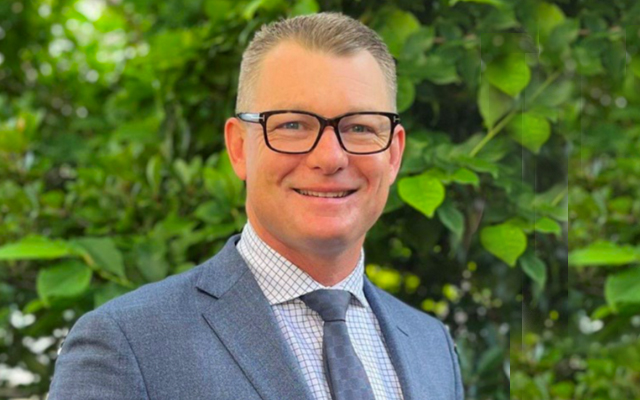
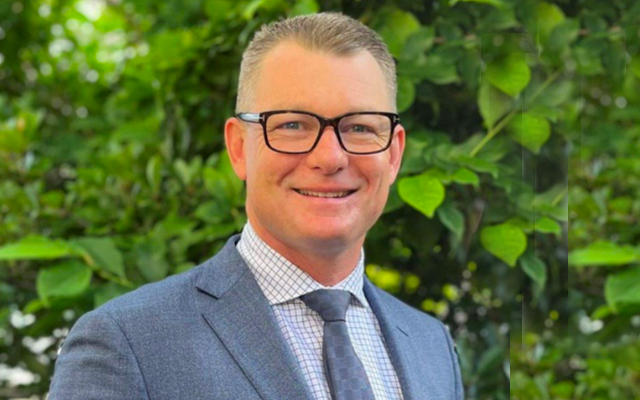
Capella Hotels and Resorts has named Marc von Arnim as general manager of Capella Sydney.
With over 20 years in the hospitality industry and various senior leadership positions, he will spearhead all pre-opening efforts for Capella Sydney, including recruitment and training, operations and curating experiences.
Before joining Capella Hotel Group, he was general manager of Park Hyatt Sydney.
Merlin Entertainments has appointed Susan Ang as the new divisional director for Asia-Pacific, Midway, effective April 1.
With over 25 years of global experience in the tourism industry, Ang will lead the overall management, regional strategies and financial responsibilities for Merlin’s 32 attractions across region, including Merlin’s 22 attractions across Asia and 10 attractions in Australia and New Zealand.
She will be based in Singapore, with regular visits to the region, including Australia, New Zealand and China.
A total of 3,000 delegates from Taiwan’s F&B company, WOW Prime Corporation, will be making their way to Malaysia this year for their incentive trip, generating an estimated economic impact of RM57.9 million (US$13.1 million).
Supported by the Malaysia Convention & Exhibition Bureau (MyCEB), delegates will have staggered arrivals from now until September 28, 2023.
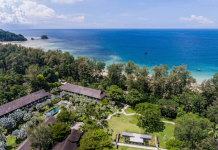
An aerial view of Lexis Hibiscus Port Dickson
The participants of WOWprime Corporation Company Incentive Trip 2023 will be treated to a five-star resort stay at Lexis Hibiscus Port Dickson, the resort that laid claim to two Guinness World Records with its unique features.
The incentive trip will also include a Melaka Historical Tour to visit cultural sites, as well as a night market experience at Alor Street; shopping at duty-free Genting Premium Outlets and Genting Sky Avenue Complex; other local experiences; and photoshoots at Chinatown, Kwai Chai Hong, Saloma Link bridge, KLCC and National Palace.
Abdul Khani Daud, CEO of MyCEB, said that welcoming WOWprime augurs well with Malaysia’s target to welcome 114,000 corporate meetings and incentive participants for 2023.
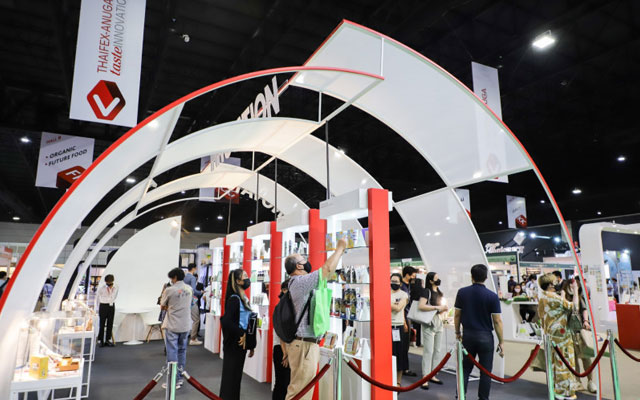
Over 60,000 trade visitors from 120 countries, and 2,700 exhibitors from over 40 countries, will be converging in Bangkok this May for THAIFEX – Anuga Asia 2022.
Happening from May 23-27, 2023, the trade fair at IMPACT Muang Thong Thani will feature 11 tradeshows segments under one roof, encompassing 11 trends and six special shows, with a focus on innovative blueprints of the future.
A previous edition of THAIFEX – Anuga Asia
Country pavilions from France, Hungary, Sri Lanka, the UK and Western Australia will debut at the event, and organisers will be launching a brand new HORECA experience for the food service sector. The platform merges innovations, functionalities and sustainability and industry players can speak to exhibitors to help identify solutions to grow their businesses.
Other events include the Future Food Market will showcase emerging breakthroughs in alternative products such as plant-based protein, through live demonstrations, talks, presentations, and panel discussions.
The Thailand Ultimate Chef Challenge is also back for the ninth time, where more than 700 professional and aspiring international chefs are vying for four awards in 19 categories. This year’s focus will be on Asian culinary skills and cuisines.
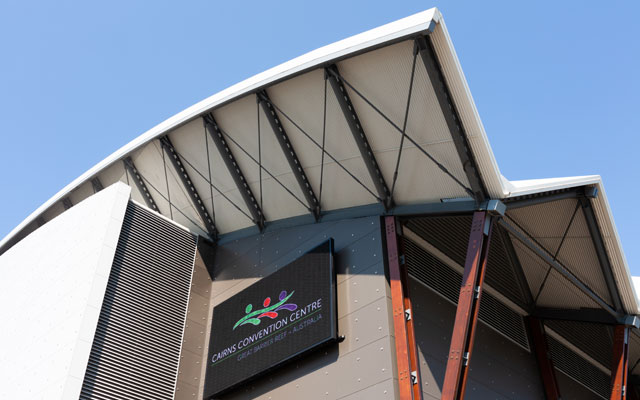
The events will be held at Cairns Convention Centre (pictured)
Australian event management company Arinex has started their 50th-anniversary celebrations this week in Cairns, kicking off a bumper week of business event activities which will showcase the destination’s capability to host sustainable meetings, conferences and incentives.
Tourism Tropical North Queensland partnership and events general manager Rosie Douglas said: “Hosting Arinex highlights the importance of business events to the Cairns economy and the Arinex passion for sustainability strongly ties in with our destination’s push to reduce the carbon footprint of events.
The events will be held at Cairns Convention Centre (pictured)
“As Australia’s first certified carbon neutral event company, Arinex wants to offset their event and delegates will join the first tree planting in critically endangered Mabi rainforest on the Atherton Tablelands as part of our Reforest Carbon Offsetting program for business events.”
Earlier this month, Cairns hosted the Strata Community Association Queensland annual conference. In the coming months, Cairns will be hosting the Australian Society of Sugar Cane Technologists National Convention, and the Australian Banana Industry Congress at the Cairns Convention Centre.
“Strategic conferences like these during the shoulder season help to build the capacity and profile of our local industries while bringing in delegates who tend to spend twice as much as a leisure visitor and often return for a holiday with their family,” said Douglas.
Cairns Convention Centre’s general manager Janet Hamilton is positive about the upcoming events for Cairns, as the venue completes its A$176 million (US$117 million) expansion.
Douglas added that the region would also be hosting event planners from Korea and Japan for a four-day education programme showcasing the destination from March 30. Then on March 31, Cairns will be hosting the Business Events Cairns and Great Barrier Reef Conference.
“With business events returning we want to ensure our industry is armed with the latest insights into how our region can capitalise on opportunities for international and national events,” Douglas said.
Event brief
MICECON 2023 is the largest gathering of business events professionals in the Philippines.
Organisers wanted to show how bayanihan (a spirit of communal unity and cooperation) can help elevate business events, which is something they incorporated from the very beginning. When bidding for MICECON back in 2019, the City of Davao institutionalised business events by passing an ordinance ensuring the promotion of the sector through a close partnership between the local government unit and private stakeholders.
It was carried through to the national level with the Department of Tourism, its marketing arm Tourism Promotions Board, and private sector stakeholders such as the Philippine Association of Convention/Exhibition Organizers and Suppliers, all of whom lent their support to MICECON 2023.
Event highlights
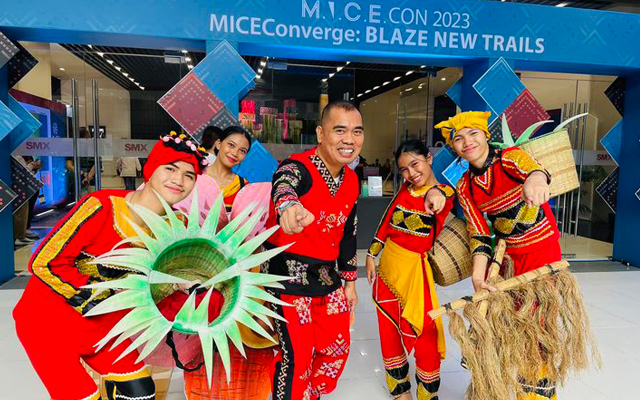
The conference was themed MICEConverge: Blaze New Trails, where global speakers and panellists included former PATA CEO Liz Ortiguera, and C-suite executives from organisations including Society for Sustainable Tourism and Development, TripZilla, and Pathwayz Group.
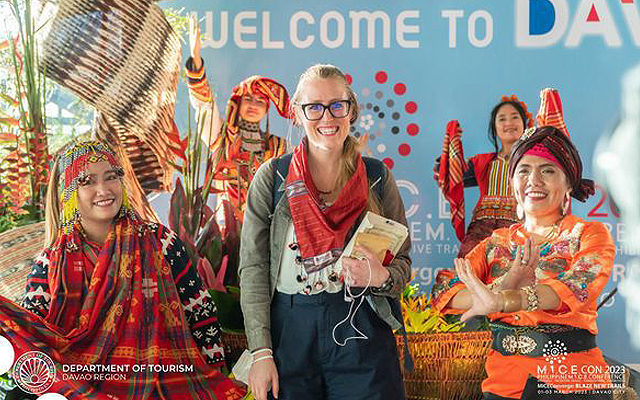
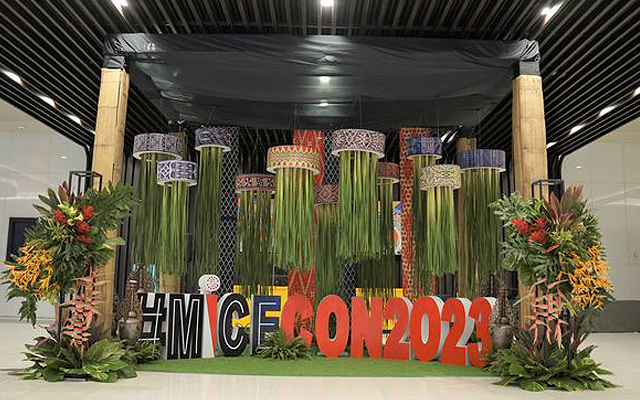
MICECON 2023 deviated from staid conferences with creative innovations., where normally serious topics received a side serving of fun. Daily sub-themes Celebrating Nature, Diversity, and Travel and Technology, were repeated in the venues and daily dress code, inevitably rousing full audience participation.
Fun workshops included a workshop on easy glam makeup by the education manager from MAC Cosmetics Philippines; and another workshop on how to power dress using Philippine textile weaves – abundant in Mindanao’s indigenous communities – with fashion-forward designs.
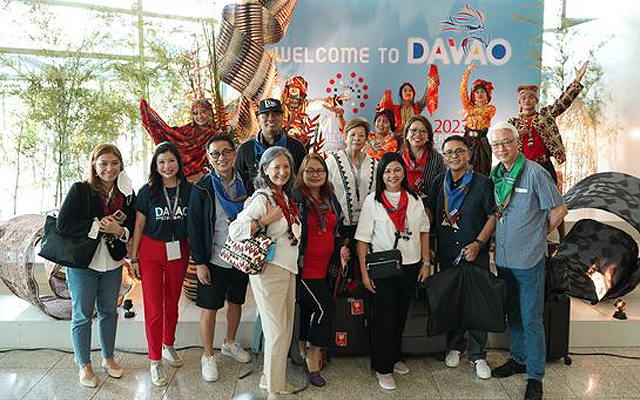
At the airport, aside from a traditional welcome performance, there was also a surprise flash mob made up of young dancers and singers who entertained the delegates.
Also integrated into the conference was the Philippine MICE Youth Challenge, which, as the name explains, is helping to train leaders of tomorrow, and providing them with a chance to compete in the Asia MICE Youth Challenge of the AFECA (Asian Federation of Exhibition and Convention Associations)
Lastly, the CSR portion of the conference took delegates to the Philippine Eagle Center in Malagos, where delegates learnt more about the preservation of the critically-endangered species.
And as decided by an evaluation panel. MICECON 2024 will be held in Clark, Pampanga.
Challenges
A challenge for the government was how they could introduce the city of Davao, the largest city of Mindanao island, in three days.
As part of the conference, a marketplace with 66 local exhibitors was set up. Fam tours also included visits to Davao’s growing cachet of new hotels, resorts and attractions, as well as lesser-known destinations Davao del Norte and Davao del Sur.
The event menu also featured exotic fruits that Davao is renowned for, such as mangosteen, rambutans, and pomelos. Fresh seafood, such as the giant yellow fish tuna, was also sought after to provide visitors with an authentic taste of the city.
Mindanao’s rich heritage, spread across 11 indigenous tribes, was also the focus of entertainment numbers, costumes and decorations.
The result, as participants attested to, was a conference brimming with timely topics interspersed with laid-back fun and entertainment, and the varied colourful attractions of the destination shining through.
Event Philippine M.I.C.E. Conference (MICECON) 2023 Organiser City Government of Davao Venue SMX Convention Center Davao Dates March 1-3, 2023 Attendance Over 600
The Ritz-Carlton, Melbourne has opened on the western side of Melbourne’s CBD.
Event planners looking to hold an event at the property will be able to avail more than 2,500m2 of customisable space, such as The Ritz-Carlton Grand Ballroom. Seating up to 550 guests, the space features 7m-high ceilings, and floor-to-ceiling feature windows.
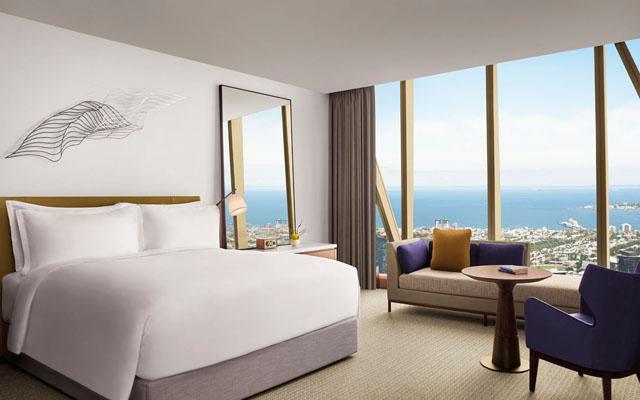
Deluxe King
Check-in at The Ritz-Carlton, Melbourne is at the Sky Lobby Reception on Level 80. There are 257 guestrooms in total, where business travellers on the Club Level suites will have access to a lounge where they can work and enjoy curated culinary journeys throughout the day.
Recreational facilities include a spa, an infinity pool which looks out over the city, a fitness centre, and a yoga studio. The hotel’s signature restaurant Atria is named for the brightest star in the southern constellation, Triangulum Australe, and features hyper-seasonal dishes; while cocktail bar Cameo and the Lobby Lounge – home to the hotel’s high tea experience – round up the rest of the F&B offerings.
As sustainability continues to be in the global spotlight, the exhibitions industry is showing up as a strong enforcer. In 2022, more than 400 organisations in the exhibitions industry – many of whom are UFI (The Global Association of the Exhibition Industry members) members – signed the Net Zero Carbon Events pledge.
According to UFI’s 2022/23 president Michael Duck, the pledge “has been very enthusiastically followed”. He attributed the adoption to most companies being asked by their shareholders about their plans on meeting sustainability targets.
Large-scale venues such as convention centres, where exhibitions are usually held, are leading the push for sustainability.
Early commitment
In 2015, the Hong Kong Convention and Exhibition Centre (HKCEC), kickstarted its sustainability journey, becoming the first organisation in Hong Kong to receive the three-year ISO 20121 Event Sustainability Management System certificate, and was recertified in 2018 and 2021.
Monica Lee-Müller, managing director, Hong Kong Convention and Exhibition Centre (Management) (HML), noted: “HML was one of the founding signatories of the Net Zero Carbon Events Pledge, launched in November 2021 during COP26 by the exhibition and event industry, committing to net zero carbon emissions by 2050.
Think Before Plastic campaign at HKCEC
“In November 2022, the Net Zero Carbon Roadmap announced that plans were to become concrete action at COP27. This roadmap sets out a common framework for stakeholders to make their net zero journey together. All signatories are making plans to reduce carbon emissions by 50 per cent by 2030 and net zero by 2050.”
Sustainability has also been a continuous journey for Singapore Expo since 2011, and efforts were significantly accelerated in the past year.
Chua Wee Phong, chief executive (venues), Constellar, which manages the facility, said: “We have been moving from sustainability as a competitive advantage to a necessity.
“In our conversations with international organisers, it has become a criteria for deciding where they hold their events, so the venue needs to make a compelling business case together with our vendors, suppliers and partners where sustainability becomes an operating value in the entire supply chain.
Opened less than a year ago, Te Pae Christchurch Convention Centre is taking serious steps towards its environmental obligations, with an agreement with Toitu Envirocare to acquire certification as a net carbon zero organisation.
For now, the venue is working to establish “an accurate benchmark of operations to not just know where we are at, but where we need to head in the future”, said general manager Ross Steele. Attention will turn to net carbon zero operations by the end of the next financial year.
The venue’s ultimate goal is to “bring clients and suppliers along on the journey and look at ways to work with them to minimise the impact of the events we host – something we are well supported in with Otautahi Christchurch’s own commitment to reaching net zero emissions”, Steele added.
He said: “For us, sustainability and sustainable operations go beyond just measuring waste and offsetting carbon emissions. It’s about legacy – what we leave behind for future generations, and how we instil values that will ensure we are not only environmentally sensitive but leading the way in this area for years to come.”
Hardware modifications
Efforts to become more sustainable usually start with improving building energy efficiencies.
Currently, HML is replacing its chillers with more energy-efficient and low GWP (global warming potential) sea water-cooled units. When completed, there will be an estimated saving of 2,500 tonnes per year of carbon.
HML is also retrofitting the conventional kitchen ventilation system and will have new capability to adjust exhaust fan speed per demand. This should save 220,000 kWh/year, representing approximately 157 tonnes of carbon emission, equivalent to planting 6,826 trees.
Installation of Solar Panels at Singapore Expo
Other efforts include the replacement of HKCEC’s 12 sets of air handling units in its exhibition halls to save a 200,000 kWh of energy per year.
Automation is also utilised at HKCEC, where robots perform water-saving cleaning services, cutting down monthly water usage by up to 6,000 litres.
As for Singapore Expo, its convention wing is already BCA (Building and Construction Authority) Green Mark Platinum-certified, hence the venue is aiming to achieve Platinum status for its 10 exhibition halls by this year.
“To bring sustainability to the forefront of our venue experience, we will be focusing on two key areas: implementing a systematic energy efficiency plan, as well as developing a food and waste management strategy to help our clients and partners reduce their carbon footprint at events,” revealed Chua.
He added: “Our intention is to make Singapore Expo self-sufficient, and replace conventional energy consumption with renewable energy through the installation of the largest single-site solar rooftop installation in the country.”
Expected to be completed by this October, Chua said the energy generated could power the equivalent of 4,000 public housing units of 66m2 each for a year.
“This is a key step towards realising our vision of Singapore Expo achieving net zero carbon by 2024, and becoming Asia’s first net zero carbon emission MICE venue running on clean energy,” noted Chua.
joint efforts
Recognising that achievements are greater with more hands on deck, convention centres have forged partnerships in their net zero carbon journey.
Kuala Lumpur Convention Centre is transforming the Kuala Lumpur City Centre precinct into a Sustainable Development Goals (SDG) hub. It does this with partners in the Kuala Lumpur Convention Centre Business Events Alliance (KLCCBEA), which comprises on-site hotels, the shopping mall, and Malaysia Airlines, to offer an end-to-end sustainable experience to organisers and guests.
The KLCC Precinct donates old footwear to be made into playground mats
In 2022, the centre signed the first public-private MoU with Urbanice Malaysia, a government agency tasked to localise the United Nations (UN) SDGs for Malaysia’s urban and rural development, provide strategic assistance for a sustainability roadmap, and develop a blueprint for sustainable events.
It also seeks joint efforts in food and general waste management, sustainable sourcing, and energy saving.
“In 2019, we partnered with Food Aid Foundation where clients can give away excess food from their events to the needy. Most recently, we invested in our own food waste composter to help us minimise our overall food waste,” general manager Alan Pryor said.
To encourage delegates and visitors to recycle plastic and aluminum, two reverse vending machines were placed onsite to reward each recycling act with points that can be redeemed for lifestyle and recreational experiences.
Meanwhile at the BuildTech Asia 2023 in March, Singapore Expo piloted a waste measurement methodology involving various stakeholders to help identify waste drivers and boundaries.
Employee upskilling in line with developing a framework for sustainability reporting by 2025 has also been identified for action, as has sustainable travel to the venue. This includes plans to develop one of the largest electric vehicle charging hubs in eastern Singapore to reinforce infrastructure and partnership support.
Constellar will also be engaging its F&B partners and clients to look into managing food waste, as well as implementing urban farming on the rooftop of its convention wing by October 2023.
Similarly, HML is actively promoting sustainable and low-carbon menu options to banquet organisers, and has been supporting Food Angel’s Food Rescue Programme since 2011 by inviting organisers to donate unconsumed food from their events to Food Angel.
To motivate event organisers and visitors to recycle waste, Lee-Müller said public and back-of-house areas were equipped with recycle bins for paper, cardboard, glass, plastic and metal.
“Since last year, HML’s recycling programme has extended to include plastic wrapping film, which is used extensively for transportation and delivery of exhibits.
“We target to collect wrap waste from 70 per cent of exhibitions for recycling by June 2023,” she added. – Additional reporting by Karen Yue
Hyatt Regency Danang Resort & Spa has named Adrian Pulido as general manager of the 360-key oceanfront resort.
He leads a team of more than 450 associates at Hyatt Regency Danang Resort & Spa, and will be responsible for all aspects of hotel operations, staff management and guest satisfaction.
Originally from Mexico, he held leadership roles at high-profile resorts in the Americas, Middle East and Asia-Pacific.
Just 10 minutes from Phuket International Airport on the serene northern coast, this 178-key, Bill Bensley-designed resort offers delegates a quiet, tropical paradise steeped in Phuket’s tin-mining heritage
The newly-opened Ritz-Carlton, Bangkok anchors the One Bangkok development with cosmopolitan elegance. Featuring the city's largest ballroom and a spectacular new penthouse suite, it delivers exceptional hardware and deeply authentic, soulful service for business and leisure travellers alike
Behind the imposing, Brutalist concrete that defines Zurich’s Oerlikon district lies a surprising secret. While its exterior honours the neighbourhood’s industrial roots, stepping inside Mama Shelter reveals a vibrant, neon-soaked world that is a far cry from its rigid shell



 Before joining Capella Hotel Group, he was general manager of Park Hyatt Sydney.
 She will be based in Singapore, with regular visits to the region, including Australia, New Zealand and China.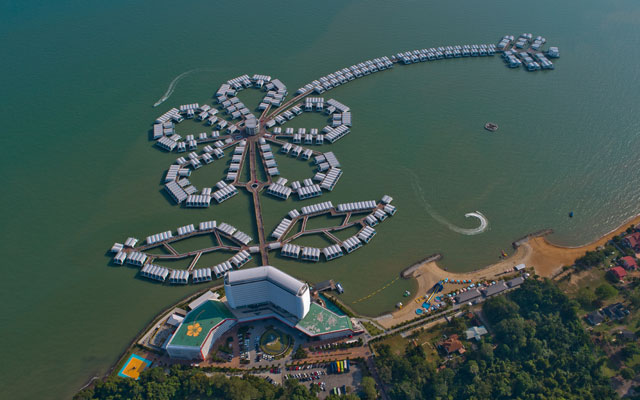



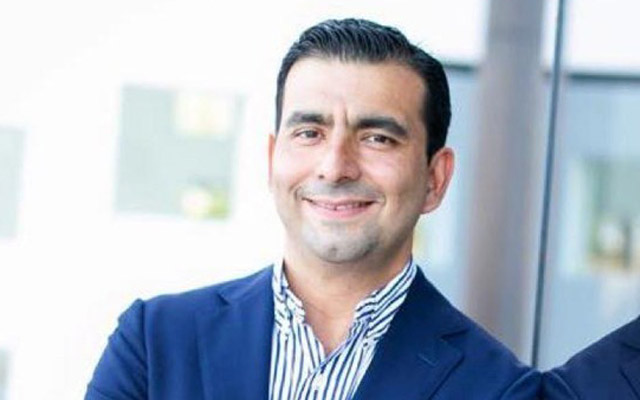
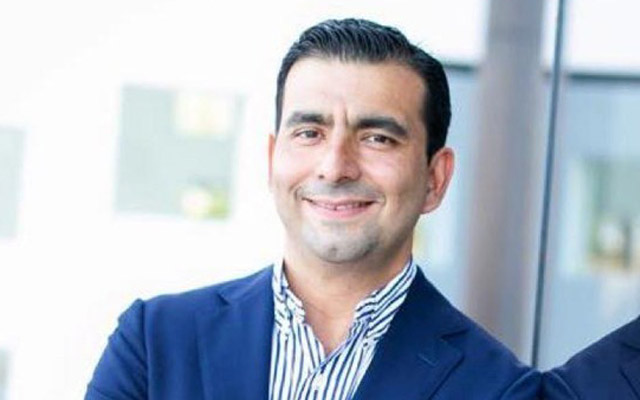 Originally from Mexico, he held leadership roles at high-profile resorts in the Americas, Middle East and Asia-Pacific.