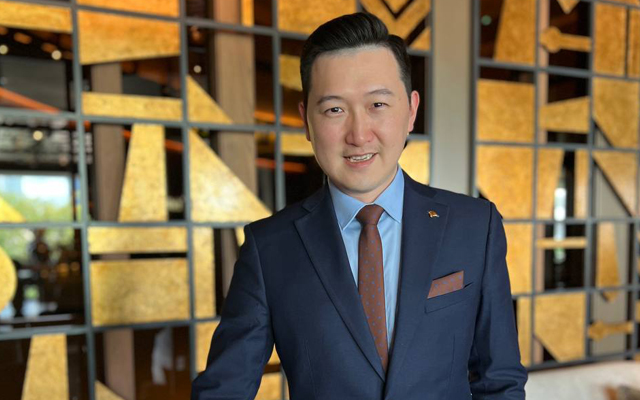
Mandarin Oriental, Singapore has appointed Marcel Li as director of F&B.
In his new capacity, he will be responsible for overseeing the hotel’s restaurants, bar, and lounge, as well as the banquet facilities.
Li has over a decade of experience in the luxury hospitality industry and having worked in Mandarin Oriental properties across various destinations including Kuala Lumpur, Shanghai and Boston.
No stranger to Mandarin Oriental, Singapore, Li previously managed the banquet team as assistant banquet operations Manager before taking on the role as restaurant manager of the hotel’s all-day dining restaurant, Melt Café.
Mask-wearing at events in Singapore will be optional from August 29, as the city-state progresses further with its endemic Covid-19 transition.
While event organisers welcome the easing of masking regulations, they told TTGmice that they would allow their delegates to decide on personal mask usage.
Event attendees in Singapore can decide if they want to remain masked even as indoor mask-wearing becomes optional from August 29
Alison Gilmore, portfolio director for ILTM Worldwide with RX Global, said the upcoming ILTM Asia Pacific at Marina Bay Sands would give attendees the freedom of choice concerning mask wearing.
The event will be held from September 1 to 5, welcoming luxury travel and tourism specialists from all over the world. While core business activities will be conducted within exhibition halls at Marina Bay Sands, ILTM Asia Pacific will also feature social functions at hotel venues.
International Built Environment Week (IBEW) as well as the co-located trade exhibition, Built Environment Xpo (BEX) Asia, which will open in the same week, will make mask wearing optional for its attendees.
However, Yip Je Choong, managing director, RX Singapore, said “attendees should continue to practice high level of personal hygiene for their own personal health and safety”.
For off-site tours scheduled on September 5, Yip said masking requirement would be determined by hosts.
All events are open only to fully vaccinated attendees, even as Singapore eases restrictions on non-fully-vaccinated individuals. From August 29, non-fully vaccinated long-term pass holders and short-term visitors aged 13 and above will no longer need to apply for entry approval when entering Singapore. They are only required to present a negative pre-departure test within 48 hours.
When asked how the relaxed masking policy would impact Singapore’s appeal for business events, Yip said: “We welcome the move as it strengthens Singapore as the preferred destination for MICE events, paving the way for more large-scale and world-class events to be held in the city.”
Gilmore agrees that the “latest news will add further value to any event experience” in the destination.
Lai: climate action has risen to the C-suite level
Mounting importance placed on responsible climate actions by governments and intensifying consumer expectations of sustainable corporate behaviour have led more companies to take their climate strategy more seriously, observes a climate strategy specialist.
Brayden Lai, senior business development manager at South Pole, told TTG Asia that there are many studies supporting the rising trend in consumption intention being shaped by sustainability concerns.
Lai pointed to a recent blog by South Pole, which stated that 60 per cent of Asian consumers are looking at sustainability as part of their purchasing decision, and are willing to pay to offset their emissions.
2021 saw a 29 per cent increase in the number of companies in the Asia-Pacific region reporting through CDP – an international non-profit organisation that runs a global disclosure system for investors, companies, cities, states and regions to manage their environmental impacts – compared to 2020, and a more than five-fold growth from fewer than 700 companies in 2016. One-third (32 per cent) were first-time responders, demonstrating a growing momentum among businesses towards embedding transparent environmental disclosure in their operations.
The report shows that climate action has risen to the C-suite level, with almost all respondents (98 per cent) having management-level oversight for climate-related issues. Three-quarters (76 per cent) of companies reported having a process for identifying, assessing and responding to climate-related risks and opportunities.
“Even here, at Digital Travel Summit APAC 2022, we are hearing so many conversations around sustainability and responsible tourism,” said Lai.
Lai was a speaker at the event’s An Action Plan for Sustainability panel on August 24, where he and fellow industry colleagues discussed how travel and tourism companies could tap into the new traveller consciousness around sustainable tourism.
He said: “Many governments have announced their own net zero targets, and more and more consumers are aware that their individual actions can help mitigate climate risks in the future. So, climate action is huge and very important.
“Companies now regard sustainability efforts as a way to engage consumers who are highly aware of environmental issues. Many are starting to disclose their carbon emissions and environment impact. And so, South Pole is looking to help more companies do this.”
Currently, South Pole’s website lists many major global firms across industries among its clients – such as Bentley, Nestle, Tetra Pak and eBay.
Within the travel and tourism industry, South Pole supports Hilton, FCM Travel Solutions and Contiki.
With Hilton, South Pole helps to facilitate carbon-neutral meetings at the group’s hotels. Hilton calculates emissions from onsite meetings and events hosted by its clients, and takes part in South Pole’s offsetting projects.
With FCM Travel Solutions, South Pole provides clients of the corporate travel agency with insights into their carbon emissions and facilitates carbon-offsetting through its projects.
Lai told TTG Asia that there is a “huge interest in this because business travel contributes to Scope 3 emissions, which is more challenging for companies to track”.
In Greenhouse Gas accounting, Scope 1 emissions are direct from an organisation’s operations, such as the use of the company’s vehicles; Scope 2 refers to energy consumption by the organisation; Scope 3 are indirect emissions, generated by the organisation’s suppliers and employers in their course of related work.
With Contiki, South Pole provides travellers with a view of the carbon footprint arising from the tours they choose, and to offset that through emission reduction projects.
While most of its current travel and tourism industry clients are large, global firms, Lai said there is keen interest among the local and regional players too.
“These are the companies that we are actively engaging now. We are participating in travel trade events to build our connections and to raise awareness of what South Pole can do for them,” Lai remarked.
When asked what a travel and tourism company could do should they want to get started on the responsible climate journey, Lai said they could begin by helping their customers understand their carbon footprint and make better choices, and by providing their customers with options to offset unavoidable emissions.
“While awareness of climate action is rising, there is still a lot of room for improvement, especially in education to facilitate understanding about impact. Which is what South Pole is through the education consumers, businesses and organisations through blogs, workshops and speaking opportunities at events,” he added.
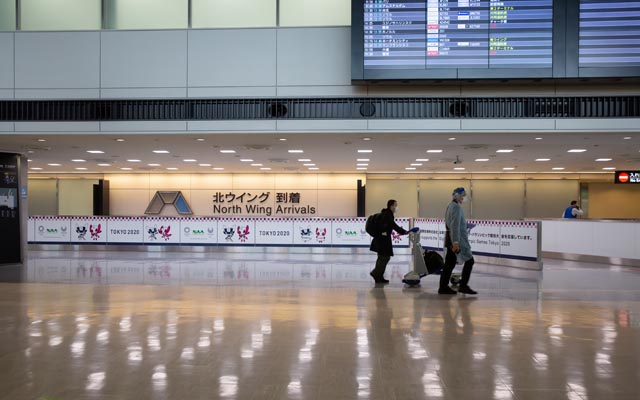
Japanese prime minister Fumio Kishida has confirmed the country’s move to cease pre-arrival Covid tests for vaccinated travellers from September 7.
Travellers from then will only be required to show proof of having received three doses of an approved Covid-19 vaccine.
Travellers entering Japan from September 7 will no longer need to perform a pre-arrival Covid test
According to news reports, Kishida acknowledged that the pre-arrival test has been an inconvenience for travellers, “especially those traveling abroad from Japan”.
Travel agencies have been urging the government to ease travel restrictions, including removing pre-arrival tests, a requirement that many other countries have scrapped to facilitate international travel and the resumption of economic activities.
In making this announcement on August 24, Kishida also affirms the government’s decision to raise the daily arrival caps from the current 20,000 once airports have the necessary staff and infrastructure to accommodate the spike in arrivals. He did not specify the new daily arrival cap.
He also made no mention of Japan possibly permitting FITs soon, something earlier news reports had suggested.
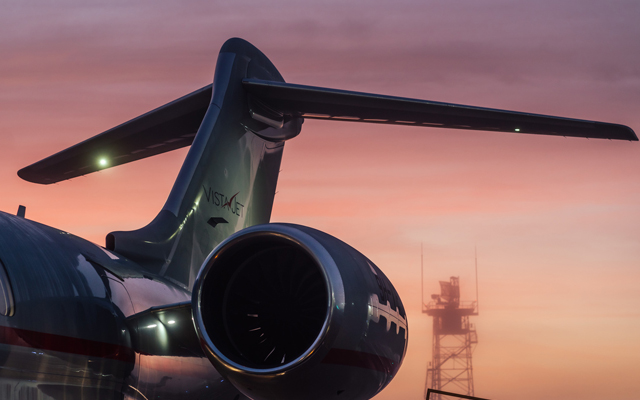
Renowned business jet operator VistaJet is putting a fun spin on the upcoming Chinese Mid-Autumn Festival with five creative private tours that introduce travellers to full moon rituals in various parts of the world.
Designed in partnership with some of the world’s leading hotels and tour operators, the itineraries cover China, Malaysia, Japan, Greece, Peru and Bolivia.
High-end travellers can access intriguing destinations more easily with private jet
In Japan, for example, the full moon getaway will be a 10-day voyage featuring kaiseki meals (traditional multi-course dinner) at every step, sake tasting with geishas in Kyoto, interaction with a renowned Japanese calligraphy artist, a private full moon appreciation ceremony in a temple with never-before-seen dance and taiko performance, and more.
For VistaJet’s Inca adventure, travellers will explore the lost city of the Incas over three weeks, calling at key destinations such as La Paz, Tiwanaku, Lake Titicaca, Sacred Valley and Lima. Flying over the Sacred Valley of the Incas in a hot air balloon, diving into Lake Titicaca, accessing secretive historical places, and sharing an extraordinary display of Chinese lanterns in Machu Pichu under the full moon are all part of the experience.
These tours are the latest additions to VistaJet’s Private World collection, which are primarily aimed at high-end leisure travellers as well as corporate incentive travel groups.
According to Amy Yang, director of marketing communications & partnerships in Asia for VistaJet, the company has been working with a broad range of hotels, high-end tour operators and luxury lifestyle specialists, such as yacht and luxury car manufacturers, private estates and wineries, to create unique travel experiences for its clients.
While most of VistaJet customers are travellers on corporate assignments, some continue to utilise the business jet operator for leisure purposes.
Yang said: “Travel today is all about providing unique and extraordinary experiences. For some of the more intriguing destinations, the only way to get there efficiently is by business jet. Our role is to help people to visit these places time-efficiently and in comfort, and create once-in-a-lifetime adventures for our clients across the globe.”
Besides Private World, VistaJet’s core business in private air charters has seen strong pick up. The company employs a subscription model where clients pay for a bespoke set of flight hours to be utilised anytime and for any destination. Subscription volumes are up 43 per cent year-on-year in 1H2022, and Ang expects numbers to continue climbing for the second half of the year.
She told TTG Asia: “Prior to the pandemic, McKinsey had a report that said only 10 per cent of people who could afford to fly on business jets, were doing so. That meant 90 per cent of the potential market was missing. Then, Covid happened and those who were part of the 90 per cent started to re-evaluate how they travelled.
“Covid changed peoples’ mindset. Rather than just think about the extra money involved in flying privately, they thought about the advantages of (doing so). It was safety and security that drove people to business aviation.”
She explained that customers were sold by the ability to “only fly with people (they) have vetted”, go through fewer touchpoints compared to flying commercially, and avoid crowds typically seen in a busy commercial airport.
“The other issue with commercial aviation is the airlines have reduced their route network, so many of routes…no longer exist commercially or there is only one flight a day. Also, not every commercial aircraft has a first-class cabin,” she added.
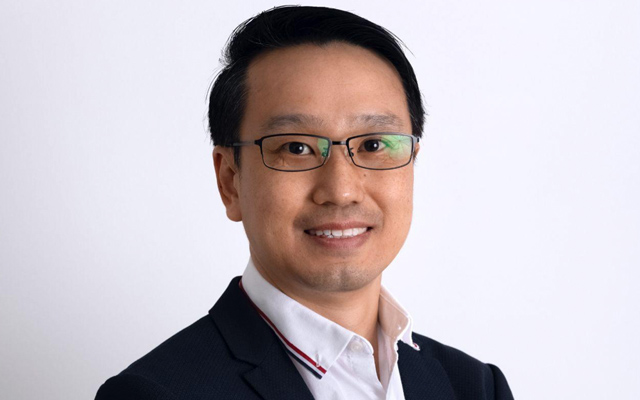
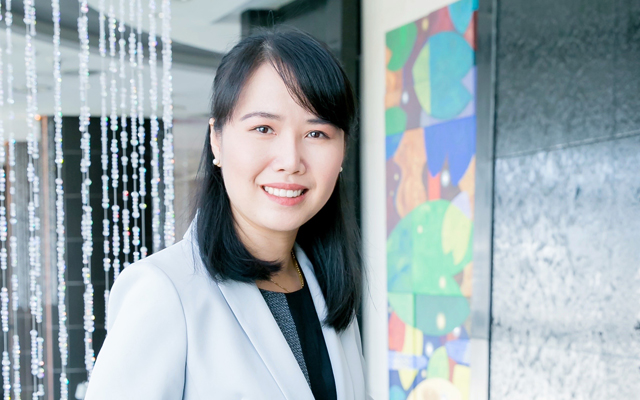
Centara Hotels & Resorts has selected Metta Boonyaritipong as opening general manager for Centra by Centara Hotel Bangkok Phra Nakhon, a new hotel set to open this October.
The seasoned hospitality professional first started in southern Thailand as personal assistant to the group general manager for Centara resorts in Suratthani. She steadily rose through the ranks in Centara Koh Chang Tropicana Resort before moving to Chonburi to look after two hotels – Centara Pattaya Hotel and Centara Nova Hotel & Spa – ending as hotel manager for both properties.
Most recently, Metta was general manager at Centara Sonrisa Residences & Suites Sriracha, a post she has held since July 2020.
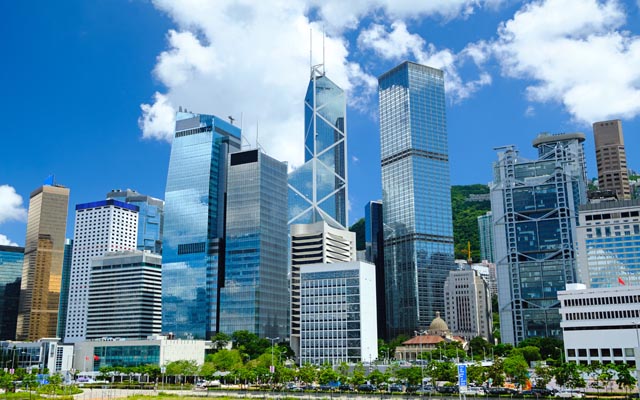
An amber code is given to an inbound visitor from overseas; Hong Kong pictured
Starting August 25, 2022, international business visitors heading to Hong Kong who receive an Amber Code after four days of hotel quarantine and medical surveillance, will be allowed to attend B2B trade exhibitions and conferences.
The Red and Amber Codes were first introduced as part of the Vaccine Pass on August 9, which has been operating smoothly while reducing the incidence of high-risk individuals infecting others.
An amber code is given to an inbound overseas visitor; Hong Kong pictured
However, these overseas visitors still have to comply with requirements such as pre-registration procedures, and mandatory mask-wearing at all times during the event, except in instances such as delivering a speech.
In a statement, the Hong Kong government explained that this move was because business events and related activities were different from other mass group gatherings.
This recent development was warmly welcomed by the travel trade.
Corporate Travel Management, CEO Asia, Larry Lo, said: “MICE and tradeshows are very important to the tourism industry as they help to create jobs, stimulate the local economy, support hotels and tourism operators, as well as showcase the destination to an international audience.
“We look forward to welcoming our international visitors back, (but hope to eventually see Hong Kong) axe its isolation restrictions in line with other countries.”
Similarly, a spokesperson from the Hong Kong Convention and Exhibition Centre (Management) thanked the government for listening to industry feedback.
The spokesperson said: “We welcome this decision, and we will continue to communicate with the government to implement quarantine-free measures and come up with a clear roadmap to rebuild the confidence of organisers, overseas exhibitors, and buyers in Hong Kong’s reputation as the Trade Fair Capital of Asia.”
The Hong Kong Exhibition & Convention Industry Association’s chairman, Stuart Bailey, indicated that the association is “grateful” that the government has listened to the industry’s calls, and is a “step in the right direction”.
However, Bailey noted: “As the rest of the world has opened up to hassle-free, fully-open borders, it remains to be seen how many people will be willing to visit Hong Kong rather than one of our regional rivals to attend a conference or exhibition.”
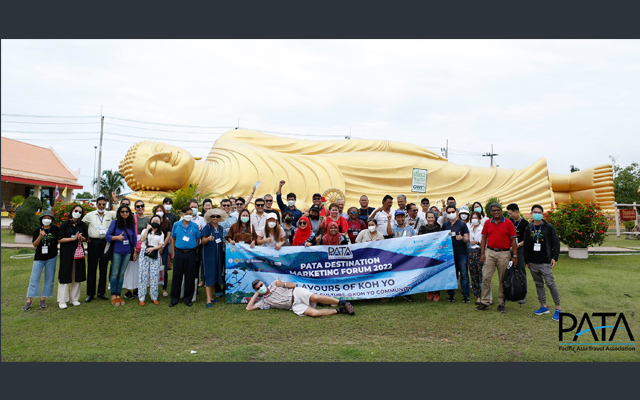
PDMF delegates visited the reclining Buddha at Wat Hat Yai Nai temple
Songkhla, the capital of Songkhla Province in southern Thailand, is positioning itself as a multicultural business events city to accelerate economic growth and boost its status as a hub of border trade, services and investment.
Songkhla qualified as a MICE City in 2020, and international events received a fillip with Thailand’s unfettered reopening in July. Recently, the PATA Destination Marketing Forum 2022 was hosted at the International Convention Center (ICC) Hat Yai, the largest events venue in southern Thailand, from August 2-4.
PDMF delegates visited the reclining Buddha at Wat Hat Yai Nai temple
Situated on the campus of the Prince of Songkhla University, ICC Hat Yai’s 3,000m2 convention hall seats up to 3,500 people theatre-style, while another large hall across the central foyer can be used for meals. The sprawling and modern and venue is also certified under the Thailand MICE Venue Standard and ISO 20121.
In welcoming the 300-plus delegates, Songkhla Convention and Exhibition Bureau (SCEB) pointed out the hosting of the forum showed that Songkhla has the potential to support international business events.
In addition to meeting venues, business events can be enhanced by
including community-based tourism (CBT) and experiential activities in the Songkhla Lake area. Besides learning how communities such as Tha Hin, Koh Yo and Khao Singhanakhan live, corporates and delegates can participate in fishing, agricultural, cooking and handicraft activities using local raw materials.
Additionally, interesting attractions include Songkhla Old Town (vying for UNESCO World Heritage Site recognition); the Folklore Museum at the Institute for Southern Thai Studies; and the largest fully-reclining Buddha statue in the world as a backdrop for a memorable group photo.
Although global hotel brands are not yet present in Hat Yai, there are several Thai four-star properties with event spaces.
Centara Hotel Hat Yai’s Sukhontha Hall can accommodate 200 people for gala dinners and 450 for a standing reception, and can be divided into three smaller meeting rooms. Nearby, Buri Sriphu Boutique Hotel offers a separate convention centre with 10 function rooms that can hold up to 2,000 people.
But there are challenges for Songkhla as a new business events destination.
Currently, the only direct international flights are from Kuala Lumpur and Singapore, by budget airlines. Most access is via Bangkok, or a three-hour road trip from Penang. English isn’t widely used yet, and transportation of groups may require a fleet of 10-seater minibuses instead of larger vehicles, but the upside is that smaller programmes with split itineraries are feasible and more enjoyable.
IBTM World’s networking events will this year reflect the unique culture of different destinations
IBTM has revealed the upcoming IBTM World 2022 will focus on culture creation, as the business events world adapts to a more disparate working environment post-pandemic.
Scheduled to take place at Fira, Barcelona, from November 29 to December 1, IBTM World 2022 will include the introduction of IBTM Cultural Roadshows as part of its focus on creating culture. Designed to showcase different cultural destinations around the world, the Roadshows will explore how destinations use their unique cultures to create huge potential for events.
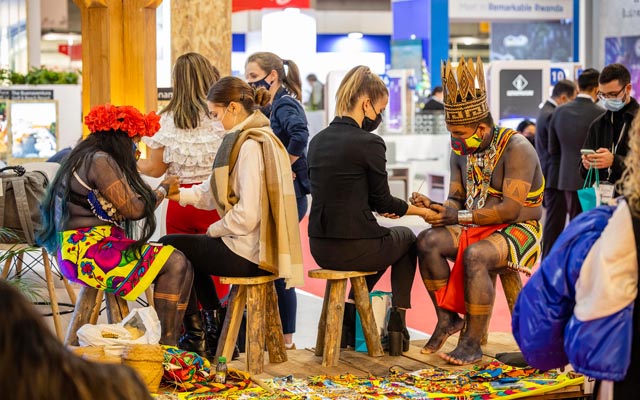
IBTM World’s networking events will this year reflect the unique culture of different destinations
Meanwhile, IBTM World’s Knowledge Programme will focus on the event’s core cultural theme and include session tracks on connections, business, careers, brands and experiences. IBTM Accelerate will also be part of the line-up, and showcase innovative ideas with a roster of speakers delivering inspirational short talks.
There will also be networking events this year, each reflecting the unique culture of different destinations, including the popular Networking Hour on the showfloor, Club Night, and the Welcome Reception on day one with food, live music and dancing.
To free up time in buyers’ schedules to allow them to attend educational sessions and meetings over the course of the event, this year the Corporate Buyer Programme and the Association Programme will take place the day before the official start of the event, on November 28.
David Thompson, event director, IBTM World, commented: “Business events are back to fill the gap they left, but they have also stepped up to fill the new gap that’s appeared: the place where business culture lives. This year, we’re looking at how the technology we are using, the experiences we are creating, and the destinations we are visiting create limitless cultures for businesses and incredible potential for events and deliver the opportunity for better business results.”
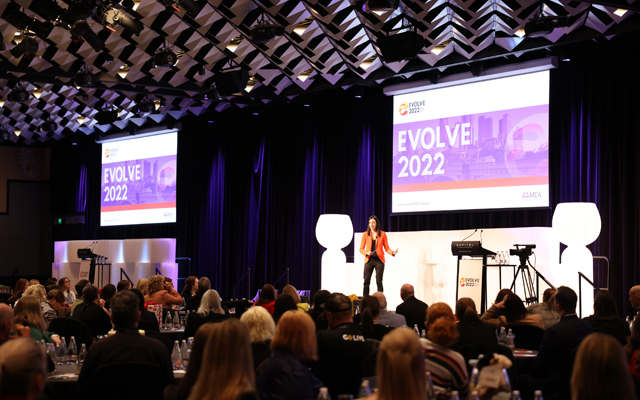
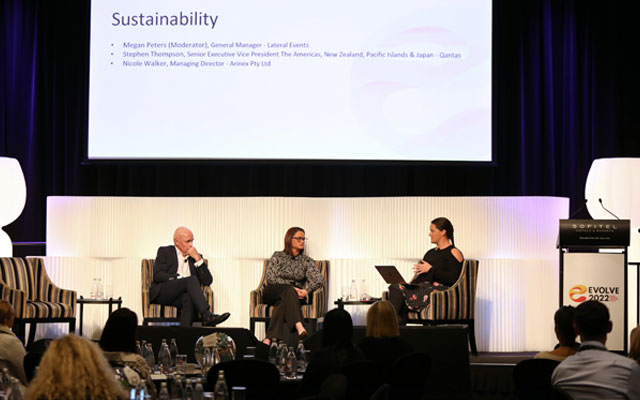
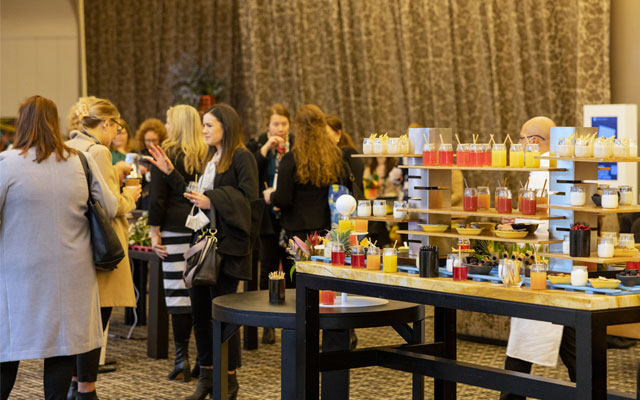
Meetings & Events Australia Evolve 2022. Photo credit: EventPix
1 of 4
Event brief
Meetings & Events Australia’s annual conference Evolve 2022 was designed to bring the Australian events sector together under the theme Building Confidence through Best Practice.
Cognisant of the circumstances the world has endured for the past couple of years, this year’s Evolve was a hybrid model, offering both in-person and virtual registration options, and curated to offer a complementary balance of learning and interpersonal interaction.
Held in Melbourne, the one-day conference programme was bookended by two networking nights. It also garnered support from multiple sponsors and exhibitors such as EventsAir, Melbourne Convention Bureau and Touchpoint.
Event highlights
On June 29, a Melbourne laneway and street art-inspired Welcome Reception greeted in person delegates. The team from Sofitel Melbourne On Collins impressed guests with a fantastic assortment of entertainment – complete with dancing kids, drag queens, a DJ and renowned artist Gosia Wlodarczak who sketched a one-night-only masterpiece to commemorate the evening.
Meanwhile, highlights of the educational programme included former head of innovation & creativity for Disney, Duncan Wardle, who proved that face-to-face isn’t the only way to fully engage an audience. His delightful ‘Think Different – The Disney Way!’ virtual keynote had the audience brainstorming creative event ideas with their neighbour starting with the words ‘What If…’ and replacing “but” responses with “and then”.
Host extraordinaire Holly Ransom also delivered a keynote session counselling that astute leading is done through managing your energy not your time, focusing on what motivates you and remembering that our future is determined by what we do today.
Challenges
Evolve 2022 was the culmination of two years of work following multiple postponements due to a global pandemic and lockdowns.
Originally planned to be held in May 2020, Evolve was first postponed when the pandemic first hit Australian shores, then again in August 2021 when MEA made the decision to defer the conference to June 2022. The primary factor behind these decisions was the uncertainty around border and travel restrictions at the time, as well as the limitations on in-person events.
Coming into its third iteration in as many years, delivering Evolve as a Covid-safe event to the standards of the Victorian Government health guidelines was MEA’s primary concern. Delegates attending in person were reminded to stay home if unwell, maintain social distancing where possible, and wash their hands regularly. In addition to this, Covid-safe food service was provided by the Sofitel team, where individual serving portions were available at morning tea, lunch, and afternoon tea.
The conference program also presented a challenge. Evolve has traditionally been a three-day programme, padded out by evening networking opportunities. This year’s conference program was condensed into a one-day hybrid offering.
The educational program was split into three main breakout pillars – Building Confidence, Best Practice, and Future Leaders. Trending topics which had been confirmed for the original conference in 2020 had to amend coming into 2022 to provide delegates with the most up-to-date information possible on a range of subjects including tech, leadership, and the future of the industry itself.
Event Meetings & Events Australia Evolve 2022 Organiser TPM Events Venue Sofitel Melbourne on Collins Dates June 29-30, 2022 Attendance 290 in-person, 60 virtual
Just 10 minutes from Phuket International Airport on the serene northern coast, this 178-key, Bill Bensley-designed resort offers delegates a quiet, tropical paradise steeped in Phuket’s tin-mining heritage
The newly-opened Ritz-Carlton, Bangkok anchors the One Bangkok development with cosmopolitan elegance. Featuring the city's largest ballroom and a spectacular new penthouse suite, it delivers exceptional hardware and deeply authentic, soulful service for business and leisure travellers alike
Behind the imposing, Brutalist concrete that defines Zurich’s Oerlikon district lies a surprising secret. While its exterior honours the neighbourhood’s industrial roots, stepping inside Mama Shelter reveals a vibrant, neon-soaked world that is a far cry from its rigid shell




 Most recently, Metta was general manager at Centara Sonrisa Residences & Suites Sriracha, a post she has held since July 2020.