Asia/Singapore Wednesday, 29th April 2026
Page 406

Back in form

0

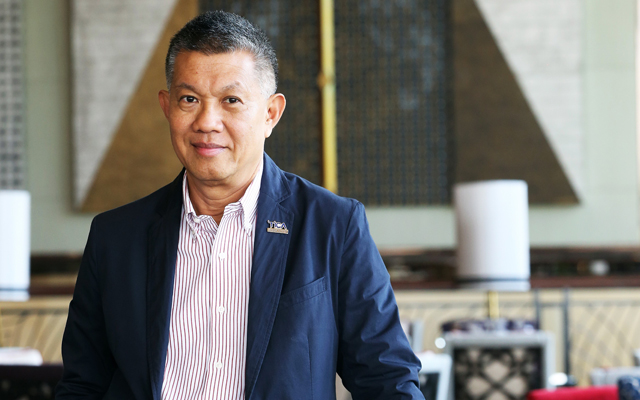
What is your outlook for Thailand’s MICE industry this year?
The year 2022 is the beginning of the comeback. I think Thailand is in a good position to win business. We have reopened our borders, and have clear health and safety procedures in place. However, while countries have announced border reopenings, conditions apply and facilitations vary, so different markets will have different timelines for returning to Thailand.

Regardless, we have confidence that business events will return substantially this year.

What are some of the challenges TICA and its members are facing right now, as a result of the pandemic?
The challenge of staying afloat is past, with the damage from the pandemic felt in varying degrees. In preparation for tourism comeback, our biggest challenge now is having to deal with resignations and rehiring of experienced staff who have left the industry.

This is the period where MICE positions are being filled, which means that business operators have to deal with understaffing issues. The silver lining is that this will help strengthen Thailand’s approach in providing efficient and professional services underpinned by our renowned Thai hospitality.

How is TICA working with its members to overcome these challenges to hasten recovery?
Our members are well aware of the challenges ahead, and to their credit, they have navigated these past few years as best as they could. With the help of TCEB (Thailand Convention & Exhibition Bureau), many local companies have sponsored key personnel to participate in various training and industry certification courses.

How will TICA work with TCEB to further position Thailand as a preferred international business events destination?
Throughout the pandemic, both TICA and TCEB have constantly been in contact with media and event planners – sharing market intelligence, maintaining communications, and organising the recently-concluded fam trip post-lockdown; it was the first fam trip post-lockdown.

The trip was meant to show how ready Thailand is to welcome and accommodate international events, and it also reveals how eager our source markets are keen to hold events in Thailand once again.

What opportunities do you see in the near term for TICA and the business travel industry at large?
TICA has gained more members during recent years, and at this point, I feel the business events industry is ready for a reboot and restart. With the easing of protocols, I anticipate the healthy materialisation of business in due time.

Corporate meetings will take the lead, followed by incentive travel, while international conventions and trade exhibitions will take a slightly longer time to return. I cannot stress how important business events are to help drive Thailand’s economy.

Many destinations in South-east Asia have opened, and it is increasingly competitive now. What is Thailand’s strategy for standing out and winning business?
I believe Thailand will be even more appealing as a business events destination, as we have been recognised for our successful efforts in managing the pandemic. This, buoyed by TCEB’s marketing and communications efforts, new MICE infrastructure, facilities and attractions, Thailand will continue to be a favoured destination for both decision-makers and future delegates.

Zoom sets its place as a critical piece of the future communications puzzle

0
Ricky: online communications will continue to stay relevant

Founded 11 years ago as a communications technology company in the US, Zoom is today a household name and a popular verb, thanks to people’s heavy reliance on the solution throughout the pandemic.

As communication needs changed amid travel and social disruptions, Zoom blazed an innovative trail over the past 18 months, dishing out Zoom Phone, Zoom Rooms, Zoom Apps, Zoom Events, and Zoom Contact Center.

Ricky: online communications will continue to stay relevant

“The world is moving into a hybrid space, and all these products that we have introduced are setting us up for that hybrid world,” said Ricky Kapur, head of APAC, Zoom, in an interview with TTGmice.

According to Kapur, these communications solutions are seeing strong adoption. Zoom Phone has acquired two million users in a period of 18 months, and is regarded as one of the fastest-growing cloud products in the market.

Zoom Apps, launched in July 2021, has more than 50 different applications that are integrated into Zoom “to make meetings more fun, to be more feedback oriented, to ‘gamify’ meetings, and to also run business workflows (more efficiently)”, he detailed.

Third-party apps available to users include Asana, which is designed to help teams organise, track, and manage their work; DocuSign, which allows users to manage electronic agreements; and HubSpot, which is designed for marketing, sales and customer service.

As an all-in-one event management solution, Zoom Events is being used to host internal events like town halls, all-hands meetings and new hire orientations.

Singapore’s National Day Rally 2021 leveraged Zoom Webinar to bring together 1,800 attendees online alongside in-person participants. Zoom also used Zoom Webinar for its own Zoomtopia 2021, the annual high-impact customer event. From familiar features like Q&A, polling and real-time chat to more sophisticated features like scheduling live and pre-recorded sessions, live interpretation and live transcription, Zoom was able to host a more inclusive experience for attendees around the world.

In an increasingly hybrid workplace, Kapur expects Zoom products to play an even more critical role in connecting people in multiple locations, and facilitating the agility that companies will need going forward.

When asked for his views on the constant debate on the possible demise of online communications and events as the world returns to international travel, Kapur said it was “a highly exaggerated thought process”.

He said many in-person events that have resumed recently in Singapore and other reopened destinations were conducted in a hybrid format that allowed subject matter experts to still be involved even when they were unable or unwilling to travel for the event.

“Event organisers were even creating little kiosks with Zoom Rooms, where participants can go in and meet a subject matter expert who may not be physically present in that event,” he said.

To emphasise his point about the continued and growing relevance of online communications, particularly for Zoom products, Kapur listed three major shifts in business operations.

The first shift is occurring in the employee workforce, where organisations are recognising the importance of providing flexible work arrangements to retain staff, which has got them “thinking very deeply about how they execute the return-to-work process, and how they can create inclusive, productive and collaborative work environment”.

“People have the choice to work in a manner that makes them most productive, most collaborative, and most inclusive. We’ve seen enough data and research out there. Ernst and Young’s study showed that in South-east Asia, nine out of 10 people want to work in a hybrid world. In our own survey with Qualtrics, where we polled people in Singapore, 84 per cent of them expect work to be virtual and hybrid,” he elaborated, adding that employees would move on if they were not given a productive environment to perform.

The second shift is around customer servicing, where companies are deliberating on the best manner to provide a rich and immersive experience. In the space of banking, for instance, banks are devising ways to provide efficient services that do not require customers to make a physical journey to a bank branch or have staff travel to a customer’s home, which hampers productivity.

Citing another example of such a shift in the retail sector, Kapur said companies are looking at ways to welcome purchases online, but with the option to beam customers into the store to speak with real service staff and see the product in a live video. Customers can then decide to buy it online, or visit the store in person.

“Companies that reimagine the customer experience with a video-first lens will win in this era,” he stated.

The third shift is around new digital platforms – an “exciting” observation that is strong in Asia-Pacific. “Companies are thinking of recreating things like education technology or virtual platforms for digital health. Many of them are embedding Zoom into their platform to connect better with the consumer,” he shared.

Advancements over the past two years have strengthened Zoom, giving it a larger physical presence here in Asia-Pacific. Kapur said the company now has people servicing their expanded customer base, and more partners on board to engage customers.

The company will continue to do more going forward, particularly in making Zoom more accessible to developers.

“We have opened our developer platform so that any company that wants to embed Zoom into their platform can do so very easily. As a result, we’re seeing new digital platforms being built for health tech, fintech, retail tech, and more,” said Kapur.

“People are building Zoom into their platform and reaching new communities. We are absolutely critical to the next phase of evolution, of communications in business, and that shows up in our numbers. We’ve had record-breaking two quarters in terms of revenue,” he added.

In 3Q2021, Zoom’s total revenue was US$1,051 million, up 35 per cent year-on-year, while the following quarter recorded US$1,071 million, up 21 per cent year over year.

It rounded up the fiscal year 2022, which ended January 31, 2022, with total revenue of more than US$4 billion, growing 55 per cent year-on-year along with increased profitability and operating cash flow growth.

Meliá Chiang Mai celebrates grand opening

0
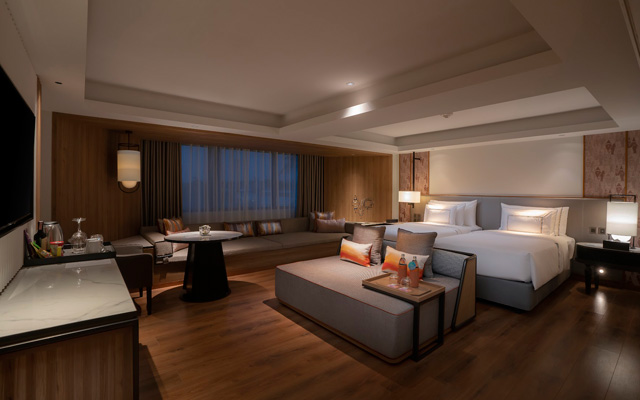
Premium Room

Meliá Chiang Mai, the first five-star hotel to debut in Chiang Mai since the pandemic, has opened in northern Thailand.

Within the 22-storey tower and adjoining seven-floor podium building are 260 keys. Rooms sizes start from 30m2, up to suites at 113m2. All rooms feature mod-cons such as a flatscreen TV with a selection of international channels, tea- and coffee-making facilities.

Premium Room

For meetings, the property’s extensive conference facilities include a 358m2 Yi Peng Grand Ballroom and two function rooms on the second floor. The ballroom’s 173m2 pre-function area is connected to the outdoor swimming pool and Tien Pool Bar. As part of the ‘Power Meetings by Meliá’ programme, the Power Lounge features a pool table, drinks area and funky seating suited to down-time between meetings.

On the seventh floor, the 185m2 Khom multipurpose function room, opens to a 222m2 outdoor terrace with views of Chiang Mai, river and mountains.

F&B options include a rooftop bar on 22nd floor, all-day dining restaurant Laan Na Kitchen, Mai Restaurant and Bar serving northern Thai-style dishes with Mediterranean influences, Ruen Kaew Lounge wellness cafe, and a pool bar.

In addition to its indoor area seating 110 diners and patio area catering to 26 people, Laan Na Kitchen also features four private dining rooms for corporate groups.

Other recreational facilities include an executive lounge, the YHI Spa with seven treatment rooms, as well as a gym, swimming pool, and kids club.

Meliá Chiang Mai is located six kilometres from the Chiang Mai International Airport, near an array of tourist attractions including the Old Town, the city’s oldest temple Wat Chiang Man, and Ang Kaew Reservoir. Other attractions in the surrounding area include the elephant rescue centre Elephant Nature Park, the Mae Ya Waterfall, and UNESCO’s latest biosphere reserve Doi Chiang Dao.

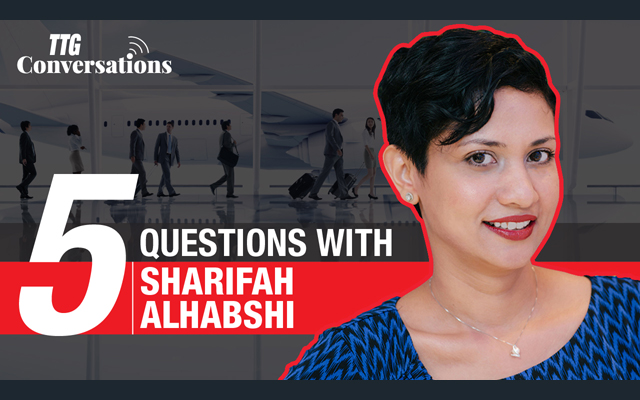
TTG Conversations: Five Questions with Sharifah Alhabshi, BCD Travel

0

Corporate desire to return to business travel is intensifying, and three-quarters of BCD Travel clients have indicated that such activity helps them work more efficiently, shares Sharifah Alhabshi, director, program management – Asia with BCD Travel.

In this episode of TTG Conversations: Five Questions, Sharifah also discusses how booking processes and travel patterns have changed, factors that are slowing down corporate travel recovery, the impact of the Ukraine-Russia conflict on business trips, and what corporate travel managers, as well as TMCs, can do to reassure travellers who are still apprehensive about travelling again.

Alma Resorts appoints first sustainability officer

0

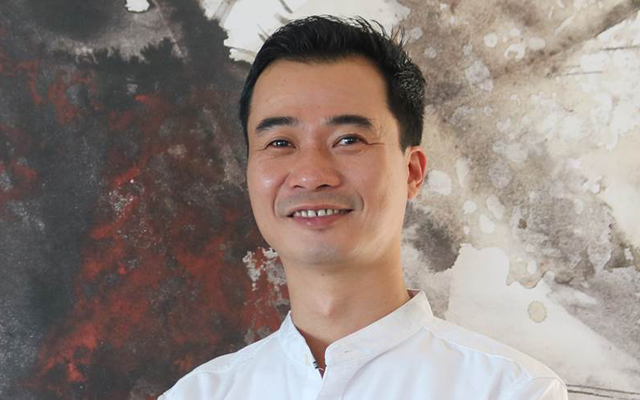
Vu Ngoc Linh – a hospitality veteran with a decade’s experience in F&B – has stepped into the position of sustainability officer at Alma Resort in Vietnam.

Vu has been tasked with tracking the property’s energy use, resource conservation, recycling, pollution reduction, waste elimination, transportation, education efforts and building design.

The role also involves creating sustainability programmes, budgets and schedules, evaluating the success of sustainability initiatives, and managing three staff committees focused on ‘green products’, ‘innovation and solutions’ and ‘people and partnerships’.

One of Vu’s new projects is the installation of 5,634 solar panels totalling 12,500m2 at Alma. With a capacity of 2,480 kilowatts peak, the solar power system will fuel between a quarter to almost half of Alma’s energy needs depending on occupancy.

Courtyard by Marriott Melbourne Flagstaff Gardens names new chief

0

Carolyn Smith is the general manager of Courtyard by Marriott Melbourne Flagstaff Gardens – the Courtyard brand’s first hotel to open in Melbourne.

Smith brings 20 years of hospitality and luxury hotel management experience, having worked at numerous properties like The Westin Melbourne, The Langham, London, and the Sheraton Melbourne.

Prior to this appointment, Smith was director of operations at Sheraton Grand Mirage Resort Port Douglas.

She is one of the company’s youngest female general managers in Australia, and oversaw all aspects of the new-build four-star property and 20-plus-strong opening team.

Ron Pohl heads up BWH Hotel Group and WorldHotels

0

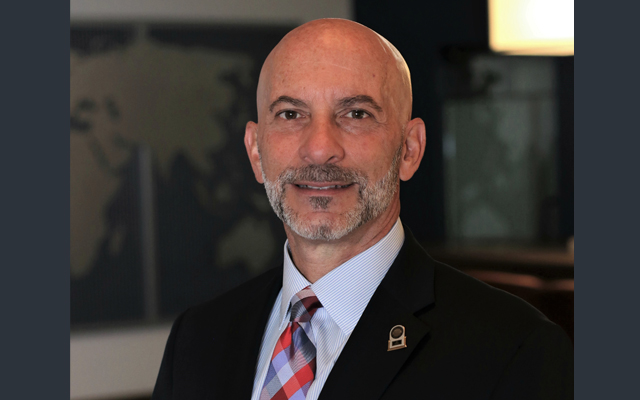
BWH Hotel Group has promoted Ron Pohl to the president of international operations BWH Hotel Group and president of WorldHotels.

In his new role, Pohl will be responsible for further strengthening the organisation’s presence around the world and enhancing the company’s operations on a global level.

Pohl joined the organisation in 2007 and previously served as senior vice president and chief operations officer. Prior to joining Best Western, Pohl spent 25 years with Boykin Management Company and Marriott Corporation. With Boykin, he served in a number of senior-level positions and, ultimately, senior vice president of operations.

Pohl currently serves on the American Hotel & Lodging Association’s Board of Directors, the Advisory Board for Grand Canyon University and previously served on the board of directors for the Convention & Visitors Bureau of Greater Cleveland.

Ovolo promotes Dave Baswal to CEO

0

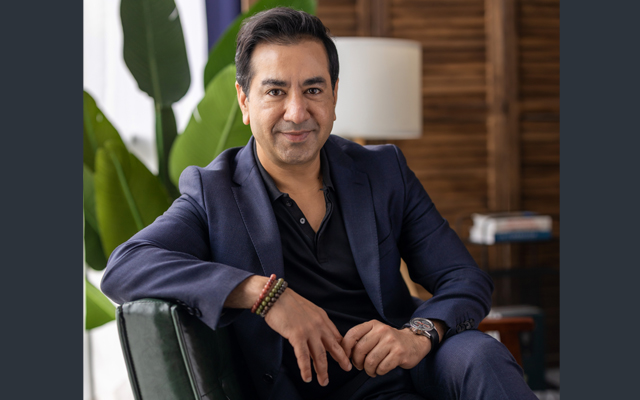
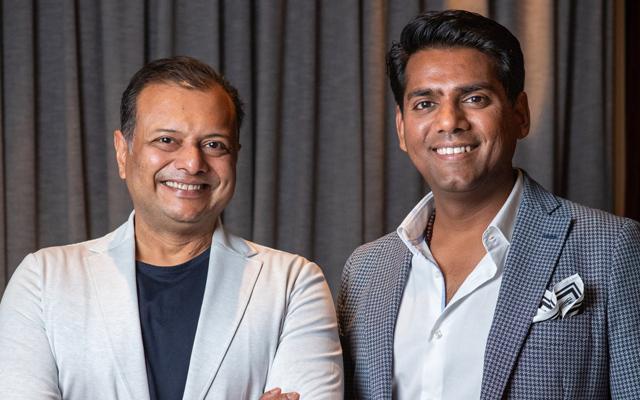
Ovolo has promoted Dave Baswal to CEO, allowing founder and executive chairman Girish Jhunjhnuwala to focus on branding, development, and strategic growth of the business.

From left: Girish Jhunjhnuwala and Dave Baswal

A National Board Advisory Member of Tourism Accommodation Australia and a former executive at Mantra Group, Baswal brings two decades of hospitality, finance and real estate management experience to the role.

The appointment comes as Ovolo prepares for the next phase of its evolution, with plans to expand into new markets as the hospitality industry recovers from the impacts of the pandemic.

Intensified marketing, novel experiences lead Singapore’s tourism return

0
Trifecta

As destinations race to recapture tourism dollars, Singapore’s key preoccupation is to differentiate the city-state from its competitors, emphasised chief executive of Singapore Tourism Board (STB), Keith Tan.

Speaking at the Tourism Industry Conference 2022 yesterday, Tan unveiled a host of initiatives aimed at stimulating travel demand and rebuilding arrivals.

Key among STB’s efforts is an expanded SingapoReimagine international recovery campaign, which will be carried out over the next six to 12 months in critical source markets like Indonesia, Australia and India.

In Indonesia, the second-largest market for the city-state after China, STB is relying on a combination of creative activations and attractive incentives to raise Singapore’s desirability. An example, STB has an ongoing collaboration with Artotel Group and Far East Hospitality, where the hotel groups have designed unique Singapore-themed rooms in their Indonesia hotels, and are offering exclusive discounts at Far East properties in Singapore.

STB also promoted Singapore’s tourism offerings with redeemable rewards at the Astindo Travel fair in Jakarta last month.

To further market Singapore and spur conversions, STB is now firming up partnerships with Indonesian banks and malls.

These in-market efforts are complemented by intensified regional and global partnerships to feature the destination. Singapore Airlines, Qantas, AirAsia, Changi Airport, Expedia, Klook and WarnerMedia are among the many partners.

Enhanced offerings
Later in the year, STB will launch a new incentive programme that will offer travellers a complimentary experience when they visit Singapore.

“We want to delight our visitors with hidden gem surprises so that they experience more of Singapore, in an unexpected way,” Tan explained, and urged industry players to support the programme by developing more unique and unusual experiences that will reel in repeat visitors especially.

Building towards mid- and long-term goals Tan said Singapore’s immediate initiatives must support medium to longer-term strategies for 2030 and beyond, and STB has drawn up forward-looking plans that are termed, Tourism 203X.

Tourism 203X comprises four key pillars: defending Singapore’s business events position as a global-Asia node; developing Singapore as a sustainable urban destination; strengthening Singapore’s urban wellness offerings; and doubling the fun quotient of events and experiences in Singapore.

On the business events front, Singapore will create, attract and grow high-quality events out of Singapore that are aligned with the country’s economic focus and critical needs of the future, such as sustainability, urban solutions and fintech.

Expanding on Singapore’s sustainable destination goal, which was highlighted last year, Tan said there has been “good progress over the past year at raising our sustainability quotient”. He pointed to the launch of the Hotel Sustainability Roadmap in March, which has seen “high ambition and high commitment” from hotels across the country.

Support has also come from other tourism sectors, such as from the Singapore Association of Convention & Exhibition Organisers & Suppliers, which will be aligning its MICE Sustainability Certification with internationally-recognised standards. Along the same lines, Singapore will participate in the Global Destination Sustainability Index for the first time, to benchmark performance against other MICE destinations.

STB will also look to certify Singapore as a sustainable destination under the Global Sustainable Tourism Council’s Destination Criteria.

Tan encouraged industry players to support the sustainable goal by thinking beyond reducing carbon emissions, and “weaving sustainability into all your touchpoints with your guests”.

Citing an example of what tourism businesses can do, Tan pointed to the collaboration between Sentosa Development Corporation and Palawan Innovation Studios to introduce HyperDrive, a new racing and interactive gaming activity using electric go-karts.

Tan explained: “Our ambition is to become one of the world’s most sustainable urban destinations, a city in nature, where large experiences come with small footprints.”

In the space of wellness tourism, which is projected to grow in the next five years to reach US$1.1 trillion by 2025, STB has the ambition to position the destination as one with a wide range of accessible experiences that support the holistic well-being of leisure and business visitors, and for the Singapore wellness experience to be different from the likes of Bali or Phuket.

The Wellness Festival Singapore will debut in June to enhance the country’s wellness offerings and catalyse more wellness-related products and partnerships between various players in the destinations. Some of the known activities include a multi-sensory pop-up at Gardens by the Bay alongside wellness masterclasses; an inaugural Livewell Festival at Sentosa; and a series of art, wellness and mindfulness programmes at the National Gallery of Singapore.

More activities under the Wellness Festival Singapore will be announced in time to come.

For the final pillar, Tan urged industry players to skip old and familiar templates and look towards “innovative ways to enable our events, experiences and offerings to surprise and stand out”.

One way to do that is to partner with popular brands and IP, or introduce more hands-on, educational experiences, he suggested.

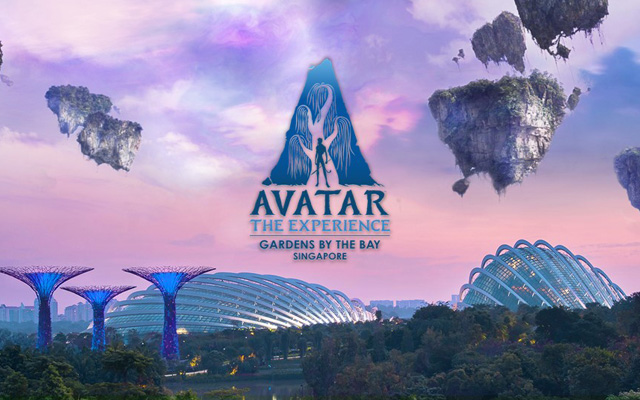
Later this year, CityNeon will launch Avatar: The Experience at Gardens by the Bay’s Cloud Forest. The walk-through event invites guests to connect with the alien world of Pandora, its bioluminescent environments, mythical creatures, flora, and the captivating culture of its indigenous people, the Na’vi. It coincides with Gardens by the Bay’s 10th-anniversary celebrations as well as the worldwide release of the film’s sequel.

Another product that will up the fun quotient is the new Chocolate Factory concept by homegrown brand Mr Bucket Chocolaterie at Dempsey. Launching later this year, it will feature Singapore’s first build-your-own chocolate bar section, with distinctive Asian flavours.

To let returning visitors know that they are not coming back to the “same old places”, Tan encouraged industry players to maximise the use of existing spaces and refresh them.

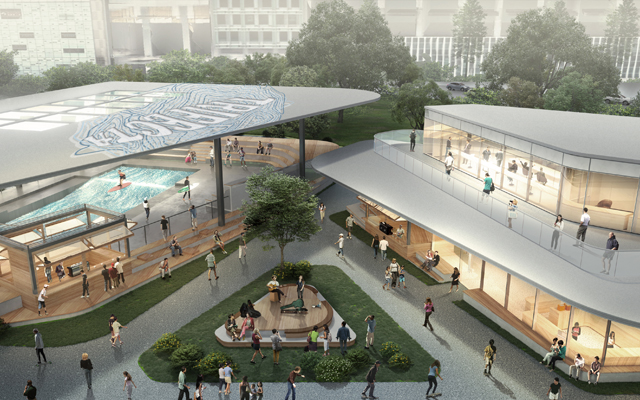
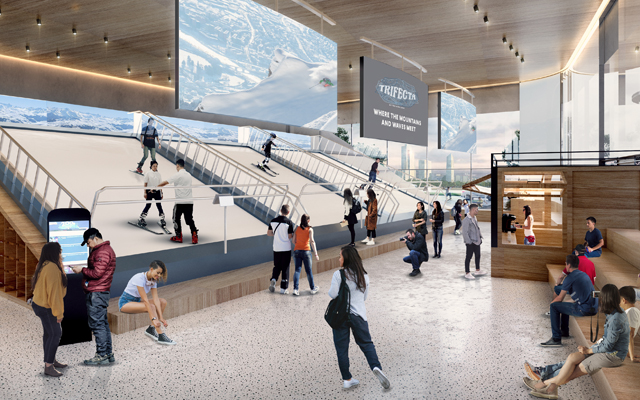
Orchard Road will continue with its transformation to become a top lifestyle destination. An iconic new development is Trifecta, set to be Asia’s first snow, surf, and skate attraction when it opens in 2023. Conceptualised and developed by Singapore-based adventure sports company The Ride Side, the attraction next to the Somerset Skate Park will enable visitors to accomplish the hallowed trifecta of snowboarding, surfing and skating in one day and all under one roof.

The slopes in the snow arena will be powered by the first Virtual Reality (VR) ski simulator in Asia, with best-in-class speed simulation and directional movements to mimic the uneven terrain of a natural mountain. The surf arena will incorporate the world’s leading technology in deep water wave pool for an endless surf experience, with water columns of 1.5m, the deepest in Singapore. Meanwhile, the skate arena will be home to the world’s first hybrid skate bowl designed for skateboarding and surfskating, making it the first skate bowl in Somerset, and the first surfskate circuit in Singapore.

Facilities at Trifecta will be rounded out with unique F&B concepts and retail stores that introduce the complete trifecta lifestyle to customers. – Additional reporting by Karen Yue


Phuket MICE players turn attention to fresh markets

0
Phuket's MICE stakeholders are optimistic for the upcoming year

Phuket business events stakeholders are turning to new source markets to speed up recovery, with some saying that the Phuket Sandbox alone has been insufficient to trigger the return of international groups.

Duanphen Klinkrong, director of sales, Blue Tree Phuket – a lifestyle and entertainment venue, has seen new opportunities in Mongolia and more intense interest from India.

Phuket’s MICE stakeholders are optimistic for the upcoming year

The venue recently hosted a group of around 150 pax from Mongolia.

“One of our newest inbound markets is Mongolia, and we are receiving more enquires from the Indian market. This is good because India has direct flights to Phuket,” she said.

Previously, Blue Tree Phuket courted mainly Russian and domestic guests especially when borders were closed, but the former has had to be paused due to the situation unfolding in Ukraine.

Blue Tree Phuket is not alone in courting newer markets to sustain its recovery momentum, especially with China, one of the destination’s top inbound markets, still out of the tourism picture.

Pullman Phuket Panwa Beach Resort welcomed its first corporate group of 25 pax from Singapore in February.

Ornuma Somjit, director of sales, said Singapore is new for the property. “Previously, our MICE groups were mainly domestic, or from Europe,” she revealed, adding that there have been several enquiries from Singapore.

While the Phuket Sandbox has helped to bring in “some domestic MICE tourists”, it was not enough to sustain operations, opined Klevin Chumpon Limthanyaluk, general manager of BIC Hybrid Event.

The event management company rode the pandemic wave by “pivoting to hybrid events”, which he stated would continue to be the way forward.

Agreeing with Klevin, Angkana Tanetvisetkul, managing director of The Peach Group, has chosen not to rely on the Phuket Sandbox. Her team is focusing on courting corporate groups from Asia, which are considered new for the hotel company. Pre-pandemic, Russia was a star performer.

The Peach Group’s new direction has led to business trending up “a lot” in recent months.

However, Angkana said Phuket is now challenged by many other destinations in the world that have reopened, and must be able to stand out from the marketing competition. As such, he will be working closely with government bodies such as Thailand Convention & Exhibition Bureau to market Phuket better.

Looking ahead, Phuket players are excited about business prospects. Klevin says enquires for “smaller groups with bigger budgets” are streaming in, while Duanphen is hopeful of business continuing its growth momentum throughout the year.

Reviews

The Ritz-Carlton, Bangkok

The newly-opened Ritz-Carlton, Bangkok anchors the One Bangkok development with cosmopolitan elegance. Featuring the city's largest ballroom and a spectacular new penthouse suite, it delivers exceptional hardware and deeply authentic, soulful service for business and leisure travellers alike

Mama Shelter Zurich

Behind the imposing, Brutalist concrete that defines Zurich’s Oerlikon district lies a surprising secret. While its exterior honours the neighbourhood’s industrial roots, stepping inside Mama Shelter reveals a vibrant, neon-soaked world that is a far cry from its rigid shell

Hyatt Regency Kuala Lumpur at KL Midtown

A polished urban retreat designed for business travellers, Hyatt Regency Kuala Lumpur at KL Midtown combines thoughtful design, seamless service, and exceptional facilities.