


Tamai Shimada joins Conrad Centennial Singapore as sales director
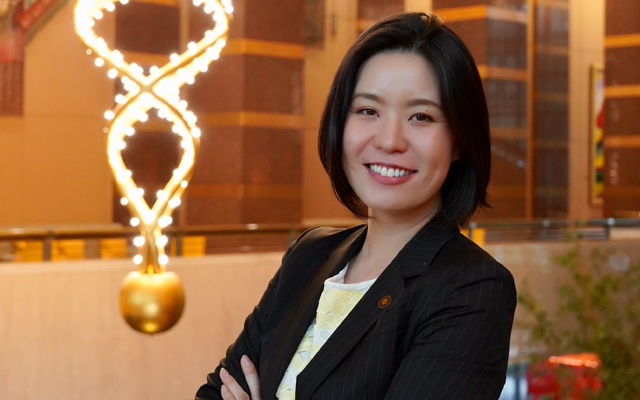
Conrad Centennial Singapore welcomes Tamai Shimada as the new director of sales.
In this role, she is responsible for the overall hotel sales performance and strategy of the hotel.
Tamai has a wealth of hospitality operation and management experience spanning over 10 years of which seven years were spent with Hilton.
The Japanese started her career as a Front Office Guest Service Agent in both Hilton Niseko Village Hokkaido and Hilton Surfers Paradise Hotel & Residences Gold Coast Australia, before taking up a sales position in Bali. She returned to her home country to join Hilton Tokyo in 2016 and was later promoted to assistant director of sales at Hilton Osaka.
Novotel Hotels & Resorts, Goa welcomes new DOSM
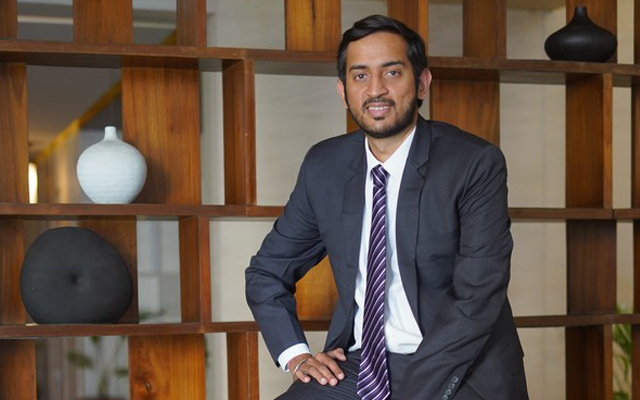
Novotel Goa Candolim and Novotel Goa Resort & Spa have appointed Rohan Samarth as cluster director of sales & marketing.
Samarth will be responsible for the entire management of the sales and marketing programmes, along with the implementation of strategies and budgets for the two properties.
He brings with him 10 years of experience in revenue management and knows the Goa market from his past association as director of revenue with Novotel Hotels and Resorts Goa in 2016.
Rohan has been associated with Accor for the last seven years. His last assignment was a corporate role as director of revenue and distribution for Ibis and Ibis styles India.
Incentive travel update: Incentive cravings

What does recovery look like for the global incentive travel sector for 2022?
Following the initial positive traction in early 2021 with the advent of the vaccine, we’ve been knocked off course again with the onset of new variants. Programmes planned for late 2021 have now been pushed into 2022, causing even more congestion there.
As of late November in Europe, we’re in a precarious situation filled with uncertainty, with a stop/start momentum once again dominant. Many corporations have extended their work from home edict well into 2022, and this will definitely impact resumption of corporate travel and incentive trips.
Assuming case numbers stabilise as booster jabs are more widely administered, some programmes will certainly operate in 2022 but we’ll continue to see business events recover first locally, then nationally, then regionally. International travel will only revert to pre-pandemic levels in 2023/2024.
Meetings, incentives and events are already taking place in domestic contexts around the world, and this will continue with restrictions and interruptions likely for as long as variants persist.
Singapore, in particular, has played a leading role in allowing events to continue with Covid-19, providing realistic, workable guidelines to ensure stakeholder and delegate safety. In many ways, this is the way forward – managing and living with Covid – and Asian countries have shown great global leadership in demonstrating how this can be done.
How much has the pandemic changed the value organisations and travellers attach to incentive travel?
Scarcity drives value, and the value and appreciation of a travel reward has undoubtedly sky rocketed as a result of its scarcity.
As humans, being denied something makes us want it even more and travel, for most of us, has not been possible for 20 months or more, meaning that since we want it desperately, we yearn for it.
Travel has always been prized as part of a corporate reward and recognition programme, but it’s more prized than ever now and will play an even more effective role for corporations in ensuring that their associates are engaged and motivated.
What trends do you foresee in the incentive travel industry in the next few years?
As expected, there will be a focus on safety, and massive attention will be paid to travel risk management. There is also a rise in reluctance to commit and sign contracts due to the uncertainty of travel rules and restrictions that constantly change.
Domestic incentives, or motivation travel experiences in one’s own backyard, will still remain as top choice, alongside smaller groups of participants per trip, and the increased use of individual incentives.
There will also be preference for rural over urban, resorts over city hotels, and the great outdoors over metropolises.
What keeps you awake at night in relation to the pandemic, and its impact on incentive travel?
The biggest challenge is uncertainty. It was almost easier to deal with outright lockdowns, as you knew there was nothing you could do for a given amount of time. Uncertainty means you need to have a number of backup options available at any given moment.
I’m also concerned about building back better. I believe the pandemic has given us an opportunity to reset and I hope we take this opportunity to do so, guided by a clear vision for how things should be.
What is SITE doing to rebuild the incentive travel sector?
For the past 20 months our focus has been
entirely on our members. We’ve worked hard to keep them engaged and implemented initiatives to help fund their ongoing participation in the association.
Through SITE Foundation, we’ve extended our research docket significantly in the belief that data is vitally important for resumption. We’re in the midst of a serial piece entitled Corporate inSITEs, and have just embarked on a joint research project with Southern Methodist University in the US called Leadership inSITEs. Both of these will also contribute to getting the incentive travel engine started again.
We will continue to run association events, obviously respecting the protocols of the destinations where they take place, but also asking for additional measures to ensure the safety of all participants.
AirAsia, Avolon take off on air ridesharing service in SE Asia
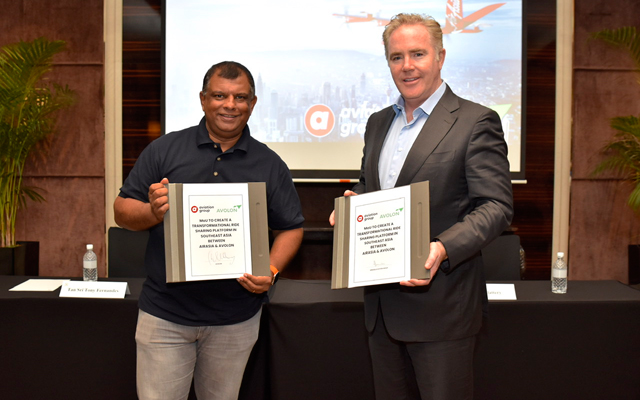
AirAsia Aviation Group is looking to disrupt South-east Asia’s aviation industry once more through a low-cost air ridesharing service in partnership with Avolon.
The company signed a Memorandum of Understanding (MoU) on February 16 to lease 100 VX4 eVTOL aircraft from Ireland-based Avolon. The aircraft can take four passengers and one pilot, flies at speed of up to 200mph, and produces zero operating emissions.
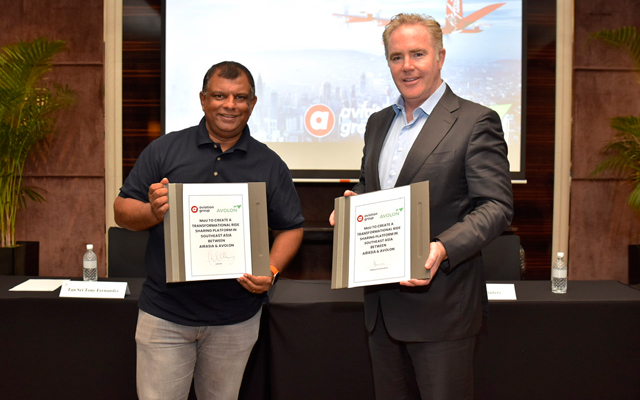
In addition to leasing the eVTOL aircraft to AirAsia, Avolon, through its investment and innovation affiliate Avolon-e, will partner with AirAsia to commercialise the aircraft and develop an industry leading urban air mobility (UAM) platform in South-east Asia.
Dómhnal Slattery, CEO of Avolon, said: “Together (with AirAsia) we will develop a ridesharing platform and bring the zero-emissions VX4 aircraft into service, positioning AirAsia as the operator of choice for sustainable air travel in the region.”
Tony Fernandez, CEO of Capital A, noted the huge tourism potential of this new mode of air transport, saying that it would be able to transport people to off-the-beaten-track destinations such as national parks as well as to tourist islands.
Asked about possible routes he foresees, he said “Kuala Lumpur to Genting (highlands) is a no-brainer”.
He expressed excitement over the “potential for zero-emissions ultra-shorthaul air travel in South-east Asia.”
The new air services are expected to commence in 2025. However, test flights will begin this April.
Currently, AirAsia is laying the groundwork by getting the necessary regulatory approvals and certifications, as well as looking at developing a new eco-system that includes launch and landing pads as well as pilot training.
Fernandez expects Malaysia to be the first destination to launch this new product, and said the local aviation authorities have been encouraging.
The pricing model will be kept as attractive as AirAsia in order to target the mass market. Fernandez wants it to be “very accessible to the world”.
SIA Group ramps up operations to support expanded Vaccinated Travel Lanes
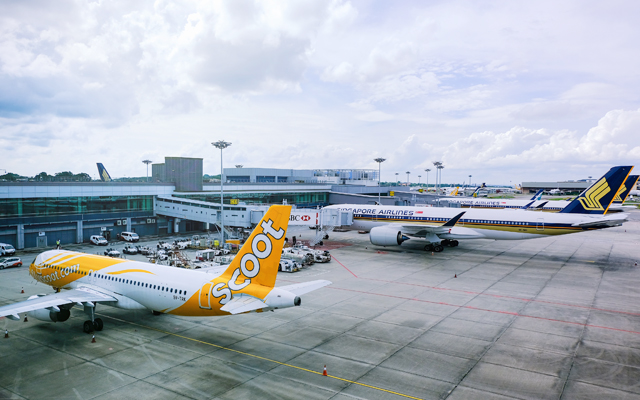
Dancing in tandem with Singapore’s announcement yesterday (February 16) to expand the country’s Vaccinated Travel Lanes (VTL) by March 4, 2022, the Singapore Airlines (SIA) Group will expand its VTL network to 47 cities from 25 countries in the coming weeks.
Singapore Airlines will progressively add Dubai, Hong Kong, Manila, New York (Newark), and Phuket from February 25, and increase frequencies for flights between Singapore and several existing VTL destinations such as Bandar Seri Begawan, Colombo, Male, and Phnom Penh.
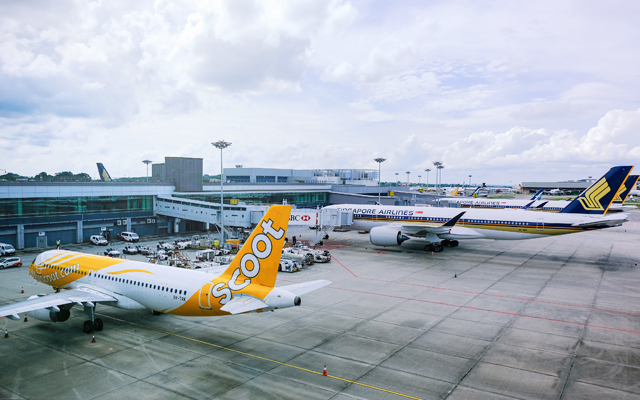
Scoot, the low-cost subsidiary of SIA, will expand its VTL network to a total of 17 destinations.
New VTL services include flights from Cebu, Clark, Chiang Mai, Davao, Hong Kong, Jeddah, Krabi, London (Gatwick) via Bangkok, and Phuket.
An SIA spokesperson said: “Singapore’s VTL arrangements have helped to successfully unlock the pent-up demand for international air travel to and through Changi Airport. SIA has built up our VTL network in a calibrated manner over the last few months.
“By adding new VTL services and increasing the frequencies on several existing routes, the SIA Group can provide more travel options and greater flexibility for our customers.”
Commenting on the expanded operations, Scoot chief commercial officer, Calvin Chan, said: “The announcement of the expansion of the VTL scheme is an encouraging step for the travel and aviation industry, allowing us to cater to the pent-up demand for travel over the past two years, be it for work or school, to reconnect with friends and family, or to explore new experiences.”
Along with the boosted flight services, Scoot has kicked off a VTL sale where one-way airfares begin from S$65 (US$48.40), with taxes. A one-way ticket from Singapore to Sydney, for instance, is priced from S$209.
Frasers Hospitality sets foot in Cambodia
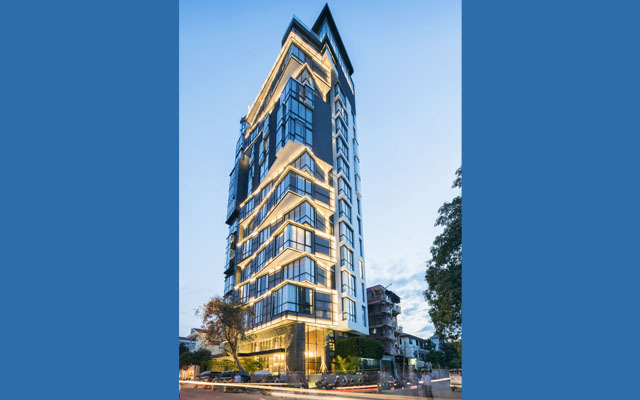
Frasers Hospitality will open its first property in Phnom Penh come October 2022, the first of three openings slated for Cambodia over the next few years.
By 2026, Frasers Hospitality will have three properties in Cambodia – the 88-room Capri by Fraser, Phnom Penh in October 2022; the 78-room Capri by Fraser, City Centre in 2024; and the 200-room Fraser Residence Sen Sok, Phnom Penh in 2026.

Tonya Khong, senior vice president, head of Asia-Pacific at Frasers Hospitality, said: “Our three properties will be operational in the next few years and ready to accommodate the return to travel, as well as the anticipated boost from regional events such as the 2023 Southeast Asian Games and the RCEP. Moving into Cambodia signals our long-term ambition to grow our presence in the country and South-east Asia.”
Both Capri by Fraser properties are located in the heart of the Cambodian capital, and only a five-minute drive from each other. Both properties will have a mix of hotel rooms, studio apartments and one-bedroom units, designed to cater to transient business travellers and mid-level executives on extended stays.
In the vicinity are banks, finance, real estate and pharmaceutical companies, as well as non-profit organisations. The properties are also within walking distance of government offices, embassies, malls and F&B outlets.
Guests can expect the hallmarks of the Capri by Fraser brand such as the Spin & Play concept, where they can utilise self-service laundrettes while having a go at video games on the latest consoles, and a 24-hour gymnasium. Another signature social space is The Den, a large communal and versatile space fitted out with the latest technology.
Meanwhile, Fraser Residence Phnom Penh is in Sen Sok, an up-and-coming district on the north-west fringes of the city centre. Slated to accommodate expatriates on extended stays, the serviced apartment is part of an integrated development that includes a retail mall, medical centre and an office tower. It is also close to amenities such as international schools, malls and a golf course, and a 15-min drive to the CBD and industrial parks.
Singapore expands VTLs scheme; streamlines arrival process
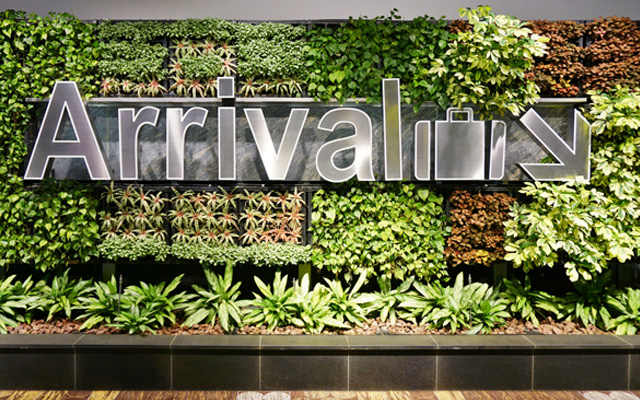
Singapore will expand its Vaccinated Travel Lane (VTL) scheme to include Qatar, Saudi Arabia, the UAE, Hong Kong, and Indonesia’s Batam and Bintan from February 25, as well as with Israel and Philippines from March 4.
The VTLs with Qatar, Saudi Arabia and the UAE were supposed to start in early December, but were deferred due to Omicron. Starting from 10.00 on February 22, travellers from these three countries can apply for the VTL pass to enter Singapore.
Singapore’s unilateral opening arrangement with Hong Kong will be replaced by a VTL starting February 25.
These new VTLs will join 24 others that are in operation.
Vaccinated travellers will also soon be able to fly into Singapore from all cities in Thailand, beyond Bangkok where there is an existing VTL, without quarantine.
At the same time, the Civil Aviation Authority of Singapore (CAAS) will lift the 50 per cent cap on the daily number of VTL travellers entering Singapore by air, and progressively restore the quota from 5,000 to 15,000 by March 4.
Entry procedures will also be simplified. Singapore will cease the seven-day testing regime as well as on-arrival PCR test for VTL travellers. The only test needed is a supervised ART at any designated test centres in Singapore within 24 hours of the traveller’s entry.
Steps are taken to simplify the current border restrictions for non-VTL travellers from 23.59 on February 21. These include travel history requirements reduced to seven days from 14, and stay-home notice duration standardised at seven days.
The government will also revise its border risk classification system.
Category 1 countries and regions are deemed to be of lowest risk of Covid-19 infections.
The second is a General Travel category consisting of countries that Singapore has started VTLs for, together with non-VTL countries and regions. VTL travellers from countries in this category will have quarantine-free travel, while those from non-VTL countries have to undergo a seven-day stay-home notice.
The third is a new restricted category, which will include countries that warrant stricter border measures owing to developing Covid-19 situations. There will be no new restricted countries/ regions in this category for a start.
Furthermore, CAAS will remove departure test requirements for all passengers transferring or transiting through Singapore from 23.59 on February 21.
Singapore lifts capacity limits for events below 1,000
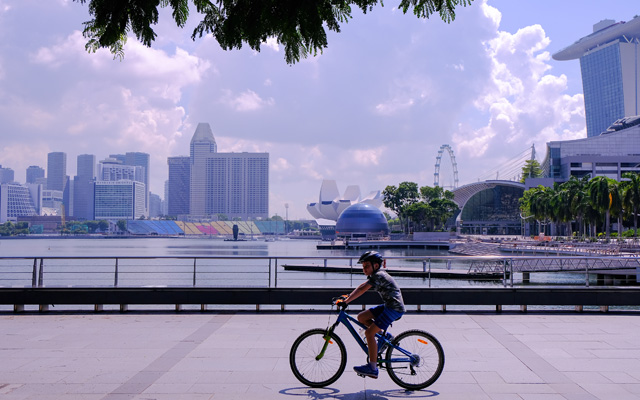
Starting from March 4, 2022, specific size limits for business events, media conferences, and mask-on classes in Singapore will be lifted.
This announcement was made by the multi-ministry task force on February 16, and is part of the government simplifying its Covid-19 rules to do away with requirements for safe distancing in mask-on settings.
Instead of fixed size limits, the Ministry of Health will set event sizes based on venue’s capacity. Zoning requirements will also be removed, as the main protection will be through masks and vaccinations.
This means that smaller events or settings with 1,000 people or fewer can proceed without any capacity limits, while larger settings or events with more than 1,000 people will be subject to a capacity limit of 50 per cent.
However, for large events and settings that pose more infection risks, capacity limits will still be imposed. These include attractions, cruises, and large-scale business events, as well as large performing arts venues or sports stadiums.
All mask-off events will still have to comply with the one-metre safe-distancing distance.
Singapore’s new Covid-19 cases are likely to remain at between 15,000 and 20,000 or even higher a day, but cases are expected to peak in a few weeks. The multi-ministry task force has indicated that when cases begin to fall, Covid-19 measures will be further eased.
Asia Pacific Maritime returns two-year hiatus
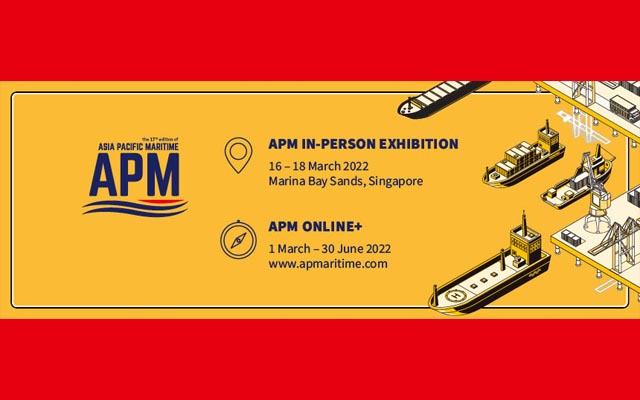
The biennial Asia Pacific Maritime (APM), South-east Asia’s maritime, workboat and offshore exhibition and conference will hold its 17th edition at Marina Bay Sands in Singapore from March 16-18, 2022.
The last in-person APM was held in 2018, and APM 2022 is one of the two Approved International Fair events confirmed to date for this year.
Supported by the Maritime Port Authority, and Singapore Exhibition & Convention Bureau, this year’s APM will feature six official pavilions – Germany, Netherlands, Singapore, South Korea, United Kingdom and Taiwan – and some 7,000 attendees are expected to attend the event in person.
Exhibiting companies this year include ZF, Weichai, Volvo, MTU, Garmin, Inmarsat, Kohler, KVH and Marlink, which will be using APM 2022 to showcase their latest innovations, products, and services.
The APM 2022 conference, which is complimentary for attendees but subject to onsite seat availability, will allow in-depth discussions on issues impacting the maritime landscape, enabling attendees to learn and network in person. It comprises three forums – Asia Container Shipping, Maritime Cyber Security and Maritime Technology and Sustainability, with 15 conference sessions in total.
Forty-five maritime executives will be physically present to share their expertise and views on some of the most important issues affecting the industry.
Speakers include Kenneth Lim, assistant chief executive (Industry), Maritime Port Authority; Thomas Cassuto, managing director of CMA CGM APAC; Claus Nehmzow, innovation advisor and ex-chief innovation officer at Eastern Pacific Shipping; Peter Schellenberger, vice president, supply chain, Thome Ship Management; Shahrin Osman, director, Maritime Decarbonisation and Autonomy Centre of Excellence; and Tan Cheng Peng, executive director, Singapore Maritime Institute.
Key maritime associations such as Intertanko, Methanol Institute, IBIA, IMarEST and the Global Centre for Maritime Decarbonisation will also join the conference sessions.
All APM 2022 attendees will be required to undergo daily onsite complimentary pre-event testing, and other prevailing safe management measures such as full vaccination statuses will also be implemented.
Exhibitors or trade visitors who are not able to travel to Singapore can participate in the online business matching programme to stay connected, with APM Online+ made available from March 1, 2022, to June 30, 2022.
Reviews
The Slate Phuket
Just 10 minutes from Phuket International Airport on the serene northern coast, this 178-key, Bill Bensley-designed resort offers delegates a quiet, tropical paradise steeped in Phuket’s tin-mining heritage

The Ritz-Carlton, Bangkok
The newly-opened Ritz-Carlton, Bangkok anchors the One Bangkok development with cosmopolitan elegance. Featuring the city's largest ballroom and a spectacular new penthouse suite, it delivers exceptional hardware and deeply authentic, soulful service for business and leisure travellers alike

Mama Shelter Zurich
Behind the imposing, Brutalist concrete that defines Zurich’s Oerlikon district lies a surprising secret. While its exterior honours the neighbourhood’s industrial roots, stepping inside Mama Shelter reveals a vibrant, neon-soaked world that is a far cry from its rigid shell


Western Australia will finally permit interstate and international entry from March 3, 2022, announced premier Mark McGowan today.
Triple-vaccinated interstate travellers will be allowed into Western Australia without the need for quarantine, while international arrivals will be permitted if they meet the Commonwealth requirements to enter Australia, and take an ART within 12 hours of arrival. Positive results must be reported.
Unvaccinated returning Australians to the state will have to undergo seven days of hotel quarantine.
McGowan conceded that “the virus is already here and we cannot stop its spread”. According to news reports, the state set to reach a peak of 10,000 new cases a day by the end of March.
McGowan had earlier in January cancelled intended border reopening on February 5 due to a surge in Covid-19 cases.
He confirms that the March 3 reopening is final, and a further change is unlikely.