


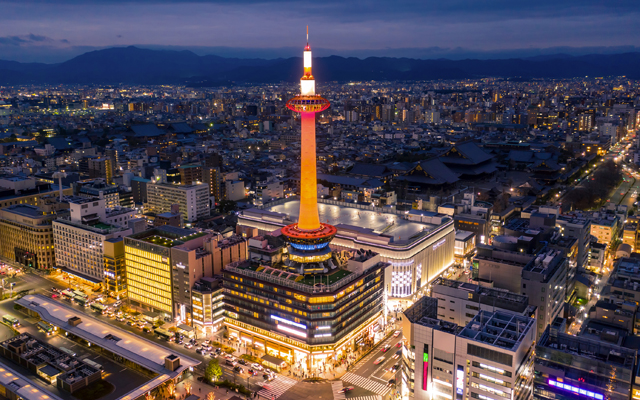
As coronavirus concerns continue to hamper business events, Kyoto is embracing online and hybrid hosting with new safety measures.
While this is happening, the city has also been busy launching new accommodations, activities and facilities for the eventual return of international arrivals.
In March 2021, the Kyoto Convention & Visitors Bureau (KCVB) and Kyoto City launched the second edition of MICE Kyoto Model: Coexisting with Coronavirus.
The comprehensive guide is designed “to ensure the safety and security of MICE organisers, participants and residents” while carrying out three objectives: achieving a high level of satisfaction with MICE events held in Kyoto, contributing to the community and revitalising the local economy. It features steps to prevent Covid-19 spread, based on guidelines issued by various industries, and offers suggestions and case studies of ways to utilise both technology and Kyoto’s traditional culture to hold a high-quality event.
Delivering an experience unique to Kyoto – whether for an on-site or hybrid event – is the ultimate goal, according to the guide. Online presentations by renowned speakers; online tours of event venues, sightseeing spots or traditional workshops; and the introduction of workation or bleisure options in coordination with business events are among the options available to organisers.
When borders reopen, the events industry remains confident that Kyoto will be an equally – or more – attractive destination for business events post-Covid.
“Kyoto has attracted more than double the number of international conferences in the past five years,” said Yoshiaki Matsui, deputy director of conventions and tourism at KCVB. “The city draws people because it is worth the trip, with World Heritage Sites and other places of historical and cultural significance on offer.”
Matusi pointed to Kyoto’s wide variety of accommodation, from global brands to budget hotels, as well as vast options in facilities and unique venues. Events can be tailormade to meet the needs of attendees, and there is truly something to appeal to everyone, he explained.
In 2020, Kyoto added another asset to its business events portfolio with the launch of KCVB’s Kyoto Unique Venues Guide. The directory outlines the city’s 46 unique venues in painstaking detail, from their history and unique value to capacity, opening times, location and contact details. The venues are divided into six categories: World Heritage Sites, Temples & Shrines, Museums & Tourist Attractions, Historical Buildings, Restaurants & Event Spaces, and Chartered Trains.
One of note is Kyoto City KYOCERA Museum of Art, which reopened in March 2020 after a three-year renovation. Dating from the 1930s, the building is the oldest public museum building in Japan, so the renewal involved preserving as much of the original structure as possible. New modern features include Higashiyama Cube, the wing for contemporary art, which includes a roof terrace overlooking a Japanese garden. For buffets, Higashiyama Cube accommodates 80 pax while the Japanese garden accommodates 60.
In the accommodations space, Asia’s first Ace Hotel opened in Kyoto, in 2020, in the former headquarters of Kyoto Central Telephone. The structure dates from 1926 and features vintage brickwork, with designs by renowned architect Kengo Kuma. Located centrally, the main hotel has 213 rooms, three F&B options, and a 24-hour fitness centre.

Situated near Nijo Castle, The Mitsui Kyoto, a Luxury Collection Hotel & Spa, also opened in 2020. The hotel boasts 161 rooms, alongside four F&B offerings including Gastronomy Teppan, and Shiki-no-Ma, a modern yet faithful reconstruction of the Mitsui home that has sat on the grounds for 250 years. This facility can be used for private dining or a tea ceremony, and is surrounded by a Japanese garden.
Despite a drop in visitors to the city due to the pandemic, activity and experience providers have continued to launch new offerings.
In spring 2021, the Lake Biwa Canal Cruise was unveiled. It explores the series of canals that began bringing fresh water to the city in 1890. Available for hire during spring (for cherry and plum blossoms appreciation) and in the autumn (for fall foliage viewing), the tours are ideal for laid-back corporate excursions.
For organisers looking to incorporate some teambuilding into corporate events, the KCVB has launched a programme that features attractions, including World Heritage Sites.
The KCVB is also continuing its subsidies for Kyoto Culture, which helps to cover the cost of including traditional Kyoto-style programmes, such as geisha dancing and wadaiko drumming, or purchasing local products as souvenirs for attendees. By supporting traditional industries and using providers with certified sustainable practices, the KCVB aims to boost the sustainability of business events, a priority for the city, which is listed on the Global Destination Sustainability Index.










Safeguarding mental health has become a priority for Philippine travel and tourism stakeholders who are more susceptible to depression, stress, and anxiety brought about by the consequences of the prolonged lockdown that is now entering its 19th month.
The extent of their suffering is gleaned from the recent Nikkei Asia’s Covid-19 Recovery Index (as of September 30), which ranks the Philippines as the worst among 121 countries in responding to the pandemic. Bloomberg’s Covid-19 Resilience Ranking classifies the Philippines as the worst place to be among 53 countries in containing the pandemic.
Addressing mental health concerns, the Tourism Promotions Board (TPB) and stakeholders’ online meeting every Wednesday has evolved “into a period for retooling and relearning,” pep talks and motivational talks, said chief operating officer Anthonette Velasco-Allones.
The simple act of guesting clinical psychologist Joanna Herrera, who discussed mental health and mindfulness last Wednesday, inspires and “keeps hope alive in the hearts of our stakeholders, including tour operators and travel agents”.
In the predominantly Catholic country where people find solace in spirituality, TPB’s wellness and work-life integration programme for its staff has online fellowship “to keep the team connected” that includes a virtual holy Mass every first Friday of the month and bible studies, Velasco-Allones said.
Many staff find therapeutic the Think Tok (a variant of Tik Tok) that refreshes skills on writing, productivity, powerpoint presentation, Zoom set up, and work from home set up. The most recent was a mindfulness session led by a yogi.
It is understood that the Department of Tourism will be adopting most of the mental health safeguards being practised by TPB.
Cleofe Albiso, group general manager of Megaworld Hotels, shared that they have a Circle of Happiness programme with several projects and activities including webinars for all associates “that allows us to love ourselves, our families, our community and God is at the centre of it”.
Albiso cited the importance of mental health and well-being as most of their properties are fully operational. Ten hotel general managers will attend the MICECON conference in Boracay late this month, for work and leisure for their general well-being.
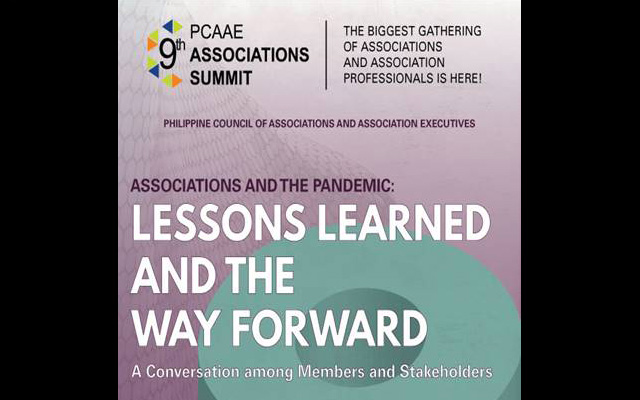
Recognising that association executives face mental and physical anguish and stress during this pandemic, the Philippine Council of Associations and Association Executives has been balancing its webinar offerings with “hard core management and governance courses plus inspirational and motivation topic representations, such as those concerning personal upliftment and optimism like values and faith, which are part and parcel now of our new normal”, shared founder and CEO Octavio Peralta.
“Concerning faith, which life coach Bo Sanchez delivered, attracted the most number of attendees. We plan to do this more often,” Peralta added.
PATA Philippines Chapter, one of the first that addressed mental health issues for its members and stakeholders, once invited a priest to talk about keeping the faith, as well as celebrities who survived arduous life challenges.