Asia/Singapore Wednesday, 22nd April 2026
Page 459

SAP Concur study reveals eagerness among APAC business travellers to restart trips

0
business travellers to resume work trips (i.e. 95% are willing to do so). Respondents in the region believe that the travel hiatus is taking a toll on their careers by impeding their business goals and personal lives.

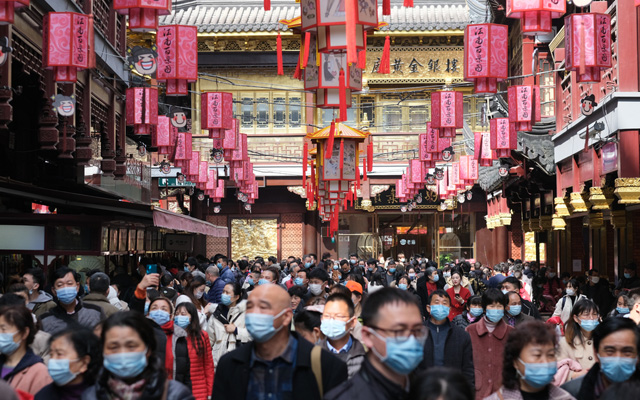
Nearly two-thirds of Asia-Pacific business travellers surveyed are raring to go for professional and personal reasons, but they also want flexibility from employers on how their trips will be conducted, according to new research conducted by SAP Concur.

“Covid-19 has upended business travel in the past year and a half. Yet, it has also reaffirmed business travel’s importance in forging business and personal connections, and enabling career advancement,” said Carl Jones, vice president and head of strategy for SAP Concur Asia Pacific.

Business travellers are eager to resume work trips, as the travel hiatus is taking a toll on their careers and personal lives

“While uncertainty continues to linger around travel curbs, firms can support business travellers by updating travel policies to provide more flexibility in flight and accommodation selection, better protecting employees’ health and safety. Then as vaccinations progress and travel bubbles form in the coming months, they will be better positioned to enable safe travel, facilitating business growth and talent retention.”

Respondents to the survey carried out in Singapore, Malaysia, China, Hong Kong, Taiwan, Japan, South Korea, India, Australia and New Zealand believe that the current travel hiatus is hurting their careers − by impeding their business goals − and personal lives.

While they hope to restart their in-person meetings soon − 95% are “willing” to travel in the next 12 months, including 63% who are “very willing” to do so – they also want greater control over how they will travel, so that their safety and health can be better safeguarded amid the pandemic.

Notable findings from the study of 1,050 APAC business travellers include:

Travellers believe their career success depends on a return to business travel
Like their global counterparts, four in five APAC respondents (81% in APAC vs. 80% globally) worry that the inability to increase business travel will affect them personally.

These concerns include:

  • The difficulty in developing and maintaining business connections (51% in APAC compared to 45% globally)
  • Not advancing in their career (39% compared to 33% globally)
  • Making less money (39% compared to 38% globally)

On the business front, APAC respondents fret that if their organisation does not increase business travel in the year, it will be harder to sign new deals (40%), build new relationships (39%) and renew contracts with existing clients (39%).

In fact, 9% are afraid their business will shut down, and 14% worry that they will lose their jobs. For those who are very frequent travellers, this latter figure jumps to 22%. These grave concerns reveal respondents’ perceptions that business travel is a vital vehicle to strengthen business relationships for career success, and experience new places to broaden personal horizons.

Changing traveller expectations forcing organisations to rethink their travel policies
Covid-19 has also altered power dynamics in the workplace. Business travellers will consider their options if employers do not match their expectations.

  • More than half of APAC business travellers (54%) will make career changes if their company does not provide the necessary policies or measures to protect their health and safety.
  • About 37% say they will ask to limit travel if their firm does not implement policies or measures to help protect their health and safety, while 16% will go as far as looking for a different position.

Flexibility helps employees feel safe
Flexibility is now the most pressing need for APAC business travellers, ahead of their vaccination-related demands (74% vs. 64%).

  • This includes everything from planning through the completion of their trips. For instance, respondents cited a preference to choose their preferred accommodation (49%) and mode of travel (43%).
  • Once they are on the road, almost all APAC business travellers (93%) expect changes to their travel routine, including more frequently staying in larger hotels (41%), prioritising domestic trips (39%), and using a personal vehicle instead of public transportation (37%) 

“Employees are ready to return to business travel, but on their own terms,” said Jones. “The actions that businesses take in the next 12 months to protect traveller safety and health could make or break their ability to acquire and retain valuable employees amid a competitive market for talent.”

Marriott unveils new vision in China with Sheraton Mianyang opening

0
Deluxe King Room

Sheraton Hotels & Resorts has opened the Sheraton Mianyang, the first Sheraton-branded property in China that embodies the brand’s new design and experience signatures that aim to foster community, gathering and productivity in all areas of the hotel.

Elements of the vision include the Community Table, a purpose-built workspace that anchors the hotel’s lobby and allows guests to work, eat, and drink while soaking up the energy of the space. These tables are custom designed with amenities to keep guests productive, including built-in lighting, outlets, and charging stations.

Deluxe King Room

Meanwhile, The Studios are flexible gathering spaces available to book whenever a guest requires it for collaborative working or connecting with others in a less formal setting. Enclosed with glass, the tech-enabled Studios allow guests to contribute to the energy of the public space while also providing privacy and focus for small group meetings or private dining experiences.

In addition to The Studios, Sheraton Mianyang features 1,200m2 of event space, including one grand ballroom and five meeting rooms. The 800m2 grand ballroom features high ceilings and can accommodate up to 600 guests. The ballroom is connected to an outdoor green terrace, making it an ideal venue for large conferences or gala dinners.

Elsewhere, YUE, Sheraton’s signature Chinese restaurant boasts six private dining rooms, all with panoramic views of the Xianhai lake, for business dinners. Additional F&B options include the all-day dining restaurant Daily Social, the lobby bar, and the intimate Unspoken bar.

The new hotel offers 342 guestrooms and suites ranging from 41m2 to 240m2, most of which open out to a lake or mountain view. All guestrooms feature elements designed for productivity, such as a height-adjustable worktable, integrated power and charging, and layered lighting.

Other facilities include The Sheraton Club Lounge that’s open 24/7 for Club level guests and Marriott Bonvoy Elite members; a fitness centre; a heated swimming pool; a jacuzzi; and sauna room. Business travellers with their families in tow can also utilise the outdoor children’s playground, indoor kids’ club, and Side by Side family programme.

Sheraton Mianyang is located in the heart of the Xianhai Scenic Area in Sichuan, a China national AAAA tourist attraction, which consists of 46 islands and mountains available for hiking or kayaking through. Travellers can easily access the city of Mianyang via a 40-minute train from Chengdu or a 40-minute drive from the Mianyang Nanjiao Airport and Mianyang Railway Station.

BCEC achieves EarthCheck Platinum Certification

0
Solar panals lining BCEC's rooftop

Brisbane Convention & Exhibition Centre (BCEC) has achieved the EarthCheck Platinum Certification, joining a group of worldwide venues which operate at the highest international environmental standards.

This is the culmination of 10 consecutive years of rigorously audited best practice in sustainability, and recognition of BCEC’s innovation in several key areas of social and environmental actions. This ranges from sustainable construction to energy and water conservation, responsible procurement, food distribution and participation in community initiatives.

Solar panels lining BCEC’s rooftop

For instance, BCEC has installed 764 solar panels, reducing the energy requirements of the building by 40 per cent. LEd lighting within BCEC’s halls has also been installed, with daylight harvesting and control of lighting levels via an app. This has resulted in a 50 per cent reduction in energy demand.

Carpark lighting has also been replaced with a LED sensor control system, reducing power to 15 per cent of prior levels. Meanwhile, The Centre’s organic dehydrator has reduced food waste volume by 85 per cent, converting it to a nutrient-rich organic fertiliser which is distributed on Brisbane city parklands.

BCEC general manager, Bob O’Keeffe, said BCEC has been at the forefront of sustainability, having been an inaugural member of Australia’s Greenhouse Challenge in 2001 and the first Australian convention centre to develop its very own Carbon Calculator for measuring remissions.

“Sustainability is essential to the future of our industry and the global community. Platinum Certification is a pivotal milestone in ensuring the Centre’s future success and sustainability.”

O’Keeffe added the Centre’s activities continue to support the Queensland Government’s transition to a resilient low carbon economy.

The Slate rolls out two health-focused meeting packages

0
This space outside the pillar-free Tongkah Hall can host pre-function gatherings and creative coffee breaks

The Slate, a 10-hectare beachfront resort on Phuket’s secluded north-west coast, has rolled out two business events packages, as it predicts pent-up demand for face-to-face corporate functions.

Under the Meet Again @ The Slate package, businesses will benefit from the use of larger areas for smaller groups and one-way systems to ensure social distancing.

This space outside the pillar-free Tongkah Hall can host pre-function gatherings and creative coffee breaks

Half-day and full-day meeting packages are available, including private roundtrip airport transfers, fully-equipped function room rental, priority check-in, a dedicated hospitality desk, a 30-minute cocktail reception upon arrival, daily breakfast, coffee breaks, a conference lunch, late check-out, a one-hour outdoor team activity and a group photo, which will be framed and presented to each guest as a turndown gift.

To boost the group’s wellbeing, a choice of yoga and meditation breaks will be offered, guests will be able to plant herbs in the resort’s organic garden, and every attendee will enjoy 20 per cent discount at the hotel’s Coqoon Spa and KRU Precision Wellness.

Priced at 1,600 baht (US$49) per person for a half-day meeting package 1,800 baht for a full-day package, this offer is valid for bookings made April 30, 2022, and events must be staged by October 31, 2022, for groups of 30 to 50 guests. One VIP will also be treated to a complimentary upgrade to a Private Pool Suite.

Alternatively, the Healthy Meeting @ The Slate package is ideal for corporate away days, company conferences and teambuilding sessions. The 4D3N package includes accommodation (starting from a Pearl Bed Suite), daily breakfast with fresh juice, smoothies and nutrient-packed dishes, two full-day meeting packages with wholesome morning and afternoon breaks, a specially-prepared conference lunch with options for vegans and vegetarians, and a gala dinner.

To enhance physical and mental wellbeing, The Slate will also provide 20-minute stretchercise and sunset rituals, along with mindfulness moments at KRU Precision Wellness, and the meeting room will even include fitness elements.

Priced at 16,888 baht (single) and 11,888 baht (double), this package is valid until October 31, 2022, for groups of 20 to 50 people.

Meeting planners can choose from a selection of venues, including the pillar-free 500-pax Tongkah Hall, the Jomon Pavilion with its vast windows, elevated ceilings and skylights, two intimate suites, and the Coliseum Garden, good for alfresco receptions and cocktail evenings under the stars.

In line with the hotel’s advanced biosecurity measures, all attendees will be subject to temperature checks, advanced sanitation procedures and personal protective equipment (PPE), and all facilities will undergo intensive deep cleaning.

Singapore Expo diversifies offerings

0
The new KF1 karting track at Singapore Expo. Photo: KF1 Facebook

Singapore Expo will soon welcome an outdoor go-kart track, indoor badminton hall and a new Timbre+ food village amid weak demand for physical events, reported The Straits Times.

Work on the new amenities began in March, when a structure that will house the new Timbre+ foodcourt was built on the site of one of the eight outdoor carparks near halls 4 to 6.

The new KF1 karting track at Singapore Expo. Photo: KF1 Facebook

Another carpark with about 300 spaces has been converted into a go-kart track operated by KF1 Karting, which also has a circuit at the Singapore Turf Club in Kranji. The new track can host up to 15 karts and one time, and will operate under a one-year temporary occupation licence.

Taking about one month to construct, the karting area cost close to S$1 million (US$739,055), and included the remodelling of the area, laying of the tarmac, setting up the lighting system, landscaping, and construction of an air-conditioned viewing gallery. There are also plans to have an al fresco dining area on the gallery’s roof.

Meanwhile, the new indoor badminton hall will located within Singapore Expo Hall 6, and will have 22 courts, making it the largest hall in the country.

Such efforts are to help the venue generate revenue to sustain the business. Constellar Holdings, which manages Singapore Expo and MAX Atria, recently reported a 95 per cent drop in physical events at the venue since April last year.

Since the start of the pandemic, a majority of Singapore Expo’s 100,000m2 of event space has been used for other purposes.

All 10 event halls were converted into a community care facility, and since February this year, halls 7 to 10 were converted into Connect@Changi, a 1,300-room facility for international business travellers to stay and conduct meetings. The facility has stopped taking in guests since business travel initiatives were suspended in July during Phase 2 (Heightened Alert).

194 MICE venues in Thailand achieve TMVS certification

0
Chiruit: The expanded agreement aims to boost the employment opportunities for qualified MICE professionals, enhance and harmonise the quality of MICE education, and to grow the region's MICE workforce.

A total of 194 business events venues will be receiving the Thailand MICE Venue Standard (TMVS) this year, as the country continuously upgrades its industry to show its readiness to host events of international standard.

These certifications will be given out by the Thailand Convention and Exhibition Bureau (TCEB) next Thursday, via a virtual event entitled Thailand’s MICE Standard Day. Some 350 business events stakeholders are expected to join in.

Chiruit: TCEB continues to help strengthen the industry by assuring the global marketplace that Thailand is ready to host international standard events

Recipients will be divided into three categories – meeting rooms, exhibition halls, and special event venues. A total of 472 meeting rooms within 169 venues; 16 exhibitions halls within 10 venues; and 15 special event venues will receive the TMVS certification.

Currently, a total of 880 venues in Thailand have earned TMVS certifications across the three categories.

As part of Thailand’s MICE Standard Day, two workshops – Management of Food Waste and Excess Food in MICE Business, and MICE Venue Management for Muslim CLients – will also be organised for virtual attendees.

“TCEB is setting its sights on inspecting and assessing 155 MICE venues in Thailand in 2022. The bureau will also conduct a feasibility study of a new standard certification, as well as initiate a draft of the criteria for Muslim-friendly events to expand the scope of MICE venue standards,” shared TCEB president Chiruit Isarangkun Na Ayuthaya.

Additionally this year, 25 meeting rooms and three exhibition venues will be receiving the ASEAN MICE Venue Standard (AMVS). This is in addition to the 68 venues in Thailand that have already received AMVS, where Thailand is also the first country to have implemented this regional standard.

76% of business travellers say business travel helps them perform efficiently: BCD Travel

0
Business travel and in-person meetings are extremely important despite current reliance on screen-based interaction

While virtual meetings and remote work are here to stay, business travel and face-to-face meetings remain extremely important. Seventy-six per cent of survey respondents to a survey conducted by BCD Travel in July said business travel helps them perform their work efficiently.

According to a recent survey of 738 business travellers worldwide, in a post-pandemic travel environment, 60% prefer to return to pre-pandemic levels of business travel, while 26% prefer to travel less and 9% to travel more.

Business travel and in-person meetings are extremely important despite the current reliance on screen-based interaction

When it comes to corporate travel policies in a post-pandemic environment, survey respondents care most about being able to decide for themselves whether to travel (64%). In addition, they desire a more simplified trip approval process (58%) and the prioritising of direct flights (53%).

For remote versus face-to-face meetings, 74% rate in-person client meetings as the most important reason for business travel, followed by teambuilding, sales meetings and meetings with partners or suppliers.

The main travel concerns remain consistent with previous BCD traveller survey results. Travellers mainly worry about quarantine on arrival, followed by concerns over sudden lockdowns and rapidly changing travel regulations.

Respondents believe remote work and meetings are here to stay, but they are clearly lacking when it comes to relationship building.

They say the main weaknesses of virtual meetings are:

  • Lack of human contact (66%)
  • Limited interaction (58%)
  • Easy distraction (54%)
  • Unsuitability for some meeting types (51%)
  • “Zoom fatigue” and technology issues (49%)

“Meeting face-to-face not only remains a critical component to achieving company goals, (but) it’s also essential to satisfying businesses’ need for efficiency and human interaction,” said Mike Janssen, global chief operating officer and chief commercial officer at BCD Travel.“

With vaccinations growing by millions every day, a majority of the workforce is ready to go back on the road, notwithstanding recent spikes of the Covid-19 variant. In a post-pandemic environment, corporations need to continue giving guidance. In order to remain an attractive employer in this fast-developing environment, they should also consider empowering employees to make their own travel decisions.”

“While in some parts of the world the pandemic is slowly receding, other parts might continue to rely on virtual meetings,” said Scott Graf, global president at BCD Meetings & Events. “Event planners and managers need to up their game with a new skill set that allows them to compensate for the weaknesses of virtual meetings, such as the lack of interaction. Training or outsourced support can be the answer to keep employees focused and motivated in a continually challenging environment.”

Respondents also shared their views on the future of work. Currently, 57% are working remotely, compared to 24% before the pandemic.

When asked about the future workplace:

  • 71% prefer a mix of remote and office work
  • 20% favor full-time remote work
  • Only 6% give preference to full-time office work

When asked about bleisure:

  • 49% say they might extend a business trip for a few leisure days
  • 38% like to travel for work accompanied by a partner or friend
  • 33% like to extend their stay and continue remote working at the destination
  • 32% consider combining a business trip with a vacation of one to two weeks

Sri Lanka placed on lockdown as Covid-19 cases spike

0
Sri Lankan entered lockdown on Friday as Covid surge overwhelms the country’s healthcare system; Colombo Fort Railway Station pictured

Sri Lanka has imposed a 10-day lockdown allowing only essential services to operate as authorities battle to contain a wave of Delta variant cases.

During the lockdown, which kicked in at 22.00 on Friday (August 20) and will last until 04.00 on August 30, all public and private sector establishments are closed, with only essential and emergency services allowed to remain open.

Sri Lankan entered lockdown on Friday as Covid surge overwhelms the country’s healthcare system; Colombo Fort Railway Station pictured

Sri Lankan authorities have since last Monday imposed an indefinite nationwide night curfew from 22.00 to 04.00 daily, along with a ban on social gatherings, public events and seminars.

The latest lockdown follows appeals from the medical profession, trade unions, civil society groups and Buddhist religious dignitaries for tighter mobility restrictions in the face of worsening Covid-19 case numbers.

On Friday (August 20), Sri Lanka reported a record daily rise in Covid-19 cases for the third consecutive day, reporting 3,839 new cases, up from 3,435 a day on August 15; with 195 deaths. The new infections bring the total tally to 381,812 and 6,985 deaths.

Opposition parties and trade unions in the country have accused the government of under-reporting the number of Covid-19 cases.

Meanwhile, Sri Lanka Tourism (SLT) officials said only fully vaccinated Indians would be allowed entry into Sri Lanka, in effect since August 19. India is Sri Lanka’s biggest source market but the rising number of Covid-19 cases in India has led to this cautious approach.

In a statement, SLT said that Sri Lanka will continue welcoming international travellers during the lockdown with the majority of the tourist attractions remaining open. Since ​reopening to tourism in January this year up to July 31, the country has received a mere 19,337 arrivals, a sharp drop from last year.

In another circular, SLT said nationals of South American countries and South African countries – South Africa, Angola, Botswana, Lesotho, Mozambique, Namibia, Swaziland, Zambia and Zimbabwe – are not permitted to enter.

Fairfield by Marriott South Binh Duong celebrates Vietnam debut

0
Premier King Room

The Fairfield by Marriott brand has made its debut in Vietnam with the opening of Fairfield by Marriott South Binh Duong in Thuan An City.

The 181-room hotel is located in one of the province’s largest business parks – the Vietnam-Singapore Industrial Park – that is home to some 70 international manufacturing companies, making it an apt base for local entrepreneurs and international business travellers.

Premier King Room

For meetings on-site, the hotel offers 120m2 of function space, while recreational amenities include an outdoor swimming pool and fitness centre. There is also The Market, a 24-hour convenience store in the hotel; as all-day dining Oryzaa and a pool bar.

The hotel is within a 45-minute drive from the country’s commercial capital, Ho Chi Minh City and 20-minute drive from the Tan Son Nhat International Airport.

MICE events in Singapore now able to host 1,000 attendees

0
On-site attendees at the Singapore MICE Forum x IBTM Wired event held a few months ago

As more than 70 per cent of the population has received both vaccine doses, Singapore has eased Covid-19 rules for business events, in a step towards its endemic Covid-19 plan.

Previously, up to 500 people may attend MICE events if they have all been vaccinated. As of August 19, up to 1,000 attendees are now allowed if all have been vaccinated. If unvaccinated, this limit is reduced to 50. The unmasking for speakers may also resume.

On-site attendees at the Singapore MICE Forum x IBTM Wired event held a few months ago

Live performances have also been upped from 500 to 1,000 attendees if all are vaccinated. If unvaccinated, this limit remains at 50. The unmasking and singing/ playing of instruments that require expulsion of air for live performances may also resume.

Similarly for spectator and participatory sports events, limits have been upped from 500 to 1,000 if all are vaccinated. If unvaccinated, this limit remains at 50.

Regardless, all events are subject to updated safe management measures.

In addition, 50 per cent of employees who can work from home may return to the workplace. Workplace social gatherings will also be allowed, but is capped at five people.

Reviews

The Ritz-Carlton, Bangkok

The newly-opened Ritz-Carlton, Bangkok anchors the One Bangkok development with cosmopolitan elegance. Featuring the city's largest ballroom and a spectacular new penthouse suite, it delivers exceptional hardware and deeply authentic, soulful service for business and leisure travellers alike

Mama Shelter Zurich

Behind the imposing, Brutalist concrete that defines Zurich’s Oerlikon district lies a surprising secret. While its exterior honours the neighbourhood’s industrial roots, stepping inside Mama Shelter reveals a vibrant, neon-soaked world that is a far cry from its rigid shell

Hyatt Regency Kuala Lumpur at KL Midtown

A polished urban retreat designed for business travellers, Hyatt Regency Kuala Lumpur at KL Midtown combines thoughtful design, seamless service, and exceptional facilities.