Asia/Singapore Tuesday, 23rd December 2025
Page 46

Auckland wins intelligent transport conference

0
View of Auckland’s pink cycling path

Tāmaki Makaurau Auckland will host the 21st Asia-Pacific Intelligent Transport Systems Forum (AP ITS) in 2027, a three-day event focused on advancing the future of intelligent transport solutions.

The forum will take place from May 5-7, 2027, at the New Zealand International Convention Centre (NZICC), bringing more than 1,000 delegates and an estimated NZ$1.3 million (US$780,000) in economic benefit to the region.

View of Auckland’s pink cycling path

The bid was led by Intelligent Transport Systems New Zealand (ITSNZ) with support from Tātaki Auckland Unlimited’s Auckland Convention Bureau and Tourism New Zealand Business Events.

ITSNZ chair and president, Armin Guttke, said: “… The forum will showcase how the right policy and technology can address New Zealand’s transport challenges – making the system safer, more equitable, sustainable and productive. The forum will also create opportunities for local innovators, attract international investment and deliver significant economic benefits.”

With the theme Navigating Tomorrow: Advancing Intelligent Transport Together, the event will spotlight key technology-enabled developments in Auckland’s transport network – including AI-powered network optimisation for roads and public transport, the City Rail Link, new electric ferries and Australasia’s largest all-electric bus depot.

Technical tours and demonstrations will include the University of Auckland Transportation Research Centre, a leader in dynamic wireless inductive charging, and ERoad, developers of New Zealand’s nationwide electronic Road User Charges System.

Ken Pereira, Head of Business Events at Tātaki Auckland Unlimited, added: “This win supports our vision of Auckland as a global innovation hub. It shows we are open to international expertise and investment to grow our transport future, while also showcasing our homegrown technology and talent.”

ICC Sydney Theatre on the lookout for naming rights partner

0
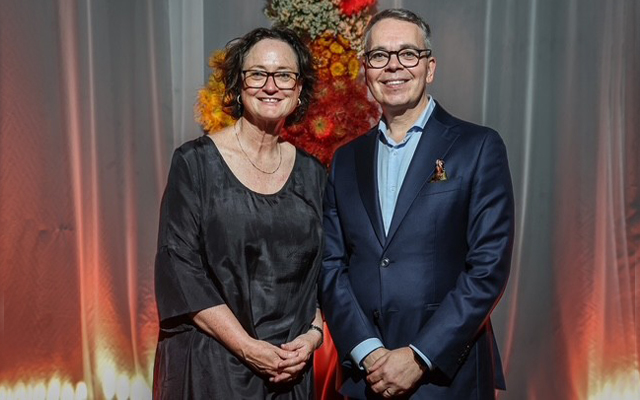
ICC Sydney's Adam Mather-Brown; and Beverley Parker in front of ICC Sydney Theatre

ICC Sydney Theatre will soon be renamed the Entertainment Centre, creating a new branding and sponsorship opportunity for companies.

The venue, which has a capacity of 9,000 and hosts about 125 events annually, is one of the busiest entertainment venues in the Southern Hemisphere, featuring performances by international artists such as Elton John, Cher, Bob Dylan, Stevie Nicks, Kylie Minogue, Sting, and Jerry Seinfeld.

ICC Sydney’s Adam Mather-Brown; and Beverley Parker in front of ICC Sydney Theatre

Expressions of interest are now open for brands interested in securing long-term naming rights. The partnership includes rights to the venue name and access to 19 large-format digital advertising displays across Darling Harbour, reaching an audience of approximately 25 million people each year, including locals, interstate visitors, and international tourists.

This package offers brands the opportunity to associate with a major Sydney entertainment destination, gain extensive media exposure, and create customised brand experiences across more than 100 events each year. It provides a high-profile platform for brands seeking visibility and engagement in a prime cultural and entertainment setting.

“Brands have an unparalleled opportunity to align with one of Australia’s most high-performing entertainment venues situated within a vibrant precinct. Welcoming almost 497,000 patrons in the past year alone and ranked among Pollstar’s 2024 Top Performers – now is the moment to be part of a truly iconic venue in Sydney,” said Adam Mather-Brown, CEO at ICC Sydney.

Conrad Tokyo expands beyond walls with new catering service

0
Event planners can also utilise the hotel’s equipment

Conrad Tokyo’s new outside catering service aims to meet rising demand among planners to hold events at diverse venues in the Japanese capital.

The offering builds on the hotel’s reputation for hosting large-scale events and international sporting occasions and is designed to support indoor and outdoor events as varied as exhibitions, opening ceremonies, corporate celebrations and bespoke gatherings.

Event planners can also utilise the hotel’s equipment

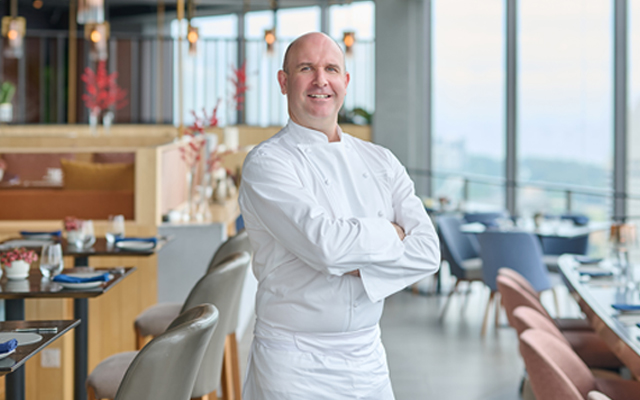
Led by award-winning executive chef Masashi Mizuguchi, the service brings Conrad Tokyo’s blend of Japanese, Western, and Chinese cuisine to coffee breaks and lunches, as well as buffets and gala dinners.

Each menu can be curated to reflect the client’s vision, dietary preferences and concept, and the team is equipped to plan every detail of the event. In addition to F&B, planners can utilise the hotel’s tableware, cooking equipment, chefs and staff, as well as stylistic elements such as sound, lighting, direction and entertainment.

According to general manager Neil McInnes, the new outside catering service “not only reflects our commitment to innovation but also meets the evolving expectations of our discerning clientele who seek bespoke experiences beyond the confines of a hotel setting”.

Digital technologies drive changes in airport traveller behaviour and spending

0

Airports worldwide are increasingly adopting digital technologies that are changing how travellers move through terminals and how much they spend.

A recent global survey by Priority Pass, which included over 12,000 travellers from key Asia-Pacific markets such as Hong Kong, Australia, India, Indonesia, Singapore, South Korea, and Thailand, highlights the growing impact of automation on passenger behaviour and airport commerce.

The survey finds airport automation is changing traveller behaviour and increasing spending across the Asia-Pacific region

The global airport automation market is expected to grow from US$55.05 billion in 2025 to USD$85.12 billion by 2033. The increase is attributed to changing passenger expectations and investment in digital infrastructure. Technologies such as biometric identification, real-time updates, and automated check-in and baggage handling are influencing traveller preferences and expenditure.

In the Asia-Pacific region, fast-track security (78%) and digital boarding passes (77%) were the most widely cited technologies impacting travel. Automated baggage drops (74%) and advanced security scanners (72%) also featured prominently.

68% of travellers in Asia-Pacific – including 77% of Gen Z and 73% of millennials – reported spending more at airports as a result of automation. This compares to a global average of 60%. Nearly half (48%) of travellers in the region said automation gives them an additional 10 to 30 minutes per journey, while 21% reported gaining up to an hour. This extra time is commonly spent on dining (58%), shopping (51%), or using airport lounges (46%). Around 31% of respondents said automation made them feel more relaxed, leading to greater discretionary spending.

Airport lounges and spending patterns
Lounge access remains a significant aspect of the airport experience in Asia-Pacific, where 80% of respondents said they had used a lounge at least once. Among lounge users, 73% said automation increased their airport spending, compared to 45% of non-users.

A separate study by analytics firm Fonto, commissioned by Collinson, found that Australian payment cardholders with Priority Pass spend 19% more annually than cardholders with access through other providers or without lounge access.

Travellers identified three preferred future developments in lounges: tech-enabled environments with tailored food, entertainment and workspaces (46%), seamless app-based bookings (42%), and sustainable lounge and wellness area design (41%). 67% of Asia-Pacific respondents said that lounge access through payment cards improved their airport experience.

Balancing automation and human support
While automation is generally viewed positively, travellers continue to value human interaction at key points. In Asia-Pacific, 69% of respondents believe the pace of AI and technology adoption in airports is appropriate. However, the study notes that human presence remains important during customer service interactions (66%), security procedures (53%), and lost property assistance (52%), where reassurance and clarity are often needed.

Looking ahead, travellers in Asia-Pacific expressed interest in standardised global security processes (45%), fully biometric travel (44%), and smart baggage tracking (43%).

As airports incorporate more technology, opportunities are increasing for service providers and brands to engage travellers. According to Priority Pass, aligning loyalty benefits with traveller preferences may enhance customer engagement within a changing airport environment.

Collinson International CEO Christopher Evans stated: “Automation is freeing up valuable time, lowering stress levels and providing better information, in real time to the traveller. When the experience delivers, travellers are more inclined to explore places to relax, sample dining options or retail stores. By integrating digital access to lounges and new airport experiences into the Priority Pass app, we’re creating more choice and opportunities for enhanced moments throughout the journey.”

“The dynamic Asia-Pacific region is home to some of the world’s busiest international airport hubs, with several airports investing significantly in expansion and modernisation of infrastructure to meet growing demand. The region is also leading the charge in adopting airport technology; in turn, setting new global standards for efficiency and traveller experience,” added Todd Handcock, global chief commercial officer and Asia Pacific executive chair at Collinson International.

He added that their research showed travellers in Asia-Pacific also place high value on “connection, trust and service alongside these innovations”.

The full report can be viewed here.

Cvent Accelerate Singapore returns for the fourth year

0

Event technology specialist, Cvent, will kick off its fourth Cvent Accelerate Singapore annual industry conference in Singapore this Friday.

The event will be led by renowned industry experts from Cvent and the business events industry. More than 500 professionals from the events, marketing, and hospitality industry are expected to come together to learn, share, and experience the latest trends and technologies transforming the future of the industry in the Asia-Pacific region.

Cvent Accelerate Singapore will kick off on July 11 at Fairmont Singapore

The programme will include technology showcases, keynote sessions, and panel discussions, covering topics such as dynamic shifts in the events industry, multi-sensory event experiences, and strategies for leveraging technology to enhance event experiences.

Will Kataria, country head and senior director, Asia Pacific, Cvent, said: “By bringing together event planners, marketers, and hoteliers, we aim to foster a collaborative environment where professionals can learn from each other and embrace the technological advancements that are reshaping our industry.”

A bold blueprint

0

Congratulations on your appointment. What is your vision for TICA moving forward?
My vision revolves around four key pillars: Talent Development, Innovation, Collaboration & Contribution, and Agility.

We’re adapting across six core areas – hardware, software, people, product, process, and sales and marketing –to better align with changing travel behaviours and the rising demand for immersive, purpose-driven experiences.

What are your top priorities in strengthening Thailand’s business events industry?
First, we need to upskill and reskill our workforce, especially SMEs and emerging DMCs.

Second, we are embracing digital tools and AI to help local players compete globally, particularly in elevating sales proposals and communication.

And third, we are supporting the integration of experiential elements that reflect Thai identity and community engagement.

How is TICA advancing sustainability within the business events sector?
We’re promoting low-waste practices and advocating for carbon-neutral meetings. Sustainability is now front and centre, and is something many clients demand up front.

That includes practices like local food sourcing within 150km, reducing decorative waste like flowers, and shifting to carbon neutrality. We should be thinking about waste reduction wherever we can, even in the smallest elements of a meeting.

The Thai MICE industry must broaden its perspective. While many local players have achieved domestic sustainability certifications, these labels often lack international recognition. To build global credibility, we need to align with widely accepted international standards.

What technology trends are reshaping the business events landscape in Thailand?
AI is a game-changer. It is helping us improve sales proposal turnaround time, improve the English of local Thai staff in communications, and research new destination angles.

I always say: do not be afraid of tech, be afraid of those who know how to use it better.

That said, creativity, care, and cultural insight can’t be replicated by robots. I believe MICE will always need human nuance – particularly the personalisation that makes a sales proposal stand out. That will be hard to duplicate.

How has client behaviour changed post-pandemic?
There is a clear shift toward local integration, CSR elements, and personalised experiences. Attendees now expect hybrid formats, minimal print, and stronger storytelling about local communities.

Buyers are no longer relying solely on sales pitches. They are searching on their own. Today’s travellers are increasingly conducting their own research before choosing a destination.

For example, if someone types ‘Pattaya’ into a search engine, will your venue or experience appear? And more importantly, will it stand out?

We need to get to the point where lesser-known communities like Takhien Tia show up in those searches. It is not just about promoting Thailand, it is about make sure the right stories can be discovered.

What is Thailand’s edge in the international association market?
Our secret weapon is Thai empathy. The way we care, host, and anticipate needs – there’s nothing like it. And we must build on that with infrastructure.

Places like Chiang Rai are now becoming more accessible, but in destinations beyond Chiang Rai, we still face gaps in infrastructure, like accessibility, utilities or internet coverage. We need serious investment in connectivity to support regional business events growth.

What legacy do you hope to leave as TICA president?
I want to future-proof this industry. That includes inspiring young professionals, raising standards to meet global benchmarks, and embedding sustainability into everything we do.

I’ve proposed seven key asks to the government, from regulatory reform to training programmes to safeguarding tourists. If we align our vision with national strategies and invest in our people, Thailand will remain a business events powerhouse.

SMHCC builds larger venues to boost international event share

0
Sky Hall Seaside Cebu; photo from Sky Hall Seaside Cebu Facebook

SM Hotels and Conventions Corp. (SMHCC) is building bigger convention centres in a bid to boost its international events, which currently make up only five per cent of its total business.

“We already have a secure share of local events, local associations and the usage of the current square metres of the space that we have, but we are missing the international segment,” said Walid Wafik, SMHCC’s senior vice president operations.

Sky Hall Seaside Cebu; photo from Sky Hall Seaside Cebu Facebook

The Philippines currently lacks the capacity to host major international events, especially when compared to its Asian neighbours. According to Wafik, who spoke at the Cebu Business Month 2025 Tourism Forum earlier this month, even Manila, home to the country’s largest venues, falls short of the 30,000m2 minimum space required for big events.

He noted that 95 per cent of their business comes from local events, with only five per cent being international. This international segment often sees countries and exhibitors, including China, Taiwan, and Thailand, participating in large local events by setting up their own pavilions.

The SMX Center for International Trade and Exhibitions (SMXCITE), currently under construction, will combine with the existing SMX Convention Center Manila to offer over 35,000m2 of space for up to 18,000 people when SMXCITE is completed in 2027.

Cebu is set to significantly boost its event hosting capabilities next year with the opening of two new venues. SMX Cebu will surpass SMX Manila in size, while the SM Seaside Arena will be larger than the SM Mall of Asia Arena, offering a seating capacity for 16,000.

“A few years back, we forecasted that Cebu is in desperate need of large convention facilities. We didn’t want to come into the market with a small convention space because it will not accommodate what the actual demand that we see for Cebu,” Wafik emphasised.

Wafik emphasised that SMHCC is actively building global connections. “We need to go and connect with all these international associations to bring these large events into the Philippines, empowered by technology,” he stated.

Goyang Destination Week returns this August

0
Ilsan Lake Park in Goyang pictured

The eighth edition of Goyang Destination Week will return from August 20-23, 2025, at the Sono Calm Goyang Hotel.

Organised by the Goyang Convention & Visitors Bureau and hosted by Goyang Special City, Goyang Destination Week 2025 is set to welcome 800 delegates from more than 40 countries in a hybrid format.

Ilsan Lake Park in Goyang pictured

Held under the theme Navigating the Growth of the MICE Industry: Technology, Personalization, Sustainability & ROI, the 2025 edition aims to spotlight key areas that are shaping the industry’s future. It will also highlight Goyang’s commitment to sustainability and legacy impact.

Peter Lee, managing director, Goyang Convention & Visitors Bureau, said: “The strength of Goyang Destination Week 2025 is its Triple Helix model of collaboration, bringing together government, industry, and academia to foster a knowledge-sharing and networking platform tailored to the needs of business events stakeholders.

“This collaborative framework is further enriched by speakers and panellists providing global insights into the business events industry. They comprise senior executives, thought leaders, and representatives from leading business events associations such as ICCA, Destinations International (DI), and the Global Destination Sustainability Movement (GDSM), offering global perspectives of the business events industry.”

This year’s highlights include an Asia Pacific Business Event Youth Challenge on August 20. This is a competitive pitch event for young bsiness events professionals, co-hosted by ICCA. Winners will earn recognition and an invitation to the ICCA Congress 2025 in Porto, Portugal.

ICCA will also co-organise an Asia-Pacific ICCA Evolve Destination Forum on August 21, where this new programme focuses on destination advancement through workshops and roundtables.

On August 22, the full-day International Destination Competitiveness Forum will feature two keynote speeches and table talks, three themed sessions and panel discussions, and the signature “Goyang Session”.

Finally on August 23, there will be a curated tour experience of Goyang and Gyeonggi-do, highlighting sustainable practices.

The event is supported by Korea Tourism Organization, Gyeonggi Tourism Organization, Korea MICE Association, Korean Association of Professional Convention Organizers, Korea Exhibition Organizers Association, Society of Business Events & Convention and Korea MICE Tourism Society.

From groundwork to green work

0

Event brief
Held from November 11-22 in Baku, Azerbaijan, the 2024 UN Climate Change Conference (COP29) was the second largest in this globally significant event’s history.

With Pico working as main official contractor for the event’s Blue Zone, it represented a milestone in sustainable event management and an impressive demonstration of how large-scale event activations can align with sustainability goals.

Event highlights
Led by Pico’s multinational team of more than 1,200 professionals and workers, the project transformed the 215,000m2 Baku Stadium into the COP29 ‘Blue Zone’.

Themed Make Waves, it contained vital conferencing and negotiation facilities, country/corporate pavilions, and an offsite information centre within central Baku. The Blue Zone was the biggest design-and-build temporary infrastructure around a permanent facility in the history of UNCCC COP.

A further significant feature was the COP29 information centre, designed and built as a permanent structure to serve future events right in the heart of Baku. Pico also designed and built pavilions for Azerbaijan, Singapore, FINS Initiative, and the Zero Waste Pavilion.

The event’s information centre and country/corporate pavilions also not only demonstrated effective environmental stewardship, but also exceeded the Conference’s needs by increasing Azerbaijan’s long-term capacity to host environmentally responsible international gatherings.

Challenges
Key project challenges included balancing the zone’s massive infrastructural needs with health, safety and environmental standards – and completing its full planning and execution within six months. The team responded with an intensive mobilisation programme for the workforce, production sites and key supply chain partners designed to overcome logistical challenges.

The Pico team took an innovative approach to the ‘Blue Zone’ by implementing realistic sustainability goals for design and construction that would allow for ISO20121 event certification at the outset.

Over a six-month period, the team leveraged expertise in design, management, master site planning, branding, wayfinding and signage design, and substantially reduced carbon footprint and increased potential with venue facility optimisation capabilities. Among other project elements, Pico was responsible for site groundwork, steelwork, temporary infrastructure and AV-CCTV conduit works.

The team executed a comprehensive interior fit-out including detailed design, VVIP joinery, flooring, furniture, landscaping and decor. Executed tasks also included the construction of toilet and kitchen infrastructure, MEP (mechanical, electrical, plumbing), HVAC (heating, ventilation, air conditioning), and art exhibition curation.

A solar glass-powered entrance arch introduced design features for renewable energy generation and was a significant development in integrating cutting-edge technology and functional design for sustainable event spaces without compromising aesthetic appeal or operational efficiency.

The project integrated sustainable construction methods with local supply chain initiatives, developed permanent infrastructure and in turn transferred valuable skills and knowledge as legacy for Azerbaijan’s events industry.

Event 2024 United Nations Climate Change Conference (COP29)
Organiser COP29 Azerbaijan Operating Company
Venue Baku Stadium
Date November 11-22, 2024
Attendance Over 70,000 visitors from all over the globe

Vietjet welcomes new MD

0

Vietjet Aviation Joint Stock Company has appointed Nguyen Thanh Son as its new managing director, succeeding Dinh Viet Phuong.

Having been with Vietjet since its inception, Nguyen will play a key role in shaping the airline’s innovative business and marketing strategies, while contributing significantly to the growth of the aviation industry.

He is expected to lead Vietjet on a new journey toward greener, smarter growth – fostering deeper global connectivity and delivering meaningful value to passengers and communities around the world.

Reviews

Hyatt Regency Kuala Lumpur at KL Midtown

A polished urban retreat designed for business travellers, Hyatt Regency Kuala Lumpur at KL Midtown combines thoughtful design, seamless service, and exceptional facilities.

A versatile powerhouse

Arena @ Expo, a multipurpose concert hall at the Singapore Expo is a flexible space for high octane concerts and lifestyle events.

Amari Bangkok

The five-star property excels in backing its expansive facilities with seamless service and personalised attention, setting the benchmark for luxury in Bangkok.