Changi Airport Group (CAG) has introduced FlightSaver Assurance, a new feature on the Changi App that offers travellers instant benefits when their scheduled departure from Singapore is delayed by three hours or more.
The feature is part of the app’s upgraded Save Flight suite, which also provides live flight tracking, real-time updates, and expanded destination airport information. Changi App is the first airport app globally to combine real-time overseas airport data with an opt-in flight-delay assurance programme.
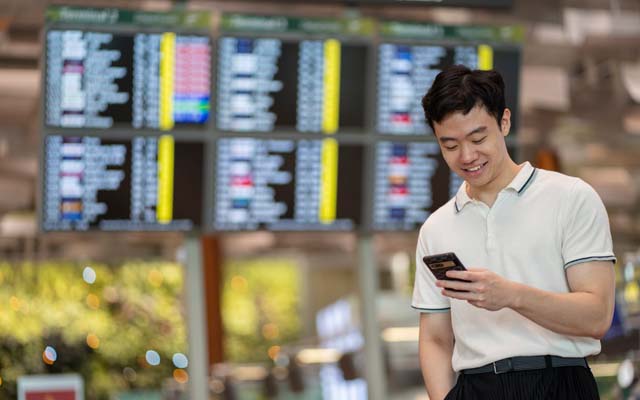
The upgraded Changi App now offers FlightSaver Assurance, real-time flight tracking, and destination airport information for a smoother travel experience; photo by Changi Airport Group
Travellers can opt in to FlightSaver Assurance at least 12 hours before departure to receive S$10 (US$7) Changi e-vouchers if their flight is delayed by three hours or more. Vouchers are credited instantly to the app and valid for 30 days, useable at participating transit outlets. The programme runs until September 30, 2026, and may be refined for long-term adoption.
The upgraded app allows users to track flights from take-off to landing, access gate and baggage information, check local weather at their destinations, and receive push notifications for flight updates. Travellers can also purchase travel insurance via ChangiAssure and access additional travel services through the app.
James Fong, senior vice president, enterprise digital ecosystem & business, CAG, said: “At Changi, we are continually evolving our digital ecosystem to anticipate travellers’ needs. Travel should always feel effortless even as plans change unexpectedly.
“By introducing FlightSaver Assurance and enhanced in-app features, we want travellers to feel cared for. These latest upgrades bring us closer towards a smarter, more connected and worry-free travel experience that travellers can enjoy at their fingertips.”
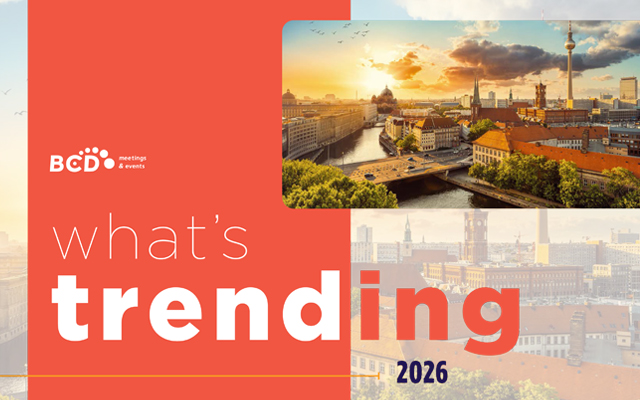
Meetings and events are now essential drivers of business strategy, connection and growth; cover page of What’s Trending 2026 pictured
BCD Meetings & Events (BCD M&E) has released its annual What’s Trending 2026 guide, which explores the forces shaping the meetings and events industry in the year ahead.
Now in its ninth edition, What’s Trending2026 provides global insights, regional trends and practical guidance for organisations adapting to ongoing shifts in how meetings and events are planned and delivered. Topics include meetings as strategic investments, experiential and immersive event design and the growing importance of addressing neurodiverse audiences.
Meetings and events are now essential drivers of business strategy, connection and growth; cover page of What’s Trending 2026 pictured
According to the guide, economic uncertainty and budget constraints continue to shape the industry, prompting organisations to consolidate suppliers, optimise spend and focus on high-impact experiences that deliver measurable ROI. Immersive and inclusive event design – rooted in behavioural science, accessibility and storytelling – is fast becoming the gold standard for engagement.
The guide also features in-depth analysis of five regions: APAC, EMEA, LATAM, NORAM and the UK. For instance, in APAC, regional insights reflect cautious growth and a focus on domestic, experience-led events in cost-effective destinations.
The guide also outlines trending destinations for meetings, events and incentives for 2026: Scottsdale, Arizona; Manchester, UK; Berlin, Germany; Kuala Lumpur, Malaysia; and Mexico City, Mexico.
During the 2024–25 financial year, 149 future business events were secured
Business Events Adelaide announced a record 2024-25 financial year, securing 149 future business events for South Australia, injecting over A$684 million (US$447.2 million) into the State economy – double the previous year’s result.
At its AGM, chair Ian Horne confirmed the achievement, stressing that these high-calibre events drive jobs and long-term collaboration. He also highlighted the financial impact: delegates spend an average of A$1,165 daily in Adelaide.
During the 2024–25 financial year, 149 future business events were secured
While thanking the Malinauskas Government for its ongoing support, including a recent A$10.9 million allocation for business events over the next four years, Horne stressed that the results more than prove the value of the investment.
CEO Damien Kitto credited the success to the strong, collaborative “Team Adelaide” approach involving government, academia, and industry partners.
The strong economic figures align with Adelaide’s growing reputation on the world stage, most recently highlighted by its designation as the Most Improved Destination in the Global Destination Sustainability Movement Index.
Kitto noted that this momentum is linked to the State’s net-zero ambitions. With the potential hosting of COP31 still on the horizon, he stated that Adelaide’s visibility as a sustainable, tier-two destination has never been higher.
“Being selected as a COP host city would redefine how the world sees Adelaide, delivering long-term benefits across our economy, global reputation, and sustainability leadership,” Kitto said, confirming Business Events Adelaide is poised to capitalise on any resulting interest.
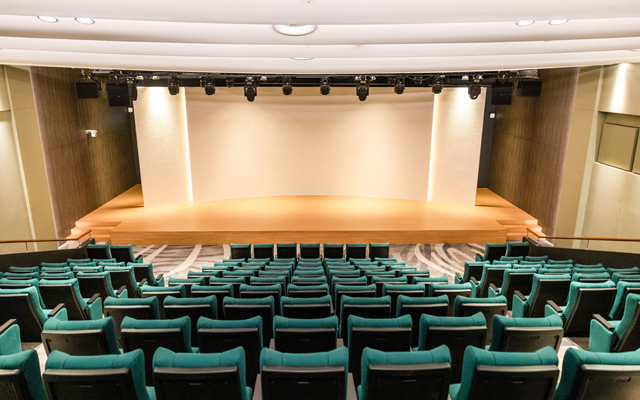
Green Canvas' auditorium; photo by Mandai Wildlife Group
Singapore’s Mandai Wildlife Reserve has opened a new events facility, Green Canvas, designed as a collaborative space “to canvas ideas for a greener and more sustainable world” within a lush, nature-filled environment.
Located in the eastern cluster of the reserve, the 3,500m2 of mixed-use facility comprises an auditorium, meeting space and two exhibition halls.
Green Canvas’ auditorium; photo by Mandai Wildlife Group
With tiered seating for 187 pax and a spacious stage, the auditorium is suitable for conferences, ceremonies and summits, as well as performances and other forms of entertainment.
The 350m2 meeting space can be used as four individual rooms, each with capacity for 20 pax in boardroom or banquet layout. Two rooms combined can accommodate 100 pax in theatre format, while four rooms combined is suitable for 350 pax in theatre format. Each room is equipped with the latest audiovisual technology to support both in-person and hybrid meetings.
The two exhibition halls are similarly flexible and adaptive, capable of being divided into two distinct areas or used as one space. It can hold 220 pax for gala dinners, or 700 pax theatre-style.
The pre-function lobby on level one is suitable for guest arrivals, registration, cocktail receptions or networking for up to 170 pax and offers direct access to the main exhibition halls. Another pre-function lobby, on level two, can accommodate 140 guests and is connected to the meeting rooms and auditorium.
A 50m2 VIP lounge furnished with a powder room can be used to host keynote speakers, dignitaries and other special guests.
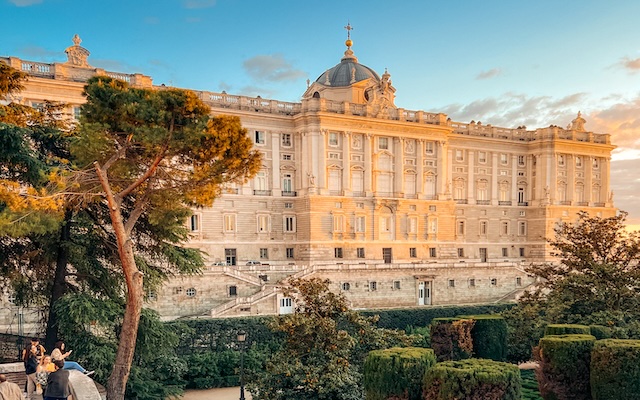
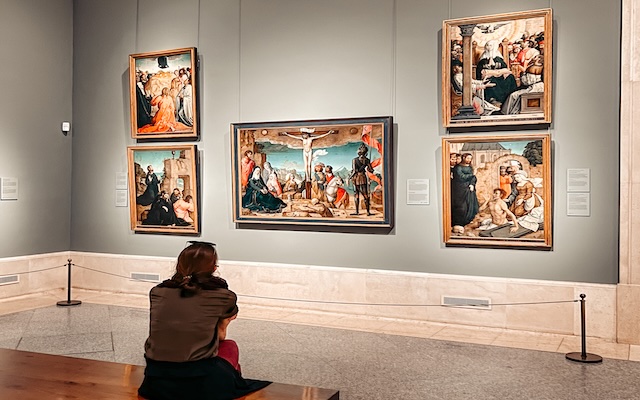
Madrid is a globally top ranked city for meetings with fast-growing sectors of fintech, digital health, mobility and energy
Home to world-class museums, rich culinary scene and architectural marvels, Madrid is a cosmopolitan city with a vibrant city life. It also has a welcoming business environment, and is a popular city for meetings.
Last year, the Spanish capital was named the World’s Leading Meetings & Conference Destination for the sixth consecutive year, while the 2025 AMEX Global Meetings & Events Forecast ranked Madrid second among Europe’s top meeting destinations.
Cosmopolitan and connected
What makes Madrid a strategic location is its blend of modern infrastructure, safety, and charm. The city offers 218 direct flight connections to destinations across the globe, making it one of Europe’s most accessible capitals. Its highly developed public transport network, pleasant Mediterranean climate, and diverse range of hotels, venues, and cultural attractions make it an easy and enjoyable choice for both organisers and attendees.
From grand convention centres and contemporary hotels to heritage buildings reimagined for corporate events, Madrid provides a versatile setting for meetings of all sizes. Coupled with its rich natural surroundings, exciting culinary scene and cultural heritage, the city offers an inspiring environment for MICE events of all kinds.
A thriving economic powerhouse
Driving the city is its strong economy – Madrid has the fifth-highest Gross Domestic Product (GDP) in the European Union and is Europe’s second-largest hub for cross-border greenfield investment projects. This economic strength translates into a solid foundation for hosting international conferences, exhibitions, and business events.
Home to the headquarters of more than 200 multinational companies, including several listed in the Fortune 500, Madrid’s diversified business landscape reflects its global importance. It also houses major international institutions such as UN Tourism, reflecting its strategic geographical location. Additionally, it provides excellent access to the European and African markets while its strong historical, cultural and linguistic ties connect it to Latin America.
The city’s entrepreneurial dynamism further amplifies its appeal. Madrid is home to more than 3,500 active start-ups, accelerators, and incubators, with a growing tech ecosystem, especially in fintech, digital health, mobility, and energy.
As Southern Europe’s telecommunications and data hub, it is also at the forefront of sectors such as cybersecurity, video games, and big data – industries actively supported by Madrid City Council.
This dynamic ecosystem not only drives innovation but also positions Madrid as a hot spot for MICE in these sectors.
Madrid is also known for its ease of doing business, thanks to its legal network and availability of highly qualified talent. The city has 11 Unique Scientific and Technical Infrastructures (ICTS), seven institutes for advanced studies, and 23 universities and business schools. This
its business-friendly credentials is the city’s strong legal framework and wealth of talent. With 11 Unique Scientific and Technical Infrastructures (ICTS), seven institutes for advanced studies, and 23 universities and business schools, Madrid boasts a pool of skilled professionals. This concentration of knowledge institutions, supported by an extensive network of science and technology parks, creates a conducive environment for collaboration and knowledge exchange.
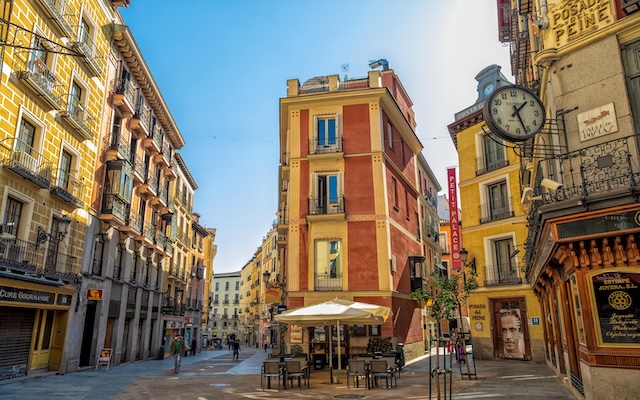
Madrid’s rich cultural heritage makes it a dynamic and interesting city for meetings
Elevating events
Meeting planners and organisers are well supported by the Madrid Convention Bureau (MCB). Two of MCB’s guiding pillars – respect for the environment and promoting sustainable, mindful events – have shaped the city’s MICE landscape in recent years.
The MCB is committed to providing the resources and environment to bring meetings and events to life, facilitating the transfer of knowledge and new business opportunities.
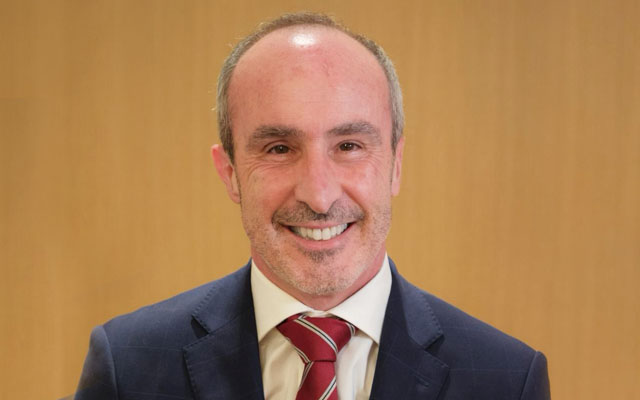
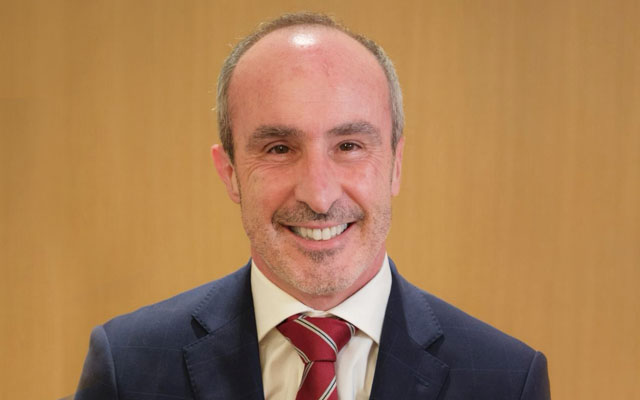
Qantas has appointed John Simeone to the newly created role of executive manager, offshore sales and alliances, reporting to CEO International Cam Wallace.
Simeone returns to Australia after nearly two years as CEO of Jetstar Asia, where he oversaw regional operations. With over 30 years in global aviation, he has extensive commercial experience across the Qantas Group, including a key role in restarting Qantas International sales post-Covid and a previous tenure as regional general manager, Asia, based in Singapore from 2019.
He will lead Qantas’ offshore sales teams and alliance partnerships, with regional general managers across the UK, Europe and South Africa, the Americas, and Asia, as well as the Alliances team, reporting to him. He will commence on December 1, 2025, with Nick McGlynn, Qantas Executive Vice President Asia, reporting to him.
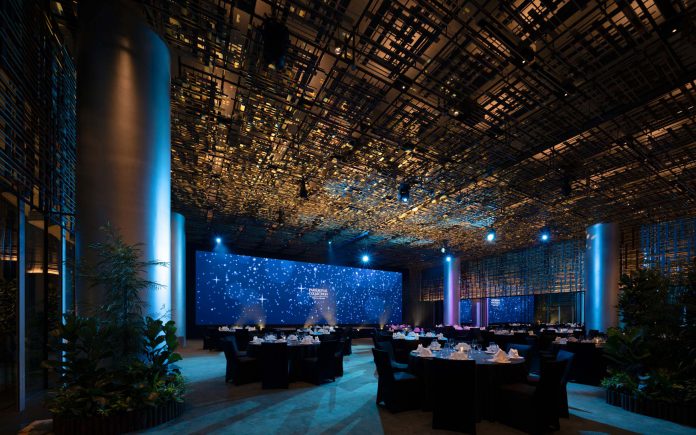
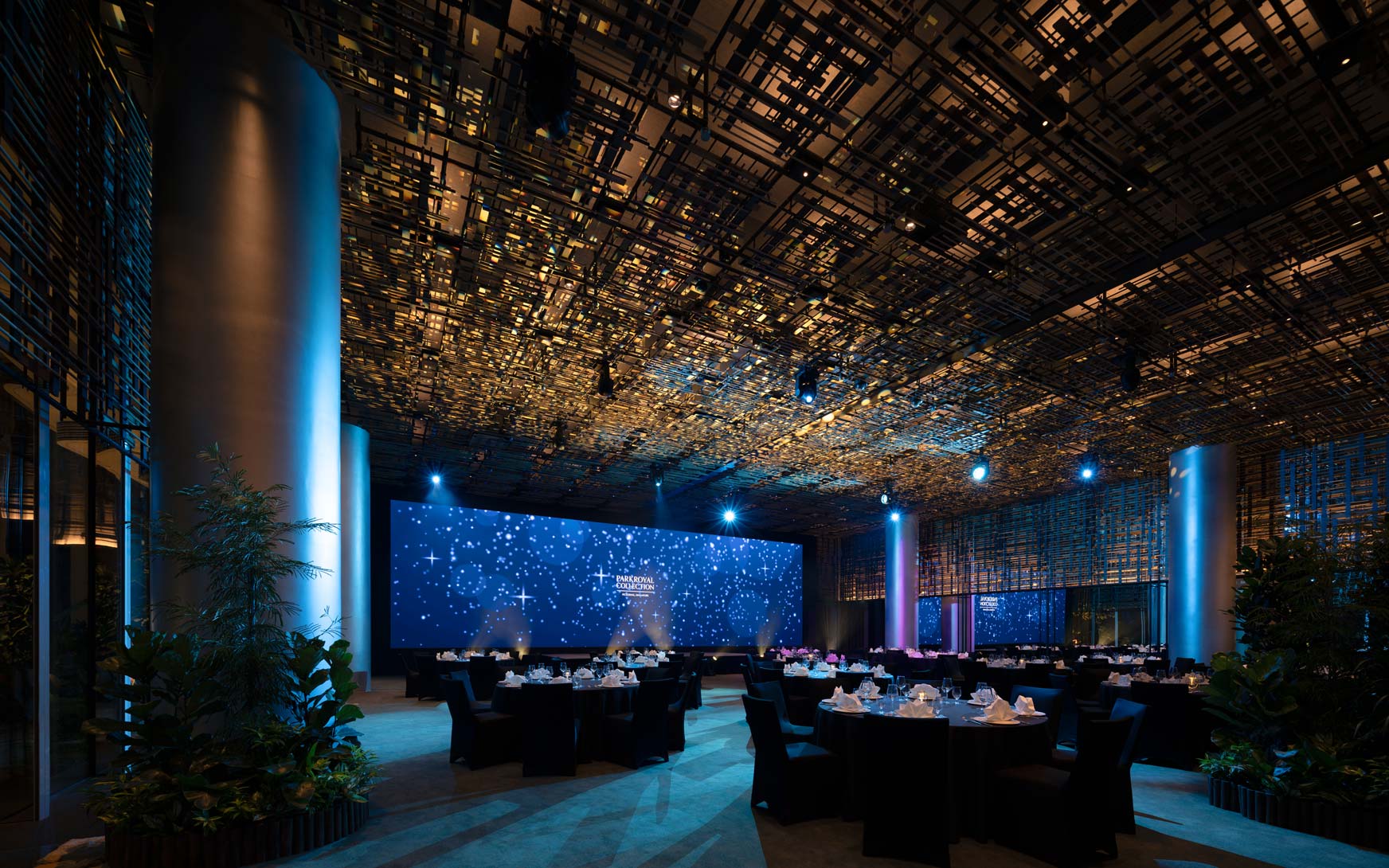
Waves of vibrant colours and an indulgent dining showcase leading with generous servings of caviar marked the October 30 relaunch of the events spaces at Parkroyal Collection Pickering, Singapore hotel. The revitalised venues are a result of a S$3.7 million (US$2.8 million) refurbishment, led by the same architectural firm, WOHA, that crafted the 12-year-old hotel’s iconic hotel-in-a-garden concept.
William Pickering Ballroom, Alexander Room and the shared pre-function area now blend the Parkroyal Collection brand’s signature biophilic design with cutting-edge LED displays and upgraded audio systems.
William Pickering Ballroom’s new audio-visual capabilities allow transformative and creative event settings
William Pickering Ballroom, where the relaunch party was hosted under the theme, The Caviar Concerto, is now outfitted with a 16m LED wall that nearly stretches floor to ceiling as well as two secondary screens. These screens allow events held in the space to provide commanding visual presentations.
In his opening welcome, Kung Teong Wah, general manager of Parkroyal Collection Pickering, Singapore, gave his guests a taste of the ballroom’s cinematic capabilities – a sound and light show demonstrated the venue’s ability to alter mood and setting through the use of different colours and creative projections.
The Caviar Concerto theme conveyed possibilities of luxurious event presentations at the hotel, which was among only seven hotels in Singapore to receive a Michelin Key recently.
The Alexander Room now boasts two 6m LED screens, providing a dramatic backdrop for smaller meetings and intimate celebrations.
The hotel’s biophilic design carries through the refurbished foyer and pre-function areas, now dressed in ombré carpets in deep green tones that offer a nature-inspired contrast against honey-toned ribbed teak cladding. This shared space also sports new dark mirrored ceilings that are said to evoke the quiet drama of a natural cave.
New technology additions are provided in the foyer and pre-function areas too – a new 4.2m LED panel doubles as a dynamic feature wall for event branding or photo moments.
Kung said the refurbishment carefully retained the “essence of the building”, creating a “harmonious connection between nature, space, and people”.
Alongside the hardware refresh, the hotel has also rolled out new programmes that cater to the growing desire among business event attendees for destination experiences, wellness inclusions, and responsible meetings.
With the Mindful Meetings, Meaningful Outcomes package, corporate groups can learn about the hotel’s sustainable food sourcing practices from a chef, enjoy farm-to-table menus crafted with ingredients harvested from the hotel’s on-site Urban Farm and sourced from local producers, and join wellness activities led by the hotel’s fitness trainer. As the day winds down, delegates can experience the hotel’s sleep ritual, which includes aroma and tea therapy.
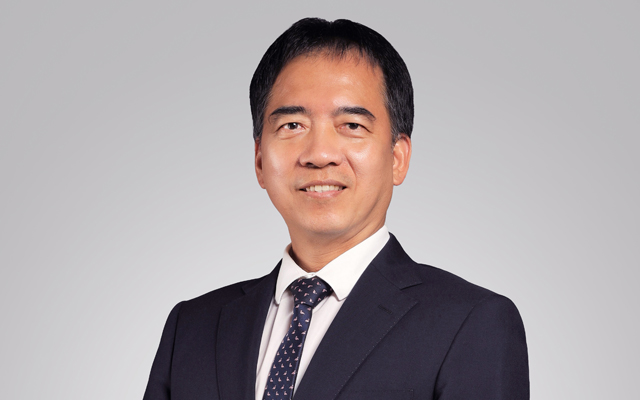
Business Events Sarawak (BESarawak) has appointed Hii Chang Kee as its new chairman of the Board of Directors, effective November 1, 2025.
Hii, currently the deputy Sarawak state secretary (operation) – overseeing public communication, service transformation, innovation, and the digitalisation of government services – steps into the role following the retirement of former chairman Abdul Karim Abang Openg, in August this year.
With over 30 years of experience in the public sector, Hii’s career is marked by a strong foothold in business events and tourism, having previously served as the permanent secretary of the Ministry for Tourism, Creative Industry and Performing Arts, and leading the formulation of the Sarawak Tourism Master Plan 2021–2035.
Recently, Hii chaired the Legacy Event Advocacy Policy Summit, which led to the Borneo Legacy Declaration, a landmark agreement endorsed by policymakers and influencers from Malaysia, Australia, the Philippines, and the UK.
Hii’s list of achievements includes serving on the Sarawak Tourism Board, Sarawak Arts Council, and Tourism Malaysia, where he contributed to projects like the Borneo Cultures Museum.
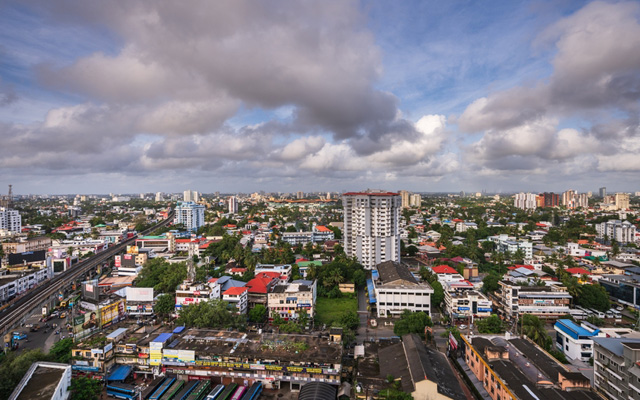
Kerala is working towards setting up a MICE Promotion Bureau in Kochi (pictured)
In a bid to strengthen India’s position as a global hub for business events, the Ministry of Tourism is urging state governments to establish city-centric MICE Promotion Bureaus.
The initiative is part of the union government’s larger strategy to grow inbound tourism by tapping into the lucrative business events segment.
Kerala is working towards setting up a MICE Promotion Bureau in Kochi (pictured)
On way MICE Promotion Bureaus would be helpful for cities, Suman Billa, additional secretary, ministry of tourism, said: “MICE is one of the low-hanging fruits to grow inbound tourism numbers. We need to create an ecosystem where stakeholders come together on one platform to promote destinations for business events. Such collaborative efforts will make our offerings more competitive.”
Under the proposed framework, states that set up city-specific MICE Promotion Bureaus. and commit funds to attract international conferences. will receive matching financial support from the government of India.
“If a state government identifies a conference they want to attract and pledges a certain amount, the Centre will match it dollar-to-dollar. Together, we can then pitch for these big conferences,” Billa explained.
Kerala has emerged as one of the early movers in this direction, where the state is working towards setting up a city-centric MICE Promotion Bureau in Kochi.
“We understand the importance of such bureaus and are hopeful that this will soon become a reality,” said Sikha Surendran, director, Kerala Tourism.
Billa believes a strong business events strategy will not only boost inbound numbers, but also help India overcome tourism seasonality.
“MICE will bring in high-spending tourists and position India as a 365-day destination. Countries like Germany have successfully leveraged MICE to generate demand even during off-seasons such as their winter months. India too, can benefit from this model,” Billa added.
Incentive travel trends among Indonesian corporates are shifting in response to economic pressures, with companies opting for more frequent, smaller-scale trips to closer destinations.
Several outbound travel companies in Indonesia that TTGmice spoke to noted that while the overall number of incentive trips was up, budgets have been significantly reduced, sometimes by up to 20 per cent. Group sizes have also shrunk.
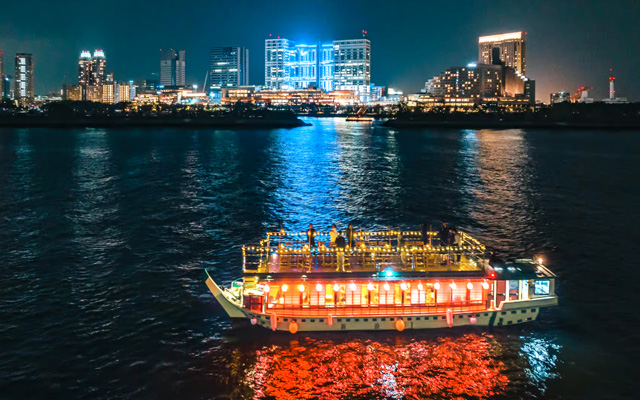
Yakatabune Dinner Cruise in Tokyo
Vidya Hermanto, CEO at Panorama JTB Tours Indonesia, said: “We are handling more groups this year than last, however, they are seeking shorter durations and destinations to fit tighter budgets.”
She noted a significant drop in demand for Europe, and virtually no interest in the US. In contrast, China is booming in popularity, and Japan remains a favourite.
Vidya said that companies were sending fewer achievers. For example, a company that sent 40 staff last year might only send 25 now.
Anton Thedy, managing director of TX Travel, shares a similar view, as well as a growing number of inquiries for 2026.
He shared: “When business slows down, companies often motivate their sales teams by lowering targets and increasing the number of incentive trips, but to more economical destinations.
“One of my clients who normally runs two large trips in a year has now increased their trips to six smaller ones to motivate their team.”
Anton is also seeing a lack of demand for the US and Europe, while Malaysia, Thailand, and in particular China were popular, budget-friendly choices.
“China has products that fit the low, mid, and top tier achievers,” he said.
Some luxury-focused trips are still happening, according to Richard Mulyanto, international events and incentive manager at Golden Rama Tours & Travel.
He sent several high-end groups to Europe and the UK, but observed that clients who had not met their targets either postponed their trips or redirected them to Asia and Australia.
Stephanus Sumarli, owner of Xpert Indonesia, also confirmed that short-term programmes were being postponed or rerouted.
“The main challenge for us now is securing new programmes as clients are in a ‘wait and see’ mode,” he said.
Despite the reduced budgets, travel companies are committed to maintaining a high standard of experience.
Even when a destination was switched from Europe to Asia, the service level, including the hotel category, remains consistent, stated Stephanus.
Meanwhile, Richard emphasised it was important to offer new and unique activities to keep trips memorable. For instance, Golden Rama has included special experiences in their itineraries, such as a Yakatabune Dinner Cruise in Tokyo and a spectacular show in Chongqing, to ensure the trips remain exceptional despite the budget constraints.
Just 10 minutes from Phuket International Airport on the serene northern coast, this 178-key, Bill Bensley-designed resort offers delegates a quiet, tropical paradise steeped in Phuket’s tin-mining heritage
The newly-opened Ritz-Carlton, Bangkok anchors the One Bangkok development with cosmopolitan elegance. Featuring the city's largest ballroom and a spectacular new penthouse suite, it delivers exceptional hardware and deeply authentic, soulful service for business and leisure travellers alike
Behind the imposing, Brutalist concrete that defines Zurich’s Oerlikon district lies a surprising secret. While its exterior honours the neighbourhood’s industrial roots, stepping inside Mama Shelter reveals a vibrant, neon-soaked world that is a far cry from its rigid shell




 He will lead Qantas’ offshore sales teams and alliance partnerships, with regional general managers across the UK, Europe and South Africa, the Americas, and Asia, as well as the Alliances team, reporting to him. He will commence on December 1, 2025, with Nick McGlynn, Qantas Executive Vice President Asia, reporting to him.