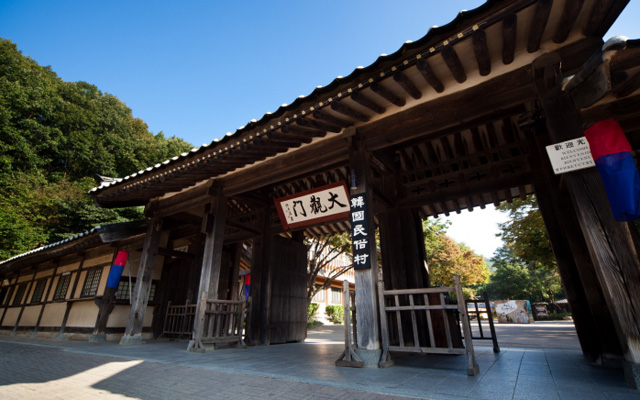
The Korean Folk Village in Gyeonggi-do is a Unique Venue. Photo credit: Korea Tourism Organization
The Korea MICE Bureau, under the Korea Tourism Organization (KTO), has updated its Covid-19 support programme for international conventions to provide extra assistance due to Covid-19.
The updated support now takes hybrid and online events into account. As such, more international conventions would now be eligible, as the previous criteria depended on whether the convention was hosted by an international organisation or not.
The Korean Folk Village in Gyeonggi-do is a Unique Venue. Photo credit: Korea Tourism Organization
Under the new criteria, conventions must have a minimum of 100 total attendees with at least 50 foreign attendees, and the event must last a day or longer. Further, online, offline and hybrid meetings all qualify, and the total attendee count will include both online and offline attendees.
International conventions which satisfy the above criteria are further separated into A and B Type events depending on the event start date. The amount of support provided will vary depending on the type and size of the event.
Conventions with a starting date between November 10, 2020 to June 30, 2021, will fall under Type A, and events with a start date between April 13 to November 9, 2020 will fall under Type B. The application deadline for Type B events is December 10, 2020.
In addition, extra support has been thrown in, such as support towards digital technology use during the event, support for venue rental and labour costs related to Covid-19 prevention, support for events held at Unique Venues and more.
Fairmont Sanya Haitang Bay, Accor’s first flagship Fairmont Resort in Greater China, has reopened after extensive renovations to the property.
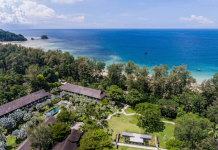
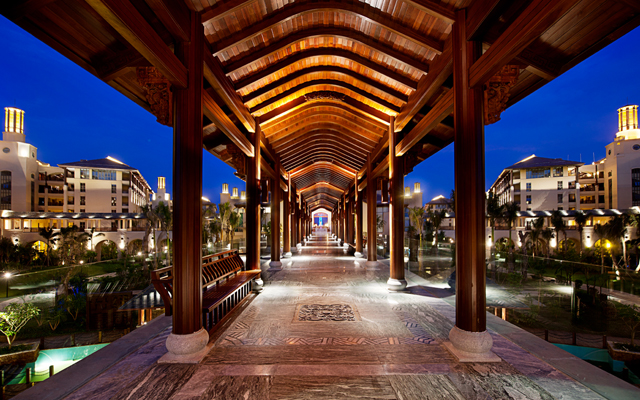
Fairmont Sanya Haitang Bay
The resort offers 523 guestrooms and suites as well as residential apartments, with some of these accommodations set within a new Fairmont Gold Tower. Fairmont Gold is the brand’s lifestyle concept of a ‘hotel within a hotel’ providing the highest level VIP services for guests.
Event planners may avail the 1,500m² pillarless ballroom, nine meeting rooms, and a VIP function room. After a day of conferences, delegates can choose to unwind in the Willow Stream Spa, or head to one of the three outdoor swimming pools or gym for a workout.
Other facilities include a kids’ club, Fairmont Gold Lounge, a nine-hole golf course, as well as three F&B options – the all-day dining Restaurant Veranda, Chinese Restaurant Yuen Court for fine Cantonese cuisine, and Ocean Lounge for tapas and drinks.
students who are working adults will learn first-hand from our industry experts in the classroom
The Singapore University of Social Sciences (SUSS) has signed an agreement with the Singapore Association of Convention & Exhibition Organisers & Suppliers (SACEOS) to build stronger capabilities for event management practitioners through the joint development of training courses.
SACEOS will contribute to the overall curriculum and develop five new modules such as financial and risk management for events, trends and technologies for events, event ideation and conceptualisation for SUSS’ BSc Events Management with Minor programme.
Students who are working adults will learn first-hand from industry experts
These new modules will impart students with practical skills and insights of real challenges emerging from the Covid-19 pandemic such as risk impact resulting from event cancellation and postponements, and effective systems thinking capabilities to solve complex problems.
Students will be able to redesign events into a virtual or hybrid model, and implement latest safe management measures to run events effectively.
The programme also weaves in online channel creation and management, virtual and augmented reality courses, while imbuing versatile and portable skillset such as marketing, communication, critical and creative thinking as well as financial planning.
This Bsc Events Management with Minor programme will be the first for the MICE industry conferred by a Singapore university, and will start in July 2021.
This partnership aligns with the Event Industry Resilience Roadmap recently launched by SACEOS together with the Singapore Tourism Board and Enterprise Singapore. It is the world’s first roadmap for the MICE and Event industry whereby a key pillar is to build capabilities for the future to support livelihoods and enterprise resilience in the sector.
Business events traditionally have provided valuable opportunities for organisations and individuals to come together, showcase solutions, and build strong professional networks.
At the same time, the need for in-person gatherings is constantly being re-evaluated as the new normal created by the Covid-19 pandemic evolves.
Virtual conferences are here to stay
Many enterprises have realised they can reap the benefits of hosting an event without having people come together physically. Organisations that stay ahead of the curve have taken their events virtual.
Virtual events enable organisations to reach larger audiences, expand geographical reach, and the ability to track and extend the life of all interactions. While in-person events have had virtual components built-in for some time, Covid-19 has raised the stakes for event organisers to go virtual, and accelerated the adoption of video streaming technologies and solidified the future of events is going to be a hybrid mix of the physical and virtual.
Event planners and marketers now have more ROI opportunities due to the nature of hybrid and virtual events. Many event technologies today are built for revenue generation, and virtual or hybrid events produce revenue through multiple streams – each of them providing a broad range of monetisation possibilities.
Maximise sponsor recognition
Some of the most successful sources of event revenue include sponsorship of the event, particular tracks or sessions, speaking slots, exclusive closed-door discussions, or branded sponsor overlays on the video player.
Whether presented as a sponsorship menu, tiered package, or an a-la-carte menu that businesses can pick and choose from, virtual and hybrid events represent a valuable opportunity for sponsors to build brand awareness and generate high-quality leads from a greater pool of audience across the world.
Offer premium content
A premium content model provides important flexibility in terms of how companies structure virtual events. Give attendees the opportunity to pay for access to highly valued or in-demand content. Alternatively, create a tiered structure through which multiple pricing levels are provided where increasing amounts of content is made available depending on the tier.
Another option is to organise content by track and allow attendees to pay for access to tracks that are of particular interest providing a more personalised experience.
Create exclusive and premium networking opportunities
Although networking at virtual and hybrid events looks different than in-person events, there is still an opportunity to create meaningful virtual experiences by taking full advantage of the flexibility and possibilities for mass personalisation that virtual formats offer.
For instance, participants at physical events are often shuffling from one talk to another, or jumping from a conversation with one individual to another, with no guarantee of meaningful interaction. Ensure your virtual events enable participants to strike up a conversation with someone within a simple click for a meaningful interaction or conversation that both participants will remember, with the opportunity to follow up shortly after.
Extend the lifecycle of virtual event content
Even after the virtual event has concluded, presentations and speeches by speakers and sponsors are valuable assets for promotional and educational purposes. Make these assets available to participants after the event has ended for an additional fee and charge new on-demand attendees a premium to consume the content.
Thematic panel discussions can also be re-packaged as an online course series following the event, stored in a digital library and charged for access to generate on-going revenue and provide additional value to existing subscribers.
Share post-event video analytics and data
Lastly, one of the reasons why video is so powerful for organisations is that it provides detailed and actionable data to help shape planning and decision-making for the future. This is especially true for virtual events which provide a plethora of information on audience behaviour as well as the performance of content.
Monetising post-event video analytics also brings value for event participants. Executive leadership, sales and marketing, research and development, sponsors and vendors, speakers, and presenters, will find that this data provides a powerful look into the interests and behaviours of customers and prospects.
The most important point to remember is that virtual events are fundamentally different from in-person events. For purposes, like knowledge and content sharing, virtual events perform better than the physical version. The key to monetising your virtual event lies in exploring all the above opportunities to provide utmost value for sponsors, while completely reimagining how you connect with audiences.
The world eventually will be able to get together again in person, but video will always remain central to the mix, because businesses have discovered video enables them to expand their reach online and go beyond the limitations of a physical conference room seating.
The future belongs to the hybrid model – and the sooner you get up to speed on the virtual part, the better.
Greg Armshaw, Brightcove’s senior solutions sales director, Asia Pacific, helps to build businesses with video. He designs and delivers workshops and programmes – themed around facilitating the acquisition and retention of customers, and maximising revenues – with a company’s business goals as the focus.
Singapore has been chosen to “host” the 2020 Alzheimer’s Disease International (ADI) Conference after the organisers, who cancelled the physical event earlier this year, launched a new global RFP to develop a virtual format for the same December 10-12 dates.
Endorsed by the World Health Organization, ADI is a federation of 120 global members and the biennial conference is one of the world’s largest on the subject, according to Kenny Goh, founder of MICE Neurol, a Singapore-based event-tech company, which clinched the RFP.
A screenshot from the ADI 2020 page
Goh commented: “Singapore’s excellent physical infrastructure helped to clinch the physical event. The event returning to Singapore in a digital format and the appointment of a local player to manage such a prestigious event is a compelling testimony of the city’s digital transformation over the years.
“ADI’s endorsement is a boost to Singapore’s efforts to be the centre of global events because future events are likely to be hybrid – physical and digital.”
During the three-month RFP selection process and numerous custom demonstrations, Goh said MICE Neurol acquired extensive knowledge on what mattered to event owners and how they evaluated competencies.
On the scale of the three-day event, Goh said more than 1,000 members submitted “abstracts” to drive conference content. There will be 500 presentations – comprising oral sessions, pre-recorded sessions in three languages for a total of 150 hours, and three hours of live sessions with simultaneous interpretation.
Some 1,000 delegates from more than 100 countries are expected to participate virtually.
Goh noted: “The 2020 conference is the biggest to-date and the most complex to be organised with the queens of Spain and Sweden attending, and Singapore’s president as a speaker.”
The MICE Neurol team, Goh said, had organised 48 digital events in the last six months compared to six in the last three years, where it provided expertise in both the travel and digital domains, and played the role of “integrator” and quality control enforcement.
“The war now is between digital and analogue and the industry must groom event ‘architects’ and ‘engineers’,” Goh observed.
The shift towards digital events, he noted, explained the “glaring results” of a survey of event organisers who did not know how to cost such events, and who also did not understand what happens when analogue meets digital.
The Malaysia International Trade and Exhibition Centre (MITEC) will temporarily halt its operations from December to minimise operating losses due to Covid-19.
MITEC’s CEO, Gunther Beissel, said in a press statement that the decision to temporarily cease operations was not made lightly.
MITEC began operations in 2017 and is the largest trade and exhibition centre in Malaysia
He shared: “We did everything in our power to support a safe and sustainable reopening of our venue after the MCO was lifted in July 2020, from implementing robust health and safety measures at our venue to joining our industry in making a collective commitment to the Business Events safety protocols for organising events.”
The venue has implemented a transition strategy which includes the retrenchment of 90 employees. To ensure its sustainability, MITEC will be retaining a core team of nine employees, said Beissel.
MITEC is also assessing its staffing needs based on future bookings and the local business environment, while continuing to monitor the situation.
Correct execution, constant reassuance, and clear messaging are what destinations and MICE suppliers need to focus on during this period of travel restrictions and border closures, to stay at the top of buyers’ minds.
Such actions also help brands be prepared to pounce once the global market moves again, said independent tourism communication specialists.
A critical message to convey today is the destination’s ability to contain Covid-19, opined Paul Hicks, founder and chairman of GHC Asia.
He said: “Destinations and MICE suppliers will first have to demonstrate that they have the disease under control, and thoroughly review the protocols of how they operate with increased hygiene, cleanliness and a degree of social distancing to mitigate any health risks.”
In their bid to stay visible, brands must also ensure that their communications are not tone-deaf and executed at the right time, advised Felicity Zadro, managing director of Zadro Communications. She added that there is also value in telling stories of their people, brand promise, care, and effort.
When asked for examples of brands that have managed their crisis communications well, Hicks pointed to the cruising industry “because they have a greater reassurance job to do”.
For instance, Norwegian Cruise Line Holdings teamed up with Royal Caribbean Group to launch the Healthy Sail Panel, which has just recommended to the US Centre for Disease Control a range of health and safety protocols.
“It’s well thought out, and goes much further than any other areas of the travel industry. It’s likely to help cruise resume more quickly and (may be) taken as the gold standard across the travel industry,” he opined.
For Zadro, the Professional Convention Management Association stands out, for launching a fresh research piece which offered regional insights about the current MICE situation.
“They took those insights and developed practical sessions as part of their Convening Asia-Pacific: The Global Recovery Forum. This is information plus action, playing up to their brand promise and relevance in the sector,” she elaborated.
While there seems to be no daylight to break this long winter spell, Hicks said this would eventually come to pass, and “there is absolutely no doubt that people will still want to travel”.
He advised companies to use the time to analyse and refocus their brands, get their communications strategy in order, and make sure that messages used before will still resonate in the future.
Zadro recommended a six-step framework for managing communications through the pandemic and beyond: Response, Recovery, Reimagination, Relationships, Rebuild, and Results. These stages aren’t lineal, for every company would be going through them at different paces. Aside from offering insights and directions, the stages were designed to be thought-provoking and spark conversations among teams.
“Keep your name and your destination out there and in people’s thoughts, let them dream and yearn to come back. And they will. Because when the industry makes its comeback, those with the louder voices will (stand to gain more) market share,” Hicks concluded.
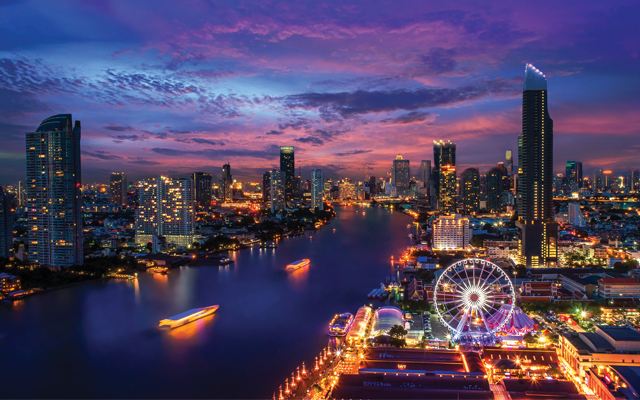
Thailand Convention and Exhibition Bureau
Before the pandemic went global, the Thailand Convention and Exhibition Bureau (TCEB) set up an online MICE Covid Info Centre for its stakeholders in early February, a platform where situational updates and recommendations are provided. It allows the bureau to keep international clients and domestic operators up to date on official government statements that shed light on how the kingdom is dealing with the crisis.
And as the crisis deepened, TCEB worked closer with both the public and private sectors to tackle pain points of the industry, especially in helping stakeholders keep their business going when business events came to a standstill. Among its efforts are relaxed qualifying criteria for supported business events and funding for venues to beef up their hygiene practices. Financial aid was also provided to help the domestic MICE sector kickstart the economy.
An extensive communication campaign was also deployed to connect and engage with customers. The campaign sought to shape the idea of safety around events, as well as gain an understanding of market trends and client concerns to facilitate the creation of useful packages.
Through its messages, TCEB encouraged industry stakeholders to stay positive and move forward, as well as suggested business models to adopt post-pandemic.
And as the pandemic started to stabilise, TCEB moved into recovery planning. It collaborated with local associations to develop a standardised MICE hygiene protocol, with standard operating procedures (SOPs) at each touchpoint, starting from the airport, through to the DMCs and hotels, until the customers depart Thailand. With these SOPs, TCEB successfully lobbied the government to reopen the MICE sector. – Rachel AJ Lee
Serene Kuching Waterfront in Malaysia
Business Events Sarawak
Business Events Sarawak (BESarawak) stood as an emotional pillar of strength and positivity for those in the business events sector throughout the Covid-19 pandemic.
Its messages reflect strength and positivity, and centred on the community – in line with BESarawak’s branding around the ‘tribe spirit’.
Amelia Roziman, acting CEO, BESarawak, also emphasised the importance of the bureau’s dual role of an active listener and voice of the industry. This allowed BESarawak to take the concerns and challenges of stakeholders to the relevant government ministries, which in turn led to solutions to alleviate the hardships of the industry during such trying times.
In July, following the government’s decision to restart business events in the country, BESarawak organised its first hybrid event known as Tribal Gathering 2020, where it launched the Business Events Sarawak Incentivised Packages.
The hybrid format allowed industry partners from outside the state to witness the event virtually, from the comfort and safety of their offices and homes. It also served to communicate to business event organisers and the industry at large that Sarawak is ready for the future of events – the destination has the digital infrastructure and event technology specialists to successfully execute a hybrid event, should event organisers choose such a format in the future. – S Puvaneswary
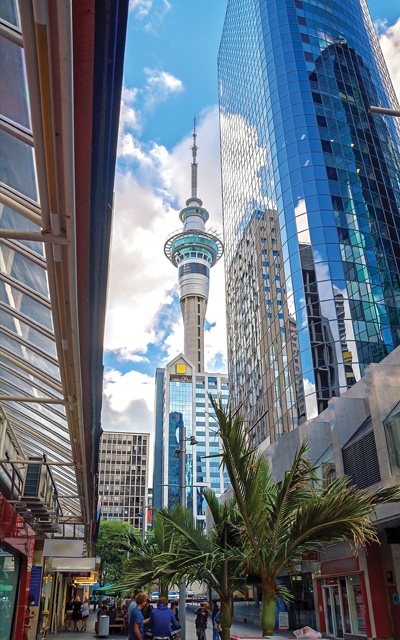
Auckland’s landmark Sky Tower rises in the background
Conventions and Incentives New Zealand
New Zealand’s can-do attitude in navigating the pandemic showed through its peak business events body Conventions and Incentives New Zealand (CINZ), which lobbied the government for aid and kept communication channels open with industry stakeholders.
While MEETINGS – CINZ’s annual tradeshow in April – had to be cancelled, the bureau launched a recovery plan in the same month and announced it would host a new one-day industry showcase called BE Reconnected in Auckland on December 1, aimed at kickstarting the NZ$5 billion MICE industry. Instead of an expansive programme and exhibition floor, the event would prioritise conversations and relationship-building.
CINZ also announced a partnership with Business Events Council of Australia in June, followed by a strategic agreement in July with the Professional Convention Management Association to stay connected with Asian industry players. A voluntary Covid Code was also introduced to help the government with contact-tracing processes.
CINZ chief executive Lisa Hopkins has been leading the public charge for the recovery of business events in the country. She remained visible in trade and local media as well as in government sectors to highlight the issues facing the industry.
After a second wave of Covid cases and a return to gathering restrictions in August, Auckland has at press time entered into Alert Level 1, which enables unrestricted domestic meetings across the country. This is expected to give decision-makers the confidence needed to plan and book events again.
New Zealand’s business events sector has a new name for its peak body, Business Events Industry Aotearoa, reflecting its distinct role within tourism and events. – Adelaine Ng
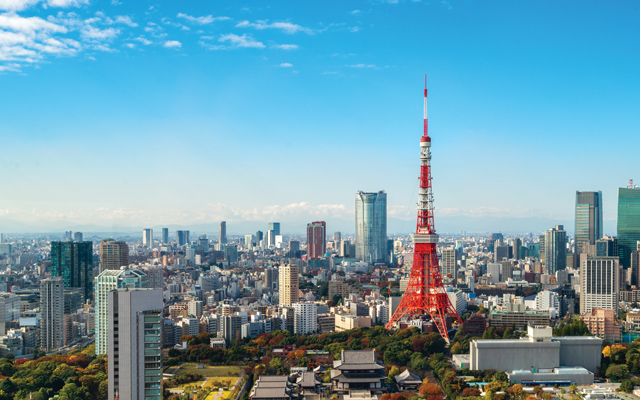
Japan’s iconic Tokyo Tower
Tokyo Convention & Visitors Bureau
Since the outbreak of Covid-19 in Japan, Tokyo Convention & Visitors Bureau (TVCB) has been working to bring situational updates to planners and business partners through news posts on its Business Events Tokyo homepage. These updates include newsletters, posted in March and July, which outline rules and guidance on domestic movements and gatherings from the Japan Convention Management Association, Japan Exhibition Association and other key organisations.
In addition, TCVB launched a new webpage, Tokyo Updates Towards the New Normal, to raise awareness of activity in recent months. Set up with Tokyo business events stakeholders, the page introduces guidelines aimed at making Tokyo safe for international conferences and corporate events, as well as bear messages from Tokyo partners and examples of best practice in the new normal of events – remote and hybrid meetings.
It presented examples of Tokyo’s first fully remote conference – the 120th Annual Congress of Japan Surgical Society – which welcomed more than 19,000 registrations from Japan and overseas, and a hybrid meeting of the Japanese Association for Infectious Diseases which was attended by 600 people in-person and 2,400 online. – Kathryn Wortley
Scenic Pyeongchang Samyang Ranch in South Korea
Gangwon Provincial Office
Gangwon Province is boosting its destination branding online, riding on the wave of heightened Internet usage throughout the pandemic and restricted movements.
Jeong Il Sub, general director of culture, tourism and sport bureau, Gangwon Province, said online branding not only enhances destination knowledge, it also communicates Gangwon’s readiness to welcome visitors when international borders are reopened.
Jeong added that many previously undiscovered places in Gangwon Province were introduced through multiple online channels, fuelling international interest.
Branding campaigns now focus on wellness themes and include a multilingual video series promoting key attractions under the Clean Gangwon slogan. Gangwon is also working with global influencers and the media to market the destination.
Supporting these communications are webinars and online destination training as well as virtual trade fairs and live-streaming events that engage industry stakeholders.
Gangwon’s visibility is further enhanced by its hosting of the East Asia Inter-Regional Tourism Forum. Along with fellow member provinces, Gangwon maintains a joint risk management system that distributes timely destination updates throughout the pandemic. – Therese Tan
Technology has been an important enabler in the adoption of flexible working arrangements
Regional and global business travel for meetings and events was severely limited as a side effect of Covid-19.
Countries such as Singapore are piloting business travel passes, enabling selected senior executives of organisations to travel to a range of countries, thus allowing regular activities to resume. While virtual meetings and events became the substitute for in-person interactions, polls have concluded that professionals find live events to be more effective and intend to return to this format to some degree when the virus is no longer a significant threat.
Technology has enabled flexible working arrangements, and such virtual components are likely to be retained for future events
The pivot to virtual events in the MICE industry has presented planners with the opportunity to incorporate new digital experiences into events and conferences to make these gatherings more meaningful and effective.
These new digital technologies range from integrated event management solutions to augmented reality events. As in-person events resume in the next year, many will retain the virtual components adopted during the pandemic to enhance and improve the overall experience. This approach will also ensure that wider audiences can be reached as business travel slowly returns to pre-Covid levels.
As a result of the current travel restrictions, the majority of former business flyers in Singapore are continuing to conduct business meetings from home.
Technology has been an important enabler in the adoption of flexible working arrangements by empowering unprecedented collaboration in the workplace and revolutionising the way that colleagues and clients communicate and share data.
A Barco ClickShare survey revealed that 78 per cent of employees strongly supported tech-enabled meetings that allowed the participation of remote joiners. The pandemic has shown how efficient cross-collaboration between colleagues, regardless of geographical location, can ensure the sustainable spread of globalisation and international business practices.
Organisations have adopted hybrid models of conducting meetings globally and have reaped the productivity benefits of video conferencing tools. It should continue to do so due to the uncertainty of the spread of Covid-19 which will affect when travel bubbles between various countries will be established as well as when travel bans will be lifted.
Organisations which saw their revenues hit by lockdowns realised that travel budgets could be cut less painfully than headcount. In addition, as more companies unveil “nett zero” pledges to reduce their emissions, another factor has entered the equation: reining in business class flights is a fast way of shrinking corporate carbon footprints.
Meanwhile, the nature of remote employees will lead to more frequent physical meetings in the future. Those who are offsite by default are going to want human connection at some point which will increase the desire to travel for the purpose of team bonding and other social activities.
In conclusion, recovery for the MICE industry will not be immediate but instead will be in phases.
As countries pilot business travel pass and large scale MICE events in the next few months, businesses must ensure that they are prepared for the future of workplace that is emerging by adapting to the changes technology is bringing and start thinking about the essentiality of business travel on their business operations and competitiveness as a business.
As the managing director of Barco South-east Asia, Gan Ta Loong is responsible for revenue and operational management at Barco South-east Asia and Taiwan. While overseeing the business and operations focusing on the healthcare, enterprise and entertainment segments for Barco in the region, Gan is also the vice president for ProAV, events, virtual reality and simulation segments for Barco across Asia Pacific.
Global TMCs look set to emerge from the Covid-19 pandemic in a better shape, as they move towards closer client partnerships, new pricing models that benefit all parties, and continued innovations.
Jo Sully, vice president and regional general manager, Asia Pacific, American Express Global Business Travel, observed that “a true partnership approach” by TMCs and clients is now key.
TMCs are still working hard during this period to assure clients of their stability
“Objectives must align, risk must be shared and both must be adaptable to change,” she said.
And with service needs changing, new pricing models have to be trialled.
Matthew Stewart, managing director, BCD Travel, Singapore noted a growing demand for information on health and safety measures by governments, airlines, at airports, etc – services that are not remunerated by the old model.
“Navigating the new future of business travel and the anticipated requirements from organisations and travellers, we need to come up with new ways that compensate us for the costs of that service,” Stewart said.
CWT has been testing new pricing models for various RFPs and Akshay Kapoor, head of APAC sales, reports the response so far “has been extremely positive”.
According to Kapoor, CWT has been piloting a number of trials with select customers for some months, focusing on new pricing structures, including fixed and variable pricing, “to tap the opportunity for a win-win model for the customer and provider and to form the basis for future pricing strategies”.
What is also trending, according to Tristan Smith, vice president of commercial, SMEs, Egencia, is “a shift in the focus of travel programmes away from cost control and return on investment towards risk management and employee experience”.
Smith commented that the travel manager is emerging from the pandemic with more responsibility for risk management and employee wellbeing, in partnership with executive leaders.
“Together they are being asked to reshape systems, policies and technology to reflect the organisation’s shifting priorities,” she pointed out.
Meanwhile, Bertrand Saillet, managing director, Asia, FCM Travel Solutions, has observed an increase in “outsourced travel resources” enquiries – from the end of 2H20202 – with travel being switched on, albeit slowly and primarily domestic, with lower resources”.
The outlook for 2021, Saillet said, is “the ongoing need for outsourcing travel due to the shifts and changes in the travel industry and the leaner/smaller corporate procurement teams which are not resourced or equipped to navigate some of the newer changes we are seeing”.
To ensure client confidence, FCM has “continued to invest in critical activity, including product research and development, given that many of our customers have continued to travel and many other companies have engaged with us to re-assess their programmes or options”.
“We have also continued to invest in implementation and in account management to really understand how our customer’s needs hierarchies have changed due to the pandemic,” he told TTGmice.
In July, it launched Traveller Hub, an interactive Covid-19 travel resource. In October, Flight Centre’s Innovation Community launched the AI Reporting Tool to help travellers visualise information and turn it into actionable insights.
Likewise, BCD’s Stewart said the TMC – which had reinvested 35 per cent to 40 per cent annually into the company over the last five years – would continue to do so despite the sharp drop in earnings, especially in innovative solutions.
Just 10 minutes from Phuket International Airport on the serene northern coast, this 178-key, Bill Bensley-designed resort offers delegates a quiet, tropical paradise steeped in Phuket’s tin-mining heritage
The newly-opened Ritz-Carlton, Bangkok anchors the One Bangkok development with cosmopolitan elegance. Featuring the city's largest ballroom and a spectacular new penthouse suite, it delivers exceptional hardware and deeply authentic, soulful service for business and leisure travellers alike
Behind the imposing, Brutalist concrete that defines Zurich’s Oerlikon district lies a surprising secret. While its exterior honours the neighbourhood’s industrial roots, stepping inside Mama Shelter reveals a vibrant, neon-soaked world that is a far cry from its rigid shell





 Greg Armshaw, Brightcove’s senior solutions sales director, Asia Pacific, helps to build businesses with video. He designs and delivers workshops and programmes – themed around facilitating the acquisition and retention of customers, and maximising revenues – with a company’s business goals as the focus.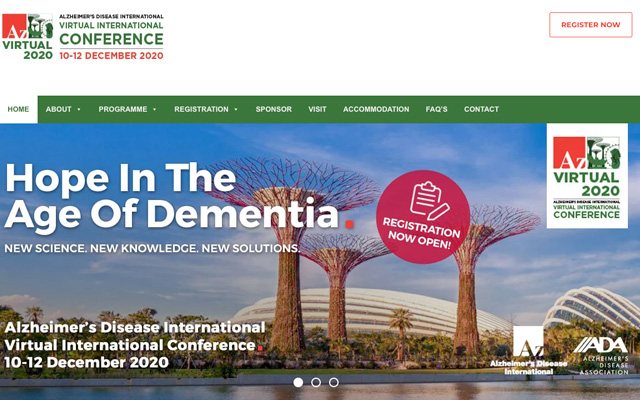





 As the managing director of Barco South-east Asia, Gan Ta Loong is responsible for revenue and operational management at Barco South-east Asia and Taiwan. While overseeing the business and operations focusing on the healthcare, enterprise and entertainment segments for Barco in the region, Gan is also the vice president for ProAV, events, virtual reality and simulation segments for Barco across Asia Pacific.