Asia/Singapore Thursday, 23rd April 2026
Page 559

Navigating the digital shift

0

Hot idea
Balance social distancing with cybersecurity by conducting an internal audit of your technology providers. When it comes to hosting virtual meetings, ease and efficiency doesn’t always translate to safe and secure

Brief
When Singapore’s coronavirus lockdown, dubbed as the “circuit breaker”, was announced in April, it put a brake on all live events and public gatherings.

What ensued was a tsunami of online meeting requests, WebEx calls and webinar invitations, as the business events industry hastened its pivot to the virtual world – and the Singapore Association of Convention & Exhibition Organisers & Suppliers (SACEOS) was no exception.

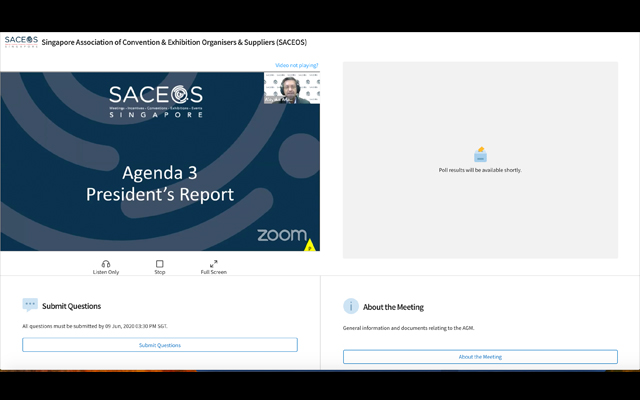
The SACEOS secretariat worked in record time, cutting through red tape, to host its annual general meeting (AGM) online in June — a first for the 40-year-old association.

Highlights
Like most associations, the SACEOS AGM provides one of the few opportunities for members to voice their concerns, engage directly with the executive committee, and – most importantly – cast votes to affect leadership and constitutional change.

Protecting members’ voting rights was thus a key priority for the secretariat, and finding a tech provider that integrated e-voting, file sharing and live webcast functionality – all within budget – was no mean feat.

Cybersecurity was also high on the agenda to ensure votes could be properly validated and internal auditors could have video access to the meeting to observe proceedings.

“Navigating the virtual meeting space right now is a minefield,” SACEOS president, Aloysius Arlando, said. “We know from our members that many event professionals struggle to stitch together multiple technology providers behind scenes to meet client needs. For small teams, this isn’t always feasible.”

SACEOS worked with board management software provider, Azeus Convene, to create a customised platform that lives up to its goals of transparency and inclusion, and meet the government’s code of conduct for AGMs held amid the “elevated safe distancing period”.

“We employed a rigorous evaluation process when selecting a technology provider to ensure the platform was secure and allowed our meeting to remain compliant with the governing laws for societies in Singapore,” Arlando said.

The result was a pioneering virtual model that allowed members to securely submit proxy votes and questions ahead of time.

During the meeting, members were also invited to submit questions via a chat function or to dial-in with a voice call.

Azeus Convene sales and marketing manager, Kevin Yoo Seunghee, said SACEOS was one of the first trade associations in Singapore to convene a virtual AGM.

“SACEOS took a very forward-thinking approach to the Covid-19 crisis and came to us looking to co-create a digital solution that provided a secure environment, but was also user-friendly,” he said.

“Working with SACEOS gave us insight into the unique needs and challenges of associations, especially during this difficult time. The experience has also allowed our business to expand and created a number of new leads (among members who were inspired to adopt the solution for their own clients).”

Challenges
Like all pioneers, SACEOS hit a few bumps on the road to digital transformation.

Engaging a panel of internal auditors, made up of members of the executive committee and its legal counsel, helped the secretariat conduct its due diligence in selecting a technology provider. This entailed an extensive evaluation of five different vendors, followed by a blind vote and unanimous decision to work with Convene.

The same panel of auditors observed the voting framework before and during the meeting to ensure compliance.

While the AGM ran into a few technical difficulties, those were deftly handled by the association’s honorary secretary. Ongoing housekeeping reminders helped acquaint members with the virtual platform, though several senior members needed additional help to navigate the digital tools.

Moving forward, Arlando said the association will soon offer training to members on how to embed digital capabilities and will seek to introduce pre-event tutorials ahead of each virtual meeting to help attendees familiarise themselves with the chosen platform.

Event SACEOS 40th Annual General Meeting
Organiser SACEOS
Venue Virtual meeting via online application AGM@Convene
Event date June 9, 2020
Number of participants More than 100
Safety of business travellers paramount post-pandemic

0
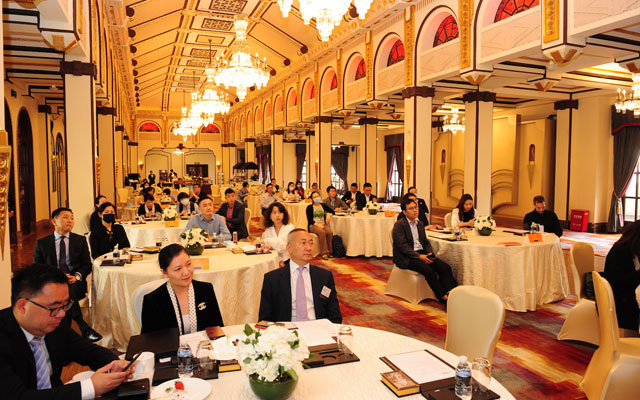
Corporate travel managers meeting face-to-face for the first time since the pandemic happened

At the inaugural China Corporate Travel Community (CTC) Roundtable Discussion, held offline in Shanghai on June 17, 2020, participating tourism suppliers and corporate travel managers placed emphasis on post-pandemic safety measures for employees on business travel.

Seeking to make the event a turning point for the corporate travel industry, the corporate travel buyers network persisted with holding the event face-to-face, shared Benson Tang, executive director, CTC.

Corporate travel managers meeting face-to-face for the first time since the pandemic happened

Aside from emphasising that the two-way interaction at offline events cannot be replicated with virtual meetings, CTC also wanted to highlight that China – as one of the countries worldwide where physical events have been allowed to resume – is able to successfully ensure a safe environment for meetings amid the pandemic.

Despite the risk of transmission, the need for multiple layers of checks and approval requested for by their companies, as well as other concerns and challenges, delegates were committed to attending the event, shared Tang. This demonstrated the eagerness industry players had for learning and face-to-face interaction.

Corporate travel has reached a defining moment, noted Tang. Companies that survive the pandemic will become leaders in the industry, however, the uncertainty and how long the pandemic will last remains.

However, despite the difficulties industry players were facing, seeing the unity of the corporate travel industry at the roundtable discussion and the eagerness of tourism suppliers and corporate travel managers to work closely with each other was heartening.

Prior to the pandemic, corporate travel had been a seller’s market, noted Tang. With suppliers now relying on each business deal to survive, they were very willing to listen to the requests of and provide assistance to corporate travel managers.

They also sought to comply with health and safety requirements in the new normal. Even at the RFP and bidding stages, they included cleaning and sanitation services.

Hotels, for instance, put forth the cleaning of hotel rooms with photocatalytic sanitising spray.

Meanwhile, corporate travel managers did not make use of the crisis to push prices down. In fact, they saw themselves as being in the same boat with suppliers, shared Tang.

Managers realised that corporate travel coming to a standstill would not only impact upstream and downstream businesses in tourism, from hotels to travel agencies, but also their own livelihoods.

Corporate travel managers are also facing cost pressures from the rise in airfares for the short term, commented Tang.

Nevertheless, the downtime provides managers with the opportunity to reassess their companies’ travel policies while keeping staff safety at the forefront of their minds.

Managers need to, for instance, understand how contactless travel works in practice and equip themselves with an understanding of health and safety measures, including photocatalytic sanitising technology and the equipping of staff with hand sanitisers.

They would also need to draw up a clear list of requirements allowing staff on business travel to minimise contact – such as asking for contactless hotel check-in – and present the list to suppliers.

Taking these steps will help ensure employees can put their minds at ease during corporate travel.

Simultaneously, corporate travel managers need to strengthen their partnership with companies providing pertinent services for the pandemic and post-Covid-19 period, including medical and security risk services company International SOS and risk management solutions company WorldAware.

They would also need to draw up contingency plans, detailing response measures in case employees show symptoms of Covid-19 while on business travel.

By reassessing the corporate travel programme in the downtime and turning attention to areas neglected in the past, companies can demonstrate to employees their commitment to addressing their concerns amid the pandemic. In turn, this can boost employee loyalty and increase their sense of belonging to the company.

One company taking the downtime to reassess the products and services – such as the ROI and KPI of tourism suppliers – is FedEx. According to its assistant to managing director, Ido Gu, to ensure costs are kept at their current levels, the company is assessing whether suppliers’ mobile reservation processes are streamlined.

For Sha Tao, senior procurement manager and personal, business and mobility cluster lead-Greater China, Philips Global Procurement, employees’ health and safety is paramount for a company’s success. Philips is in discussions with tourism suppliers to ensure health and social distancing measures are put in place, shared Sha.

Meanwhile, Nixon Chung, founder and managing director, Camloy International, shared that that SMEs place the same emphasis on employee welfare as international corporations.

As the founder of a regional SME, his concerns include the safety of employees on business trips amid the pandemic, as well as providing employees with training on sustainable tourism, shared Chung.

For tourism suppliers, reworking products to match new market demands is paramount. Besides coming up with comprehensive plans to meet health and social distancing requirements, suppliers need to ensure an open channel of communication with corporate travel managers. – Translated by Angela Teo; this article was first published in TTG China

Far East opens first outpost in Japan

0

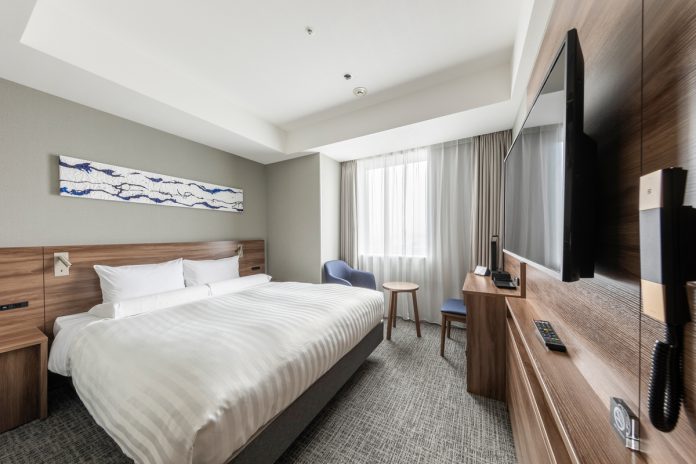
Singapore-based Far East Hospitality has taken over the management of the Village Hotel Ariake Tokyo and rebranded it to the Far East Village Hotel Ariake.

The 306-key hotel is located in Koto City, the eastern part of Tokyo, and is currently targeting the domestic business community as it’s located near to Tokyo Big Sight – the largest convention and exhibition centre in Japan. A free shuttle to Tokyo Big Sight is provided as part hotel amenities.

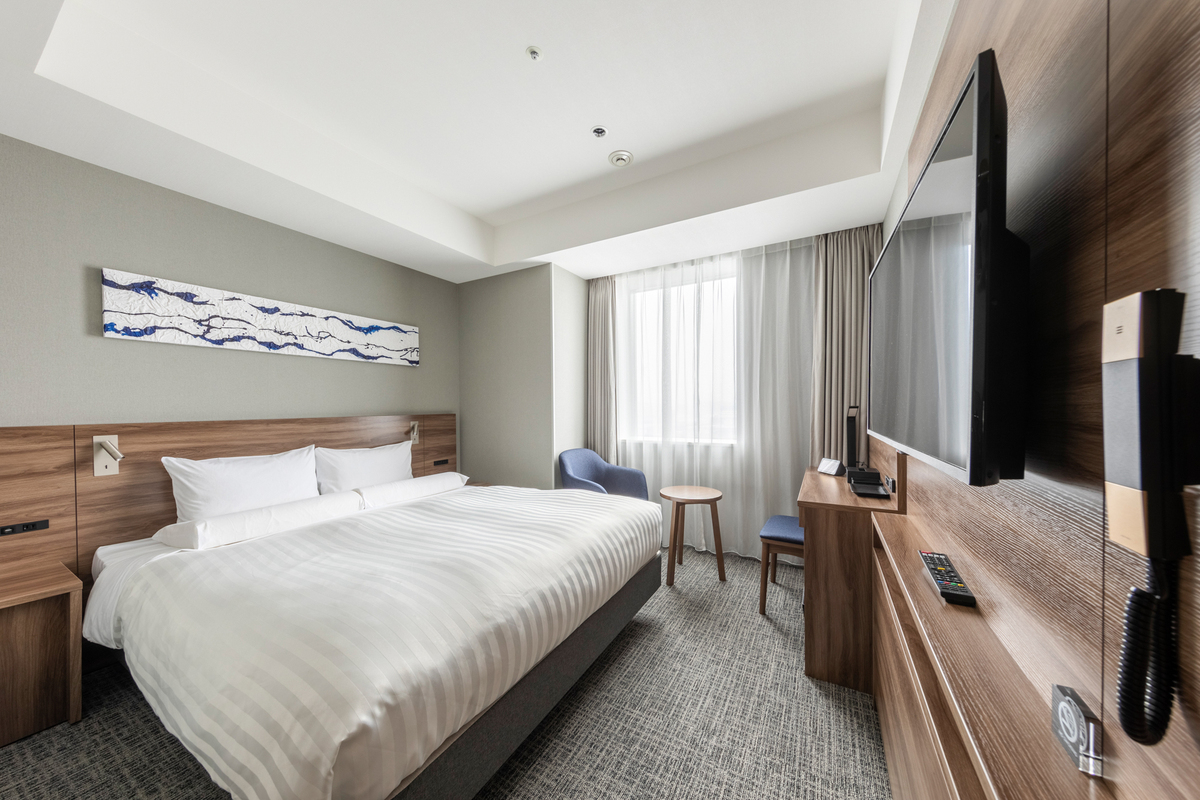
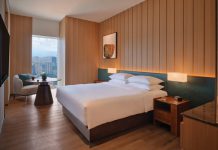
Superior room with queen bed

Guestrooms are fitted with the latest technology such as AI speakers that allow guests to make multilingual voice commands. Facilities on-site includes a coin-operated laundromat, self-serve vending facilities such as money changes, and a restaurant.

To minimise contact, Far East Village Hotel Ariake will also have self-serve kiosks for check-in and check- out and contactless payment solutions.

Village Hotel Ariake Tokyo was the first hotel under the Village brand to expand its presence outside of Singapore.

New DOSM for The Anam Cam Ranh

0

Mandy Tran Thi My Dung has joined The Anam Cam Ranh as director of sales and marketing.

She makes the move from Hyatt Regency Nha Trang, where she was the property’s director of sales and marketing for a year.

Prior to that, the Vietnamese was with Sheraton Nha Trang Hotel and Spa for eight years, where she served as the hotel’s director of sales and marketing for almost seven years.

With nearly two decades of experience, the seasoned hospitality professional has served as director of sales at the Dalat Palace and Dalat Du Parc Hotel (formerly Sofitel Dalat and Novotel Dalat, respectively), as well as a wholesale sales manager for the Park Hyatt Saigon and Hotel Equatorial Ho Chi Minh City.

Qatar Airways returns to the skies with “bumper day of flight resumptions”

0

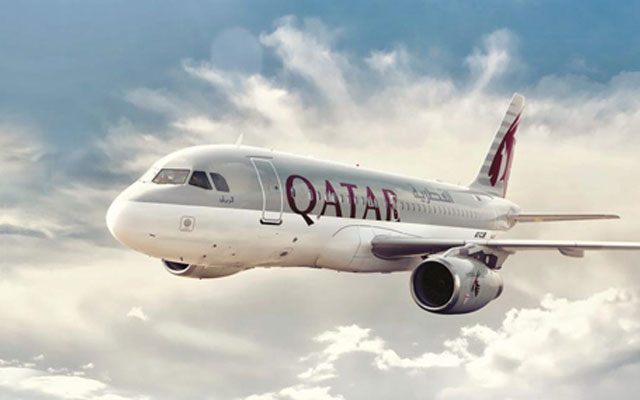
Qatar Airways resumed flights to 11 more destinations worldwide on Wednesday, in its largest single day of restarts, as it works to rebuild its network devastated by the pandemic.

The destinations are Bali Denpasar, Beirut, Belgrade, Berlin, Boston, Edinburgh, Larnaca, Los Angeles, Prague, Washington DC, and Zagreb.

Qatar Airways reinstates 11 destinations on July 1

The airline said that it intends to expand its network to more than 430 weekly flights to over 65 destinations by mid-July. Planned additions include Toronto (July 4), Ankara (July 9), Zanzibar (July 11), Kilimanjaro (July 13), as well as Bucharest, Sofia and Venice (July 15).

Qatar Airways said in a statement that it “continues to work closely with governments around the world to resume commercial flights in line with entry restrictions”.

The carrier said that it plans to resume almost two-thirds of its pre-Covid-19 network by the end of the month. The airline expects its number of flights to almost double in July with close to 3,500 flights scheduled, compared to just under 2,100 in June.

Qatar has extended its booking policies to allow greater flexibility, including unlimited date changes. Passengers can also change their destination as often as needed, provided it is within 5,000 miles of the original destination. The airline will not charge fare differences for travel completed before December 31, 2020. All tickets booked for travel up to December 31, 2020 will be valid for two years from the date of issuance.

Asia and EMEA to lead recovery of business travel sector: FCM Travel Solutions

0
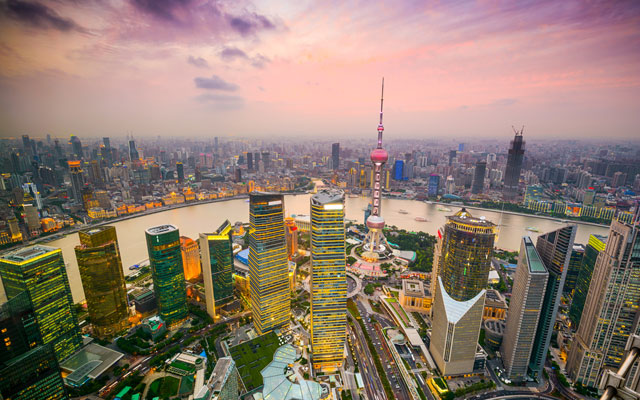
Shanghai pictured

A majority of organisations will take a phased approach to resuming domestic and international business travel over the next 12 months, with Asia and EMEA leading the charge.

This is according to a State of the Market survey by global travel management company, FCM Travel Solutions. A total of 1,600 business travel managers, bookers and travellers in EMEA, Asia, the Americas, India, Australia and New Zealand took part in the first phase of the survey last month. FCM clients taking part in the study spanned national businesses spending around US$100,000 per annum to large multinational customers with annual travel spends of over US$100 million.

Domestic travel has gaining ground in China as restrictions ease; Shanghai pictured

Seventy per cent of participants agreed or strongly agreed that they expected to increase business travel gradually over a period time with consensus peaking in business travel returning domestically in one to three months (40% of respondents) and internationally in six to 12 months (32% of respondents).

The easing or complete lift of border restrictions ranked as the primary trigger for resuming business travel (70% said this would have a significant impact) closely followed by organisational endorsement that it is safe to travel (68% of respondents indicated traveller safety will have a significant impact and must be reflected in travel policy).

However, only half of the respondents believe that their business travel volumes will eventually reach pre-coronavirus levels.

Business travel recovery will be led by Asia and EMEA, according to survey participants in those regions. In Asia, 50% of respondents have already begun booking domestic travel and 37% expect to resume international travel in three to six months.

In EMEA, 37% of survey participants expect to travel domestically within one to three months, and 32% anticipate starting to book international trips within three to six months. This is due to faster opening of borders intra-region and easier movement geographically compared to the rest of the world.

The highest level of uncertainty around when domestic and international business travel will resume significantly was in the Americas with 28% of respondents saying that they did not know when travel would return.

“Many companies will be looking to Asia and Europe, where restrictions have started to ease gradually. China was the first market that bounced back within Asia and we saw domestic travel climb significantly through a steady upward trajectory (prior to Beijing’s recent outbreak at Xinfadi market),” said Bertrand Saillet, managing director for Asia, FCM Travel Solutions.

Other notable findings in the State of the Market study’s first phase are as follows:

  • Companies in the mining and construction sectors indicate the fastest return to travel: 64% of respondents in mining sector expect to travel domestically within one to three months and 69% of respondents in construction sector expect to travel domestically and internationally within the same timeframe.
  • Construction (39%), training & education (35%) and financial services (34%) sectors indicate increasing business travel within first six months, due to a shorter lead time in arranging business travel.
  • Winning new business (43% of respondents) and managing existing client relationships (39% of respondents) are the two dominant business activities motivating organisations to a return to travel.
  • While a large portion of respondents indicated a need to revamp travel policy post-Covid-19, 28% of respondents were unsure what needed to change. Of those that did indicate areas for travel policy change, “health and hygiene” and “duty of care” considerations were the two dominant categories.
  • When asked whether changes implemented during Covid-19 will reduce their need for business travel, there was a 50/50 split between participants agreeing or disagreeing.

“It is imperative that we not only help companies to restart their business travel programmes, but also elevate it. From these insights, we want to optimise efforts and orchestrate travel recovery by aligning our client’s future travel policies with their business recovery plan. This research reveals the fundamental principles of an organisation’s focus on business travel after the pandemic and will help us to translate into tangible actions contributing towards a corporate’s travel recovery programme,” added Saillet.

Phase Two of the State of the Market study has now been launched among the same 1,600 participants in order to review and monitor any marked variation in the first round of results while governments continue to relax lockdown restrictions, propose air travel corridors, or implement quarantine periods for international travellers.

“The business travel landscape and the needs of our customers have changed beyond all recognition over the last few months and business travel conditions will continue to evolve and shift as everyone comes out of the other side of the global pandemic,” said Marcus Eklund, global managing director, FCM Travel Solutions. “It’s vital that we understand if and how our clients in each market, and industry sectors will start to travel again, and their primary concerns and objectives when they do so.

“The first phase of our State of the Market study has given us valuable insight into this process and how we can provide the best level of support. However, the whole post-Covid-19 era is still full of uncertainties and everyone is living and working in an environment that will continue to change. This State of the Market study is therefore an ongoing research project including customer polls in phase one and two, which will be followed by further in-depth customer interviews and focus groups over the next two months,” said Eklund.

Adelaide stakeholders come together in MICE recovery campaign

0
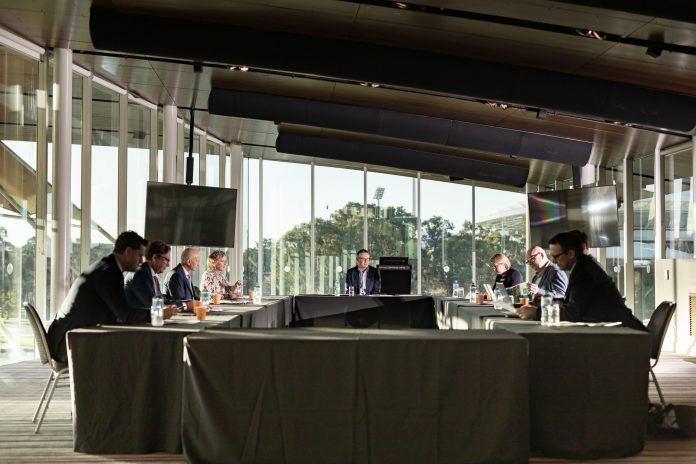
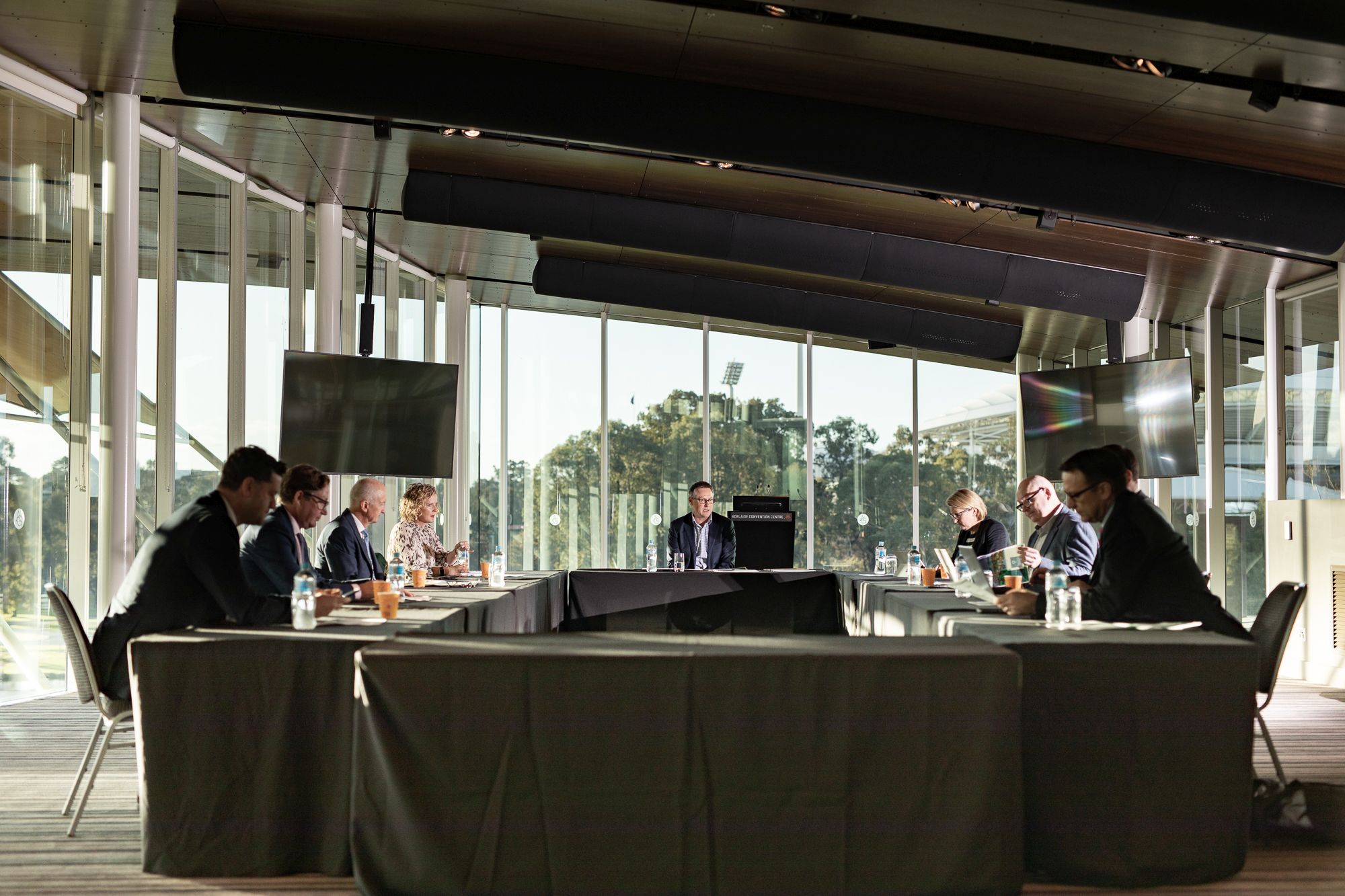
Team Adelaide stakeholders sat down to discuss the State's road to recovery

Team Adelaide, convened by the Adelaide Convention Bureau (ACB), has developed a Covid-19 economic recovery end-to-end marketing campaign.

This SA FE campaign markets an Adelaide South Australia promise of exemplary health and safety standards and procedures as freedoms return. The campaign also promises that the sector and its stakeholders will do everything in their power to ensure that delegates will be in the safest possible environment, and take care of them from arrival to departure.

Team Adelaide stakeholders sat down to discuss the State’s road to recovery

ACB’s CEO Damien Kitto said that the suite of multi-use marketing material, to be utilised by ACB members – who include Adelaide Airport, AHA (SA), IHG, Accor, Hilton, Adelaide Convention Centre, Adelaide Showground, Adelaide Oval, All Occasions Management and Adelaide Expo Hire – promotes the capability of South Australia as the State which can develop and market an end-to-end SA FE strategy.

“Such a strategy should ensure our intra- and interstate business guests can feel confident to travel here to join us, and to stay, and work with us,” he said.

“The campaign adds our “Team Adelaide” united weight behind South Australia’s post-Covid economic health recovery; a necessity that each ACB member organisation strongly supports,” noted Kitto.

Barcelona and the US take top spots in ICCA’s 2019 rankings

0
Barcelona is top city in ICCA's list for the second year running

Barcelona and the US have topped the city and country rankings by estimated total number of participants respectively, in ICCA’s recently-released 2019 Statistics Report.

Barcelona, fourth in the ranking by number of meetings, tops the chart for an estimated total number of participants with 157,000 delegates. Given their high rankings for their number of meetings, Paris comes in second place, followed by Madrid then Lisbon who are only separate by 500 delegates.

Barcelona (pictured) is the top city in ICCA’s list for the second year running

Vienna and Berlin dip slightly in the rankings moving down to fifth and sixth, while London enters the top 10 moving into the seventh spot. Milan, takes the eight slot and joins the likes of Hamburg, Prague, Beijing and Athens, all making the top 20 city rankings after not appearing in last year’s statistics.

There’s less change in the country rankings than can be seen in the city rankings.

Titleholders US remain in the first position for the country rankings with 357,000 delegates hosted and sit in the top five with almost exactly the same order of countries as last year; Spain, Germany, France, with Italy making it to fifth place this year instead of last year’s Canada.

The UK remain in sixth place with Japan, China, Canada and Netherlands moving up or down slightly but remaining in the top 10.

These statistics were based on a total of 13,254 rotating association meetings taking place in 2019, a record number. This is an increase of 317 additional meetings compared to the same time in 2018.

The months September, October and June are still the most popular choices for the association sector to organise meetings, while Winter months December, January and February remain at the bottom of the list. Medical Science (17 per cent), Technology (15 per cent) and Science (13 per cent) are the three most popular international association meeting topics.

In 2019, the average total expenditure on all meetings in the ICCA Association Database was almost US$11 billion – excluding spin-off investments and economic development.

ICCA CEO, Senthil Gopinath said: “Year on year, ICCA has seen a promising consistent growth pattern in the association meetings market. Given the current circumstances, with Covid-19 continuing to have a huge effect globally, particularly on the events industry, it is great to once again highlight the consistent growth in association meetings globally. These figures show the need and importance of face-to-face events, and consequently that the industry will be instrumental in the global recovery when the time is right.”

Only meetings that meet ICCA’s assessment criteria – rotating between at least three countries, have a proven attendance of at least 50 participants, and are held on a regular basis – are recorded within the global association’s annual statistics.

On the move and ready to reconnect

0
There is no replacement for face-to-face engagement but virtual meetings

As governments across Asia-Pacific ease border and travel restrictions, meetings and events professionals are looking forward to liberating suitcases from wardrobes.

If we’ve learned anything from recent months, it’s that travel is a force for good. It facilitates growth and creates jobs. This knowledge has only strengthened our resolve in the American Express Global Business Travel (GBT) Meetings & Events team to get people moving again.

There is no replacement for face-to-face engagement but virtual meetings would have to do for now

The past few months have also confirmed two important universal human traits: our need to connect in-person and our adaptability under pressure.

Set against a backdrop of extreme global separation, people around the world have challenged themselves to maintain connections with each other as much as possible. This has led to the enormous growth in video conferencing, a vital channel of communication for medical professionals and essential workers, colleagues, family and friends.

This unique set of circumstances has put previously under-utilised meeting platforms front and centre. Meetings and events professionals have quickly acted on the opportunity to deliver new and potentially broader experiences to an instantly tech-receptive audience, open to alternative ways of engaging.

And while there is no replacement for face-to-face engagement, we must creatively apply technology, such as virtual meetings, mobile apps, and artificial intelligence, to protect the safety of travellers and attendees.

Meeting and event professionals, as well as their technology and hotel partners, have been integrating these new platforms into their attendee engagement strategies. As an example, our GBT Meetings & Events team recently used an over-arching mobile app to supplement a series of virtual customer conversations. Using these technologies in partnership helped drive more personal connectivity that might traditionally have happened during a welcome reception or over lunch.

These virtual events are built upon an enhanced creative mindset on the part of meeting planners and new exciting technologies that are creating a new level engagement for all types of attendees. There is also the added opportunity to extend our clients’ reach to more participants, regardless of geography. We are in the early demand phase and are finding great benefit bringing speakers and moderators together in one spot, say a hotel venue, and broadcasting out to broader audience groups or hybrid hubs.

Professionalism is key, though. If you’re putting your company brand out there you want a reliable end-to-end solution that caters to the larger audience and delivers an engaging experience.

For meetings and events professionals around the world, this is a time to excel and lead like never before. We must inspire confidence in our industry again, and act as a conduit of information to help our clients meet their duty of care obligations. This, and consistent standards across airlines, airports, hotels and event venues, will be critical to building the confidence of travellers and attendees.

For companies, every meeting and trip will be an event. This will likely offer challenges in their ability to adapt quickly to changing circumstances. While there will be some consistency in travel protocols, it is likely that different countries will have specific requirements such as only allowing travellers from certain countries, where you’re allowed to transit through, or what safety protocols must be observed.

In the same way, transport, venue and accommodation suppliers will have different safety policies which could change at a moment’s notice. What both planners and travellers will be faced with is the task of deciphering these requirements and distilling them into a single source of truth.

In these times, digital communication channels, such as apps and instant messaging, will be the go-to sources for the traveller on the road. They will rely on these channels to get quick, updated and detailed information on what to expect, what is expected of them, and what’s changed on the way to their destination.

This environment has truly underscored the importance of combining your travel and meetings programme with a proven, innovative supplier that has the resources and stability to support your travellers, attendees and meeting objectives.

Many organisations are critically assessing the current state of their travel and meetings suppliers and their readiness to support employees. This is where travel management and meetings and events companies will prove their worth. Our focus is to support our clients’ duty-of-care objectives and help them drive policy compliance. It is this approach, coupled with the right technologies and services, that will inspire confidence in travel and meetings programmes.


Milton Rivera leads global consultative teams that are responsible for the strategy development and solution design of meeting programmes for customers of all sizes. He develops and leads marketing strategy and supplier enablement execution to bring optimal value to clients and suppliers across the globe.


Rivera has over 30 years of travel and meetings related experience. He joined American Express in 1986 and has held leadership roles in multiple areas; including service delivery, client services, sales, consulting and his current role in meetings and events.

Element rolls out service for corporates to outsource booking tools

0

Travel technology systems reseller Element Travel Technology has released a new service designed for corporate travel departments, called Accelerate for Businesses.

Accelerate for Business can support any size online travel programme, and will work with a TMC or tech supplier to optimise their corporate booking tool (CBT). The product is available globally.

Element can manage the end-to-end process to deploy and launch the CBT

The service includes policy management and approval to travel workflows;
hotel programme, car, and airline supplier deal maintenance; CBT administration support; and partner with the TMC to deliver on corporate requirements.

This follows the launch of Accelerate for TMCs, Element’s primary solution enabling TMCs to outsource their booking tool delivery and support.

“The overwhelming success of Accelerate for TMCs, launched earlier this year, has resulted in a growing demand from Corporates who are looking for a similar solution,” said Gavin Smith, director at Element.

“This got us thinking about how the current situation is affecting travel departments and their ability to move new policy and process from paper to configuration in their CBT. Travel departments need to be focusing on what their programme will look like now and in the future. They should not have to stress about managing their tech.”

Reviews

The Ritz-Carlton, Bangkok

The newly-opened Ritz-Carlton, Bangkok anchors the One Bangkok development with cosmopolitan elegance. Featuring the city's largest ballroom and a spectacular new penthouse suite, it delivers exceptional hardware and deeply authentic, soulful service for business and leisure travellers alike

Mama Shelter Zurich

Behind the imposing, Brutalist concrete that defines Zurich’s Oerlikon district lies a surprising secret. While its exterior honours the neighbourhood’s industrial roots, stepping inside Mama Shelter reveals a vibrant, neon-soaked world that is a far cry from its rigid shell

Hyatt Regency Kuala Lumpur at KL Midtown

A polished urban retreat designed for business travellers, Hyatt Regency Kuala Lumpur at KL Midtown combines thoughtful design, seamless service, and exceptional facilities.