The Covid-19 outbreak has brought about a significant impact to business meetings and events globally, but the impact is most keenly felt in and around Asia.
This is according to the recently-conducted Global Business Travel Association (GBTA) poll, which revealed 95 per cent of the respondents reported that their companies had cancelled or suspended most or all business trips to China, 73 per cent for events in Hong Kong, 54 per cent for Taiwan, and 45 per cent have also cancelled or suspended travel to other Asian-Pacific countries like Japan, South Korea, and Malaysia.
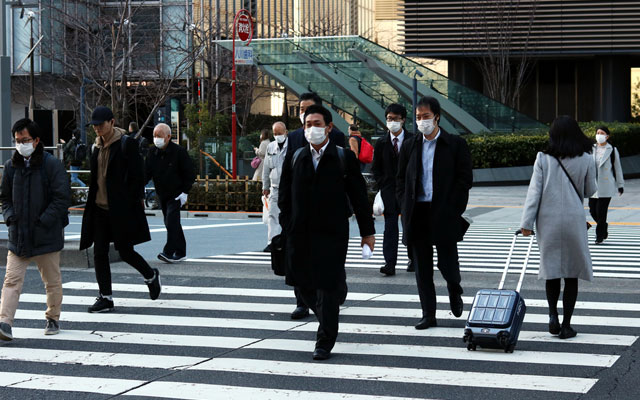
Japanese businessmen wearing masks
Corporate travel managers in Asia report that business travel is still continuing, but with “additional restrictions” and high levels of approval and monitoring.
For one Delhi-based IT company, all travel from to and from Asia and travel within Asia is prohibited. Italy has now been included in the ban, the corporate travel manager said, while travel to other countries was permitted only with management approval.
Florence Robert, regional travel manager, Asia-Pacific, reported that Ericsson was one of the first companies to set larger restrictions, which has been in place for three weeks now.
“All non-business critical travel is banned and any business-critical trip has to be approved by the executive team, i.e. the CEO and his direct reports only. That being said, we still have a substantial part of travel remaining due to business-critical project executions. Trips already planned have to be approved too, or would be automatically cancelled after one notification from the TMC,” Robert elaborated.
All travel, including personal trips, had to be made known to the manager and HR to ensure self-quarantine or work-from-home where required, she added, and both a daily crisis email and instructions were being sent to all employees.
Adriana Nainggolan, travel programme manager, Asia-Pacific, Autodesk, said: “We have restrictions for business travel to Italy, South Korea, all of China and where travel is discouraged for all Asia-Pacific regions. Discouraged means business travel is not recommended to/from/around the region or country, and staff have to use caution when travelling.”
GBTA added that the Covid-19 outbreak could potentially cost the industry US$46.6 billion per month, or 37 per cent of the total 2020 forecasted global spend.
The meetings sector did well for 2019, but 2020 will most likely bring about a decrease
According to the 29th Meetings Market Survey by PCMA’s Convene magazine, meeting attendance continued to increase in 2019, as the business events industry experienced yet another year of consecutive growth.
“Most survey participants expected continued growth in 2020,” said Convene editor in chief Michelle Russell. “However, when they responded to the survey in November of 2019, there was no hint of the Covid-19 epidemic, the effects of which are now being felt by the global business events industry.”
The meetings sector did well for 2019, but 2020 will most likely see a decrease
“While nearly nine out of 10 respondents reported that it was more difficult for potential registrants to obtain visas in 2019 than 2018,” Russell said, “that might not be the greatest of their challenges when it comes to international attendance in 2020.”
Consider the results of the survey as a snapshot of the business events industry at a point in time before the coronavirus outbreak:
Meeting professionals who participated in the survey reported attendance at their largest meeting grew by four per cent in 2019.
Meeting budgets in 2019 grew on average by nearly two per cent and 40% of respondents said they expected to plan more meetings in 2020.
In spite of the difficulty in obtaining visas for potential registrants, 16% of respondents reported that the number of international attendees at their meetings increased. 63% reported no change.
24% reported a nett profit from conventions and meetings of at least US$1 million. 15% reported a net loss or broke even.
Budgets topped the list of job challenges with 63% reporting they have been asked to cut back on F&B spending, the same as in last year’s survey, and 43% said they’ve been asked to reduce AV expenses.
This survey’s responses were collected from 867 association, corporate and independent meeting planners.
As I sit in my office this morning the coronavirus hysteria has hit fever-pitch. I see it on all channels: news, web, emails, Linkedin, Facebook, WhatsApp, phone calls and text messages. In my 20 years in the industry, I’ve never experienced such a phenomenon. It is all-consuming and the global travel industry truly is in a period of disarray right now.
So what happens next? How do we as an industry get through this? I definitely don’t have the answer to that, but I believe there are some actions we can take collectively that hopefully will restore some sanity and reduce the levels of panic we are currently witnessing.
Try to postpone events instead of cancelling them, for the coronavirus situation is temporary
But first I’d like to establish some facts and face up to the reality of the situation:
The damage is done. If your region/sector hasn’t been affected yet, it is highly likely that in the coming weeks and possibly months it most probably will be in some form or another. It is highly unlikely that any country, city or industry will not be affected by the fallout from the virus.
Corporate clients and event planners have no choice but to exercise caution and a duty of care, therefore any decisions relating to travel or large-scale events will be handled with the utmost conservatism.
The situation is temporary. The virus will not last forever. A vaccination will eventually be found and/or the spread will be contained eventually. The unknown at this stage is how long that will take or when it will be: it could be a few weeks or months.
So what can we do to restore calm and limit the damage? I believe that the simplest course of action, albeit a difficult one, is the following:
Don’t Cancel, Postpone #Dontcancelpostpone
As an industry, we should be doing everything in our power to convince and assist clients not to cancel travel incentives, meetings and events. Instead, encourage a wait-and-see attitude, work with suppliers and partners to honour deposits paid for use on future dates, check future availability, and work on moving programmes and events to six or nine months from now. Help gain commitment for future dates.
My message to the MICE industry – whether you are the hotel, supplier, event planner, end client or the DMC providing the programme – is to communicate with your clients.
Sell the benefits of travelling at a later stage, focus on the positives, offer more time to plan and more time to research and make programmes better. Why not highlight the fact that buyers will soon have tremendous buying power if they are willing to commit to future operations? Discounts will be found everywhere instead of incurring cancellations fees that in reality are a lose-lose situation.
Our mindset should be one of how do we make our programmes happen, rather than just accepting cancellations, never to be seen again.
My positive thought and message to counter all the gloom we’re currently experiencing:
Don’t Cancel, Postpone #Dontcancelpostpone
Huw Tuckett is the executive director of Euromic, a non-profit association of 52 of the world’s leading DMCs. He has been in the incentive travel industry for over 20 years, and was last COO of a leading incentive house, a company he spent 15 years with. Tuckett first started his career with British Airways, before moving to Abercrombie & Kent where he was an inbound incentive manager for southern Africa.
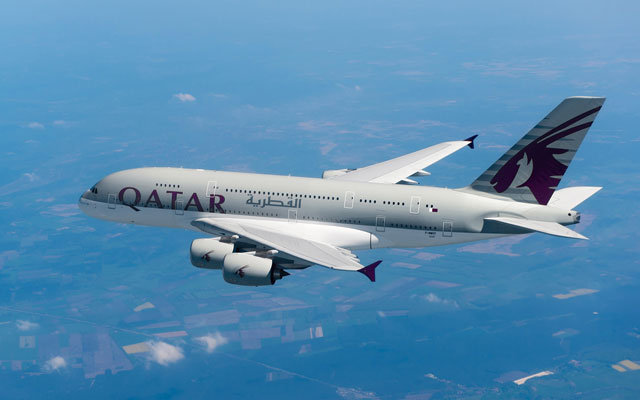
Qatar is one of three airlines that have announced more flexibility for current bookings
Qatar Airways, Singapore Airlines (SIA), and Emirates have all announced that they will waive fees for date changes in light of the Covid-19 outbreak.
Qatar Airways’ customers can change the dates of their booking without charge should their travel date falls between March 6 and June 30, 2020. Fees for booking alterations will be waived if reservations are changed at least three days before departure.
Qatar is one of three airlines that have announced more flexibility for current bookings
Qatar Airways will provide customers the additional option of exchanging the flight ticket for a travel voucher, where the unutilised value can be used for future travel, valid for one year from its date of issue.
Qatar Airways’ customers wishing to cancel their flights altogether can avoid incurring a refund penalty if they do so three days before departure.
Similarly, SIA will waive change fees for tickets issued between March 6 to March 31 for travel to and from all destinations. The new travel date must commence before March 31, 2021.
For Emirates, customers will be able to change their travel dates without penalties, if their tickets are issued between March 7 and March 31, 2020. Flight changes can be made to any date within an 11-month range, within the same booking class. Changes can also be made on the day of the flight, provided they call at least two hours before.
Also, Emirates’ Skywards members who have booked to travel between March 1 and June 30 will receive a 20 per cent bonus in tier miles.
Passengers are advised to contact the respective airlines with specific details of their flights for confirmation. Fare differences or applicable taxes still apply.
The three airlines’ new policy, introduced to provide convenience for passengers amid imposed travel restrictions and flight reductions, apply to flights booked directly with them, as well as through travel agencies.
All airlines have taken additional precautions to stem the spread of the virus, such as disinfecting aircraft, as well as the use of advanced air filtration systems, which remove 99 per cent or more of the viruses in the cabin.
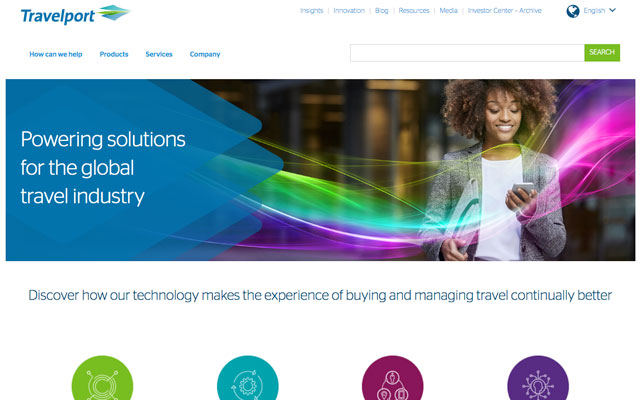
Travelport has been certified as a level four aggregator under IATA’s New Distribution Capability (NDC) programme.
With the certification, Travelport is able to manage and service bookings made using NDC technology. The aggregator will undertake a phased approach in rolling out an NDC solution for all sectors in the travel community.
A screenshot from the Travelport website
NDC benefits airlines by allowing them to provide more information on each product, such as passenger reviews and policies, as well as to offer ad-hoc value-added products and services.
Since October 2018, Travelport has been offering NDC content from a small number of partner airlines.
Through NDC, corporate buyers can also benefit from customised offers based on their travel history and preferences or view a simulation of a change they intend to make before locking in the change with the airline.
Aggregators and travel agencies can in turn, provide customers with a product comparison experience focused on differentiating offerings by product and service rather than by price, which is the current dominant practice.
IATA is looking to increase the number of NDC transactions between 2019 and 2020. British Airways, Cathay Pacific, Qantas, Qatar Airways and Singapore Airlines, are just some of the airlines that have committed to making 20 per cent of its sales using an NDC application programming interface.
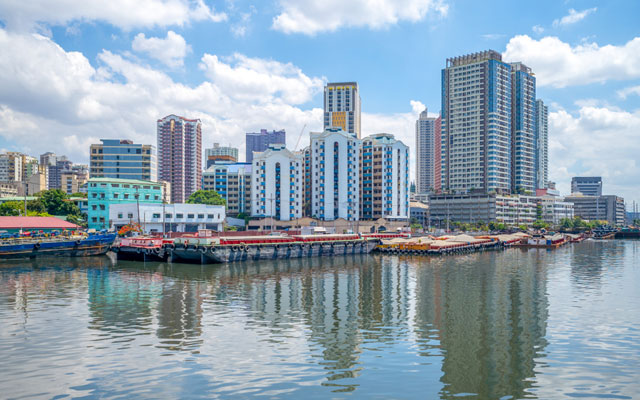
A Pasig River Cruise that showcases the new and old Manila will be launched this month, featuring another view of the city for both business and leisure travellers sans the traffic gridlock.
The cruise starts from the Guadalupe ferry station in Makati, and the cruise will take around 45 minutes to glide to the end-point, Escolta in old Manila. The air-conditioned ferry is able to carry 150, and features Wi-Fi and piped-in music.
Rediscover Manila aboard a Pasig River cruise
Passengers can expect to see Makati CBD’s high-rises and gastronomy spots; Mandaluyong’s colourful neighbourhoods; Santa Ana’s heritage houses; Malacanang – the presidential palace; as well as the Manila Post Office which was once touted to become a Fullerton Hotel.
Native snacks await at the Escolta ferry station before travellers are taken to the newly-restored Jones Bridge for a tranvia (trolley) tour of Binondo Chinatown – the world’s oldest – passing through various tourist spots until the final stop at the Spanish-era seat of government, Intramuros.
The tour is then capped by a special dinner at the Ayuntamiento de Manila, a Neoclassical building which once housed the Manila City Hall.
A twilight tour is recommended for a magical experience of the old quarters. Alternatively, the tour can begin in Intramuros and end in Poblacion in Makati, for a pub crawl and dinner experience.
This is the first-ever Pasig River cruise for tourists, after the successful cleanup of the river.
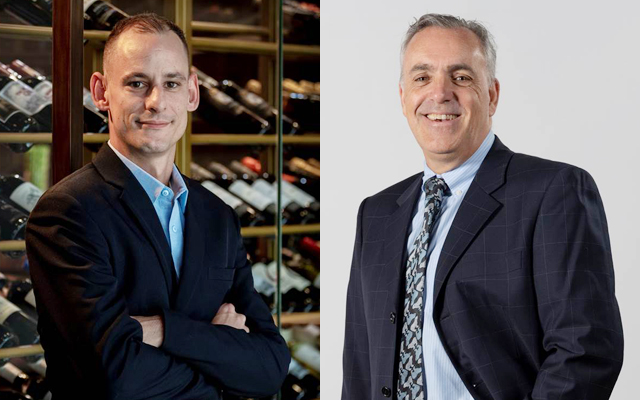
Memories Group has made appointment changes to two of its properties in Myanmar.
From left: Thibaut Stettler and Eric Laurent
Thibaut Stettler has been appointed hotel manager of Awei Metta resort in Yangon. With more than 12 years of experience in the hotel sector, the Swiss national began his career with Memories Group as a business development associate before taking on the position of hotel manager, Keinnara Hpa-an, an eco-lodge situated in Karen State.
Outgoing general manager Eric Laurant will assume the same position at sister resort, Awei Pila, situated in the Mergui Archipelago. The Frenchman was previously general manager for JA Resorts & Hotels in Dubai and several luxury resorts across Myanmar, and is also an experienced sommelier.
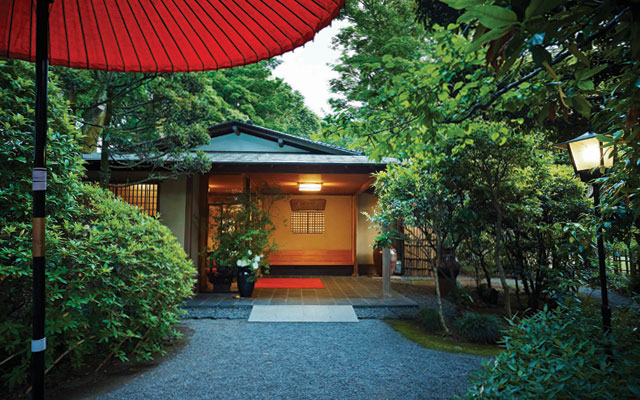
Tohrinso, a historical building within Meiji Jingu, welcomes private event hires
Visions of skyscrapers, trains that run on a precise schedule, dancing robots and trend-setting youths naturally come to mind when people speak of Tokyo.
Looking to change Tokyo’s narrative by playing up the city’s diverse nature, the Tokyo Metropolitan Government launched the campaign, Tokyo Tokyo Old meets New. It highlights Tokyo’s new and traditional attractions, and suggests new and creative ways for event delegates to experience them.
Tohrinso, a historical building within Meiji Jingu, welcomes private event hires
To deliver a complete Tokyo experience, Tokyo Convention & Visitors Bureau (TCVB) has forged a close partnership with Tokyo MICE hubs, such as DMO Roppongi, Hachioji Visitors & Convention Bureau, and Tokyo Waterfront City Association (learn more about Tokyo’s MICE hubs at https://tokyomice.org/).
The TCVB Business Events Team explained that while event requests are typically submitted to the national bureau, the team will “connect planners with the relevant DMOs after investigating their requests”.
Extraordinary experiences A buzzing city like Tokyo deserves a business event programme with a passionate start, and an ice-breaker or team bonding activity involving traditional taiko drums makes a great option.
Taiko-Lab offers private group classes in its Aoyama studio in Tokyo, where lessons are led by experienced taiko drummers who perform at concerts around the world every year. An up-close taiko performance gets corporate participants in the mood, before they have a go on the drums themselves. Basic drumming techniques are imparted, and all moves are later combined to create a memorable team performance.
With energy levels running high, head to the youthful streets of Harajuku and Omotesando, where creative shops, restaurants and cafes abound. If the intricate maze of the two areas is too much to navigate over limited time, then stick to Takeshita Street where the group can return to their childhood days and have fun photos taken at a purikura photo booth machine club, as well as snack on pretty crepes and rainbow-coloured cotton candy. End the adventure at the Kawaii Monster Café where the interior is a colourful dreamscape populated by oversized animal heads, milk bottles, mushrooms, and candy. Servers, dressed in enormous wigs and cute outfits, double up as performers on a giant candy stage for regular shows. Venue buyouts are welcome.
Moving on from vibrant Tokyo to its quieter, more refined side, journey on foot through an evergreen forest to Meiji Jingu shrine, dedicated to the deified spirits of Emperor Meiji and his wife, Empress Shoken. A new events complex has risen in the past year on the temple grounds, giving corporate groups a chance to meet in a unique and sacred location. Forrest Terrace Meiji Jingu, nestled among 700,000m2 of lush forest in the inner garden, offers three function halls, all of which look out to greenery. Banquet Hall Keyaki is the largest venue, with capacity for 96 people in classroom-style.
Event attendees can also convene in Tohrinsoh, a traditional Japanese house with tatami flooring, which is now recognised as a Tokyo Metropolitan Historic Building. It can accommodate a 52-pax banquet.
Extend the uniquely Japan experience with Mon-ko, an unusual game of incense listening, once appreciated by ancient Japanese aristocrats. It requires patient participants to take turns to identify a unique scent emanating from a censer containing a tiny piece of incense wood warmed by a smouldering piece of charcoal.
Alternatively, an elegant Japanese tea ceremony is always a favoured activity. Indulge VIPs in the experience at Chosho-an within The Okura Heritage Wing.
Luxe factor Tokyo’s impressive selection of luxury accommodation was most recently updated with the long-awaited opening of The Okura Tokyo on September 12, 2019. The revitalised and rebranded version of the former Hotel Okura Tokyo is now made up of The Okura Heritage Wing for an exquisite traditional Japanese stay, and The Okura Prestige Tower which promises a modern welcome.
Elsewhere in the Japanese capital city, the upscale Roppongi area is a hot choice for high-end business events, particularly smaller gatherings with 100 to 200 guests. Natural draws for planners with plush budgets include Grand Hyatt Tokyo, which boast their own function facilities, as well as dedicated conference centres and unique venues such as Roppongi Academyhills, Roppongi Hills Club, and Tokyo City View.
However, DMO Roppongi’s secretariat, Mariko Yamagishi, said the area’s popularity extends beyond high-end events. She said: “The convenience of having nearby conference facilities, other hotels, as well as restaurants and bars that open till late makes Roppongi attractive to all types of business events.”
She shared that Advertising Week Asia 2019 was held across Tokyo Midtown Hall & Conference and Suntory Museum of Art, while a Dutch marketing company and a UK consulting company conducted their events at the Nogi-jinja shrine.
And the Roppongi area will get hotter still, according to Yamagishi who revealed that the DMO is growing its inventory of event facilities. The National Art Center, Tokyo is one of the newest venue to join the destination marketer.
“The area around Roppongi is also becoming ever more convenient and attractive, with a new development going up right next door,” she said.
The referenced development is the Toranomon-Azabudai Project, slated for completion in 2023, which will add offices, residences, a hotel, an international school, retail shops, restaurants and cultural facilities into a large section of Central Tokyo.
Bay beats Event possibilities in Tokyo extend to the bayfront where Aomi, Odaiba and Ariake are.
Today, the Tokyo Waterfront Area is known around the world for being one of the key locations of Tokyo 2020 Olympic and Paralympic Games. Among experienced event planners, the Tokyo Bay district has earned a following for being a compact and convenient MICE hub that is served by two train lines: New Transit Yurikamome and Rinkai Line.
It is home to the landmark Tokyo Big Sight exhibition centre, Telecom Center Building which has rentable venues within, massive shopping malls such as Palette Town and DiverCity Tokyo Plaza, as well as hotels across different star ratings.
A great way to appreciate the bay area is by a river cruise. Tokyo Cruise operates three futuristic, pod-like ships – Emeraldas, Himiko and Hotaluna – from multiple piers along the bayfront. Planners can choose to charter the ships for private cocktail parties, or simply buy-out special sections onboard Emeraldas to seat their VIPs.
Drumming up excitement for the district is the new Tokyo International Cruise Terminal which will open in 2020, remarked Ryuusuke Ohki secretary-general of the Tokyo Waterfront City Association.
“To help event delegates enjoy the Tokyo Waterfront Area, we will be introducing a coupon in the new fiscal year to provide discounts to merchants and access to transportation in the area,” said Ohki.
Super suburbs Extending a meeting programme beyond Central Tokyo has its perks. The pace slows down, the vistas and attractions are different.
Over in Tama in Western Tokyo, stands the Ishikawa Brewery whose six buildings are registered National Heritage Sites. A guided tour of the facilities allows visitors to appreciate the architecture and the established brewing process, learn about the heritage of the Ishikawa family that still resides onsite, as well as sample sake unique to the brewery.
Ishikawa Brewery offers an Italian restaurant, a Japanese restaurant and a party venue on the second floor for private events.
Yet another gem to discover in Western Tokyo is Hachioji, famed for being a post town on the ancient Koshu Kaido road that connected travellers with the old Japanese capital of Edo. Today, Hachioji on the foothills of the Okutama Mountains, offer nature getaways. Hiking up Mount Takao can be a memorable experience for groups yearning for a change in environment after days of indoor conferences.
Pair that excursion with a visit to Takaosan Yakuoin Buddhist temple, where a top-notch and beautifully-plated vegetarian kaiseki-style meal awaits. Take the temple experience further by having a resident monk guide the group through the temple architecture and history, and should the stars be aligned, delegates could experience the unique fire prayer ceremony.
With so many points of appeal cutting across the modern and the traditional, the luxurious and nature’s best, event planners will be hard-pressed to ever run out of fresh ideas in Tokyo.
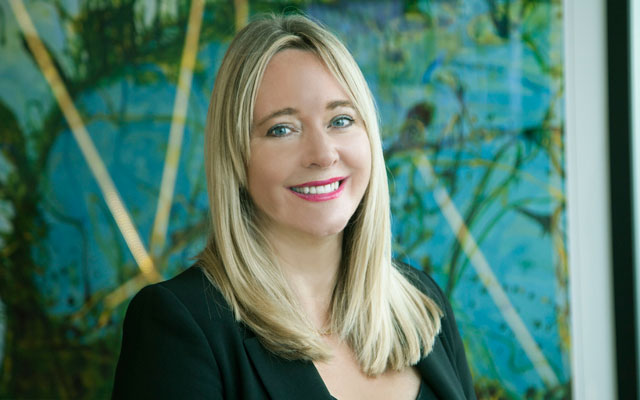
Accor has appointed Claire Haigh as its director of communications for the Pacific region.
In her new role, Haigh will lead communications for Accor Pacific’s apartment, hotel and resorts portfolio which includes Sofitel, Pullman, MGallery, Novotel, Mercure, Mantra, Peppers, Art Series, Swissotel and ibis; as well as premium membership platform Accor Vacation Club, across Australia, New Zealand, French Polynesia and Fiji.
Haigh will also direct communications for Accor’s corporate social responsibility initiatives, and the group’s newly launched global lifestyle loyalty programme, Accor Live Limitless.
For the past five years, Haigh was global communications director for Pernod Ricard’s winemaking division and their portfolio of champagnes, spirits and wines in Australia and New Zealand.
Prior to that, she served as head of communications for Whitbread Hotels and Restaurants in the UK. She has also drove creative communications, strategic brand partnerships and external affairs for AB InBev, Coca-Cola and Oakley.
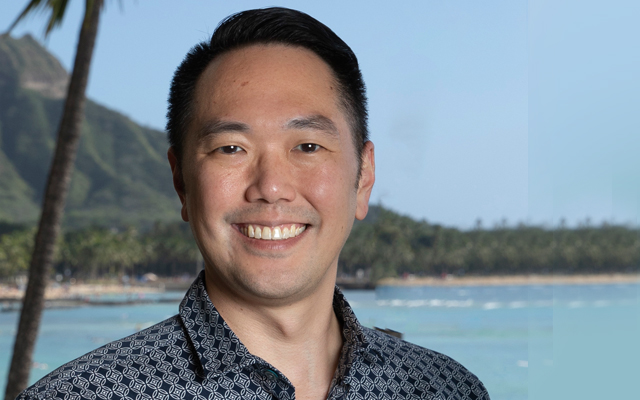
Outrigger Hospitality Group has appointed Brent Shiratori as vice president, global brand group.
In his new role, Shiratori will champion brand strategy through creative development and content strategy for web, social, email and paid media, campaigns, communications programs, brand resources, including tools and systems, as well as oversight of the brand intranet environment and media asset management.
Previously with Outrigger for three years, Shiratori founded the brand strategy firm Aidia Marketing, and was director strategic planning at Matsumoto & Clapperton as well as management supervisor at Carol H Williams Advertising in Oakland.
He has also cut his teeth at Laird Christianson Advertising, CP Advertising and Starr Seigle Advertising.
Just 10 minutes from Phuket International Airport on the serene northern coast, this 178-key, Bill Bensley-designed resort offers delegates a quiet, tropical paradise steeped in Phuket’s tin-mining heritage
The newly-opened Ritz-Carlton, Bangkok anchors the One Bangkok development with cosmopolitan elegance. Featuring the city's largest ballroom and a spectacular new penthouse suite, it delivers exceptional hardware and deeply authentic, soulful service for business and leisure travellers alike
Behind the imposing, Brutalist concrete that defines Zurich’s Oerlikon district lies a surprising secret. While its exterior honours the neighbourhood’s industrial roots, stepping inside Mama Shelter reveals a vibrant, neon-soaked world that is a far cry from its rigid shell





 Huw Tuckett is the executive director of Euromic, a non-profit association of 52 of the world’s leading DMCs. He has been in the incentive travel industry for over 20 years, and was last COO of a leading incentive house, a company he spent 15 years with. Tuckett first started his career with British Airways, before moving to Abercrombie & Kent where he was an inbound incentive manager for southern Africa.