


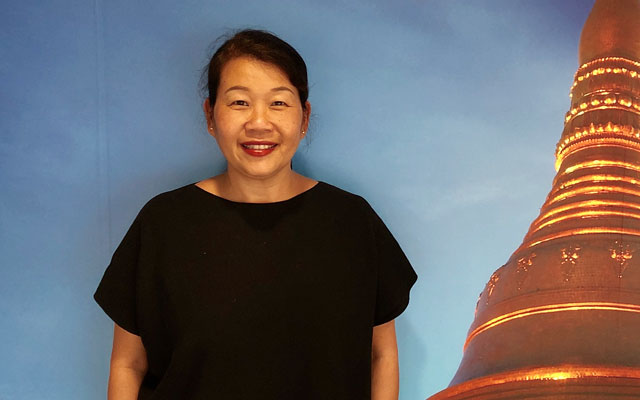
Instead of keeping the brand legacy of Buffalo Tours Asia and Olympus Tours Americas, what’s the motivation to rebrand into Discova?
The plan for the “global DMC network”, as we called it back then, was to continue to grow across the world through acquisitions and organic startups. When that happens, it’s very difficult to maintain so many brands across the world as you acquire them. It also confuses our customers because the first thing they ask is, “Is it under the same company? Do you operate in the same way?”
So for us, it made sense to rebrand under a single brand to give us a platform to get onto the global stage. The name “Discova” is a little bit more international, and it’s an easy brand to take to new destinations. It’s easier to say we’re Discova Asia, Discova America or Discova Europe.
What will Discova do differently compared with your DMC operations now?
Part of this brand change involves refocusing on our B2B partners. We’ve long noticed that a lot of DMCs look and feel a bit B2C, and even Buffalo Tours had a small B2C segment. But we’ve come to realise that our B2B partners is where we can add the greatest value.
What’s important to us is having the flexibility to lend our products and services – even our commercial models – to really suit our B2B customers, ensuring that our partners’ brand DNA really come through across all the destinations that we operate for them.
We’re certainly able to make it a lot easier for our partners to do business with us. Olympus and Buffalo work on two completely different systems – it’s not efficient.
We can have a single point of contact and consistency in the look and feel of how we do things (worldwide). The systems that we use, the documents we produce, the way our guides are trained, even our drivers – there needs to be some consistency in our portfolio of products and services.
It will certainly be so much easier to have a single platform across the world so whether our partners are buying for the Americas, Asia or Australia they’re using the same platform. For sure it’s going to be a combination of a system and technology that we can now invest in as a single brand.
What kind of competition are you seeing from other DMCs? Are they also taking a global approach?
Currently, there isn’t a global DMC that is consistent across the world. There are some big and strong DMCs based out of Europe and Asia, but they’re not really global – they’re very regional – so this is a great space for Discova to create something different and new.
As you bring your operations global, how will you balance that with keeping your experiences local and authentic?
Some 95 per cent of our workforce are locals. We’ve grown up in those communities, so anything that happens in the destination, how it’s evolving and the new products coming up, our people are there to share that with our partners.
Working with locals to ensure sustainable tourism is an important aspect of your business. How will Discova continue in this area?
Buffalo Tours has historically been very focused on sustainable and responsible tourism, largely because our people are from these communities, and we need to be able to ensure that they continue to benefit from tourism without being exploited.
For some of the community projects that we run, we have close to 30 social enterprises in our supply chain. We constantly look at environmental impacts like plastics and wet tissues, and over time we’ve been pushing and educating our partners to swap those products out for more sustainable alternatives.
In the same way that we’ve tackled the use of plastics, we’ve decided to educate our partners – tell them that instead of going to a certain popular destination, here is an alternative. It may not be as developed, but that is its charm, and if we continue to bring people there in a responsible way, the standards of that destination will be lifted. We do need to try to help all communities, rather than just a small community.
How have your partners responded to these efforts?
A lot of our partners are from Europe and they are phenomenal in terms of environmental consciousness and responsibility. They have really taken on board things like refill bottles – in the year before, we took out about 200,000 single-use plastics. I think it’s just about changing the mindset and I think most people in our business are really on board.
I want to roll it out at a greater scale across the world, particularly in Asia. This region is quite a mature destination and we would like to (expand) these existing initiatives (here).
Sustainability does seem to be picking up more slowly in Asia.
When we travel around Asia, it’s really disturbing how much plastic waste there is everywhere, on the roads and in villages. We work with many local communities to change that.
In Yangon, this incredible woman started to pay local villagers to collect plastics so she can (upcycle them) into reusable goods like handbags and tote bags. These people are making an impact because the villagers are earning money by collecting rubbish, while learning how to recycle plastics and tyres.
It’s our job to take travellers to these local enterprises. You’d need a DMC with people who live there and know about these enterprises, you can’t just pop them on your radar.
What about the issue of animal welfare in tourism?
Animal welfare is such a hot topic at the moment, (with elephant rides being a major concern now) from a consumer perspective.
We, the travel sector, (in part) created these problems of elephant camps, circuses and parks. Now to say that we’re just going to stop selling them and abandon all of these camps is impractical.
For example, in Thailand, there’s more than 3,000 elephants in captivity. What are you going to do, just let them go? If we stop supporting them in a responsible way, the elephants are not going to be looked after because the communities that benefit from tourism won’t have the money to look after them, and they’re going to have a massive collapse.
So it’s about how to work with these local communities, animal parks or elephant camps to really bring up the standards of welfare. A big focus for us at the moment is making sure that we follow well-informed guidelines, rather than just bowing to public pressure.
How does the company internally focus on such efforts?
We put a fair bit of investment and leadership support in it. We have a really great responsible travel working group with members from different parts of our businesses at all levels. They work on initiatives and we reward the best initiatives with incentive travel for the team, and we fund ideas where they’ve demonstrated the concept.
You’ve also been making leaps in glamourising tour guiding. Why is that needed?
We really take pride in developing our guides. In Indonesia, we launched a guide ambassador programme by inviting young men and women from marginalised communities to join us for six months. We pay for their living allowances and so forth, and they go through this guiding programme to get accredited before going on an apprenticeship with us.
We want to roll that out to Cambodia and Vietnam. Guiding is a bit of a dying trade, so we need to bring in fresh talent and nurture them by giving them a career path.
Some of our competitors don’t spend that kind of money because a lot of guides are freelancers. That’s where we create a stronger community among our guide base and we engage them in training whether they are freelancers or not. It’s important to show these communities that there is good living to be made in guiding, and it’s fun.
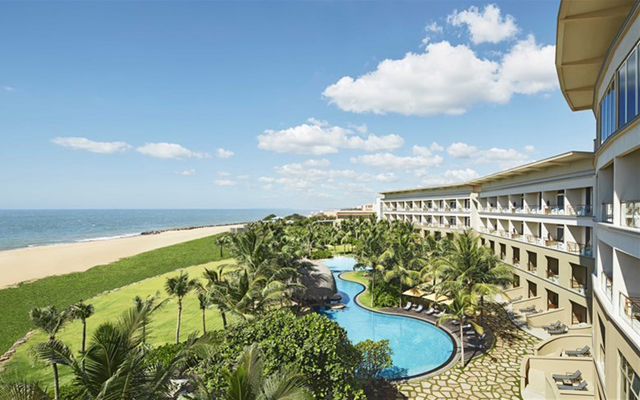


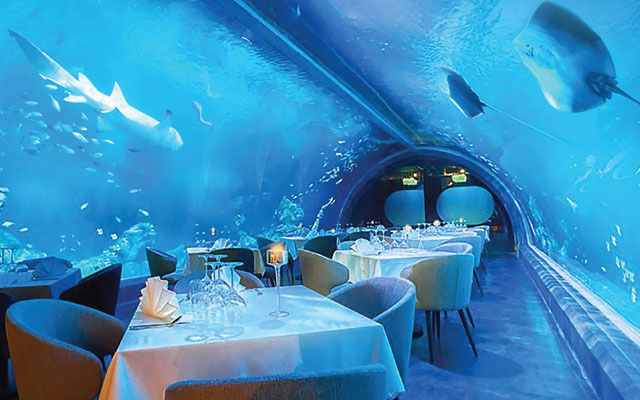






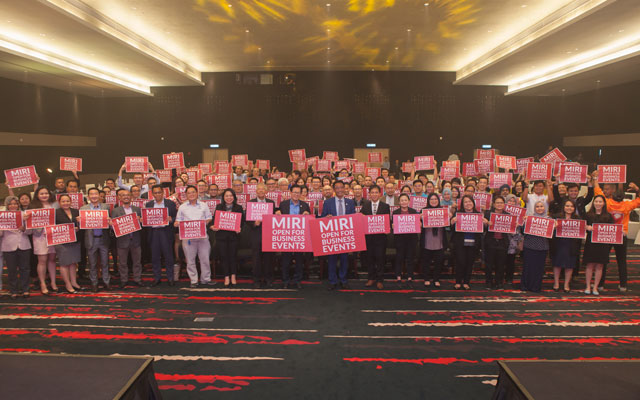






More than 500 operators, investors, industry, local councils and government partners have joined forces to deliver a bold new 12-year vision to encourage visitors to stay longer and spend more in the Brisbane region.
The Visitor Economy 2031 Vision for the Brisbane region targets visiting friends and relatives, holidaymakers, students, as well as major event and business travellers.
Lord mayor Adrian Schrinner said the Visitor Economy 2031 Vision, developed by Brisbane’s economic development board Brisbane Marketing, in collaboration with industry and regional tourism partners as well as all levels of government, would help unlock the potential of the Brisbane region.
“Brisbane is transforming through A$12 billion (US$8.3 billion) worth of new developments, including Brisbane’s new runway, International Cruise Ship Terminal and Queen’s Wharf Brisbane,” he said, adding that “there is potential to secure an additional A$6.5 billion a year in visitor expenditure and support 50,000 new jobs”.
“In Brisbane, we know there is more to see and do in our region than ever before, but now we need to work together to create a globally recognised Brisbane brand and remarkable experiences to give visitors even more reason to stay and spend in our region.”
The Visitor Economy 2031 Vision aims to build experiences in Brisbane, encourage brand awareness and global advocacy, as well as encourage visitors to explore the entire Brisbane region and use Brisbane as a base to explore the rest of Australia.
Schrinner said work had already started to build a globally recognised brand for the region and unearth new experiences. Some of the initiatives underway include:
A A$10 million cooperative marketing program in collaboration with Brisbane Marketing, Brisbane Airport Corporation and the State Government targeting North America and South-east Asian markets where there are direct flights into Brisbane.
An industry-owned and shared Brisbane narrative, that captures the elements and examples that make Brisbane the region of choice for a growing number of domestic and international visitors.
The recently announced Lord Mayor’s Experience Development Incentive Grant Program that supports local businesses to offer more exceptional experiences to enhance Brisbane’s appeal as a destination of choice.
Brisbane City Council’s River Access Network that has opened up opportunities for new commissionable tourism products, similar to Sealink and the Quandamooka Yoolooburrabee Aboriginal Corporation’s (QYAC) newly launched Yalingbila whale watching tour.
“This Vision is a great example of collaboration, but our ambitions for the Brisbane region over the next 12 years will only be realised through a true partnership approach where all stakeholders continue to come to the table,” Schrinner said.
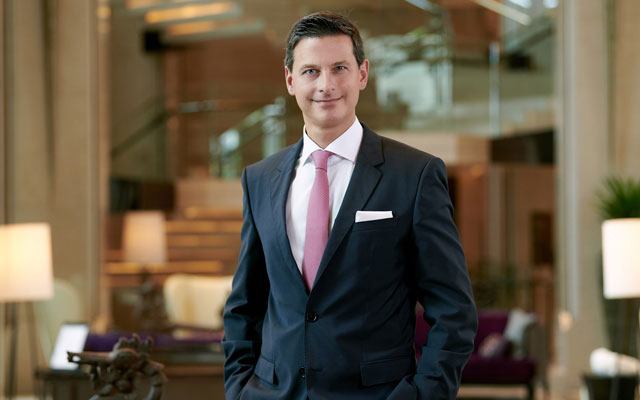
Brisbane Airport Corporation’s CEO Gert-Jan De Graaff said the city was in a unique position to attract more visitors and entice them to stay longer.
“Brisbane is entering an era of extraordinary opportunity and Brisbane’s new runway is a catalytic investment that will enable significant growth in international visitors for decades to come,” he said.
Momentum for Brisbane is already building with the latest tourism figures showing record numbers of domestic and international visitors from places like Sydney, Melbourne, China and the US.
Forecasts from the Visitor Economy 2031 Vision show the combined value of international and domestic overnight visitors to Brisbane will contribute nearly 90 per cent of total visitor spend and visitors will come from regional markets, interstate capital cities and Brisbane’s top six international markets, including China, India, North America, South Korea, Japan and the UK.