Asia/Singapore Friday, 19th June 2026
Page 66

Spaces for success Part 1

0

Hotels are no longer mere venues for business events. Instead, they play a big role in supporting event planners’ content delivery by providing an environment that satisfies attendees’ lifestyle expectations and brings programme ideas to life.

From biophilic design that inspires positive mood and creativity to thoughtful cuisine that answers atteedees’ quest for mindful living, hotels are demonstrating a variety of ways to redefine the business event experience.
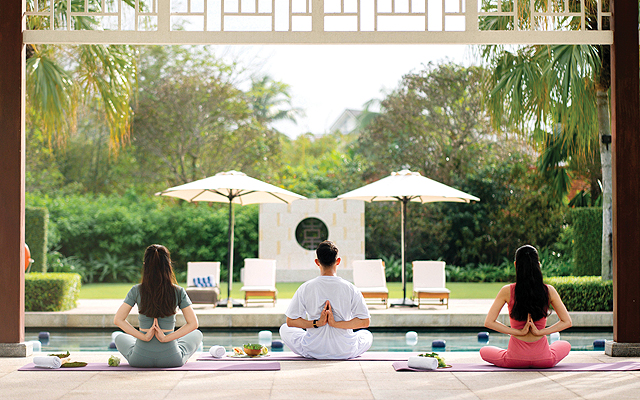
A sound-healing session at Hyatt Regency Danang Resort and Spa

Hyatt
Hyatt offers five brand portfolios – Luxury, Lifestyle, Inclusive, Classics, and Essentials – each with a distinct focus. While no single brand is dedicated exclusively to business events, Grand Hyatt, Hyatt Regency, Alila, Park Hyatt, and Andaz are popular for meetings and events in the Asia-Pacific region.

Grand Hyatt properties are located in key business and convention hubs like Taipei, Hong Kong, and Singapore, offering accessibility, versatile event spaces, and culinary excellence.

Meanwhile, Hyatt Regency hotels, strategically situated in the heart of cities such as Sydney and Tokyo, promise dynamic and flexible spaces, modern workstations, and technology that foster productivity and collaboration.

For corporate groups seeking holistic well-being, the Alila brand offers properties the integrate enriching experiences and a positive community impact into meetings and events programming, from yoga and meditation to sustainably-sourced menus.

Kate Atkinson, vice president of global sales, Hyatt Sales Force, Asia Pacific, said: “We believe meetings should be balanced, engaging and enable authentic connections. Well-being is a key pillar under Together By Hyatt, our event philosophy, and we embed this throughout our event programmes to reflect our commitment to total mindfulness for guests.”

For instance, Hyatt’s wide range of well-being offerings include global partnerships with Headspace for mindfulness and Masterclass for self-development. Hyatt has also collaborated with author Juliet Funt to create a Mindful Meetings Guide, which helps clients make their events more productive by incorporating practices like the 90-minute rule for breaks.

Additionally, Hyatt provides unique amenities to ensure attendees leave feeling refreshed. The Sleep@Hyatt programme in Australia and New Zealand, for example, includes guided meditation and amenity packs, while event Care Stations offer thoughtful items like stress balls and cleansing wipes for guests’ comfort.

Globally, Hyatt has also established a Wellbeing Collective, signifying hotels that developed their own unique experiences to fuel authentic connections, such as silver-crafting workshops with a Balinese artisan at Alila Ubud, or the Four Elements Retreat Experience at Hyatt Regency Hua Hin.

Atkinson added: “We work with planners to bring these elements into event programmes. For example, we will encourage the use of sunrise yoga to start the day or mindfulness sessions as session breaks. Through our food philosophy Carefully Sourced, Thoughtfully Served we also provide guidance on sustainable and healthy menu choices.”

A hotel that exemplifies wellness focus is Grand Hyatt Singapore. Following a massive renovation, the hotel’s reimagined wellness haven, Damai House, now features a hydrotherapy pool and a lawn for yoga and meditation. This facility offers the possibility of group wellness sessions, ranging from vertical Pilates to Body Blueprint consultations that provide detailed body composition analysis.

In February 2025, Hyatt launched the Asia Pacific Meeting and Events Alliance, a new programme designed to streamline multi-year, multi-city event planning for corporate clients across the region. This Alliance, “ has proven incredibly effective at streamlining planning and improving efficiencies”, noted Atkinson.

She noted that the “flexibility and collaboration of the alliance” enabled a a 280-delegate training programme to “swiftly and seamlessly” relocate from one of its Bangkok hotel to a Kuala Lumpur hotel following a natural disaster.
“(This) has since led to the client considering our hotels in Singapore, Taipei, and Hong Kong for future events,” she added. – Rachel AJ Lee
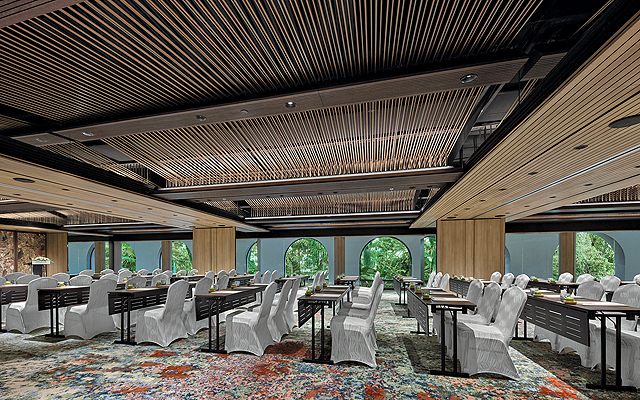
Parkroyal Penang Resort’s Jintan function room brings green views inside

Pan Pacific Hotels Group
Pan Pacific Hotels Group (PPHG) offers three brands – Pan Pacific, Parkroyal Collection, and Parkroyal – in the meetings and events market, with venues of varying sizes and functions built into its properties.

An ongoing global asset enhancement initiative (AEI) project has made event spaces in all its properties a priority. The outcome is a variety of venues that boast sustainable infrastructure in both the back-end and client-facing touch points, memorable sense of place, sensible biophilic design, and advanced audio-visual technology.

PPHG CEO Choe Peng Sum told TTGmice that the goal is to “make every ballroom and events space in all our 
hotels top-of-the-line through the ongoing global AEI”.

In Australia, a destination that is highly favoured for local, regional and international business events, PPHG has invested close to A$100 million (US$65.2 million) into rejuvenating three hotels, where all function rooms have been upgraded.

At Pan Pacific Perth – PPHG’s most significant AEI project in Australia – discerning event planners now have a new 2,500m2 convention floor to bring their creative events to life. A Wellness Concierge stands by to help event planners weave guided wellness breaks, mindfulness sessions, and a curated Wellness Menu into their programme.

Choe’s vision is to bring biophilic design and natural light into all function rooms, while equipping properties with modern technology to support clients’ immersive storytelling requirements.

Indeed, the group’s newer properties perfectly reflect this intention.

Pan Pacific Orchard, Singapore, which opened in June 2023 and holds several design and architecture awards, is a prime example. The hotel blends sleek architecture with lush greenery. There are four architecturally distinct open-air terraces that welcome creative business gatherings while indoors there are various eye-catching venues for events of all forms and sizes.

In Malaysia, Parkroyal Penang Resort on Batu Ferringhi’s iconic beachfront recently unveiled refreshed event spaces that reflect the local cultural identity while supporting modern event needs.

At the heart of this transformation is the Andaman Grand Ballroom. Beyond its soaring double-tier timber ceiling, the ballroom is equipped with Batu Ferringhi’s largest built-in LED wall, advanced audiovisual systems, and customisable lighting. Cultural elements are seamlessly integrated with lighting panels that cast patterns reminiscent of wayang kulit, a tribute to Malaysia’s traditional shadow puppetry.

The hotel’s other seven function rooms are also renovated, and now open up to a pre-function area that offers a visual connection to the resort’s lush surroundings.

Choe shared that Pan Pacific Hanoi in Vietnam and Parkroyal Collection Pickering in Singapore will soon unveil “spectacular” new venues for events. – Karen Yue

Pullman Ciawi Vimala Hills Resort Spa & Convention’s lush surroundings offer a revitalising environment for meetings

Accor
Pullman, Mövenpick, and Swissôtel are brands in Accor’s portfolio that are well-equipped for business events due to their focus on flexibility, well-being, and purposeful design.

Pullman, with its Work hard, play hard ethos, appeals to the new generation of event planners. Hotels such as Pullman Phuket Arcadia Naithon Beach, and Pullman Ciawi Vimala Hills Resort Spa & Convention, West Java, combine facilities with wellness-driven programming, energising breakouts, and social experiences that fuel productivity.

Swissôtel integrates its Vitality ethos into every aspect of the delegate journey. At Swissôtel Nankai Osaka for example, this includes wellness breaks, organic catering from its Sky Farm, and in-room fitness options to support both physical and mental well-being.

The brand’s Vitality Meeting setups include height-adjustable tables and wellness zones to boost energy and focus during long sessions, as seen at properties such as Swissôtel The Stamford Singapore.

As for incentive and wellness-focused events, Mövenpick properties like Mövenpick Resort & Spa Jimbaran Bali and Mövenpick BDMS Wellness Resort Bangkok offer immersive local wellness experiences, flexible venues, and standout cuisine.

To meet the needs of modern organisers, Accor continues to upgrade its business events infrastructure across Asia.

Ollie Ansell, vice president, commercial market strategy – Accor Asia, said: “Our venues feature modular spaces with natural light, LED screens, hybrid meeting technology, and ergonomic furniture to enhance comfort and flexibility. Recent upgrades at Sofitel Bangkok Sukhumvit and Pullman Singapore Hill Street exemplify this focus.

“We have also introduced wellness touch points, such as air purification systems, hydration stations, and calming design palettes.”

Other upgrades taking place behind the scenes include a strengthened technology backbone with high-speed connectivity and advanced audiovisual. Real-time translation tools have been implemented across key properties, while sustainability-related improvements include energy-efficient lighting, waste-reduction systems, and eco-certifications.

Ansell added that property teams “co-create agendas that keep delegates engaged and energised”, such as by creating “purpose-driven experiences”, from yoga before a leadership forum to nutritionist-curated menus at conferences. Solutions are tailor for each client. – Mimi Hudoyo
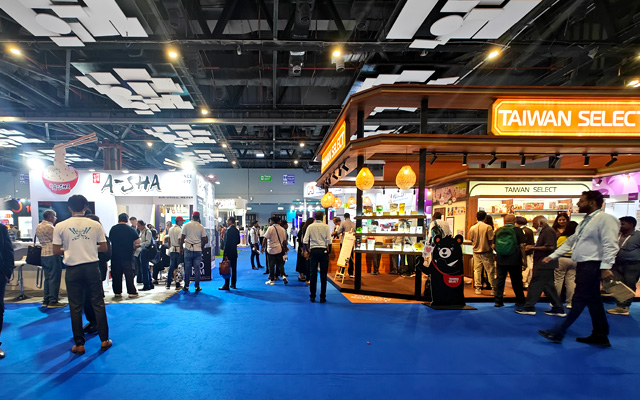
Taiwan Expo 2025 draws strong participation in New Delhi

0
Taiwan Expo 2025; photo by Rohit Kaul

The Taiwan Expo 2025, held September 25-27 at Bharat Mandapam in New Delhi, saw 107 Taiwanese companies showcase their latest innovations and products to Indian businesses and consumers.

Focused on four core themes – Smart Manufacturing, Smart Technology, Green Innovation, and Wellness Fiesta – the Expo featured solutions in electronics, EVs, renewable energy, semiconductors, and healthcare, emphasising stronger India-Taiwan economic ties in these growth sectors.

Taiwan Expo 2025; photo by Rohit Kaul

“In 2018, bilateral trade volume between India and Taiwan was only US$5 billion. As of 2024, our bilateral trade volume has surpassed US$10 billion. I believe that the Taiwan Expo 2025 in India has played an instrumental role in facilitating business cooperation between the two countries,” James Huang, chairman, Taiwan External Trade Development Council (TAITRA), told TTGmice.

The deepening relationship is evident in trade and investment; the number of Taiwanese firms in India has surged threefold since 2017 to over 250 companies. TAITRA has also played a proactive role by hosting other events in India, including the Smart City Expo in Bengaluru.

“Taiwan Expo has created business opportunities for both Taiwanese and Indian companies. We are not here to just sell our products; many of our companies are here to look for partnerships to work with their Indian counterparts,” added Huang.

Addressing the growth of India’s manufacturing industry under the Make in India policy, Huang said, “India is doing a great job in the manufacturing sector, and Taiwan is honoured to be a great partner of India in this endeavour.”

This year’s expo was jointly organised by TAITRA, and the International Trade Administration of the Ministry of Economic Affairs (Taiwan). First established in 2018, the annual event has become a cornerstone for fostering commercial and technological exchange between the two nations.

Events ROI now measures engagement, sustainability, and time: GBTA speakers

0
Meetings must now prove value beyond cost savings

The return on investment (ROI) for meetings and events (M&E) is no longer an option, but essential for proving value, securing investment, and aligning strategies with business goals.

While cost savings and precision spend are still key, ROI has evolved where return on engagement (ROE) and return on sustainability also matter, according to speakers at the inaugural Global Business Travel Association (GBTA) APAC webinar Why ROI matters in M&E Now More Than Ever.

Meetings must now prove value beyond cost savings

Donna Liew, Asia East, ASEAN and Singapore, regional leader and director, brand, marketing and communications, EY, said “story-telling and a compelling narrative” is important in managing stakeholder expectation.

Isaac Yeo, South-east Asia travel and events manager, Boston Consulting Group (BCG), added: “Cost saving and spend reduction may be some of the reasons, but ROI is also about productivity especially for international events… and improved collaboration in the long-term.

“It’s also about return on time and the experience, where attendees are energised, which can boost job retention and long-term careers.”

As for the return of experience and ROE, Simone Seiler, global general manager, FCM Meetings and Events, commented that integrating data analytics and using it to create a success matrix performance indicator could address “what works and future risk”.

On the use of AI, Liew shared that EY was building its own “super efficient” platform to measure the ROI outcome for the long sales cycle, 18 months after an event.

Meanwhile, Yeo pointed out that AI is “definitely crucial in ROI management”, and every BCG staff also creates a “personalised ‘ChatGPT’” for client servicing.

FCM also uses AI for design and event concept, to customise the attendee experience and enhance data analytics, and Seiler noted AI is used 100 per cent in day-to-day operations like room rate reconciliation, with data privacy in mind.

There was also the issue of sustainability.

Liew identified waste management as a key takeaway, calling it “a very important ROI area,” which moderator Hida Khalid, director of sales – MICE, Hilton Worldwide Sales, Asia Pacific, labelled a return on environment.

BCG’s Yeo added environmental sustainability is not only about offsetting the carbon footprint, but also giving back to the local community, how people are impacted and how it is measured.

Similarly, Seiler shared that FCM gives clients the opportunity to offset their carbon footprint and engage with the local community.

Regarding internal ROI discussions, Yeo advised that the conversation should not be limited to the “budget holder,” but should involve everyone, stressing that “only with data points can we craft an event”. He added that giving staff a choice of events improves collaboration.

Liew agreed, noting that budget owners may not always know the true ROI or employee desires, and providing options ensures positive outcomes for all.

Sustainable gastronomy reshapes event planning with waste reduction and dialogue

0
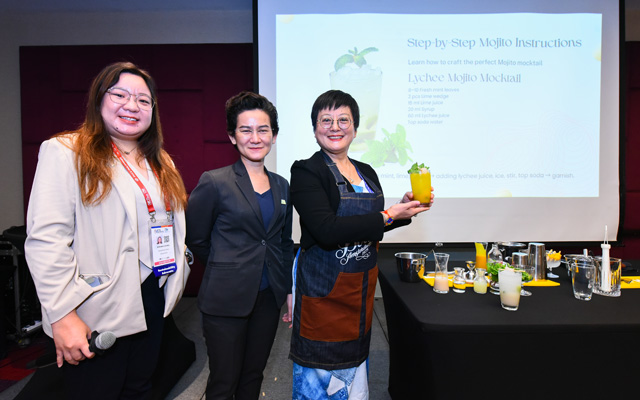
The session opened with an eco-mocktail demonstration

Food is central to every conference, yet the way it is sourced, served, and wasted is now under sharper scrutiny.

At IT&CM Asia and CTW APAC 2025 last week, ICCA’s Sustainable Gastronomy in MICE engagement activity highlighted how the industry can reshape its practices. The session combined hands-on activities with honest knowledge-sharing from venues, consultants, and hoteliers.

The session opened with an eco-mocktail demonstration

The session opened with an eco-mocktail demonstration, showcasing how hyperlocal produce can cut carbon footprints along the supply chain while elevating the delegate experience.

But the bigger challenge, said LightBlue Consulting founder Benjamin Lephilibert, lies in food waste, which accounts for eight to ten per cent of global greenhouse gas emissions.

“Reducing food waste is not just transforming it into compost – it is anticipating, identifying the root causes, and embedding better procedures. Prevention is the top priority. Redistribution comes next. Only after that should we talk about animal feed or soil recovery,” Lephilibert explained.

ICCA’s regional director for Asia Pacific, Waikin Wong, steered the discussion to the audience, gathering candid examples of cultural expectations, buffet logistics, and plate waste.

“It’s crucial for organisers to start the dialogue with venues. Some venues may lack experience or not know the right questions to ask – so bridging that gap and educating each other is where communication becomes essential,” she said.

Hotels face the sharp end of the issue. Pornticha Wongyannava, sustainability manager at Bangkok Marriott Marquis Queen’s Park, said: “Preparation waste we can compost, buffet waste we can donate. But plate waste goes to animal feed at best. Educating guests to take only what they can finish is critical.”

She further highlighted: “We even upcycle oyster shells into fire-resistant paint for local schools. This example also makes a good talking point to initiate the dialogue with our guests and vendors about food waste.”

From the venue perspective, Eileen Quek, assistant director of sales (international) at Singapore Expo, noted that cost remains a barrier: “Everyone wants to go sustainable, but no one wants to pay for it. That’s why we took it upon ourselves to make the initial investment in a food waste digester, which first produced fertiliser and now creates grey water safely released into the public system.”

She added: “On our site, it’s all about data and information, so I would highly encourage event organisers to think of F&B as part of your event design at the beginning. Because not only do good food and a good experience make your event; leave it to the end, and you lose the chance to shape impact.”

The session also spotlighted the ICCA Food-Waste Management Toolkit for Associations, developed with LightBlue Consulting and launched in July 2025.

MPI data flags caution amid shifting MICE realities

0
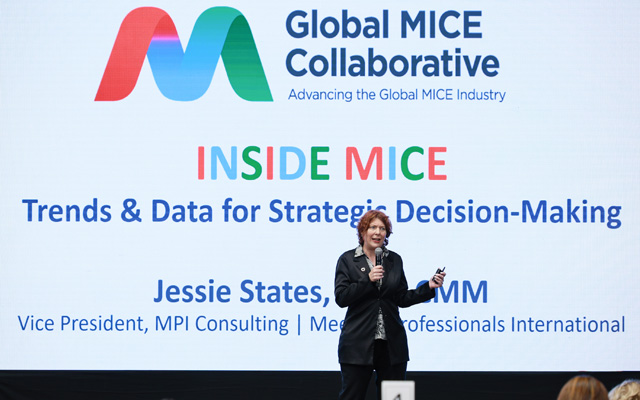
States: the data reveals an industry stabilising but facing sharper pressures on cost, safety, and risk

The global business events industry is heading into 2026 with significantly cooled optimism, according to the latest research presented at the Inside MICE: Trends and Data for Strategic Decision-Making session at IT&CM Asia and CTW APAC 2025 last week.

“Forty-seven percent of respondents believe business conditions will improve in the next 12 months, but 43 per cent expect decline,” Jessie States, vice president, consulting, Meeting Professionals International (MPI), presented.

States: the data reveals an industry stabilising but facing sharper pressures on cost, safety, and risk

She noted that optimism has cooled sharply since late 2024, when 78 per cent foresaw growth, underlining a tougher business environment heading into 2026.

Risk is also on the rise, with 51 per cent of planners say their level of concern related to safety and risk is higher than in 2023, while 39 per cent say their concern is significantly more than pre-pandemic 2019.

Top perceived threats include natural disasters and weather (48 per cent), IT outages (34 per cent), and data breaches (33 per cent), alongside social unrest (31 per cent) and international conflicts (25 per cent).

Costs are also rising across all categories. More than half of respondents reported one to 10 per cent price hikes in F&B, AV, event space, hotels, and transport over the past year – with respondents expecting the same again in the year ahead. F&B was hit hardest: over a quarter saw prices jump more than 10 per cent last year, while more than 20 per cent anticipate another double-digit increase this year.

While 47 per cent of planners still project budget growth, 30 per cent foresee cuts, marking a 25 per cent year-on-year drop in confidence.

“The top concern right now is cost and budget, right up there alongside politics, the economy, and legislation – and that’s international, across all organisers. In all areas, prices are going up. Planners need to go back to stakeholders with data, and have a serious discussion on whether to amend the delegate experience or allocate more funds,” States emphasised.

Business travel habits, meanwhile, are rebounding beyond pre-Covid norms. Forty-six per cent of respondents report more trips than in 2019, 42 per cent add leisure time, and 45 per cent show a stronger desire to travel. However, satisfaction levels remain uneven, with only 16 per cent reporting improved travel experiences.

Data from MPI’s AI Sentiment Meter also revealed somewhat positive views rising from 50 per cent in late 2023 to 68 per cent by February 2025, as planners grow more comfortable with AI.

“When we first started asking, everyone was wary of its impact. Now, while concerns remain, many organisers are leaning into AI as an invaluable tool,” concluded States.

Hush trips blur lines of accountability, driving need for clearer corporate travel policy

0
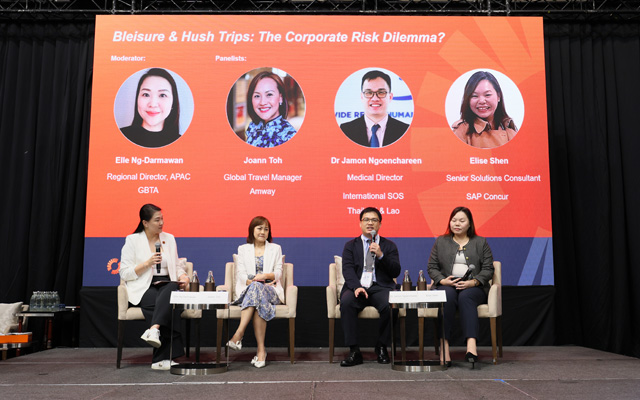
From left: GBTA’s Elle Ng-Darmawan (moderator); Amway’s Joann Toh; International SOS' Jamon Ngoencharee; and SAP Concur’s Elise Shen

Hush trips, defined as remote workers working from a location they did not inform their employers about, are becoming increasingly common, according to panellists on the Bleisure & Hush Trips: The Corporate Risk Dilemma session at IT&CM Asia and CTW APAC 2025 last week.

Jamon Ngoencharee, medical director, International SOS, shared that while bleisure trips are pre-approved and partly covered by travel insurance, hush trips leave companies in a difficult position.

From left: GBTA’s Elle Ng-Darmawan (moderator); Amway’s Joann Toh; International SOS’ Jamon Ngoencharee; and SAP Concur’s Elise Shen

In Thailand, duty of care obligations still apply to employees on hush trips if they are injured or fall ill abroad, even if the company has no knowledge of their travel, he pointed out.

Jamon also cited cases where employees were injured on hush trips, creating a liability dilemma, as employers may still be held responsible for the well-being of staff under occupational health and safety laws, despite the travel not being approved.

Cybersecurity is another risk factor, he added, as employees who take hush trips often rely on unsecured Wi-Fi in hotels or cafés to work.

Joann Toh, global travel manager, Amway, explained that although her company allowed staff to extend after business trips, hush trips were prohibited because of the higher risks involved.

To navigate this situation, clear policies and approval processes are essential, Toh noted, and that approved bleisure arrangements can support staff retention and work-life balance.

Elise Shen, senior solutions consultant at SAP Concur, said hush trips blur the lines of accountability.

Shen added that while employees on hush trips are expected to manage their own insurance and safety, companies may still face tax, legal, and compliance risks. This is because such employees can inadvertently trigger obligations under labour laws, immigration regulations, or tax regimes.

Jamon stated that hush trips will remain a “continuing battle between employee autonomy and organisational duty of care”, warning that employers must find ways to manage potential risks without alienating their workforce.

Shen agreed, and recommended that employers adopt integrated booking and risk management platforms to improve tracking of employees while maintaining respect on their privacy.

Singapore Oceanarium transforms into unique backdrop for corporate events

0

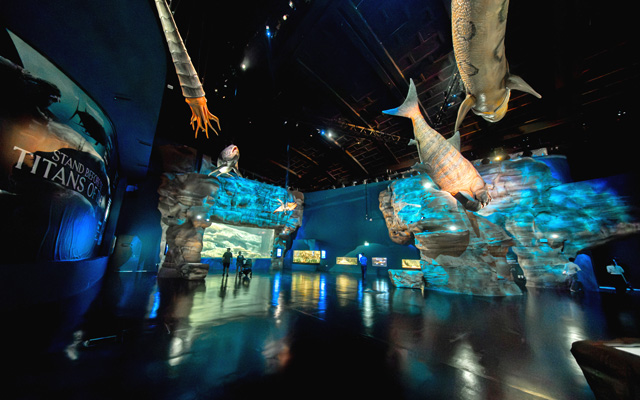
Resorts World Sentosa’s (RWS) newly-opened attraction Singapore Oceanarium (SO) provides a state-of-the-art indoor space and awe-inspiring storytelling to host different types of business events.

The revamped former S.E.A. Aquarium, which opened in July, “showcases our flexible and sustainable event spaces, as RWS redefines how MICE groups experience events in Singapore”, a spokesperson commented.

Singapore Oceanarium

There are 22 immersive zones, and Whale Fall and Seamount, an atmospheric space of light, sound and deep-sea discovery, for example, is suitable for standing receptions of up to 250 guests.

The adjacent Research and Learning Centre complement these environments with flexible meeting spaces like The Wave and Edutorium, as well as The Beacon, a rooftop venue with panoramic views.

The spokesperson added exclusive buyouts can transform SO into “a one-of-a-kind venue for launches, networking sessions, incentive groups and team retreats surrounded by ocean wonders”.

Current offers include one complimentary room for every 20 booked and charges are waived for the next 10 attendees with every 50 foreign delegates – a one-time use across the event period.

Corporate rates are also available with a minimum 30 tickets per attraction, while signature programmes such as Another Future, an immersive teambuilding game that explores the impact of plastic pollution, start from S$82 (US$64.30) nett per person.

To add meaning and make corporate events memorable, participants can take the Ocean Discovery Experience guided tour where they gain a deeper understanding of marine life.

Expansion of Novotel Geelong Hotel Tower gets underway

0
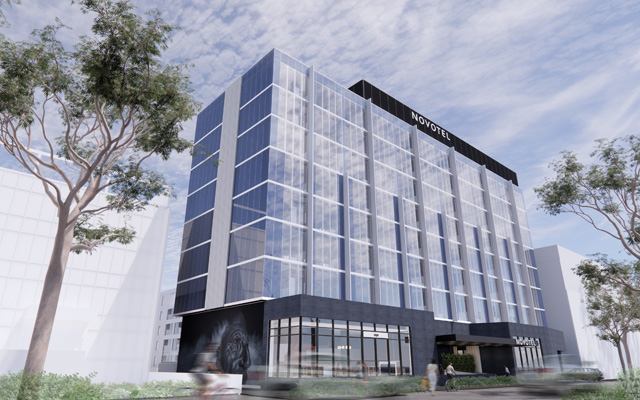
An artist impression of Novotel Geelong’s new hotel tower

Construction has commenced on an 11-storey hotel tower at the Novotel Geelong, marking the largest single hotel development in the city’s history.

The expansion will add 134 new guestrooms, including 15 apartment-style suites, bringing the Novotel Geelong’s total capacity to 243 rooms.

An artist impression of Novotel Geelong’s new hotel tower

Located immediately south of the existing structure, the new tower will feature a state-of-the-art wellness centre and a new 125-seat brasserie-style restaurant. This new dining venue, complementing the existing Tempo Kitchen & Bar, will offer indoor and outdoor seating with sweeping 360-degree panoramic views from 36 metres above the bay.

The development will also enhance Geelong’s conference and events market by delivering a combined 1,200m2 of event space across both the new tower and the existing hotel.

The A$75 million (US$49.5 million) project along the waterfront, owned by ERDI Group, aims to significantly boost Geelong’s capacity for business and leisure tourism.

This Japanese prefecture has the venue and plenty of incentive experiences for your next hybrid event

0
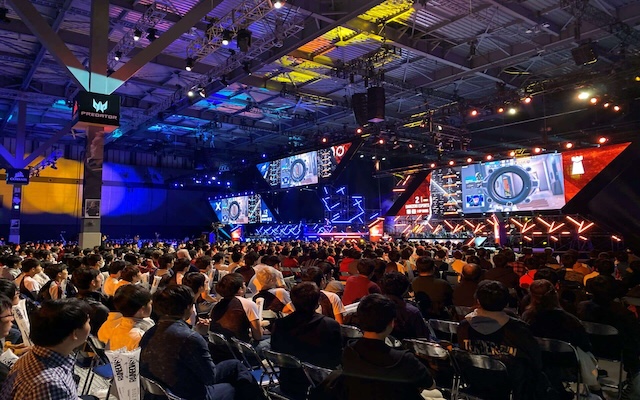
Aichi Sky Expo boasts one of the largest exhibition areas in Japan with six halls, 18 conference rooms, and a huge outdoor space

Brought to you by Aichi Sky Expo

Aichi Sky Expo boasts one of the largest exhibition areas in Japan with six halls, 18 conference rooms, and a huge outdoor space

As planners search for more creative ways to make their events more memorable, Aichi Prefecture in Japan presents an attractive destination for hybrid events. 

Strategically located in central Japan with excellent transport connectivity and home to Japan’s industrial manufacturing region, Aichi has large-scale venues and plenty of experiences to offer, whether it is an international conference or incentive trip.

On the global stage 

The prefecture is home to Aichi Sky Expo, the fourth largest exhibition and convention centre in Japan with a total of 60,000m² of space.

The exhibition halls, which can be connected to create a total area of up to 50,000m², are among the largest in Japan. The facility also features 18 conference rooms in varying configurations, and a 36,000m² outdoor multipurpose area, all fully equipped with 5G technology and external kitchens.

Directly connected to Chubu Centrair International Airport by just a five-minute walk, Aichi Sky Expo is easily accessible by both domestic and international travellers. If coming by train, it takes only 28 minutes from Nagoya station.

Since its opening in August 2019, the modern, multipurpose venue has held more than 600 events, both B2B and B2C, including trade shows, e-sports, concerts, academic conferences or international conventions. 

It recently hosted the Tourism EXPO Japan 2025 Aichi/Central Japan from September 25 to 28, which was attended by 127,677 visitors. Participants were first welcomed by the Mayor of Tokoname at a repurposed traditional climbing kiln turned restaurant, and could join excursions to Tokoname Pottery Footpath, INAX Live Museum, and Sawada Sake Brewery.

What sets the venue apart is not just its scale or modern building, but how well it can be integrated into a broader event experience. Once attendees step out of the convention venue, they are already positioned to explore one of Japan’s most culturally rewarding regions.


Extend the experience to Tokoname 

A short transfer from Aichi Sky Expo takes you to Tokoname City, a coastal gem that offers an abundance of deep-rooted heritage, culinary experiences, and hands-on activities. Set along the scenic Ise Bay, Tokoname offers a refreshing change to the intensity of corporate meetings. 

The city is most famous for its Tokoname-yaki pottery, a tradition that dates back over 900 years. Walking trails wind past traditional kilns, artisan studios, and ceramic-clad alleyways – perfect for slow-paced incentive tours or creative team-building workshops. 

Visitors can arrange pottery-making sessions, heritage walks, or even customised gifts crafted by local artisans.

Complementing its artistic heritage, Tokoname is home to two historic sake breweries. These venues offer tastings and brewery tours and can also be used to host networking events or team building activities. 

Tokoname also has a diverse food scene with a great number of local restaurants that specialise in regional cuisine using fresh ingredients from both the land and sea, as well as pubs and western restaurants. 

Those looking to build a full-fledged incentive itinerary can also consider expanding further into the Chita Peninsula, of which Tokoname is a part. The region is renowned for its fermentation culture and sake brewing, with seven sake breweries, traditional miso makers and soy sauce producers.  

Here, you can offer your guests more than just meals. Plan fermentation workshops, sake tastings sessions, or behind-the-scenes tours of traditional breweries. 

The INAX Live Museum houses exhibitions of ceramics such as decorative tiles and terracotta. Pottery workshops are also available

Past events have successfully combined meetings at the Aichi Sky Expo with experiences in Tokoname. 

In May, the Exhibition Venue Association Conference brought together around 100 participants where they had a packed programme. After productive board meetings and a general assembly at the Aichi Sky Expo, attendees embarked on a tour of the town. They explored the INAX Live Museum, wandered the historic Tokoname Pottery Footpath, and browsed Ceramall, capping off the experience with a fresh seafood lunch at a renowned restaurant, Muruha.

Another event in July by the Livestock Industry Subcommittee combined work and pleasure. A conference at the Aichi Sky Expo led into an evening of networking dinner at Maruha for around 100 delegates. The next day, participants savoured sake on a tasting tour at Sawada Sake Brewery before visiting the Tokoname Pottery Footpath and shopping at Ceramall.  Lunch was served at a charming farmhouse restaurant offering local wines and farm-to-table cuisine.


Create programmes that engage the senses and foster genuine interpersonal connection in Aichi now. Visit Aichi Sky Expo and find out more about Tokoname’s gourmet experiences for event inspiration.

Oceania Cruises, Regent Seven Seas Cruises appoint dual-role leaders for Asia-Pacific growth

0

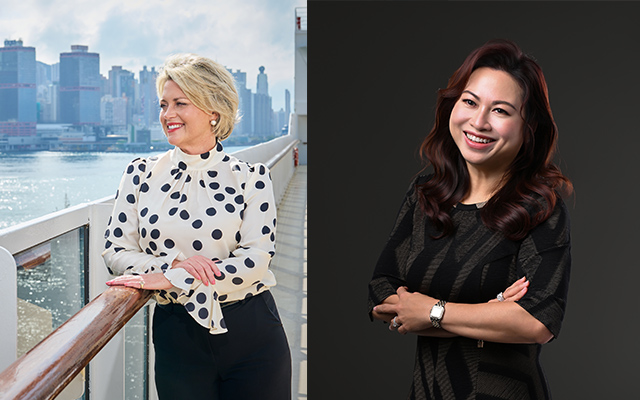
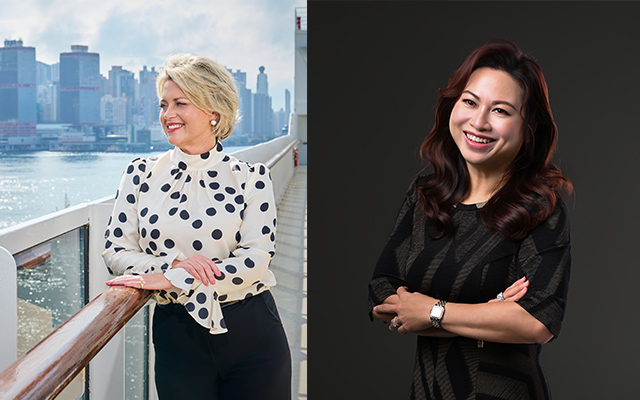
Oceania Cruises and Regent Seven Seas Cruises (RSSC) have strengthened their leadership in Asia-Pacific with a dual-role sales structure to support the brands’ growth in the region.

Lisa Pile, vice president and general manager for RSSC in Asia-Pacific, now also oversees Oceania Cruises in the region. Pile has worked with RSSC since 2016 and brings extensive experience across Asia’s luxury travel markets, having lived and worked in Beijing, Shanghai, Chengdu, Bangkok, and Singapore.

From left: Lisa Pile and Constance Seck

Constance Seck returns as director of sales, Southeast Asia, for both Oceania Cruises and RSSC. Based in Singapore, Seck has over 20 years of experience in luxury travel markets, including senior roles in hotels, consortia management, and travel agencies.

James Sitters remains director of sales, Australia and New Zealand, for Oceania Cruises.

Pile will be supported by three regional leaders: Seck for South-east Asia, Holly Kong for North Asia (excluding Japan), and Toshi Kurihara for Japan. Kong has more than seven years with the company, while Kurihara has led sales in Japan since 2023.

Reviews

The Slate Phuket

Just 10 minutes from Phuket International Airport on the serene northern coast, this 178-key, Bill Bensley-designed resort offers delegates a quiet, tropical paradise steeped in Phuket’s tin-mining heritage

The Ritz-Carlton, Bangkok

The newly-opened Ritz-Carlton, Bangkok anchors the One Bangkok development with cosmopolitan elegance. Featuring the city's largest ballroom and a spectacular new penthouse suite, it delivers exceptional hardware and deeply authentic, soulful service for business and leisure travellers alike

Mama Shelter Zurich

Behind the imposing, Brutalist concrete that defines Zurich’s Oerlikon district lies a surprising secret. While its exterior honours the neighbourhood’s industrial roots, stepping inside Mama Shelter reveals a vibrant, neon-soaked world that is a far cry from its rigid shell
.td-gallery-slide-copywrite { float: left !important; } .td-doubleSlider-1 .td-slide-item .td-slide-galery-figure img { width: 98% !important; padding-right: 12px !important; }