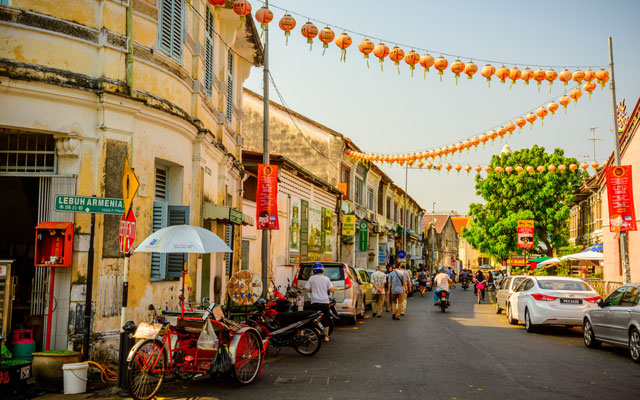
Lebuh Armenia, one of the main streets in historical Georgetown, Penang
Penang Convention & Exhibition Bureau (PCEB) has joined forces with TTGmice to launch a digital contest in conjunction with the BE @ Penang 2018 business events industry conference.
The “Are You A Penang Business Events Guru” contest invites delegates to answer eight questions about Penang as a MICE city, and perfect scorers will stand a chance to redeem economy flights into Penang from any Asia-Pacific city, plus three nights’ accommodation, and a free pass to attend BE @ Penang.
Lebuh Armenia, one of the main streets in historical Georgetown, Penang
Taking place on December 6 and 7, 2018, at the Setia Spice Convention Centre, BE @ Penang expects to welcome 400 delegates from around the world.
The conference will feature 20 experts, including Nina Freysen-Pretorius, president of the International Congress and Convention Association, as the keynote speaker, PCEB’s CEO Ashwin Gunasekeran said.
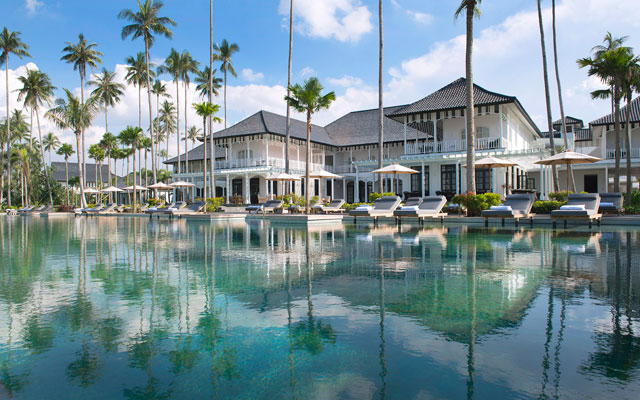
Located less than an hour away from Singapore on the sandy shores of Bintan Island, The Sanchaya offers a selection of meeting and events spaces away from the city.
In addition, all of The Sanchaya’s guests are escorted through fast-tracked immigration and a private VIP lounge at Bintan’s ferry terminal before a short private chauffeur to the estate.
1 of 7
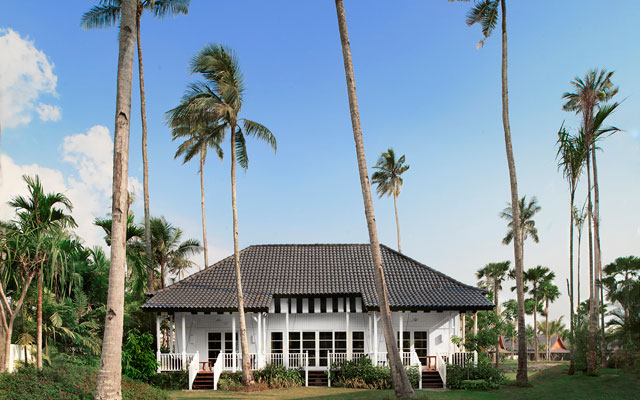
Two bedroom villa exterior
Pool
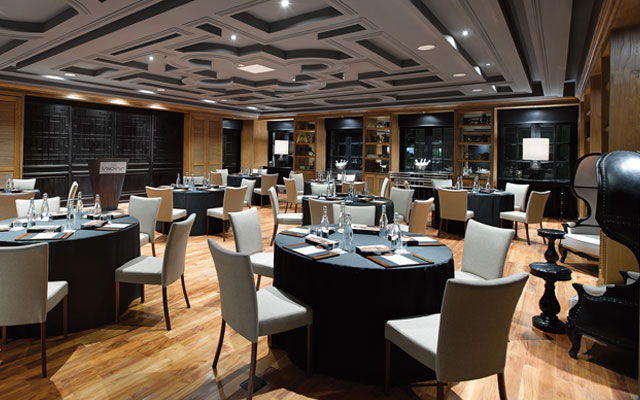
Dahlia Meeting Room
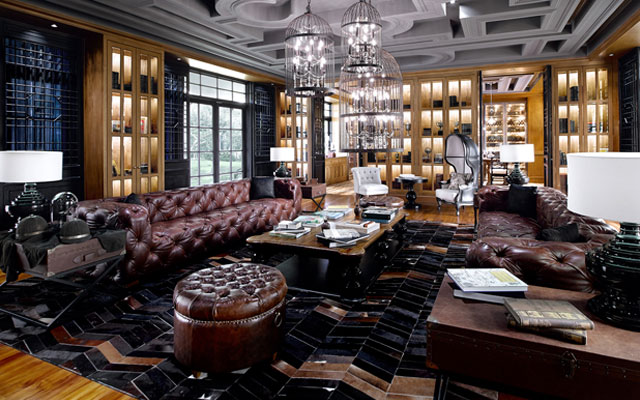
The Salon and Library
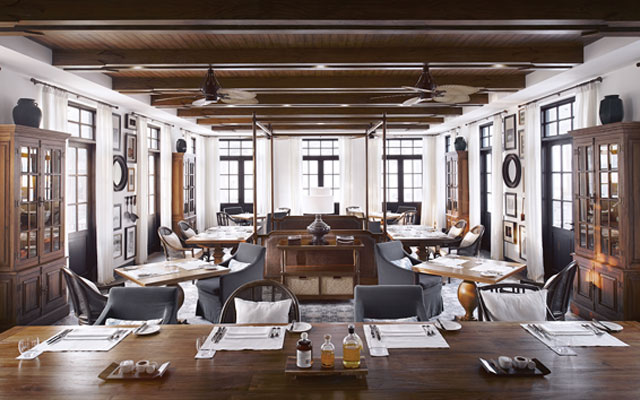
The Dining Room
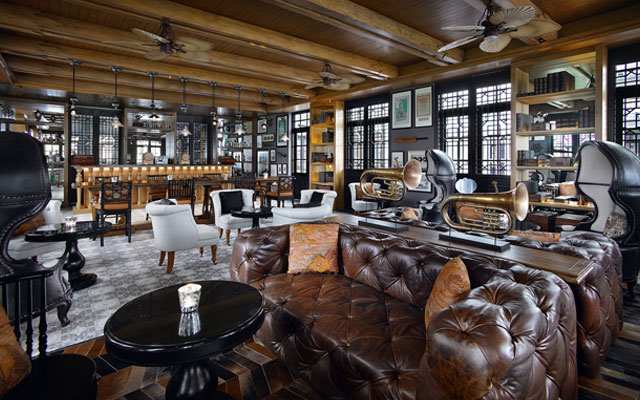
The Bar
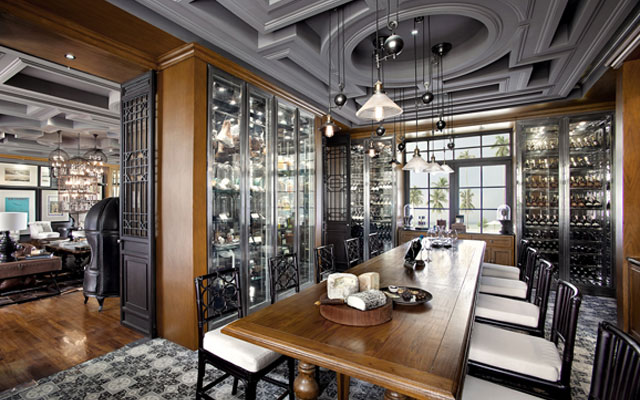
Decanter
Ahead of the festive season, from December 3 to December 20, 2018, for Sunday to Thursday evenings, The Sanchaya is offering a deal for groups of 10-15 people. Priced at S$145++ (US$105++) per person, the Christmas special includes a welcome cocktail, use of all facilities, and a Roaming Lunch, in addition to reduced room rates for those wishing to extend their stay.
Meeting spaces within the estate include for example, include the Dahlia function room. The adaptable space can accommodate 48 guests for a sit-down lunch, dinner, or meeting or 75 guests theatre-style. The room is fully-equipped with top of the range technology and screening equipment, while small touches add an element of executive luxury to meetings – leather writing pads, antique stationary boxes, and slick writing instruments.
For added flexibility, the room opens up to a colonnaded terrace with views across the manicured lawns out to the Indian ocean. Complementing the Dahlia function room, The Library, The Bar, The Decanter, and the estate’s gardens work as breakout, coffee break, or cocktail venues, where groups can conduct more informal sessions.
In addition, The Sanchaya recently launched the Roaming Lunch, which leads diners on a culinary experience through the various areas of the estate – think Port-infused stilton and freshly-carved Iberico in The Decanter wine cellar, followed by cocktails and canapés in the Bar, and a seated main course in The Dining room. The roving meal gives groups the opportunity to mingle with one another in the absence of the set seating arrangements of traditional meals.
The estate also offers several teambuilding experiences. Archery, croquet and pétanque tournaments will encourage friendly competition, whilst Onewheel+ and BloKarts are available for adrenaline-inducing afternoons. Groups can also indulge in cooking classes and wine and cheese tasting sessions with the estate sommelier.
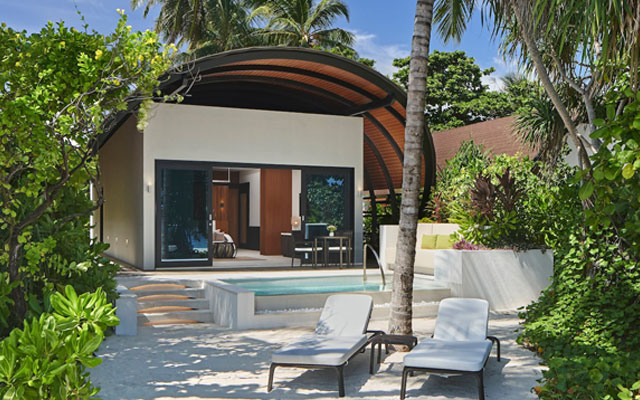
Westin Hotels & Resorts has opened The Westin Maldives Miriandhoo Resort on a coral island in the Baa Atoll, a UNESCO Biosphere Reserve site.
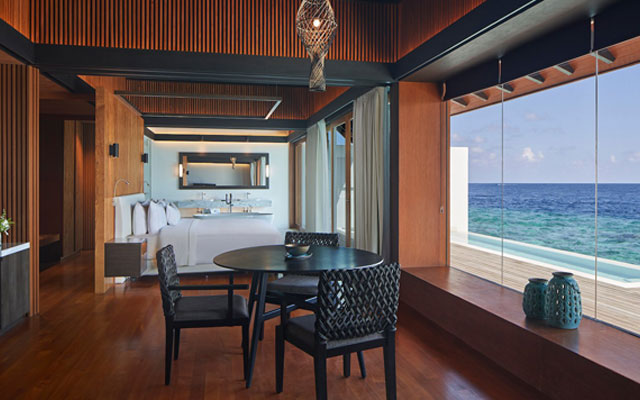
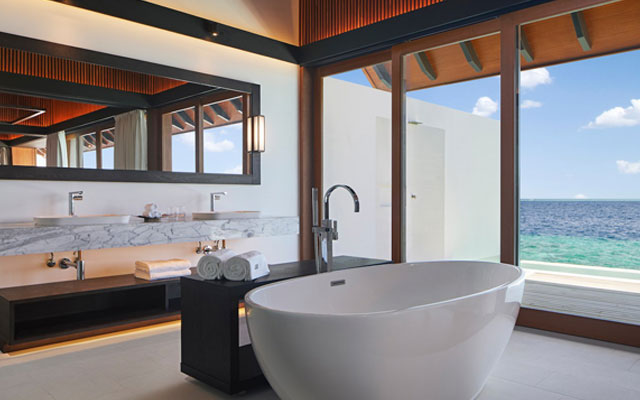
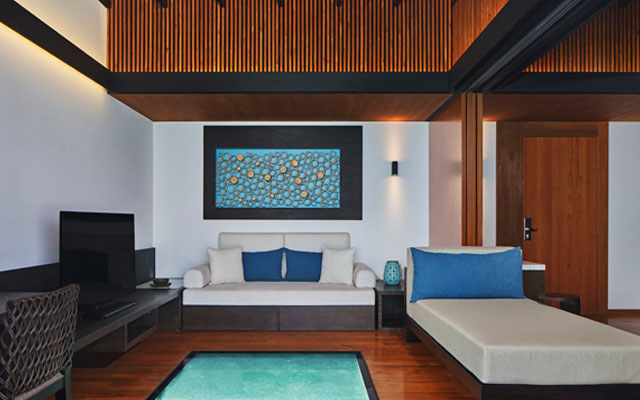
The property features 70 villas and suites, 41 on the island and 29 over water, and each villa is shaped with an eco-friendly double roofing to create the perfect natural ventilation.
1 of 5
Overwater Suite With Pool Living Area
Overwater Suite With Pool Bathroom
Overwater Suite With Pool Living Room
Island Villa With Pool Exterior
King Island Suite With Pool
There are four F&B dining experiences on the island – The Pearl, a Japanese speciality restaurant; the all-day dining Island Kitchen that serves up Chinese, Indian and Maldivian fare; and Hawker, an eatery that serves up Asian street Food. There is also a Sunset Bar that serves tapas and cocktails.
Other facilities include the Heavenly Spa by Westin, which boasts a treatent suite for two with a Jacuzzi. There is also a two-storey fitness studio, an outdoor pool, a PADI dive centre, as well as a recreation ground with tennis, volleyball, basketball options.
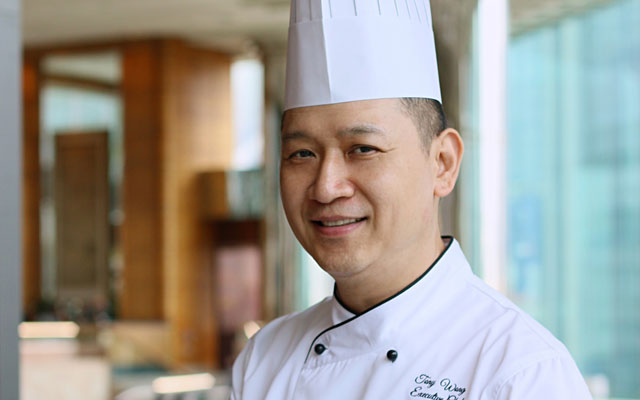
JW Marriott Hotel Hong Kong has promoted Tony Wong to executive chef.
Born and raised in Hong Kong, the veteran chef with over three decades of experience will helm the kitchens of the hotel’s eight F&B outlets and banquet venues overseeing a team of 175 people. There, he will put his expertise in Asian, Chinese and Western cuisines to good use.
Wong began his career with JW Marriott Hotel Hong Kong in 1990 as a senior cook in the Marriott Café kitchen. He quickly rose through the ranks in the hotel’s kitchens to banquet chef in 2002, sous chef and senior sous chef of Marriott Café (now known as JW Café) in 2003 and 2007 respectively. He was then promoted to executive sous chef in 2009.
His most recent achievement is the launch of JW Marriott Hotel Hong Kong’s JW Café in May 2015, The Lounge in August 2016, and revitalising the banquet menu after the ballroom refurbishment in 2017.
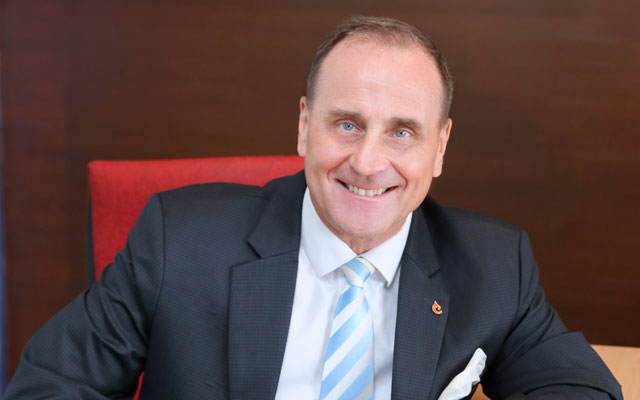
Centara Hotels & Resorts has appointed hospitality veteran Andrew Langston as senior vice president, business development, to help execute its five-year expansion plan.
The British national, who has over 34 years’ experience in hospitality management and development, will report to deputy CEO Markland Blaiklock.
Langston was most recently executive vice president, strategic advisory & asset management, at Jones Lang LaSalle Hotels & Hospitality Group, working throughout Asia from the company’s Thailand base.
He has also held senior management positions with major hotel groups such as Banyan Tree and Intercontinental Hotels group.
Earlier in his career, he served the British royal family as a footman at Buckingham Palace, a role which included looking after the Queen of England, Diana the Princess of Wales and Prince William, among others.
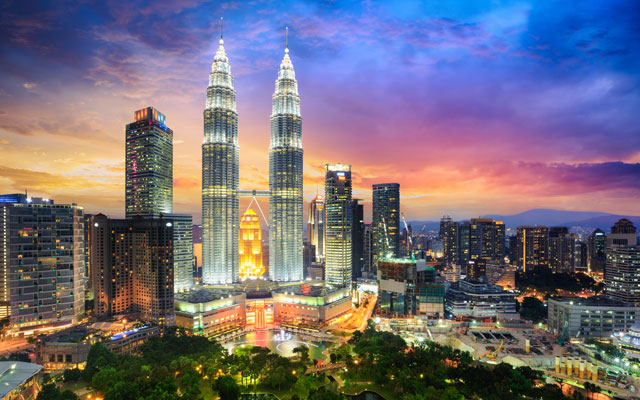
The corporate meetings segment in Kuala Lumpur is looking healthy, report DMCs and venues, with strong forward bookings spurred by competitive hotel rates and new five-star hotel brands entering the capital city, as well as the weak ringgit which has made the destination attractive to foreign companies.
Kuala Lumpur
In general, the local currency has been on a general downhill trend since 2Q2015, further weakened after the national General Election on May 9. The ringgit stood at 4.1 against the US dollar on August 20, as compared with RM3.91 on March 1, 2018 and RM3.63 on March 2, 2015.
Additionally, the new Malaysian prime minister, Mahathir Mohamad’s pledge that the government will be business friendly augurs well for the business events industry.
Kuala Lumpur Convention Centre’s general manager, Alan Pryor, said: “This is very positive for Malaysia and can only enhance our competitive advantage, and enable us to grow our market share of inbound corporate meetings.”
Pryor added that the capital city’s appeal for corporate meetings lies in its affordability, an experienced supply chain, purpose-built meeting facilities, accessibility to the region and a business-friendly environment where English is widely spoken.
China and Australia are two markets that show the most promise for Kuala Lumpur Convention Centre. He explained: “This is directly related to proximity and good access, and the fact that there is a strong relationship with Malaysia in terms of trade and investment and economic cooperation. The corporate sector generally makes up 20 per cent of the centre’s business mix, and this can vary dependent on the business landscape and market conditions.”
Also positive about the city’s corporate meetings sector is Adam Kamal, general manager at Tour East Malaysia. He said: “The relaxation of Indian visa as well as a further depreciation of the ringgit had resulted in a 10 per cent increase in Indian arrivals for us this 2H2018. Based on enquiries you’ve received, I foresee strong forward bookings in 2019.”
Adam also revealed that Bali’s Mount Agung eruption in July and Lombok’s earthquake in August has led some corporate interest to be redirected to Kuala Lumpur. As a result, his agency has seen a spike in enquiries from India and China, for groups of between 60 to 200 people for September onwards.
Agreeing with Pryor on Kuala Lumpur’s relative affordability compared to other Asian business cities, particularly those in India, Adam said: “It is cheaper for Indian corporates to meet in Kuala Lumpur than in the metro cities such as Delhi, Mumbai and Chennai as hotel rates here are more competitive.
“For instance, a five-star hotel here charges around US$100 per night, while in India the same would be around US$400. A 4D/3N meeting package here which includes five-star accommodation based on twin-share and all meals will cost US$400 per person, whereas in India the same rate applied only to per person, per night.”
According to Adam, Kuala Lumpur is also attractive due to its proximity to leisure hotspots such as Ipoh, Melaka and Port Dickson, which are two hours’ drive away. This makes it easy for planners to include fun day trips to the business itinerary.
For Luxury Tours Malaysia, growth in corporate meeting this year comes from India and Indonesia. There were more groups of at least 400 delegates this year compared with 2017.
Arokia Das Anthony, the agency’s director, said many of his corporate clients had offices in Kuala Lumpur and the reason for these meetings were to meet with their Malaysian counterparts. He added: “Some combine meetings with tours within Greater Kuala Lumpur.
After the Malaysian General Election and change of government, we saw an increase in corporate bookings and incentive groups from India and Indonesia in June, July and August, with short lead times of 10 days.
“We think part of the reason was that companies wanted to see how things were in Malaysia as well as take advantage of the Mega Sale period and the zero rated Goods and Services tax break of three months which ran up to end August.
“Kuala Lumpur is a shopping haven and many delegates like to use their free time after meetings to go shopping along the Jalan Bukit Bintang area.”
Arokia expects the recent opening of more five-star international luxury brands in the city to lure a heavier corporate traffic.
“Banyan Tree Kuala Lumpur, Four Seasons Hotel Kuala Lumpur and W Kuala Lumpur opened in July and August. We have a number of bookings for C-level meetings of no more than 40 people each, and these have chosen luxury properties,” he said.
Four Seasons Hotel Kuala Lumpur general manager, Tom Roelens, said the additional supply of luxury inventory in Kuala Lumpur will attract new attention, further enhance the quality of events held in the city, and provide relief for the city’s inventory shortage when large conferences and events call at Kuala Lumpur Convention Centre.
Since the hotel’s opening in July, Roelens said the property has seen strong forward bookings for C-level meetings and other private events held alongside larger conventions in the city.
Corporate meeting demand is also growing from beyond regional source markets, noted Saini Vermeulen, executive director at Within Earth Holidays.
He has reported a 20 per cent year-to-date growth in corporate meeting bookings from Poland and 25 per cent from Romania. These were a result of his company’s move to engage a sales representative to develop the outbound leisure and corporate market in Eastern Europe 2.5 years ago.
As well, corporate meetings from Saudi Arabia to Kuala Lumpur has grown slightly year-on-year, with forward bookings for November to early 2019 looking strong. Saini said the market is drawn to Kuala Lumpur’s many hotel options with meeting facilities and easy availability of halal dining venues.
To keep demand coming, the Malaysia Convention & Exhibition Bureau is pressing on with sales missions and networking events with meeting planners and corporate clients in China, India and South Korea – Malaysia’s top three source markets for corporate meetings and incentive travel.
These markets altogether contributed 84 per cent of total corporate incentives to Malaysia last year.
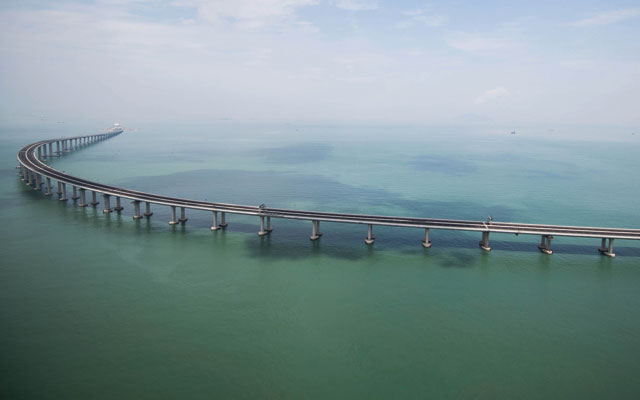
With the opening of the Express Rail Link (XRL) on September 23 and soon-to-launch Hongkong-Zhuhai-Macau Bridge (HZMB), Hong Kong is currently consolidating its position as a bridge between China and the rest of the world.
More Chinese groups are expected once the Hong Kong-Zhuhai-Macau Bridge opens
In addition, initiatives such as the Belt and Road (B&R) and Greater Bay Area (GBA) are contributing to the increase in business events for event organisers, as well as tourist numbers for Hong Kong.
Topic-specific conferences and exhibitions that have already taken place this year include the First Belt and Road International Food Expo (Hong Kong) which was held from June 27–29 at the AsiaWorld-Expo; and the third edition of the Belt and Road Summit held on June 28 at the Hong Kong Convention and Exhibition Centre.
According to a Hong Kong Tourism Board (HKTB) spokesperson, the destinations “aims to attract events that incorporate cross-border itineraries to capitalise on Hong Kong’s strengths as a connected hub”.
For instance, the Asian Logistics and Maritime Conference – to be held from November 20-21, 2018 – will include elements of enhanced accessibility to the Western Pearl River Delta.
Hong Kong will also be hosting The World’s First Cross-border FinTech Event during the Hong Kong Fintech Week 2018 on October 29 to November 2, with four days in Hong Kong and a one-day trip to Shenzhen for additional networking and a site visit, showcasing the business synergies brought about by the GBA initiative.
Later this year, Hong Kong will also be hosting a seminar in Zhuhai for travel trade partners, as well as corporate fam trips targeting corporations in the GBA to educate them about the city’s offerings for their next corporate meetings and incentive trips.
Meanwhile, Momentous Asia Travel & Events has been offering its PCO services to conference organisers that are keen to attract more delegates from mainland China, as well as countries like Kazakhstan.
Its general manager Doris Lam expects more corporate business in the future.
She shared: “We previously confirmed one big conference expecting 1,500 pax in 2019, but unfortunately, because there is no space available at Hong Kong Convention and Exhibition Centre, the organiser decided to move the event to Shenzhen.
“However, with the XRL and convenient transfer between Hong Kong and Shenzhen, we do expect a large number of overseas delegates arriving via Hong Kong and transferring to Shenzhen.”
Lam added that for most of the company’s incentive groups that hail from Western countries, they will usually have a day trip in Macau. To offer a fuller experience, Momentous Asia Travel & Events will be extending their itineraries to Macau and Guangzhou.
“This will offer a fuller experience for visitors, as Hong Kong, Macau and Guangzhou are unique (destinations), where each has a distinctive blend of East meets West,” she said.
While International Conference Consultant’s director, Katerina Tam, agreed with Lam’s views about the improved access, she pointed out: “The link between China and Hong Kong will in turn boost the number of attendees from Mainland. But that’s just the transportation. Chinese participants have to take into consideration other factors such as the relevance of the conference and cost of trip.”
Pacific World Meetings & Events Hong Kong’s business development manager, Dwirt J Ang, believes that GBA synchronises well with their destination coverage – Shenzhen, Guangzhou, Macau and Hong Kong, from GBA and Sanya – and provides “a complete approach” to the region that was lacking previously.
He added: “There will be minimal impact from B&R as it mostly focuses on commercial trade. We’ve not yet obtained (event) leads from the mainland, (and as such) have identified this as one of our targeted key segments for 2019.”
With the HZMB straddling Lantau Island, both Hong Kong Disneyland (HKDL) and AsiaWorld–Expo are also gearing up to tap into potential traffic – resulting from the improved access – with dedicated strategies.
Hong Kong Disneyland, for example, has extended its radar to reach more cities in central China, such as Changsha, Fuzhou, Nanning, Xiamen, Kunming, and Hangzhou. These cities will benefit from the launch of XRL as they are within the XRL 5-hour zone.
HKDL’s business solutions & events director, Karen Kwan, shared: “We will also zero in on Zhongshan, Jiangmen, Zhuhai, Maoming, Yangjiang and Zhanjian, which will have shorter drive time to Hong Kong via the HZMB.
Kwan added that they have been working closely with HKTB to participate in business events promotion briefings in mainland China and overseas. HKDL has also stepped up collaborations with travel trade partners in Guangdong, as well as local industry partners to conduct promotions across nine Asian countries and mainland China.
As for AsiaWorld–Expo, the convention and exhibition facility formed the Hong Kong-Zhuhai-Macau Bridgehead EXPO Tourism Belt alliance with Zhuhai International Convention & Exhibition Center, Hong Kong Regal Hotel, and Zhuhai Chimelong Henqing Bay Hotel.
They will jointly increase global awareness of the exposition and tourism resources of Hong Kong and Zhuhai, and showcase the multi-destination travel model, with the ultimate objective of enlarging its business events catchment area.
Currently, the alliance members are in the midst of customising marketing materials to promote the regional concept on international trade shows, align their resources, and implement the One Fair, Two Cross-Boundary Venues strategy.
Michael Melzer has been appointed the general manager of Mӧvenpick Resort Kuredhivaru Maldives, scheduled to open its doors in November 2018.
A German national, Melzer has more than 35 years’ experience in the hospitality industry, many of which have been spent in the Asia-Pacific region.
Most recently he was general manager of the Sunrise Nha Trang Beach Hotel & Spa in Vietnam.
Melzer first started his career as a chef in Germany, and soon became a F&B specialist at several hotels. Subsequent roles included director of event management, hotel operations manager and director of operations.
He first became a general manager in 2010, and since then has successfully managed properties in the Maldives, the Philippines and Vietnam.
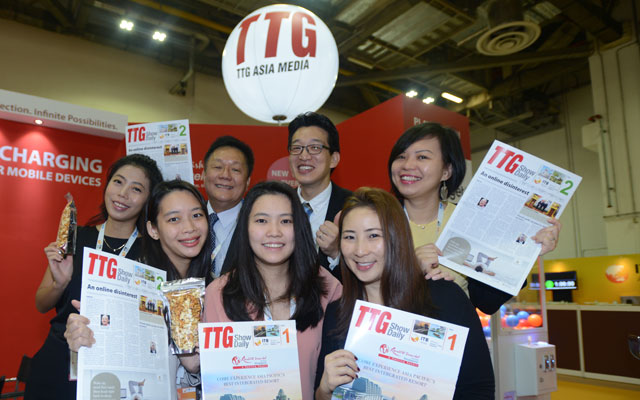
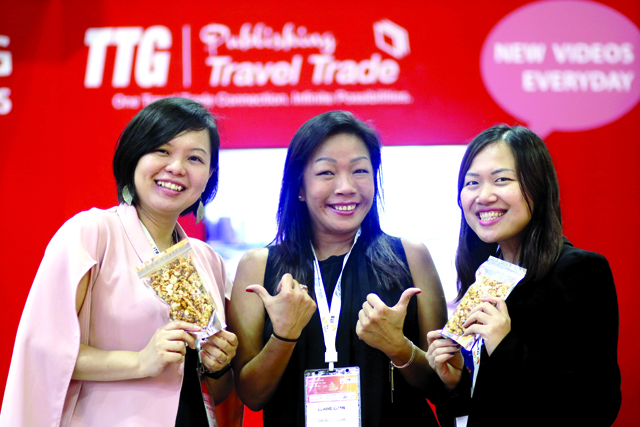
Come by our booth R50 to say hi, and have a go at our claw machine to win prizes. There are over 130 prizes to be won daily, and we assure you they are worth it – think three-day worldwide car rental vouchers, and Buddy plushies (Budget Car Rental’s mascot dog).
1 of 10
You are also welcome to charge your devices at the booth if they are low on juice. While you’re waiting, pick up a copy of our show daily to catch up on pertinent insights from the show floor, industry trends and the latest travel trade happenings.
The International Society for Professional Innovation Management (ISPIM) is taking a challenge-based approach to its content creation for upcoming conferences in Asia-Pacific, in order to emphasise the legacy potential of its events and attract more attendees.
The new approach will kick off with ISPIM Connects in Fukuoka, Japan, from December 2-5 this year.
Bitran: challenge-based content helps to connect people and communities
In preparation for this, the ISPIM team, led by executive director Iain Bitran, sat down with Fukuoka city government officers to identity major challenges facing the city and its people.
“They gave us eight hottest challenges they have at the moment, and we picked three that our innovation community could best help with. The challenges we chose were population ageing, energy transition and building a conducive start-up eco-system,” said Bitran.
“We found that when there is a challenge-based conference content, the local community becomes rather passionate and want to be involved. That’s because the challenges are issues they can identify with, and would want to know or discuss solutions,” he added.
“Having challenge-based content also allows us to facilitate connections between people and communities that wouldn’t usually think of connecting. For example, researchers of population ageing and energy transition who will present at our conference will get to meet with innovation experts – people outside of their field – who share the same passion.”
However, Bitran said that for this approach to work, there must be a challenge owner in the city.
Citing an example, he said: “We are looking at bringing ISPIM Connects to Singapore in 2019 but we have not been able to identify an agency that could give us the answers (to challenges that the city is facing). Usually we meet with the authority or people who are involved in innovation, such as the national innovation agency. There isn’t one in Singapore, and the Agency for Science, Technology and Research has not been able to help. So I’m taking a different route by talking to the Singapore University of Technology and Design. If that fails, then we won’t do Singapore at all.”
Besides boosting local and regional attendance and facilitating broader connections, Bitran said taking a challenge-based content approach also allows ISPIM to “build legacy into the event programme”.
“By engaging city stakeholders (in the programming), such as working with a local university to conduct research on a challenge and implementing solutions with the challenge owner, we can track and measure the positive impact our efforts bring to the local community,” he explained.
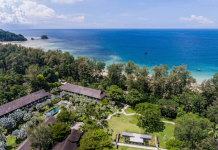
Just 10 minutes from Phuket International Airport on the serene northern coast, this 178-key, Bill Bensley-designed resort offers delegates a quiet, tropical paradise steeped in Phuket’s tin-mining heritage
The newly-opened Ritz-Carlton, Bangkok anchors the One Bangkok development with cosmopolitan elegance. Featuring the city's largest ballroom and a spectacular new penthouse suite, it delivers exceptional hardware and deeply authentic, soulful service for business and leisure travellers alike
Behind the imposing, Brutalist concrete that defines Zurich’s Oerlikon district lies a surprising secret. While its exterior honours the neighbourhood’s industrial roots, stepping inside Mama Shelter reveals a vibrant, neon-soaked world that is a far cry from its rigid shell





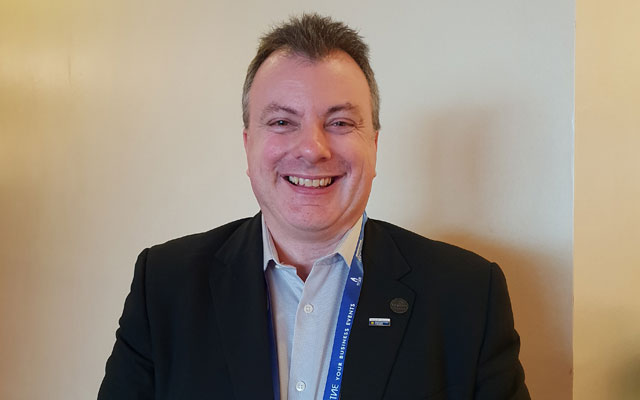




The International Society for Professional Innovation Management (ISPIM) is taking a challenge-based approach to its content creation for upcoming conferences in Asia-Pacific, in order to emphasise the legacy potential of its events and attract more attendees.
The new approach will kick off with ISPIM Connects in Fukuoka, Japan, from December 2-5 this year.
In preparation for this, the ISPIM team, led by executive director Iain Bitran, sat down with Fukuoka city government officers to identity major challenges facing the city and its people.
“They gave us eight hottest challenges they have at the moment, and we picked three that our innovation community could best help with. The challenges we chose were population ageing, energy transition and building a conducive start-up eco-system,” said Bitran.
“We found that when there is a challenge-based conference content, the local community becomes rather passionate and want to be involved. That’s because the challenges are issues they can identify with, and would want to know or discuss solutions,” he added.
“Having challenge-based content also allows us to facilitate connections between people and communities that wouldn’t usually think of connecting. For example, researchers of population ageing and energy transition who will present at our conference will get to meet with innovation experts – people outside of their field – who share the same passion.”
However, Bitran said that for this approach to work, there must be a challenge owner in the city.
Citing an example, he said: “We are looking at bringing ISPIM Connects to Singapore in 2019 but we have not been able to identify an agency that could give us the answers (to challenges that the city is facing). Usually we meet with the authority or people who are involved in innovation, such as the national innovation agency. There isn’t one in Singapore, and the Agency for Science, Technology and Research has not been able to help. So I’m taking a different route by talking to the Singapore University of Technology and Design. If that fails, then we won’t do Singapore at all.”
Besides boosting local and regional attendance and facilitating broader connections, Bitran said taking a challenge-based content approach also allows ISPIM to “build legacy into the event programme”.
“By engaging city stakeholders (in the programming), such as working with a local university to conduct research on a challenge and implementing solutions with the challenge owner, we can track and measure the positive impact our efforts bring to the local community,” he explained.