Asia/Singapore Tuesday, 7th April 2026
Page 8

The Anam Mui Ne names new director of rooms

0

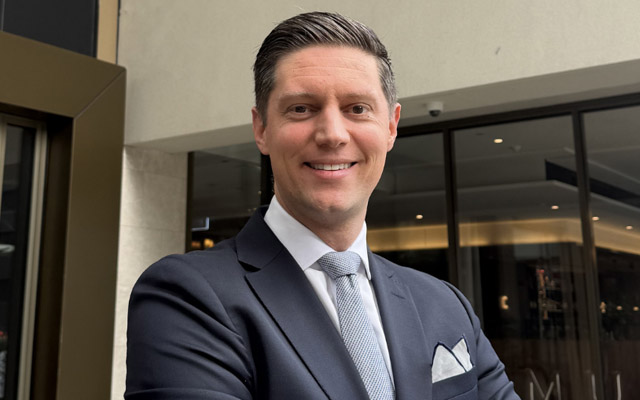
The Anam Mui Ne has appointed Elena Lopez de Silanes as director of rooms.

She oversees rooms division operations at the 127-room resort on Mui Ne Beach, including front office, guest experience, housekeeping, laundry and the in-house water factory, and also serves as executive assistant manager supporting daily operations.

Lopez de Silanes previously worked at Villa Le Corail, A Gran Meliá Hotel in Nha Trang, where she was director of guest experience and entertainment and part of the pre-opening team. She earlier held front office manager and quality control manager roles at Meliá Bali. She has worked in Vietnam since 2022.

Roland Fasel to lead Capella Hotel Group as president

0

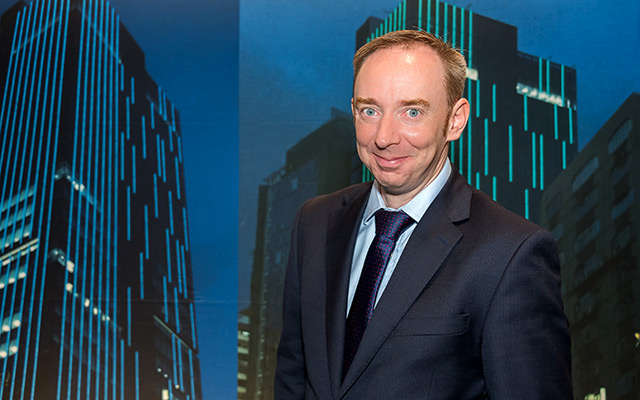
Capella Hotel Group has appointed Roland Fasel as president, effective April 6, 2026.

Fasel joins from Maybourne Hotel Group, where he was group COO overseeing properties including Claridge’s, The Connaught, The Berkeley, The Maybourne Beverly Hills and The Maybourne Riviera.

He previously served as COO at Aman Resorts from 2017 to 2023, managing global operations and openings including Aman Kyoto and Aman New York.

Song Saa Private Island welcomes new GM

0

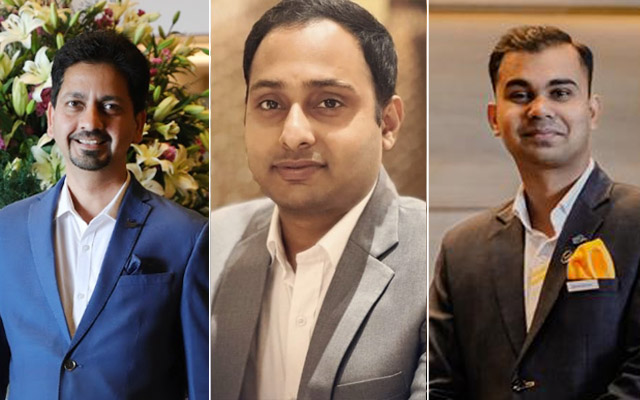
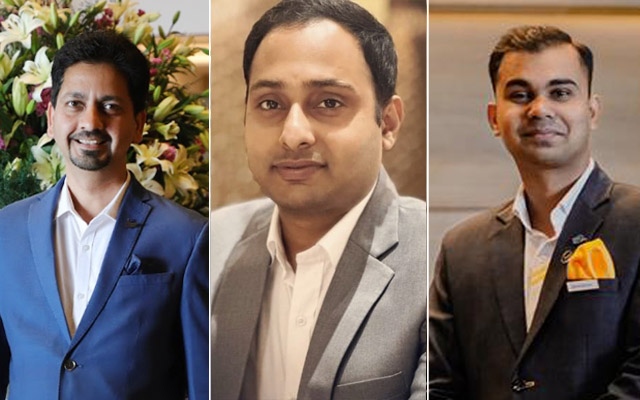
Song Saa Private Island has appointed Manish Sharma as general manager. He oversees operations at the private island resort in Cambodia.

Sharma has more than 25 years of experience in luxury hospitality. He joins from senior roles with Aman, Six Senses and Soneva across Asia, with experience in Sri Lanka, Bali, the Maldives, Bhutan, the Seychelles, Vietnam, Thailand and India.

Mekong Tourism reappoints Suvimol Thanasarakij as executive director

0

The Mekong Tourism Coordinating Office has reappointed Suvimol Thanasarakij as executive director for a two-year term starting in mid-March 2026.

Suvimol has led the organisation since 2022. During her tenure she oversaw regional programmes supporting tourism businesses and cooperation among Greater Mekong Subregion (GMS) countries, including training initiatives for community-based tourism operators and e-commerce programmes for accommodation providers.

She also supported the development of the GMS Tourism Strategy 2030.

ICCA to develop first-ever global impact tool for association meetings

0
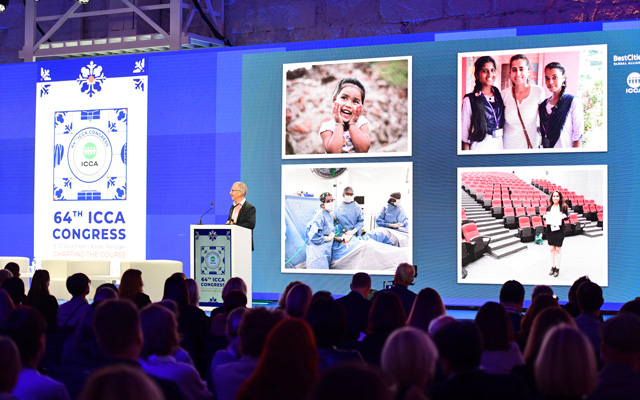
ICCA has partnered with global convention bureaus and academic institutions to develop a Global Impact Measurement Tool

ICCA has launched a global initiative to quantify the long-term societal and scientific contributions of association conferences, moving the industry beyond traditional tourism metrics.

While these events drive sector advancement and social policy, their broader benefits often remain under-recognised, making it difficult for destinations to justify infrastructure investment to policymakers.

ICCA has partnered with global convention bureaus and academic institutions to develop a Global Impact Measurement Tool

To bridge this gap, ICCA is partnering with Barcelona Convention Bureau, Copenhagen Convention Bureau, Flanders Convention Bureau, Business Events Sydney and Tokyo Convention & Visitors Bureau, to develop a Global Impact Measurement Tool.

The project will be steered by an academic team from the University of Technology Sydney, BI Norwegian Business School, and the Norwegian School of Economics.

It focuses on three primary objectives: establishing a rigorous framework to quantify multifaceted event impacts, enabling members to provide consistent and trustworthy data to local governments for better advocacy, and showcasing how conferences fuel innovation and economic growth.

A validated tool is expected by mid-2028, equipping the business events ecosystem with data-driven insights to reinforce its strategic relevance.

Penang’s MICE sector achieves over RM1.9 billion impact in 2025

0
Annual review of Penang's business events

Penang’s business events industry recorded a landmark year in 2025, with its estimated economic impact surging to over RM1.9 billion (US$479,072).

According to the latest review by the Penang Convention & Exhibition Bureau (PCEB), the state hosted 3,391 events last year – a 64.7 per cent increase over 2024. Delegate numbers rose 47.8 per cent to 451,198, supported by the addition of over 2,000 hotel rooms and expanded direct flight connectivity.

Annual review of Penang’s business events

Wong Hon Wai, Penang state exco for tourism and creative economy, noted that the growth aligns with the Penang 2030 vision. He highlighted untapped potential in advanced manufacturing, AI, and marine-related industries to attract high-value business.

PCEB CEO Ashwin Gunasekeran credited the results to a data-driven strategy. The bureau is now focusing on its Penang Inspiring Meetings campaign to foster more transformative, experiential events.

NZICC targets NZ$90 million annual economic impact

0
Daly: continue to build NZICC’s reputation up

Auckland’s newly-opened NZICC has already secured 120 bookings for 2026, positioning the country as a fresh competitor in the region’s events landscape.

Prior to NZICC’s opening, New Zealand had been losing major regional conferences to competitors like Australia and Singapore. Now, with the venue’s 2,000-delegate capacity and strengthened Auckland connectivity, it is already delivering results.

Daly: continue to build NZICC’s reputation up

“New Zealand represents a new destination for consideration in the Asia-Pacific landscape,” said NZICC’s general manager Prue Daly. “Without a convention centre of scale, it’s been challenging for people to consider us.”

Daly reported a growing pipeline of future events, including major global congresses. “Australia is a big market for us just because of proximity, but we are securing international and Asia-Pacific events such as the Coral Reef Symposium, and Asia-Pacific Pest Association,” she noted.

Regional target markets for NZICC include China, Japan, and notably Taiwan, which Daly said is emerging as a new and key growth market. “Taiwan seems to present a really interesting opportunity. There’s been a lot of interest that maybe five or 10 years ago people weren’t considering,” she said.

Alongside the venue’s opening, Auckland’s connectivity and infrastructure have strengthened to support large-scale congresses. NZICC is also leveraging local expertise in agritech, medical research, and education as differentiators, while also targeting niche stories unique to the region.

The centre is projected to bring 33,000 new international visitors annually, generating approximately NZ$90 million (US$52.9 million) in economic impact. It is targeting 500 events per year with a goal of 500,000 visitor days into Auckland.

“We are hungry for business and competitive on pricing,” Daly told TTGmice.

Challenges remain as the NZICC builds its reputation against well-established Asia-Pacific venues. “We know the competition is strong. We are the new kid on the block, still building our reputation,” Daly acknowledged.

As such, the centre is partnering with Tourism New Zealand and the Auckland Convention Bureau for coordinated tradeshows and sales missions across the region.

Overall, Daly is optimistic about first-year success. “If we can have five Asia-Pacific international conferences in the first year and continue to grow that, then that’s really positive.”

MIFF 2026 scales up with new trade tools and design initiatives

0
Tan giving a speech during MIFF’s opening

The 32nd edition of the Malaysian International Furniture Fair (MIFF) 2026 opened on March 4 with a slate of new initiatives aimed at enhancing buyer experience, strengthening global trade links, and accelerating design-led innovation.

Held in two venues, Malaysia International Trade & Exhibition Centre, and World Trade Centre Kuala Lumpur, the four-day event spanned 100,000m2 under its “1 Fair, 2 Venues, 17 Halls” concept. Close to 700 exhibitors showcased their offerings to buyers from 140 countries and regions.

Tan giving a speech during MIFF’s opening

In his opening remarks, MIFF founder and chairman, Tan Chin Huat, said this year’s enhancements were driven by feedback from international buyers.

He said: “Many buyers, especially first-time visitors, have told us that four days often pass too quickly when there is so much to discover. Taking this feedback to heart, we set out to create more time and better opportunities for connections to happen.”

For the first time, MIFF introduced the “I Matched First” Day 0 Matchmaking session, a pre-exhibition programme designed to facilitate targeted meetings before the show officially opened. The fair also launched a new MIFF Business Centre to offer support to buyers including supplier recommendations, factory visit arrangements, and shipment consolidation services.

MIFF 2026 has also forged a partnership with Malaysia External Trade Development Corporation (MATRADE) as its international trade partner, enabling local manufacturers to tap into MATRADE’s global footprint to further promote Malaysian furniture.

MIFF 2026 also unveiled the newly launched MIFF FDC CLUB, a platform designed to connect emerging design talent with manufacturers, and foster a long-term ecosystem for collaboration and growth.

In a speech delivered by deputy secretary general of the Plantation and Commodities Ministry, Razali Mohamad, Noraini Ahmad, minister of plantation and commodities, identified the timber industry as Malaysia’s third-largest commodity export.

Generating over RM20 billion (US$5 billion) annually, the sector sees wooden furniture accounting for 43 per cent of total exports. Noraini noted that MIFF is essential in shifting the industry toward innovation, branding, and craftsmanship, providing a platform that elevates the design quality and global value of Malaysian products.

Amari Bangkok pivots to high-margin channels, urges city-scale collaboration

0
Enhanced accessibility in the Pratunam district will be further strengthened by the upcoming MRT Orange Line; photo by Amari Bangkok

Amari Bangkok is shifting its strategy to capture high-margin channels, while advocating for broader city-scale collaboration to boost the capital’s business events sector.

Jose Luis Duran Sanles, general manager of Amari Bangkok, noted that Singapore and Gulf Cooperation Council markets remained reliable across both FIT and group segments.

Enhanced accessibility in the Pratunam district will be further strengthened by the upcoming MRT Orange Line; photo by Amari Bangkok

“Retail Direct continues to be one of our fastest growing and highest margin channels, so we are investing heavily in direct bookings and digital performance,” Sanles said.

He added that Wholesale Dynamic provides essential base and shoulder-period stability, while Group Business, especially corporate, embassy, and government series – is gaining strong momentum.

“Looking ahead, our focus is clear to grow high-margin channels, strengthen resilient geo-markets such as Singapore, India, China, and the Middle East, and maintain a balanced mix that supports both profitability and sustainable long-term growth,” he elaborated.

To capture corporate demand, the hotel is expanding its capabilities by launching Amber & Sage, a new versatile venue designed for meetings and private functions. This launch coincides with enhanced accessibility in the Pratunam district, which will be further strengthened by the upcoming MRT Orange Line complementing existing BTS connections.

The surrounding Pratunam area is also seeing a shift in traveller behaviours. Sanles pointed out that Indian travellers, supported by visa facilitation, are drawn to value shopping and local food. Conversely, the Middle Eastern market seeks premium experiences alongside luxury retail and quality dining.

“Overall, both markets are shifting toward lifestyle, wellness, and experience-led travel, positioning Pratunam as more than a shopping hub, but a broader urban lifestyle destination,” Sanles noted.

Looking at the wider landscape, Sanles identified untapped potential in Bangkok’s MICE sector.

He suggested developing district-based business events ecosystems, such as the Siam-Ratchaprasong-Pratunam corridor, to blend business sessions with cultural immersion.

“By moving from fragmented property-level competition to coordinated city-scale bidding, Bangkok can compete more effectively with centralised destinations like Singapore,” Sanles stated.

LN Garden Hotel Guangzhou scores big with corporates

0
Io: plenty of opportunity for the hotel to grow its business events

While most luxury properties balance their books between leisure and business guests, the LN Garden Hotel Guangzhou takes pride in being a corporate machine.

Operating with a dominant 70-30 split in favour of corporate groups over leisure guests, the 1,000-key hotel – armed with nine multifunction rooms and one Grand Ballroom – has leveraged its scale to drive year-round occupancy above 80 per cent.

Io: plenty of opportunity for the hotel to grow its business events; photo by Rachel AJ Lee

Franco Io, the property’s general manager, told TTG Show Daily that the hotel doubles as a PEO. While many competitors offer basic room and board packages, LN Garden Guangzhou manages end-to-end event design, acting as a full-service consultancy for its international clientele. According to Io, this high-touch model has secured a level of loyalty rare in the global events circuit.

“There is an international company that does two launch events a year in different cities around the world. They came to us two years ago, moved on, but then called us back. They have never repeated a city, but they want to come back to us,” he said.

Io also highlighted the hotel’s flexibility in handling off-site venues, such as transforming a local high school gym into a gala venue for 500 senior executives.

Currently, 60 per cent of the hotel’s corporate business comes from international markets. While European and Middle Eastern clients remain the primary mainstays, recent policy changes have sparked a surge in new arrivals.

“South-east Asia has gained a lot last year, ever since China offered visa-free travel,” Io said. “That pumped a lot of business into our hotel.”

A core pillar of the hotel’s strategy is destination advocacy. As the Greater Bay Area (GBA) project centres its recent promotion on Shenzhen and Foshan, Io is focused on ensuring Guangzhou’s status is not overlooked by event planners.

He explained: “Part of what we do now is really make sure Guangzhou doesn’t get lost with the promotion of the GBA. Everyone talks about Beijing, Shanghai, and Shenzhen… but let’s not forget Guangzhou. It has a lot to offer for MICE groups – great value, fantastic weather, and world-class food.”

Reviews

The Ritz-Carlton, Bangkok

The newly-opened Ritz-Carlton, Bangkok anchors the One Bangkok development with cosmopolitan elegance. Featuring the city's largest ballroom and a spectacular new penthouse suite, it delivers exceptional hardware and deeply authentic, soulful service for business and leisure travellers alike

Mama Shelter Zurich

Behind the imposing, Brutalist concrete that defines Zurich’s Oerlikon district lies a surprising secret. While its exterior honours the neighbourhood’s industrial roots, stepping inside Mama Shelter reveals a vibrant, neon-soaked world that is a far cry from its rigid shell

Hyatt Regency Kuala Lumpur at KL Midtown

A polished urban retreat designed for business travellers, Hyatt Regency Kuala Lumpur at KL Midtown combines thoughtful design, seamless service, and exceptional facilities.