Malaysia Airlines has introduced a slew of new offerings for 2018, specifically targeted at incentive groups.
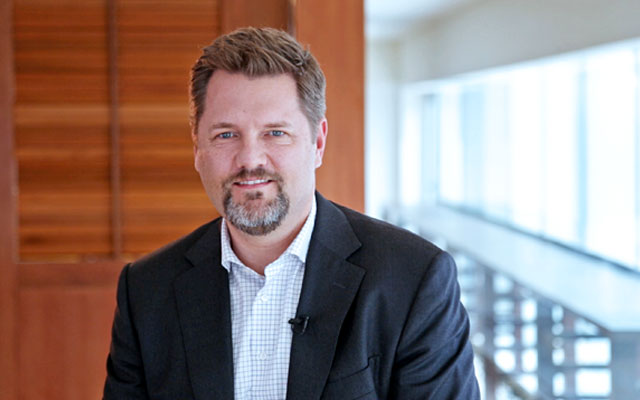
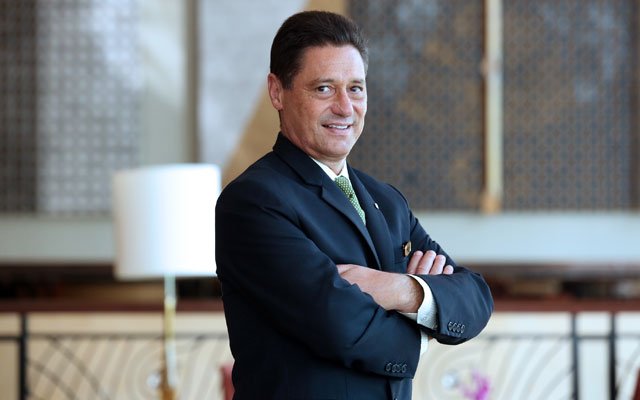
Arved Nikolaus von zur Muehlan, chief commercial officer at Malaysia Airlines, said the new offerings will include dedicated check-in counters for incentive groups, special inflight announcements made by the cabin crew to welcome groups, special inflight menus, and meet and greet services for overseas groups arriving at any international airport within the country.
Arved Nikolaus von zur Muehlan: MAS to offer special fares domestically and internationally for corporate groups
The new offerings complement the national carrier’s existing ones for business event organisers and delegates under a partnership agreement with Malaysia Convention & Exhibition Bureau (MyCEB) to further promote Malaysia as a world-class business and major events destination.
This partnership also sees Malaysia Airlines offering discounted fares to members of any world bodies travelling to Malaysia for site inspections as well as local host committees travelling abroad to market their events.
“International delegates and speakers travelling on Malaysia Airlines to attend regional and international conferences in Malaysia are also eligible for special fares,” shared Arved.
In addition, special fares for domestic travel are available for a week prior to a conference as well as a week after.
Arved said: “We hope this will encourage foreign delegates travelling to Malaysia to extend their stay and visit other parts of the country.”
Egencia, the business travel arm of the Expedia group, has introduced Egencia Advantage, a new global programme of services designed to support business travellers throughout their entire journey.
The new programme prioritises corporate travellers
At launch, Egencia Advantage includes:
LoungeBuddy: Global aggregator of airport lounge information for business travellers. When travellers are delayed at the airport or have a long layover, booking into one of the hundreds of lounges available worldwide gives them quiet and comfort to get some work done while waiting, or the ability to grab a bite, rest and recharge.
Visa services: Through a global network of partners including CIBT visas, Egencia now offers travel visa processing services, which include visa application, renewal or replacement needs around the world.
AirHelp: The world’s number one air passenger rights company helps business travellers apply for compensation from the airlines following a flight disruption. AirHelp supports passengers who experience a delayed or cancelled flight, or a missed connection within the European Union (EU), leaving the EU or arriving in the EU with a European airline.
Traveller Risk Management: Egencia connects travellers with recommended providers for their specific duty of care needs.
Aside from providing travellers with extra perks on the road for greater efficiency and productivity, Egencia Advantage also gives companies the means to improve their travel programmes.
Egencia Advantage will continue to add services as relationships develop.
The five-star Caravelle Saigon in Vietnam, located in the heart of Ho Chi Minh City, recently launched its 26th floor event space, boasting unrivalled views of the cityscape and Saigon River.
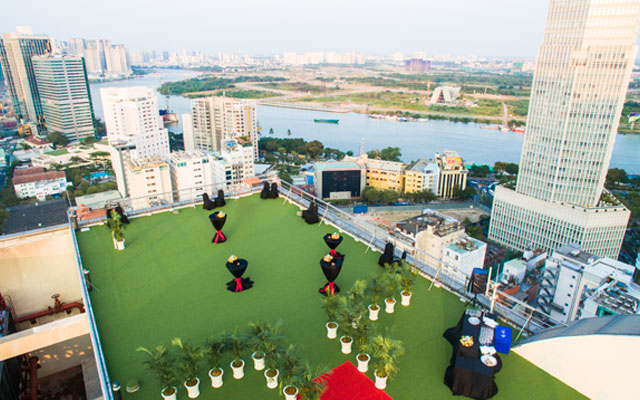
Called Events on 26, the 215m2 space has been covered with a grass turf and decorated with fairy lights. Guests must walk a red carpet, up a staircase, and through a skyline corridor – which meeting planners can also choose to decorate – before emerging onto the hotel’s rooftop.
Caravelle Saigon’s newest event space
Events on 26 can hold up to 150 people for standing cocktails, and up to 60 people for sit-down dinners. Event planners can delight their guests with gourmet canapes, live food stations serving international cuisine and imported meats, or set dinner menus, as created by the hotel’s chefs.
Now in its opening phase, a Standard Package for the venue is priced at VND 20,000,000++ (US$880++), and includes the use of the 26th floor for the evening, a red-carpet welcome from the elevator on the 24th floor, spotlights, plants and fairy lights, ambient music and speakers. The property can also arrange for add-ons such as projectors, fireworks, barbecue grills, bands and stages.
From now until the Tet Holidays (Vietnamese New Year), a special introductory 20 per cent discount will be given for all bookings.
Low exhibitor advocacy is one of the biggest challenges facing the industry globally, according to a report released by UFI The Global Association of the Exhibition Industry in partnership with event research specialists Explori focusing on exhibiting companies around the globe.
The report delivers key findings related to exhibitors’ behaviour, their levels of loyalty to and advocacy of the industry, their needs and, the extent to which these needs are being met by the industry:
> Exhibitor advocacy is low across the globe: only 25 per cent of shows have a positive Net Promoter Score (NPS). Globally, exhibitors rate the exhibitions they attend with a negative average NPS of -17.
> More than one-third of global exhibitors declare low levels of satisfaction with exhibitions they book, but show a high level of loyalty towards the respective show. This group of exhibitors is understood to be open to defecting to competing channels.
> Shows with high exhibitor NPS are more likely to experience growth: 71 per cent of shows with positive NPS are experiencing growth in exhibitor numbers whereas only 32 per cent of shows with negative exhibitor NPS do. In addition, more than twice as many high NPS shows are experiencing notable revenue growth when compared to low NPS shows.
> Exhibitions that offered exhibitor training to all, or most, saw a 23 point boost in NPS vs shows that did not provide this service. This suggests that educational offers for exhibitors are a promising reaction to poor NPS scores.
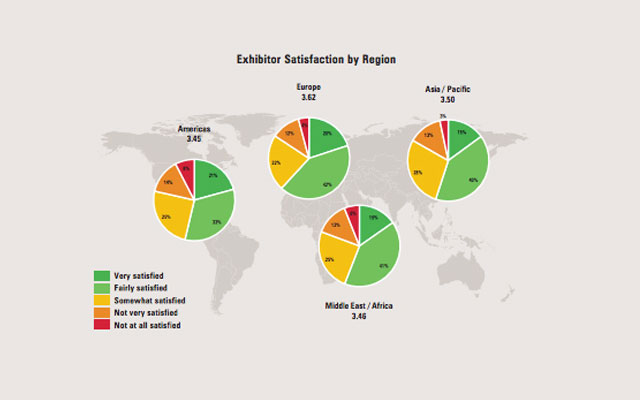
And a proper newness strategy also boosts exhibitor satisfaction: shows that actively promote newness have notably higher exhibitor satisfaction score than shows that do not: 3.71 vs 3.35 (out of 5).
A summary of the research is available at www.ufi.org/research. The full report is available to UFI members in the UFI Members’ area of the ufi.orgwebsite.
The findings are based on survey data collected from visitors and exhibitors via Explori’s dedicated research platform. In total, 1,040 trade shows from over 40 countries have conducted postshow research through Explori. The findings also derive from in-depth interviews conducted with 57 trade show directors from 17 different countries.
The research is also supported by The Society of Independent Show Organizers (US).
How has Myanmar’s business events landscape changed since the improvement in the country’s political environment?
Many hotels have benefited from the growth in tourism to Myanmar over the past five years. Leisure and group tour segments have seen year-on-year growth while small-size business events were extremely successful between 2012 and 2014. Unfortunately, the latter has seen little activity in the past two years.
Having said that, I see vast unexplored potential in Myanmar as a business events destination because the country is an under-explored gem.
Companies that are looking for that unique and memorable experience will no doubt find themselves returning, while business events provide an extensive range of benefits for the operator as well as the hotel.
Did Myanmar’s role as chairman of ASEAN for 2013-2014 helped in any way in positioning the country better for serious, high-level meetings?
Myanmar’s successful handling of ASEAN’s activities during that time did indeed demonstrate its ability to manage business events. As well as the heads of the 10 member states, the main summit attracted world leaders from the US, China, Japan and India.
In my opinion, (those events) demonstrated that Myanmar is the perfect destination for business events because it offers a largely untouched opportunity for anyone hungry to experience the country’s cultural and adventure opportunities.
What do you think is the potential of Yangon – and Myanmar more broadly – as a business events destination?
With its unique culture, old-world charm and welcoming spirit, Myanmar is a hidden treasure for business events. The country has a great deal going for it as a destination. There are at least 20 international airlines serving the country; anyone from South-east Asia – except Malaysians – enjoy visa-free entry; Yangon has a range of unspoiled, natural tourist spots, making it perfect for incentive groups.
More specifically, experiences can be customised according to the preferences of event participants, ranging from cycling tours and pagoda visits to luxury cruises and tours of elephant sanctuaries. Meanwhile, the central business hub of Naypyidaw boasts several purpose-built exhibition halls, including the Myanmar International Convention Centre.
Yangon remains the overwhelming preference for business events, and the city has a number of convention and exhibition facilities, such as the Tatmadaw Exhibition Hall and the Myanmar Convention Centre.
Augmented reality (AR) has been around for over a decade but industry stakeholders believe it will become more mainstream at future business events as technology continues to evolve.
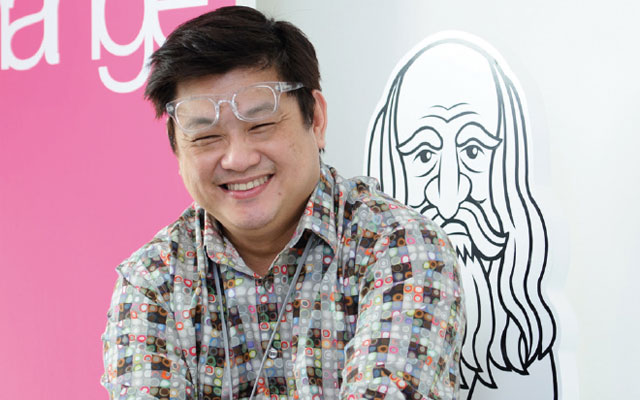
Donald Lim, chief executive wizard, at Singapore-based Digimagic Communications – a full-fledged creative agency that specialises in the delivery of customised solutions – said AR is still in its infancy stage in business events but he believes it will become mainstream in less than five years.
Lim: high possibility of “smarter” events in the future
Speaking at a Business Events Forum organised by the Malaysian Association of Convention and Exhibition Organisers and Suppliers, Lim explained: “AR functionality, like its ability to recognise the real world surroundings in a meetings or exhibitions environment such as floors, walls and ceilings makes augmented content in live meetings more “real” and frees away from the need of markers. This is unlike the past when AR requires users to point their camera at a flat graphic market or a graphic code in order to call out AR content.”
Lim added that this will lead to more smart events in the future where the audience is not just interested in good content, but also expect to be delighted with sensory connections and immersive experiences.
Gracie Geikie, director/principal consultant of Borneo Place, a PCO, opined: “Current conventions and conferences are still very mainstream and do not fully address or recognise that in years to come, millennials will be the main target audience for business events. We need to start the engagement now. The millennial audience wants ‘sparks’ and spontaneous engagement throughout the entire programme, even at tea breaks and lunches. Otherwise, it will just be a boring conference. For millennials, learning should be done in a way that will hold their attention span.”
“However, AR should be engaged in a convention not just to entertain delegates, whatever the age groups may be, but to also enhance effectiveness and to improve delivery,” Geikie pointed out.
Alun Jones, general manager at UBM Malaysian Exhibition Services, also believes that virtual reality and AR will gain popularity in the exhibition space. Speaking on its benefits, he said exhibitors from overseas can create the experience for exhibition visitors in situations where it is not feasible to bring large machinery into the country.
Dubai Association Centre – a joint initiative of the Dubai Chamber of Commerce and Industry, the Dubai Department of Tourism and Commerce Marketing (DTCM) and Dubai World Trade Centre (DWTC) – will debut the Dubai Association Conference in December, an event that will focus on advancing the association community.
To be held from December 11 to 12 at the DWTC, the event will feature a strong line-up of local speakers including Helal Al Marri, director general of Dubai’s Department of Tourism and Commerce Marketing, and Hamad Buamim, president and CEO of Dubai Chamber of Commerce and Industry, who will discuss their vision for associations.
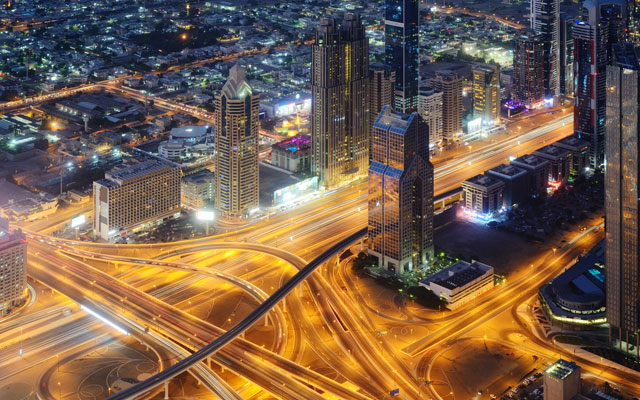
An aerial night view of skyscrapers belonging to the Dubai World Trade Centre
In addition, Paul Bennett, chief creative officer of IDEO, will explain how associations can unlock the energy of knowledge to upgrade their offerings, while Greg Bogue, vice president of experience design at Maritz Global Events, will speak about creating engagement through purpose, passion and a picture of the future.
With the number of associations steadily growing across the Middle East, the conference will aim to offer a vital platform for networking and knowledge-sharing, in an effort to further boost progression across industries.
Issam Kazim, CEO of DTCM, said: “Dubai has seen a tremendous rise in the number of associations over the past few years, which is testament to the city’s significance to reaching their target groups based in the region. This rise has resulted in a heightened demand for networking and engagement platforms for associations across different industries.
“Dubai Association Conference is a step towards fostering a collaborative environment for associations to expand and thrive. We also believe that this conference will mutually support Dubai in its journey to becoming the regional hub for associations, and strengthen the city’s positioning as a gateway to the world’s fastest growing economies.”
Dubai Association Centre – a joint initiative of the Dubai Chamber of Commerce and Industry, the Dubai Department of Tourism and Commerce Marketing (DTCM) and Dubai World Trade Centre (DWTC) – will debut the Dubai Association Conference in December, an event that will focus on advancing the association community.
To be held from December 11 to 12 at the DWTC, the event will feature a strong line-up of local speakers including Helal Al Marri, director general of Dubai’s Department of Tourism and Commerce Marketing, and Hamad Buamim, president and CEO of Dubai Chamber of Commerce and Industry, who will discuss their vision for associations.
An aerial night view of skyscrapers belonging to the Dubai World Trade Centre
In addition, Paul Bennett, chief creative officer of IDEO, will explain how associations can unlock the energy of knowledge to upgrade their offerings, while Greg Bogue, vice president of experience design at Maritz Global Events, will speak about creating engagement through purpose, passion and a picture of the future.
With the number of associations steadily growing across the Middle East, the conference will aim to offer a vital platform for networking and knowledge-sharing, in an effort to further boost progression across industries.
Issam Kazim, CEO of DTCM, said: “Dubai has seen a tremendous rise in the number of associations over the past few years, which is testament to the city’s significance to reaching their target groups based in the region. This rise has resulted in a heightened demand for networking and engagement platforms for associations across different industries.
“Dubai Association Conference is a step towards fostering a collaborative environment for associations to expand and thrive. We also believe that this conference will mutually support Dubai in its journey to becoming the regional hub for associations, and strengthen the city’s positioning as a gateway to the world’s fastest growing economies.”
Located in Kota Kinabalu, the capital city of Sabah, Mercure Kota Kinabalu City Centre offers 310 guestrooms comprising 135 superior rooms, 40 executive suites and 135 suites in configurations of one-, two- and three-bedrooms.
The 25-storey property is a 15-minute drive from Kota Kinabalu International Airport, and sits close to the city’s major shopping malls, eateries, entertainment hubs and the new Sabah International Convention Centre.
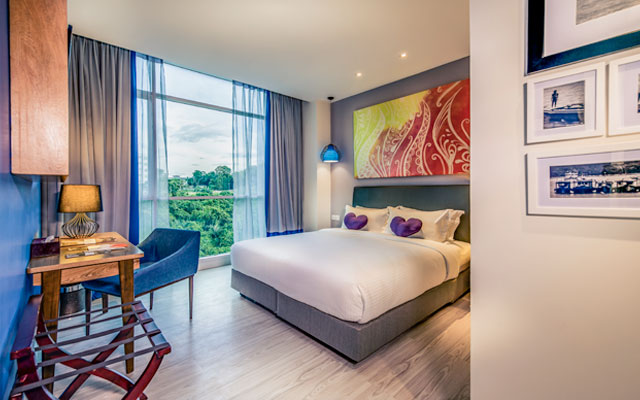
An executive suite in the hotel
For events and meetings, the hotel’s function room on the rooftop, which also houses the hotel’s gym and swimming pool, features state-of-the-art audio visual equipment and can accommodate up to 40 guests.
Various F&B venues are available, including the all-day dining Maupassant which offers a range of local and international varieties. For those who want to enjoy the sea view, Compass Lounge on the rooftop is the perfect place for a leisurely wine and dine affair.
Of the 27 properties AccorHotels plans to open in Malaysia, adding some 8,400 rooms to its network over the next three years, three developments are in Sabah.
Millennials, Strawberry Generation, Generation Y – whatever you might call them – is a segment of our society that is getting a lot of attention at the moment.
Born approximately between 1980 and 2000, millennials are quickly becoming the dominant generation within the workforce, rising into leadership and decision-making roles.
By 2025, millennials will account for 75 per cent of the global workforce , and Asia Pacific (APAC) will be home to 60 per cent of them by 2020. They are already the most frequent business travellers, and both employers and travel suppliers will benefit from understanding and adapting to their expectations.
More than the generations before them (Baby Boomers and Generation X), millennials thrive on a sense of purpose in their work. They crave autonomy, flexibility, personal fulfilment and empowerment. As their numbers grow, the culture they create will inevitably permeate every business.
Millennials continue to disrupt the travel industry, and the business segment is no exception
A big APP-etite for technology
APAC is ranked first in the world for the growth of smartphone traffic to the Internet. APAC also claimed the top spot for app revenue in 2016, which is expected to double by 2020.
Technology is very closely associated with the millennial generation; and is significantly impacting the dimensions of business travel – particularly in APAC which is home to many ‘mobile-first’ markets.
The expectations of these highly-connected ‘Digital Natives’ are rapidly evolving. Gone are the days where business travellers carry large suitcases filled with work documents. The new millennial business traveller travels light. They are highly dependent on their mobile devices such as laptops, tablets, ‘phablets’ and smartphones to improve their productivity and efficiency while on the go. They are also heavily engaged by social media, turning to mobile communication tools first to keep in touch with family, friends and business counterparts around the clock.
Travel suppliers must engage in digital and mobile-first strategies to reach modern and increasingly younger business travellers who are highly-dependent on their mobile devices for work and travel. Technology also presents many opportunities for businesses to empower their employees with mobile tools and solutions that enhance productivity and drive the topline.
Autonomy over their travel choices
Millennial business travellers prefer autonomy – whether real or perceived – over how they travel.
Millennial employees want to have the option of being able to customise their own business travel journey according to their preferences. Loyalty programmes, such as frequent flyer and hotel points programmes, also impact their choices. Employees’ highly consumerised behaviour mean they book with their preferred suppliers directly, often resulting in non-compliance with their employer’s travel policy.
To combat this, employers must implement technology solutions that end users ― the travelling employees ― will find easy to adopt.
Booking tools and functions must be fast, intuitive and accessible via mobile devices, and offer a variety of options for transport and accommodation. If these tools are used effectively, data can be easily captured, allowing for smooth processing of expenses and for easily locating employees while are travelling in the event of an incident.
A new work-travel hybrid experience
It’s been well documented that those in millennial age group desire ‘experience over expenditure’. This has given rise to the idea of ‘bleisure’ (a combination of business and leisure). Bleisure is most associated with younger business travellers who want work-life balance, and to easily blend business travel with leisure by extending trips and bringing along family and friends.
Asian business travellers are in fact almost twice as likely to make a booking that includes a weekend (12 per cent) compared with their European peers (seven per cent).
Employers therefore need to make it easy for millennial employees to take advantage of business travel to enjoy leisure time, but must design travel policies that clearly define where business travel ends and leisure travel begins. Allowing younger travellers to have this flexibility will lead to greater employee satisfaction and can help to attract and retain talent.
What businesses and the travel industry can do better
The effective use of technology is the leading differentiating factor both travel providers and businesses can harness to keep pace with the ever-evolving customer. The travel, expense and invoice industry is rapidly evolving with advancements in artificial intelligence, machine learning and big data.
These advanced technologies are helping businesses save time, simplify tasks, and deliver richer, more personalised experiences today than ever before. And Concur is at the forefront of this technological revolution, championing innovation.
Currently in beta in the US, Concur Bot for Slack is designed to help employees tackle select travel and expense tasks directly from Slack. Users can interact with the Concur platform through a conversational interface, allowing them to request information about their business travel plans and submit expenses without interrupting their work in Slack. End-users can type a question like, “When is my next business trip?” and the bot will instantly respond with itinerary details.
Traditionally, APAC organisations tightly control business travel and spend. As travel decisions continue to shift into the hands of travellers themselves, businesses can foster greater internal policy-compliance, leveraging on the right technological tools to manage travel and expenses.
Businesses can attract and retain the best millennial talent by being more flexible and considering their needs and preferences when it comes to business travel – especially when it relates to the millennial desire for experiences.
Travel providers in their approach to this group of business travellers would foster deeper customer loyalty in the long-run, by tailoring their offerings to suit the highly-mobile, fast-paced and aspirational lifestyle that these young professionals lead.
Nick Evered is the senior vice president and general manager for Concur across Asia Pacific. He leads the sales and operations team in delivering innovative software technology solutions to meet customers’ needs.
Concur, a SAP company, is the global leader in travel and expense management. By connecting data, applications and people, Concur delivers an effortless experience for organisations providing total transparency into discretionary spend.
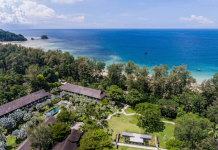
Just 10 minutes from Phuket International Airport on the serene northern coast, this 178-key, Bill Bensley-designed resort offers delegates a quiet, tropical paradise steeped in Phuket’s tin-mining heritage
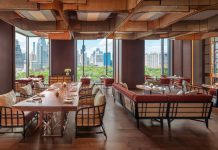
The newly-opened Ritz-Carlton, Bangkok anchors the One Bangkok development with cosmopolitan elegance. Featuring the city's largest ballroom and a spectacular new penthouse suite, it delivers exceptional hardware and deeply authentic, soulful service for business and leisure travellers alike
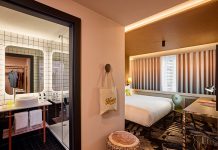
Behind the imposing, Brutalist concrete that defines Zurich’s Oerlikon district lies a surprising secret. While its exterior honours the neighbourhood’s industrial roots, stepping inside Mama Shelter reveals a vibrant, neon-soaked world that is a far cry from its rigid shell