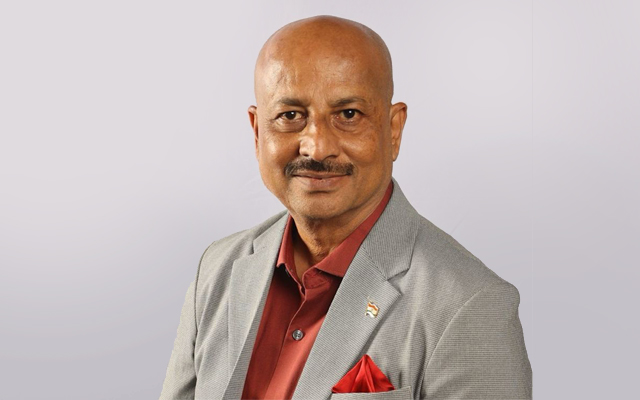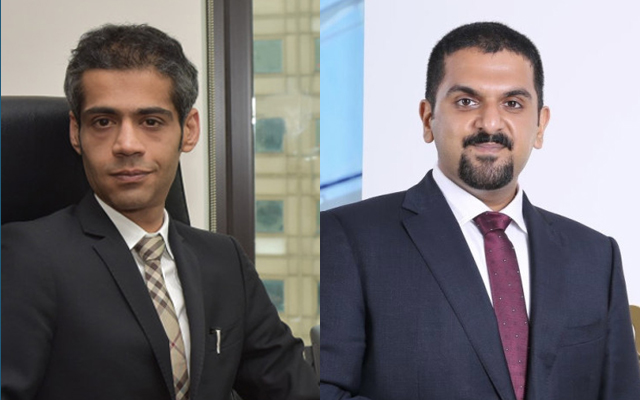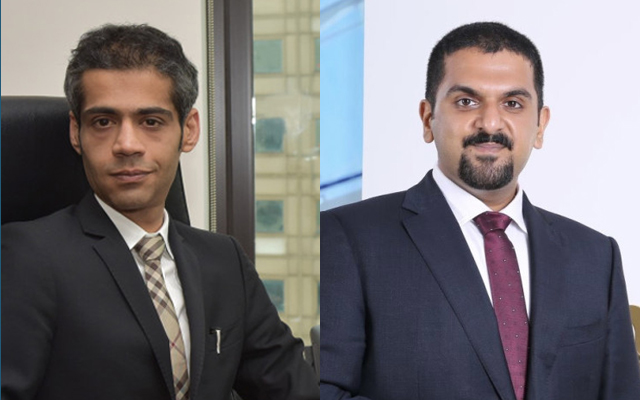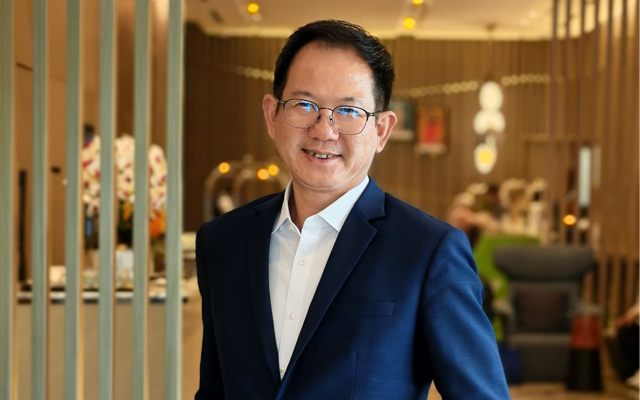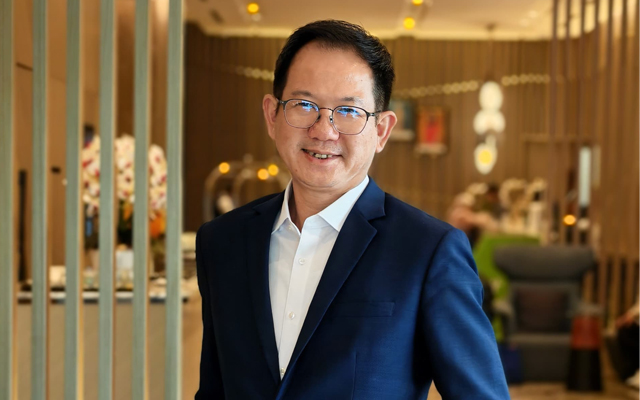
Tarek Beheiry has been appointed to the role of general manager of INNSiDE by Meliá Bangkok Sukhumvit.
The new role is his first with Meliá Hotels International. He joins the team after working as the regional general manager of Ennismore New Zealand and general manager at SO/Auckland. Before that, he was the general manager at Mondrian Seoul Itaewon.
The seasoned hospitality professional with more than two decades’ industry experience also worked as a general manager at both W Koh Samui and Hotel G Singapore.
The Westin Resort Nusa Dua, Bali has appointed Marco Di Pasquale as its new hotel manager.
With over 25 years of experience in the global hospitality industry, Di Pasquale career took off under the mentorship of Michelin-star chefs such as Giorgio Locatelli, Alain Ducasse, and Gordon Ramsay, where he played a pivotal role in launching and managing some of the world’s most distinguished hotel dining experiences, including Hassler Hotel Rome, St. Regis Abu Dhabi, Conrad Seoul, and Conrad Manila.
Most recently, Pasquale was the director of operations at Conrad Manila.
Results highlight growth in travel volume and spend; AI awareness, sustainability adoption and workforce shifts also among key findings
Professionals in the business travel industry look forward to an engaged and productive year, according to the first Business Travel Outlook Poll of 2025 by the Global Business Travel Association (GBTA).
While shifting economic conditions, geopolitical concerns and technology-driven changes continue to be areas of uncertainty, the poll results show an overall positive industry trajectory with almost half (48%) of travel buyers expecting their companies to take more business trips in 2025, and nearly 20% more (57%) anticipating increased travel spending this year.
Results highlight growth in travel volume and spend; AI awareness, sustainability adoption and workforce shifts also among key findings
Other findings around NDC, technology and AI integration, corporate sustainability commitments, workforce and hiring challenges, and developments in workplace expectations point to an innovative and inclusive industry that continues to advance and adapt.
“As business travel continues to evolve, travel professionals must navigate a landscape shaped by technology transformation, geopolitical factors and sustainability imperatives,” said Suzanne Neufang, CEO, GBTA. “The year’s first poll underscores an optimistic yet measured approach as companies balance growth with strategic investments in innovation, workforce needs and sustainability efforts.”
Now in its 36th edition, the poll reflects responses from almost 800 business travel professionals worldwide, offering significant insights into the trends, challenges and future expectations for global business travel.
Here are some of the key findings:
Looking back: business travel gains momentum as a whole
The year 2024 was a good year for business travel, with seven in 10 (71%) travel buyers reporting an increase in their company’s business travel bookings compared to 2023. This result is even better than the earlier projections reported in GBTA’s January 2024 Outlook Poll, when nearly three in five (60%) travel buyers expected more business travel in the upcoming year.
Business travel spending was also higher in 2024 than anticipated, with nearly four in five buyers (77%) indicating their company’s spend increased last year. Comparatively, two-thirds (67%) of buyers anticipated an increase when asked at the start of 2024.
Regional differences
North America (NORAM) led the way with growth in 2024 with four in five (81%) travel buyers there reporting their business travel spend increased last year.
Asia-Pacific (APAC) led global business travel spend growth last year, with more than three in four (78%) buyers from that region reporting a higher volume of trips compared to 2023 – including 30% who saw a significant increase.
2025 business travel predictions
Regionally, anticipated business travel spending varies, but is positive overall with 48% predicting more volume and 57% more spend in 2025 vs. 2024. APAC travel buyers reflect the most optimism with 63% indicating they are planning to spend “more” or “a lot more” in 2025, followed by NORAM travel buyers at 57%.
European buyers are somewhat more cautious when it comes to both anticipated travel volume and spend. One-third (37%) of European buyers expect increased trip volume – the lowest of any region – while fully half (50%) anticipate “more” or “a lot more” spending. On the cautious side, nearly one in five (19%) foresee a decline in their company’s business travel volume in 2025.
Half of the buyers from NORAM (50%) are optimistic about their company’s business travel volume and say their company is planning “more” or “a lot more” trips this year.
Travel buyers expect sales and account management trips will account for more than one-quarter (27%) of their company’s travel spend on average. Other anticipated key types of travel include internal company meetings (21%), conferences and tradeshows (14%) and service trips (13%).
Key industry trends & challenges for 2025
Even with expected growth in business travel this year, poll results indicate companies remain cost-conscious and selective when making business travel decisions. Additionally, the industry continues to prioritise technology and AI integration, while sustainability and workforce-related efforts are shaping corporate travel policies. And although hybrid work remains the dominant travel industry workplace model, in particular for buyer companies, more companies will enforce stricter return-to-office policies in 2025.
Specifically:
For travel programmes, AI adoption remains slow with only 34% of buyers saying their program plans to incorporate AI in significant ways this year.
Nearly one-third (30%) of buyers are reevaluating or changing their TMC in 2025, with four in 10 (39%) citing dissatisfaction with TMC technology and 37% citing service quality concerns as key reasons. Additionally, 20% mention their TMC’s difficulty with NDC bookings as a reason they are considering a change.
One-third (33%) of buyers expect increased investment in planet-focused sustainable travel practices, with APAC (55%) and Europe (46%) leading these efforts. Meanwhile, 29% of companies plan to increase support for people-focused initiatives, though 25% of buyers are unaware of their company’s people-focused initiatives.
The buyer-side of the business travel industry’s hiring landscape remains competitive with just 16% of travel buyers planning to add staff within their travel programmes in 2025.
On the other hand, travel supplier, TMC and tech companies are hiring, with four in 10 (41%) supplier and TMC respondents planning to add staff this year. However, NORAM lags, with one-third (35%) of supplier/TMC respondents expecting their company to add staff this year, compared to almost half (45%) of European suppliers and TMCs.
Respondents from all regions say key barriers facing the entire industry in finding qualified candidates in 2024 included unattractive salaries (54%), inadequate budgets for new roles (40%) and a growing demand for remote work (42%), which is a direct contrast with efforts by some corporations to limit remote positions. Notably, nearly half (47%) of supplier/TMC respondents cite remote work preferences as a key barrier, indicating a widening gap between workforce expectations and employer policies (see below).
Remote work policies continue to evolve. Even though half (51%) of GBTA stakeholders say their companies have not changed their policies from 2024, one-third (32%) report their companies have made work from home (WFH) policies stricter by requiring employees to be in the office more often. Supplier/TMC respondents (34%) are about equally likely as buyers (31%) to say their company implemented stricter WFH policies over the past year. However, suppliers and TMCs had stricter policies to begin with, as shown in last January’s GBTA Business Travel Outlook Poll.
Hybrid work schedules are most prevalent in Europe, where more than three-quarters (77%) of business travel professionals report their company has a hybrid work policy for 2025, followed by APAC (62%), LATAM (58%) and NORAM (51%).
The Queen’s Wharf precinct in Brisbane has been attracting a growing calendar of events since its official opening in 4Q2024, with over 150 already confirmed for this year at The Star Brisbane’s Event Centre.
Daniel Finch, CEO of The Star Brisbane, told TTGmice that the 2,000m2 ballroom – which can be split into five separate rooms – has hosted diverse events ranging from product launches to tradeshows since its opening.
Aerial view of The Star Brisbane
“We are also seeing conference organisers take advantage of the wider precinct to elevate delegates’ experience, whether it’s winding down with cocktails and live music at LiveWire, or providing the ultimate Brisbane welcome with sunset drinks at Sky Deck – 100 metres above the river,” he said.
Over the past year, visitors spent a record A$10.7 billion (US$6.7 billion) in Brisbane, with more than 50 million nights spent in the city.
“The city’s visitor numbers are growing faster than both Australia and Queensland overall, and we’ve seen record numbers from international markets like Canada, the US, Indonesia, South Korea and New Zealand,” Finch shared.
This is attributed to the strong comeback of direct flights from these major markets.
He elaborated: “One of the biggest wins has been the launch of new direct flights from Seoul, leading to a massive 44 per cent jump in South Korean visitors.
“American Airlines’ new non-stop service from Dallas-Fort Worth to Brisbane – a fantastic partnership with Qantas – has also taken off. Given that Dallas-Fort Worth is American Airlines’ largest hub with connections to over 200 destinations across the US, it’s no surprise this route has contributed to record visitors from North America.”
Moving forward, securing more direct international routes will be a key focus for Brisbane Airport and industry stakeholders, as the 2032 Olympic and Paralympic Games looms closer.
“As Brisbane gears up for the 2032 Olympics, every new direct route is a win – not just for tourism, but for small business, events and continued investment across Queensland,” said Finch.
A surge in visitors from Melbourne and Sydney is driving a boom in domestic tourism, contributing to a 20 per cent year-on-year rise in domestic business travel over the past year.
“In the past, corporate travellers would typically head coastal for a post-conference holiday, but business travellers are now staying longer in Brisbane to experience all that the city has to offer,” noted Finch.
When asked about the partnership with the Brisbane Convention & Exhibition Centre, Finch said that they are seeing “fantastic momentum.”
“Brisbane is taking a city-wide approach to attracting major international conferences, and our partnership with BCEC is a key part of that strategy. These large-scale events are years in the making, and the work we’re doing now will see Brisbane reap the benefits well into the future,” he elaborated.
Other city-wide infrastructure that has improved accessibility include the opening of the Brisbane Metro, new pedestrian and cycling bridges, such as the Neville Bonner and Kangaroo Point Green Bridges, and upgrades at the Brisbane Airport.
The NGL Grant is about creating space for emerging leaders to experiment and drive change
UFI, the Global Association of the Exhibition Industry, has opened applications for its Next Generation Leadership (NGL) Grant programme.
Now in its ninth year, the programme seeks to identify and nurture emerging talent within the exhibition industry, offering a platform for innovation and change.
The NGL Grant is about creating space for emerging leaders to experiment and drive change
Supported by industry giants Clarion, dmg events, Informa Markets, and RX, the NGL Grant challenges applicants to tackle critical issues facing the sector. The 2025 mission focuses on exploring innovative and unconventional formats to inspire the next evolution of event models.
Up to five winners will be selected by an international jury chaired by UFI president Hugh Jones (CEO of RX) on April 17. Applicants must have worked full-time in the exhibition industry for no more than 10 years.
The seven-month programme will allow participants to contribute while maintaining their current roles. Winners will collaborate on the 2025 mission, receive support from the UFI team and NGL alumni network, and benefit from mentorship.
The programme kicks off at the UFI European Events Week in Thessaloniki, Greece, from June 3-7, 2025. It culminates in a special session at the 92nd UFI Global Congress in Hong Kong from November 19-22, 2025, where the winners will present their findings to industry leaders.
Applications are open until April 3, 2025, with grant winners announced in late April 2025.
Despite facing the challenges of Storm Éowyn, the BestCities Global Forum concluded its annual meeting industry event in Dublin with resounding success, raising US$5,000 for the Solas Project, a local children’s charity.
Held from January 24-26, 2025, in partnership with the Dublin Convention Bureau, the forum welcomed international association representatives, trade media, industry thought leaders, and representatives from 13 BestCities destinations.
BestCities Global Forum 2025
The event, capitalising on Dublin’s status as the European Capital of Smart Tourism, focused on how technological innovation can build more resilient, connected, and compassionate communities. A key highlight was the first-time use of Snapsight, an AI tool that captured event content in real-time, providing actionable insights. Summaries, key takeaways, transcriptions, and idea clouds from each session are available online.
Attendees experienced the best of Irish culture, history, and music, visiting iconic venues such as the Dublin Royal Convention Centre, The Convention Centre Dublin, Trinity College, EPIC The Irish Emigration Museum, Croke Park, and the Guinness Storehouse.
BestCities also partnered with Trees4Events to offset 74 tonnes of carbon emissions generated by the forum, planting 450 trees in Mozambique and contributing to a UN carbon offset renewable energy programme in China.
The forum’s “Engage for Good” programme, which encourages attendee participation in charitable activities, raised US$2,500 for the Solas Project, an organisation empowering at-risk children and youth in Ireland. The Dublin Convention Bureau matched this amount, bringing the total donation to US$5,000.
The next BestCities Global Forum will be held in Guadalajara, Mexico, from February 5-8, 2026.
Budget cuts by the Indonesian government leading to widespread cancellation of official meetings and travel have left hotels across the country – particularly those outside of Java Island – grappling with significant revenue loss.
Data from the Indonesia Hotel and Restaurant Association (IHRA) showed that budget cuts could result in losses of nearly 25 trillion rupiah (US$1.5 billion) for the national accommodation and hotel industry. This includes 16.5 trillion rupiah from room occupancy and 8.2 trillion rupiah from meetings and events.
Hotels across Indonesia are losing revenue as government budget cuts impact official meetings and travel
Hariyadi Sukamdani, chairman of IHRA, stated that hotels outside Java have been significantly impacted, as many rely on government contracts for up to 70 per cent of their revenue.
Anggiat Sinaga, chairman of the IHRA South Sulawesi chapter, shared that since January 2025, average occupancy had dropped to between 15 and 20 per cent – the lowest seen since the Covic travel disruption.
Anggiat noted that hotels in Makassar were hit hard by reduced spending power since 3Q2024.
“We were still holding on with about 60 per cent occupancy, thanks to government business. But once the new policy took effect in January, occupancy immediately dropped to 30 per cent and is continuing to fall, reaching just 15 per cent now,” he said.
IHRA chapters in Lampung and West Sumatra are suffering similar effects, with bookings slipping away since November 2024. Some hotels have lost up to 60 per cent of their occupancy by January 2025.
Hoteliers in Yogyakarta are reporting a 40 per cent decline in projected income for 2025.
Deddy Pranowo Eryono, chairman of IHRA Yogyakarta, said: “The (leisure) business has yet to recover from Covid-19, and (hotels are) only full during the peak season from May to June. The rest of the year, we’re relying on government business. Without that, the average occupancy is a maximum of 50 per cent.”
While acknowledging that national finances are not in the best shape, Dodi Ahmad Sofiandi, chairman of IHRA West Java, urged the government to revise its efficiency policy as soon as possible.
“If cuts are unavoidable, please don’t take everything at once. We need some breathing room – focus the cuts on certain events and, if possible, apply them only until the end of the year,” he beseeched.
“Right now, we don’t have the budget to promote inbound tourism, and with government (events) being cut off, we’re left without any support,” Dodi added.
He warned that if occupancy continued to fall below 50 per cent, hoteliers in West Java would only be able to survive until April 2025.
“There will definitely be adjustments to operational costs, including reducing daily workers and cutting working hours for permanent staff,” Dodi noted.
The situation in South Sulawesi, a destination that depends heavily on government activities, is dire.
“We’ve been bleeding for over three months now, with nearly 20 per cent of staff across South Sulawesi already let go. Those still working will inevitably face salary cuts. Right now, we’re just fighting to keep the hotels open and avoid a second ‘pandemic’ for the industry,” shared Anggiat.
Saudia, the national flag carrier of Saudi Arabia, has added 11 new destinations for 2025 to meet growing travel demand, fuelled by a 16 per cent increase in international guest numbers in 2024.
Saudia now flies to Bali, Indonesia as it continues to expand its global network
The additions to Saudia’s network include Vienna (Austria), Venice (Italy), Larnaca (Cyprus), Athens and Heraklion (Greece), Nice (France), Malaga (Spain), Bali (Indonesia), Antalya (Turkey), El Alamein (Egypt), and Salalah (Oman), joining Saudia’s existing network of over 100 destinations across four continents.
Ibrahim Al-Omar, director general of Saudia Group, said: “Following last year’s operational success, we’ve implemented a strategic plan for 2025 to ensure continued excellence and meet rising international travel demand. Our destination selection is based on comprehensive feasibility studies and guest preferences. We are committed to providing our international guests with exceptional travel experiences that combine comfort, efficiency, and authentic Saudi hospitality.”
Retail’s Big Show Asia Pacific (NRF 2025 APAC), presented by Comexposium and the National Retail Federation (NRF), is set to return to Singapore from June 3-5, 2025, at the Sands Expo and Convention Centre.
Under the theme Retail Unlimited, the event promises to explore the boundless possibilities of modern retail, from enhanced customer experiences to cutting-edge digital transformation strategies. The three-day conference will feature 11 major keynotes, 18 breakout sessions and multiple networking opportunities.
NRF 2024; photo by Comexposium
Comexposium, anticipating continued growth following the success of the 2024 show, has announced a dynamic lineup of speakers and participating brands.
The roster of speakers includes prominent figures such as Dione Song, CEO of Love, Bonito; May Chin, global onsite growth lead, Castlery; Rio Popeye Inaba, chief digital innovation officer, Suntory; Alin Dobrea, marketing director, Zalora; and Ian Bailey, managing director, Kmart.
“As we look back on the tremendous success of the show in 2024, we are confident that the momentum will drive further substantial growth into 2025,” said Ryf Quail, managing director for APAC at Comexposium.
“Our speaker line-up reflects the dynamic energy and innovation shaping the industry, and with APAC at the forefront of retail transformation, NRF 2025 APAC continues to be a vital platform for industry leaders to share insights and opportunities that are powering the future of retail.”
Flamingo Beach Club, which opened last month in Panwa, Phuket, is now available for corporate bookings.
The exclusive area on the first floor can hold up to 30 people, while for buyouts, the maximum capacity indoors is 60, and 75 outdoors cocktail-style.
Flamingo Beach Club
Prices start from 25,000 baht (US$743) minimum spend for buyout of the first floor area from Mondays to Sundays from 11.00 to 16.00, and go up to 150,000 baht minimum spend for the entire restaurant for Fridays, Saturdays, and Sundays.
Menu customisation at Flamingo Beach Club is entirely possible, with reservations to be confirmed one week prior to the event. For a 10 to 15 pax sit-down lunch or dinner, planners are looking at 3,000 baht per person, which includes a four-course meal with a standard beverage selection.
Planners can choose from dishes such as the Flamingo Poke Bowl, loaded with avocado, sweet corn, and crispy tempura vegetables; or Miso Snow Fish paired with sautéed spinach and mashed potatoes.
Beverages run the gamut from fine wines to cocktails, such as the Champagne Colada, a tropical blend of Bacardi-infused pineapple, coconut, and sparkling wine; or Grilled Picante, a mix of tequila, chili, and grilled capsicum.
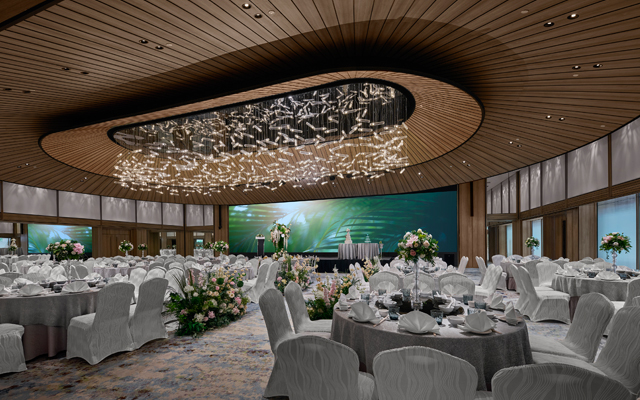
A polished urban retreat designed for business travellers, Hyatt Regency Kuala Lumpur at KL Midtown combines thoughtful design, seamless service, and exceptional facilities.
The five-star property excels in backing its expansive facilities with seamless service and personalised attention, setting the benchmark for luxury in Bangkok.