Asia/Singapore Thursday, 25th December 2025
Page 85

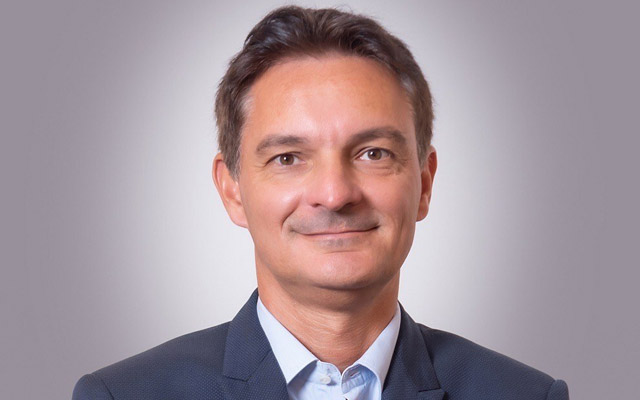
Dermot Birchall moves to Kandima Maldives

0

Kandima Maldives has announced that Dermot Birchall will be the resort’s new general manager.

Dermot has over 20 years of experience across leading luxury resorts and five-star hotels in Asia, the Middle East, and Europe, and a strong track record in driving operational excellence, guest satisfaction, and commercial success.

WTTC chief notes improved global emissions in travel and tourism industry, but challenges remain in sustainable aviation efforts

0

The global travel and tourism industry has reduced its carbon footprint at the end of 2024, contributing 6.7 per per cent of all greenhouse gas emissions globally compared to 7.6 per cent in 2019. Emissions reduction was made possible by “renewable electrification” in ground transportation, which contributes to 40 per cent of carbon footprint in the travel and tourism industry.

However, WTTC’s president & CEO, Julia Simpson, warned that in absolute terms, the industry’s greenhouse gas emissions were still rising, as travel and tourism is a growth sector.

Simpson: Ground transportation and aviation are travel and tourism’s top two greenhouse gas contributors respectively

“People often think that the largest contributor of greenhouse gas emissions is aviation, but it is actually ground transport – the tiny trucks coming to hotels for delivery and the vehicles transporting customers around,” said Simpson, addressing select media during a forum in Singapore.

“So, we should be challenging all our governments to ensure that electric vehicles are utilised.”

She noted that international air travel was the second biggest contributor of emissions, “which is why we are vociferously campaigning all governments to incentivise the production of SAF (sustainable aviation fuel)”.

The aviation industry currently consumes 300 million tonnes of jet fuel, and the volume would rise to 500 million tonnes by 2050 “despite the industry’s net zero commitment”.

Currently, SAF usage has only reached one million tonnes, which makes up just 0.3 per cent of total aviation fuel. This might rise to 0.5 per cent.

WTTC’s Julia Simpson (right) and her team share updates on the travel and tourism industry’s achievements in the past year at a forum in Singapore; photo by Karen Yue

“This puts into perspective the big mountain we have to climb to achieve our emissions targets,” she remarked, noting that that the International Civil Aviation Organization has targeted five per cent of SAF usage by 2030, the EU has mandated six per cent by 2030, and the UK and Japan at 10 per cent.

When asked how these SAF mandates would be enforced when production remains so slow and price of SAF so high, Simpson acknowledged that “it is indeed a challenge”.

“We need to get to that happy place where there is enough SAF and where SAF is not that expensive,” she told TTG Asia.

She pointed to the Inflation Reduction Act in the US, which “massively” incentivises the production of SAF, as a solution.

“There are a lot of farmers in the US that are dependent on that stream of income; they are contributing different feedstock to SAF production.”

Further, in response to TTG Asia’s query on whether US president Donald Trump’s push back against some of the funding disbursement attached to the Inflation Reduction Act would impact output from the world’s biggest SAF producer, Simpson said: “We are all in this world at the minute trying to second guess what statements mean as opposed to action. But I do know that Trump is a big supporter of farmers in the US and this (renewable energy production) is a major scheme worth billions now. I would be very surprised if he chooses to upset that economy.”

Simpson is also quick to add that the aviation sector is not merely relying on SAF to reduce their footprint. It is making investments to cut emissions even in the face of slow SAF production. Efforts include investing billions from their investors and stakeholders cash in building aircraft that are more fuel efficient, and streamlining air traffic control with AI so that aircraft can fly more efficiently in a straight line.

She is also hopeful that the growth of rail travel globally will alleviate emissions pain in travel and tourism.

Rotorua welcomes World Indigenous Cancer Conference

0

Rotorua and Hei Āhuru Mōwai Māori Cancer Leadership Aotearoa will co-host the World Indigenous Cancer Conference (WICC) in 2026.

The conference, scheduled for April 2026, will focus on culturally grounded solutions for cancer care within Indigenous communities. It will bring together 600 health professionals, researchers, and advocates from around the globe, and generate significant economic benefits for Rotorua, estimated at NZ$1 million (US$570,883).

Hei Āhuru Mōwai’s Nina Scott and Hei Āhuru Mōwai Tumuaki’s Gary Thompson standing in front of the United Nations building in Geneva

This fourth iteration of the biennial WICC will provide a platform for addressing the disproportionate cancer burden faced by Indigenous populations, identifying research priorities, and sharing innovative approaches. Hei Āhuru Mōwai led the successful bid, with support from Tourism New Zealand Business Events and RotoruaNZ.

The conference will be steeped in Māori tikanga (protocols), values, and storytelling. Beyond academic presentations, the program will showcase Māori culture and incorporate Rotorua’s attractions, providing delegates with a rich cultural experience.

Hei Āhuru Mōwai chief executive Gary Thompson emphasised the significance of Indigenous representation in driving global solutions.

“Aotearoa New Zealand has a wealth of knowledge to share in Indigenous cancer care, including Māori providers delivering hauora services. Hauora, our Māori view of health, embraces the physical, mental, social, and spiritual dimensions of well-being, placing whānau (family) at the heart of care.

“This holistic approach ensures that hospital cancer services and community providers are seamlessly connected to improve outcomes for our people. Through this conference, we aim to share these innovations with other Indigenous nations while learning from their experiences to foster mutual growth and collaboration.”

He also highlighted the stark inequities faced by Māori, who are more likely to be diagnosed at later stages and experience poorer outcomes compared to non-Māori.

“This conference is about solutions – turning these disparities around and empowering Indigenous communities worldwide. We aim to build a strong international network of Indigenous cancer leadership and formalise our collective efforts through the WICC.”

Capital advantage

0
Lake Burley Griffin is Canberra's centrepiece, and is surrounded by museums, galleries, landmarks, cafés, and parks

Canberra, a city often overshadowed by its more popular counterparts, is working hard to expand its inbound corporate incentive market.

“We’re already well known in the domestic and association market, so international incentives are our next step to growing our business events sector. We have the products that will appeal to the incentive market, which would work well for groups of around 50 to 100,” Michael Matthews, CEO of Canberra Convention Bureau (CCB) told TTGmice

Lake Burley Griffin is Canberra’s centrepiece, and is surrounded by museums, galleries, landmarks, cafés, and parks

For corporate incentives, Canberra’s primary target markets are South-east Asia – in particular Indonesia, Malaysia, and Singapore – as well as India.

“I think South-east Asia knows Australia really well, and they’re looking for that next destination,” he said.

For India, as the Australian Capital Territory already receives many VFRs (visiting friends and relatives) due to immigration, there is potential to drum up interest for incentive groups.

“Groups from India are quite happy to do two or three cities. They want to get as much of Australia as they can because they are travelling from much further and want to make the most out of their trip,” Matthews opined.

Industry stakeholders in Canberra are backing CCB’s push to attract more international incentive groups.

One of the newest operators to get onboard is Corin Forest. While the facility has been hosting large groups for years, they have primarily been educational tours.

Ashleigh Harrow, group marketing manager, Corin Forest Mountain Resort, told TTGmice: “Corin Forest has not marketed outside of Australia in the past, but we are now actively moving in that direction. Our first steps are focused on building relationships with inbound operators by attending industry events, hosting famils, and working closely with VisitCanberra. The shift to focusing on MICE groups has been very recent.”

Meanwhile, one of the latest additions to Canberra’s outdoor adventure offerings, Treetops Adventure Canberra (which opened in April 2024) has partnered with VisitCanberra and the CCB on campaigns to help promote the park and its teambuilding possibilities.

Rebecca Williams, marketing manager at Treetops Adventure, shared: “As a brand new business, we haven’t yet done marketing outside of Australia, but such partnerships have allowed us to reach event planners locally and regionally.

“We are planning to boost our international presence by partnering with more international travel agencies, and participate in more trade shows.”

Love Boats Canberra is another new tourism business that started in January 2024.

The company offers several boats that can be chartered for private events, with a yet-to-be-named, newly-renovated boat that can hold up to 70 seated, or 105 standing; and MV Reliance, a smaller craft that can hold up to 27 passengers. The charter fee for the larger boat starts from A$3,300 (US$2,148) for three hours, while MV Reliance starts from A$2,010 for three hours.

Alternatively, Chatain shared that smaller groups can also hire pedal boats, or electric boats, to simply enjoy a day out on the water.

“We were included in CCB’s Meeting Planner’s Guide – launched at AIME 2024 for the APAC MICE market – and we participate in any inbound international famils when asked by the CCB,” shared Charles Chatain, the owner of Love Boats Canberra.

“As we only started the business in January, we are still developing our marketing strategies as we learn more about the people we host. For example, we noticed that the lake experience is popular with Asian tourists generally.”

Kristy Ryan, general manager of Midnight Hotel, Autograph Collection, also actively supports CCB in hosting fam trips. “Though international MICE isn’t yet a huge part of our business in Canberra, we want to drive and explore this opportunity.”

However, Canberra’s business events potential is hindered by both limited air connectivity and a lower global profile compared to its more famous counterparts like Sydney and Melbourne.

Harrow indicated that currently, there was a “lack of direct flights to Canberra”, and potential visitors may have the “tendency to overlook Canberra in favour of more iconic Australian destinations”.

“I believe that by making Canberra more accessible by air, and putting more effort into promoting (the destination and all) it has to offer will have a significant impact on groups choosing to travel here,” she explained.

Williams agreed with Harrow on the “limited number of direct flights from key markets”, as well as having to compete with “other Australian regions who have well known outdoor adventure experiences (i.e. Great Barrier Reef)”.

“There is a need to effectively communicate and showcase what sets our outdoor attractions apart.

“Moreover, depending on where they are located, groups may also face long travel times and high expenses associated with flights, which could deter companies from choosing Canberra as their destination,” stressed Williams.

Matthews is well aware of such concerns, and stressed that the CCB and state government are “working hard” and in talks with Singapore Airlines – among other airlines – to restart flights to Canberra. The airline scrapped its Singapore-Canberra-Wellington leg in 2018.

He added that the city is only a short one-hour hop from Sydney, or a 1.5-hour flight from Melbourne, or “three hours by road from Sydney with many things to do along the way”.

“Canberra is a two- or three-day proposition in addition to Sydney or Melbourne. It’s for those who want to see more of Australia. That is why famil activity is important, because the other challenge is getting the word out there that Canberra has activities suitable for incentive groups,” Matthews pointed out.

With CCB’s varied efforts, stakeholders are confident that their efforts will
bear fruit.

“Canberra is often dismissed as a boring place to visit, but there’s so much variety in such close proximity. In a single day, groups can learn about our country’s history and culture, explore the natural beauty of the Australian bush, challenge themselves with thrilling outdoor adventures, discover unique local art, and indulge in incredible dining experiences.

“This city is constantly evolving, and with something new to discover every day, this is Canberra’s time to shine,” Harrow opined.

Twenty and thriving

0
Burke: excited about the opportunities ahead and remain dedicated to driving Malaysia’s growth through business events

This year is Kuala Lumpur Convention Centre’s (the Centre) 20th anniversary. How is the Centre engaging stakeholders, clients, and the public in the celebration of this milestone?
To commemorate our 20th anniversary, themed Celebrating the Past 20; Shaping 20, we have initiated a comprehensive campaign that engages stakeholders, clients and the public both offline and online.

Throughout the year, we will roll out a series of initiatives aligned with our key organisational priorities, including product innovation, sustainability, and corporate responsibility. These efforts will include the introduction of upgraded facilities, community-driven activities at the park, and meaningful CSR programmes.

As a token of appreciation for the invaluable support from our partners, stakeholders and clients, we are also hosting an exclusive gala dinner in August to commemorate this milestone and reaffirm our vision for the future.

Could you share several significant milestones and achievements for the Centre over the past two decades?
Over the last 20 years, the Centre has played a pivotal role in Malaysia’s business events industry. We have hosted over 21,800 events, welcomed 29.7 million delegates and contributed RM12.3 billion (US$2.8 billion) to the national economy.

Our venue has been the chosen location for numerous high-profile international events, including the 11th ASEAN Summit (2005); 16th World Congress on Information Technology (2008); 128th IOC Session (2015), where the host city for the 2022 Winter Olympics was elected; and the 9th World Urban Forum, organised by the United Nations (2019).

Our commitment to excellence has been recognised with over 200 industry awards.

We have also set new benchmarks in sustainability, being Malaysia’s first venue to operate on renewable energy, achieve EarthCheck Gold certification, and obtain Healthy Venue accreditation. Our strategic partnership with URBANICE Malaysia, our four-star BEI Green Building Index rating, and our success in achieving 100 per cent food waste diversion from landfills further highlights our commitment to sustainability.

The Centre has also played a significant role in times of national need. During the Covid-19 period, we played a pivotal role in facilitating the industry’s seamless reopening and recovery, as well as served as one of the country’s mega vaccination centres.

Additionally, in 2017, we established the Kuala Lumpur Business Events Alliance, streamlining access for international event organisers by integrating venue, hotel and airline services under a single-point coordination system.

What is the Centre’s vision for growth and success over the next 10 years?
Looking ahead, our vision for the next decade is to strengthen Malaysia’s position as a premier business events hub by attracting high-value international events that drive economic and commercial benefits. This involves bringing in events that stimulate foreign investments, foster trade deals, and facilitate knowledge exchange across sectors. We will continue collaborating with the Malaysia Convention and Exhibition Bureau and the Ministry of Tourism, Arts and Culture, by aligning our priorities, and securing high-impact events targeted at national priority markets, including sectors such as medical and fintech.

To maintain our competitive edge, we are heavily investing in facility upgrades including the creation of new spaces and reconfiguration of under-utilised areas. We also plan to enhance event personalisation, offering tailored solutions that cater to the needs of organisers and delegates.

Technology will be at the heart of our future growth. We are actively leveraging data analytics to refine event planning and improve decision-making for organisers. New solutions will be introduced to optimise event experience and deliver greater value to our clients.

What is the Centre’s future strategy to remain competitive and relevant?
To sustain our leadership in the business events sector, our strategies are anchored in three key areas: people development, infrastructure and technology investments, and sustainability.

A significant emphasis is placed on nurturing talent through an extensive leadership training programme for high-potential team members. By refining internal culture, improving recruitment practices, and offering competitive compensation packages, the Centre aims to attract and develop new talent not just for the venue, but also for the broader business events industry.

In terms of infrastructure and technology, the Centre is undergoing a comprehensive transformation. This includes upgrading audiovisual systems across all function spaces and increasing digital signage around the venue to enhance communication, engagement, and crowd management. Aesthetic improvements are also underway, with contemporary designs being introduced to refresh the ambience throughout the facility, ensuring it remains a modern and welcoming space for clients and visitors.

Sustainability is a core priority, with the Centre committed to meeting its environmental, social, and governance (ESG) targets in alignment with Scope 1, 2, and 3 sustainability benchmarks set for 2030 and 2050. Current initiatives focus on reducing the carbon footprint, improving operational efficiencies, and implementing sustainable event solutions.

What key trends do you foresee will have a big impact on business events are held and organised in South-east Asia?
Sustainability has become a fundamental expectation. Organisers are increasingly prioritising eco-conscious practices, from reducing event waste to sourcing local produce for catering. Business events are now recognised as key drivers for sustainable tourism, contributing positively to local economies and communities.

Artificial intelligence is reshaping the event experience, enhancing everything from personalised itineraries to advanced engagement tools. Moving forward, event planners will need to strike a balance between effectively leveraging these technologies and maintaining a human-centric approach. AI-driven insights will also help optimise logistics and improve event ROI, offering organisers powerful solutions to streamline operations and boost outcomes.

Despite the rise of virtual and hybrid events, the value of in-person networking remains irreplaceable. Many organisations continue to prioritise face-to-face interactions due to the strong impact of physical networking, collaboration, and business development. While digital elements will remain an important complement to events, the demand for fully virtual experiences is expected to decline as live gatherings regain prominence.

With evolving attendee demographics, events must also adapt to cater to a diverse, multi-generational audience. From flexible seating layouts to inclusive accessibility features such as closed captioning and multi-lingual options, organisers are focusing on creating seamless experiences for attendees across various age groups and cultural backgrounds. These efforts ensure events remain relevant and engaging for all participants.

PICC undergoes major enhancements ahead of 2026 events

0
Cruz: enhancements will preserve heritage, while meeting modern meeting needs

The Philippine International Convention Center (PICC) has lined up major enhancements of its facilities for several upcoming landmark events in 2026 – its 50th anniversary and hosting of the ASEAN Summit.

“With its status as a National Cultural Treasure… we want to make PICC the best it can be without erasing but enhancing its rich heritage and place in our political, economic and cultural setting,” PICC’s new general manager, Nicolette Ann Cruz, told TTGmice.

Cruz: enhancements will preserve heritage, while meeting modern meeting needs

To ensure a polished appearance for the ASEAN Summit, some architectural and engineering enhancements will be completed beforehand, while others will be deferred until after the event. These improvements will begin mid-year, alongside ongoing renovations.

Leandro Locsin Jr., son of the late National Artist Leandro Locsin – who designed the PICC and four other buildings within the CCP Complex – has been awarded the contract for the architectural and engineering enhancements. The National Historical Commission must approve the plans to ensure the PICC’s iconic brutalist architecture and integral elements will not be compromised.

A conservation, protection, and management plan for the cache of priceless artworks, jointly owned by the PICC and the Central Bank of the Philippines, is currently under review.

In light of the evolving needs of business events clients, Cruz indicated that efforts are underway to enhance the PICC’s IT infrastructure. These efforts include upgrades to Wi-Fi and audiovisual systems, and the procurement of additional television equipment during the course of this year.

PICC, Asia’s oldest convention centre, aims to surpass the revenue generated from the 618 events hosted in 2024 by a minimum of 10 per cent. The venue’s target for 2025 is to host between 660 and 670 events.

Cruz acknowledged that this target will be “challenging”, given the extensive renovations planned. Balancing construction with daily operations and events will be difficult, Cruz pointed out, but she remains “confident” that the technical services department will be able to manage it.

Hyatt simplifies multi-city business events in APAC

0
PHOTO CAPTION: The Hyatt Asia Pacific Meetings & Events Alliance launch event was held at the Hyatt Regency Sydney

Hyatt Hotels has unveiled the Hyatt Asia Pacific Meetings & Events Alliance, a new programme designed to streamline multi-year, multi-city event planning for corporate clients across the region.

The Asia Pacific programme launches with nine Hyatt properties in key business and convention hubs. They are the Grand Hyatt Bali, Grand Hyatt Singapore, Grand Hyatt Taipei, Grand Hyatt Hong Kong, Grand Hyatt Erawan Bangkok, Grand Hyatt Kuala Lumpur, Grand Hyatt Manila, Grand Hyatt Incheon, and Hyatt Regency Sydney.

The Hyatt Asia Pacific Meetings & Events Alliance launch event was held at the Hyatt Regency Sydney

Key advantages for planners include dedicated centralised contact and support, while a dedicated team of alliance hotel representatives will streamline negotiations and event planning across participating properties, ensuring smooth transitions between events.

Planners can also access customised packages and incentives, potentially including complimentary suite upgrades, exclusive VIP club lounge access, curated spa and wellness offerings, exclusive incentives for multi-events, special offers on F&B dining packages, and up to triple World of Hyatt points.

This initiative follows the success of the Hyatt Convention Alliance, Hyatt Wellness Alliance, and Hyatt Resort Alliance in the US.

CLC and WRLDCTY sign MoU to shape the future of cities

0
From left: Centre for Liveable Cities' Michael Koh; WRLDCTY’s Anupam Yog; Centre for Liveable Cities' Hugh Lim; and WRLDCTY's Christopher Fair

The Centre for Liveable Cities (CLC) and WRLDCTY Pte Ltd have formalised a partnership to collaborate on creating more liveable, lovable, and sustainable cities.

A Memorandum of Understanding (MoU) was signed on February 12, 2025, by Hugh Lim, executive director of CLC, and Christopher Fair and Anupam Yog of WRLDCTY, at a CLC lecture focused on urban liveability.

From left: Centre for Liveable Cities’ Michael Koh; WRLDCTY’s Anupam Yog; Centre for Liveable Cities’ Hugh Lim; and WRLDCTY’s Christopher Fair

This marks the first formal agreement between the two organisations and establishes a framework for knowledge exchange and international collaboration. The MoU outlines joint efforts across various platforms, including conferences, symposiums, research projects, studies, and publications. Both CLC and WRLDCTY will leverage their respective networks to foster new global connections.

A key aspect of the partnership will involve collaborating on global conferences and knowledge-sharing events. This includes joint participation in expert panels and the development of complementary sessions and workshops at significant events. Notably, WRLDCTY will bring its global conference to Singapore for the first time, coinciding with CLC’s World Cities Summit in June 2026.

The MOU also emphasises collaborative research into the measurement and design of liveable and sustainable cities and regions. CLC and WRLDCTY plan to co-author knowledge products, such as blogs, articles, and urban briefs, translating research findings into practical steps for implementation.

“CLC and WRLDCTY believe that cities should be liveable, distinctly loveable and sustainable. Through this partnership, we aim to offer greater insights, inspire more innovative approaches and solutions, and leverage on each other’s networks to reach out to more city leaders and urban practitioners around the world…,” said Lim.

Christopher Fair, director of WRLDCTY, added: “CLC and Resonance have both been studying and sharing best practises in sustainable urban development and innovation for more than a decade. This collaboration is not only an opportunity to bring the best minds from both our organisations together on key research initiatives, but to amplify our outreach and knowledge sharing together with countries, cities and communities around the world.”

Photo of the day: Hong Kong charms AFF delegates

0

In January 2025, the Hong Kong Tourism Board (HKTB) introduced 100 delegates from the Asia Financial Forum (AFF) to Hong Kong’s diverse tourism offerings.

This initiative aligns with the recently released Development Blueprint for Hong Kong Tourism Industry 2.0, which emphasises creating enriching and memorable visitor experiences.

The HKTB curated a range of experiences for the delegates, showcasing the city’s blend of old and new. These experiences included a tour of the cultural heritage of Old Town Central, a guided Gold Foil Paste Ceremony at Man Mo Temple, and a visit to Tai Kwun. Delegates also enjoyed a trip to the Peak and Sky Terrace 428 via the iconic Peak Tram, and a night-time cruise aboard the Aqua Luna, a traditional red-sail junk boat, for breathtaking views of Victoria Harbour.

The AFF, a prominent annual event launched by the HKSAR Government in 2007, attracts key figures in the global financial sector. This year’s forum was also the first major event on Hong Kong’s 2025 calendar.

Accor offers double points for meeting planners

0
Novotel & ibis Styles Melbourne Airport

Accor has launched its Let’s Make It… campaign, offering double Reward points to ALL Meeting Planner loyalty members for eligible events held by May 31, 2025.

The offer is valid at participating Accor hotels across Asia Pacific, the Middle East, and Africa. To benefit from the promotion, ALL Meeting Planner members must register for the campaign.

Novotel & ibis Styles Melbourne Airport

Overall, the ALL Meeting Planner programme allows planners to earn points year-round, which can be redeemed to cover up to 15 per cent of their event bill. The programme also provides access to exclusive rewards, including world-class experiences at Accor Stadium and Qudos Bank Arena in Sydney.

Accor also offers an event website, a Net Zero Carbon tool, and the ALL Meeting Planner loyalty program to enhance the planning process.

Accor boasts a portfolio of over 400 hotels across the Pacific, across 19 international brands.

Reviews

Hyatt Regency Kuala Lumpur at KL Midtown

A polished urban retreat designed for business travellers, Hyatt Regency Kuala Lumpur at KL Midtown combines thoughtful design, seamless service, and exceptional facilities.

A versatile powerhouse

Arena @ Expo, a multipurpose concert hall at the Singapore Expo is a flexible space for high octane concerts and lifestyle events.

Amari Bangkok

The five-star property excels in backing its expansive facilities with seamless service and personalised attention, setting the benchmark for luxury in Bangkok.