Event brief
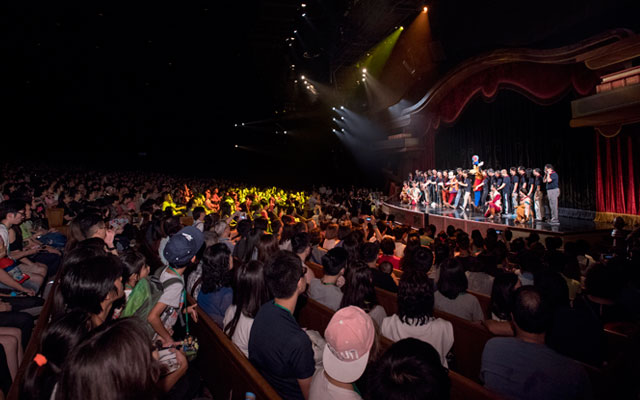
Hong Kong Disneyland Resort has introduced a Corporate Mix-in Night for companies (with at least 500 guests) to share the park with other business groups of similar size, on select dates. This is in addition to a park buyout package that caters to groups above 6,000.
For example, on October 1, 2016, its Mix-in Night hosted 10 different organisations from a mix of industries, such as chemicals, technology, construction, banking and insurance, and education. In total, there were about 13,000 guests, and group sizes ranged from 500 to 3,000. Participating companies made use of the buyout to hold corporate gatherings and team-engagement activities, while thanking their staff and partners.
Aside from enjoying private access to Toy Story Land, Grizzly Gulch and Mystic Point from 17.30 onwards, there were a series of exclusive buyout entertainment offerings such as a preview of Disney Halloween Time, and Star Wars: Tomorrowland Takeover, where children in the group were able to hone their lightsaber skills with Jedi masters to confront Darth Vader and Kylo Ren at the Jedi Training: Trials of the Temple session.
To create a holistic Disney experience, hotel, F&B and shopping discounts were offered to all guests.
Challenges
There was no single formula to fit all clients and the park had to tackle with various requests from the 10 companies.
For example, four groups chose to upgrade the tickets to full-day tickets while the rest ran their programmes at the buyout pre-set time of 16.00 to 23.00.
Special arrangement also had to made for ASM Technology, the second largest group, where spaces were reserved for the children in the group to participate in the Mickey & Friends Costume Party.
As well, a 30-minute company programme – which involved a march-in of VVIPs accompanied by Disney characters, followed by speeches and a lucky draw – had to be arranged for the largest group at Storybook Theater. It then ended with the Mickey and the Wondrous Book musical.
Meanwhile, the park also made reservations for a VIP room in City Hall, to facilitate a Facebook live video for a group from Standard Chartered. The group also conducted a lucky draw, which was done in front of a Disney Halloween Time backdrop.
Another challenge for the Mix-in night was that reception counters at designated locations had to be arranged, and manned by the various companies’ own staff, for registration and the distribution of tickets.
Solutions
Tailored treatments can be creatively arranged according to group, enabling companies to better brand their event and provide a unique experience for their stakeholders, despite having to share the park with other groups.
Key takeaways
The Corporate Mix-in Night programme has lowered the threshold significantly, and this makes a buyout event accessible to more companies. Hong Kong Disneyland Resort is encouraged by the results, and hopes to explore more opportunities by applying this concept to other seasonal events.
Event: Corporate Mix-in Night Organisers: Hong Kong Disneyland Resort Venue: Hong Kong Disneyland Resort Date: October 1, 2016 Number of participants: 12,880 guests
Carlson Wagonlit Travel (CWT) has appointed Vishal Sinha as CEO of CWT India, based in Gurgaon. Sinha has more than 20 years of experience in the travel industry, and was last chief operating officer of TUI India.
Concept Plataran L’Harmonie boasts a coastline of more than seven kilometres and is home to more than 175 species of flora and 167 species of birds, including the Bali Starling (Leucopsar Rothschildi). It is fascinating to know that Plataran L’Harmonie conserves many endangered species of flora and birds.
The natural attraction also offers a series of programmes called Plataran Encounters which work great for corporate groups.
Plataran Beach Picnic
MICE application One of the experiences offered under Plataran Encounters is the Safari Picnic, which introduces participants to the natural habitat of Plataran L’Harmonie through a guided tour led by a ranger.
The tour takes no more than 20 people, and the group is further divided into teams of four or five. Armed with trail maps, each team will be tasked with identifying trees or flowers and the parts used for specific purposes, such as as medicine or cosmetics. The challenge would include the use of mobile phones to solve a riddle and take photos of the plant in question.
At the end of the trail, participants will enjoy a picnic lunch prepared by Plataran Menjangan Resort & Spa at a special spot in the forest, near the beach.
Service The jungle trail I took with my group comprised mostly flat land, which made for an easy walk. Our guide was very knowledgeable and he made our experience fun by mimicking the calls of a particular bird. So perfect was his imitation that we heard chirps in response.
The picnic at the end of the trip was presented with a variety of food placed in the centre of a mat and with many cushions strewn around for us to rest on. It was a splendid arrangement.
A growing number of Asian incentive and business groups have been heading to Dubai in recent years, lured by the city’s varied offerings for adventure-led corporate teambuilding and incentive programmes.
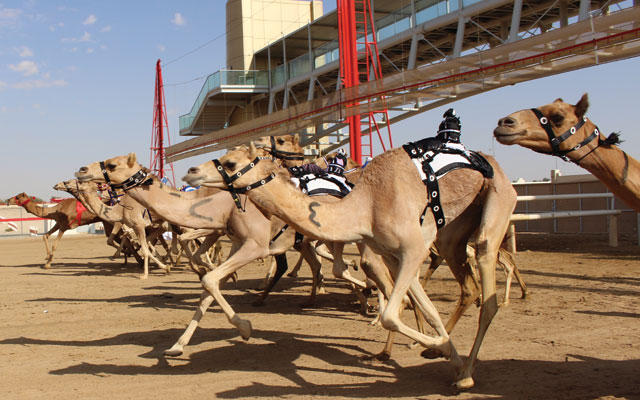
For instance, visitors can explore the rolling sand dunes as part of a desert safari with an expert guide, and experience the nation’s culture and heritage through falconry and camel riding. They can also taste authentic Arabian cuisine, get traditional henna tattoos drawn on their hands, indulge in the popular Arabic pastime of shisha, and watch an oriental belly dance.
Steen Jakobsen, director, Dubai Business Events, enthused: “No Arabian experience is complete without an escape into the desert. The desert safari is a spectacular combination of ancient Arabian traditions and modern culture.”
Justine Thomas Butler, Arabian Adventures’ MICE manager, said Asian clients particularly enjoyed experiencing Bedouin culture such as catching a traditional Ayala performance, aside from visiting photogenic destinations like Burj Al Arab.
When asked about what other adventure activities the city could offer, Butler suggested: “Groups can race around the iconic World Islands from country to country by boat, have a desert Olympics in the Dubai Desert and Conservation Reserve surrounded by 200m-high sand dunes, or enjoy a treasure hunt across Dubai, exploring both new and ancient parts of the city, including the bustling spice and gold souks.”
“The largest (group I have handled) so far was a group of 14,500 people from China in 2014. (Their itinerary included) a sunset desert safari complete with camel racing, as well as a shisha tent,” she added.
With several large groups from Asia confirmed for both incentives and events over the next 12 months, Butler expects to see a five to 10 per cent growth from the Asian incentives and events market, stating that it has “become easier for guests from China, in particular, to visit”.
Although China represents a significant opportunity, Butler added: “South Korea, Japan, Malaysia and Indonesia have all shown increasing awareness and interest in the UAE as a new and exciting MICE destination.”
To obtain more business, the company actively participates in business development and sales missions both to and from the region.
Samir Hamadeh, general manager of Alpha Tours, shared a similar sentiment, indicating that for Asian markets, his company usually tries to incorporate a cultural experience.
Alpha Tours, which now has offices in Seoul and three cities in India, is also busy running sales trips and roadshows, in an effort to keep in touch with key players and decision makers from Asia.
“We are working on some solid leads for groups above 1,500 pax for 4Q2017 and 1Q2018. As such, 2018 looks very positive for us. We recently concluded the Amway Korea Leadership Seminar Incentive in March this year, which brought 3,600 people to Dubai,” Hamadeh pointed out.
Jakobsen concurred: “2017 is a strong year in terms of incentive trips that have taken place or are booked to be hosted in Dubai. We have already welcomed groups from Amway Korea and JDCK, bringing 3,600 and 3,700 visitors respectively, while later this year Amway India will bring 4,500 visitors.”
Hotels in Dubai are also seeing an uptick in incentive groups and business events originating from Asia.
For instance, Bill Keffer, general manager of JW Marriott Marquis Hotel Dubai, shared: “Although our primary source market is still the GCC (Gulf Cooperation Council states), we have witnessed a 46 per cent growth in Asia, and demand from China also rose year-on-year by 13.4 per cent.”
As a result, the 1,368-key hotel is focusing on China, Japan and South Korea for incentive groups.
While the hotel does not organise activities, Keffer stressed that it has a great relationship with several DMCs and event planning firms that will work together to design adventure-led programmes.
He added: “The central location of the JW Marriott Marquis Dubai means that most of the city’s activities and attractions are just a short drive away, so that a wide range of adventure-led off-site corporate teambuilding can be planned for groups.”
Jumeirah Group’s director of sales – groups, Tahir Ciyanci, also told TTGmice that business events and incentives from Asia have been growing year-on-year. Across the group, 20 per cent of all business events come from Asia, and the group is ready to welcome them with over 3,200 rooms and more than 30,000m2 of meeting spaces across Dubai. Its latest offering is the Burj Al Arab Terrace which opened last year. Spanning 10,000m2, the space can host up to 600 guests. As well, Madinat Jumeriah has recently launched Virtual Planner, a booking tool that provides planners with information on all venues within the hotel.
To court more Asian events, Jumeirah Group will conduct joint activities with local and international agencies, Dubai Business Events and national carriers.
Ciyanci added: “We will build relations with key partners through Jumeriah MICE appreciation events in China throughout the year, and secure marketing exposure in industry publications.”
“Dubai is a city that is constantly evolving, and there are currently numerous plans in place to not only further enhance existing attractions, but also open new ones in the years to come,” concluded Jakobsen.
InterContinental Bali Resort has completed the first phase of its renovation project, breathing new life into the Singaraja Wing, Grand Kencana ballroom and Sayana Lounge.
InterContinental Bali Resort
Rooms Singaraja Wing takes in 112 rooms out of the hotel’s total inventory of 417 keys, and has its own lounge.
Following the renovation, guestrooms here feature an even stronger Balinese architectural flavour. These features are found in wall murals inspired by traditional textile patterns as well as bed headboards with carvings similar to geometric lattice seen on traditional Balinese doorways.
The refreshed rooms now come with enhanced consumer technology such as a smart IPTV with a 43-inch screen, high-speed Internet connection and a messaging system for guest services.
New too are some eco-friendly initiatives, such as a sensor that tweaks room temperature according to the presence of occupants and as well as automatic lights. In the bathroom, taps are set to low water flow. Good initiative, although I personally prefer a stimulating power shower.
MICE facilities The Grand Kencana ballroom has been given fresh carpets and a brighter shade for walls and ceilings.
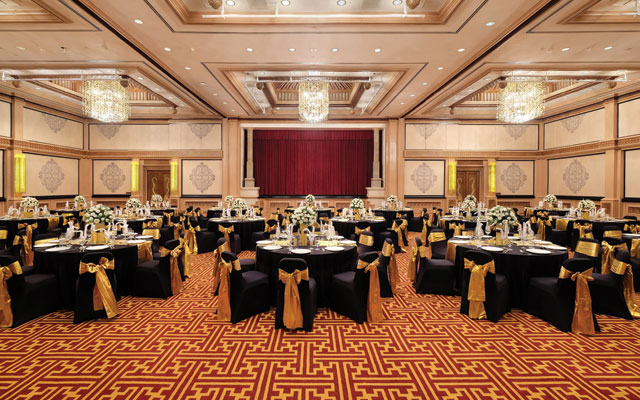
The ballroom, good for 600 pax receptions or 420 pax banquets, is joined by five other function rooms and a host of attractive outdoor venues that can support a variety of events. The indoor spaces are fitted with a permanent stage, wide-screen displays and audiovisual equipment, and come with a dedicated control room and banquet kitchen.
Adding to the hotel’s events prowess is a team of event specialists who can help clients with business gatherings and teambuilding programmes.
Other facilities Six F&B outlets, six pools, tennis courts, a 24-hour fitness centre, a spa and Planet Trekkers childcare facility make up the hotel’s lifestyle offerings.
Sayana Lounge is now larger, providing more room for guests who need a place to rest or freshen up before a later flight. It is equipped with large lockers for suitcases, shower rooms and sitting areas.
Room count: 417 Star rating: Five Contact:
Email: bali@ihg.com
Website: intercontinental.com/Bali
Club Méditerranée (Club Med) Hong Kong has started a group referral programme for the Hong Kong market on July 5, aimed at rewarding those who recommend group bookings at Club Med properties that are eventually materialised.
The larger the materialised group, the better the referee reward.
For instance, a recommendation that leads to a group of 50 to 99 delegates staying at a Club Med property will earn the referee two free nights for two guests in a Club Med resort in China. A group of more than 500 delegates will earn the referee a five-night stay in any Club Med property in China, Thailand, Indonesia, Malaysia, Japan, the Maldives and the French Alps.
The programme is expected to run until end-2017, but business development manager – MICE, Julien Hauss said it could be extended into 2018 should market feedback be good. At press time, Hauss said the reward programme has generated many leads.
Meanwhile, the Club Med MICE website will be made available in traditional Chinese soon.
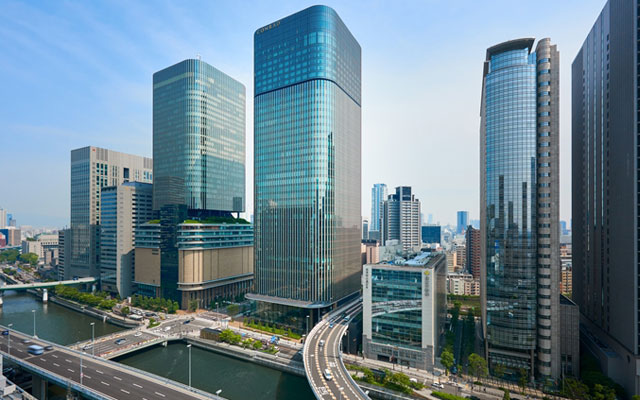
The 164-room Conrad Osaka – the brand’s first in western Japan and the second in the entire country – sits on a prime stretch between Umeda and Namba district and across the highest floors of the mixed-use Nakanoshima Festival Complex.
Conrad Osaka exterior
Facilities within the five-star property satisfy both leisure and business travellers – four restaurants and lounges, a bar, a spa and salon, a 24-hour fitness centre and a 20m-long heated indoor pool.
For meeting groups, the luxury hotel offers two ballrooms, one boardroom and one divisible meeting room – all located on the 38th floor and equipped with the latest event technology. All function spaces are pillar-free too, with abundant natural daylight.
The largest ballroom can accommodate up to 100 guests for banquets or 180 people in theatre setup. It comes with a private foyer and spiral staircase.
Participants of residential meetings are promised a memorable stay in guestrooms bearing a contemporary design infused with traditional Japanese elements. All rooms promise views of the river or Osaka cityscape.
1) The ultimate recharge
Switzerland is famous for spas, but less known is how the country has embraced alternative therapies. In 2009, Switzerland became the first European country to integrate complementary treatments into its public health system and, in 2015, Ayurveda was officially included by Swiss healthcare authorities.
For winners, pushing themselves to the max can be thrilling but it comes at a cost: depleting energies. The new Atlantis by Giardino in Zurich believes what they need is a total retreat at the urban resort where Swiss friendliness and precision meets Ayurvedic twists and add-ons for incentives and meetings.
Planners can throw in an Ayurvedic BBQ which starts with an introduction to the rules of Ayurveda food preparation. Meat, fish and vegetables are marinated with herbs and spices that support digestion according to Ayurvedic teaching.
Another add-on is an Ayurvedic baking workshop. The event starts with a short introduction to the rules of Ayurveda baking (wholewheat flour, raw sugar, no eggs, etc.). Guests then create their own Ayurvedic cookies, which will be served in a tasting afterwards or later during a coffee break.
Keynotes with Ayurvedic specialists regarding all-day fitness or coping with stress and yoga sessions at the meeting room or outside are also available. Capacity: From five pax Email: ayurveda@giardino.ch Website: www.ayurvedabygiardino.ch
2) Dive into the ultimate bragging rights
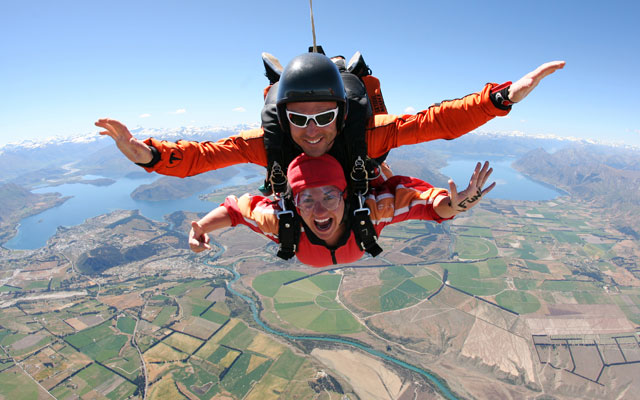
An experience that’s hard to beat for thrills, self-reward and a sense of accomplishment, Skydive Wanaka on New Zealand’s South Island is a top choice set in breathtaking scenery in which brave participants can see up to six lakes, Mt Cook and the Clutha River.
Skydive Wanaka
Strap your top achievers to a beautiful stranger for a tandem ride in a funky orange plane, and let the adventure take shape. Everyone gets a home-video of his experience for show-and-tell for many years to come. Capacity: Up to nine passengers with tandem guides at a single time Email: dropzone@skydivewanaka.com Website: www.skydivewanaka.com
3 Go wild in Bako
Take your top performers out of the familiar city and into the beautiful natural surroundings of Bako National Park, Sarawak’s oldest national park, where local residents – proboscis monkeys, long-tailed macaques, silvered leaf-monkeys, common water monitors, plantain squirrels, wild boar and mouse deer – thrive.
To see these creatures in their natural habitat, the park offers a number of well-marked trails. Pick a short pleasant stroll to refresh the mind of your winners, or send them off on a full-day hike for a bonding opportunity. Capacity: 78 pax Email: npbooking@sarawak.gov.my Website: www.bakonationalpark.com
4) Be a ranger for a day
Explore West Bali National Park, Indonesia, in the shoes of the park rangers. Take your top achievers behind the scenes to help them understand what needs to be done to protect nature, with guidance from experienced park rangers. They will get a taste of hiking patrol procedures, including emergency response tips, and learn about the endemic and endangered species that dwell in the West Bali National Park.
The best part of this exclusive experience though, is listening to the park rangers relate personal stories. Capacity: Up to 20 pax Email: menjangan@plataran.com Website: www.plataran.com
5) Dig your toes into the sands of the Thar
Jaisalmer is a world heritage city in Western India, known for its resplendent forts, ornate temples and the seemingly endless great Indian Thar desert. A desert safari offers a unique way to discover the vast sand dunes, and top achievers can later wine and dine in style in the middle of the desert, with traditional Rajasthani dancers providing memorable entertainment.
Groups can even choose to spend the night in the desert – in luxurious tents of course – or return to the city for accommodation in a hotel. Capacity: Up to 100 pax Email: globalalpcord@alpcord.com
6) Craft some delicate sweets
While many varieties of Japanese cuisine already have a firm following around the world, Japanese confectionery, wagashi, has yet to make the leap to being appreciated internationally.
Here’s a chance for your incentive winners to get behind the craft of these delicate traditional sweets which are made by hand using natural and organic ingredients.
Led by artisans at Toraya, which has been in the wagashi business since the 16th century, participants will learn how to craft confectionery masterpieces that are almost too good to eat. And then, of course, everyone gets to eat what they have made.
This activity is organised through The Ritz-Carlton Hotel Tokyo. Capacity: 15 pax Telephone: (81) 3 3423 8000
7 Make music in Okinawa
Famous as a melting pot of numerous Asia-Pacific cultures, the southern Japanese islands of Okinawa are fiercely proud of their unique history and traditions. One of the best ways to get acquainted with Okinawan culture is through its music, a key component of any local gathering.
Put your top achievers in a music-making workshop organised by DMC Okinawa, where they will be instructed by musicians skilled in some of the instruments commonly used in Okinawan music, such as the sanshin guitar, sanba castanets, the small paranku drum and the much larger taiko drum.
Participants are taught the basics of their instrument and coached to perform a song. Larger incentive groups are encouraged to break down into smaller bands and hold a competition of their new-found musical skills. Capacity: 30 pax Email: plan@dmc-okinawa.co.jp Website: www.dmc-okinawa.co.jp/en
8) Retreat into the quiet highlands
Asilia Africa’s latest product, The Highlands luxury camp on the lush grounds of Ngorongoro Conservation Area, promises a rich wilderness adventure
The Highlands luxury camp
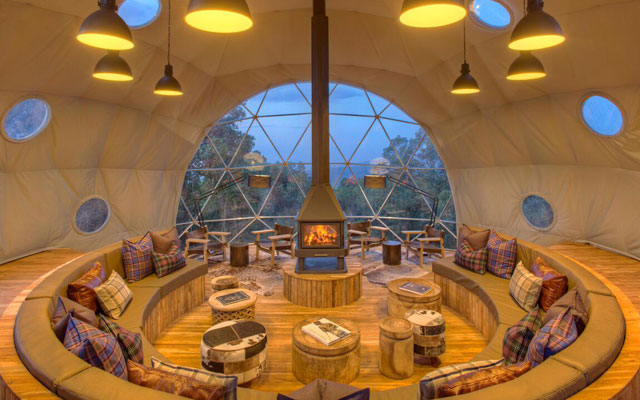
Asilia Africa’s latest product, The Highlands luxury camp on the lush grounds of Ngorongoro Conservation Area, promises a rich wilderness adventure than is embellished with private and exquisite accommodation.
The Highlands features eight domed suites with king beds, and all the creature comforts well-heeled travellers will appreciate. Each is furnished with ensuite bathrooms with hot running water, showers and flushing toilets, and in-room wood-burning stoves. Further privacy in this remote property is ensured, as each tent is set 15-20m apart.
Set far from other camps and on the edge of the mountain forest hugging the Olmoti volcano, guests of The Highlands can easily access the Ngorongoro Crater as they follow ancient Maasai trails to the summit and partake in programmes offered uniquely by property. These include visits to local communities to learn about the traditional Maasai way of life, go for a game drive in the Ngorongoro Crater, and hike the Empakaai Crater.
When guests are not exploring the surrounding nature, they can retreat into the plush interiors of The Highlands and feast on gourmet meals made with fresh, organic ingredients sourced from the Karatu area. Capacity: Up to 16 pax (property buyout) Website: www.asiliaafrica.com
9 Fight of thetitans
Further stoke the competitive spirit in your top performers with a prokout session, which means “fight” in Cambodian.
Prokout Fitness and Fight Centre puts groups of participants through the basics of Kun Khmer, traditional Cambodian fighting, which dates back centuries. As well as learning some of the moves, dedicated instructors will be on hand to share their knowledge about the spiritual martial art and the activities that devoted masters must carry out in their daily lives to ensure a win in the ring. Capacity: Up to 50 pax Email: theodore@prokout.com Website: www.prokout.com
10 Shadow play
Promoting and reviving Cambodian cultural arts since 1993, Sovannaphum Arts Association specialises in traditional shadow puppet performances, as well as traditional music and dance.
Incentive winners can learn more about the art of shadow puppetry, and the intricate process of making puppets from the country’s few surviving masters. For groups with more time on hand, sign up for lessons on traditional dance, drum play and making masks used in folk dance. Capacity: Up to 30 people Email: booking@sovannaphumtheatre.com Website: www.sovannaphumtheatre.com
11) Step into Chaplin’s World
Immerse in the life of silent movie comic actor and filmmaker Charlie Chaplin in his house, Manoir de Ban in Montreux Riviera, Switzerland where he and his family spent many years away from the limelight.
The vast estate, where Chaplin retreated to after being barred in the US due to suspicions of his alleged communist sympathies, now houses a museum of his films and personal possessions, a four-hectare park, and exhibition space for his movies.
Nearby, there’s even a 138-key Modern Times Hotel that is dedicated to him. Capacity: Varied capacity Website: www.chaplinsworld.com
12 Glide through Delhi on a Segway
The most fun and least strenuous way to explore Delhi’s monuments is on a Segway. The exclusive 45-minute guided tour is led by knowledgeable tour supervisors and escorted by safety marshals. Some of the landmarks the tour calls at include the Rashtrapati Bhavan, Parliament House and India Gate Capacity: Up to six pax Email: segwaytour@bird.in Website: www.segwaytour.in
13) Speed it up in a McLaren
Feel the exhilarating speed of a McLaren 650s against a beautiful alpine backdrop at Highlands Motorsport Park in Cromwell, Otago, New Zealand.
Powered by a 641hp, 3.8L Twin-Turbo V8, this scissor-doored machine can reach 100 km/h in under three seconds. You’ll be enjoying speeds well past the 200km/h mark with a professional lap driver. Highlands also has the Radical SR3, Ferrari and Porsche in its stable of fast cars available for rides. Capacity: 50 to 80 pax Email: info@highlands.co.nz Website: www.highlands.co.nz
14) Grab a seat
Spearheaded by German-born executive chef Peter Find, the Chef’s Table at The Ritz-Carlton, Hong Kong, is designed to create a distinctive private dining experience that engages diners’ senses by putting them in the centre of action.
The Chef’s Table brings the kitchen scene into the dining room, allowing epicureans to experience the vibrancy of the kitchen while enjoying the luxury of dining in a private enclave. Find and his team then attend to the table exclusively throughout the evening, guiding guests through each course. A sommelier will also be on hand to share his recommendations of wines to pair with the menu.
A minimum spend of HK$16,000 (US$2,049, excluding 10 per cent tax) applies.
Capacity: Up to eight pax Email: restaurantreservation.hk@ritzcarlton.com
15) Baa, baa wooly sheep
For a unique wilderness experience, catch the annual sheep mustering and shearing.
A quintessentially New Zealand event, guests will be surrounded by the sights, sounds and smells of one of the North Island’s largest sheep high country station.
Antipodean Luxury Travel will organise a helicopter transfer from a luxury lodge at Cape Kidnappers to the station where 46,000 sheep will be shorn.
Then learn how the wool is graded into classes and which products are made from each type of wool. Guests will be able to choose their own wool to be spun into a garment of their choice to take home as a memento of their visit. Capacity: Unavailable at press time Email: enquiries@antipodeanluxurytravel.com Website: www.antipodeanluxurytravel.com
16) Conquer the land in a Land Rover
There’s a place where all Land Rover products have been tested since 1948, before they hit the marketplace, and where its off-road tracks are deemed infamous and a real challenges with steep descents and water crossings. That place is Lode Lane in Solihull, UK, home of Land Rover Manufacturing.
Lode Lane offers private groups a chance to drive on these testing grounds – Jungle Track, Land Track and Adventure Zone – while imparting a greater knowledge on how to make the most of Land Rover off-road technology. Capacity: Up to 45 pax Email: solihull@landroverexperience.com
17) Score breakfast on court at the Australian Open
No other Grand Slam offers a behind the scenes experience like this.
Have breakfast on court at the Australian Open before the crowds arrive, meet with tennis personalities and get close to the tennis action with VIP seats. Experts will also be on hand to provide an overview of the day’s play and insights into the players. Or indulge in an evening of fine dining and entertainment on court with special guest appearances by legends of the sport. Capacity: 12 pax for VIP On Court Seating; up to 300 pax for breakfast or dinner Email: aohospitality@tennis.com.au Website: www.tennis.com.au
18 Witness the grandeur of Goa at dusk
Here is a chance for you to showcase the beauty of Goa, India, to your top achievers.
One of the best ways to see the city is by going on a private sunset cruise down Goa’s Mandovi River to take in the enthralling coastline. Dinner and cocktails will keep winners’ spirits high while Goan singers and dancers provide entertainment. The cruise will sail past the Panjim riverfront to Miramar – where a million city lights twinkle – before moving on to Adil Shah Palace, once the summer palace of the Sultan. Capacity: Up to 120 pax Email: reservations@goa-tourism.com Website: www.goa-tourism.com
19) Exclusive Bordeaux Day Tour
Organised by Grape Escapes, this day tour is designed to showcase the very best that France’s Bordeaux has to offer, with unique wine tastings, VIP experiences and luxury chauffeured transport.
Planners can choose between the internationally renowned left-bank Médoc, home to Cabernet Sauvignon and Bordeaux’s big, bold reds, or the UNESCO classified appellation of Saint-Emilion, home to the Merlot grape and much smoother red wines. The tour can be tailored further with planners picking their preferred Châteaux for tours and tastings, and Grape Escapes’ tour specialists will offer advice and suggestions accordingly.
True to the luxury promise of the programme, the experience includes lunch at a two-Michelin-star restaurant in a quaint château in the Médoc. If a Saint-Emilion, Graves or Sauternes tour was chosen, lunch will be substituted with an alternative highly-regarded premium restaurant. Capacity: Four people or more Email: info@grapeescapes.net Website: www.grapeescapes.net
20) Understand Bali’s arts
For centuries, Bali has enjoyed a rich and diverse artistic heritage. Traditional dance and music is deeply woven into the socio-religious fabric of the Balinese people.
Through InterContinental Bali Resort, a private session with I Made Bandem – a leading author on Balinese art and culture – can be arranged. This will introduce top achievers to the fundamentals of local dance, music and the philosophy behind the arts. There will also be opportunities for participants to try out a few graceful dance moves or play an array of handcrafted instruments. Capacity: Capacity details unavailable at press time Email: mice.bali@icbali.com Website: www.intercontinental.com/Bali
21) Drive away negativity
The okokan is a perfect way to begin or end an incentive programme. The sacred ritual is unique to the village of Kerambitan in Bali, and involves a noisy procession of men sounding wooden cow bell instruments to drive away negativity. Organised by InterContinental Bali Resort, top achievers will not only witness the tradition first hand, but also take part in a symbolic re-enactment of an okokan parade. Capacity: Capacity details unavailable at press time Email: mice.bali@icbali.com Website: www.intercontinental.com/Bali
22) Star appeal on two wheels
Show your winners some of the most picturesque sights of Singapore’s Marina Bay area with an invigorating cycling session.
Marina Bay Sands and the International Cycling Executives Association organise team cycling clinics with routes spanning up to 35km, with a celebrity joining the ride. Past guests include Tour de France professional Nicolas Roche, chef and TV personality Gordon Ramsay, and Australian former racing cyclist Dave McKenzie. Capacity: 40 to 50 pax Email: sales@marinabaysands.com
23) Rule this kitchen
The Open Farm Community, a lifestyle establishment in Singapore that supports local farms has launched interactive masterclasses. Its team of chefs and bartenders, will guide participants – from greenhorns to experienced cooks – in delicious creations amid a lush garden setting.
Top performers can then shake up a mean cocktail with a resident bartender, or whip up their own batch of ice cream under the guidance of a chef. Capacity: From 10 pax Email: vanessa.tng@spa-esprit.com
24) In search of paradise
Paradise is not always a long way away, especially when it is the Royal Belum State Park in question. Malaysia’s largest and oldest forest reserve can be a memorable playground for incentive winners.
Groups can cruise the Temenggor Lake in a fully air-conditioned house boat, swim and feed wild fish at Ruok Waterfall Kelah Sanctuary, angle for freshwater fish, and trek Kooi Paradise Falls in search of the world’s largest flower, Rafflesia, in bloom. Capacity: Up to 20 pax Email: hello@mynatureinspired.asia
25) An artistic escape
Margutta 19, a luxury five-star boutique hotel has opened in Rome, Italy. Tucked away on Via Margutta – known locally as the artist’s street thanks to famous prior residents such as Picasso and Stravinsky – this elegant palazzo has been given a modern makeover.
Featuring 16 rooms that have been styled in gentle shades of sage and ivory, with parquet floors, travertine marble bathrooms, king-size beds and Frette linens, the property will provide a chic and restful escape after a long day of exploring Rome’s attractions. Classic and deluxe suites overlook the cobbled Via Margutta and its terracotta buildings, while the Garden Suite comes with its own 43m2 terrace. Be sure to dine at Restaurant Assaggia, and taste Michelin-star chef Angelo Troiani’s inventive spin on Roman classics. Capacity: 32 people for property buyout Website: www.slh.com/hotels/margutta-19
26) Night at the museum
Enjoy the exclusivity of having an entire museum to your top achievers, where they can peruse the exhibits on a private tour led by a curator, before sitting down to dinner served by people dressed in period costume to evoke a bygone era. Event specialist Discovery Overland is able to offer a number of museums in Penang, Melaka and Perak, Malaysia for this experience. Capacity: Up to 20 people Email: uh_mice@discoveryoverland.com
27) Pottering around
Get your winners acquainted with locals in Klipah Village, near the Borobudur Temple in Indonesia. The experience begins with a ride in an andong horse cart from the hotel to the village. Along the way, see locals going about their daily activities. Upon reaching the village, local potters will teach the group how to make pottery using traditional methods. At the end of it all, everyone gets to bring home their masterpiece, a priceless memory. Capacity: Up to 20 pax Email: info.desk@plataran.com Website: www.plataran.com
28) Get active – or not – in Tamouda Bay
Opened September 2016, the all-villa Banyan Tree Tamouda Bay resort in Morocco sits in an area that puts top incentive winners within easy access of a plethora of activities around the area, from scuba diving and guided catamaran excursions to mountain hiking and golf, many of which can be coordinated by the resort. Otherwise, activities such as fun cooking classes focusing on Moroccan or Thai cuisine can also be arranged.
Should top performers prefer to zone out in peace and quiet, they are in more than welcome to. Besides lounging in their sprawling villas – ranging from 200m2 to 423m2 in size, some boasting a private garden and pool – guests can also choose to luxuriate in a traditional body treatment at the award-winning Banyan Tree Spa. Capacity: 184 pax for property buyout Website: www.banyantree.com/en/em-morocco-tamouda-bay
29) Sail the MY The Wellesley
Not enough to just impress top achievers with a stay at The Wellesley in London’s Knightsbridge, a Luxury Collection Hotel, planners can also throw in an ultra-luxe cruise in the hotel’s very own super-yacht. The 56m-long vessel mirrors that hotel’s Art Deco design and boasts the largest open deck space among other similar super-yachts. It also holds six opulent suites for up to 12 guests.
In the day, top achievers can trade success stories in the plush Main Salon before heading the the sundeck for a soak in the splashpool with a flute of champagne in hand. Lunch can be served on the open deck before a lazy afternoon retreat into the Club Lounge where a collection of the world’s finest cigars and exquisite liquors can be found. As night falls, spice up the air with a BBQ on board and later, movies under the stars at the outdoor cinema. Capacity: 12 pax Email: yachts@twwyachts.com Website: mythewellesley.com
30) One for the fans of DOTS
If your incentive winners recognise this abbreviations – DOTS, then this special tour is perfect for them. For the rest, DOTS is Descendants of The Sun, a 2016 South Korean TV series about a love story between a soldier and doctor set in a fictional, war-torn nation. The series was a colossal hit in South Korea and globally – it was sold to 32 countries.
Fans can visit a number of sites that were featured in the storyline and even try on military uniforms worn in the show. The trip also includes lunch near one of the film sites. Capacity: Nine pax Email: inquiry@habkorea.com
31) The science of sake
Had enough of wine talks and tasting sessions? How about getting a richer experience of Japan’s traditional rice wines this time?
Sake is gaining a firm following around the world as consumers and connoisseurs look for something new and different to stimulate their tastebuds.
Organised through The Ritz-Carlton Hotel Tokyo, your winners can join sake experts at luxury retailer The Cover Nippon to hear about the origins and process of making sake, with the opportunity to sample and savour the very best varieties. Capacity: 20 pax Telephone: (81) 3 3423 8000
32) Racy suite
Fairmont Monte Carlo has created a suite dedicated to World Championship driver Ayrton Senna. The suite, decorated with signed photos and memorabilia of Ayrton‘s six victories in Monaco, was officially inaugurated with a special tribute that was attended by Bianca Senna, member of Ayrton Senna’s family and Albert II, prince of Monaco.
Creative planners can take out Ayrton Senna Suite and turn it into a memorable event venue for an exclusive champagne breakfast party or for a motivational session over delicate afternoon tea. Capacity: 50 pax Website: www.fairmont.com/monte-carlo
33) Cruise down Brahmaputra River
The five-deck MV Mahabaahu, equipped with elegant suites, a spa, swimming pool, restaurant, lounge and bar, offers a distinguished way to explore the Brahmaputra River in India’s serene north-eastern region.
A number of upstream and downstream itineraries are available, and incentive groups can pick a three-night downstream option that also takes in visits to a tea estate, Kaziranga National Park, Peacock Island and Kamakhya Temple. Enhance the experience with a private barbecue dinner on a deserted island. Capacity: 50 pax Email: cruisedirector@mahabaahucruiseindia.com Website: www.mahabaahucruiseindia.com
34) Dolphin hugs and more at Sea World
Watch dolphins play in Sea World’s Dolphin Lagoon in Gold Coast, Australia, while having a unique poolside breakfast setting amid a spectacular tropical display of sea life.
Then meet the dolphins’ passionate trainers and choose between an interactive Deep Water Experience featuring dolphin bows, dolphin hugs and full water involvement with one of the dolphins, or a Shallow Water Experience to encounter a dolphin in knee-deep water. Capacity: Varied capacity Email: conferencesandevents@vrtp.com.au Website: www.themeparks.com.au/conferences-and-events.aspx
35) Water dining in the wild
The Golden Tusk resort near Corbett National Park in Uttarakhand, India, offers a memorable dining experience set in a water dining pool and against a backdrop of lush forest. Your winners will enjoy a candlelit dinner, with full attention of a butler.
The resort is also great for incentive groups with limited time on hand, as it offers a range of facilities and activities under one roof, from a wellness centre to unwind in to specially designed excursion itineraries. Capacity: Varied capacity Email: reservations@thegoldentusk.com Website: www.thegoldentusk.com
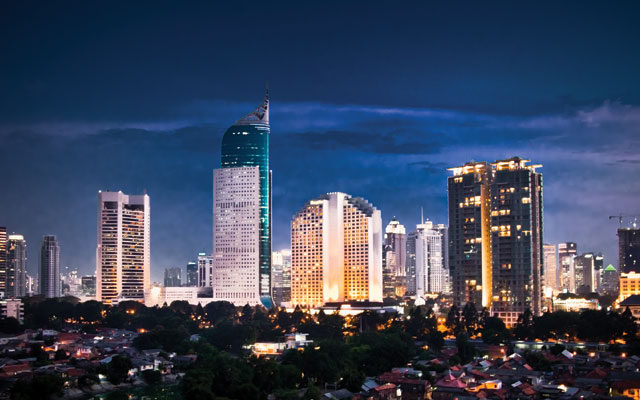
Panoramic cityscape of Indonesia capital city Jakarta at night
An inconsistent level of urgency and importance placed on Indonesia’s business events industry – evident in the near-extinction of a MICE directorate within the Indonesian Ministry of Tourism under the current government led by president Joko Widodo – has frustrated stakeholders.
Panoramic cityscape of Indonesia capital city Jakarta at night
Adding to the woes of the private sector is a perceived inefficiency on the part of Indonesia Convention and Exhibition Bureau (INACEB), the country’s first business events industry champion formed in 2016.
Determined to improve the fate of Indonesia’s business events industry, the country’s younger generation of business event specialists have founded the Indonesia Professional Organisers Society (IPOS) with the objective of creating a proactive leadership that will unite all stakeholders, and leading a “MICE revolution”.
Harry Nugraha, founder of IPOS, told TTGmice: “The business events industry in Indonesia is running in the same spot. There is no coordination and integration (among the stakeholders). As such, it is difficult to project the future of our industry.
“We need a strong leadership and concerted efforts, as well as revolutionary programmes that will unite all stakeholders towards the ultimate goal.”
Kicking off its efforts, IPOS came up with an industry discussion forum called Indonesia MICE Revolution. Held part of the Indonesia Professional Organiser Summit in January this year, it brought together participants who sat down and traded new and constructive ideas on improving the industry.
Among the speakers was Haryadi Sukamdani, chairman of the Indonesia Hotel and Restaurant Association (IHRA).
Haryadi said: “Gone are the days when we all could expect the government (to lead and finance our industry). We, the industry players, need to change our mindset…and come up with initiatives (on our own).”
He pointed out that the biggest source market for Indonesia’s business events industry has been the government sector, which has placed the industry in an “unhealthy” situation.
He explained: “Once the government cut its (event) budget, we lost our business. (Since then) we have only been waiting for business to come. We have not been going out to bring business in.”
Haryadi suggested that Indonesian players could begin with approaching clients in Singapore, Malaysia and Thailand, and be more creative in developing fun new events that could be paired with the many festivals around the country, and sell them as exciting pre/post-conference add ons.
The new events could be seasonal and themed ones, such as sporting events.
To get the ball rolling, he has challenged professional event organisers to come up with ideas for the Visit Indonesia Year 2018.
“We’ll start with the January-March low season. We have 507,000 rooms across Indonesia (to fill) and (can) give (event planners) a 50 per cent discount (on room rate),” he said.
Ground reactions to this challenge are mixed.
Indra Sukirno, executive director of Jakarta Convention and Exhibition Bureau, expressed concerns over the short time frame and said 18 months of preparation would be need to put together a big event.
On the other hand, Grace Jeanne, owner of JP Pro Bali, believes that as companies have yet to establish their budget for 2018 at this point, it is still possible to create an event to kick off the new year.
IPOS’ other initiative is to develop a MICE colony, a regular gathering to discuss ways to accelerate industry development and share updates on what’s been achieved.
IPOS’s Harry said: “We are ready to become the partner of the government and of INACEB.”
IPOS also has intentions to organise Indonesia International MICE Forums in the country’s 16 business event destinations.
Sharing visions of this event, Harry said it would be a business forum for corporate buyers and organisers to meet with Indonesian suppliers.
“We have a database of such buyers and will bring only those that will book business in the destination. We have done this a couple of times in Jogjakarta and Semarang (among others) before and participating sellers get real business from the event.”
Harry is optimistic that industry players will shake off their dependence on the government if they could reap real business from such B2B forums.
Other programmes on IPOS’ agenda include sales missions to South-east Asian countries, development of a system to turn live business forums into an online travel exhange, and investment in human capital development.
Singapore Airlines (SIA) has introduced a corporate travel programme for SMEs with up to 30 travelling employees, named the Singapore Airlines HighFlyer, allowing corporates to earn points with no minimum annual travel spend required.
Corporates will earn five HighFlyer points for every S$1 (US$0.72) spent on tickets booked through the airline’s corporate booking platform or an appointed travel agent, while employees continue to be entitled to KrisFlyer miles. This travel programme
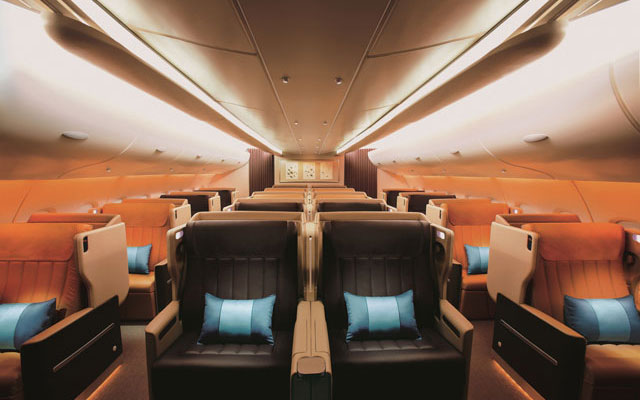
SIA’s A380 business class
Businesses have the option to use their HighFlyer points to offset future ticket purchases partially or in full for flights on SIA or SilkAir to more than 100 destinations across 30 countries.
Through a self-service web portal, corporates can check points balance, utilise points, manage travellers and bookings, and download e- statements.
Corporates that reach a stipulated annual spend will have the choice of transferring to the Singapore Airlines Corporate Travel Programme, which allows large businesses to enjoy corporate fares and additional benefits.
Just 10 minutes from Phuket International Airport on the serene northern coast, this 178-key, Bill Bensley-designed resort offers delegates a quiet, tropical paradise steeped in Phuket’s tin-mining heritage
The newly-opened Ritz-Carlton, Bangkok anchors the One Bangkok development with cosmopolitan elegance. Featuring the city's largest ballroom and a spectacular new penthouse suite, it delivers exceptional hardware and deeply authentic, soulful service for business and leisure travellers alike
Behind the imposing, Brutalist concrete that defines Zurich’s Oerlikon district lies a surprising secret. While its exterior honours the neighbourhood’s industrial roots, stepping inside Mama Shelter reveals a vibrant, neon-soaked world that is a far cry from its rigid shell