Asia/Singapore Thursday, 25th December 2025
Page 89

Designing belonging

0

In the evolving business events landscape, diversity, equity, inclusion, belonging, and accessibility (DEIBA) are no longer just ideals – they are becoming the foundation for sustainable and impactful meetings.

Today, inclusive practices are reshaping the business events landscape, and those embracing universal accessibility are positioning themselves to lead the way forward.

Advancing DEIBA in the MICE industry panel at IT&CM Asia and CTW APAC 2024; photo by Yingyong Unanongrak

From theory to action
For venues and businesses just beginning their DEIBA journey, Sarah Mathews, managing director of eTourism Frontiers, emphasises starting small and focusing on education.

“What is clear, like with sustainability, is you simply need to start. It doesn’t have to be a major immediate change, but a strategic shift with clear areas for development. Ensure your teams have time and support for adoption and implementation, and ultimately measurement,” she explained.

Pitiphatr Buri, CEO of Bhiraj Buri Group, shared several approaches have worked for his company’s function spaces such as the Bangkok International Trade and Exhibition Centre (BITEC).

“Get involved, get on the ground, gain firsthand experience, and correct things along the way,” he suggests, adding that “accessibility must go beyond compliance to ensure a seamless experience for all attendees”.

Mathews advised venues to avoid paying lip service to DEIBA and instead integrate it into their core mission. “The key is building knowledge and understanding first—even if it’s simply bringing in an expert to talk about it.”

For example, at BITEC, staff modified wheelchair ramps after realising that users needed to take a 200-meter detour to ascend just four meters.

“It’s these small adjustments that make a big difference,” Pitiphatr noted. His team also introduced larger signage for senior attendees.

Diverse measures for diverse participants
Inclusivity is not just a checklist but a long-term strategy that enhances both the attendee experience and an organisation’s reputation.

True inclusivity goes beyond infrastructure – it requires ongoing engagement with attendees.

“Continuously ask if the accommodations provided meet their needs,” Pitiphatr advised. This can be achieved through well-designed application and feedback forms that contain inclusive options.

Mathews noted that inclusivity should also be extended to families, seniors, and individuals with unique requirements, such as children with ADHD.

“Down the line, there is a need – just like with sustainability – to build universally-accessible venues that cater to the different needs of people.

“It’s critical that venues begin building their knowledge and understanding of DEIBA. This could mean starting with small steps like educating teams, but it must eventually evolve into structural changes that accommodate diverse needs,” she added.

While the goal of inclusivity is admirable, Mathews cautioned against overpromising and under delivering: “What I think is a challenge is when (providers) say, ‘We’re a venue for all abilities,’ but actually they are not. What happens then is that it doesn’t tell the clear story, and that, in fact, is worse.”

She also warns against rushing into superficial changes without proper education and team buy-in. “Even if you do something, if the team doesn’t understand why they’re doing it, then adoption normally falls away.”

Overcoming challenges
Max Simpson, CEO and co-founder of the Steps Community – which has worked with the Thailand Convention and Exhibition Bureau (TCEB) and other public sector players on inclusive business events projects – indicated there is “private sector reluctance” to invest in DEIBA.

“It would be beneficial if (the business events sector is actively) engaged, but from our experience, companies rarely want to spend on this,” he noted, attributing the cause to a lack of localised solutions and frameworks that demonstrate return on investment.

Simpson further explained that most research on inclusivity comes from the West, which does not quite fully resonate in Asia.

“Our research centre is developing regional tools to address this gap because, without them, companies won’t allocate resources to implement DEIBA effectively. There’s also risk aversion, stemming from stigma, and negative experiences, due to being unprepared,” he elaborated.

Patrick Both, general manager of Kimpton Maa-Lai Bangkok and regional general manager of IHG luxury & lifestyle, underscores the importance of education around every facet of DEIBA implementation.

“We partner with Steps to foster workplace inclusion, support local communities, and build a diverse workforce. By hiring and celebrating diverse talent, including neurodivergent team members who contribute to meetings, we demonstrate our commitment to inclusivity for both staff and guests,” he shared.

In response as to how to integrate DEIBA successfully and authentically, Both said: “The education piece needs to be there. Sometimes people just aren’t sure (how to practice inclusivity).”

To reflect the company’s efforts at facilitating inclusive events and its commitment to creating a welcoming environment, he said: “We ensure there are accessible facilities, including reserved parking, accessible restrooms and guestrooms, same-floor meeting rooms for easy access, and diverse food options like vegetarian, vegan, Asian, Arabic, and Western cuisines.”

DEIBA in action
A powerful example of inclusive event planning was showcased at the International Association for Suicide Prevention’s 11th Asia Pacific Conference in Bangkok earlier this year, which implemented a comprehensive DEIBA strategy.

The conference offered wheelchair-friendly meeting spaces, gender-neutral restrooms, and a wellness room designed for neurodivergent attendees and those who sought calming environments. The wellness space featured art therapy, soothing music, dim lighting, and refreshments, catering to highly sensitive individuals.

“Dietary accommodations included halal, vegan, vegetarian, and gluten-free options, addressing attendees’ diverse food preferences and restrictions.

“Additionally, the event highlighted underrepresented voices from various cultures, religions, and indigenous communities across Asia Pacific, ensuring fair representation and inclusivity at every level,” shared Patranuch Sudasna, director of CDM-Conference & Destination Management which organised the event.

The way forward
While the business events industry faces challenges, such as managing budget constraints, investing in DEIBA is essential for future growth.

“Businesses that embrace inclusivity are more likely to win opportunities,” Mathews said, noting the increasing demand for accessible and equitable experiences.

“Accessibility is so important because we don’t know who is out there. We want people of all abilities to be able to engage with us, whether it’s our event, our venue, our organisation, or even our website,” concluded Jane Vong Holmes, senior manager at GainingEdge.

Indonesia’s hotel sector feels the squeeze from government spending cuts

0
Jakarta

Indonesia’s business event sector, especially hotels, is bracing for impact as the government implements a US$18.9 billion spending cut this fiscal year.

The reduction in government-funded business travel and meetings is expected to significantly dampen demand, placing further pressure on an industry already struggling to recover.

Indonesia’s hotel sector faces headwinds from spending cuts; Jakarta pictured

Since the start of his term in October 2024, president Prabowo Subianto has signalled his intention to streamline budgets. He has formalised this commitment, issuing a presidential instruction mandating ministries and regional leaders to reduce expenditures and prioritise efficiency. Key measures include a 50 per cent reduction in travel expenses, cuts to spending on ceremonies, meetings, seminars, and focus group discussions, and restrictions on non-essential items like decorations and banners.

In response, Maulana Yusran, secretary-general of the Indonesian Hotel and Restaurant Association, warned that these cuts could reduce hotel revenues due to lower demand for meeting packages and room bookings. “The decline in occupancy is expected to directly affect the revenue of hotels and restaurants,” he said.

According to data from Colliers Indonesia, the policy has accelerated the slowdown in hotel performance across Greater Jakarta, with January showing a 10 to 12 per cent year-on-year decline in occupancy. In Surabaya, the decline began when the budget cut plan was announced.

In November 2024, Surabaya’s AOR (average occupancy rate) fell by 6.2 per cent and ADR (average daily rate) decreased by 4.3 per cent, marking a shift from the usual month-on-month increases of around four per cent for AOR and two per cent for ADR.

Satria Wei, director of hospitality services at Colliers Indonesia, noted that if the policy remains in place, hotels in first- and second-tier regions will face even steeper declines. “Unlike Jakarta, which is a business hub, these areas are highly dependent on government bookings,” he explained.

Agreeing with Satria, Yusran highlighted that the government sector contributes as much as 40 to 60 per cent to hotel and restaurant revenues in some regions outside Jakarta. In Eastern Indonesia, the government segment can account for up to 70 per cent of the business.

“If this policy continues, some regions may experience conditions worse than during the pandemic,” said Yusran.

While some three- and four-star hotels have explored new markets and revenue streams, according to Satria, these efforts are unable to fully compensate for the losses as the government sector remains a crucial source of business.

Major PCOs in Indonesia – such as Pacto Convex and Royalindo Expodata – do not foresee any immediate impact on their businesses.

Reza Abdullah, president director of Royalindo Expoduta said that the absence of regional or international government events this year does not mean that Indonesia would not host big events like ASEAN-related meetings or other programmes that involve heads of states.

“I think it’s simply a matter of reduced extravagance in decorations and performances. The core facilities and services, such as venues, accommodations, and transportation, will maintain their high standards,” he said.

NZICC readies for February 2026 opening

0
NZICC is preparing to welcome the world

The New Zealand International Convention Centre (NZICC) opening has been set for February 2026.

Located in Auckland’s CBD, the NZICC is estimated to bring 33,000 new international delegates to the city per year, contributing NZ$90 million (US$50.9 million) of new economic spend per year. Over 8,000 hotel rooms, dining precincts, shopping, and entertainment are all within 10 minutes’ walking distance.

NZICC is preparing to welcome the world

“The NZICC is a transformational project, and we are thrilled to name the month we will open our doors,” said Prue Daly, NZICC’s general manager. “New Zealanders and visitors worldwide will be blown away by the innovation and thought that’s gone into every detail of the building – it’s configured for anything from a meeting for 20 people all the way up to an international conference for 3,000 delegates.”

Daly noted that following the contractor’s delivery of the completed building, commissioning and operational readiness activities will begin in 2H025. This process will involve scaling up staff and training to ensure a high-quality customer experience.

The NZICC project, over a decade in the making, faced setbacks including a major fire in 2019.

MCB report highlights positive impact of business events

0

The Melbourne Convention Bureau (MCB) has released The Positive Impact of Business Events Report, showcasing the significant value that business events bring to Victoria.

The report details how such events contribute to the state’s economy, community engagement, sector growth, education, trade, and investment.

The Positive Impact of Business Events Report is available online

Speaking at the AIME 2025 opening press conference, MCB’s CEO Julia Swanson emphasised the transformative power of business events, citing several examples.

“From the strengthening of leadership and international partnerships at the 2023 Asia Pacific Offshore Wind & Green Hydrogen Summit, to the community engagement of the 2024 Lions International Convention, and the lasting legacy and impact of the 20th International AIDS Conference; business events are invaluable to Victoria.”

“This report includes multiple case studies outlining what MCB has achieved and the immense value that business events have brought to the Victorian community, to the economy, to education, trade, and investment.”

The report further demonstrates that business events not only boost the economy but also provide platforms for knowledge exchange, innovation, and networking. They drive industry growth, promote technological advancements, and enhance skills development.

Over the past decade, MCB has delivered 1,620 business events, generating more than A$2.3 billion (US$1.4 billion) in economic contribution. These events have resulted in 1.3 million hotel room nights booked by 610,000 delegates. They have also created an estimated 29,000 jobs in various sectors, including event planning, hospitality, transportation, and local services.

AIME 2025 opens with record-breaking turn out

0
From left: MCEC’s Natalie O Brien; Tourism Australia’s Robin Mack and Philippa Harrison; Talk2 Media & Events Matt Pearce; Melbourne Convention Bureau’s Julia Swanson; and AIME event director Silke Cader

AIME has announced it has once again broken records for show attendance in 2025 and is curating groundbreaking initiatives that both evolve with and reshape business events.

Held once again at the Melbourne Convention and Exhibition Centre, AIME 2025 has an expanded show floor, with over 675 exhibitors from nearly 30 countries, including first-time pavilions from Thailand and Singapore.

From left: MCEC’s Natalie O Brien; Tourism Australia’s Robin Mack and Philippa Harrison; Talk2 Media & Events Matt Pearce; Melbourne Convention Bureau’s Julia Swanson; and AIME event director Silke Cader

More than 200 exhibitors are new to the show, which will welcome more than 4,500 attendees over three days.

Significantly, of the 170 international buyers and more than 470 domestic buyers, three in four hosted buyers are attending the show for the first time.

“In an environment where there are new (regional) entrants, this growth is testimony to AIME’s track record in delivering the business,” said Matt Pearce, CEO of Talk2 Media & Events. He also highlighted the estimated A$330 million (US$207.3 million) in business conducted last year.

This year will also see AIME partner with AIPC – the International Association of Convention Centres to host a half-day summit on February 12, focused on convention center executives worldwide.

Also for the first time, the Global Exhibition Association UFI will co-locate its 2025 Asia Pacific conference with AIME, immediately following the tradeshow. This will be held from February 13 to 14.

AIME Leaders Forum will be hosted on February 13.

Meanwhile, the Knowledge Program, a regular and popular feature at AIME, will feature notable personalities as keynote speakers. They include former chief technology officer of Lonely Planet Gus Balbotin, and Kristy Goodwin. There will also be 20 breakout sessions covering topics ranging from emerging talent and AI to creativity and consumer experience, as well as a new panel discussion, Global Insights and Business Outlook for 2025, featuring leaders from IMEX Group, ICCA, Grip, and AIPC.

Julia Swanson, CEO of the Melbourne Convention Bureau, emphasised Melbourne’s emerging status as a global leader in business events.

“Last year, a new benchmark was set, and we’re really delighted to see the growth again,” she said, noting 114 business events have been confirmed in Melbourne valued at A$613 million until 2028.

Swanson also announced the launch of the Melbourne Convention Bureau’s Positive Impact Guide, which outlines the impact of business events on the Victorian state.

AIME kicks off today with its evening Welcome Event, themed AIMalfi FESTA, at il Mercato Centrale, with over 2,000 attendees expected.

AIME is owned by the Melbourne Convention Bureau (MCB) and managed by Talk2 Media & Events.

Wellington’s Legacy Programme scores big wins in first year

0

Business Events Wellington (BEW) recently celebrated the first anniversary of its Legacy Programme, highlighting the positive impact of 12 conferences held in the past year.

These events have resulted in new career pathways, regulatory changes, and increased investment opportunities for Wellington and New Zealand.

Life Sciences Summit; photo credit WNZ

BEW Manager Irette Ferreira explained that the Legacy Programme aims to achieve both the host organisation’s strategic objectives and drive positive change through conferences. The programme supports conference organisers in planning and implementing specific activities to address challenges or local needs.

“By facilitating, measuring, and documenting these actions, we can see the wider positive impacts these conferences have generated beyond the benefits to Wellington’s visitor economy,” Ferreira said.

Key objectives across the participating conferences included building stronger connections, attracting more investment, growing diversity, improving government support, and increasing public awareness of career opportunities. Feedback indicated that 82 per cent of attendees felt they achieved their main objective for attending, and 75 per cent said they would implement new practices in their work as a result.

Several conferences showcased the programme’s success. The Asia Pacific Network Information Centre (APNIC 58) addressed a lack of diversity in the younger generation studying IT. BEW connected APNIC with two local organisations like Tūhura Tech and Summer of Tech, enabling 20 students to attend the conference with sponsorship from Victoria University of Wellington.

Meanwhile, the Life Sciences Summit 2024, held in Wellington to maximise government attendance, successfully raised awareness of the biotech sector and the need for new gene modification regulations. Following the conference, the government declared biotech a top science priority and announced plans to develop new regulations in collaboration with the biotech industry.

Lastly, the inaugural Wellington Games Week, strategically timed before the NZ Game Developers Conference (NZGDC) 2024, proved a major success. The week hosted 24 events showcasing Wellington’s gaming culture, attracting approximately 1,500 attendees. NZGDC’24 also welcomed international scouts and organised a fam tour for international game studios, developers, and investors, leading to increased interest in Wellington as a hub for game development.

“We are excited about 2025,” Ferreira added. “The city is welcoming an excellent lineup of international conferences this year, many of whom are looking to make a positive impact on Wellington and Aotearoa. Most clients already have a specific need in mind, and we’re ready to make the connections to meet their objectives.”

New APAAI Forum to debut at GTI Southeast Asia Expo

0

Amusement industry veterans Cynthia R. Mamon and Shaun McKeogh are launching the first Asia Pacific Amusement & Attractions Industry (APAAI) Forum at the inaugural GTI Southeast Asia Expo.

The expo will take place from April 22-24, 2025, at the World Trade Centre Kuala Lumpur in Malaysia.

From left: Cynthia R Mamon; and Shaun McKeogh

The APAAI Forum, a 1.5-day event, will be held on April 23-24, 2025, and will be free to attendees of the GTI Southeast Asia Expo. The forum will address current industry trends and cover topics such as safety, sustainability, intellectual property licensing, disaster preparedness, human capital investment, and best practices.

Mamon is the co-founder & CEO of Enchanted Kingdom, a theme park in the Philippines, while McKeogh is the founder of Attractions Academy, a globally recognised training and development company in the amusement and attractions sector.

The GTI Southeast Asia Expo 2025 is expected to attract 6,000 buyers and 300 exhibitors over its three-day run.

Novotel Bangkok Platinum Pratunam elevates meeting spaces

0
Sapphire Suite

Novotel Bangkok Platinum Pratunam now offers enhanced meeting spaces following a recent renovation.

The upgraded spaces can host a variety of events, from small meetings to large conferences and banquets, and are equipped with cutting-edge technology, including high-definition LED screens, laser projectors, interactive presentation systems, and hybrid meeting capabilities. Complimentary high-speed Wi-Fi and on-site parking are also available.

Sapphire Suite

Venue sizes range from the intimate 34m2 Amber Room, suitable for smaller discussions, to the 285m2 Sapphire Suite, which can accommodate up to 300 guests in a theater-style setup. Meanwhile, the 90m2 Topaz Suite is ideal for mid-sized workshops, seminars, or private dinners.

The hotel’s team of event planners will provide support to organisers, from customising layouts and coordinating technical requirements to arranging catering.

Hotel 101 Group names new GM

0

Charley S Magabo is now the general manager of Hotel 101 Group.

The Group operates the homegrown Hotel 101 brand, Injap Tower Hotel in Iloilo City, and the franchised international brand Jinjiang Inn Philippines.

Prior to joining Hotel 101 Group, he was the pre-opening general manager of Four Points by Sheraton Boracay.

Magabo has over 20 years of industry experience, having worked in several hotels under the Marriott, Movenpick, Shangri-La and Discovery brands.

Tokyo shines as conference destination with another successfully run mega event

0
SIGGRAPH Asia 2024 conference chair and professor Takeo Igarashi during the opening keynote

Brought to you by Tokyo Convention & Visitors Bureau

From December 3 to 6, 2024, nearly 8,500 delegates from 60 countries visited Tokyo for SIGGRAPH Asia 2024, a computer-generated animation and visual effects international conference organised by SIGGRAPH, a chapter of the Association of Computing Machinery (ACM). 

With the theme Curious Minds, the conference showcased a diverse range of programmes, including keynote speeches by industry luminaries, technical paper presentations, and a bustling trade exhibition featuring more than 80 leading companies like Sony, NVIDIA, and Wētā FX. 

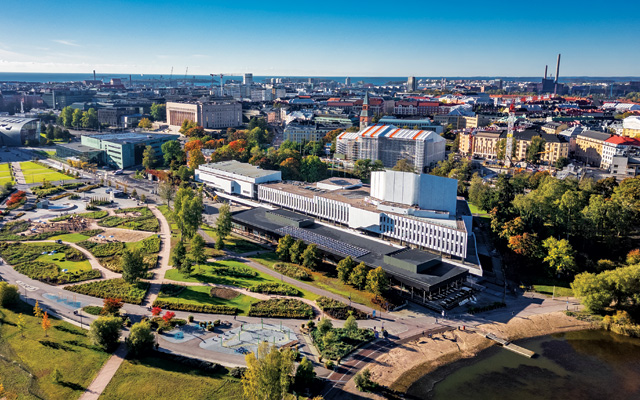
This is the fifth time the conference has been held in Japan and its third in Tokyo. It was held once again at the Tokyo International Forum, which stood out for its central location in the Marunouchi area, transport connectivity to major train stations, and its beautiful glass design letting in plenty of natural light. It also houses a large exhibition space, auditorium hall, and numerous conference rooms that accommodated various segments of the event. 

“We believe that SIGGRAPH Asia’s return to Tokyo this year proves that Tokyo is the right city to host it. We hope participants will enjoy the conference as well as experience the charm of Tokyo to the fullest, and visit Tokyo again. In addition to the cultural experiences and sightseeing spots, we wanted delegates to have a heartwarming experience of the hospitality unique to Tokyo,” said Toyota Sone, director of sales, Tokyo Convention & Visitors Bureau (TCVB).

Tokyo’s strong game, movie, animation and media content industries, together with its popularity among tourists, are also the main factors why it made sense to hold the event here, said Takeo Igarashi, professor from the University of Tokyo and SIGGRAPH Asia 2024 conference chair. In addition, he noted that the financial support provided by TCVB was another benefit that contributed to the conference’s success. 

Echoing this sentiment was Prakash Ramajillu, general manager at Koelnmesse, the event management company behind SIGGRAPH Asia, who said the event also benefits the strong computer graphics, animation and related industries in Japan. “The industry and community here in Japan is extremely vibrant. There is a high number of companies in VFX (visual effects), XR (extended reality); and many games are created here – the ecosystem is huge. You can see it just by walking around the exhibition floor. So Tokyo itself is a good place to host an event like this,” he said. 

Tokyo being the capital city has also produced the highest numbers of delegates, compared to previous editions in Yokohama and Kobe, he added. 

An enriching dose of cultural immersion 

Part of what enhanced the conference experience, especially for first-time visitors to Japan, was the opportunity to explore Tokyo as well. 

Delegates who attended SIGGRAPH Asia 2024 could sign up for complimentary cultural programmes and tours, which were sponsored by TCVB.

Attendees could try their hand at shaping amezaiku, a traditional Japanese craft of melted candy made from starch and shaped into animals, writing calligraphy, experiencing a traditional tea ceremony, or tying furoshiki, a traditional cloth used for wrapping and carrying items. 

They could also sign up for tours to popular tourist attractions such as the Meiji Jingu Shrine,  and teamLab Borderless, take a river cruise of Tokyo, and had the chance to take home a piece of pottery made from kintsugi, the traditional art of repairing broken ceramics. 

There were also night tours to Tokyo Tower and Tokyo Skytree. The tours were exceedingly popular and several of the cultural activities saw a full house.

Prajwal Kumar Singh, a PhD student and Soumyaratna Debnath, a masters student, both from the Indian Institute of Technology Gandhinagar, had come to present a paper. Aside from the conference, both appreciated they could explore Tokyo through the tours as it was their first time in the city. 

“One of the things we remember about the conference is the opportunity to get to go on the tour,” said Singh. Having buses that took attendees from the Forum to the tour venues was also convenient. When asked about their impressions of Tokyo, both agreed that people were generous and willing to help.

A vibrant community

A key element that contributed to the success of SIGGRAPH Asia 2024 was the community around it, from the conference organisers to exhibitors, conference volunteers, and attendees. 

Igarashi in his opening address encouraged attendees to explore the unfamiliar, visit programmes outside their fields of expertise, and to talk to people and make connections with each other.  

Sherry Yao, a community manager from 3D design software Marvelous Designer, said being at the event was important for her company to seek potential collaborations with other companies, while Ander Bergstrom, VFX sales manager, Qualisys, mentioned the strength of the market in these technologies, saying “Asia is an incredible market for this innovation, we’d be remiss to not come here.”

Delegate He Zhang from Adobe who was there to present a technical paper said the event was a chance to catch up with friends and meet new people from the industry, as well as learn about other projects and papers. Similarly, PhD student Wataru Kawabe from the University of Tokyo relished the opportunity to present his work on machine learning to those who may have a different perspective to get new insights from their feedback. 

Student volunteer team leader Jonathan Park who recently graduated from Curtin University said the event provided opportunities for students to network and meet people from the industry. Volunteers also get exclusive sessions with industry specialists, he added. 

TCVB’s Sone said: “The success of large-scale conferences such as SIGGRAPH Asia further cement Tokyo’s appeal as an unmatched international conference host city. An economic hub with a wealth of technology companies, advanced infrastructure, efficient operation, a one-of-a-kind culture and exceptional hospitality, Tokyo is the perfect destination to bring SIGGRAPH Asia 2024 to the next level. These unique advantages differentiate our city from others and will establish Tokyo as the world’s leading conference destination.”

Upcoming international events in the pipeline include The 25th International Federation of Fertility Societies World Congress 2025, World Physiotherapy Congress 2025, The 41st World Veterinary Association Congress 2026, and The 22nd Asia-Pacific Retailers Convention & Exhibition in 2026.

To find out more about the support available for your event, visit businesseventstokyo.org

Reviews

Hyatt Regency Kuala Lumpur at KL Midtown

A polished urban retreat designed for business travellers, Hyatt Regency Kuala Lumpur at KL Midtown combines thoughtful design, seamless service, and exceptional facilities.

A versatile powerhouse

Arena @ Expo, a multipurpose concert hall at the Singapore Expo is a flexible space for high octane concerts and lifestyle events.

Amari Bangkok

The five-star property excels in backing its expansive facilities with seamless service and personalised attention, setting the benchmark for luxury in Bangkok.