Asia/Singapore Friday, 26th December 2025
Page 977

ASAE, SBF launch association management programme in Singapore

0

A NUMBER of association executives in Singapore embarked last week on a course to master the art of association management, through a programme jointly offered for the first time by the American Society of Association Executives (ASAE) and the Singapore Business Federation (SBF).

The Certificate Program in Association Management, which features five modules that participants can cover at their own pace, kicked off last week with a training session for local facilitators who were “specially selected” based on their experience in managing association affairs, said Doris Chow, assistant executive director of SBF Business Institute.

Greta Kotler, ASAE’s chief global development officer, who conducted the training sessions for local facilitators, said having “local trainers will bring local context and examples” to the US-developed certificate programme which covers the basics of association management, volunteer committee and task force management, membership recruitment and retention, communication and public relations, and leadership potential development.

“While the principles of association management remain the same; our local facilitators will look at the best practices in the US and provide a local application,” said Chow, adding that the course is designed for people new to association management.

Commenting on the profile of participants, Chow said: “We have acting executive directors and heads of department for the first module while senior management and executive directors have signed up for 2015. Senior management as well as representatives of professional societies, NGOs and trade associations including SBF have participated in this programme. We also have enquiries from association management companies for future intakes.”

SBF plans to offer the programme to affiliates in Indonesia.

Kotler also revealed that ASAE and SBF are now in talks for another “valuable programmme that will connect executive directors and counsel chairs” in the near future.

She added: “To continue learning about association management, we encourage graduates of the certificate programme and other association executives in Asia-Pacific to attend the Great Ideas in Association Management conference in Hong Kong, March 22-24, 2015.”

Pushing the limits

0

What doesn’t kill you makes you stronger. More Asian corporates are humming the tune, showing willingness to embrace some adventure in teambuilding programmes

Reporting by Xinyi Liang-Pholsena, Mimi Hudoyo, S Puvaneswary and Paige Lee Pei Qi. Written by Raini Hamdi

As they say, the higher the risk, the greater the reward, but most Asian corporates are still shying away from ‘not-for-sissies’ types of teambuilding primarily due to safety concerns. However, many are beginning to put more action into teambuilding programmes, a sign they are willing to push the limits a notch further.

For some, cooking together or fun obstacle courses on the beach are making way for something more physical. From dragon boat racing and white water rafting, to jungle trekking and a hiking challenge, corporates are no longer averse to “manicured” adrenaline-pumping activities, said Laurent Kuenzle, CEO, Asian Trails, referring to organised outings that are by no means hard-core adventure, but are nevertheless challenging.

Explaining this further, Ferdinand Tabaluyan, who is in charge of Adventure Indonesia Outbound Division and Extreme Expedition, said: “To us, activities like flying fox, white water rafting or jet skiing are skilled games or adrenaline challenges, while adventure is putting participants in extraordinary environments and facilities with significant outdoor and natural elements. For example, participants need to build their own tents and hunt for/cook their own food or else there is no shelter or food.

“When a company requests a training programme with medium or hard-core adventure elements, it is usually a continuation of a number of programmes done earlier, i.e., they have gone through ranks of training and reached the advanced level.”

Kuenzle said Asian groups, particularly the more mature markets such as Hong Kong and Singapore, and MNCs doing incentives with focus on teambuilding, are becoming more active and do not “only eat, shop, enjoy nightlife and do a bit of sightseeing”.

Tour East’s group vice president of sales and marketing, Judy Lum, too, noted that most Asian markets are asking for teambuilding activities they have not done before – not necessarily adventurous, “just different and more activity-based”, she said. Before, Asian professionals tend to prefer being pampered when on business, meeting or incentive, said Lum.

Holly Richter, director of ExoAdventure, Exotissimo Travel Group, said the company is receiving more requests from Asia for corporate challenges, be it cycling from Saigon to Nha Trang, or adventure racing through Chiang Mai, Bagan or Luang Prabang.

“Japan supports running challenges. Indonesia targets cycling challenges. Singaporeans simply love sports – water sports, cycling, running, etc. Hong Kong requests trekking, cycling and running. Notably, we just received our first request for a cycling challenge for a Vietnamese corporation,” said Richter.

One reason could be that baby-boomers are starting to make way for Gen-Y executives, while a healthy lifestyle with regular exercising has caught on in today’s world.

Noor M Ismail, head, sales & marketing, Asian Overland Services Tours & Travel and AOS Conventions & Events, said while baby-boomers prefer activities that are more mentally than physically challenging, companies with a lot of Gen Y’ers and male employees are more willing to try new ideas such as swimming with sharks or survival cooking in the jungle.

Saini Vermeulen, head of international sales, Panorama Tours Malaysia, believed that an increase in the number of mergers & acquisitions in Asia also facilitates the use of medium to high-adrenaline activities to integrate staff.

Typically, action-packed teambuilding programmes are geared not so much towards rank-and-file but middle to senior and C-level executives of a company, with the objective of instilling a resilient corporate culture where executives are able to confront and overcome fears and operate outside comfort zones.

“We find active sessions really important to keep our team close,” said Trevor McDonald, managing director of Mango Tree Worldwide, based in Singapore, who has done a few marathons in the past where staff did different distances and is now looking at going to an adventure resort next.

“It’s of the utmost importance to get everyone out of the box, see who people really are and help them develop (through adventure teambuilding). I myself did many personal development courses in Canada and they helped me become who I am today. In Asia we have less opportunity for these and I believe that it’s important for staff development.

“We have grown to over 70 restaurants worldwide and our staff count has increased accordingly, so to find activities that bring them together and increase personal bonding is key to our success in the fast-paced restaurant business when there is a lot of pressure and reliance on colleagues.”

Observed Exotissimo’s Richter: “It is not uncommon for top CEOs to be avid cyclists, marathon runners or tri-athletes. The qualities that make them successful in business also hone them as athletes. Dedication, determination, perseverance, humility, good sportsmanship and the drive to be successful are a few qualities developed through adventure challenges. Corporate challenges develop these same characteristics in their work force. They bring teams together beyond the work place.“

Part of the reason why Asians are more willing to try new and more adventurous teambuilding is also because they are becoming more familiar with it while excellent safety records with these exercises bolster their confidence, said Andrew Chua, founder of Focus Adventure, Singapore.

Adventure operators interviewed report virtually zero accident in the years they have been in operation, but admit that the fear of putting their team at risk is what holds back corporations to embrace more adventurous teambuilding.

“The biggest myth (about adventure teambuilding) is that it is dangerous,” said Sobek Bali’s CEO, Eelco Koudijs. “As an adventure activity provider, we minimise the risk by proper staff training and SOPs, and proper judgement of the client’s capability, but the main problem I see is that clients cannot judge which provider is good and safe, which is not.”

The other big myth is that it is only suitable for males or young people, added Nomad Adventure Malaysia director Chan Yuen-Li. “Often people in their 40s or 50s are much better prepared for adventure activities because they have mental resilience. Women also do well in adventure sports because balance, poise and collaboration are more important than brute strength or fearlessness,” Chan said.

While adventure operators have their work cut out to dispel such myths, DMCs believe destinations too have to put in more effort if they want to see a bigger market share.

Said Adventure Indonesia’s Tabaluyan: “Indonesia has unity in diversity, we have so much nature and culture. But what the country needs is better infrastructure, consistent regulations across the country and a well-managed environment (i.e., cleanliness and sanitation). And it should eliminate high airfares (to travel between destinations in the country), which are due to the different regulations each regional government applies. This has made adventure travel in Indonesia more expensive than in other countries.”

Malaysia, on the other hand, needs to upgrade some of the “extremely basic” lodges, said Asian Overland’s Noor. On Noor’s wish list are also more venues in Malaysia that are incentive and team-building friendly, and for certain public venues to be more open to innovative ideas when DMCs want to use their facilities for teambuilding.

Added Panorama Malaysia’s Saini: “We need more adventure parks in the country and these have to be well maintained by the venue providers. These parks should also keep up with the latest trends and needs of clients, otherwise they will become outdated. The venue providers should also work with DMCs in marketing and promotions.”

– Meet the adventure operators, turn to pages 22-24

Meet the adventure creators

Nomad Adventure, Malaysia

Founded in 1994, Nomad Adventure played a pivotal role in developing outdoor activities like rock climbing, white water kayaking, rafting and adventure racing in Malaysia. S. Puvaneswary speaks to director Chan Yuen-Li 

How do you assess the client’s ability to do an adventure? Firstly we need to understand what the client has in mind when they want an adventure programme. To some companies, an outdoor programme is when participants stroll around a park in khakis and polo shirts; others envisage staff neck deep in rivers and sleeping in tents. We need to understand the client’s expectations and objectives first more than their physical ability.

We adhere to the principle, Challenge by Choice, so we never force participants to measure up to our mark of what is “adventurous”. We believe that it is our job to design a challenge that is appropriate for the client, because if they do not willingly make that choice there will be no learning, only coercion. (That said) we aim to stretch the limits of participants and get them to push through their perceived boundaries, so they go away feeling, ‘If I can do this, I can do anything’.

Have you ever said no? Yes – when clients have unrealistic expectations of logistics and timings. Typically, this is when they want to put through too many people in a too short a timeframe for everyone to get an appropriate safety briefing, which includes demonstration, practice and proper use of equipment.

How do you prep up the team before the big event? Any training required? Usually everyone needs to know what type of clothing and footwear to bring, so we need to give them an idea of the type of accommodation and facilities. For 99 per cent of our programmes, no pre-training is required.

What safety measures/insurance are in place? Nomad Adventure has two independent audits every year to ensure all our procedures, equipment, facilities and staff qualifications are in accordance to safety standards, and to our ISO 9001:2008 certification and Professional Ropes Course Association accreditation. Apart from this we have continual staff training on First Aid, rescue skills, risk assessment, group management and facilitation skills.

We offer personal accident insurance for our participants and the company also has public liability insurance.

How many accidents have occurred and why? In the last five years, out of around 30,000 participants we had five injury cases requiring medical attention: a participant who suffered three cuts by slipping or falling unexpectedly, another who lost a tooth because she was accidentally hit in the mouth by another participant’s paddle, and another who dislocated her shoulder from a normal activity due a pre-existing injury.

The majority of cases actually happen after the activities, during down times when people are relaxing or playing around. Our data is similar to the majority of outdoor adventure camps around the world.

What risks do you bear? Outdoor sports are perceived as high-risk activities and perhaps because of that, the level of responsibility of providers is higher. In a study of several thousand sports centres in the UK, researchers found that indoor football was seven times more likely to have injuries than climbing artificial walls. Yet operators of futsal courts are not required to have any safety precautions in place, whereas climbing wall operators are deemed responsible for any accident that happens.

Are prices thus higher?  Good equipment that is certified, and safety training and facilitation expertise, are expensive. However we keep our prices affordable by providing basic and eco-friendly accommodation.

Is it a profitable business? If you are motivated by profit, then this is not the business for you, However, Nomad Adventure is a successful business and provides employment and growth opportunities for our staff. It is tremendously rewarding to see people learn and grow, and develop an appreciation for the natural world and for each other.

What are the pros and cons of running this business? Con – getting clients to appreciate what we do, especially for safety and learning experience. There are clients who would rather spend their budget on air-conditioned comfort than safety or quality learning. In Malaysia, awareness is poor as to what safety standards actually mean.

What rewards do companies gain from adventure teambuilding?

There are two kinds of risk: perceived risk and actual risk. Our adventure-based learning programmes are effective because we work in the realm of perceived risk.

We confront FEAR – False Evidence that Appears Real. This kind of fear is mostly a fabrication of our egos or beliefs that keep us imprisoned. Overcome this unhealthy fear and we will wake up to news perspectives and possibilities.

Sobek Bali, Indonesia

Caldera Sobek is group of companies which specialises in teambuilding and corporate adventure programmes such as white water rafting and cycling, and experiential travel programmes, for Indonesian companies and international clients, especially in Bali. The group has its own highly trained staff to execute programmes but uses outside providers for specialised activities for example, canyoning in Bali, where it partners French-owned Adventure and Spirit. Mimi Hudoyo speaks to CEO, Eelco Koudijs.

How do you assess a client’s ability to do an adventure? Normally we use a questionnaire to learn how experienced the company and individual participants are, including the type of training sessions they have done before and if there were any problems. We ask for relevant medical records.

Have you ever said no? We have refused people on rafting trips and other adventure activities because of asthma, heart problems or broken bones history. Sometimes we get the information beforehand and our doctor at our resort in Sukabumi, West Java evaluates a participant before the start of the programme. But at times we only find out that a person has a health problem after they arrive in camp, through our observation.

How do you prep up the team before the  big event? Any training required? For long activities like mountain climbing or bike touring we give them a training schedule. But for a lot of activities there is no real physical preparation needed.

What safety measures/insurance are in place? We have a doctor and paramedic joining us for the activities. All our staff are trained in First Aid and CPR. We have our swiftwater rescue teams. And of course we have insurance for all clients; for international clients it is up to US$100,000.

How many accidents have occurred? Why? In 25 years of operation, Sobek has a zero accident track record.

With white water rafting there are certain safety procedures to avoid accidents. For instance if it is raining hard and the water level is rising and gets too high for safe rafting, we have to cancel the activity. This can happen even when we are already on the river, when the water level rises faster than expected and we have to evacuate. This is always hard for the client. They have been in the bus for a couple of hours, only to find that the activity has to be cancelled. However, a standard procedure is a standard procedure.

Having said that, light incidents like sprained ankles and bruises are normal. Long fingernails are a big problem for rafting – while paddling, they can ‘hit’ the raft and come off completely.

What risks do you bear?  People who do not inform us of their health problems are the worst. Also, there are clients who want extreme programmes without really considering participants’ (physical condition). We always have to be ready to change a programme.

Are prices thus higher? No, but if a client wants something custom-made, we need a lot of time to create it and that will be reflected in the pricing.

Is it a profitable business? Not extremely profitable, but it’s alright, we do it because we like it. We love the outdoors, we love training people and we love to see the results of our training.

What are the pros and cons of running this business? Pros – we have to be constantly creative and constantly improve our programmes through evaluations and feedback from customers. Cons – we depend on manpower and equipment, which are our biggest costs. Training staff until they are competent takes a long time and training is seasonal.

What rewards do companies gain from adventure teambuilding? For the individual, personal development. For teambuilding, it depends on the internal follow-up by the company itself. Does it set up a mentoring and coaching system to take maximum advantage of the training? We can help them with the follow-up to make sure that what is learned will be applied. Some clients are serious about this, but a lot only want to finish their training budget or say they don’t have the time.

Our experience is that even though people make a commitment during training session, most of it disappears after two to three weeks. So a follow-up should start shortly after the training.

Asia Ability, Singapore

Established in 1996, Asia Ability has offices in Malaysia, Thailand, Singapore and Viet-nam, and also holds regular events in Australia, Hong Kong, China, the Philippines and Indonesia.

Each of its team programmes falls under one of eight abilities – Activeability, Businessability, Createability, Exploreability, Innovateability, Interactability, Responsability and Rhythmability. Paige Lee Pei Qi speaks to managing director David Powell

How do you assess a client’s ability to do an adventure? The key part of the event design process is to align the desire, preferences, profile of participants and their physical ability to the proposed team adventure activity. Once the programme and activities are finalised, and the participants are selected by the client, each individual would be requested to provide a brief medical history and any specific dietary requirements.

Have you ever said no? We have indeed declined clients who have requested specific adventure activities for their teams. Safety is Asia Ability’s top and a non-negotiable priority and if we do not believe that a particular activity, venue, external provider or weather conditions will allow the event to be conducted, we will decline, although in most cases we will propose an alternative.

How do you prep up the team before the big event? Any training required? We provide a detailed event briefing well in advance – this is normally in written format and includes an equipment list, an outline of the itinerary, tips for success and training suggestions. Some clients arrange for this briefing to be done in a face-to-face presentation which works well when logistically possible as it already begins the team development process.

Depending on the nature of the activity and the level of physical challenge, training is recommended. For multi-day adventures it works well for teams to be formed in advance and for teams to do some training together.

What safety measures/insurance are in place? Asia Ability and our sister company Ability Expeditions pride ourselves in managing all our activities and facilities to international safety standards. We conduct detailed risk assessments, do extensive staff training on safety management, provide high quality equipment and strive to create a safety culture among all participants. We hold appropriate public liability insurance for the events.

How many accidents have occurred? Why? We have been operating for 16 years with no major incidents. Safety management is our top priority and this focus reduces the risk factors significantly.

What risks do you bear? Are prices thus higher? Good insurance, qualified staff and quality equipment are all expensive but are vital components to a safe and successful corporate adventure.

Prices need to reflect the substantial time, staff and expenses involved in creating and managing such activities.

Is it a profitable business? Such activities are still quite a niche offering and as such it is difficult for us to run a successful business with only these types of events on offer. Thus, they are part of a wider offering of creative teambuilding events.

What are the pros and cons of running this business? The amount of preparation and planning time for a two to five-day event is substantial, often months in advance, thus can be draining on our resources.

What rewards do companies gain from adventure teambuilding? These activities create powerful bonds between people and such a shared experience is never forgotten. When people are challenged to step out of their comfort zone in a well-managed, safe environment, there is a huge opportunity for self development.

How do suppliers track the gains? We offer clients the option of a follow-up session with the participants to discuss with them the impacts and benefits of their shared experience. In addition, many participants share their feedback and comments with us both informally and through formal surveys.

What are the biggest myths about adventure activities? A big myth is that participants need to be very athletic or super fit to participate – we design and conduct adventure experiences that anyone can participate in and enjoy.  I have in the past guided a 77-year-old executive to the top of Mt Kinabalu!

Sail in Asia, Thailand

Established in 2004, Sail in Asia offers a range of watersports including dragon boating, sea kayaking and wake boarding; sailing activities on its fleet of yachts; luxury yacht charters; and professional and recreational sailing and safety courses certified by International Yacht Training. The Phuket-based company also provides teambuilding and event planning and management for corporates, and outdoor education and adventure activities for international schools. The company operates mainly in Phuket and Pattaya, but is able to offer programmes elsewhere in Thailand upon request. Xinyi Liang-Pholsena speaks to CEO Mike Downard

How do you assess a client’s ability to do an adventure? We don’t really assess their ability to do an activity. All of our activities can be done by most people, regardless of physical strength, body type, etc.

How do you prep participants up before the big event? Any training required? Before the event, we give a thorough safety briefing to the whole group. Then we break them into smaller teams, where each Sail in Asia representative will give another briefing and introduce themselves. There will also be instructions and a brief sailing lesson before the regatta, so everyone knows what their role is and what they should be doing on the boat.

What safety measures/insurance are in place? Sail in Asia regattas take place with at least two safety boats on the water. All the instructors are trained in man-over-boards, First Aid and safety at sea. The most common problem is seasickness, and we have tablets for this.

How many accidents have occurred and why? No serious accidents have occurred. Boats can be dangerous places, but thanks to our boat safety and briefings, we have avoided problems.

What risks do you bear? Are prices thus higher? Prices for sailing yachts are higher than dragon boats or cardboard boats because of the extra risk, as well as the cost of boat maintenance, etc.

Is the corporate/incentives segment a profitable business? What are the pros and cons of running this business? MICE events provide a significant contribution to our yearly turnover. There are many pros – fun events, highly visible therefore good advertising, people returning for sailing courses. Cons – the events require a lot of energy and careful client management to make them as successful as possible.

What rewards do companies gain from adventure teambuilding? We offer a unique package: large-scale, mass-participation water-based teambuilding events in a stunning setting. We reduce the risk for our clients as much as possible. The fact that we have been doing this for 10 years helps client trust us, and that is reciprocal. From the moment teams arrive to when they leave, we help them to feel relaxed and at ease. During the event itself we encourage synergy and togetherness in an informal, positive and enthusiastic environment. Clients have regularly commented that their entire team has enjoyed the activity and that the teambuilding felt seamless and natural. That is the environment and the emotions we endeavour to foster at Sail in Asia.

Let’s get physical


For corporates considering a bit more action and adventure to build a team’s strength and character, here’s a list of ideas

By Natasha Dragun, Caroline Boey, Xinyi Liang-Pholsena, Paige Lee Pei Qi, Mimi Hudoyo, S. Puvaneswary and Prudence Lui


Fly a fighter jet, Australia
Ever wanted to be Tom Cruise in Top Gun? Jet Ride flights in Melbourne and Brisbane allow executives to channel their inner fighter pilot, taking them from zero to 600km/h in less than 20 seconds! Each adventure includes a full safety and mission brief covering the area of operations, weapons delivery and G-force preparation. Plus, executives will be outfitted in a full military pilot flying suit, helmet and oxygen mask. Customised corporate flights are available.Purpose An exhilarating ride that will have everyone screaming together as a team as they zip through the sky.

Pricing From A$1,400 (US$1,225)/person
Operator Jet Ride; jetride.com.au

Agroventures, Rotorua, New Zealand
The park offers five adventure activities, Agrojet, New Zealand’s fastest jetboating experience; Freefall Xtreme, a flying experience in an outdoor wind tunnel; Swoop, which hauls up three people in sacks and swings down at 130km/h; Shweeb, the world’s only human-powered 600m recumbent aerodynamic pod that reaches speeds of up to 50km/h along two 200m inverse tracks five metres high; and the 43m drop Rotorua Bungy Jump can be done individually or in tandem.Exclusive use of the adventure park for teambuilding activities can be arranged depending on the number of people and the activities selected. The 142ha park can accommodate up to 600 people.

Purpose Overcome fear and creates sense of achievement.
PricingFrom NZ$19.70 (US$16.35) per ride

River rock challenge, Philippines
This activity is conducted in a virgin forest behind the property of Gratchi’s Getaway in Tagaytay, and takes around 2.5 to three hours, depending on group size. The risk element is the jump from a rock.Team descent from a mountain path in the forest (which is rather steep at times and requires a rope in some areas to descend) to an untouched river. They will walk the natural river path and swim to a large rock down by a waterfall. Then as a group they need to figure out how to ascend the rock while waterfall is rushing down on them. The climb requires teamwork as it’s difficult to climb alone. Upon reaching the top, each team member is asked to recite his name and his individual Goal for the Year for their company, then jump off, plunging to the river below.

Some clients often need two or three tries and extreme encouragement from teammates to get them to jump. Some cried before doing their jump.

Purpose A leader will emerge from the group to get the team up the River Rock.  Extreme physical teamwork is needed to get to the top of the rock, giving the team an unforgettable memory of accomplishment to bring back to the office.
Pricing 500 pesos (US$11) per person
Operator Playworks Team Building; www.playworks.ph; tel.+63-915-477-PLAY (7529)

Firewalk on the beach, Philippines
On the beach at night, after a small fire is put out, the embers are spread till they fizzle out. The facilitator takes a reading of the temperature to ensure that the embers have become slightly warm. He is the first to walk barefoot over the bed of embers, followed by participants. Embers are not a good conductor of heat so they won’t burn the person walking on it. Also, the amount of time the feet are in contact with the embers is not enough to induce burn.

Purpose Mind over matter; confidence building
Pricing Upon request
Operator Playworks Team Building; www.playworks.ph; tel.+63-915-477-PLAY (7529)

Bangkok to Phuket by Bike, Thailand
Riding on good quality tarmac roads with a few days of undulating hills – termed a ‘4 Chilli ride’ in cycling lingo. Riders should be confident of their physical condition and bike-handling skills. In some cases the distances may be short but due to heat or altitude, the riding is still a challenge.

The ride covers the route from Bangkok to Phuket, however the days can be customised to suit the needs and abilities of the group. A mix of distances with longer days up to 200km can be set. The ride is a guided point-to-point event, with full vehicle support to ensure that the riders are always supported by a team of guides on bikes and drivers, usually at a ratio of one guide, one vehicle and one driver to eight riders. For corporate groups, the organiser, SpiceRoads, can help to design and source customised cycling jerseys.

Purpose Wellness benefits, improving the health of staff and thereby the positivity and morale within an organisation. CSR elements can be included.
Pricing Varies, depending on group size, standard of accommodation, etc.
Operator SpiceRoads; www.spiceroads.com

Panda tracking in Xi’an, China
The place is Foping Nature Reserve, Qinling Mountains, 215 km north of Xi’an. Be prepared to walk about 10km a day for four days in valleys and mountainous terrain of up to 2,500m high to track pandas and other wildlife. Rural accommodation in the 115,000ha nature reserve may not have running water or hot water, and only Chinese cuisine is available.

The best season for this programme is between May and October. Temperatures in the mountains can be quite cold and range between -5°C and 10°C. Panda sightings are not guaranteed and participants will not be taken to captive sanctuaries as the programme is designed to view pandas in the wild.

Purpose Suitable for individuals and a group of up to 12 people, the idea is to provide a sense of adventure and anticipation of what lies ahead. It also tests each individual’s endurance in the wild to build character and team spirit.
Pricing/Operator Part of a five-day/four-night Beijing-Xi’an Shanghai programme offered by Destination Asia (China). Land tour prices are from RMB10,365 (US$1,688) per person twin-share.


Forest Adventure, Singapore
Get the team ready for up to three hours of exhilarating fun in the trees. This is an aerial course built in trees comprising ladders, bridges, swings, nets, trapezes and zip lines where participants move unaccompanied, from tree to tree, five to eight meters above ground. All participants are equipped with harnesses and are responsible for securing themselves to a safety line at each stage. The course has 34 different stages including four zip lines (flying foxes) across the water. Divided into four sections, participants descend from the trees to the forest floor on a zip line at the end of each section, together as a team.

Purpose Participants will be exposed to the physical challenges of height and will learn to take risk and push their limits in a safe environment.
Pricing S$70 (US$55)/participant
Operator Forest Adventure; http://forestadventure.com.sg; email: info@forestadventure.com.sg

Flores Trail Adventure, Indonesia
A combination of 4WD ride, climbing up the steep hills of Flores up to Werang and trekking through patches of the island for 1.5 hours to Cunci Rami waterfall to swim and cliff jump, then onto Cunca Wulan waterfalls for canyoning.

Groups are divided into teams of four and the whole track is set as a teambuilding scavenger hunt.

Purpose Better teamwork, create a team spirit; conquering fear (canyoning down the cliff of the waterfall).
Pricing Unavailable, based on seasonality.
Operator Plataran Komodo Beach Resort & Phinisi Vessels. www.plataran.com

Sumatra Challenge, Indonesia
This one-day outbound training combines an amazing race, treasure hunt, city survival and charity, with 30 per cent done indoors and 70 per cent outdoors in West Sumatra. Participants will need to break codes and finalise a challenge before moving on to the next challenge.

Purpose Teamwork; a new experience
Pricing From 2,369,000 rupiah (US$204) per person, minimum 60 persons
Operator Sumatra and Beyond Tour-Training-Event Planner; www.sumatraandbeyond.co


Humpback whales, Australia
Swim with, or watch, migrating humpback whales from Mooloolaba, along Australia’s Sunshine Coast in Queensland from July to November. While whale sightings are not guaranteed, you have to be unlucky not to spot one. When whales are spotted, groups of people are permitted into the water with snorkels, always maintaining a safe distance.

Can be done as a team or individual. No more than 10 people are allowed in the water at any given time, but larger groups can tag-team between snorkelling and watching from the deck of the boat.

Purpose It’s the only activity of its kind in Australia – how many people have experienced the exhilaration of getting up close and personal with these majestic animals?

Pricing AU$114/person
Operator sunreefsuperstore.com.au


Climb Harbour Bridge, Australia
Climbing the Harbour Bridge is one of the best ways to take in Sydney’s sights. The climb is not for the faint hearted – winds can whip over the bridge, and there are lots of stairs. But the BridgeClimb team is a stickler for safety and everyone is secured using a state-of-the-art harness system. Climbs are held throughout the day, and from dawn to night.

There is a limit to the number of people climbing with one guide (14 people), but multiple guides can be used.

Purpose Sense of immense achievement reaching the top of one of the world’s most famous landmarks.
Pricing From A$198/person


Skyline Rotorua, New Zealand
Participants can compete in Luge gravity races in New Zealand-designed three-wheel carts with a unique breaking and steering system. Or do the  Skyswing, which is a bungy-like swing ride for three people.

The latest attraction is the high-speed twin Zoom Zipline where participants descend 385m down the side of Mt Ngongotaha at 80km/h followed by a unique a Quickjump from the landing platform (optional). Individuals and teams can compete in a variety of teambuilding challenges based on the different adventure activities selected.

Purpose Suitable for building team spirit and bonding through fun adventure activities.
Pricing From NZ$38 (US$30)


Twilight Adventures, New Zealand
Adventure activities take place when the sun begins to set and participants are taken on jetboats, a Monster 4×4 Thrill Ride, and drive in 4WD Bush Safari convoys navigating tricky offroad situations like plunging down a “waterfall” or manoeuvring a 45°-angled slope.

Purpose Suitable for individuals or teams, they foster team spirit by participating in adventurous activities and bonding over a campsite bonfire and native bush camp dinner.
Pricing From NZ$50 per head; packages are from NZ$114 per head.

GeoPark Adventure, Hong Kong
This adventure starts at 10am with a transfer by speedboat or junk from Sai Kung waterfront to the kayak base at Sha Kiu Tau fishing village close by. This is followed by activities such as kayaking, swimming, snorkelling, paddling through a sea arch (weather permitting ) and a short jungle ridge walk in the Sai Kung GeoPark. Then return to kayak base at around 2pm for lunch and back to Sai Kung at 4pm. Speed boat/ or junk follows to offer safety and support.

Paddling through the sea arch is the key aspect of the challenge. Teams have to improve their kayaking skills on the journey to the sea arch. Failure to do so results in not being able to pass through safely.

Only double-seat kayaks are used for teamwork, safety, fun and logistic purposes. Ideal for groups of up to 20pax.

Purpose A shared experience in a new environment; improved communications and coordination skills.
Pricing  HK$800 (US$103) to HK$1,200/person
Operator Kayak and Hike; Tel: 852- 9300 5197; www.kayak-and-hike.com

Team Challenge Hourglass, Singapore
High ropes courses. Group of five to six pax in a team will move up an hourglass in spiral manner, going through different challenges. The only way down is up. To come down, the team has to first reach the hourglass summit. A short version will take only two hours while the full experience can take up to four hours.

Can be done alone or as a team. However, it is highly recommended to do it as a team.

Purpose A fun  adventure in an urban environment that focuses on character-building through teamwork
Pricing From S$150 per pax
Operator Focus Adventure; http://focusadventure.com
Email: info@FOCUSAdventure.com

Survivors in the jungle, Singapore
An extraordinary experience with nature inculcating basic survival skills like making fire, cooking over camp fire and building a shelter. From morning till late afternoon, the team will be trekking around the only wild island in Singapore, Pulau Ubin, and exploring the fauna and flora with customised activities. When the sun is down, the team puts into practice the skills it has learnt during the day.

Purpose To build team spirit by working together in a cohesive environment.
Pricing S$99/pax
Operator Adventour; http://adventour.com.sg
Email: info@adventour.com.sg

Mini Regatta, Thailand
Can be a simple afternoon affair with a few boats, to a full-day event with up to 15 boats competing for a prize. The mini-regatta is split into two sessions to familiarise participants on the activity, the first teaching participants how to control the sails and equipment, and each team member is given a role on the boat. Following lunch the second session kicks off with a series of short races amid the Andaman’s stunning backdrop.

Whether in Pattaya or Phuket, this activity is tailored to the clients’ wishes, but each boat will always have at least two highly experienced sailors onboard to steer the boat, manage the sails and be in constant communication with other yachts in the fleet.

Purpose Like the corporate environment, sailing requires communication, positive encouragement, working together and personal strength, so the main purpose is to encourage people to work together to achieve a goal.
Pricing From 2,000 baht (US$63) per person,
Operator Sail In Asia; www.sailinasia.com

Outdoor adventure survival, Thailand
A two-day/one-night adventure on an island in the vicinity of Samui or Phuket only accessible by boat. Once there, delegates will be given material for shelter, food and water. The time spent on the island will be split between the essential tasks necessary for survival, such as building camp, fishing, cooking and orienteering. With an emphasis on active, physical challenges and adventure, this event involves surviving as a team on a tropical island with a minimum of equipment.

Ideal for young and adventure-oriented business people seeking new challenges.

Purpose To encourage positive thinking, motivation and innovation; to learn about others under pressure; to improve trust, cooperation and leadership skills
Pricing From 155,000 baht for a group of 50 pax
Operator Making Teams; www.teambuilding-thailand.com

World’s highest via ferrata, Malaysia

Activities include mountain hiking and via ferrata climbing on Mt Kinabalu, the highest trekking mountain in South-east Asia. It has one of the lowest risks in adventure sports and will require a commitment of at least two days and one night on the mountain terrain.

Suitable for individuals and teams. A trainer will provide a safety briefing to participants and training on how to use the safety devices. Trainers will also climb with the group and provide tips along the way on how to negotiate difficult spots.

Purpose For personal development as it will make individuals push their personal boundaries and step out of their comfort zone. It will also foster greater teamwork as ranks and seniority give way to motivation and encouragement.
Pricing From RM1,300 (US$412) for a two-day/one-night experience
Operator MountainTorq;  Tel: +60 88 268126; www.mountaintorq.com

Stanchart KL Marathon, Malaysia

Held annually in Kuala Lumpur since 2009, the marathon starts and finishes right in the middle of the city, at the historical Independence Square. Open to both individuals and teams.

The corporate challenge is a 10km competitive yet fun platform for organisations to register and compete as a team. It is open to all companies in Malaysia. Minimum three runners are required for each organisation, and there is no maximum number of runners. Team members must be employees from the same organisation. The average time of the top three finishers from each organisation will determine the winning corporation. Next year’s marathon will be on October 4.

Purpose Enables corporate teams to raise money for charity; encourages a healthy lifestyle.
Pricing Cost per runner is RM1,000 (mandatory charity donation) + RM50 (registration fee)
Contact www.kl-marathon.com

How adventurous are you?

Louis Than, general manager of Hotel Clover 5 Hong Kong Street and Hotel Clover The Arts, Singapore

“We have not done any medium to hard-core adventure activities. However, we recognise the benefits of such activities and will consider planning one in the near future.

Such activities not only help to build bonds and strengthen relationships between employees but also help to break down barriers between employee and management which in turn encourages healthy communication among all staff. We believe this also helps us in retaining our employees, and the bonds help to instill a sense of belonging between employees and the company.”

Cecilio Tuanquin, head of sales, Samsung Enterprise Business Team, Philippines

“We have not tried medium to hard-core adventure activities, as staff prefer and perceive teambuilding as more of easy and fun activities. But we might consider going for medium to high adrenaline adventure activities depending  on what the staff want and taking into consideration the risks and dangers involved.”

Christopher Wong, director-business development, Bake180, Malaysia

“As a company, we went hiking from Ulu Bendol Recreation Park to Angsi Mountain in Negri Sembilan. This activity is suitable for people of average fitness. It can be done over a weekend as Negri Sembilan is less than 1.5 hours drive from Kuala Lumpur. It is suitable for both men and women and not too exhausting. It allows the team to communicate outside an office setting in a neutral and relaxed environment.

We went prepared with raincoats and First Aid kit in case of rain or injury.

As this is in the outdoors without toilets and cooking facilities, it may be a turn off especially for city folks.”

Lancy Chui, regional managing director, ManpowerGroup Greater China Region, Hong Kong

“ManpowerGroup believes that staff engagement and teambuilding activities are critical to financial performance, customer satisfaction and employee retention. In Hong Kong, we have conducted various engagement programmes, for instance, dart competition for whole company, while some teams tailored their own teambuilding programmes such as cooking, drinking, hiking, etc.  We do not conduct ‘trendy’ or ‘fashionable’ hard-core teambuilding exercises that would jeopardise the health or safety of our employees – our teambuilding exercises are designed around staff and clients first.”

Investing in innovation

0
Resorts World Sentosa’s Dolphin Island offers tailored programmes for corporate groups Picture by Resorts World Sentosa

The Lion City has identified unique experiences as a way to win the hearts of incentive delegates.  By Paige Lee Pei Qi

After years of furious tourism infrastructure developments, Singapore is now fine-tuning its “software” to stand out from intensifying competition from regional destinations.

Yap Chin Siang, assistant chief executive, policy and planning group of the Singapore Tourism Board (STB), told TTGmice: “While Singapore’s tourism sector has been experiencing strong growth in the past decade (from 2002 to 2012), the growth was propelled by the introduction of new attractions and marquee events.

“The backdrop to this has changed today, with intensifying regional competition. Infrastructure developments can be easily replicated, but what makes our attractions stand out among the competition and appeal to increasingly discerning travellers will be the quality of experiences we offer.”

As a result, STB is developing “innovative tourism experiences” with industry partners that can appeal to the target audience, Yap revealed.

An example of such efforts is STB’s Attractions Experience Design Series, launched last year in collaboration with the Workforce Development Agency of Singapore (WDA) and the Association of Singapore Attractions (ASA) to enhance the attraction industry’s capabilities in designing and delivering emotive visitor experiences.

Selina Chavry, Pacific World’s regional director for Singapore and Malaysia, said: “Singapore is constantly reinventing itself and looking for new ways to attract travellers, and this forward thinking mentality is what separates it from its competitors.”

She added that DMCs can leverage these innovative themes to sell Singapore creatively to business event planners and owners, especially when packaging incentives that inspire repeat visits.

Several popular attractions in Singapore have made moves to develop creative and innovative experiences for incentive groups.

An example is the River Safari wildlife park, renowned as Asia’s first river themed wildlife attraction, which is inviting visitors to take a behind-the-scene peek through two new programmes – Fishy Business and Be a Panda Researcher – and have hands-on experiences with its animal residents.

Through Be a Panda Researcher, corporate groups can get into teams and learn more about the park’s giant pandas Kai Kai and Jia Jia, dissect panda poo, examine paw prints and other panda markings to gain insights into how researchers track pandas in the wild, and appreciate the hard work that goes into meeting the pandas’ special dietary needs.

Through Fishy Business, delegates can venture deep into the underbelly of the Amazon Flooded Forest exhibit and discover what the aquarists do to keep the animal residents in the pink of health.

While Tour East’s group vice president of sales and marketing, Judy Lum, appreciates local attractions “going out of their way to make things happen”, she pointed out that behind-the-scene experiences may only appeal to “certain demographics” and their take-up rate “depends on what organiser considers fun and wonderful”.

Lum added: “To really have an incentive group feel that the experience was conjured solely for their enjoyment, an attraction buy-out will be a better option.”

Customised programmes for incentive groups are offered at Resorts World Sentosa’s Dolphin Island. Delegates can choose to wade into the waist-deep waters of the lagoon to meet and feed the resident dolphins, or visit the healthcare facility to learn how the cetaceans are being cared for by specialists.

Travel consultant John B Sutherland, who specialises in luxurious and unique programmes for leisure travellers and business event groups, agreed that innovative incentive experiences will help ensure a “unique Singapore”, but added that the client’s budget may limit what can be achieved.

Sutherland said: “We can always come up with new and extreme ideas for our clients and turn any place into something totally unique, but at the end of the day it is about the budget so it is important to first know your customers and their expectations.

Oh, what a good sport!

Singapore Sports Hub draws major sporting events to the Lion City

The much anticipated S$1.3 billion (US$1 billion) Singapore Sports Hub opened its doors in June this year, boasting a 55,000-seat stadium capped with the world’s largest free-spanning dome roof.

“There is no other venue like (the Singapore Sports Hub) – it is a special place for companies to capture a unique experience for attendees,” said Mark Collins, managing director, Singapore Sports Hub.

The 35ha sporting facility houses two 1,000-pax restaurants, a multi-purpose indoor area that can be configured to hold up to 3,000 seats, as well as the Sports Information Resource Centre, which is intended for exhibitions.

According to Collins, the various unique facilities within the Singapore Sports Hub can support or host both business and sports-related events as the areas can be used in many flexible ways depending on the event requirements.

Since its opening, the Singapore Sports Hub has played host to a string of events and conferences such as the Southeast Asia Swimming Championships, the World Club 10s Ruby, the 16th Stadia & Arena 2014 Asia Pacific Conference and the BNP Paribas Women’s Tennis Association (WTA) Finals Singapore. The latter, held in October, was the first WTA finals to be played in Asia-Pacific. It welcomed tennis stars like Li Na, Serena Williams and Maria Sharapova.

With the rise of the Asian middle class, the total sports industry revenue from the Asia-Pacific region is expected to reach US$27.5 billion in 2015, according to the Singapore Tourism Board.

Amid this backdrop of positive growth, the Singapore Sports Hub will play a critical role in accelerating the development of the sports industry and take it to the next level in Singapore, opined Collins.

Ideas 

One-day Peranakan trail in Singapore

Get to know the Peranakan people with a visit to the Peranakan Museum

Begin the day with a visit to the Spice Garden located at the original site of the first Botanic Gardens at Fort Canning Park. Stroll through the Spice Garden before heading to the At-Sunrice GlobalChef Academy, a culinary centre dedicated to promoting pan-Asian cuisine and culinary skills. There, join a cooking class to learn the intricacies of Peranakan cooking, influenced by techniques adopted from Malay and Chinese kitchens.

Next, make your way to the Peranakan Museum on Armenian Street just nearby, for a full cultural immersion into the heritage, culture, language and costume, as well as the important traditions and rituals of the Peranakans. With the finest and most comprehensive collection of Peranakan artefacts in the world, you’ll discover all that you need to know about this unique fusion culture.

This Peranakan trail will bring you into the Joo Chiat area of Singapore, where you can absorb the relaxing atmosphere of this part of town, often associated with Peranakan and Eurasian communities.

The olden day opulence and charm of the place remains intact with traditional Peranakan houses like Katong Antique House and Rumah Bebe. Both are great places to pick up a Peranakan outfit, snacks and homeware, and are must-visit establishments that help you learn more about the culture.

Finally, end your Peranakan trail at dinner-time, trying fine Peranakan cuisine at the well known Peranakan Inn on East Coast Road, or Chilli Padi at Joo Chiat Place. Remember to order the fish head assam curry and nasi goreng buah keluak, for a taste of two of the more famous traditional Peranakan dishes.

Itinerary by Singapore Tourism Board

Need to know

Peter Pan flies into Resorts World Sentosa

The magic and wonder of J M Barrie’s timeless classic will be brought to life at Resorts World Sentosa through a blend of stunning visual effects and heartwarming music presented in Peter Pan, The Never Ending Story. The theatrical production will make its Asian debut on November 27 and until January 20 next year.

Tickets are priced from S$58 (US$46). A premium option, which comes with a glass of wine, goes for S$168. Visit www.sistic.com.sg for more details.

Suntec Singapore launches customer portal 


Leveraging the exponential power of technology, Suntec Singapore has launched its new customer portal for virtual event planning, allowing MICE planners real-time access to their booking information.

Set to transform the way Suntec Singapore work with its planners, the interactive portal provides organisers a ‘live’ dashboard displaying the full details of their bookings including meeting space, furniture, equipment, F&B items, and digital signage allocation.

The portal provides an interactive 2D blueprint for clients to visualise the layout of their spaces. The floor planning tools allow them to move the furniture, audiovisual equipment, and decorative items according to their requirements.

Further to that, the 3D-viewer with 360º panning ability promises clients a comprehensive view of the space.

Visitors can preview the customer portal here: http://bit.ly/1tZv52H.

Juice up your day at The Westin Singapore

Staying true to the Westin brand’s promise For a Better You, The Westin Singapore has joined hands with The Juicery to launch a new, dedicated fresh juice and smoothie offering.

Westin Fresh by The Juicery features juices and smoothies designed for guests seeking healthy options while traveling. These delectable mixes are designed to nourish the body and mind with nutrition rich ingredients such as beetroot, açai, kale, pomegranate, mint, spinach and blueberries.

Guests can grab one of these refreshing juices and smoothies to kick-start their day at the hotel’s contemporary gourmet deli, Daily Treats on Level 1, and signature interactive dining complex, Seasonal Tastes on Level 32.

The Westin Singapore is among the first hotels to pilot the new menu, which will be featured at all Westin hotels worldwide by early 2015.

Put on your sunglasses and get to work


Shangri-La’s Rasa Sentosa Resort & Spa has joined its sister properties across South-east Asia and Fiji in mixing business with pleasure through a new meeting offering – Sunglasses at Work, a series of unique meeting settings that encourage fun during corporate gatherings.

The hotel on Sentosa island entices meeting planners with three options: Engage with Nature promotes wellness and interaction with the resort’s lush surroundings in between breaks; Explore offer socially responsible teambuilding activities; Excite injects land, sea and air obstacles into a corporate retreat to get delegates’ adrenaline pumping.

Fun activities on offer include attempting acrobatic stunts eight metres off the ground on The Flying Trapeze, beach volleyball, beach clean-up, harvesting herbs from the resident herb garden to create personalised salads and other dishes, brief sessions of neck, body and foot massages, and sunset beach barbeques.

Carrots for corporate groups

0
The colourful street market in Ximending, Taipei reflects Taiwan’s fun nature

New grants and incentives are being dished out to MICE planners to get their nod towards Taiwan as a destination of choice, writes Paige Lee Pei Qi

Believing that event planners could use some help to make their destination of choice more affordable, Taiwan has launched a new series of support this year that includes complimentary cultural performances and souvenirs, as well as event planning assistance.

First-time incentive groups with at least 150 delegates will get to enjoy a free gala dinner, while financial grants ranging from NT$30,000 (US$1,000) to NT$200,000 are also dished out.

Aimed at international enterprises and associations, these subventions will be available through 2016.

Thomas Tsou, secretary general, Taiwan Convention & Exhibition Association, an organisation whose mission is to promote Taiwan’s economic development, establish a cohesive MICE industry and assist the government in setting exhibition policies, said: “These subsidies will be a good motivation for companies to choose Taiwan because they are always looking for ways to control their budget.”

Tsou is quick to add, however, that Taiwan is “already an affordable destination” for business events.

“Our ultimate goal is to make Taiwan as attractive as possible,” he explained.

And it seems that Taiwan is on the right track with its tourism objectives. The destination crossed the eight million mark in arrivals last year, up from 7.3 million in 2012. Business travel footfalls have risen too, from 890,000 in 2012 to 930,000 in 2013. Taiwan Tourism Bureau expects arrivals to hit nine million by the end of 2014.

With business travellers spending approximately 10 per cent more than leisure travellers, Tsou believes that more must be done to develop Taiwan’s MICE industry.

He cited Taiwan’s infrastructure and high service standards as the destination’s strengths.

In Taipei, hardware is constantly improving. Shangri-La’s Far Eastern Plaza Hotel, Taipei splashed NT$1.5 billion (US$50 million) on an extensive refurbishing project; Westin Taipei gave its room and lobby facilities a facelift; Grand Hyatt Taipei recently completed phase one of a landmark renovation.

New in the city is the Mandarin Oriental Taipei, lauded as one of the most upscale hotel in Taiwan. The 303-key hotel features a versatile range of event spaces including the Grand Ballroom, a 960m2 space for up to 1,200 guests.

Besides the availability of MICE-friendly hardware, Jason Yeh, CEO of TaiwanLook DMC, said Taiwan’s “remarkable cultural heritage and many resplendent natural sites” can support purpose-built group programmes.

He added that popular incentive activities include city treasure hunts where one of the ‘treasures’ to be found are Taiwan’s widely celebrated street food in the night markets.

And eating is just what 100 delegates of My Tours Indonesia’s first incentive group to Taiwan will be doing when they descend on Taipei at the end of this year.

The agency’s director, Christovel Panggabean, said: “There are two things Indonesians love the most – food and shopping. We have heard so much about how Taiwan has some of the best street food and it is time for us to taste it for ourselves.”

Also playing a part in boosting Taiwan’s branding is the Super Team in Asia competition. Launched in August by Meet Taiwan and Taiwan External Trade Development Council, the competition called on participants from companies in Japan, South Korea, Singapore, Malaysia and Indonesia to create their dream incentive itineraries in Taiwan and act as ambassadors for the destination in their own countries.

Commenting on the initiative, TW MICE Event & DMC’s sales director, Stacy Yang, said: “It is good to have more of these (activities) to raise awareness of Taiwan because (of strong competition from) neighbouring destinations.”

Ideas

Three days in Taipei

Taipei 101

Day 1
Start your first day in Taipei with a trip to the top of its tallest building, the Taipei 101. The world’s fastest elevator whisks you to the 89th floor where an audio tour points out some of the city’s major landmarks through panoramic windows. Share your memories with loved ones back home by mailing a postcard from one of the highest mailboxes in the world.

Then, head down to Taipei 101 mall for a little shopping, before regrouping and moving on to the nearby Chiang Kai Shek Memorial for a picnic lunch in the park.

Now that you’ve had an survey of the city, get a sampling of Taiwanese cuisine with a visit to the Shilin Night Market for a dinner of inexpensive and delicious street food.

Day 2
Taiwan has a very rich history, one you can explore today with a morning visit to the National Palace Museum. Considered one of the best museums in the world, the National Museum displays a collection of art, artefacts and relics spanning 8,000 years.

After lunch, spend the afternoon exploring one of Taipei’s many temples. Longshan, the most popular, is a Taoist temple dating back to the early 18th century during the Qing Dynasty.

As evening approaches, catch a cab to the Elephant Mountain trailhead for a short hike to watch the sun set behind the iconic Taipei 101.

Day 3
Get an early start for a day of hiking in Yangmingshan National Park, where you’ll find high peaks, rolling hills, waterfalls and mountaintop meadows waiting to be explored.

In the evening, relax those tired muscles with a soak in the famous Beitou Hot Springs. If you are interested in the long history of thermal spas in Taipei, make sure to visit the Beitou Hot Springs Museum before heading home.

Itinerary by Viator

Need to Know

Explore a tasteful, old side  of modern Taipei

The 200-year-old Jinshan Old Street, located in New Taipei City, is loved for its street food and casual local eateries, medley of traditional temples such as Ci Hu Temple and Kuan An Temple, and hot springs. Jinshan Old Street is busiest on weekends when locals and tourists alike flock in to feast on cheap local delicacies and pick up dried marine produce.

In the mood for arts

Housed in a once disused dockside warehouse that has since been transformed into a hub for design and contemporary art, Pier-2 Art Center in Kaohsiung City plays host to numerous contemporary art and design exhibitions, music festivals and pop-up shows.

The visually engaging exhibits and sprawling grounds make Pier-2 Art Center an increasingly popular attraction among locals and tourists alike.

Spice up your palate

Balle Balle Indian Restaurant & Bar is one of the relatively new Indian restaurants to emerge in Taipei. Located close to Sun Yat-sen Memorial Hall MRT station, the restaurant specialises in Punjabi cuisine and offers both vegetarian and non-vegetarian dishes. Reservations are recommended, as it can pack out quickly during meal times. Balle Balle can also be booked for private parties.

Write to balleballetaipei@gmail.com for more information.

Purrfect flight

All-female incentive groups may fly into Taipei in style this December when Taiwanese airline EVA Air rolls out nine Hello Kitty-themed chartered flights from Singapore to the Taiwanese capital.

Passengers on these flights will enjoy the full Hello Kitty treatment, from being given a Hello Kitty boarding pass and baggage stickers upon check-in, to Hello Kitty pillows and Hello Kitty-shaped food during the inflight meal service.

Limited edition Hello Kitty duty-free products will be available onboard too.

Get around in a green, healthy manner

Business event delegates who are extending their stay in Taipei may want to take advantage of the city’s new Travel by BMW campaign which encourages tourists to get around by bus, bicycle and metro or on foot.

The campaign highlights Taipei’s tourist-friendly infrastructure including 12 new metro lines, 4,000 public buses and more than 190 YouBike rental spots. The latter allows visitors to rent a bicycle from any rental spot closest to their starting point and return it to any station upon arrival at their destination.


Standing firm

0
Vietnamese tourism players are calling for the government to improve infrastructure; pictured below, Saigon Notre-Dame Basilica in downtown Ho Chi Minh City

Despite a dip in arrivals from top source market China, Vietnam manages to register growth in total international footfalls. Greg Lowe reports

Vietnam’s tourism industry is posting steady growth despite anti-Chinese riots in May which dampened the performance of a destination that was already faltering due to structural issues such as deteriorating product quality and a lack of strategic vision at the administrative level, travel specialists say.

Arrivals from China, the country’s key source market, still rose 26 per cent in the first seven months of the year, according to Vietnam National Administration of Tourism (VNAT). In July, however, they declined 28.8 per cent on the same month a year earlier, showing the heavy price the industry has paid as a result of violent protests in response to Beijing’s expansion in the South China Sea.

Edouard George, president of Phoenix Voyages Group, said there has been some recovery since May with more requests for longhaul MICE business, though regional corporate travellers remain cautious.

“VNAT is trying hard to restore confidence (in the destination) but with limited effects. Everyone was caught by surprise (by the riots). Hopefully, we will see more action towards the third and fourth quarters,” said George.

Given the poor relations with China and a lack of tourism infrastructure and product diversity, Vietnam will find it increasingly difficult to compete with regional destinations unless VNAT develops a clear strategy for the industry which includes high-quality marketing campaigns and efforts to attract higher spending visitors, said Pham Manh Ha, CEO of Luxury Travel Vietnam.

“Our government should focus more on investment and comprehensively upgrading infrastructure… VNAT should focus on strategic planning to develop tourism before even (increasing fees),” Pham urged. “Raising (visa) prices without upgrading service quality will reduce the number of visitors to Vietnam. Look at the other South-east Asian destinations like Thailand, Malaysia and Singapore – they always have policies to encourage tourists for each season. These policies (come) from their government (so ours needs to play a more active role).”

Some industry players take a more positive view of the sector’s performance.

Josephine Lim, vice president global sales Asia Pacific and regional director Southeast Asia at Preferred Hotel Group, is confident Vietnam will reach VNAT’s target of 8.2 million visitors by 2015, mainly thanks to an increase in air access.

During the first seven months of the year international arrivals rose 15.6 per cent to 4.9 million over the same period the year before, according to recent data from VNAT. Figures had risen steadily from January to April, with both month-on-month and year-on-year increases for every month except March. Then after the fracas in May, foreign visitors declined each month when compared with the previous year, falling 4.9 per cent in June and 14.2 per cent in July. Cumulative year-to-date growth remains positive thanks to strong performance in the first four months of the year.

Leisure and business travel have been equally affected by the troubles, with the former dipping by 15.4 per cent to a total 2.9 million tourists in the first seven months and the latter declining 13.9 per cent to 815,000.

Overall the hotel sector, which STR Global data shows has 494 properties with 47,770 rooms, remained steady with slight increases in both average daily rate and RevPAR despite a slight dip in occupancy.

There are another 44 hotels with 9,499 keys in the pipeline.

“There is an increasing supply of new room inventory into the country, with both international and independent hotel brands planting flags in gateway and secondary cities,” said Lim. “This reflects the potential that multinational companies and international tourists see in Vietnam as both a business and leisure destination of choice in the region.”

Lothar Pehl, senior vice president, operations and global initiatives, Starwood Hotels & Resorts Asia Pacific, observes similar trends.

“Short-haul Asia business continues to grow year-on-year with markets such as South Korea and Japan leading percentage growth. In the longer-haul markets, we are seeing growth from Russia and Australia.”

MICE travel to Vietnam was also on the rise, he said.

Ideas 

Three days around Hanoi

JW Marriott Hanoi Hotel opened in late-2013 to offer 450 rooms and 17 meeting venues

Day1
Check into JW Marriott Hanoi Hotel and head straight to a cooking course to master the art of making goi cuon, traditional soft spring rolls, and other local delicacies.

After lunch at JW Cafe, take a trip to downtown Hanoi and see Hoan Kiem Lake, the pagoda and remains of the giant turtle which once inhabited the waters. A rickshaw tour of the Old Quarter will follow. Later, travel on foot to St Joseph’s Cathedral and spend an hour browsing local shops and drinking Vietnamese coffee.

Welcome the evening at Sofitel Legend Metropole Hanoi Hotel, one of the city’s most iconic properties – first with cocktails at Le Club, then with dinner at Spicies Garden Restaurant.

Day2
Leaving the hotel early in the morning, you will make your way to Hoa Lu, the capital of Vietnam in the 10th and 11th centuries. A coffee break will be taken along the way.

Visit the Temple of Dinh Tien Hoang, built to honour the first emperor of the country, then walk to the nearby Temple of Le Dai Hanh. Both temples provide classic examples of architecture from the era.

Continue on to Ninh Binh province, a journey which takes about 45 minutes. Embark on a 15km cycling tour of the local area, travelling around the lakes and stopping off at Bich Dong pagoda, a 15th century structure built into the mountain and caves.

Lunch will be had at a local restaurant.

Later, journey by sampan along the Ngo Dong River and through a limestone gorge and cave complex at Tam Coc.

At 16.30, transfer back to Hanoi and proceed to dinner at Quan An Ngon restaurant in downtown Hanoi.

Day3
Transfer to Van Phuc village, which has been renowned for its fine silkmaking for the past millennium. Most of the local community is involved in the trade and visitors can watch the entire process from silk extraction, to dyeing and weaving.

After lunch at a local restaurant, transfer to Ha Thai village, an epicentre of artisans who produce Vietnamese lacquerware. After this, return to hotel and the rest of the afternoon is free for you.

Dinner tonight is at Club Opera, an upscale Vietnamese restaurant.

Need to Know

New InterContinental hotel arrives in Nha Trang

Located a 40-minute drive from Cam Ranh International Airport, the beachfront InterContinental Nha Trang features 279 rooms and suites, three F&B outlets, Spa InterContinental and three outdoor pools. A MICE team is at hand to help clients make the best use of the facilities which include seven meeting rooms, pre-function space and a grand ballroom. The latter is said to be the city’s largest pillarless grand ballroom.

VietJet connects Taipei with Ho Chi Minh City

Come December 12, Vietnam-based carrier VietJet will begin five-times-weekly flights between Taipei and Ho Chi Minh City.

The new service will operate on Monday, Tuesday, Wednesday, Friday, and Sunday.

Flights depart Ho Chi Minh City’s Tan Son Nhat International Airport at 14.30 local time and touch down in Taipei Songshan Airport three hours and 25 minutes later.

Return flights leave Taipei Songshan Airport at 20.00.

Hoi An offers a new spot for rejuvenation

Perfect as a reward for business warriors, the newly-opened Alma Courtyard Hoi An features a number of spa journeys that will rejuvenate the mind, body and soul.

Presenting an all-inclusive spa concept, the resort is set around a courtyard with stunning terraced pools and lush tropical gardens and offers 145 rooms, a spacious spa with 40 treatment rooms and two restaurants.

A luxurious taste of Vietnam

Remote Lands, a luxury travel specialist, has launched its Vietnamese Culinary Journey tour this year which gives food lovers the chance to spend up to 14 days immersing themselves in local cuisine, from grazing at local markets such as Ben Thanh Market in Ho Chi Minh City to dining in top restaurants. Other tour highlights include a cooking class with a top Vietnamese chef and visits to the Red and White Sand Dunes in Mui Ne.

Wuthisak Pichayagan

0

Wuthisak Pichayagan has risen to the position of general manager at Centara Hotel & Convention Centre Khon Kaen. Wuthisak previously served as executive assistant manager for food and beverage at Centara Grand Mirage Beach Resort Pattaya.

Christina H Bartz

0

The Ascott Limited has made Christina H Bartz director of sales and marketing for its Thailand properties. Bartz last held the position of vice president sales and marketing with Mövenpick Hotels & Resorts in Thailand.

Dawid Koegelenberg

0

Paresa, a luxury hotel in Phuket, has made Dawid Koegelenberg its new general manager. Koegelenberg managed Six Senses Koh Samui for two years before his move to Paresa.

Shirlena Tan

0

Shirlena Tan has been named regional director of sales and marketing of Furama Hotels International Development. The 20-year hospitality veteran will lead the operation, strategy and management of the sales and marketing team in the Asia-Pacific region.

Scott Murray

0

Scott Murray is now hotel manager with Fairmont Singapore, replacing Carlos Monterde. Murray brings with him over 20 years of experience working with hospitality groups including InterContinental and Banyan Tree.

Reviews

Hyatt Regency Kuala Lumpur at KL Midtown

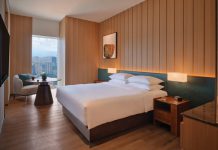
A polished urban retreat designed for business travellers, Hyatt Regency Kuala Lumpur at KL Midtown combines thoughtful design, seamless service, and exceptional facilities.

A versatile powerhouse

Arena @ Expo, a multipurpose concert hall at the Singapore Expo is a flexible space for high octane concerts and lifestyle events.

Amari Bangkok

The five-star property excels in backing its expansive facilities with seamless service and personalised attention, setting the benchmark for luxury in Bangkok.