Zurich’s new strategy moves beyond its reputation as a transit point, inviting event planners to leverage the city’s superior connectivity for a more diverse, and less carbon-intensive, Swiss experience
Zürich Tourism is spearheading a new strategy designed to increase the city’s average length of stay by positioning the city as the ultimate base for exploring the country’s many facets.
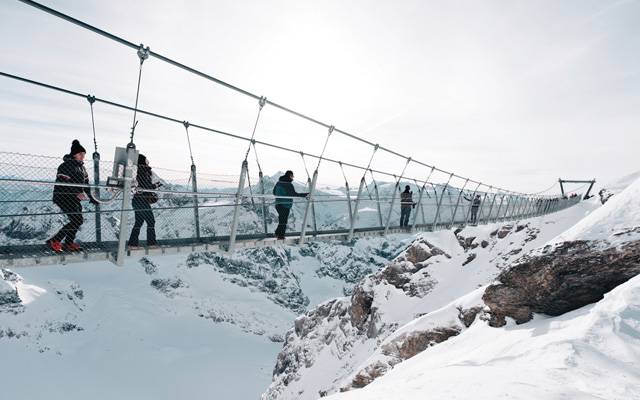
This strategy was recently showcased during the Asia Trophy 2025. Unlike previous editions that rotated through various cities, delegates remained anchored in Zurich. Using the city’s high-frequency transport links, they accessed mountain peaks and surrounding attractions – including Rapperswil, Uto Kulm, and Mount Titlis – as seamless day trips.

The shift is a calculated move to stabilise occupancy during the quieter winter months, and serves as a cornerstone of Zurich’s sustainable growth strategy.
Anita Berardi, market manager for South-east Asia, Korea, told TTGmice: “We want to increase the length of stay for travellers in Zurich. By using Zurich as a hub, you still can access the mountains and the lake. This is also why we are pushing for more events in the winter (January to March), when occupancy typically sits between 55 and 60 per cent.”
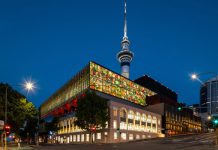
Opened on July 31, 2025, Mama Shelter Zurich recently hosted the Asia Trophy 2025 as its largest-ever Asia-Pacific (APAC) group. To cater to this market, management is actively tailoring the brand to be more accommodating and flexible. For instance, during the event, the property introduced rice to its breakfast buffet – a simple yet effective touch to help Asian guests feel at home.
“Requests are flourishing, with five out of 50 requests we receive on a weekly basis coming from APAC,” said Alexandra Hatzigogos, groups & events manager at Mama Shelter Zurich.
She expressed strong interest in the Asian incentive market, adding that the property’s business events calendar is already “looking good” as interest from APAC continues to build.
While the brand is well-known in Western Europe, the team is working on visibility in APAC, noting that the recent opening of a Mama Shelter in Singapore is a helpful bridge.
Michael Baur, the hotel’s director of sales, added that Mama Shelter Zurich is working closely with Zurich Tourism and Switzerland Convention & Incentive Bureau (SCIB) through fam trips to further build this connection.
When asked which markets in South-east Asia Zurich Tourism was most keen on, Berardi shared: “Singapore is still the top inbound market. For Thailand and Malaysia, numbers are stabilising towards 2019 (pre-Covid) levels. Indonesia is well below 2019 levels, and I hope this will come back.”
Of keen interest are the Philippines and Vietnam outbound markets, where the former saw a “huge jump in travellers” following SCIB’s investment in in-market sales visits and destination education.
“Vietnam is currently at the level the Philippines was at before Covid, and it is growing fast,” Berardi noted. She revealed that Switzerland Tourism has also held talks with Vietnam Airlines regarding a potential direct route to Zurich. “If they decide to have the direct connection, we will get the jump from Vietnamese people traveling to Switzerland as well.”
However, she acknowledged that specific challenges remain for these growing markets.
For one, strict visa requirements for most South-east Asian nations – excluding Singapore and Malaysia – remain a barrier. Furthermore, Halal catering for large groups is hampered by the country’s limited restaurant capacity and venue-mandated catering policies.
These frictions are often weighed against the country’s stability; while Switzerland remains a premium-cost destination, stakeholders point out that its logistical security provides a level of certainty that justifies the higher investment.
Reto Kaufmann, senior vice president for South-east & South Asia at Kuoni Tumlare, noted that Zurich’s public transport network is a “major passport” for the city.
“The mode of transportation in Switzerland supports large mass movements perfectly. For seasoned APAC groups seeking new winter experiences, the logistical reliability here is a massive advantage.”
He also noted that utilising the country’s dependable public transport aligns with the sustainability mandates now standard among large organisations.
When asked how Switzerland ranks as an outbound incentive destination for APAC planners, Kaufmann said: “Looking toward 2027, Switzerland remains high on the buying list alongside Scandinavia and a resurgent Spain and Portugal.”