Asia/Singapore Tuesday, 23rd December 2025
Page 1009

UN conference boosts Sri Lanka as MICE venue

0

THE 16th World Conference on Youth opened in Hambantota on Tuesday at Sri Lanka’s newest convention facility, Magam Ruhunupura International Convention Center, with 1,500 delegates from 196 countries in attendance.

The meeting deals with a range of issues confronting youths internationally and brought high-level representation from the UN and other countries.

Sri Lankan officials say they hope the event will help position Sri Lanka as a MICE centre for events of this nature. While the event’s opening was held at Hambantota, the main sessions shifted on Wednesday to a conference facility in the capital Colombo.

The Conference runs from May 6 to 10.

Tourism authorities are positioning Hambantota as the newest conference and exhibition destination in Sri Lanka with the several sightseeing opportunities, like the country’s largest wildlife park nearby.

However, MICE industry specialists say a weaknesses is Hambantota’s lack of hotel rooms for large events. Most guests have to be housed at hotels in Galle or Bentota, more than 100 km away.

The biggest conference centre with nearby hotels is the Bandaranaike Memorial International Conference Hall in Colombo that seats up to 1,500 and has additional rooms catering for groups between 50 and 100.

Sri Lanka’s largest hotel operator, John Keells Group, begun construction last week on a US$650 million integrated project in Colombo which includes an 800-room luxury hotel and a convention centre to accommodate 2,500 pax, the nation’s largest conference hall when completed in five years.

Let’s cruise South-east Asia

0
More ships are homeporting in South-east Asia for regional cruising, resulting in healthy competition to enlarge the MICE cruise market, write Raini Hamdi and Paige Lee Pei Qi

Efforts to make South-east Asia the next cruise playground are bearing fruit as the region now sports more ships, which means more marketing and promotion by cruise companies to reach Asian consumers and entice them to sail in their own backyard.

Around 1.5 million Asians cruise today, but a large chunk of these passengers cruise longhaul, for example, Alaska or Europe and not Asia, according to cruise lines’ representatives interviewed. Making Asians cruise Asia is therefore their new sport, as most have to rely on the home market to help fill the capacity that has been deployed to the region. Whether it is the 922-pax Crystal Symphony, the 2,670-pax Sapphire Princess, the 2,800-pax SuperStar Virgo or the 3,114-pax Mariner of the Seas, to name just a few, Asia now has an armada of vessels shooting tacticals and campaigns to expand and capture the Asian cruise demand. The target is for the market to grow from 1.5 million today, to 3.7 million by 2017.

A region like South-east Asia, however, while  exotic to Westerners, is a tough sell to Asians who know its various destinations at the back of their hands, especially following a boom in hotel development and air connectivity across the region in recent years that have made holidays affordable and accessible.

“Most of our well-heeled seafarers head towards Europe, or the polar regions. South-east Asia routes are mainly popular with Americans, Europeans and Australians. The grass is always greener on the other side or, in our case, the ocean is bluer on the other side,” said Melvyn Yap, regional director-Asia, Silversea Cruises.

Yap is not too concerned as a Silversea ship usually has only around 190 suites. But for larger ships, this is precisely why markets such as Asian MICE are being sought-after, because of the numbers they can bring and because South-east Asian ports-of-call are relatively less important to them than to the leisure travel market. The objectives of a business event – be it an incentive or corporate meeting – are to reward participants, build a team and motivate them to higher targets. For this, the ship itself can be the destination – with the icing on the cake being the luxury of waking up in Penang one day and in Phuket the next day and visiting the towns if delegates so wish.

At sea, planners have a captive audience for meetings, brainstorming and teambuilding sessions during the day, while at night, the choices for dining, theme parties and entertainment are gloriously endless. And free of charge.

“Few MICE options are as unique and appealing as a cruise,” said Michael Goh, Star Cruises’ senior vice president of sales. “An all-encompassing cruise is a one-stop destination on its own and a perfect option for corporate companies to balance the seriousness of business with leisure.”

Added Samuel Manalo Jr, regional sales manager South-east Asia, Royal Caribbean Cruises Asia (RCCA): “Cruise packages for MICE groups are all-inclusive (meals, drinks, entertainment, on board activities are usually included in the price) and therefore great value-for-money.

“There is something on board for everyone in one place, and organisations can enjoy these activities day and night as groups or individuals with great flexibility.”

Asked if most planners simply book a cruise and dispense with arrangements on F&B, entertainment, etc, since these are already available on board, Marnie Whipple, Crystal Cruises’ regional sales manager, Asia-Pacific, said: “Each incentive group varies in their interests but generally yes, incentive planners book typically a seven-day Crystal cruise and take advantage of the many included offerings and facilities.

“Additionally these groups typically host one or two private cocktail parties, usually one at the beginning of the voyage as a welcome and one at the end as a celebratory activity.  Depending on the size of the group, we have various members dine in Prego and Nobu Matsuhisa’s Silk Road (the two signature restaurants on Crystal Symphony) one day, then switch on another day so all guests in the group may enjoy these lovely venues. Again, depending on the size of the group, often we see organisers host dinner for 12 pax at our Vintage Room, a unique and memorable dinner where we pair the food to the vintage wine.

“As you know, at a hotel, every pastry, every glass of wine and even every audio-visual set-up is charged for, and usually expensive! The cruise value is incomparable.”

Special requests from Asian planners on board the Crystal Symphony have included a day of mahjong in a private space in the Silk Road restaurant and a gala type function in the ship’s Hollywood Theater, complete with microphones and video-capability to honour top producers. “Interestingly we have not had special requests for Asian food, but groups have enjoyed Silk Road one evening of their voyage and embraced delectable cuisines in our other venues,” said Whipple.

At Star Cruises, staff are ready to formulate and execute MICE programmes, said Goh. “From orchestrating the entertainment and arranging fun teambuilding activities on board or ashore, to setting up the event and conferences, the staff on board are ready to meet their needs,” he said.

On Royal Caribbean ships, dedicated on board convention services coordinators provide round-the-clock personal assistance to ensure corporate events run smoothly, according to Manalo.

Mass market cruising, in particular, has become a real option for budget-conscious planners. “In fact, meeting planners often find the costs are higher when using land-based resorts,” said Star Cruises’ Goh.

More than 30 per cent of business for Star Cruises is now MICE business and, while it may be that well-heeled leisure clients prefer to cruise longhaul, South-east Asia remains “unprecedented” as a cruise destination for MICE travel with group sizes of up to 1,000 pax, according to Goh.

“We are strategically homeported in this region (the SuperStar Virgo and SuperStar Libra in Singapore and Penang, respectively) to cater to the evolving needs of sophisticated MICE planners,” he said.

Favourite South-east Asian ports-of-call among planners include Redang, Penang, Malacca, Kuala Lumpur, Langkawi, Phuket and Krabi, he added.

Manalo too is seeing more Asian MICE business on board each year. In fact, MICE from Indonesia and Thailand now comprise 50 per cent of total sales at RCCA and further growth is expected. Its other top Asian MICE markets include the Philippines, Vietnam and India. “Incentive travel is a popular trend for companies in these markets to reward their staff, and cruising is a relatively novel travel option for them.”

According to Manalo, MICE groups mostly choose to depart from Singapore due to the convenient geographical proximity and ease of logistics such as pre- and post-cruise arrangements and transfers from airport, hotel or pier.

Princess Cruises, known for its longhaul sailings, now recognises the potential of the Asian corporate and incentives market and that shorthaul cruises are highly suitable for teambuilding and meeting purposes, said Farriek Tawfik, director of South-east Asia. The cruise line will homeport the Sapphire Princess in Singapore for a four-month season between November 2014 and February 2015, offering trips to seven countries including Malaysia, Vietnam and Thailand, on sailings between three and 11 days. “We are confident that as cruise travel in Asia continues to increase in popularity, we will see a healthy pipeline of interest from this (MICE) sector,” he said.

Luxury cruise lines are also seeing a similar uptake. Crystal Cruises received its first Asian incentive group last year and is seeing “a healthy increase” in Asian MICE demand. Overall, its market mix is 70 per cent North America and 30 per cent international. Asia has grown 34 per cent since 2008 and now accounts for 20 per cent of all guests for Crystal Cruises. Said Whipple: “Luxury cruises are presented more than previously as an option, and South-east Asia is especially attractive to those for whom Europe is already well trodden.”

Tips for planners

What’s the best size for groups? What advice do you have for MICE planners on how best to use a ship for their groups?

Marnie Whipple, regional sales manager-Asia-Pacific, Crystal Cruises:

There is no best size for groups as it depends on the end client. From 20 guests to a full ship charter, it is all possible.

Typically, MICE clients prefer shorter voyages and plan a healthy year or two in advance. We have published our itineraries through to 1Q16, in large part to assist this segment of the business. We have more seven-day voyages than ever before, and some voyages of even shorter durations.

Galaxy Lounge, Crystal Symphony

The best advice in considering a cruise is to know that the shipboard environment is conducive to casual connections and encounters throughout the day. Whereas a land-based incentive sees clients perhaps going off-site for shopping or other entertainment, on the ship the group has many opportunities to connect during activities from golf lessons to a beverage during cocktail hour, and of course dining together. Also, we do not charge for deliveries to staterooms and other items that add up significantly for a land-based (event).

Knock-knock, who’s calling?


Mariner of the Seas at Marina Bay Cruise Centre, Singapore

SINGAPORE
By Paige Lee Pei Qi
Singapore has two international cruise terminals, the new Marina Bay Cruise Centre which is close to attractions such as Gardens by the Bay and Marina Bay Sands, and the Singapore Cruise Centre which is located near Sentosa island.

Ships calling at Marina Bay Cruise Centre Crystal Serenity, Crystal Symphony, Diamond Princess, Arcadia, Costa Deliziosa, Aurora, Silver Whisper, Silver Shadow, Adonia, Amadea, Sea Dream II, Celebrity Millennium, Black Watch, Queen Elizabeth, Ocean Princess, Europa 2, Voyager of the Seas, Queen Mary 2, Sun Princess, Dawn Princess, The World, Sea Princess, Sapphire Princess, Mariner of the Seas, Costa Victoria, Silver Wind

Ships calling at Singapore Cruise Centre AIDAaura, AIDAsol, Amsterdam, Astor, Asuka II, Azamara Journey, Azamara Quest, Columbus 2, Deutschland, Europa, Europa 2, Explorer, L’Austral, Le Soleal, Minerva, Nautica, Ocean Dream, Orion, Pallada, Paul Gauguin, Rotterdam, Seabourn Legend, Seabourn Odyssey, Seabourn Pride, Seabourn Sojourn, SeaDream II, Seven Seas Voyager, SuperStar Gemini, SuperStar Virgo, Volendam

INDONESIA
By Mimi Hudoyo
There are as many as 115 ports-of-calls in Indonesia where ships can berth and anchor. Some of the bigger ports are Benoa, Bali, Jakarta, Lembar (Lombok), Komodo National Park and Belawan (Medan).

Ships calling at Benoa, Bali  Silver Shadow, Astor, Celebrity Solstice, Silver Discoverer, Queen Mary 2, Seabourne Sojourn, Radiance of the Seas, Arcadia, Sun Princess, Sea Princess, Amsterdam, Diamond Princess, Sapphire Princess

Ships calling at Jakarta Sea Dream II, Rotterdam, Crystal Serenity

Ships calling at Lembar, Lombok Celebrity Millennium, Dawn Princess

Ships calling at Komodo Seven Seas Voyager, Crystal Symphony, Seabourn Odyssey, Amadea, Colombus 2, Asuka II, Europa, Ocean Princess, Dawn Princess, Paul Gauguin, Volendam

Ships calling at Belawan, Medan Seabourn Legend, Azamara Journey, Silver Whisper, Silver Wind

MALAYSIA
By S Puvaneswary
Malaysia boasts 10 ports-of-call: Swettenham Pier International Cruise Terminal, Penang, Star Cruises Terminal Langkawi, Port Klang Cruise Centre (gateway to Kuala Lumpur), Malacca river mouth, Kota Kinabalu Port, Pending Port in Kuching, Kuantan Port, Bintulu Port, Redang Island and Tioman Island.

Ships calling at Penang Port Adonia, AIDAaura, AIDAsol, Amadea, Astor, Asuka ll, Azamara Journey, Azamara Quest, Balmoral, Celebrity Millennium, Crystal Symphony, Costa Victoria, Le Soleal, Mariner of the Seas, Caledonian Sky, Rotterdam, Volendam, Minerva, Nautica, Ocean Princess, Princess Cruise, Queen Elizabeth, Sapphire Princess, SeaDream ll, Seven Seas Voyager, Silver Wind, Sea Princess, Star Pride, SuperStar Gemini, SuperStar Virgo, Volendam, Voyager

Ships calling at Star Cruises Terminal Langkawi Adonia, AIDAsol, Artania, Astor, Aurora, Azamara Quest, Celebrity Millennium, Columbus 2, Costa Deliziosa, Mariner of the Seas, Columbus 2, Europa, Europa 2, Volendam, Discovery, Minerva, Voyager, Queen Mary 2, Sapphire Princess, Seabourn Legend, Seabourn Odyssey, Seven Seas Voyager, SeaDream ll, Sea Princess, Silver Wind, Star Pride, SuperStar Gemini, SuperStar Libra, SuperStar Virgo

Ships calling at Port Klang Adonia, Amadea, Arcadia, Artania, Astor, AIDAaura, AIDAsol, Aurora, Celebrity Millennium, Costa Deliziosa, Crystal Symphony, Azamara Journey, Diamond Princess, Mariner of the Seas, Columbus 2, Europa 2, Rotterdam,  Volendam, Nautica, Ocean Princess, Pacific Princess, Queen Elizabeth, Queen Mary 2, Sapphire Princess, SeaDream ll, Seabourn Legend, Sea Princess, Seven Seas Voyager, Seabourn Odyssey, Silver Whisper, Silver Wind, Star Pride, SuperStar Virgo, Voyager

Ships calling at Malacca jetty Adonia, Crystal Symphony, Volendam, Minerva, Seabourn Odyssey, SeaDream ll, Silver Shadow, Star Pride, SuperStar Gemini, SuperStar Virgo

Ships calling at Kota Kinabalu Port Adonia, Artania, Asuka ll, Azamara Quest, Balmoral, Black Watch, Costa Victoria, Crystal Symphony, Le Soleal, Europa 2, Columbus 2, Queen Mary 2, SuperStar Aquarius, Voyager

Ships calling at Pending Port Kuching Adonia, Amadea, National Geographic Orion

Ships calling at Redang Island SuperStar Gemini

Ships calling at Tioman Island SuperStar Gemini, SeaDream ll

Ships calling at Kuantan Port SuperStar Gemini, Minerva

Ships calling at Bintulu Port SuperStar Aquarius, Europa 2

VIETNAM
By Xinyi Liang-Pholsena
According to the Vietnam National Tourism Administration, there are over 44 ports-of-call in Vietnam but only 17 are ranked international. They are: Cam Pha (Quang Ninh), Hon Gai (Quang Ninh), Hai Phong (Hai Phong), Nghi Son (Thanh Hoa), Cua Lo (Nghe An), Vung Ang (Ha Tinh), Chan May (Thua Thien-Hue), Danang (Danang), Dung Quat (Quang Ngai), Quy Nhon (Binh Dinh), Van Phong (Khanh Hoa), Nha Trang (Khanh Hoa), Ba Ngoi (Khanh Hoa), Ho Chi Minh City, Vung Tau (Ba Ria-Vung Tau), Dong Nai (Dong Nai) and Can Tho (Can Tho).

Ships calling at Halong Bay Azamara Journey, SuperStar Gemini, Crystal Serenity, Seven Seas Voyager, Seabourn Legend, Aurora, Celebrity Millennium, SeaDream 2, Silver Shadow, Columbus 2, Volendam, Adonia, Seabourn Sojourn, Nautica, Europa 2, Queen Elizabeth, Silver Wind, Minerva, Costa Victoria, Le Soleal

Ships calling at Danang Azamara Journey, SuperStar Gemini, Crystal Serenity, Seven Seas Voyager, Seabourn Legend, Silver Shadow, Silver Whisper, Celebrity Millennium, Volendam, Columbus 2, Seabourn Sojourn, SeaDream 2, Nautica, Europa 2, Queen Elizabeth, Crystal Symphony, Diamond Princess, Sapphire Princess, Silver Wind, Minerva, Star Pride, Le Soleal, Costa Victoria

Ships calling at Nha Trang SuperStar Gemini, Silver Shadow, SeaDream 2, Volendam, Aurora, Columbus 2, Adonia, Europa 2, Diamond Princess, Sun Princess, Sapphire Princess, Silver Wind, Minerva, Crystal Symphony,Star Pride, Le Soleal

Ships calling at Ho Chi Minh City Azamara Journey, SuperStar Gemini, Seven Seas Voyager, Crystal Serenity, Silver Shadow, SeaDream 2, Celebrity Millennium, Mariner of the Seas, Seabourn Legend, Diamond Princess, Volendam, Silver Whisper, Aurora, AIDAaura, Columbus 2, Adonia, Seabourn Sojourn, Nautica, Europa 2, Crystal Symphony, Ocean Princess, Queen Mary 2, Sun Princess, Sea Princess, Sapphire Princess, Voyager of the Seas, Amsterdam, Silver Wind, AIDAsol, Star Pride, Le Soleal, Costa Victoria

MYANMAR
By Sid Dhartha
Myanmar has two main ports, Yangon Port and Myanmar International Terminals Thilawa (MITT) Port.

Most cruise ships dock at Thilawa Port, located 16km south of Yangon Port and about an hour’s drive from Yangon city centre. They usually dock two or three nights, allowing passengers to visit Yangon, nearby Bago and in some cases destinations further afield such as Mandalay, Bagan and Inle Lake.

The Yangon Port, located next to the downtown on the banks of the Yangon River, has been the main port handling Myanmar’s shipping cargo since colonial times. It is being redeveloped into a modern harbour to be completed in 2015.

According to Myanmar Port Authority, last year, eight international cruise ships visited the country. It predicts 2014 would be the best year to-date for cruise arrivals in Myanmar as about 22 international cruise ships have been confirmed to call at Yangon.

THE PHILIPPINES
By Rosa Ocampo
The Philippines is promoting 18 ports for cruising, including four key ports: Manila – South Harbour, Boracay Island – Caticlan Jetty Port, Palawan – Puerto Princesa and Zambales – Subic Bay Freeport (though no cruise ship calls here as yet).

The other ports are: Leyte – Kalanggaman Island, Cebu City – Cebu International Port, Bohol – Tagbilaran Port, Palawan – Coron Port, Palawan – El Nido Port, La Union – San Fernando International Port, Cagayan – Port Irene, Davao City – Davao Port, Zamboanga City – Zamboanga Port, Cagayan de Oro – Cagayan de Oro Port, Manila – North Harbour, Ilocos Norte – Currimao Port, Albay – Legazpi Port and Iloilo – Iloilo Commercial Port.

Ships calling at Manila South Harbour Azamara Journey, Seabourn Sojourn, Azamara Quest, Europa 2, SuperStar Aquarius

Ships calling at Boracay Caticlan Jetty Port Seabourn Sojourn, Europa 2, SuperStar Aquarius, The World

Ships calling at Palawan Puerto Princesa Silver Discoverer, Seabourn Sojourn, Europa 2, Flipper Odyssey 

THAILAND
By Greg Lowe

There are six ports in Thailand: Laem Chabang (Bangkok), Klong Toey (Bangkok), Nathon on Koh Samui, and Phuket Deep Sea Port and Patong beach. Koh Yao and Similan Islands are accessible for smaller vessels.

Ships calling at Phuket Amsterdam, Voyager, Astor, Crystal Symphony, Costa Deliziosa, Seabourn Legend, Seabourn Odyssey, Silver Whisper, Amadea, Seabourn Sojourn, Rotterdam, Balmoral, Nautica, Azamara Journey, SeaDream II, Seven Seas Voyager, Sea Princess, Mariner of the Seas, Silver Wind, Star Pride, Celebrity Millennium, Sapphire Princess, Azamara Quest, Volendam

Ships calling at Koh Samui* Silver Shadow, AIDAaura, Europa 2, Volendam, Crystal Serenity, Silver Whisper, Silver Shadow, Crystal Symphony, Ocean Princess, Seven Seas Voyager, Sea Princess

Ships calling at Koh Yao Noi Star Pride

* Until July only.
   As provided by Destination Asia only

CAMBODIA
By David Andrews
Sihanoukville Port is the only deep water port in Cambodia. Most cruise lines make a stop here on their journey between Ho Chi Minh City and Bangkok (a few coming from Singapore and Bandar Seri Begawan). Few tour operators propose a city tour as Sihanoukville city itself has little to offer. The preferred choice of most visitors is to experience the beaches within close vicinity such as Ochheuteal and Victory beach before finishing with a tour of Ream National Park. If time allows then an overnight visit to Kampot to see the pepper plantations and fishing villages offers more cultural insight.

The Port of Phnom Penh is located 290km from the ocean at the junction of the Bassac, Mekong and Tonle Sap rivers. Most visitors travel to see the French colonial architecture and remnants from the Pol Pots regime, including Choeung Ek Memorial (Killing Fields) and the Toul Sleng Genocide Museum. Authorities are currently clearing an area to the northern end of the port to accommodate more boats. This extension of the quayside area will attract further restaurants and bars along the riverfront. Shinta Mani will clear a site on the quayside in 2015 for a new hotel.

Ships calling at Sihanoukville Port Voyager, SeaDream 2, Crystal Serenity, Europa 2, Volendam, Adonia, Crystal Symphony

Ships calling at Phnom Penh Viking Mekong, La Marguerite, River Orchid, AmaLotus


LAOS

By David Andrews
As Laos is a landlocked country, cruising is generally restricted to the Mekong River and greatly influenced by the seasons. However there are a number of boats that can handle over 30 sleeping guests, making multi-day cruising a viable option. The attractions are largely based around the river itself – focusing on riverside villages where locals produce textiles and Lao whiskey. The majority of cruises cite Luang Prabang as the highlight, focusing on its colonial structures and endless temples.

Ships calling Vat Phou Mekong Explorer, Mekong Sun

Where to drop  your anchor

Raini Hamdi returns from a South-east Asian cruise on Crystal Symphony with first-hand insights for MICE planners

Crystal Symphony at sea

Duration
The full duration of the ‘The Treasures of South-east Asia’ cruise which Crystal Symphony offered in March was a 14-night Singapore roundtrip covering Singapore, Penang, Phuket, Yangon, Andaman Islands/Port Blair (India), Kuala Lumpur/Port Klang, Malacca and Singapore.

This clearly would be too long for most Asian MICE groups but, depending on availability, planners could do a shorter cruise, say, a four-night Singapore-Phuket, or a seven-night Singapore-Yangon, and fly out from those cities.

I would choose to board and embark in a city that has good air connectivity, especially if the group comprises incentive winners or delegates from many countries. This is a reason why Asian cities like Singapore or Hong Kong are popular homeports, as transfers from airport and port, not to mention visas and immigration, are easy, speedy and convenient.

Ports-of-call
As a Singaporean who has ‘been there, done that’ in South-east Asia, I was pretty relaxed about wanting to go out each time the ship docked at a port. Especially after my experience in Yangon, where it took nearly two hours just to get from the port to the city centre, thanks to the port’s location in the boondocks and snarling traffic. South-east Asia’s temperature too was unbearably hot at this time.

So I was a happy camper in the ship. The ports-of-call were secondary. The ship was the destination.

This is an advantage of regional cruising for Asian planners with a group that is familiar with South-east Asia. Organisers have a captive audience in their hands and can anchor their programme around the ship’s meeting facilities, activities and services without worrying too much about delegates’ need for a lot of sightseeing. All the more if it’s a luxurious ship like the Crystal Symphony, where they would want to extract maximum value for money.

Facilities
Firstly, planners may think a 922-guest ship that’s 75 to 80 per cent full at the time of sailing would be milling with lots of people and noise. In reality, this is a 50,000-tonne ship, one of the most spacious cruiseships at sea. So there is no overcrowding anywhere and the sense of privacy everywhere is a real luxury.

As in an integrated resort, there are so many places where groups could be hosted for meals and cocktails, so planners need not worry about boredom settling in. With splendid F&B outlets, menus and meal/drink times all perfectly planned and spread out over a slew of restaurants, planners are in fact relieved of F&B arrangements – unless of course there are specific requirements.

To give an example, for dinner, Crystal Symphony boasts a grand dining room, two signature restaurants (an Italian Prego and Nobu Matsuhisa’s Silk Road & The Sushi Bar) and The Vintage Room (ideal for a wine/food pairing dinner for small groups). There are two Black Tie evenings – perfect to tie up with the gala night. Pre-dinner cocktails can be held in the Crystal Cove or the Palm Court, with live pianist/band respectively provided. After dinner, head for Starlite Club for ballroom dancing, Avenue Saloon for a drink, Luxe nightclub for karaoke, Galaxy Lounge for a live entertainment show produced by the Crystal Ensemble of Singers and Dancers, Hollywood Theatre for the latest movie screenings, the casino – you get the drift. Cruise ships just want you to eat, dance and be merry.

For breakfast, lunch, tea and day activities on board, again, variety is the name of the game. There’s a full gym and spa on board, with fitness directors offering everything from ‘walk on water’ to Nordic walking lessons. Dancing lessons, computer lessons, knitting lessons – you name it, it’s all there. Imagine a spouse programme that has something for every spouse, male or female.

All planners need to do is to understand who their customers are, what they desire the most and choose the right ship that provides. Crystal Cruises is more for those who have climbed to the top, than younger and sporty winners who will probably feel more enthralled with a Royal Caribbean ship that is equipped with rock-climbing walls and other more strenuous or adventurous activities on board.

Meeting spaces
Most ships have theatre-style lounges, smaller venues and breakout rooms. On Crystal Symphony, for example, the Hollywood Theatre (122 seats) has cushy seats and the latest projection technology, including devices for the hearing-impaired. The Galaxy Lounge (420 seats), venue for its production shows and other evening entertainment, is also another perfect venue for your gala or awards presentation night.

Planners will do well to leave no stone unturned in checking out spaces on board a ship that can be transformed for unforgettable meetings.

Value for money
Everything is all-inclusive. However, I’ve met planners who are disenchanted with the word as, often, it means quantity, not quality, is being delivered, or expensive ingredients being pared back, i.e., either those are omitted or served in miserly quantities.

My experience with a luxury cruise like Crystal is, instead of cutting back, it spoils the customer to heaven, both in terms of quantity and quality. If the menu says Maine Lobster, Black Angus or Milk-Fed Veal, you do get a generous portion of the meat and it’s all fresh. Dining at the signature restaurants feels like going to an exclusive top-notch restaurant in town, with dedicated Prego and Silk Road staff pampering you to bits with their service. Even the buffet breakfast and lunch spread at Lido Cafe is as good if not better than spreads at luxury hotels in terms of range, quality, presentation and service staff.

Champagne and wines too are of good quality and served copiously. But if you wish to splurge on a Cristal Rose on your group, it is available at an additional charge. Choice is always available.

It’s not so much all-inclusive but all ‘exclusive’ that planners should be studying before making a decision on which ship to cruise with, particularly if they are dealing with top incentive winners or senior company executives.

Planners should also check to what extent is the ship all-inclusive to avoid unnecessary charges as some ships may impose fees for meeting rooms, signature restaurants, etc.

An all-inclusive on board Crystal includes even pre-paid basic gratuities for the shipboard staff.

A pilates reformer class on board – a spouse programme is easy to do on a cruise ship

Sea-sickness?
These worries are so out of this world today. You wake up in Phuket one day and Yangon the next day without realising you’ve sailed 573 nautical miles without ‘aircraft’ noise, ambient light or cloud turbulence – it’s smoother than a flight!
Entry-level cabins are also the size of a standard hotel room, are tastefully-designed and maximise space to the tilt, so it really feels like staying in a resort room – except this one moves without you feeling it move!

Conclusion
Getting Asians to cruise South-east Asia is actually a smart move for Asian MICE planners to make. The ship, rather than the ports, is the anchor, enabling planners to extract maximum value from the ship’s F&B, activities and entertainment options, and service.

Aloysius Lee

0

Can you be alone together? Can a 654-room hotel be a highly individual place? This new project soft-opening in Singapore in 1Q15 says yes. South Beach Consortium’s CEO, Aloysius Lee, tells Raini Hamdi why it’s the new choice for MICE planners

You have been working on the project since 2009, translating CDL (see box) executive chairman Kwek Leng Beng’s vision to create a ‘non-cookie cutter’ hotel. So how unique is it?
Ours is a HIP hotel, ie, Highly Individual Place. (When conceptualising the hotel), we were looking at the Hudson in New York, Delano in Miami, SLS Hotel Beverly Hills and Le Royal Monceau (Raffles Paris).
These hotels really bring life, energy  and connectivity to their public spaces. They understand people want to be ‘alone together’ (laughs) or, as some call it, “isolated togetherness”.

What an oxymoron (laughs).
Yes. Four and a half years ago, when chairman Kwek spoke to me about such a hotel concept, it was still a fresh trend. Now of course most hotel refits are going along these lines.

Won’t you be common then?
In Asia, it’s not done to the same extent yet. Asian hotels are still largely traditional – the typical big lobbies, halls, etc.
Our three pillars are, firstly, we are a designer hotel, not only in the sense that the hotel is designed by Philippe Starck. We have, for example, the best IT design in-house right now. If you are IT-savvy, you will be extremely happy staying with us; we have the technology, for example, for the TV to be mirrored onto your own device. If you are not IT-savvy, you will also be happy as we are not one of those hotels where you have to figure out how to work the technology.
Our second pillar is to offer a fresh dining experience. We will hopefully sign up a concept from Europe soon – not a celebrity restaurant – but a stylish, contemporary experience that combines shopping and dining in a space of 30,000sqft (2,787m²).
Thirdly, we will have a lot of imaginative social spaces to cater to the need for ‘isolated togetherness’. We even have such a position as head of social space.

What are these social spaces like?
It’s all about ‘connectivity’, about providing spaces for people to eat, work, socialise, or be alone in the presence of other people, in places other than their rooms.
We will have as many as 17 social spaces, in different areas and settings. Some might serve snacks, some will have music and there is always IT support. The smallest social space would be in the lobby, which will have different corners where people could relax, read the papers, use the Internet – it is not going to look like the traditional lobby I can assure you.

What are the F&B options in the hotel itself, ie, excluding the retail dining concept you’ve just mentioned, and what MICE facilities will be available?
The hotel will have an all-day dining outlet and three bars. MICE facilities will include a ballroom which seats around 500 pax for a banquet and 350 pax for cocktails. Planners can do incentives here and we’re working closely with Suntec Singapore to have a fair share of convention delegates. I believe we have the best access to Suntec – from the hotel, just a walk across Nicoll Highway through an overland bridge and you’re already at the convention hall.
We’re creating a new product, probably the first in Asia that offers this kind of a lifestyle choice. With high occupancies in Singapore, we are a serious choice for all segments, be it MICE, bleasure, leisure, etc. Most new hotels that are opening are smaller in roomcount. We have 650 rooms.

What rate are you looking at?
The current rates of hotels in the neighbourhood are around S$400 (US$317) to S$500.

CDL also owns St Regis and W in Singapore. How would you position South Beach in this collection?
St Regis is traditional luxury while W is hip, which is closer to South Beach, but in a different environment.

How many people do you need and how are you going to get them in this labour crunch?
We’re recruiting around 60 people from now (at the time of interview in mid-March) till June, including the GM and head of human resources. By September the full recruitment will start for around 500 people.
It is difficult to find people. On the other hand, we must be innovative with our job offerings, by thinking differently about positions, by offering the right people an advancement when they join us, not just a lateral transfer, so they are motivated by a real new challenge.
We’ve even set up a good pre-opening office at the site – now just waiting for the bodies to come in (laughs).

How innovative are you with your job offerings, apart from the aforementioned head of social spaces?
We will have, for example, an EAM-sales & marketing services, and all the customer-facing departments will be under him – sales, branding, revenue, catering, front office, reservations, concierge, VIP services (many of these functions are usually under operations).
Service should be part of sales and marketing. When I started my career with Singapore Airlines in 1972, I believed the airline had all services – cabin crew, amenities, menus and so on – going under marketing, not operations. Marketing has a stronger feel of the market, which it can drive back to operations.

So what does your EAM-operations do?
They cover F&B – again, a departure from the common practice – housekeeping, engineering and security. So in effect we have two EAM positions which will enable the executives to become a future GM. This is what we want to do as well, ie, groom talent.

What advice do you have on working with Asian tycoons?
Firstly I’ve observed that tycoons really love talent and are passionate about the business. They are open and they like to share their thinking, philosophy, vision and strategy. And they hope you can deliver it for them.
Sometimes it may be that they are so far ahead and running so fast – after all, they are more seasoned, successful and have seen the world – that it is difficult for the executive team members to follow. But I believe when they speak, there is a lot of wisdom and big value at the end of the day, even if they can’t justify it there and then.

AT A GLANCE: SOUTH BEACH DEVELOPMENT

• A mixed-use contemporary/ecological development comprising over 46,000m2 of Grade A office space; 190 residential units; a 654-room hotel designed by Philippe Starck; a retail concept; and a private membership club
• Developed by City Developments Limited (CDL) Singapore and IOI Corporation Berhad
• Located opposite Raffles Hotel Singapore on the Beach Road side and is directly connected to Suntec Singapore via an overhead bridge on the Nicoll Highway side
• A heritage site formerly comprising three army blocks and the NCO Club, a favourite haunt for army, naval and air force offices, and famed for its Olympic-sized swimming pool
• Architecture by Foster + Partners and Aedas

Note: The hotel is currently called The South Beach. A decision has yet to be made on a third-party management, franchise or marketing representation

Audi A3 Experience Days

0

Drama and surprise are a must, so is an unusual event venue for the Audi product launch. Uniplan  works its creative juices to deliver all that and more. By Prudence Lui

When German automobile manufacturer, Audi, decided to launch the new A3 Sportback in Hong Kong, it realised that the event would not be just a one-night launch party but the beginning of a brand awareness blitz.

Uniplan Hong Kong, an event and brand communications specialist, was engaged to handle this project. According to executive director for client services, Darren Chuckry, his key challenge was to identify a suitable location that could accommodate the massive two-week event.

Uniplan’s second challenge came in the form of Audi Hong Kong’s requirement to have surprise and drama for all visitors.

Chuckry said: “The target audience has been to all events in Hong Kong and is familiar with all the different venues, so it was a real challenge to surprise everyone with a fresh experience.

“Finding an unexpected location that can work on many levels and is flexible enough to accommodate a star-studded VIP launch for 500 pax, plus a series of experience days for 6,000 people, was the key (requirement) of the client.”

The idea of using the Kai Tak International Cruise Terminal came to mind.

Chuckry noted that the terminal was, at that point, still under construction.

“There were many hurdles to overcome, as it is a new customs area run by both a private management company and the Hong Kong government,” he recalled.

“But as it sat on the site of the old Hong Kong airport, Kai Tak International Cruise Terminal had all the facilities and logistics needed to accommodate the multitude of requirements listed in the clients’ brief.

“The internal area of the terminal is large enough to allow the required number of people to attend over several days. It also has areas that are suited for test drives and slaloms. It even has easy access to water, should we need that.

“Another added advantage was the panoramic views of Hong Kong skyline, which provided a great backdrop for some of the Audi Experience Days elements.”

On the day of the event, visitors were dazzled by visual and sensory stimuli at various areas, and a strong brand presence was communicated through a build-up of signage and presence of Audi-branded ground marshals.

Entertainment came in the form of live performances, a music video jockey, an Audi radio station with a DJ, live photographic backdrops and an Audi Breathing car display. There was also an Audi Cafe and Juice Bar.

A highlight was the live digital graffiti wall on which guest could design their own Audi-branded T-shirts and then print them out instantly. Later, the top 20 T-shirt designs were chosen and presented to the creators.

The interactive wall also provided a platform for guests to express their artistic prowess, as designs were relayed to the video jockey who mixed the artworks with music and put them on display.

The Audi A3 Experience Days turned out to be a tremendous success, according to a proud Chuckry. It welcomed more than 8,000 people who registered online to participate in the activities across the two weekends. More than 1,200 test-drives of the new A3 Sportback was conducted.

The VIP/launch night drew more than 700 guests and some 120 accredited press covered the event globally.

D’Exclusive Trip 2013

0

Having experienced several creative incentive events, DiGi.Com has set the bar high for ICEM Regional for its Melbourne programme. By Karen Yue

When Malaysia’s telecommunications giant, DiGi.Com, decided to take 39 of its top performing business partners to Melbourne in 2013, its orders to event specialist, ICEM Regional, were simple: the incentive event must have a “wow” factor.

Speaking to TTGmice, Poh Ching Huey, DiGi’s trade marketing – event and promotions, said: “We hold incentives every year, and each time the programme is unique and impressive. The same standard was expected from the Melbourne programme.”

Giving an example of how unique and impressive DiGi.Com’s incentives are, Poh said a trip in 2009 saw an entire street in Lijiang city of Yunnan, China being “wrapped up” in the company’s corporate colours and branding imagery. Winners were given “DiGi cash” to use at shops in the area and participating merchants were later reimbursed with real money.

The Lijiang event was put together by Lim Pei Pei, currently head of sales at ICEM Regional but who was with another event house then, so the challenge for Lim was to outdo herself in the Melbourne project.

Kuala Lumpur-based ICEM Regional was first alerted to the project at the end of July 2013, and event plans were finalised by September. Commenting on the timeline, Lim said: “We scrambled a little, but we were lucky to have had some good advice from Edward (Kwek, regional sales director-South Asia, Melbourne Convention Bureau) and found a reliable groundhandler in Tour East Australia. Plus, our client was very cooperative, flexible and realistic in their expectations.”

To keep participants excited throughout the programme, ICEM Regional built an air of mystery around the itinerary. Lim said: “The itinerary was kept from the delegates, so every part of the journey was a surprise. That made delegates look forward to the next item on the programme, but it was a challenge as everyone kept probing. Plus, we needed an advance team to be at the next venue or attraction two hours ahead to ensure all’s in place for the group.”

After arriving in Melbourne, the group enjoyed brunch and was sent off on a city tour on roaring Harley-Davidson motorcycles. A fun dinner was hosted at Taxi Kitchen on Federation Square later that day.

A site visit of Apple office was also conducted, as was a visit to a brewery and a full day of stomping grapes and tasting and blending wine at Rochford Winery in Yarra Valley.

Lim said: “When they exited the winery, eight helicopters were waiting to whisk them back to the city. It was spectacular.”

Another highlight of the incentive trip was a dine-around event at the South Wharf Promenade. The group started the evening with coffee, sweets and conversations at the industrial chic Charlie Lovett, moved on to tapas in a motorcycle workshop at the Italian-influenced Gasolina, and ended the evening with barbeque meats and drinks at Meat Market.

For airport transfers on the last day, 25-seat stretch Hummers were deployed.

“The helicopter transfer was a tad tricky to pull off because a weight restriction applies to each helicopter and we needed participants to declare their body weight ahead of the trip,” revealed Poh. “And because of the weight restriction, we had to assign ahead the seating arrangements to prevent participants from choosing who they wanted to take the flight with.”

According to Poh, her winners loved the winery activities most because “it was a great bonding experience for all”.

Poh added: “It has been months since the event but it is still the talk of the town. The word that is going around the local telco industry is that the incentive was very exclusive, very impressive. Everybody felt like true VIPs.”

A wake-up call for travel risk

0


The industry takes a hard look at ways to assess travel risk better and improve management policies as the search for answers to the disappearance of Malaysia Airlines flight 370 continues. Caroline Boey reports

While it is imperative for companies to incorporate as many elements of risk in the air, on the ground, at the hotel, the booking channel of record, data protection, privacy, etc, it is impossible for any risk management policy or duty of care to be 100 per cent foolproof.

The disappearance of MH370 from Kuala Lumpur to Beijing on March 8 provided a wake-up call for corporate travel managers and their companies to ask if they need to, and/or how they can beef up their risk management policies.

Twenty employees of Texas-based semiconductor company Freescale were on the ill-fated flight.

Kurt Knacksted, president of the Association of Corporate Travel Executives, pointed out that any risk management policy should be clear, applicable to the entire organisation and supported directly by C-level endorsement.

He said: “A well-managed travel programme should at the very least ensure maximum visibility into who is travelling, where they are travelling to and when, and the suppliers (used). Companies (should) have the best possible support structure and information network when things go wrong by sourcing, partnering with and leveraging a preferred TMC and supplier structure.

“Anything outside this network weakens a company’s ability to respond to a crisis and to support their employees – all the more reason why a strong relationship with partners is critical.”

Greg Treasure, managing director, HRG Asia-Pacific, said TMCs are at the heart of protecting employees and employers and this includes providing a 24-hour service, real-time security information, traveller tracking, and being able to respond instantly and appropriately to any emergency.

It takes both hands to clap

Human behaviour is unpredictable, said a Singapore-based corporate travel manager, who used to work for a security software MNC, and business travellers do not always stay within policy for various reasons. This manager said: “In my opinion, loyalty programmes are the most evil things. If the traveller gets the agreement and approval of his line manager, he has the ability to go out of policy.

“Travellers know they should make their bookings with the appointed TMC, stay in a preferred hotel and fly on a preferred carrier so that the company with the help of its travel suppliers can track and help him in the event of a crisis or an emergency. But we are not able to do this at times.”

He continued: “Companies may invest in systems to (direct) travel advisories, information on whether or not they require vaccinations, security procedures, etc, to travellers’ smartphones, but some travellers forget to update their mobile numbers or refuse to provide their contact, next-of-kin details, etc. The traveller must realise he has a role to play in the duty of care equation.”

Knackstedt personally uses the tools and support structure provided to him as a traveller to the fullest. “From the advice I receive from my TMC during the booking process, to the email and security updates provided by the risk management and security advisory provider, to the safety card in my seat pocket and the escape plan on the back of the hotel room door, I (read them all),” he said.

“When you are urged to watch a flight safety video, you should because you are always going to be in a different seat. Even with hotels I return to frequently, my room is invariably on a different floor, or wing, and you need to be 100 per cent clear how to get out of trouble each and every time you travel.”

Dean Fowles, a corporate travel manager who has facilitated the Global Business Travel Association Fundamentals of Business Travel Management certification programme for Asia, said: “I’ve seen some companies simply mandate the adoption. If you don’t comply, you can’t file for leave or take advantage of other benefits. This may seem harsh at first, but it ensures compliance.

“In the GBTA certification course, we talk about the fact that the policy needs to be timely and reviewed periodically as a best practice. This means that someone is tasked to review it every few months. People change jobs and move regularly, which means it’s critical that the plan is up-to-date when something happens.”

The former corporate travel manager of a security software MNC considers an 80 per cent compliance rate as good. “If it falls to between 50 and 60 per cent, a review is necessary,” he opined. “Compared to 10 years ago, crisis management capabilities in tracking travellers have improved and the gaps have closed. There is still room for improvement though.”

Safety in smaller numbers

The anonymous corporate travel manager said his 15,000-strong company had 6,000-7,000 employees on the road, but fewer than five would be on the same flight. “Take travel from Singapore to Hong Kong as an example. There are eight daily flights and two, perhaps three, employees would be on the same flight, unless it is a meeting, then it would go up to six or seven. If it’s an annual sales conference with 500 delegates going to a destination, we would have to seek exception from each business unit and increase the insurance coverage.”

Far reaching impact

Lisa Akeroyd, Carlson Wagonlit Travel (CWT) vice president, global sales and programme management, Asia-Pacific, said the potential cost to companies that do not have a corporate travel risk assessment and management policy in place, or do not enforce their policy strictly, are three-fold.

She said: “First and foremost, it can result in direct harm to their travellers in the event of a crisis or emergency. Secondly, when a company asks an employee to travel as part of their job, it has a moral and legal responsibility to ensure the safety of that traveller. In many countries, employers have a legal obligation to provide a reasonably safe working environment for their employees, including when they are travelling on company business.

“Finally, if employees do not feel safe and secure when they travel, this could represent a hidden cost for the organisation in terms of a loss of productivity due to stress.”

According to CWT, severe travel risks affecting just this region over the last decade have run the gamut from natural disasters involving volcanic ash and floods, to political situations such as protests in Bangkok, and terrorism such as the attacks in Mumbai.

As many companies expand in less-developed and higher-risk countries, their travellers may not be familiar with the cultural nuances and infrastructure limitations, let alone heightened security risks, tensions, local adverse weather hazards, or even natural disasters that can put them at risk.

Akeroyd added: “Given the increasingly interconnected world today, new security challenges for companies have expanded well beyond isolated corners of the world to centres of commerce – places where business travellers go on behalf of their companies. Citizens of specific nationalities can be targeted for crimes based on profit or political gain.”

A TMC can play a significant role in helping clients develop their travel risk assessment and management policies and strategies, as well as provide support during crises or emergencies.

Treasure said: “Risk management is increasingly becoming a key component of an organisation’s travel management programme in RFPs. Today, organisations are expected to provide a more thorough level of travel risk management than ever before to employees who have to travel.”

He said: “In an MNC, duty of care is not the responsibility of a single department. It should be a cross-functional approach led by the organisations’ top executives. If the CEO is seen to be briefed before travelling, no one will question the need.

“The only difference is that SMEs, by their very nature due to the size, may not have separate departments such as HR, legal, security, compliance, etc to engage in such a policy development plan so it is more likely to fall on the shoulders of a single person.

“Regardless of whether a business traveller is from an SME or a MNC, it is incumbent on the organisation to provide the optimum level of duty of care that is compliant with both their business needs – for example, not having all their board of directors travelling on the same flight – and local laws.

“It is a legal requirement now that companies owe a duty of care to their employees in many countries. If they do not, they can be found criminally and financially liable. In the most extreme cases, the company can face hefty fines and the executives jailed. They can also face personal lawsuits.”

Further costs include loss of the company’s reputation and potential security risk to the company in the event of stolen company property such as the business traveller’s laptop which lacks sufficient data protection.

A good TMC partner is critical but the corporate travel manager still needs to be on top of everything.

Fowles said: “Years ago, a TMC account manager told me candidly, ‘Don’t count on us for this sort of information (traveller tracking).’  However, at the end of the day, some of the teams performed very well, anticipating storms and verifying if travellers were affected by new alerts.

“Your company’s sales representative may or may not understand the importance or have the experience in dealing with unfortunate incidents. That’s why when we are engaging hotels we need to take the time to meet the head of security for the property.

Business travellers must be responsible for their own safety by ensuring their movements are trackable by their company and/or travel service provider, and by practising common sense while overseas

Back to safety and security basics

Tony Ridley, CEO of Intelligent Travel, a company providing travel health, safety, security and risk management solutions to corporates and travel industry providers, said there is still a long way to go as far as the interpretation of duty of care or the practical application of travel health, safety, security and risk management are concerned.

“Many of us will continue to be confronted with the serious nature of what at times seem like minor administrative decisions,” he noted, adding that hotel fires and bus accidents are far more frequent and likely to occur than plane crashes. “Yet few consider the sensibilities of factoring them into their travel risk management strategies.”

According to Ridley, the top three items overlooked in corporate travel risk assessment and management policies are the policies themselves, the generic coverage and pre-travel requirements.

“The reason the policies are a problem is that they make the assumption that every journey and traveller is the same. They fail to adequately segment the policy to include those travelling for the first time, senior/junior managers, gender, groups or those with special circumstances. It is more about convenience and appearance that this has been allowed to happen. If they looked at travellers as individual assets first, just like the rest of the business, then policies would be inclusive of the variations and requirements.”

Having a risk assessment and management policy to protect travellers is fundamental in doing business and cost should not be an issue.

According to Ridley, having or implementing a corporate travel risk procedure can cost as little as AS$7 (US$6.45) or as much as A$50 per journey with a full suite of integrated travel booking, management, monitoring, support, assessment, news, and on-call assistance. An effective audit or templated corporate travel risk management policy that is customised to a particular business could range from A$2,500 to A$7,000.

“Very few businesses can justify not making such investments in the management of their traveller’s risks to either their financial controller, the concerned colleagues and family or the courts in the event of claims or litigation,” he noted.

Philippe Guibert, International SOS Regional Medical Director, Consulting Services, South & South East Asia, told TTGmice that while a comprehensive corporate travel risk assessment and management policy might need some investment, some companies might not see the necessity for such a policy and might have the perception that basic insurance coverage was sufficient for employees who travelled abroad.

Despite the increase in business travellers, only 32 per cent of the 628 organisations surveyed by the International SOS Foundation had conducted person/location risk assessments prior to expatriate assignments.

Life-saving app in your pocket

EarthCheck, an internationally recognised environmental management and certification programme with more than 1,300 members in over 80 countries, has launched the ERI Risk App, designed to help the hospitality industry rebound from crisis situations and climatic events such as tsunamis.

Extreme weather events, according to EarthCheck, are expected to escalate and research shows that 80 per cent of businesses without a continuity plan will not survive two years after a major crisis.

The ERI Risk App puts paper-based crisis management practices into a smartphone with timely prompters for handling disaster mitigation based on pre-loaded preparatory action plans. It reminds users to capture time-stamped imagery, provide status updates, track unfolding incidents, communicate with stakeholders and map out recovery.

EarthCheck’s vice president sales, Andre Russ, seeded the idea of applying the company’s research and benchmarked intelligence to a risk app after experiencing first-hand the chaos that followed the 2013 Cebu quake.
Forced to flee his hotel, Russ and his clients watched helplessly without access to the action plans and contact lists they had carefully crafted.

“We couldn’t go back into the hotel where our paper-based reports and references for handling risks were filed,” he said.

David Simmons, a New Zealand-based scholar on sustainable tourism and a contributor to groups engaged with the redesign of Christchurch following the 2010 earthquake, believes the app will assist tourism businesses to prepare prior, during, and straight after a crisis.

“Our experience in Christchurch reminds us that visitors can be overlooked in disaster planning. They may not know the escape routes, may not be connected with local media, and they may not speak the same language as local residents. For these visitors the tourism industry is often their first safety lifeline.”

Penang convention bureau to get off the ground by end 2014

0

PENANG is likely to set up a state convention bureau by the end of 2014, but this is subject to the hiring of a consultant to start work in August on its structure and funding.

If all goes well, this will be almost two years since the Penang chief minister, Lim Guan Eng, mooted the idea in January 2013.

The convention bureau is to be known as Penang International Convention & Exhibition Bureau (PICEB).

Plans now hinge on getting the approval of the chief minister and the board of directors of Penang Global Tourism to hire a consultant who will be tasked with drawing up a structure and a sustainable funding model for the bureau to fund its team as well as marketing and promotions, and to support the travel trade in bidding for business events to Penang.

The state government will not provide financial assistance to the bureau but will support it by other means.

Ooi Geok Ling, managing director of Penang Global Tourism, said the delay in setting up the bureau was because the pro-tem committee, comprising local private players in the MICE industry, and the government could not agree on a sustainable funding model for PICEB.

“The hotel room levy in Penang will be taken under consideration for the funding structure of PICEB,” said Ooi.

The state government will be collecting RM2 (US$0.62) levy per room, per night on three star hotels and below, while a RM3 levy is charged on four-and five-star hotels (TTG Asia e-Daily, May 22, 2014).

Perth bags World Wide Web academic conference

0

COME May 2017, Perth will welcome and host Tim Bernes-Lee, inventor of the World Wide Web (WWW), along with more than 1,000 global key influencers, decision makers, technologists, businesses and standards bodies who will present their ongoing work, research and opinions on the future direction of the WWW during the five-day academic conference.

Perth’s bid was presented at the annual meeting of the International World Wide Web Committee, held on April 12 this year in Seoul.

Perth Convention Bureau’s director of marketing, Sue Stepatschuk, said in a press statement: “Perth’s successful bid was the result of years of joint intellectual efforts, negotiations and networking involving all of the WWW2017 Perth Bid Committee along with academics from the WA universities, and industry supporters.”

Paul Beeson, CEO of the MICE bureau, added that hosting the event would present a substantial opportunity to facilitate knowledge transfer and deliver economic and social benefits to Western Australia.

MBS rolls out packages for upsizing events

0

MARINA Bays Sands Singapore is offering an Upgrade and Be Rewarded package that dishes out several perks for event planners who choose to upsize their standard meeting package.

The standard meeting package is priced at S$375++ (US$230++) per person and includes a night’s stay in a deluxe room, use of a meeting room, audiovisual equipment, stationery, floral centrepieces, carpark coupons for up to 20 per cent of delegates, free Internet line for the organiser, morning and afternoon breaks, and a working lunch.

With a S$4 upgrade, planners can get a Value Package and enjoy an upgraded lunch option to international buffet at RISE Restaurant.

With a S$10 upgrade, planners can get a Deluxe Package that will give them an upgraded lunch option to international buffet at RISE Restaurant or near the meeting room, three snack items per refreshment break, a secretariat office with refreshments, and Internet access for up to 20 users per day.

With a S$15 upgrade, planners will enjoy a Premium Package which comes with an upgraded lunch option to international buffet at RISE Restaurant or near the meeting room, three snack items per refreshment break, a secretariat office with refreshments, and Internet access at both the convention centre and hotel for every room booked.

Terms and conditions apply.

Contact Up@MarinaBaySands.com for more information.

CWT obtains operating licence for China

0

CWT Meetings & Events has received clearance to run its travel management and meetings & events operations in China after being granted a tour operating licence by the China National Tourism Administration.

The company is the meetings & events division of Carlson Wagonlit Travel and specialises in event planning and execution, event management and delegate management, venue sourcing, group travel, and strategic meetings management.

CWT Meetings & Events China will be led by Shanghai-based Ike Zhang.

Albert Zhong, general manager, CWT China, said: “CWT China’s rapid growth in the last decade is an accurate reflection of the tremendous potential of this market. China’s business travel market has grown to become the second largest in the world according to the GBTA, and meetings and events are key drivers of this.

“With the launch of CWT Meetings & Events in China, we aim to grow our presence in this space and provide both local and multinational companies the expertise and support they need to organise creative, cost-effective and impactful meetings and events.”

Floyd Widener, senior vice president, CWT Meetings & Events worldwide, commented: “We are proud to be the first global travel management company with presence in China to offer both travel management and meeting and events services under the same roof and deliver the consistently high-quality of service that our clients have come to expect from us around the world. In addition, compliance has become increasingly important for companies in China and CWT will continue to work in partnership with its current and prospective clients to ensure compliance is a priority.”

Reviews

Hyatt Regency Kuala Lumpur at KL Midtown

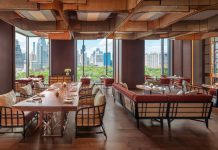
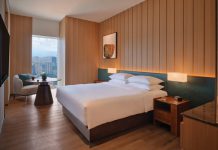
A polished urban retreat designed for business travellers, Hyatt Regency Kuala Lumpur at KL Midtown combines thoughtful design, seamless service, and exceptional facilities.

A versatile powerhouse

Arena @ Expo, a multipurpose concert hall at the Singapore Expo is a flexible space for high octane concerts and lifestyle events.

Amari Bangkok

The five-star property excels in backing its expansive facilities with seamless service and personalised attention, setting the benchmark for luxury in Bangkok.