IMPACT Exhibition and Convention Center in Bangkok has implemented a farm-to-function supply chain and zero-waste model across its 1,000 annual events.
Aligned with ISO 20121 standards, the venue now sources seasonal produce and seafood directly from its own Anant and IMPACT Farms, as well as local vendors, to reduce carbon emissions and support fair trade. Plant-based menus have also been added.
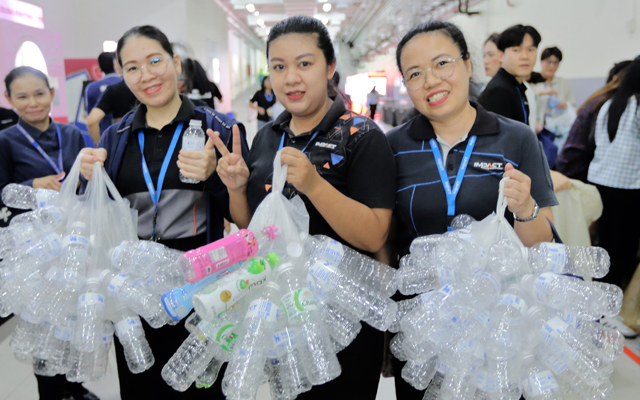
IMPACT’s plastic bottle project
In addition, the centre’s waste management system redistributes edible surplus to local non-profits, and converts organic scraps into fertiliser for on-site green spaces. IMPACT has also replaced all single-use plastics with 100 per cent compostable disposables.
To support the local economy, the venue also hosts capacity-building workshops and provides flexible employment for regional small businesses and vendors.
“Sustainability at IMPACT is not just a policy; it is operational discipline. Through careful planning and responsible procurement, we can operate in harmony with the environment. We empower organisers and event planners to host their events sustainably. Eco-friendly events are not just possible, but preferable,” said CEO of IMPACT Exhibition Management Co., Paul Kanjanapas.
The Meet On Us campaign underscores MHR’s continued investment in business events
Millennium Hotels and Resorts (MHR) has launched a global suite of initiatives headlined by the Meet On Us campaign.
Available for corporate bookings of at least 10 guestrooms made by March 31, 2027, the programme includes 3X bonus MyPoints for MyMillennium BIZ members, high-speed WiFi, and unlimited refreshments.
The Meet On Us campaign underscores MHR’s continued investment in business events
Beyond the boardroom, the group is addressing the rise of slow travel through the Stay Beyond campaign. This initiative targets guests booking three or more consecutive nights with 5,000 bonus MyPoints, an additional 12 per cent discount, and a choice of two perks such as dining credits or welcome drinks.
In addition, for local and international diners, the Dine More. Earn More. campaign introduces a spend-linked rewards system, offering 1,000 bonus points on a US$75 minimum spend and point multipliers for Silver and Prestige loyalty members.
Launched April 1, 2026, these integrated programmes align with a shift toward more intentional travel. Carolyn Wishnowski, vice president of global branding, marketing, and Loyalty, noted that consolidating stays, meetings, and dining under the MyMillennium framework provides guests greater flexibility and value across the group’s portfolio through March 2027.
Rising fuel and freight costs are squeezing margins for smaller event suppliers across Australia and New Zealand
Smaller event suppliers across Australia and New Zealand are bearing the brunt of rising fuel and freight costs, as increases of up to 30 per cent squeeze margins and force difficult pricing decisions across the business events supply chain.
While the Iran conflict is pushing up fuel prices and disrupting longhaul travel from Europe and the Middle East, industry leaders across both countries say conferences are largely proceeding, albeit with tighter margins, delayed decisions and a gradual pivot towards Asia-Pacific markets.
Rising fuel and freight costs are squeezing margins for smaller event suppliers across Australia and New Zealand
Melissa Brown, CEO of Australian Business Events Association (ABEA), said the most immediate impact on Australia’s sector is financial rather than operational.
“It’s not any widespread shutdown or cancellations, it’s mainly cost pressure,” she said. “Fuel costs are going up 25 to 30 per cent, and it has to be covered somewhere.”
These increases are flowing through every layer of event delivery, from freight and catering to waste management and on-site logistics, as well as delegates’ airfares. Larger venues and organisers are trying to hold quoted prices where possible, but many smaller suppliers simply cannot absorb the hikes.
“The industry is made up of a lot of small businesses, so it’s very difficult for them to absorb anything,” Brown said. “People are putting buffers into quotes and increasing the cost of some things where it can be transparent, just so they aren’t cutting their margins too much.”
In response, some organisers are trimming programme elements or adjusting venues to protect overall budgets without overtly raising prices, particularly for incentive and high-touch programmes with multiple moving parts.
Early data from ABEA, based on around 100 responses from its 220 members, points to consistent pressure across the sector. Recurring themes include tighter client budgets, uncertainty around international delegate attendance, rising logistics costs and additional strain on staff who must travel to and work on site.
A similar pattern is emerging across the Tasman. Lisa Hopkins, CEO of Business Events Industry Aotearoa (BEIA), identified three key impacts: travel disruption, rising costs, and growing tension in decisions about whether to cancel, postpone or proceed.
“New Zealand is still seen as one of the most stable, safe and secure destinations in the world, but we are not immune to these global impacts,” she said.
Both markets are particularly sensitive to aviation costs due to their geographic positioning. Hopkins noted that New Zealand relies heavily on fuel imports from Singapore and South Korea, with supply currently stable but pricing the key concern as it flows through to airfares and event budgets. Industry leaders in Australia are observing similar dynamics, with longhaul access and rising transport costs shaping forward planning and competitiveness.
So far, any feared wave of cancellations has not materialised in either country.
Hopkins said New Zealand is seeing some attendee‑level withdrawals, but “no material evidence of events being cancelled outright”. Brown echoed that picture for Australia, describing the prevailing mood as “concern and caution” rather than retreat. Where international delegates have booked via the Middle East, some are rerouting through Asia or North America and absorbing schedule changes or higher fares.
International speakers are also proving a pressure point. Australian organisers report disrupted schedules and increased costs for speakers travelling through affected regions, prompting some cancellations and renegotiations in the short term.
At the same time, the disruption is creating pockets of opportunity. Emma Bowyer, CEO of ICMS Australasia, said international association clients are increasingly shifting their focus towards Asia-Pacific, redirecting both marketing activity and delegate recruitment.
“Short‑term, they are holding off vital decisions like opening registrations or pushing out major marketing while people are uncertain. Medium‑term, it is all about timeline management and when to make the big calls,” she said.
One international client has deferred its registration launch to avoid putting price‑sensitive travellers off, while another has instructed ICMS to pause European activity and “go harder into Asia Pacific” for the next three months.
Across both countries, confidence remains intact but more measured. Organisers are delaying key decisions, building greater flexibility into contracts and allowing longer lead times to respond to uncertainty.
“This is a very different situation to Covid, but what the industry has taken from that period is a much stronger capability in scenario planning and managing uncertainty,” Hopkins said.
However, she warns that if the conflict drags on, the biggest risk to New Zealand’s competitiveness will be confidence and cost perception, with organisers favouring closer‑to‑home destinations and taking longer to commit.
Brown sees Australia’s main vulnerability in persistently high operating costs and reduced longhaul travel confidence, though she also notes the potential for more domestic events and increased appeal to Asia-Pacific markets now avoiding the Middle East.
Both ABEA and BEIA are in regular contact with their respective governments, feeding in real‑time examples and data.
“Our focus is on keeping confidence, having a coordinated response and making sure that response is evidence‑based,” Brown said. “The industry is experienced, and it’s practical and very collaborative. I have confidence that we will ride through it.”
In Sook Lee speaking at the Korea MICE Roadshow 2026; photo by Audrey Ng
As powerhouse regional players and hubs for multinational corporations and global associations, Singapore and Indonesia continue to be crucial markets for South Korea’s business events sector.
On April 16, 2026, Korea Tourism Organization (KTO) held the Korea MICE Roadshow 2026 at Hilton Singapore Orchard, its first dedicated business events outreach in the country since the pandemic.
In Sook Lee speaking at the Korea MICE Roadshow 2026; photo by Audrey Ng
“We are thrilled to reconnect with industry partners in Singapore face-to-face and showcase Korea’s evolving MICE capabilities, from new destinations to enhanced support programmes,” said In Sook Lee, executive director of Korea MICE Bureau, KTO.
She noted that interest in South Korea from incentive groups in Singapore, particularly from multinational corporations and regional headquarters have seen continued growth in recent years.
The roadshow then moved to Jakarta the following day, another important source market.
“Indonesia’s rising travel demand creates strong potential for Korea’s MICE and leisure sectors. By engaging with our valued partners and key decision-makers in Singapore and Indonesia, we aim to transform this interest into meaningful business leads and attract high-value events to Korea,” explained Lee.
While Seoul has consistently ranked as one of the leading business events cities, KTO hopes to diversify events away from its capital to show a “more colourful and multifaceted” side of the country. Seoul’s popularity has also led to challenges around accommodation capacity and large-scale convention infrastructure.
In addition to Seoul, four other regional CVBs – Busan, Jeju, Gyeonggi and Gangwon – were also present, alongside hotel operators, DMCs and convention centres.
Jungsu Kim, MICE & Cruise team manager at Gangwon Tourism Organization, highlighted how the province is an all-year-round destination with something to offer for all seasons whether it is autumn foliage or winter ski resorts. Its proximity to Seoul also makes travelling convenient, while its abundance of nature adds a different dimension to itineraries should planners want a change from city-based itineraries.
Meanwhile, Ramy Gu, manager at Jeju Tourism Organization shared about Jeju’s unique venues, which include cultural and nature sites, that corporate groups can include in their programmes for an authentic experience of the island that cannot be found elsewhere in the country.
Jeju currently has 16 designated unique venues. Each year, new venues are added to the list to expand its offerings. The island also holds four UNESCO accolades, which planners can build into their itineraries.
Busan Tourism Organization shared that its was hoping to get more incentive groups from Singapore to showcase new MICE infrastructure, hotels, and uniquely Busan experiences, adding that its flight connectivity made it convenient for overseas visitors to come.
KTO’s Lee also shared how the destination can offer “more customised and personalised tourism experiences” for corporates.
She highlighted a landmark incentive delegation of over 3,000 North American visitors who sought an authentic immersion into Korean culture. To meet this request, KTO collaborated with the Seoul CVB to orchestrate a bespoke cultural event along the Han River – an exclusive experience not typically available to the public.
KTO is also forging strategic partnerships with iconic Korean brands to offer exclusive, branded experiences for international visitors. For instance, in collaboration with the premier beauty and health retailer Olive Young, KTO is developing specially curated merchandise kits tailored specifically for incentive groups.
To ensure South Korea remains competitive to corporate groups in the current uncertain geopolitical climate, Lee added: “This means working closely with airlines and partners to enhance accessibility and develop attractive support packages. We’re also emphasising tailored incentives and diversified offerings, so organisers can find solutions that fit their budgets and objectives.”
Lodging specialist Ascott is working with real estate owners to develop properties across Vietnam that are equipped for meetings and events, as it sees escalating international corporate traffic into the country on the back of heightened global investments.
Kevin Goh, CEO of Ascott and lodging, Capitaland Investment, noted that the China Plus One strategy, which focuses on diversifying supply chains from China to enhance trade resilience, “has definitely helped to attract strong business travel traffic into Vietnam”.
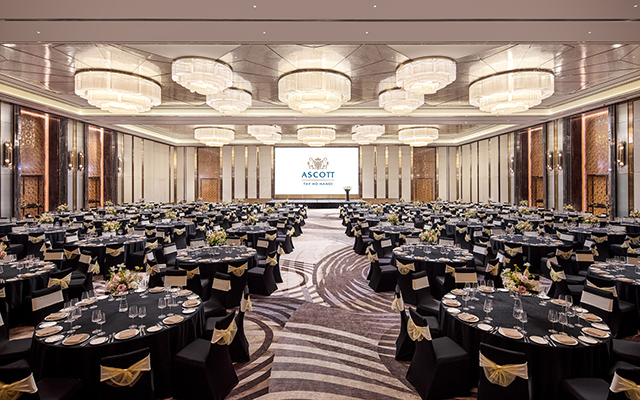
Ascott Tay Ho Hanoi’s Ho Tay Grand Ballroom
“We get a lot of corporate guests from Japan, South Korea and the US who are with companies that are expanding their capabilities in Vietnam,” said Goh.
The most prominent element in Ascott’s strategy to sharpen its positioning in the business events market is the International Convention Centre at Ascott Tay Ho Hanoi. The centre packs in 13 meeting venues and what is said to be Hanoi’s largest pillarless ballroom that can accommodate more than 2,000 guests.
Ascott Tay Ho Hanoi, billed as Ascott’s largest integrated complex worldwide, boasts 389 hotel rooms, 776 serviced apartments, 10 F&B destinations – many of which will be led by Michelin-star chefs, and a mix of recreational facilities.
Ascott Tay Ho Hanoi will open in phases, according to Wong Kar Ling, chief strategy officer and managing director, South-east Asia, Ascott. Some 700 guestrooms will open by the end of 2026, while the rest will be ready by the first half of 2027.
For now, Ascott Tay Ho Hanoi will service meeting and event planners through its International Convention Centre. Overseas event attendees will be accommodated by Ascott’s properties close by – Oakwood Residence Hanoi, Somerset West Point Hanoi, Somerset Grand Hanoi, Somerset Hoa Binh Hanoi.
According to Wong, the centre’s first event was a Singapore National Day celebration in August 2025, and several social events and corporate functions soon followed.
Last week, the International Convention Centre hosted the Ascott Global Conference for almost 400 business partners and team members from all over the world. It also held A Night with the Blues, an exclusive event on April 18 organised by Ascott and Chelsea Football Club for more than 300 Ascott Star Rewards programme members and football fans.
Many of Ascott’s operating and pipeline properties in Vietnam are geared up for business events. Oakwood Ha Long, which opened in 2024, offers a ballroom with a spacious foyer for 250-pax banquets along with flexible dining venues, and a private section of the beach for creative outdoor functions. Citadines Marina Ha Long, which also opened in 2024, is armed with two stylish meeting rooms.
In addition, Lasong Hotel & Villas Sam Son by The Unlimited Collection will fully open this year and bring a ballroom to market. Pipeline openings, Harris Cam Ranh (2026), Citadines Selavia Phu Quoc (2027), and Somerset Nha Trang (2028) will each offer a selection of event venues.
David Cumming, regional general manager for Vietnam, Cambodia and Myanmar, told TTGmice that Ascott’s developments in Vietnam will not only look at destinations popular for leisure travel, but also those with business events potential.
Cumming said: “Many big insurance companies out of Malaysia and Singapore are always in search of alternative destinations for their events. Vietnam is attractive in that sense, as it is continuously opening up new and additional flights into destinations like Hanoi, Phu Quoc, Ho Chi Minh City and more, which positively impacts business arrivals.”
He added that the “rest of South-east Asia presents great potential to grow arrivals into Vietnam”, and it is important that the venue supply continues to expand to support demand.
Vietnam’s APEC 2027 chairmanship is also expected to lift the country’s business events fortunes, opined Cumming.
He shared that the owner of Citadines Selavia Phu Quoc is committed to opening the hotel on schedule in June 2027, as arrangements have been made to welcome an APEC delegation when the APEC Economic Leaders’ Week arrives in Phu Quoc.
Discussions at other properties are also underway to support meetings leading up to and during the APEC meetings.
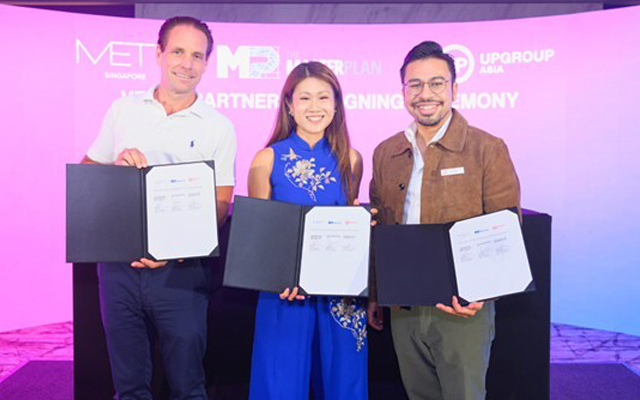
METT Singapore’s Philipp Knuepfer; The Masterplan’s Jasmine Ho; and UPGroup Asia’s Adam Piperdy
Mett Singapore has entered a strategic partnership with UPGroup Asia and The MasterPlan to enhance its positioning in the business events landscape.
The agreement, signed on April 17 during the Mettup 2026 industry networking event, integrates the hotel’s luxury venue spaces with specialised AVL (audio, visual, and lighting) production and B2B programming expertise.
Mett Singapore’s Philipp Knuepfer; The Masterplan’s Jasmine Ho; and UPGroup Asia’s Adam Piperdy
Under the arrangement, UPGroup Asia becomes the preferred AVL partner for the hotel. The firm will provide integrated AVL and livestream solutions while activating its Venue Management Programme to streamline on-site operations. Simultaneously, The MasterPlan takes on the role of preferred B2B event agency and programme partner, offering expertise in C-level meetings, product launches, and conference design.
The collaboration is designed to provide a plug-and-play solution for corporate planners.
Operated by Sunset Hospitality Group, Mett Singapore features a 950m2 Grand Ballroom and a 360m2 Junior Ballroom within its 84-room boutique property.
Just 10 minutes from Phuket International Airport on the serene northern coast, this 178-key, Bill Bensley-designed resort offers delegates a quiet, tropical paradise steeped in Phuket’s tin-mining heritage
The newly-opened Ritz-Carlton, Bangkok anchors the One Bangkok development with cosmopolitan elegance. Featuring the city's largest ballroom and a spectacular new penthouse suite, it delivers exceptional hardware and deeply authentic, soulful service for business and leisure travellers alike
Behind the imposing, Brutalist concrete that defines Zurich’s Oerlikon district lies a surprising secret. While its exterior honours the neighbourhood’s industrial roots, stepping inside Mama Shelter reveals a vibrant, neon-soaked world that is a far cry from its rigid shell





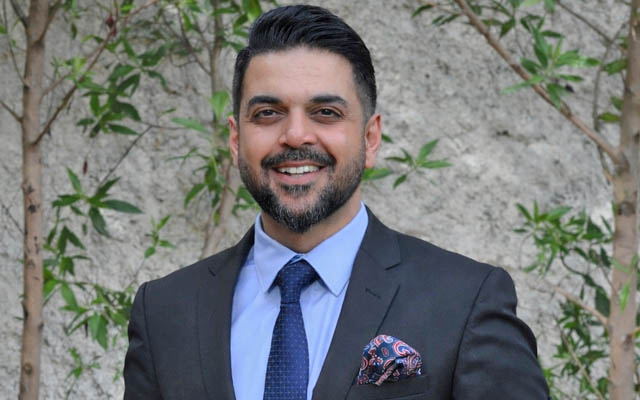
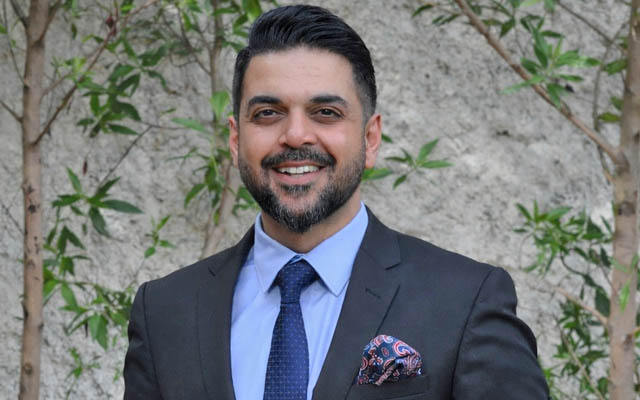 In his new role, he will lead sales strategy, with a focus on client relationships, market expansion and performance.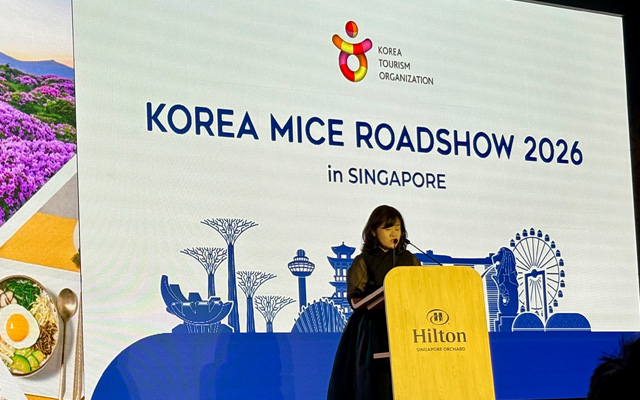
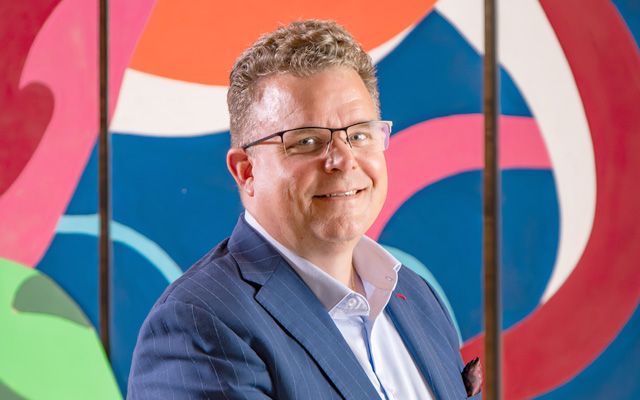
 In his new role, he will oversee hotel operations and positioning, with a focus on guest experience and team performance.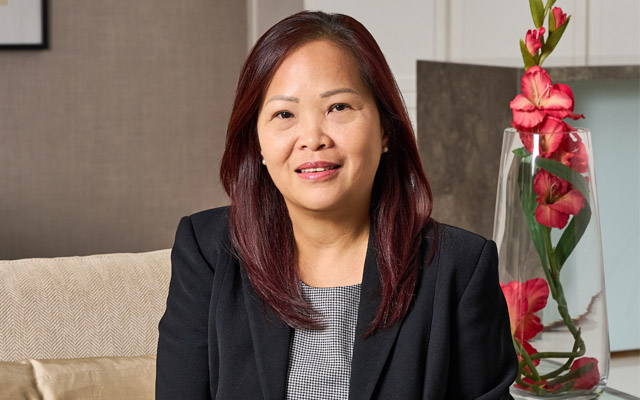
 In her new role, she will oversee sales, marketing and communications, with a focus on revenue performance and brand positioning.
 In his new role, he will oversee hotel operations, with a focus on guest experience and team performance.