



It is still a wait-and-see for Boracay’s tourism and events industry, as arrivals from China, once the island’s biggest market, remain scant and uncertain.
While the Philippine government rolled out e-visas for Chinese nationals mid-2023 amid much hype, the policy was soon suspended indefinitely.
“No news on when they will put back the e-visa for the Chinese,” said Mary Ann Ong, general manager inbound, Bridges Travel, as she confirmed “still no sign of inbound traffic from China” to Boracay.
Other reasons Ong cited for the scant Chinese incentive trips and business events are that “domestic flights plus hotel prices are higher compared to our neighbouring countries”.
Industry sources also suspect geopolitics at play, with government tensions over territorial issues and illegal, overstaying Chinese nationals employed by online gaming operators in the Philippines challenging genuine Chinese tourists and event attendees wanting to enter the Philippines.
Megaworld Hotels and Resorts has partnered with global sales agents for a presence in China while waiting for the Chinese to return.
“The entire market has been waiting for Chinese travellers. The MICE preparedness is increasing, there are a number of MICE venues, a lot of us can host big groups. The deliberate intention to attract MICE business is there. Having had some pause for some time, we are all very eager to do more,” said managing director Cleofe Albiso.
“We need the volume. It’s good we have the domestic market filling in the days, but we would love to go back to the level of volume of occupancy that we used to have,” added Albiso, who has Savoy and Belmont Hotels, and Boracay Newcoast Convention Center under her wing.
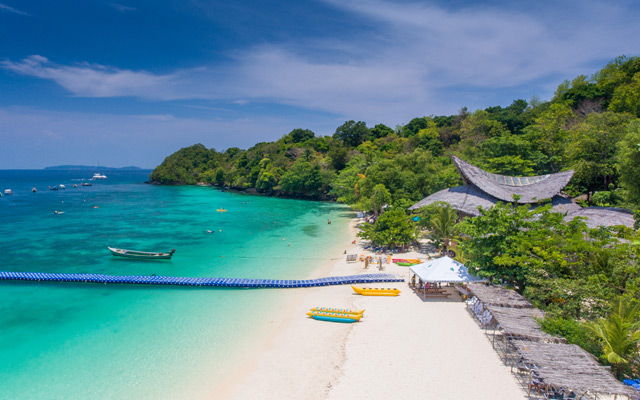
Certain activities banned in Boracay as part of its rehabilitation are being restored to attract foreign guests. The municipal government of Malay recently permitted beach parties and is likely to again allow temporary structures like umbrellas and chairs on the beach.
Lea Wong, director of sales and marketing, The Muse Hotel Boracay, suggested that the NTO should tap other MICE markets such as the Middle East and Australia, which have shown promise in the past.
The NTO should give more international marketing focus not just on Cebu, Bohol and other destinations, but also Boracay, once the crown jewel of Philippine tourism, Wong added.
C9 Hotelworks managing director Bill Barnett said the Philippine government needed initiatives to make tourism a priority, including a visa liberalisation policy.
Barnett measured the extent of “destination fatigue” for Boracay not just for the Chinese, but for other foreign travellers as well. The foreign share of tourists has dropped to 20 per cent, but that is plugged by domestic tourism, compared with 50/50 foreign/Filipino market split going back to 2018 and 2019.
The uncertainty is also worrying industry players across the Philippines, causing the Tourism Promotions Board to skip this year’s IT&CM China. “We’d like to gauge first how the Chinese incentive travel outbound market is performing, how it is being affected by the current economic slump, before we go back to the Chinese tradeshow,” a tourism official explained.



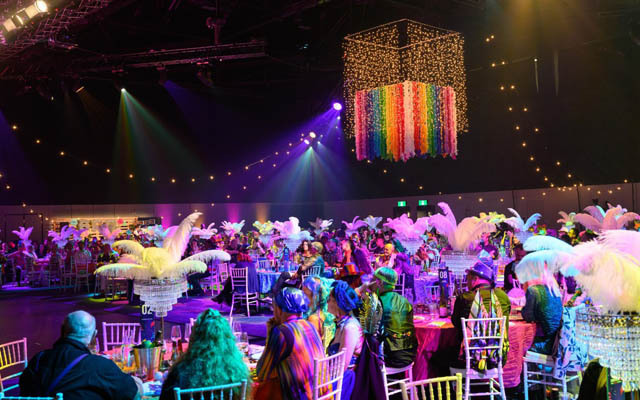



 Extra benefits are reserved for guests on longer stays. A two-night stay attracts a 12 per cent off room rate, while four nights and more will earn the guest a 20 per cent discount.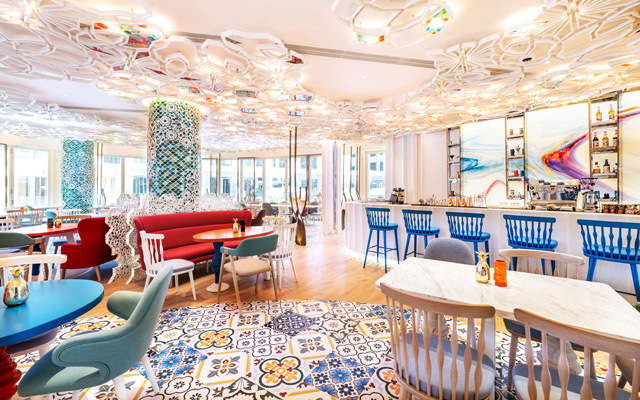
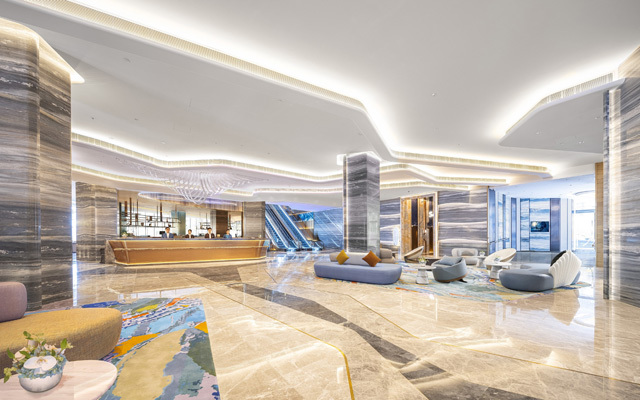
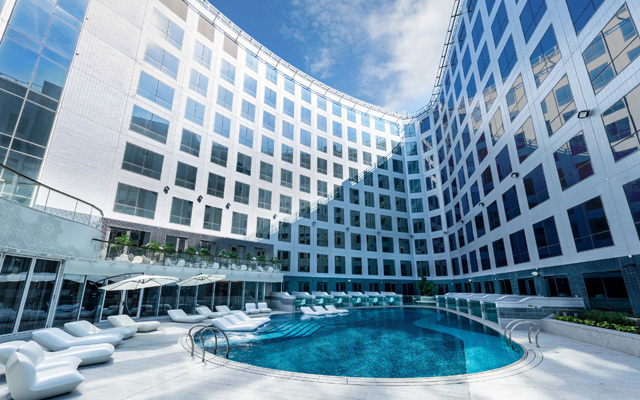
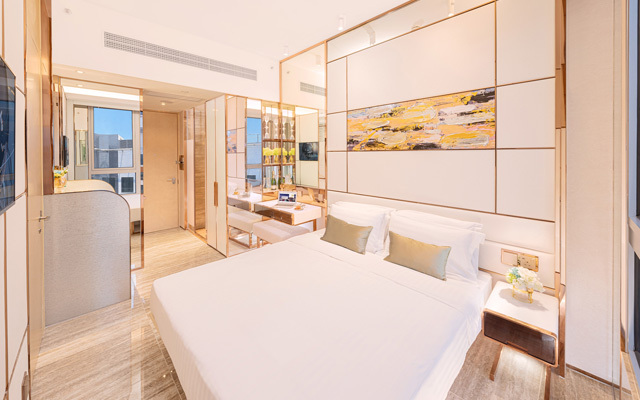







News of Korean Air’s daily service to Macau commencing July 1 have spurred hopes among Macau’s events industry players of greater incentive travel traffic.
While recognising that international access to Macau is already well covered by air, land and sea, MCI Hong Kong & Macau, general manager, Olinto Oliveira, said direct flights to Macau are still the best for snagging corporate movements.
Currently, most international travellers to Macau come via Hong Kong, and proceed onwards overland or by ferry.
Oliveira added: “While this is very convenient now, with multiple options from the bridge to the ferry, it still adds to the travel time (and causes) mental and time fatigue. The more direct flights we have coming into the destination the better.”
Oliveira is also hopeful that with a national airline like Korean Air operating the service, Macau’s destination appeal would get a stronger boost.
Sands China, vice president of sales, Stephanie Tanpure, told TTGmice: “The introduction of more international flights makes Macau more accessible to the South Korean market, which is a key target for Sands Resorts Macao. Hosting events like our Sands Lifestyle Roadshow, The Fabric of Macao, in Seoul next week further highlights our commitment to engaging South Korean media and business partners, enhancing interest, and boosting business and leisure from South Korea to Macau”.
Also optimistic is Pamela Chan, managing director and head of group communications with Taipa Village, who shared that the heritage destination has always been popular with South Koreans and the new air access would bring even more South Koreans, especially those attending incentive travel events, to Macau.
According to Macau’s Statistics and Census Service, South Korea accounted for 129,519 arrivals in the first three months of 2024. The figure was 10,725 for the same period in 2023.
Korean Air’s Incheon-Macau service will depart from Incheon International Airport at 21.15 and arrive at Macau International Airport at 23.55. The return flight will depart from Macau International Airport at 01.10 the next day and arrive at Incheon International Airport at 06.00. The flight time is approximately 3 hours and 40 minutes.