


Taiwan impresses during International MICE Round Table Summit

A massive undertaking
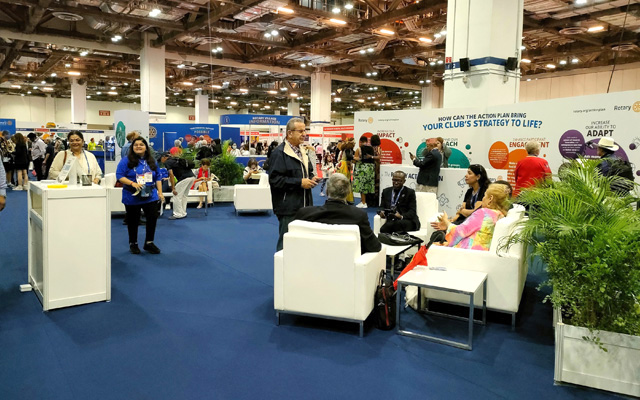
Event brief
Rotary holds its international convention in a different city every year, where Singapore won the bid for the 2024 event in 2017. Post-pandemic, Rotary International and Rotary Club of Singapore, with support from the Singapore Tourism Board, and many partners, ensured the event’s success.
“Rotary conventions are about bringing people together to create meaningful connections and to inspire each other to help create a more healthy, hopeful, and peaceful world,” explained Gordon McInally, Rotary International president.
At the annual convention, members connect and learn from one another and a range of experts on how to take action to address pressing issues in their communities.
The size and scale of the event meant it occupied the entire Sands Expo and Convention Centre, from the six basement exhibition halls to the Grand Ballroom on Level 5.
Event highlights
The convention brought together 14,660 Rotary members and participants from 151 countries, the geographical diversity reflective of Rotary’s international network, often called a “mini-United Nations”. This was evident at the opening ceremony, where many attendees proudly donned national dresses and ethnic costumes.
About 97 per cent of attendees were from overseas, with the largest delegations coming from Japan, the US and Taiwan.
The programme featured four general sessions and 80 breakout sessions spread across 14 meeting rooms. Meanwhile, the House of Friendship exhibition occupied three halls, displaying causes supported by Rotary such as polio eradication, mental health, clean water and various United Nations Sustainable Development Goals.
Rotary clubs and community partners showcased their projects and achievements, while some sought financial and social media support. The Peace Park drew many visitors to its talks and interactive exhibits, as did the 360-degree video dome featuring Rotary and UNICEF projects.
Web-based simultaneous interpretation enabled attendees to follow sessions in more than seven different languages through their smartphones.
Entertainment included international performers, dine-arounds and cultural experiences organised by the Singapore Host Organisation Committee. One night of the GastroBeats Festival was also specially reserved for Rotary delegates.
Beyond the main event, foreign participants could take pre- and post-tours to see more of Singapore and the region.
“A popular local tour choice was the ethnic quarters and visiting the Urban Redevelopment Authority City Gallery to better understand how our city-state was developed. In South-east Asia, Vietnam, Thailand and Cambodia were popular (destinations),” said Jimmy Ooi, director of ISE Travel, one of the appointed tour operators.
Challenges
A major concern was logistics, given the sheer numbers of the group. To accommodate attendees safely and comfortably at the opening session, Rotary split them into two groups, with half attending the morning session and the others in the afternoon.
An indoor convention venue lacks an arena’s many entrances. Organisers and staff deftly streamed delegates up escalators from the ground floor through Level 4 meeting rooms for security checks before heading another level up to the Grand Ballroom.
More than 600 Rotary Singapore volunteers were deployed at Changi Airport, Bayfront MRT station, hotels and throughout the venue to ensure the smooth flow of people, prevent overcrowding, and provide guidance or information.
Unlike other mega events, there was no official airline. However, with Singapore being an international hub, many African and European attendees were able to fly in via the Middle East.
To avoid traffic congestion and pollution, Rotary distributed EZLink cards to over 13,000 participants to encourage the use of public transport. Coaches were supplied on only four routes, to Sentosa and hotel clusters away from train stations.
Hotel accommodation was also expected to be costly and tight. More than 17,400 room nights were booked through the Maritz housing bureau, but some delegations booked directly with hotels or through wholesalers and OTAs.
Working with Sands, Rotary minimised the use of printed materials through digital signage. Water dispensers were provided in high-traffic areas, thus eliminating plastic bottles. Sands also reduced food wastage.
“Singapore met our convention host criteria in terms of sustainability requirements. Sands Expo met and surpassed our environment focus for the convention,” said Jennifer Scott, chair of the 2024 International Convention Committee.
Event Rotary International Convention 2024
Organiser Rotary International
Venue Sands Expo and Convention Centre
Date May 25-29, 2024
Attendance 14,660 participants from 151 countries
Business Events Wellington strengthens Australian reach with new recruit

Business Events Wellington has appointed Leanne Douglass to the role of business development manager – Australia.
Douglass began her career in the retail travel sector, where she honed her skills in sales and customer service leading teams at Flight Centre Travel Group, before moving onto corporate travel account management in Sydney and Melbourne.
More recently, she worked in Visitor Economy Development for the Tamworth Regional Council. In 2022, she joined the City of Newcastle as business event specialist where she developed strategic industry engagement plans, represented the city at trade shows, and secured business events that aligned with the city’s vision.
The Ritz-Carlton, Bali appoints new GM
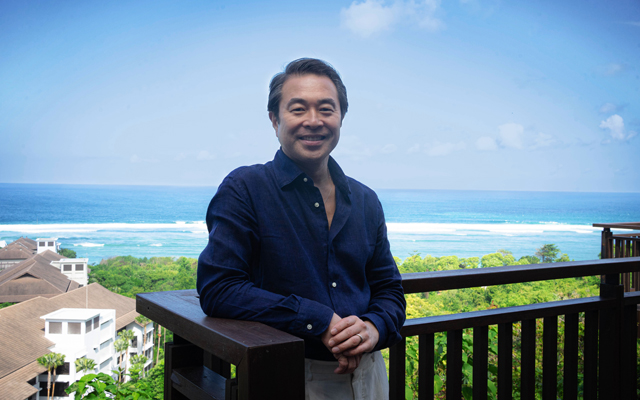
The Ritz-Carlton, Bali has named Go Kondo as its new general manager.
With over 25 years of extensive experience in luxury hospitality spanning across Asia-Pacific, the Middle East and Europe, he brings a wealth of knowledge and global experience to lead the team in his new role at The Ritz-Carlton, Bali.
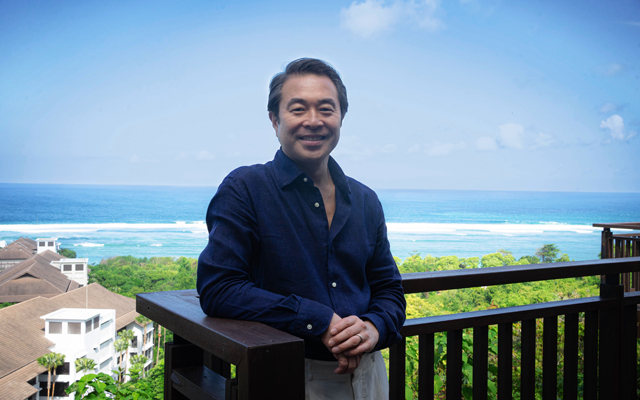 Kondo previously served as the general manager of W Osaka, and has also chaired the Marriott Business Council for Japan and Guam.
Philipp Knuepfer joins Sunset Hotels & Resorts as COO
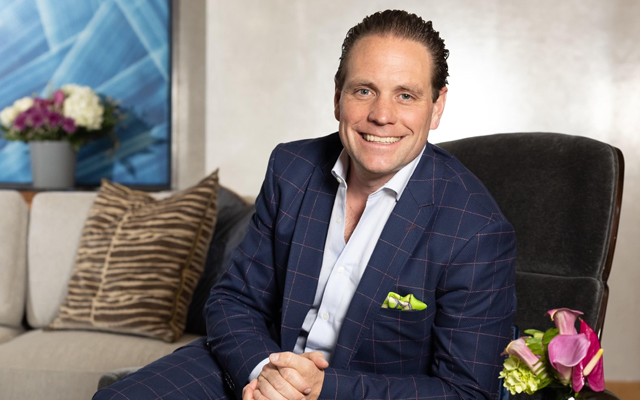
Sunset Hospitality Group (SHG) has appointed Philipp Knuepfer as the new chief operating officer of Sunset Hotels & Resorts, who will be based in Singapore.
He has over 20 years of international experience in the luxury hospitality sector and will support the growth of Sunset Hotels & Resorts, while overseeing global operations.
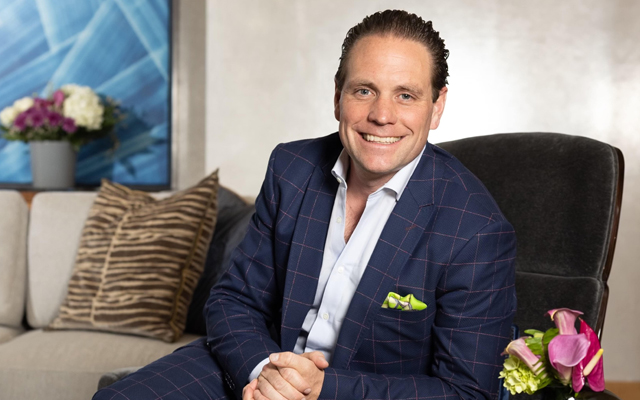 Knuepfer joins SHG from Mandarin Oriental Hotel Group, where he served as area vice president and general manager.
PHOA hosts inaugural tourism and hotel investment summit
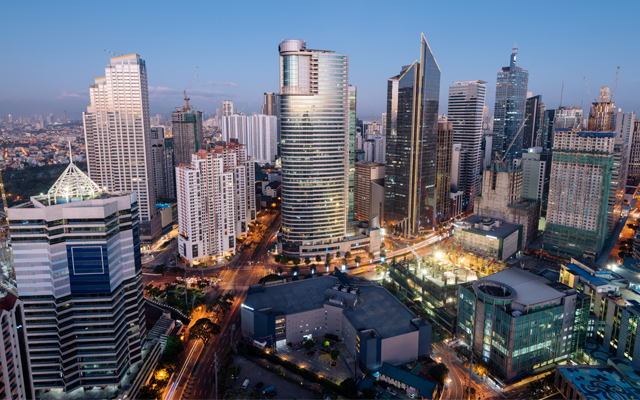
The Philippine Hotel Owners Association (PHOA) will hold its inaugural Philippine Tourism and Hotel Investment Summit on June 21, 2024, at The Ballroom in New World Makati Hotel.
This first-of-its-kind event aims to boost tourism and hotel investments while promoting sustainable practices in the Philippines. Expected to attract around 250 delegates, the summit features a keynote address by Department of Tourism secretary Christina Garcia Frasco, and panel discussions on industry trends and investment opportunities.
Alongside the conference, an exhibition will showcase products and services from 30 companies to help improve hospitality operations, including hotel equipment suppliers, energy efficiency solutions providers, spa and wellness businesses, and digital technology firms.
Co-presenting the Summit is the Tourism Infrastructure and Enterprise Zone Authority, the government agency under the DoT mandated to develop, promote and supervise tourism projects in the Philippines. Other sponsors of the Summit include Philippine Amusement and Gaming Corporation, and Tourism Promotions Board.
Meanwhile, PHOA represents the collective voice of hotel owners across the country, and currently boasts 217 member hotels with a total inventory of more than 40,000 rooms.
Duty of care, compliance, cost are now top travel priorities: BCD Travel

Global travel management company BCD Travel’s April 2024 survey of more than 200 travel buyers has revealed a shift in corporate travel priorities, where duty of care, policy compliance, and cost control now reign supreme.
All three ranked highly in 2023 and have since gained importance, however, the ratings of other priorities went slightly down. Meanwhile, traveller satisfaction dropped in importance as one of the top priorities from 2021 to 2023 to fourth in 2024. Similarly, payment and expense were assessed lower than a year ago.
Although most travel buyers reported that their company has a dedicated travel policy, there are differences in how policies are defined.
Seven in 10 say their travel policy aligns with their company goals and is supported by leadership. Six in 10 define it as cost-focused and three in 10 describe it as traveller-centric. Only 15 per cent of travel buyers reported that the policy is based on KPIs and traveller feedback.
What’s covered under travel policies?
A travel policy is a company’s guide for managing business travel. It helps control travel costs and outlines the guidelines employees must follow when planning trips for the company. Topics covered by travel policies range from trip purpose to traveller well-being to bleisure travel.
According to the survey, the two most commonly covered themes include trip purpose (e.g. client meetings vs. internal meetings) and pre-trip approvals. While sustainability is growing in importance in the industry, less than half said sustainable travel is included in their policy. This is in line with a BCD survey from July 2023 that found only 45 per cent of companies have targets for sustainable business travel. Bleisure travel, remote work, and diversity, equity and inclusion (DE&I) are covered/included least often.
Many companies have dedicated travel policies for senior employees, specific business units, and frequent travellers. Only 12 per cent have written policies for travellers with accessibility needs or neurodivergent travellers. Less than one in 10 have policies addressing employees with special needs (e.g. nursing mothers), LGBTQ+ travellers, gender, religion, or age.
Challenges
The biggest challenge for buyers when updating the policy is educating travellers. This is followed by managing policy exceptions, managing policy across different regions, and controlling policy compliance.
“Traveling for work can be stressful. You want your employees to be able to access all the resources they need to make the process as simple and efficient as possible – and that’s why regular policy communication is so important,” said Teri Miller, BCD’s executive vice president of the global client team. “Technology has streamlined traveller communications, creating ways for companies to easily provide relevant, timely information that can keep travellers safe.”
Policy communication & enforcement
According to respondents, the most common way to communicate travel policy updates is through the company intranet, followed by direct mailing. A third share updates in the online booking tool (OBT) or during employee training. BCD suggests introducing the travel policy during employee onboarding as it’s mutually beneficial. It builds transparency, helps new hires feel informed, and fosters a culture of preparedness and responsibility.
While more than half of travel buyers view their travel policy as very or extremely effective, only a third are as confident in their policy communication. Almost half rate their policy communication as moderately effective, reflecting the common challenge of educating travellers about the policy.
The most frequently used ways of enforcing travel policies include highlighting policy-compliant travel options in the OBT; performing an audit of travel expenses; and regularly communicating travel policy changes via multiple channels.
“We know from experience that one of the most effective ways to communicate with travellers and influence their behaviour is to put relevant messaging directly in the booking path. It not only results in increased compliance, but also leads to a more personalised and dynamic shopping experience for the traveller,” said Miller.
Cost-control policies
More than half of travel buyers report having reduced their travel budget in the past few years. At the same time, almost all introduced certain cost-control measures. The most popular measures are directed at reducing travel volume: encouraging online meetings, decreasing non-essential travel, encouraging fewer but longer trips, and limiting the number of employees on one trip.
Other measures include using tools to lower the cost of a trip (e.g. price assurance), strict expense control, booking lower classes of air travel, and encouraging the use of public transportation instead of taxis.
Travel policy updates
Companies should update their travel policies regularly to address the changing needs of travellers and the industry. Most respondents updated their travel policy within the past year.
Trends which shape policy include communication with travellers before, during and after trips; and the usage of traveller engagement to create awareness, influence behaviour and increase satisfaction.
Almost two-thirds of travel buyers expect sustainability (along with safety and security) to have the strongest impact on corporate travel policies in the upcoming years. Other trends of influence are technology, NDC, traveller wellbeing and new traveller needs. Meanwhile, DE&I is at the bottom of the list along with bleisure. Both are relevant but are not expected to considerably change travel policies.
Although traveller wellbeing has dropped slightly in importance, companies should be aware that business travel can be exhausting and influence travellers’ wellbeing and happiness. In today’s struggle for talent, accommodating travellers’ wellbeing can have a positive impact on employee retention.
To view the travel buyer survey report, click here.
MyCEB teams up with Centexs to advance Malaysia’s MICE industry
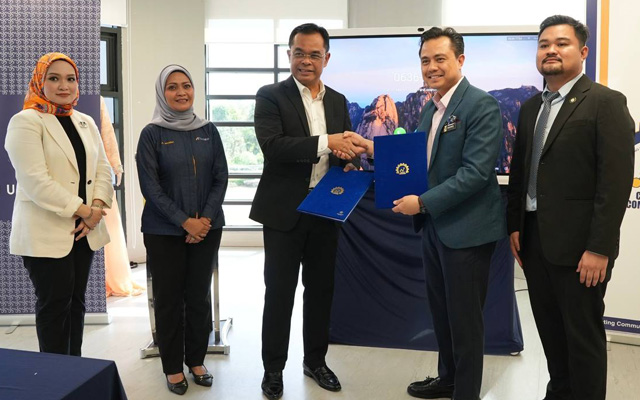
The Malaysia Convention & Exhibition Bureau (MyCEB) has signed a Memorandum of Cooperation with Centexs Commercial Services (CCS), a Sarawak government agency, to elevate the country’s business events sector.
This collaboration aims to leverage Malaysia’s cultural heritage and entrepreneurial spirit for sustainable growth. MyCEB will utilise its network to promote products from Sarawak’s local businesses and enhance the skills of Sarawak’s youth.
The partnership involves co-developing training programmes, sharing market insights, and exploring innovative event experiences. MyCEB CEO Azman Haji Tambi Chik expressed his excitement about the collaboration’s potential to unlock new opportunities and showcase Malaysia’s talent on the global stage.
Mohamad Shahren Mohamad Yusri, general manager of CCS, echoed this sentiment, highlighting the opportunity to empower local entrepreneurs and showcase Malaysia’s culture. This initiative aligns with MyCEB’s mission to position Malaysia as a dynamic hub for business events.
During the same visit to Sarawak, MyCEB’s additional activities included industry dinners with local stakeholders, and participation in the Asia Pacific Green Hydrogen 2024 conference to highlight Malaysia’s sustainability efforts.
Hilton Singapore Orchard tackles food waste with AI tool
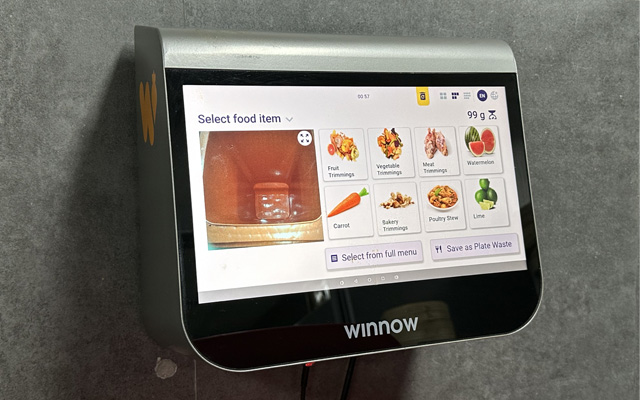
To combat food wastage from hotel buffets and events, Hilton Singapore Orchard has deployed a Winnow System, an artificial intelligence (AI) tool that uses a motion camera to accurately measure and track food waste in real-time.
Winnow collects detailed data on the types and quantities of discarded food, providing the hotel’s kitchens with actionable insights.
“By analysing this data, we can identify patterns and pinpoint areas where waste occurs, allowing us to optimise food preparation during kitchen production and in return, reduce costs and food waste,” Rupert Hallam, general manager, Hilton Singapore Orchard, shared with TTGmice.
For instance, Estate, the hotel’s all-day dining buffet, uses Winnow’s insights to adjust quantities of food prepared, ensuring it meets guests’ demands without overproducing. Similarly, the culinary team can plan menus and portions more precisely for events and banquets, reducing food surplus.
Hallam added: “Our goal is to reduce overproduction and food waste by 30 per cent by the end of the year. Aside from the Winnow system, we are focusing on our kitchens’ production – particularly the cold kitchen – which produces a larger amount of fruit and vegetable trimmings. These trimmings and peels are often repurposed into stocks, sauces, or garnishes, ensuring that we utilise every part of the ingredient.”
Hilton Singapore Orchard also boasts an Eco-Wiz Digester on property, where food waste is decomposed and filtered into non-potable water which can be safely disposed of in the sewers, while maintaining optimal levels of aeration, moisture and temperature.
Other sustainability measures the property has in place include in-room motion sensors to conserve electricity, an onsite water filtration plant and bottling system, and a commitment to source local produce where possible.
Event planners can be assured that events held at the property will be sustainable, thanks to its Meet with Purpose programme, which aims to create meaningful change for both meeting attendees and communities by integrating social and environmental considerations into events.
Hallam added: “Hilton Singapore Orchard has also implemented a Meeting Impact Calculator, with the option of purchasing carbon offsets. Based on 2023’s data from the Meeting Impact Calculator, a total of 54.2 tonnes of carbon dioxide emissions were offset at no cost to the events.”
Hilton Singapore Orchard is currently in talks with Farmd, an indoor vertical farm in Singapore that carries over 40 seed varieties from around the world, which can be grown and harvested locally in a sustainable and controlled environment while maintaining flavours and nutritional value.
“We are aiming to introduce this by 3Q2024,” said Hallam.
The property itself has been certified with “Green Mark Gold” by the Building and Construction Authority in Singapore since its opening in 2022. This year, Hilton Singapore Orchard is working towards achieving “Green Mark Platinum” – an even higher accolade, as well as being certified by the Global Sustainable Tourism Council.
Hilton Singapore Orchard is the first and largest Hilton property in Singapore to partner with Winnow. The hotel group plans to implement Winnow’s AI technology across 20 more properties in South-east Asia this year. Properties that already have Winnow installed include Conrad Bali, Doubletree by Hilton Shah Alam i-City, and Hilton Kuala Lumpur.
Evexus takes flight in APAC on July 4
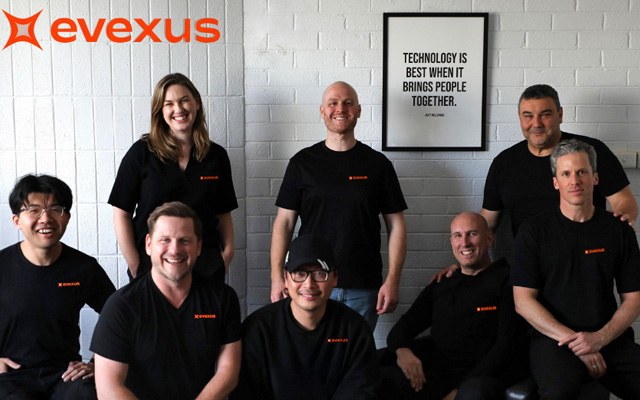
Evexus, an event management software solution from Australia, will launch in Asia-Pacific on July 4, 2024.
Designed by industry experts, evexus leverages AI, sequential registration, and pay-first billing to address the needs of modern event management.
Supported by venture capital firms AirTree Ventures and Skip Capital, evexus was initially developed in 2018 as an internal tool for registration, live streaming, and video-on-demand hosting. Today, evexus has grown into a comprehensive solution that aims to streamline the process and reduce risks.
Evexus offers a central events hub for managing diverse event types, from in-person conferences to webinars, enhancing reach and personalisation. It features an innovative sequential registration system with cloning and drag-and-drop form builders, saving significant time for event planners.
Key features include intuitive registration, branded event websites, real-time programme management, a mobile app, and QR code-based check-in. Attendees benefit from digital posters, webinars, automated CPD tracking, and more.
The platform also supports live translation, e-poster terminals, AI-assisted builds, and gamification, enhancing engagement and interaction. Additionally, it facilitates sponsor promotion, on-demand content, data insights, and real-time live streaming.
Reviews
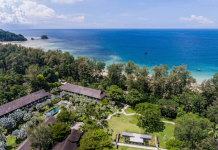
The Slate Phuket
Just 10 minutes from Phuket International Airport on the serene northern coast, this 178-key, Bill Bensley-designed resort offers delegates a quiet, tropical paradise steeped in Phuket’s tin-mining heritage

The Ritz-Carlton, Bangkok
The newly-opened Ritz-Carlton, Bangkok anchors the One Bangkok development with cosmopolitan elegance. Featuring the city's largest ballroom and a spectacular new penthouse suite, it delivers exceptional hardware and deeply authentic, soulful service for business and leisure travellers alike

Mama Shelter Zurich
Behind the imposing, Brutalist concrete that defines Zurich’s Oerlikon district lies a surprising secret. While its exterior honours the neighbourhood’s industrial roots, stepping inside Mama Shelter reveals a vibrant, neon-soaked world that is a far cry from its rigid shell


Taiwan’s International Trade Administration hosted an International MICE Round Table Summit from June 3-5, 2024, to promote the business events industry.
The event saw top representatives from global business events associations, and convention and visitors bureaus from various countries. The same delegates were also invited to Taiwan during the 2024 Computex Taipei to experience Taiwan’s business events environment and unique local culture.
Guests included Ori Lahav, former president of the International Association of Professional Congress Organizers; David Harrison, board member of the Global Association of the Exhibition Industry; Larry Mullin, chairman of the US Convention & Visitors Bureau, and Matt Pearce, vice-president of the Australian Business Events Association.
At the Round Table Concluding Session of the summit, international professionals discussed their insights on sustainability, technology and AI, and destination marketing with Taiwanese business events stakeholders.
Edward Liu, honorary chairman of the Asian Federation of Exhibition and Convention Associations (AFECA), highlighted that Taiwan has been a leader in promoting sustainable business events activities in South-east Asia for over a decade, achieving significant results and serving as a model to follow.
Taiwan’s application of artificial intelligence in event tracking, digital registration, and crowd control received high praise from international professionals. Many also expressed their intention to recommend Taiwan as a top business events destination.