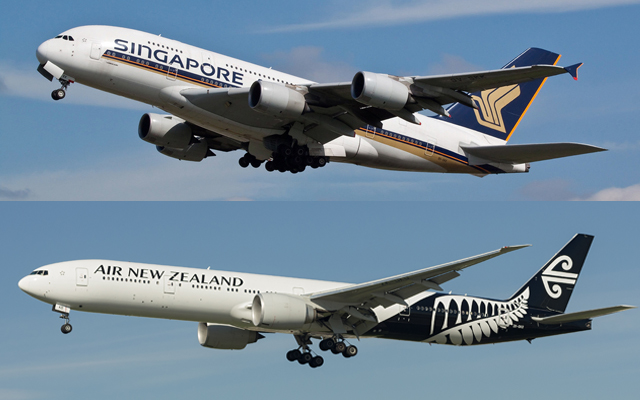
Singapore Airlines (SIA) and Air New Zealand will be reauthorising their joint venture alliance for another five years until March 2029.
The extension, subject to regulatory approval, will see both airlines operate a total of four daily seasonal services between Auckland and Singapore from October 27, 2024, to March 29, 2025.
Air New Zealand and Singapore Airlines have been strong partners for close to a decade
Over the course of the 10-year partnership, Air New Zealand and SIA have grown the seat capacity between New Zealand and Singapore by nearly 50 per cent. This includes the addition of up to three daily services between Auckland and Singapore, and a daily service between Christchurch and Singapore.
With the fourth daily seasonal service between Auckland and Singapore, the carriers will jointly operate 38 weekly return services between New Zealand and Singapore during peak months, translating to more than 893,000 seats available every year.
Air New Zealand chief transformation and alliances officer, Mike Williams, commented: “The partnership gives New Zealanders access to the world on Singapore Airlines’ vast network beyond the Singapore gateway into destinations in Europe, India and South-east Asia. With the partnership extended for a further five years, together with Singapore Airlines, we can continue to stimulate trade and tourism, and provide customers with greater choice and connectivity.”
Dai Haoyu, acting senior vice president marketing planning, SIA, said: “The extension of our alliance allows us to continue offering our customers even more options between Singapore and New Zealand, as well as to domestic destinations with New Zealand and around the world.”
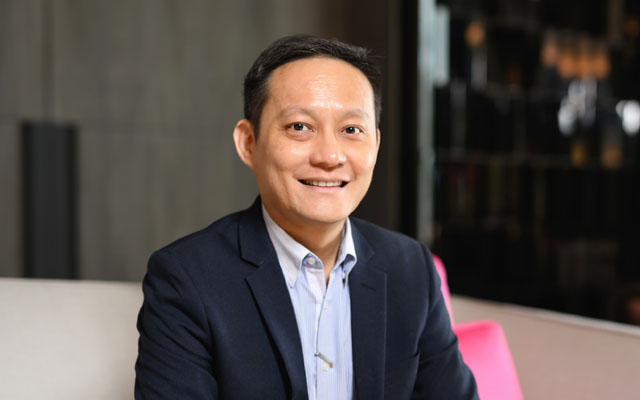
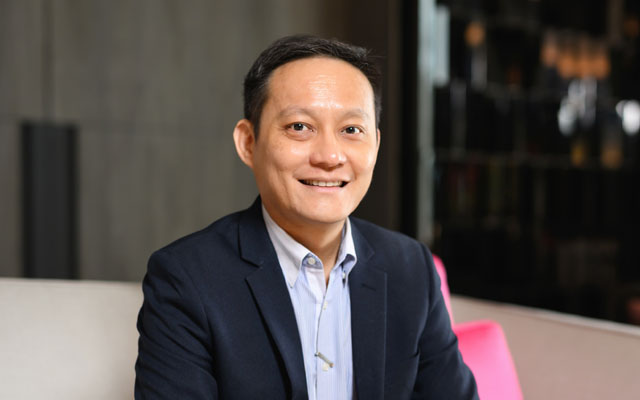
Ken Yong has been named general manager of Dao by Dorsett AMTD Singapore.
In his new role, Yong aims to revolutionise the hotel’s operations and guest experience through innovative technology integration while maintaining a high level of personalised service.
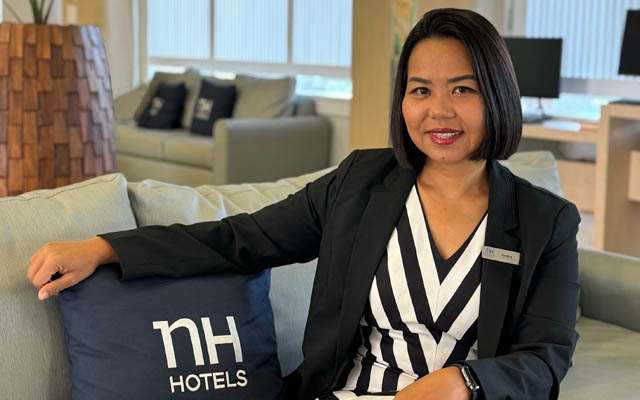
Minor Hotels has appointed Ammarawadee Cheowit as the general manager of NH Boat Lagoon Phuket Resort, the first NH Hotel brand in Thailand and Asia.
Previously general manager at OZO Chaweng Samui, she brings over 13 years of hotel management experience to her new role, having effectively led teams in various hotel types, including boutique hotels and luxury properties, across Thailand’s prime tourist destinations such as Koh Samui, Koh Phangan, Phuket, and Hua Hin.
International Convention Centre Sydney (ICC Sydney) has outlined six trends shaping the future of events and conventions, as well as found Gen Z to be highly engaged and represented at events, in its latest report.
Jointly released by McCrindle and ICC Sydney, the new report, ‘RESPECT: Shaping Events for Success,’ reveals significant insights into Australian event attendance and preferences. emphasising a strong demand for socially impactful, sustainable, and inclusive events.
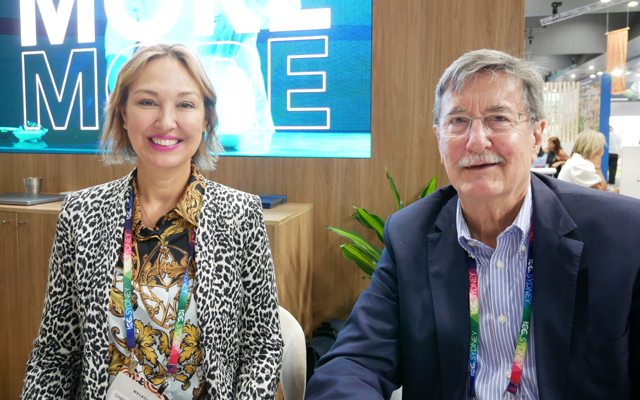
From left: ICC Sydney’s Samantha Glass and Geoff Donaghy speaking to TTGmice at AIME. Photo: Adelaine Ng
The six key trends were identified as curated and immersive event experiences, socially impactful events, gathering in sustainable ways, prioritising health and wellbeing, and a seamless integration of technology.
The study of more than 1,000 respondents showed 69 per cent of Australians engaged with local entertainment events last year, while 46 per cent participated in business events, showcasing a robust involvement across all generations.
Samantha Glass, ICC Sydney’s director of corporate affairs, communication, and sustainability, and the driving force behind the project, noted that Gen Z ranked highest for valuing accessible and inclusive spaces, sustainable practices, and opportunities to form new connections.
They were also twice as likely as their older Baby Boomers counterparts to see social media as effective for promoting connection at events.
“There’s a desire from Gen Z not just to be marketed at through technology and social media, but for social media and technology to help curate their experiences and to connect with their tribe when they come to an event,” said Glass at the Asia Pacific Incentives and Meetings Event (AIME) last week.
“Also, millennials are increasingly using social media to call out individuals and organisations that don’t walk the talk,” she noted.
The report further noted that Gen Z valued novelty (65 per cent) and customisation (59 per cent) in their event experience, while Gen Y (62 per cent) placed a high value on the seamless integration of technology at events.
Social researcher and demographer, Mark McCrindle, said the local results has the potential to shape future global trends.
“Australians have returned to events with fresh expectations. Our quickly evolving society, culture, environment and technology are shaping their outlook and sentiment. In particular, Gen Z seeks to engage with events in new and immersive ways that prioritise human connection and social impact – all these elements are already supported at ICC Sydney every day,” he said.
ICC Sydney also announced an expansion of its Legacy Program in response, by adding an ‘Inclusion and Belonging’ stream. The programme was introduced in 2017 to acknowledge and celebrate First Nations culture at events.
Geoff Donaghy, CEO of ICC Sydney and group director of convention centres at ASM Global (APAC), said it reflects parent company ASM Global’s dedication to resonating with evolving event expectations.
“This is a data validation of what we have felt instinctively in our journey (at ICC Sydney) and it provides a little more formality for us that we can take to clients, to show how we can help put their events on,” he said.
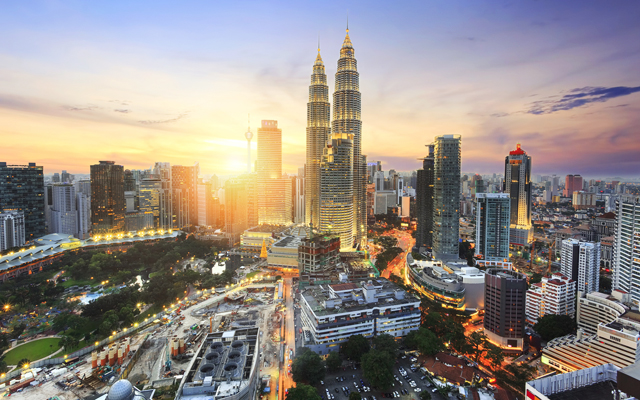
Business is booming for Malaysia's business events players; Kuala Lumpur pictured
Business events players in Malaysia have experienced a surge in enquiries and bookings for events since the beginning of February, driven by the significantly weakened ringgit against the US dollar and Singapore dollar.
Last week, the ringgit plummeted to an all-time low against both the US dollar and Singapore dollar, reaching 4.8 against the US dollar and 3.6 against the Singapore dollar on February 20.
Business is booming for Malaysia’s business events players; Kuala Lumpur pictured
This decline marked the lowest point for the ringgit against the US dollar since the Asian Financial Crisis in 1998, and set a new record low against the Singapore dollar.
Saini Vermeulen, executive director of Within Earth Holidays, noted an uptick in enquiries from Eastern Europe for incentive travel starting from 4Q2024 and continuing into 2025, particularly for small groups ranging from 30 to 100 people.
To capitalise on the favourable exchange rate, Vermeulen encourages clients to make full payments or deposits to secure hotel rates for confirmed groups, cautioning that failure to do so could increase costs if the ringgit appreciates against the US dollar.
Bobby Eng, general manager of Overseas Tours and Travel, said he has seen a 20 per cent increase in bookings month-on-month from Hong Kong, with bookings expected to continue to pick up from March onwards.
He shared: “We encourage clients to make advance payments by giving discounts, as well as complimentary extras such as entrance fee tickets to theme parks.”
Corporate incentive bookings from neighbouring Singapore have also increased for G Hotel Kelawai and sister property G Hotel Gurney in Penang, said Christina Tan, director of communications of both properties.
She observed: “Some bookings are last minute with only a two-week lead time. Some corporate guests also extend their stays by a day or two at their own expense to enjoy a short break and take advantage of the favourable exchange rate.”
Similarly, Zulkifli Rahman, director of sales and marketing The Ritz-Carlton, Langkawi, disclosed there have been an increase in last-minute bookings from Singapore corporates, possibly due to anticipation of further depreciation of the ringgit against the Singapore dollar.
Numerous enquiries for in-residence meetings – from Singapore and Asia-Pacific – have rolled in, where many corporates opt to extend their stays on the island for a weekend of leisure before returning home.
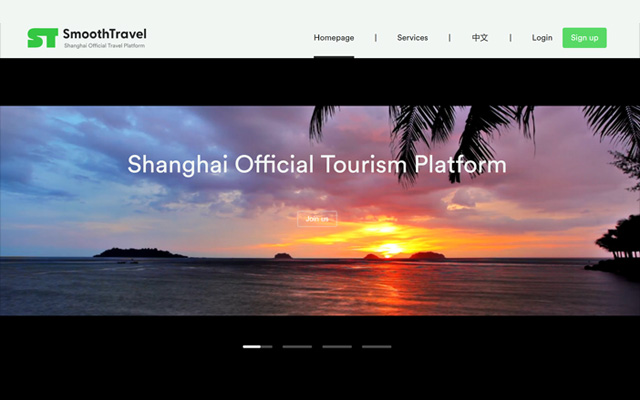
AVIAREPS, an international representation, marketing and communications company for the travel industry, has teamed up with the Shanghai Municipal Government, to launch SmoothTravel, Shanghai’s official online B2B travel platform.
SmoothTravel serves as the official gateway for the global travel industry to connect with both inbound and outbound Chinese travel agencies, tour wholesalers, online travel agencies (OTAs), and MICE agents in the East China market.
SmoothTravel aims to link international travel businesses with the thriving Chinese travel market
Overseas members will be able to use the platform to identify new inbound or outbound China travel trade partners, and make use of SmoothTravel’s Member Matching Manager to meet with qualified Chinese travel trade partners based on their requirements.
For international travel businesses, SmoothTravel will provide a unique payment guarantee system to minimise risks associated with new China travel industry partners.
A comprehensive travel insurance programme is also offered for Chinese members to ensure risk reduction for both outbound and inbound sectors. In addition, a bilingual mediation system to resolve any disputes is provided at no cost to members.
Moreover, by leveraging extensive China government and industry resources, SmoothTravel will be able to share the latest research on China’s outbound travel market, industry trends, and consumer preferences. This includes surveys, interviews, focus group discussions, workshops, and on-site visits.
The platform will also offer two-way training for both overseas and Chinese members. Members will also be able commission SmoothTravel for custom-tailored tourism market research to optimise their market strategies.
Zhu Yihong, director of the Shanghai government’s Tourism Market Quality Center, stated in a press release that the platform “will allow the Chinese travel trade to offer higher quality and safer overseas travel products”, and “play a key role in promoting Chinese consumers’ awareness of cross-border travel insurance”.
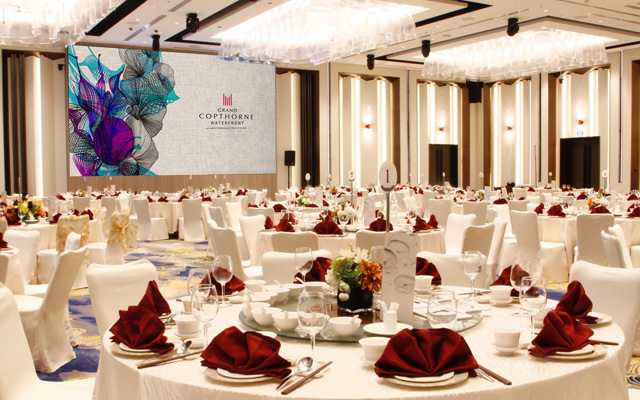
Grand Copthorne Waterfront in Singapore recently completed a top-to-toe facelift costing over S$40 million (US$29.7 million), and is ready to begin a new chapter with refreshed meeting facilities and wellness experiences.
At the forefront of the 30-storey property’s renovations are its 33 versatile function rooms, which include the pillarless 850m2 Grand Ballroom. Spanning over 6,200m2 across three floors, the refreshed event spaces offer an abundance of natural sunlight, and come equipped with cutting-edge technology, including wireless video signal transmission, laser projectors, and 2K to 4K high-resolution LED video walls.
Business events have always been a priority here, stressed the property’s general manager, Andrew Tan, adding that the revamp has helped to open more doors for both local and international clients.
“With the market steadily picking up, we are confident that our spaces will appeal to mid-sized groups for events/conferences that require multiple breakout rooms under the same roof. Most recently, we secured an international conference with a Fortune 500 company, (where we catered for their) conference needs over a week,” he revealed.
When asked for his projections for the region, Tan said: “2024 is shaping up to be a strong year for MICE in Singapore, and we will continue to have steady growth in coming years. Similarly, the Asia-Pacific MICE market is projected to see remarkable growth from US$412.2 billion in 2023 to US$783.6 by 2032 (according to a report from Precedence Research).”
Tan further noted that big events are usually booked six months in advance, but there have been a number of queries with short booking windows between 30 to 90 days. He also highlighted that more customers also want to incorporate wellness as part of their travel plans, which is correlated to the increased demand for plant-based catering during events.
Tan shared: “Merging wellness into MICE will help form stronger connections and we are working to create a line-up of offerings to deliver exceptional experiences.”
As part of its rejuvenation, the hotel will also promote holistic well-being through strategic partnerships. These include yoga sessions movement and mindfulness coach, Brandon Chong; as well as activations at Riverside Terrace with Singapore’s first and biggest alcohol-free bottle shop, Free Spirit.
The reset also involved the revamp of all 573 guestrooms, where each guestroom now boasts filtered water taps, auto power sensor capabilities, wireless mobile charging points, and international travel sockets. Other facilities include a 24-hour gym, swimming pool, tennis court, executive lounge, and four F&B venues.
For 1H2023 ending December 31, 2023, Flight Centre Travel Group (FCTG) reported a noteworthy achievement of an A$106 million (US$69 million) underlying profit before tax (PBT).
The corporate sector drove this success, with underlying corporate PBT experiencing a substantial 53 per cent increase, reaching A$93 million. This surge occurred prior to the realisation of benefits from the Productive Operations initiative.
FCM Asia’s corporate travel business is looking up
Simultaneously, the leisure business displayed resilience, generating an underlying PBT of A$60 million. This not only surpassed pre-pandemic levels but also stood approximately 30 times higher than the A$2 million recorded in 1H2023 and double the A$30 million from 1H2019.
The overall performance of FCM reflected in a 15 per cent increase in total transaction value (TTV), totalling A$11.3 billion. This marked FCTG’s second most robust start to a year, following closely behind 1H2020.
Within the corporate segment, TTV increased by 16.8 per cent to an unprecedented A$5.9 billion. FCM achieved new sales milestones, significantly outpacing the broader corporate travel sector’s recovery.
Leisure TTV also exhibited an 18 per cent rise, reaching A$5.2 billion. This growth was attributed to the scale benefits derived from a diverse mass market, luxury, complementary, and independent brand range.
Bertrand Saillet, FCM managing director for Asia, said: “Asia has continued to outperform, with a significant 44 per cent increase in revenue, fuelled by strong performance across South-east Asia, India, and the re-opening of China.”
The company’s ability to secure new accounts, coupled with an impressive 98 per cent customer retention rate, contributed significantly to its success.
Chris Galanty, FCTG’s global corporate CEO, said that globally, corporate businesses have had a strong start to 1H2024, contributing 52 per cent to FCTG’s total transaction value.
“These record results, built on high customer retention rates and large volumes of new account wins, were achieved in a sector that has only recovered to circa 70 per cent of pre-Covid transaction volume levels, pointing to our healthy market-share growth.
“At the end of January 2024, our corporate brands had secured new accounts with projected annual spends of circa A$1.3 billion, with FCM Travel typically winning customers from competitors, and Corporate Traveller securing a mix of unmanaged and smaller, managed accounts.”
Looking ahead, FCTG aims to sustain this momentum into 2H2024. Galanty expressed optimism about future advancements and onboarding several major customers later in the year, building upon the solid foundation established in 1H2024.
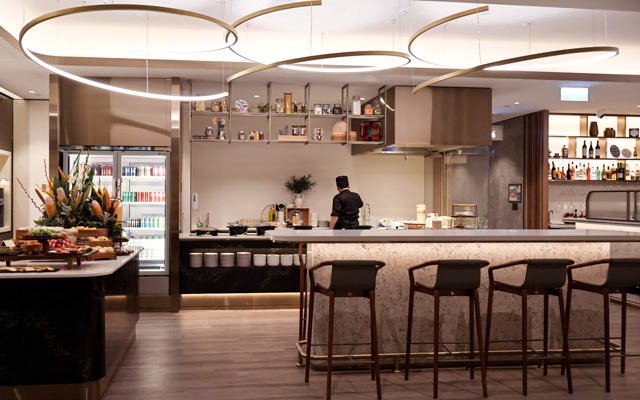
Singapore Airlines has reopened the new SilverKris Lounge at Perth International Airport’s International Departure terminal (T1), opposite Gate 52.
The new SilverKris Lounge accommodates around 135 customers and is double the size of the previous lounge, which opened in December 2006. USB and charging points are readily available throughout.
The brand new lounge
The new lounge also features a larger buffet area boasting a live cooking station and full-service bar, offering both barista coffee and selection of drinks, as well as a wide selection of freshly prepared dishes throughout the day.
Customers will have the option of working in one of several specially- designed productivity pods, relax in one of the wingback chairs, or freshen up with a shower.
Industrial design firm DP Architects was commissioned to refresh the Home Away from Home concept applied across SIA’s lounges worldwide. The design includes signature elements from SIA’s flagship SilverKris Lounge in Singapore Changi Airport, such as the batik motifs which have been incorporated throughout the lounge amenities and furnishings.
The lounge is open to customers travelling in Business Class or First Class Suites, PPS Club and KrisFlyer Elite Gold members, Virgin Australia Velocity Beyond, Platinum, and Gold card members departing on SIA operated flights, as well as Star Alliance Gold Members travelling on Star Alliance-operated flights during lounge operating hours.
The lounge opening coincides with SIA’s resumption of four daily flights to Perth, bringing the total to 28 flights a week between Singapore and Perth from March 31, 2024.
The additional SQ213 will depart Changi Airport at 07.15 on Mondays, Thursdays, and Fridays, arriving in Perth the same day at 12.30. The additional return flight SQ226 from Perth to Singapore, will depart at 13.45, arriving Changi Airport at 19.10.
The three new services will be operated with SIA’s A350-900 medium-haul aircraft, featuring 40 Business Class seats and 263 Economy Class seats.
Fortunes are turning in Hong Kong’s business events industry, following long years marked by social unrest and the Covid pandemic; new and returning events have filled 2023’s calendar, with more to come in 2024.
According to the Hong Kong Tourism Board (HKTB), 98 per cent of regular B2B shows were back in action as of September 2023. The city used to conduct almost 90 international tradeshows every year pre-pandemic. Furthermore, total events in Hong Kong during the first nine months of 2023 brought with them some 850,000 overnight MICE visitors, which was about 70 per cent of Hong Kong’s pre-pandemic numbers.
A returning event that HKTB regards as a triumph is Asia Fruit Logistica, which left Hong Kong in 2019 and went on to hold editions in Singapore and Thailand.
Hong Kong lights up the skies as it counts down to 2024
Speaking to TTGmice, Kenneth Wong, general manager of MICE & cruise, Hong Kong Tourism Board (HKTB), recalled: “At that time, we did not realise how big an impact the event’s exit made on Hong Kong. We knew we had to bring it back. We needed to tell the Hong Kong story again, and have Asia Fruit Logistica recognise the value Hong Kong would bring to the event, its exhibitors, and its attendees. We kept up communications throughout the pandemic, and were focused on rebuilding our relationship.”
That courtship paid off. The 2023 edition was held from September 6-8 at the AsiaWorld-Expo. It was a “successful comeback”, stated Wong, who added that space on site was “sold out two months before the show”.
Illustrating the intense business interest in Asia Fruit Logistica, Wong said that although the last day had to be cancelled due to a typhoon, two-day transactions broke pre-pandemic records.
“Asia Fruit Logistica is a very special event because it is a genuinely international show – 80 to 90 per cent of attendees are international,” he added.
When asked what factors are catalysing the recovery of Hong Kong’s standing in the competitive world of business events, Wong pointed to generous subvention schemes, destination advocacy by business leaders across industries, intensified marketing, and the city’s ability to connect the world with China.
Hong Kong sits within the thriving Greater Bay Area (GBA), which China’s Guangdong Province and Macau are also part of. The population of Guangdong Province alone is 86 million despite occupying just one per cent of China’s land area; it contributes 11 per cent to China’s national GDP. The province is also home to many MNCs and unicorns, with 25 Fortune 500 companies located there, especially in Guangzhou and Shenzhen.
Marilyn Tham, Meetings & Exhibitions Hong Kong’s deputy general manager MICE, said: “Many tradeshows have returned to Hong Kong because of the lure of GBA. Hong Kong was positioned as the world’s meeting place for a long time, but with the rise of GBA, Hong Kong is now the MICE hub for the wider region. When organisers hold their events in Hong Kong, they can easily boost delegate numbers due to the GBA population and great connectivity around the area via the Hong Kong-Zhuhai-Macau Bridge and the high-speed rail that links Hong Kong with China’s Shenzhen in just 20 minutes. They also have easier access to Fortune 500 companies that are potential sponsors.”
HKTB makes two propositions that highlight the city’s geographical advantage. The Meet Hong Kong, Meet GBA campaign speaks to international organisers, underscoring the operational ease they will enjoy by hosting events in Hong Kong targeting attendees and sponsors from the GBA.
On the other hand, the Meet Hong Kong, Meet the World campaign is built on the desire of GBA event organisations and associations to position their event on the global stage and connect with international delegates.
At the same time, generous subvention schemes contribute to Hong Kong’s strategy to rebuild its events city reputation. In its 2023-24 budget, the Hong Kong government pumped an additional HK$200 million (US$25.6 million) into funding HKTB’s efforts to secure more business events for the destination.
The funding joins an incentive scheme for recurring exhibitions, announced in October 2022. Running from July 1, 2023, to June 30, 2026, it offers qualified exhibitions held at the Hong Kong Convention and Exhibition Centre and AsiaWorld-Expo full venue rental rebate, while other recurring shows will get an incentive equivalent to 50 per cent of the venue rental, capped at HK$20 million per exhibition.
Wong said: “There is a saying that money can’t buy everything. Yet, without money, you can’t do anything. So, subvention support is… one of the main factors influencing event organisers’ decisions, especially since they are all much more budget-conscious than before due to current and forecasted economic conditions.”
Irene Chan, CEO, AsiaWorld-Expo, commended the support, saying: “Right now, most event themes in Hong Kong are around electronics, fashion and jewellery. With support (for recurring events), organisers are more willing to explore new exhibitions here since staging their events will come with reduced financial requirements.”
Wong acknowledged “intense competition” for events in the Asia-Pacific region, and said Hong Kong must be “more flexible and aggressive” to beat its rivals. Besides generous subvention support, Hong Kong has also streamlined the approval process for subvention applications.
“This is critical for event organisers, as many are fighting to catch up on lost time (throughout the pandemic disruption). They need to reactivate their bid process rapidly and over short notice. Our ability to respond swiftly will impact our success rate in the bidding process,” he said.
Events supported by these schemes will materialise in the years to come.
Most recently, the growing appeal of Hong Kong as a business events destination was emphasised by RX Global’s decision to debut IBTM Asia Pacific in the city come 2025. The event is regarded as one of the most important trade engagements among global business events professionals.
Just 10 minutes from Phuket International Airport on the serene northern coast, this 178-key, Bill Bensley-designed resort offers delegates a quiet, tropical paradise steeped in Phuket’s tin-mining heritage
The newly-opened Ritz-Carlton, Bangkok anchors the One Bangkok development with cosmopolitan elegance. Featuring the city's largest ballroom and a spectacular new penthouse suite, it delivers exceptional hardware and deeply authentic, soulful service for business and leisure travellers alike
Behind the imposing, Brutalist concrete that defines Zurich’s Oerlikon district lies a surprising secret. While its exterior honours the neighbourhood’s industrial roots, stepping inside Mama Shelter reveals a vibrant, neon-soaked world that is a far cry from its rigid shell



 In his new role, Yong aims to revolutionise the hotel’s operations and guest experience through innovative technology integration while maintaining a high level of personalised service.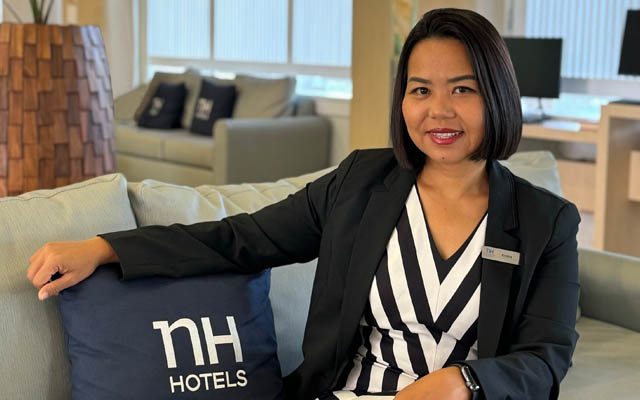
 Previously general manager at OZO Chaweng Samui, she brings over 13 years of hotel management experience to her new role, having effectively led teams in various hotel types, including boutique hotels and luxury properties, across Thailand’s prime tourist destinations such as Koh Samui, Koh Phangan, Phuket, and Hua Hin.