



Rice-inspired Grand Mercure Hanoi opens
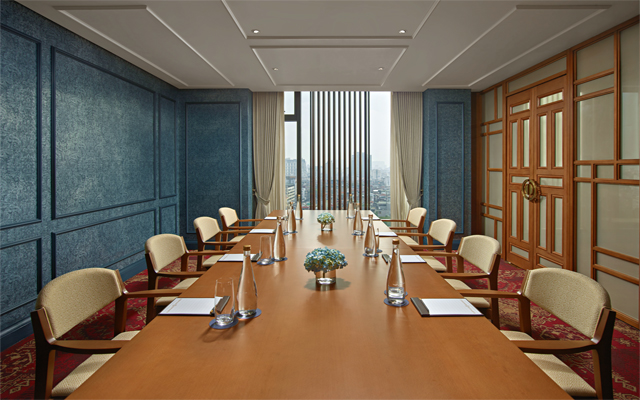
Grand Mercure Hanoi, a new premium hotel in which Indochinese style, Western neoclassical beauty and world-class amenities blend harmoniously to reveal Vietnam’s rich cultural heritage to visitors, has opened its doors.
Positioned in the heart of the city, close to the Temple of Literature and within walking distance of the Imperial Citadel of Thang Long and Ho Chi Minh’s Mausoleum, the hotel allows guests to explore Hanoi with ease.
It is a treasure trove of arts and crafts, with lacquerware from Hạ Thái lacquer village, Chu Dau pottery from Hai Duong province and Bat Trang ceramics on display throughout the hotel.
The interior is inspired by rice, with shimmering water-filled fields and hillside terraces and the colour and shape of individual grains showcased in many elements throughout the hotel.
Guests have a choice of 181 rooms and suites. The 11 suites feature separate living areas while the Executive Lounge provides an exclusive space for guests staying in the hotel’s premium accommodation to relax in comfort and privacy.
Grand Mercure Hanoi offers four restaurants and bars with originally curated culinary concepts – LỘC-ALLY, which promises contemporary all-day dining with international flavours and local favourites; Cat Vi, a signature 15th floor Asian brasserie that blends regional gastronomy and Vietnamese soul food with spectacular city views; Van’s lobby lounge; VIVU Rooftop Sky Bar.
There are three flexible venues that can host a wide variety of business and social functions. The grand ballroom offers 324m2 of sophisticated, soundproof space with integrated screens and a state-of-the-art sound system.
Homm heads to Bali with tranquil retreat
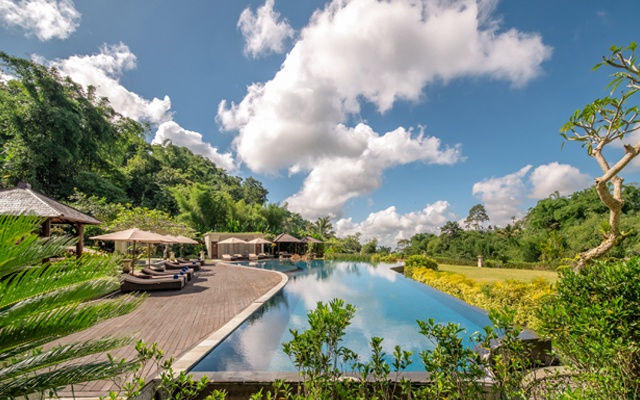
Banyan Tree Group has opened a new Homm-branded retreat in Bali’s central highlands.
The new Homm Saranam Baturiti features 81 spacious rooms and villas set amid lush natural landscapes and a backdrop of the picturesque Bedugul mountains.
The resort’s various programmes have been designed with well-being and reconnection in mind, thus suitable for a company trip away from the traditional office setting.
Guestrooms offer a unique blend of traditional and laid-back comforts. The largest accommodation is a Two-Bedroom Pool Villa, which comes with a separate spacious living room, a private pool, luxurious bathroom with a tub, as well as a kitchenette to cater to any cooking needs.
Onsite facilities include all-day dining restaurant, Samiya, which serves classic Indonesian signature dishes featuring fresh greens hand-picked from the on-site garden; and a variety of venues suited for special occasions and business functions. 8LEMENTS spa will soon join the line-up.
A range of experiences and entertainment options are also designed to ensure seamless opportunities for team bonding and stress relief.
Pitching for greatness
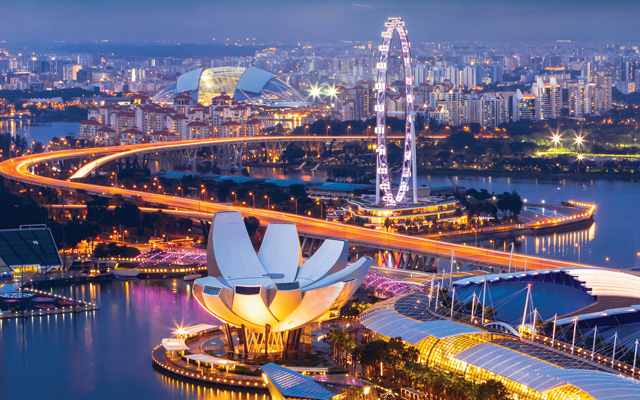
As one of the first Asia-Pacific countries to open its borders in phases in 2021, Singapore has since hosted a fair share of tradeshows and conferences, naturally attracting pent-up demand for face-to-face events when travel was allowed.
This bodes well for the country’s business events industry, which is sporting a strong line-up of business events for 2023. Major events include FHA-Food & Beverage (April 25-28) and Herbalife APAC Extravaganza 2023 (May 19-21), while rights to notable events such as SILMO Singapore (April 12-14) and the World Conference on Lung Cancer (September 9-12) have also been secured for the first time.
Poh Chi Chuan, executive director, exhibitions & conferences, Singapore Tourism Board (STB), said: “The robust line-up of events demonstrates the industry’s confidence in Singapore’s strong fundamentals – our vibrant business culture, excellent infrastructure, stable government, and stellar track record in delivering high-quality events.”
This track record backed by the In Singapore Incentives & Rewards (INSPIRE) Global 2.0 programme and Business Events in Singapore (BEiS) scheme, both initiatives that help event organisers defray the cost of holding an event in Singapore, and assist them in the planning and execution.
Other initiatives include the launch of the MICE Sustainability Roadmap in December 2022, which sets out clear goals and strategies to raise sustainability standards across the industry.
Public-private partnerships are also crucial in Singapore’s sustainability push, which full-service event management agency Unearthed Productions, and Pan Pacific Hotels Group, are part of.
Adam Piperdy, Unearthed Productions, founder and chief experience officer, told TTGmice: “Sustainability efforts are in full swing here and we continue to study more ways we can be sustainable. For example, we started using reusable furniture (for outdoor events), such as pallets transformed into box chairs.”

“More organisers have been moving towards sustainable destinations and venues, especially with heightened awareness from the pandemic. STB has successfully positioned Singapore as a prime hub for green meetings and events, as part of the SG Green Plan 2030,” Cinn Tan, chief sales & marketing officer, Pan Pacific Hotels Group (PPHG), added.
“With environmentally-friendly features, biophilic design and sustainable MICE packages like Meet Lite, Feels Right, our Parkroyal Collection hotels in Singapore have received high volumes of requests due to their capabilities to cater for such demand,” she elaborated.
Large-scale event organisers are also working hard to lure more events to the Lion City.
Yip Je Choong, senior vice president commercial – APAC and managing director of Singapore and Indonesia, RX Global, said: “Things are still in development, but RX currently has six marque business events planned for 2023. These include the G2E Asia 2023 Special Edition: Singapore in May, and our newest event Bar Convent Singapore, slated for November.”
To attract more events, RX works closely with STB to “bring in side events previously held in other markets to take place in conjunction with our existing pipeline of shows, or clone events within RX’s global portfolio”.
Janice Lee, event director of hospitality, F&B, Hong Kong & Singapore at Informa Markets, pointed to FHA-Food & Beverage, an annual tradeshow starting from 2023, as a materialisation of the company’s hard work. FHA-Food & Beverage’s sister show FHA-HoReCa will remain biennial.
Lee said: “(Shows like these were established) by collaborating with industry partners and associations to identify potential opportunities. We will continue to develop innovative programmes and activities to boost Singapore’s appeal as an international events destination.”
Although the global landscape is competitive, stakeholders believe that Singapore’s value proposition has not changed – a multicultural metropolis with world-class facilities and infrastructure, accessibility, an empowering business environment, and reputation for safety and security.
Piperdy noted: “Although Singapore is a world-class event destination, it has traditionally not been the most affordable place to hold an event. But being competitive has less to do with cost and more to do with the value we’re able to deliver to international event organisers.”
“To further enhance its competitiveness, Singapore should also look to develop unique experiences that will appeal to MICE customers, and work to ensure that its hotels, venues and services are cost-effective,” Lee added.
Jens Hackebeil takes the helm as Oetker Collection’s CFO

Oetker Collection has named Jens Hackebeil as its chief financial officer, welcoming Hackebeil as a member of the company’s executive committee.
He’s been with Oetker Collection since 2011, and was most recently vice president finance.
 His new responsibilities will include the continuation of day-to-day responsibility for planning, implementing, managing, and controlling all financial-related activities of the company, in conjunction with directing and overseeing all aspects of Finance, Group Accounting, Purchasing, Legal and Compliance functions of the organisation.
INNSiDE by Meliá Bangkok Sukhumvit names new GM

Aarron Nelson has been appointed as the general manager of INNSiDE by Meliá Bangkok Sukhumvit.
He joins the Meliá team after five years as general manager of citizenM Kuala Lumpur.
 With over 28 years of hospitality experience, Nelson has worked in countries such as Malaysia, the Maldives, Pacific Islands, Australia and New Zealand.
GSTC to develop new criteria MICE with Singapore’s support

The Global Sustainable Tourism Council (GSTC), with support from the Singapore Tourism Board (STB), is developing a new set of guidelines for MICE (Meetings, Incentives, Conferences, and Exhibitions) that will serve as the global sustainability standards for the industry.
The GSTC MICE Criteria will be developed with the input of relevant stakeholders in the field of business events, and will provide clear sustainability outcomes that the standard seeks to achieve. It can also guide the industry to make supply chains more sustainable and increase residents’ involvement in local events and exhibitions.

Randy Durband, CEO of GSTC, said in a statement: “The development of GSTC MICE Criteria will provide a globally-created and globally-applicable set of sustainability standards that serves as a platform for universal approaches to measurement, monitoring, reporting, and various forms of external verification needed to drive positive impacts from good practices.”
The application of the GSTC MICE Criteria has long-term impact, as its continued use can significantly reduce negative environmental impacts, preserve local cultures and cuisines, and support sustainable consumption and production patterns.
To accomplish this, the GSTC has formed a MICE Criteria Development Advisory Group, which comprises up to 10 organisations from both the public and private sectors with established track record in hosting business events.
The main objective of this group is to offer their expert opinion and comments to the GSTC Technical Team while GSTC will retain full oversight and control of the criteria development process.
The MICE Criteria Development Advisory Group will also encourage the business events industry to take part in the Public Consultation and Feasibility Assessment phases of the Criteria Development process.
The whole process of development and revision will be overseen by the International Standards Committee of the GSTC. The development and content of the Terms of Reference (TOR) endeavour to comply with the requirements of the ISEAL Standard-Setting Code of Good Practice.
STB’s support of the criteria development is in line with Singapore’s vision to become a sustainable urban destination, where large experiences come with small footprints.
Keith Tan, chief executive of STB said: “Such internationally-recognised standards are important, as they help destinations and tourism businesses understand if their sustainability efforts are on the right track. We look forward to working closely with GSTC and our industry associations to provide a Singapore perspective and help the tourism sector contribute to a greener world.”
STB, together with the Singapore Association of Convention & Exhibition Organisers & Suppliers, will provide feedback, consultation, and industry expertise for the draft criteria, as well as to encourage industry adoption of the developed criteria when ready.
Alma Resort welcomes Jed Arricivita as commercial director
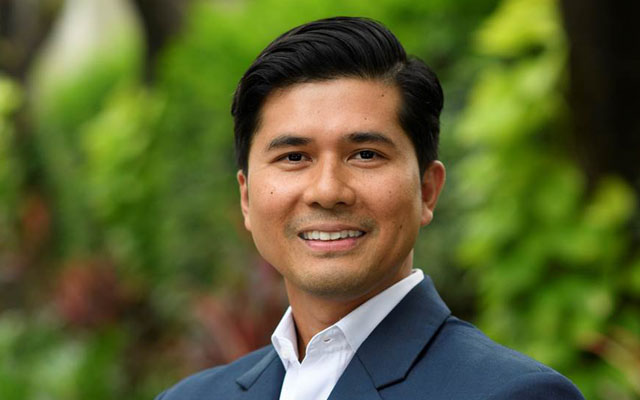
Jed Arricivita has been named Alma Resort’s commercial director. He will oversee commercial management, sales and marketing management, digital strategy and more, with focuses on leisure, business and MICE travel in his new role.
 Having amassed more than two decades of business development, sales and marketing experience, Arricivita was most recently director of sales at The Peninsula Bangkok, a position he held for 10 years.
New at the helm

 You are no stranger to Kuala Lumpur Convention Centre, having been with the venue since 2017. How has the transition to the role of general manager been?
Well, it has only been a month since I officially stepped into my new role but the transition has been smooth so far. Being closely involved in many different areas of the centre’s operations, service delivery and building management over the last six years has helped me settle into my present duties quite seamlessly.
I am fortunate to have a very supportive and capable team that has been a great strength to me since joining the centre. My team mates are experienced, dedicated, display a great show of camaraderie, and ever willing to go above and beyond what is required of them.
I also had the opportunity to forge good working relationship with our clientele, industry colleagues and with our Kuala Lumpur City Centre precinct partners whose backing has been integral in the centre’s long-track record of success.
What are your priorities?
I am focused on ensuring the centre continues to deliver valuable impact and legacy to the city and the people of Kuala Lumpur and Malaysia. Moving forward, we, like everyone else, are dealing with many global challenges such as a shortage of skilled staff in the hospitality sector, rising operating costs and disruptions to supply chains. Navigating these challenges will be key to ensuring we continue to deliver a great venue and value proposition that meets our clients’ needs.
The world continues to evolve around the way we live, work and do business, how we manage relationships and deliver services and, to meet these changes is exciting and something I look forward to working on with my team.
My present priorities are around setting a change trajectory for the centre and our team to ensure we stay current and maintain our attractiveness as a sought after venue destination in Malaysia and globally.
What improvements are you making in operations?
With rising cost around utilities, food and staff, I am working on managing and enhancing our cost containment methods. We will be looking at pushing our digital transformation further across different levels of operations to improve efficiencies in offsetting these increasing costs.
We are also taking the opportunity to revisit all our offerings and client engagement touch points in various stages, from site-visits to planning, and event delivery to post-event follow-ups. We are seeing a higher response rate in our customer feedback, with majority of them indicating a very high level of satisfaction in our packages, space, and services. We are proud of our client’s post-event appraisal, and will be evaluating further requirements for future improvements based on these comments.
What new investments and initiatives are being considered?
Event formats are evolving with more focus on the inclusion of small collaborative-style spaces. So, we are looking at reconfiguring parts of the venue where organisers can provide enhanced and differentiated event experiences to their delegates.
Behind the scenes, we are also expanding our technical services to be a one-stop-hub to ease all aspects of the technical production for our clients.
Being equipped with the largest food production kitchen in Malaysia that comes with an award-winning culinary team, we are also growing our food and beverage offerings and services. We have already delivered hospitality services to a number of large sporting events and are looking forward to this aspect of the business growing further.
We are working together with the Kuala Lumpur City Centre Precinct and our Business Events Alliance (KLCCBEA) partners to create a sustainable meetings destination for our guests to meet, dine, stay and play responsibly. Facilitated by URBANICE Malaysia, a KLCCBEA Symposium was held late last year, to define, chart and develop a long-term plan to help create a sustainable KLCC precinct for Business Events, aligned to Malaysia Sustainable Development Goal (SDG) Cities and the country’s Shared Prosperity Vision 2030.
In your opinion, what are the current challenges facing the business events industry in Malaysia and what should be done?
Post-pandemic, we, as the rest of the industry, are faced with multitude of global economic challenges such as continued supply chain disruption, the ripple effects of the war in Europe, fluctuating dollar and pound sterling, rising cost of energy and food prices, among others.
But, one of the more serious issues is around human resources. The lack of experienced workforce, higher demand for compensation packages, work-life balance and/or similar are real and will be on our back for a while.
We are a people industry but we seem to be lacking the people to drive the future growth of our sector. As business momentum picks up, we need to find healthy solutions to ensure the long-term sustainability of our industry. Whether by tweaking our hiring policies with clauses that bring real value and benefit to our staff or creating new pathways for our working culture to evolve with more intrinsic values, we have to act now.
A prolonged challenge that we continue to face in Malaysia is the global industry’s perception that Malaysia is not geared for large international events. Contrary to this, our venues and event supply chains are well-positioned to cater to events of all sizes and profiles. Malaysia has demonstrated this over the years by successfully delivering some the world’s biggest events. There are many venues here, with a wide range of accommodation options, ready and willing to host international events, and combined with our experience supply chain, English being widely-spoken, affordability and the value-for-money, the reality is far from the market perception.
There is also a lack of awareness and understanding of the value of business events in Malaysia. (Our industry) needs a strong recognition as an economic driver that is complementary to all industries, trades and academic sectors.
Our regional neighbours have started to recognise the value of business events and its significance in rebuilding economic prosperity and social well-being, and have put in place strategies that will lead to winning more international events. But, in Malaysia, we are still lacking strategic direction and policies to further develop the industry as an economic driver, employment provider, and a legacy builder.
Business events, as a critical vehicle of nation building agenda, must move in tandem with strategic economic policies. This is where we see a critical need for the private and public sector to work closely together, with more open dialogues and opportunities for collaboration, to change perceptions and showcase Malaysia’s unique attractiveness and its compelling value as the preferred business events destination in the region. We need a more cohesive national strategy stemmed from a unified and objective approach to realise the full potential of the industry and for the supply chain and the wider community to reap its true benefits.
As a market leader and an advocate for the industry, we are always committed to advancing Malaysia’s business events industry. We are open and looking forward to be part of these conversations with the relevant parties, and hope that more efforts will be mobilised to elevate and enhance our competitiveness and position in the region.
Incentive travel groups track back to Malaysia
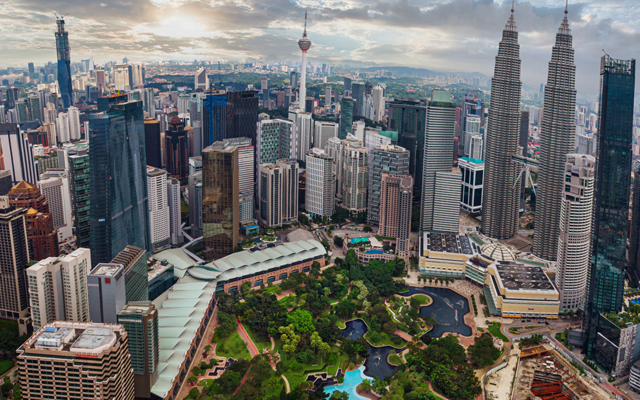
Malaysia is seeing improved incentive travel demand from regional markets this year, but large gatherings numbering into the thousands are still rare, say inbound operators.
At press time, Malaysia’s largest incentive group scheduled for 2023 is a 3,000 pax gathering led by Taiwan’s WOW Prime Corporation, with staggered arrivals from March 26 until September 28.
Inbound operators told TTGmice that air connectivity is to blame. Although capacity is improving, it has yet to recover to 2019 levels.
Mint Leong, managing director of DMC Sunflower Holidays, is confident that her regular client since 2010, China-based health and wellness company, Perfect China, will return to Malaysia in the third or final quarter.
Sunflower Holidays has handled Perfect China’s incentives annually since 2010, but activities were halted for two years due to the Covid-19 pandemic.
According to Leong, discussions are ongoing with the management to bring the incentive back to Malaysia.
However, Leong doubted that attendance would match pre-pandemic levels, where group sizes averaged 6,000 to 8,000 delegates. In 2016, it peaked to 12,000 delegates.
She said: “Flight connectivity as well as high airfares remain the two biggest challenges. We are working on persuading them to return to Malaysia this year with staggered arrivals.”
Sunflower Holidays is currently handling a proposal for a 1,000-pax incentive travel group from Taiwan for a five-day/four-night programme in Kuala Lumpur and its surroundings. Should this project be confirmed, the trip will take place in 3Q2023.
Tourland Travel has secured an Indian incentive travel group from a multi-level marketing company for 8,000 qualifiers this October, with programmes in Kuala Lumpur and a day trip to Genting. Managing director A Aruldas said participants will arrive in batches over 10 days.
He believe that as air accessibility between Malaysia and India improves further, it will be easier to promote the destination in 2024.
Arokia Das Anthony, executive director of The Essence of Asia Tours & Travel, has had enquiries from India for corporate incentive events since August 2022. Group sizes range from 800 to 5,000 people.
“These big groups are interested in Kuala Lumpur,” shared Arokia.
While interest is strong, glitches in Malaysia’s e-visa process for Indian travellers last year had left a sour taste in the mouths of many Indian agents. Glitches on the website had caused many applications to get rejected, disappointing those who had purchased air tickets but could not travel.
Significant improvements have materialised, but Arokia said the damage had been done and many Indian agents are reluctant to sell Malaysia.
Reviews

The Ritz-Carlton, Bangkok
The newly-opened Ritz-Carlton, Bangkok anchors the One Bangkok development with cosmopolitan elegance. Featuring the city's largest ballroom and a spectacular new penthouse suite, it delivers exceptional hardware and deeply authentic, soulful service for business and leisure travellers alike

Mama Shelter Zurich
Behind the imposing, Brutalist concrete that defines Zurich’s Oerlikon district lies a surprising secret. While its exterior honours the neighbourhood’s industrial roots, stepping inside Mama Shelter reveals a vibrant, neon-soaked world that is a far cry from its rigid shell
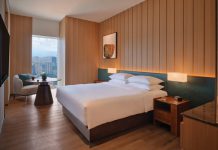
Hyatt Regency Kuala Lumpur at KL Midtown
A polished urban retreat designed for business travellers, Hyatt Regency Kuala Lumpur at KL Midtown combines thoughtful design, seamless service, and exceptional facilities.


Corporate travel is back with a vengeance.
The rapid recovery of corporate travel this year is likely to breathe new life into Asia’s travel and hospitality sectors, providing much-needed relief after a challenging period.
Although corporate travel has typically been more volatile and slower to recover than leisure travel after economic downturns, the current forecast indicates that corporate travel budgets are expected to recover to 98 per cent of pre-pandemic levels this year .
In fact, corporate travel in a quarter of Small and Medium Enterprises (SMEs) were found to return at pre-Covid levels, with 34 per cent anticipating a full recovery by the end of this year.
As corporate travellers return, so too do opportunities for businesses that cater to them. From airlines, hotel reservations down to ancillary services, merchants, and providers need to formulate strategies on how to make the most of the market recovery.
The travel industry is ready for take-off and in an age of convenience and security, one easy way to accelerate business growth across channels, markets, and buying stages is to make payments as simple and frictionless as possible.
The pandemic had a profound impact on payments, with a massive acceleration in the adoption of digital options. Accordingly, users expect a secure and convenient way to pay for goods and services.
This is particularly true for travel. However, corporate travel payments have never been simple because of multiple touchpoints that involve various merchants such as travel agencies, hotels, airlines, and insurance providers among others. Each of these merchants may have their own payment processing systems and requirements, which can add layers of complexity to the travel planning process.
This can become a huge administrative nightmare for businesses, which could consider an all-in-one business travel platform to reduce costs and complexity for travel managers.
As businesses seek to streamline their corporate travel processes, a third-party payment processor can offer significant benefits. By securely storing personal data, corporate travelers can avoid the hassle of repeatedly entering their information, resulting in a faster and more seamless process. This not only improves the experience but also reduces barriers to subsequent repeat purchases, leading to increased customer loyalty and satisfaction.
Travel is one of the industries that is most vulnerable to fraud. As such, peace of mind is particularly important for corporate travellers, who might feel a little more vulnerable than they do at home, especially in places they’re visiting for the first time.
For the same reason, being able to make purchases securely is crucial for corporate travellers, who might be unfamiliar with exchange rates or hidden processing fees. Payment platforms must be equipped with the right currency calculator tools and security protocols to offer these travellers unparalleled convenience and much needed peace of mind.
The rise of sustainable corporate travel in a new generation of payments
As the urgency of climate crisis becomes more evident, consumers are becoming increasingly conscious about their carbon footprint. More businesses are also reporting their net zero transition goals to shareholders.
While credit cards and cash are a great way for organisations to handle a high number of corporate travellers, these payment methods are not sustainable as, minting money and printing cards carry a sizeable environmental impact.
On the other hand, new generation payments such as digital wallets are a convenient, electronic way for business travellers to safely store different payment methods and access funds from their devices. One in two consumers prefer using digital wallets when travelling.
The benefits of digital wallets for corporate travellers are clear as it provides a secure and seamless experience while they are on the go. For businesses, digital payments provide greater visibility into travel spend and reduces their carbon footprint.
Convenience is king when it comes to travel
The resurgence of corporate travel in Asia and beyond presents a promising outlook for the travel and hospitality industries. As businesses look to capitalise on this opportunity, streamlining payment processes will be key.
By embracing a new generation of payments, merchants can enhance the customer experience and increase customer loyalty. Since payments are at the heart of every business transaction, the importance of making payments simple, secure, and frictionless cannot be overstated.