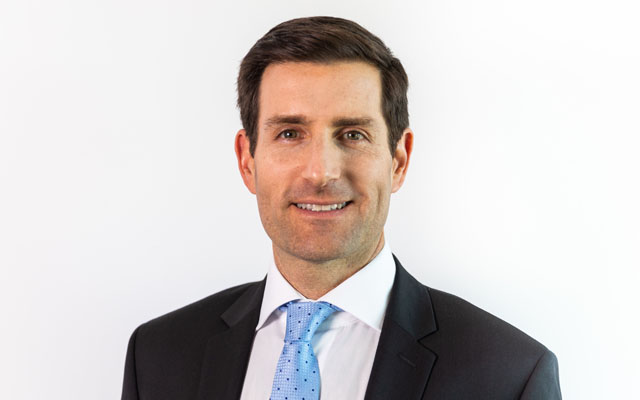
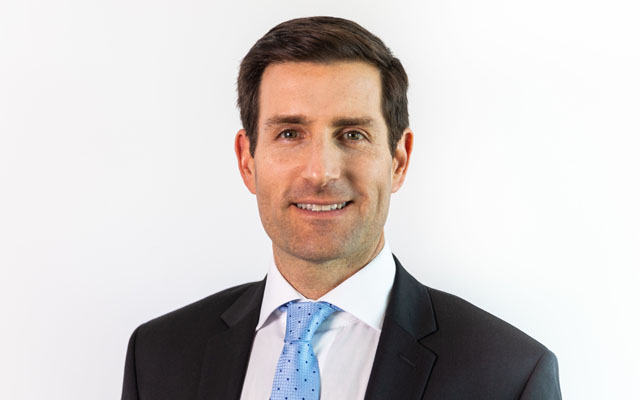
Jason Worth has been appointed vice president sales & general manager Asia Pacific of Oceania Cruises.
He will be responsible for the strategic expansion, vision and continued growth of the company’s presence in the Asia-Pacific market.
Worth joined Oceania Cruises in 2011 and was most recently vice president sales Australia & New Zealand. Prior to that, he was vice president finance & accounting Asia Pacific at Norwegian Cruise Line Holdings.
Regent Seven Seas Cruises has appointed Lisa Pile as vice president sales & general manager Asia Pacific.
In her new post, she will be responsible for the strategic expansion, vision and continued growth of the company’s presence in the Asia-Pacific market, and will lead the local sales team and outbound department across the region.
Pile was previously Regent’s vice president sales for Australia and New Zealand operations and has more than 25 years of senior leadership experience leading and managing both commercial and marketing teams for global luxury hospitality brands across the Asia-Pacific, Africa, China, Europe and the UK.
Travellers entering Thailand from June 2023 will have to pay an entry fee
The Thai cabinet on Tuesday approved an entry fee on foreign visitors, with collection to begin this June.
Travellers entering Thailand from June 2023 will have to pay an entry fee
Part of the long-delayed levy will be used to provide health and accidental insurance cover for tourists during their stay in the country, informed tourism minister Phiphat Ratchakitprakarn.
Travellers arriving at airports will have to pay 300 baht (S$12) for each trip, while those entering via land borders and seaports will be levied 150 baht each.
The Thai government expects to collect about 3.9 billion baht from the entry fee this year.
Jean-Pierre Joncas has been appointed general manager of Sofitel Bali Nusa Dua.
Hailing from Canada, he has amassed over 20 years of experience in international hospitality, and was most recently area general manager at Hotel Des Arts MGallery in Ho Chi Minh City, Vietnam.
In his new role at Sofitel Bali Nusa Dua beach resort, Joncas will continue to develop and strengthen the hotel’s successful positioning in the Bali luxury hospitality market, improve guest experiences, increase sustainability, and inspire his team to new heights of performance.
He was also recognised by Haute Grandeur in 2022 as the Best General Manager – Global level.
Kumal Amritkar, one of AIME's hosted buyers, checking out the showfloor
Melbourne has been showcased as a top destination for incentive and corporate events at AIME 2023, which welcomed more than 400 hosted buyers this year, returning it to its pre-pandemic levels of delegate attendance.
First-time hosted buyers were impressed with the city’s offerings, particularly its unique food experiences and special venues.
Kumal Amritkar, one of AIME’s hosted buyers, checking out the showfloor
Kumal Amritkar, director of India-based incentives agency TripHobo, praised Melbourne’s diversity. “I’d say there’s nothing Melbourne doesn’t have on offer,” he said, although he qualified that the city often came third after the Gold Coast and Sydney as destination choices for his incentive clients.
“I made a private trip to the Great Ocean Road which was very beautiful and I can see Melbourne is well connected by trams and trains. My clients are keen on city tours and adventure activities. There’s skydiving here, Phillip Island, and watersports activities so I am definitely recommending this to my clients,” he continued.
Principal of PD strategy and transformation at AIA Berhad Malaysia, Moon Ong, was impressed by Melbourne’s gastronomic tour, which included the opportunity to sample crocodile meat and take a helicopter ride to a vineyard.
“These are some of the unique experiences that would work great to attract and motivate our top achievers, and we have 100 of them,” she said. She also praised AIME’s Welcome Event at Marvel Stadium and highlighted Melbourne’s special venues, such as the State Library.
Huyen Nguyen, founder of DCEO Travel One from Ho Chi Minh City, noted that her clients are looking for “calmer” cities like Melbourne post-pandemic. Having visited the city several times, she said Melbourne has continuously improved its visitor offering over the years.
Melbourne Convention Bureau CEO Julia Swanson said that the feedback from Asian clients is that corporate meetings and incentives are definitely bouncing back.
“It’s a strong market. They’re really keen to get their sellers back together and create those reward programs, which have been a bit ad hoc during the pandemic,” she told TTGmice.
“We don’t roll out standard programmes for everyone. We really curate and manage bespoke programmes. We will continue to innovate in that (aspect), which will keep us on our toes. The main theme we’re all focused on (now) is rebuilding that aviation capacity, because that’s the remaining challenge all destinations are facing. And there are a lot of people working across Visit Victoria, the state government and Melbourne Airport who are working quite closely to bring that aviation back,” she added.
Singer-songwriter and entrepreneur, JJ Lin (centre), joined GTF co-founder and former Formula One champion, Nico Rosberg (left) and head of conference, Dale Rickert (right), for a fireside chat during the conference opening ceremony
Singer-songwriter and entrepreneur, JJ Lin (centre), joined GTF co-founder and former Formula One world champion, Nico Rosberg (left) and head of conference, Dale Rickert (right), for a fireside chat during the conference opening ceremony
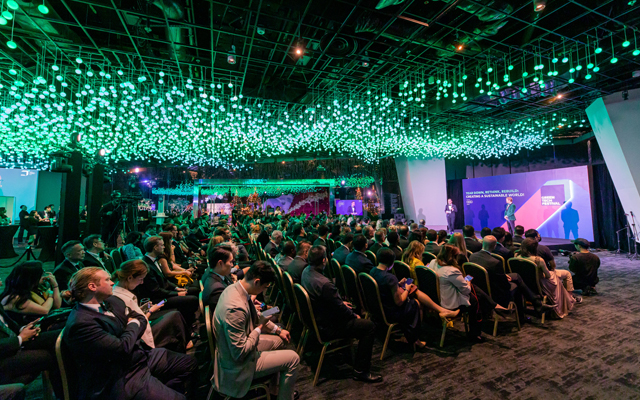
The highlight of the inaugural GREENTECH FESTIVAL (GTF) Singapore late last year saw award-winning singer-songwriter and entrepreneur, JJ Lin, in an engaging fireside chat with GTF co-founder and former Formula One world champion, Nico Rosberg and head of conference, Dale Rickert for the conference opening ceremony.
Founded by Rosberg, Sven Krüger and Marco Voigt, the largest sustainability festival in Europe is a hotbed for innovation, inspiration, and ideas, and where green technologies are presented, discussed and awarded.
The final stop of the world tour in the city-state – also its first edition in Asia – welcomed more than 1,000 attendees.
Testimony to Singapore’s ability to marshal change in the region for sustainability, the city-state was chosen to host the trail-blazing two-day affair – a vote of confidence towards its aspirations to become one of the most sustainable MICE destinations in Asia-Pacific.
What’s more – Berlin-based GTF has also established a Singapore office and is set to stage its 2023 and 2024 editions in the city-state.
Held at the famed eco-friendly horticulture attraction, Gardens by the Bay, the sustainability-focused festival, themed Tear down, rethink, rebuild: creating a sustainable world, included a conference, exhibition, Green Awards ceremony and waterways clean-up activation.
The compelling line-up also featured C-level keynotes, panel discussions, start-up slams and bootcamps to further progressive green projects and solutions.
In the third instalment of the Say yes to Singapore series, Voigt, GTF’s co-founder, told TTGmice why the city-state remains the venue destination of choice for its future editions as it continues to open up conversations and collaborations to bring about sustainable transformation globally.
Festival highlights
1 of 7
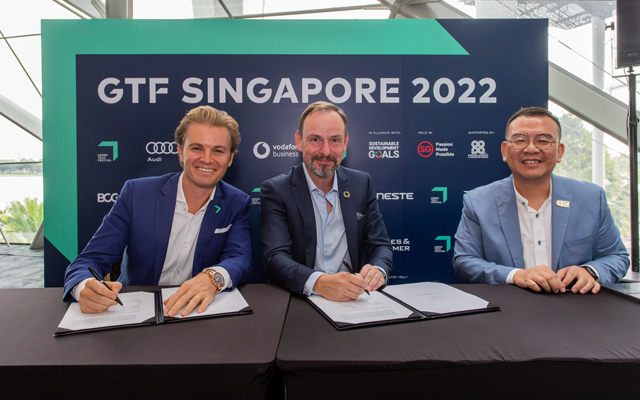
GTF (from left, co-founders Nico Rosberg and Marco Voigt) and STB (extreme right, Poh Chi Chuan, executive director, exhibitions & conferences) signed a Memorandum of Understanding for the event to return to the city-state for its 2023 and 2024 editions
The Green Awards ceremony championed organisations and individuals for outstanding contributions towards sustainability
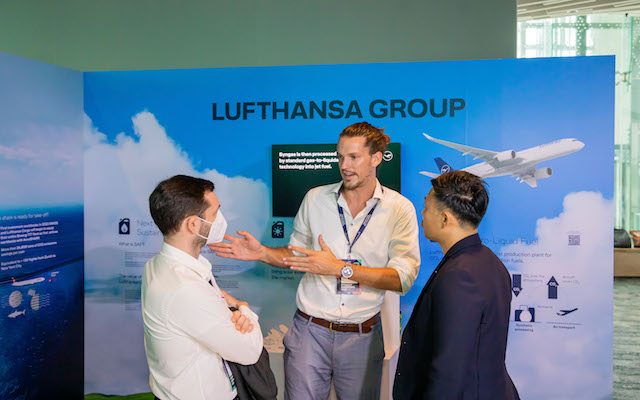
Partner Lufthansa Group demonstrated the AeroSHARK technology for airplanes
Exhibitor Crust Group upcycles food waste and loss into unique beverages and products
GTF's founding partner Audi presented their Urbansphere concept car
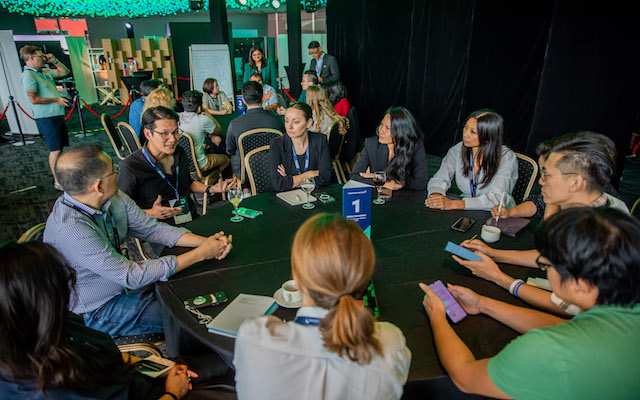
GTF held bootcamps, inviting participants to connect and collaborate in a moderated workshop
The Kayak Waterway Cleanup, in partnership with Waterways Watch Society, saw participants clearing up litter hotspots on kayaks in Marina Reservoir
What are some of the highlights at your event in Singapore? We are very proud of the outcome of our very first GREENTECH FESTIVAL (GTF) in Singapore. Successfully igniting important discussions and partnerships that will catalyse the creation of a more sustainable world, the launch event of GTF Singapore saw over 1,000 visitors and 300 Green Awards guests.
Being the last stop of this year’s GTF World Tour, the event was already a highlight in itself for the founders, team and festival’s partners. But what made it truly memorable was the participation and commitment of GTF’s partners, exhibitors, speakers, attendees and supporters.
We are very thankful for our community that proactively wants to contribute to our future and inspire technological innovations, forward-looking projects and green solutions.
As a platform that wants to promote cross-industry discussions and cooperation, we are extremely proud to see different industries come together to learn from each other and work together to make change happen.
From start-up companies to big players, from environmental activists to politicians, from researchers to CEOs – all stakeholders came together at the wonderful location at Gardens by the Bay to collaborate, discuss, rethink, find new ways and bring the immense potential of green technologies to life.
An absolute highlight was of course JJ Lin’s participation in the opening ceremony of our conference following the personal invitation from our co-founder Nico Rosberg where the singer-songwriter and entrepreneur spoke about how small changes in our personal life can truly make a difference.
At the exhibition, we had many eye-catching showcases that invited visitors to marvel, try out and discover the newest green technologies.
Among others, our founding partner Audi, presented their Urbansphere concept car – offering a radical vision for the future of urban travel, and our Berlin Innovation Green Award winner 2022, Imhotep.Industries, presented their Phantor, a giant atmospheric water generator that can supply water for locations with no groundwater or seawater.
Another partner, Lufthansa Group, demonstrated the fuel saving AeroSHARK technology for airplanes. The sharkskin technology, which was introduced by the Group and BASF, consists of adhesive bionic films that replicate the skin of sharks. The adaption for commercial aircraft enables significant fuel savings and emission reduction. The technology is currently in use at the Lufthansa Group Airlines of SWISS and Lufthansa Cargo.
What made GTF choose Singapore for the event, and why are these considerations important when selecting host destinations? Our long-term ambition at GTF is to be able to bring amazing stories about green business transformation to a global audience.
Because we are committed to “glocalisation” when it comes to taking green messages to the world, we want to empower people to solve problems as a global community from the local.
That’s why we’re reaching out to international destinations with a diverse programme of high-profile speakers, innovative projects, inspiring personalities, and ideas covering all relevant topics related to sustainability and technology.
Singapore’s incredible sustainability efforts and ambitions have made the city of green possibilities the best destination for green technologies and sustainable business ideas in Asia.
The pillars of the whole-of-nation movement “Singapore Green Plan 2030“ not only strengthen Singapore’s commitments under the UN’s 2030 Sustainable Development Agenda and the Paris Agreement, they are also as diverse as GTF and touch almost every dimension of our lives.
For us as GTF, there was no other destination that was as suitable for our first edition across Asia. Incidentally, our conviction that Singapore is exactly the right destination is also reflected in the fact that we have now established a GTF Singapore office.
How would you describe your experience working with the event professionals in Singapore? For us at GTF, there could not have been a more suitable destination for our first event in Asia than Singapore. But our location really blew us away and exceeded all our expectations.
With its underlying concept based on the principles of environmental sustainability, Gardens by the Bay was an absolute dream and the professionalism of our partners on location made the inaugural GTF Singapore edition run flawlessly.
They ensured smooth planning and successful staging of our festival. In my opinion, the whole GTF team and community felt absolutely welcomed in Singapore at any time.
We are confident in the ability of MICE professionals catalysing change (for sustainability), not only in Singapore, but also the entire Asia-Pacific region.
We have, now even more than before, a lot of trust in the MICE professionals in Singapore and cannot wait to bring GTF back to one of the global top spots and one of the most vibrant environments for the MICE industry!
How likely would you return to Singapore for future events? This is not only very likely, but already certain!
Apart from the many reasons mentioned above why Singapore is a perfect destination for GTF, we have also attracted many partners with a keen interest to return to Singapore, as well as new exhibitors and new prospects through this edition.
With the recent signing of a Memorandum of Understanding between GTF and the Singapore Tourism Board (STB) during our press conference on November 17, 2022, we have a firm commitment for GTF to come back to Singapore for at least the next two years!
We are delighted to have STB at our side as an enabler and supporter for GTF Singapore.
All images to be credited to GTF.
Planning a sustainable business event in Singapore?
Singapore offers diverse eco-friendly options across venue spaces, dining, accommodation and leisure experiences. Find out why the city-state is your business event destination of choice here.
JLL has named Nihat Ercan as chief executive officer of Hotels & Hospitality Group, Asia-Pacific.
Bringing over 20 years of experience to his new role, Ercan will be responsible for JLL’s market-leading hotels and hospitality platform in the region, with oversight for investment sales, advisory and asset management services, and client management across 14 markets in Asia-Pacific.
Mike Batchelor, who previously held the position of chief executive officer will assume the role of chairman of JLL’s Hotels & Hospitality Group in Asia-Pacific.
The Amadeus Altéa Passenger Service System will bring all international and domestic ANA flights onto a single platform
All Nippon Airways (ANA) has extended its collaboration with Amadeus, where the Amadeus Altéa Passenger Service System (PSS) will continue to support all ANA international flights across reservation, inventory, ticketing, and departure control.
The collaboration will bring flexibility and personalisation capabilities to the airline, which will be implementing new digital, pricing and payment proficiencies to provide a seamless experience for its customers, such as faster check-in and the automated application of their preferences at every touchpoint during their journey.
The Amadeus Altéa Passenger Service System will bring all international and domestic ANA flights onto a single platform
All ANA domestic flights will also be migrating onto Altéa, including the domestic airlines currently hosted on ANA’s in-house PSS system. Amadeus’ technology will bring ANA and these airlines onto a single platform, enabling the airline to decommission its in-house PSS system by 2026.
The Altéa PSS will be the key touchpoint for ANA’s domestic and international flights operations. The airline will be able to optimise its existing and future operations, allowing ANA to achieve a higher level of customer experience management.
“This agreement is a step-change for us in our digital transformation journey to further improve our operational efficiency,” shared Sammy Aramaki, chief innovation officer, ANA.
“For the past 34 years, we have had separate passenger systems for international and domestic flights. We’ve already seen the benefits of Amadeus Altéa PSS with our international business, and we’re excited to bring our domestic flight operations onto the Amadeus system.”
Javier Laforgue, executive vice president, travel unit & managing director, Asia-Pacific, Amadeus, added: “We believe this agreement is a further step towards modern airline retailing and an example of the collaborative approach we at Amadeus take with our customers.”
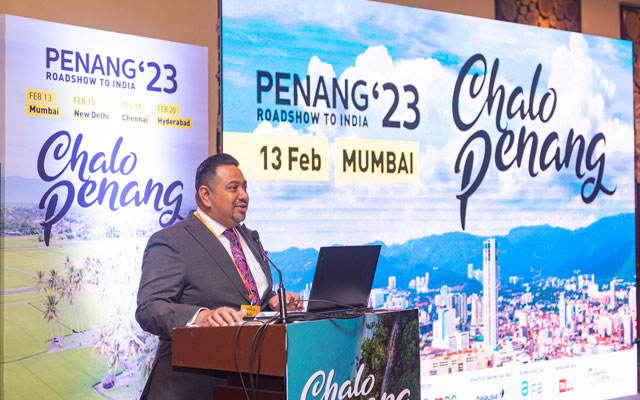
Ashwin Gunasekeran, CEO of PCEB, speaking at the event
The Penang Convention & Exhibition Bureau (PCEB) team is currently in the thick of the 6th edition of the Penang Roadshow to India 2023, which aims to present Penang as a preferred meetings destination for Indian travellers.
During the roadshows, PCEB will also launch its Chalo Penang campaign, as well as hold networking events for Indian buyers and Penang’s stakeholders. So far, the roadshow has passed through Mumbai (February 13) and New Delhi (February 15), with Chennai and Hyderabad to host PCEB on February 17 and 20 respectively.
Ashwin Gunasekeran, CEO of PCEB, speaking at the event
In total, there are 14 registered exhibitors this year, such as Malaysia Airlines, Setia Spice Convention Centre, and Ace Conference & Events.
This year, Penang anticipates around 2,500 events with 260,000 delegates, with an estimated economic impact of RM1 billion (US$227.7 million).
‘’PCEB is strategising comprehensive blueprints to position Penang higher in the Indian market. The growth and advancements of the tourism industry in Penang are rapidly moving forward now, especially in the mainland of Penang,’’ said Ashwin Gunasekeran, CEO of PCEB.
Moving forward, PCEB will be conducting more site inspections in the mainland to identify how the team can utilise the products and services for the MICE industry. This effort will also be in line with the vision and mission of Penang State Government.
Penang is also working closely with Malaysia Airlines to activate airline connectivity with India to accommodate the Indian market.
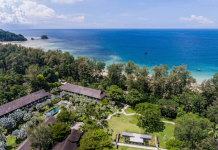
Just 10 minutes from Phuket International Airport on the serene northern coast, this 178-key, Bill Bensley-designed resort offers delegates a quiet, tropical paradise steeped in Phuket’s tin-mining heritage
The newly-opened Ritz-Carlton, Bangkok anchors the One Bangkok development with cosmopolitan elegance. Featuring the city's largest ballroom and a spectacular new penthouse suite, it delivers exceptional hardware and deeply authentic, soulful service for business and leisure travellers alike
Behind the imposing, Brutalist concrete that defines Zurich’s Oerlikon district lies a surprising secret. While its exterior honours the neighbourhood’s industrial roots, stepping inside Mama Shelter reveals a vibrant, neon-soaked world that is a far cry from its rigid shell



 Worth joined Oceania Cruises in 2011 and was most recently vice president sales Australia & New Zealand. Prior to that, he was vice president finance & accounting Asia Pacific at Norwegian Cruise Line Holdings.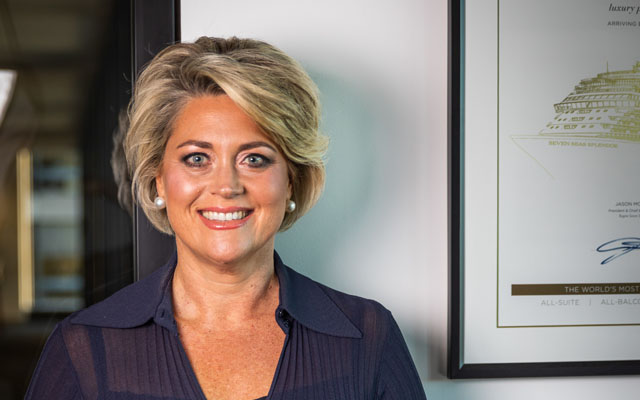
 Pile was previously Regent’s vice president sales for Australia and New Zealand operations and has more than 25 years of senior leadership experience leading and managing both commercial and marketing teams for global luxury hospitality brands across the Asia-Pacific, Africa, China, Europe and the UK.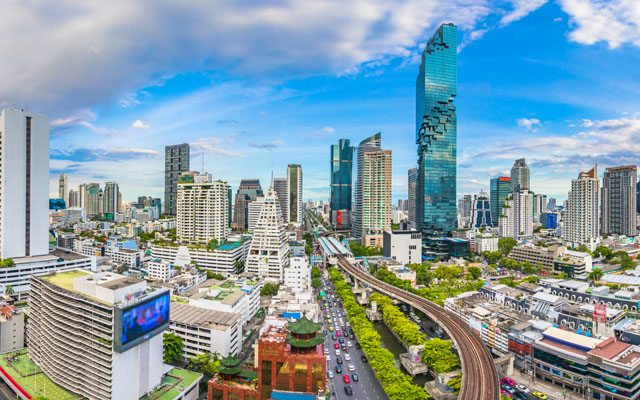

 In his new role at Sofitel Bali Nusa Dua beach resort, Joncas will continue to develop and strengthen the hotel’s successful positioning in the Bali luxury hospitality market, improve guest experiences, increase sustainability, and inspire his team to new heights of performance.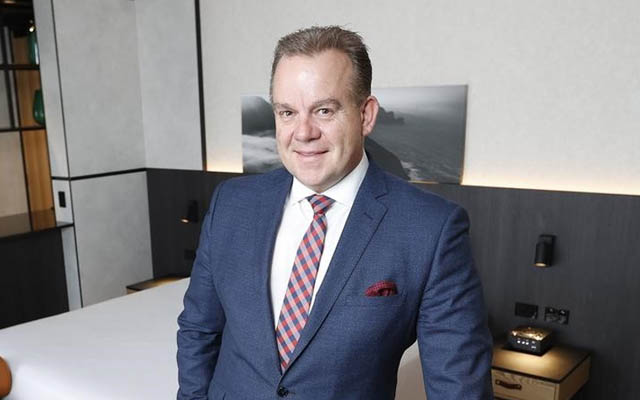
 Healy has also worked with a number of Melbourne Hotels, including The Como Melbourne MGallery and Sofitel Melbourne on Collins.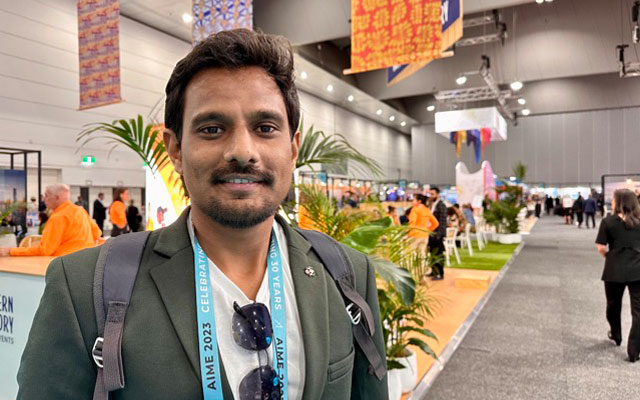







 Mike Batchelor, who previously held the position of chief executive officer will assume the role of chairman of JLL’s Hotels & Hospitality Group in Asia-Pacific.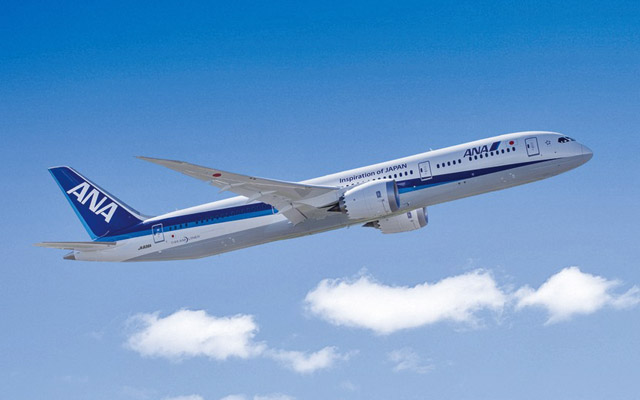




The Thai cabinet on Tuesday approved an entry fee on foreign visitors, with collection to begin this June.
Part of the long-delayed levy will be used to provide health and accidental insurance cover for tourists during their stay in the country, informed tourism minister Phiphat Ratchakitprakarn.
Travellers arriving at airports will have to pay 300 baht (S$12) for each trip, while those entering via land borders and seaports will be levied 150 baht each.
The Thai government expects to collect about 3.9 billion baht from the entry fee this year.