Wild Digital conference returns to Malaysia

Wild Digital, a tech conference powered by Catcha Group, will be hosting its eighth flagship conference in-person – after running virtually for two years – this September 6-7 at the Le Meridien Hotel Kuala Lumpur, Malaysia.
Themed Unlocking Asia’s Evolving Tech Future, Wild Digital’s Southeast Asia conference will see a gathering of over 1,000 attendees and more than 70 speakers, featuring the region’s leading tech players, disruptors and pundits among them.

Canvassing across tech verticals such as Ecommerce, Agritech, Digital Banking, Insurtech, Fintech, Healthtech, as well as the latest Internet evolution – Web3, and the Metaverse, attendees can expect to hear firsthand from global and regional heavyweights such as Nium, Snowflake, Boost, Meta, Gobi Partners, and Golden Gate Ventures.
Speakers such as Jungle Ventures’ managing partner David Gowdey and Vertex Ventures SEA’s general partner Carmen Yuen will also be sharing their insights and observations of the upcoming trends and evolutions via the various rapid-fire sessions and fireside chats.
Malaysia’s prime minister Ismail Sabri bin Yaakob and minister of finance Zafrul bin Tengku Abdul Aziz are also scheduled to speak.
“2022 promises to be a year of extraordinary growth for the South-east Asian tech industry. Restrictions on physical interactions during the Covid-19 pandemic have seen growing demands by consumers for new digital and online-based solutions. Amid the crisis, we have seen the acceleration of ecommerce, fintech and logistics industries. New technologies such as Web3 and Metaverse are also being adopted by Southeast Asian tech entities,” said Patrick Grove, co-founder and group CEO of Catcha Group.
Gamescom asia releases details of conference in October

The only satellite event of the world’s largest video games festival, gamescom, will return to Singapore from October 20–22, 2022, with a larger Trade Zone, Conference, and debuting an Entertainment Zone.
The event will be held in-person at Suntec Convention & Exhibition Centre as well as online; online access will be available from October 19-23, 2022.

Gamescom asia 2022 expects to attract 15,000 visitors and over 100 exhibitors from Asia Pacific and beyond. At present, those participating in gamescom asia represent over 19 countries and counting. The Singapore and German pavilions have been confirmed, with more applications from Asia ongoing.
Over 80 industry experts are set to present, in person, at the Trade Conference and Exhibition. Speakers and topics include Sarah Delahanty, cinematic director, Blizzard Entertainment, on the cinematic storytelling process in games; Hans Jagnow, vice president operations, ESL Pro League (Germany) on Esports Trends; and Jad Boniface, head of community expansion, Roblox (US) on becoming architects of the metaverse.
Aside from viewing the country pavilions, attending exhibitor talks, and arranging face-to-face business meetings, trade visitors will also get to try out the Entertainment Zone ahead of the opening to public visitors.
Within the Entertainment Zone, public visitors will be treated to a display of games and interactive entertainment and explore featured areas like esports, cosplay, tabletop games, group play zones, and more, from October 21-22.
Event organisers Koelnmesse will share updates on more confirmed partners, Entertainment Zone programme and activities, and access details closer to date.
Five ways to create sustainable business events

In the 2022 Corporate Travel Management (CTM) Global Customer Survey conducted in May, 59 per cent of respondents said they are seeking to conduct more in-person meetings over the next 12 months.
These meetings and events are a large part of business, providing employees, customers, partners and the supply chain opportunities to build meaningful relationships, share knowledge, innovate and grow. How then, can events be more sustainable?

1. Good planning and event design
In the discovery phase of the planning, organisations must be clear on their sustainability goals and what they wish to achieve. A more sustainable event design may require considering where and how an organisation wishes to host their events. Should a central venue location be selected? Or perhaps, another consideration might be to host outdoor breakout sessions to reduce electricity usage.
Selecting suppliers that fit with an organisation’s sustainability policy is also important. Where organisations have had established relationships with suppliers, but no longer align, sourcing new suppliers may be considered.
Going digital – pending the demographic of your audience – can also be part of an organisation’s preferred delivery method. Utilising online registration and communication platforms is more sustainable and cost-effective, and will save delegates time and eliminate paper printouts.
2. Selecting event partners
An event’s carbon footprint can be reduced by looking at some of the big decisions in the event planning process, like where the event is held, to ensure they meet an organisation’s sustainability expectations.
The 2022 CTM Global Customer Survey revealed that 72 per cent of respondents say having access to supply chain sustainability strategy information in the coming 12 months is very important, while 57 per cent seek environmental sustainability features when selecting airlines, hotels, and car rental providers.
Further to this, the Global Business Travel Association sustainability report said 74 per cent of respondents rank both investing in more energy-efficient technologies and phasing out single-use plastic products as the most impactful way for their suppliers to improve their environmental performance.
The ultimate goal for organisations is to have all stakeholders aligned in their sustainability efforts. This will help create a more seamless experience where organisations are not the only ones contributing toward a sustainable event.
When procuring event partners, questions to consider could be:
- Does the hotel or venue have programmes that reduce water usage or use renewable energy?
- Does the venue have accreditation for sustainable events like ISO 20121?
- Does the venue have a recycling programme? Are they paperless? Is there natural light and ventilation?
- Does the accommodation have opt-out housekeeping services, and do they support local or sustainable businesses?
- Does the city you choose impact your carbon footprint because of the carbon intensity of the local power grid or the availability of public transit in the area?
- Does the catering use the least amount of packaging possible?
- Is there an opportunity to support the local community by using local high-quality food?
3. Reducing food waste
Having sufficient catering is always of importance, ensuring delegates are energised to learn, network and stay engaged through the duration of the event. However, there are ways to help reduce food wastage.
Partnering with a venue that has already established sustainable practices will make catering easier. For instance, the venue may already have recycling or composting programmes in place. In cases where the venue does not have such programmes, there arises an opportunity to donate to a local food donation programme (in accordance with food and health regulations). Check with the venue as they may already work with local charities including food banks or social enterprises.
Another consideration around food is to order local. While it will not reduce waste, it is a better option not only in terms of environmental responsibility, but also in supporting the local economy and offering a local experience for delegates, especially for international visitors.
4. Reusing and recycling
Recycling is not new and can be easily implemented into an organisation’s sustainable event strategy. For items like lanyards and signs, organisations may wish to avoid personalising them where possible so they can be reused for future events. This reduces waste, and saves money and time.
Banning single-use plastic can be applied to menu choices with minimal packaging, ideally supplied in biodegradable or recyclable containers. With many more sustainable products available, whether it be biodegradable or bamboo for example, there are sufficient options to reduce your event’s carbon footprint.
Recycling education for delegates can also be carried out by inserting notices in event programmes or listed digitally. Placing clear signs on bins and communicating where and why to recycle will make it easier for delegates to know what to do and where to go.
Other actions include:
- encouraging delegates to refill water bottles through drinking water stations
- using compostable items and reusable crockery for take-away options
- ensuring any packaging the food arrives in is recyclable
- ensuring an ethical supply chain and materials with the smallest carbon footprint
Conference tote bags have historically been filled with promotional items and use energy and resources to produce, only to be discarded in rubbish and end up in landfills. Hence, organisations need to think about what they want to achieve by providing tote bags.
For those that do decide to provide them to delegates, consider providing reusable branded tote bags, recycled notebooks, plant and seed packets, reusable cups and mugs. This also provides opportunities for extended brand awareness through repeated use. Organisations may also like to refrain from date stamping any of the items for longevity. To ensure the promotional suppliers are using ethically-sourced materials that are environmentally friendly, check with the suppliers what social and environmental certifications they have.
5. Reducing carbon footprint
There are more sustainable options for organisations to consider when it comes to transport, whether it be land or air, and this may help reduce the event’s carbon footprint.
- Should delegates require transportation while at the event destination, there are options for eco-friendly car hire, such as hybrid or electric vehicles, and public transport.
- Select a venue and accommodation that are within walking distance, or a venue with onsite accommodation to eliminate ground transport.
- Get your travel management company (TMC) to coordinate flight arrival and departure times enabling group transfers and thereby limiting the amount of ground transportation required.
In the 2022 CTM Global Customer Survey, 71 per cent of respondents said their carbon footprint will be important to a very important consideration for their travel programme over the next 12 months.
Through CTM Climate+, organisations can offset against flights, accommodation and car hire by calculating, recording, and reporting CO2 emissions per trip and per traveller. Further to this, CTM’s partnership with South Pole, a leading project developer and global climate action expert, allows organisations to offset their carbon footprint against a range of global climate action and sustainability projects.
While the thought of arranging an event that meets organisational sustainability strategies and policy might be overwhelming, small and manageable actions can go a long way to protecting the environment, supporting local communities, and saving organisations some money along the way.
Casserole at Shangri-La Rasa Sentosa serves up an entirely meat-free menu
Shangri-La Rasa Sentosa, Singapore is the first local hotel to introduce a dedicated meat alternative restaurant, Casserole.
Located in Casserole on Level 3 of the resort, the restaurant is open for dinner daily from 18.00 to 22.00, and focuses on plant-based alternatives and organic beverages.

The food menu comprises meat-free dishes created by the resort’s culinary team in a variety of cuisines such as Asian, Indian, and Western. Plant-based alternatives are sourced from established brands such as Impossible Foods, Green Rebel Foods, OnlyEg, Tindle, KARANA, and more.
Diners can expect dishes such as Masala Dosa, a fermented rice pancake with potato masala, shredded egg made with OnlyEg, and tomato and coconut chutney; Middle Eastern Spiced Kebab & Falafel with hummus, broiled eggplant, beetroot dip and warm pita bread; and the Banana Leaf Dry Braised Beef Rendang made with Green Rebel Foods, and comes with blue pea-flavoured jasmine rice, red chilli sambal, roasted nuts and pickles.
Desserts include the Eggless Chocolate Cake, made with a 70 per cent dark chocolate ganache and topped with roasted hazelnuts and a sea salt caramel sauce; and the Tropical Coconut Delight presented in a coconut husk and filled with passionfruit, coconut and lime sorbet, tropical fruit and basil seed.
Organic wines from Europe, Australia and New Zealand, and original cocktail concoctions, featuring garnishes grown in-house take centrestage in the beverage selection.
“We recognise that there is developing interest in meatless alternatives and guests are seeking more mindful dining options. We are introducing this dining experience to cater to the changing preferences and provide a unique option as well as a forward-thinking culinary journey for our guests to explore,” said Gavin Weightman, general manager, Shangri-La Rasa Sentosa, Singapore.
AC Hotels by Marriott unveils first hotel Down Under
AC Hotels by Marriott, the design-led lifestyle brand part of Marriott Bonvoy’s portfolio of 30 brands, has debuted in Australia with the opening of the 205-key AC Hotel by Marriott Melbourne Southbank.
Event planners may avail the 576m2 of flexible meeting space, with floor-to-ceiling windows providing natural light, along with an outdoor covered terrace room and pool bar. The outdoor terrace beside the infinity pool can serve as a pre-function space accommodating up to 200 guests in cocktail format.

Meanwhile, business travellers can make use of the brand’s signature AC Lounge, a modern co-working space for creative gatherings by day and a social hub offering European-style tapas by night. The signature AC Gin Tonic experience is also available throughout all dining and bar venues at the hotel.
Other F&B venues include all-day dining space Sorolla, Triana Bar, and Bar de Buceo by the pool. Leisure facilities such as an outdoor, infinity-edge swimming pool spanning the width of the building, and a 24-hour fitness centre can also be found on-site.
Photo of the day: Building back valuable connections
Despite being the last Australian state to reopen its borders, Western Australia (WA) is the first state to bring over 26 diverse operators from the region back into South-east Asia to reconnect with critical leisure and business event partners.
An intense three-day Reconnect WA roadshow in Kuala Lumpur and Singapore last week allowed Tourism Western Australia, Business Events Perth and WA operators to meet with more than 306 airlines, travel trade, and media partners from Singapore, Malaysia and Indonesia.

Tourism Western Australia also partnered with Singapore Airlines and Malaysia Airlines to host a special WA showcase for corporate buyers.
Singapore, Malaysia and Indonesia are WA’s second, third and seventh top-performing international source markets.
The Reconnect WA mission is made possible by the WA state government’s Reconnect WA funding package.
NSW government lands SIA through Aviation Attraction Fund
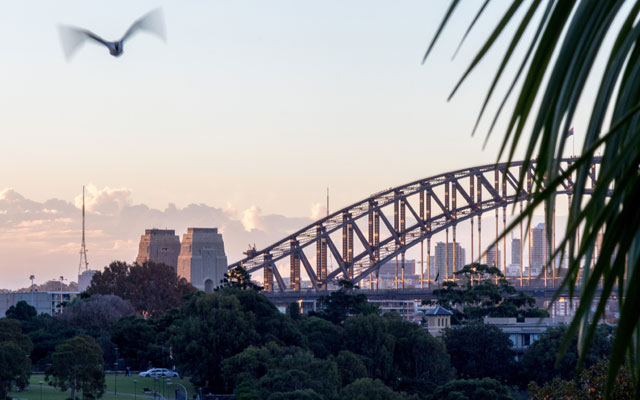
The New South Wales (NSW) government and Singapore Airlines (SIA) have signed a Memorandum of Understanding (MoU) to rebuild visitation to Sydney and NSW.
The new agreement, which was sealed through the NSW government’s A$60 million (US$41.8 million) Aviation Attraction Fund, will facilitate marketing activities across Singapore, India, Indonesia, Malaysia, UK, Germany and France to stimulate demand and drive visitation to NSW.

The NSW government, through its tourism and major events agency Destination NSW, will collaborate with SIA on initiatives including advertising, marketing campaigns and fam programmes.
Minister for enterprise, investment and trade, minister for tourism and sport and minister for Western Sydney Stuart Ayres said the agreement with Singapore Airlines was critical to reigniting the NSW visitor economy and helping to restore visitation to pre-pandemic levels.
SIA currently operates four daily flights to Sydney, and this MoU is estimated to deliver over A$231 in visitor expenditure to NSW until July 2023 and support some 1,200 jobs.
“In 2019, NSW welcomed more than 126,000 Singaporean visitors, who stayed more than one million nights and added A$232 million to the NSW visitor economy. Singapore is also a high-traffic hub for passengers from around the globe travelling to NSW,” added Ayres.
The Aviation Attraction Fund forms part of the NSW government’s Covid-19 Economic Recovery Plan. It aims to build aviation capacity across NSW by supporting airlines to return to the state’s airports.
Applications for the Aviation Attraction Fund are open until June 30, 2023, and are being managed by Destination NSW on behalf of the NSW government.
Fancy feasts

As Covid-related restrictions recede around the world, event caterers, restaurant operators and large venues are seeing event dining returning in full force, and has become an important component among corporates eager to reconnect in-person.
Although social distancing and individual food servings were the norm during events that resumed earlier on post-lockdown, event F&B specialists have noticed a spirited return to live stations, controlled buffet lines, and grazing tables.
Melbourne and Olympic Park’s head of F&B, Rachel Dolan, shared: “We’re seeing a move away from traditional buffet-style services to interactive food experiences.”
For example, during the AIME 2022 Welcome Event, guests were treated to 10 live food stations where they could watch chefs whip up dishes in real-time, while at the inaugural SportNXT leadership summit in April, guests were treated to live-oyster shucking.
A spokesperson from 1-Host – part of Singapore-based F&B, lifestyle & hospitality company 1-Group – shared similar observations: “We are now able to showcase more culinary specialties like live paella stations, live grills and even dessert counters. This has also reduced the pressure of having enough manpower.”
Meanwhile, Craig Squire, director of Cairns-headquartered Ochre Restaurant and Catering, told TTGmice: “Grazing tables are back in vogue for private events, and corporate are mixing up menus; for example, share platters for a course, extended canapes or dessert stations.”
To provide peace of mind and ensure hygiene, Showtime Event Group’s (SEG) director of experience Brad Dabbs shared that “all live stations are manned by chefs who serve guests (directly)”. During the Guinness World Record attempt at the world’s longest grazing table at AIME 2022, individual tongs and sanitiser bottles were also provided.
Over at CWT Meeting & Events, the company actively encourages clients to make use of the food station concept where possible, to lower the chances of cross contamination.
Localised menus are also rising in popularity among organisers, as international delegates return.
Squire noted: “There has also been more interest in native ingredients, which we’ve incorporated into menus. We’ve noticed renewed interested in bush food tasting and cooking demo lunches for partner programmes and are working with two indigenous start-ups to provide a bush food experience before the main meal.”
Alan Pryor, general manager, Kuala Lumpur Convention Centre (KLCC), commented he has noticed a “continuity in localising experiences”, which the venue can provide through its “Malaysia-inspired culinary offerings”.
CWT’s director, Australia & New Zealand, Michelle Sargent, shared: “For a recent incentive group in Fiji, we visited a village and had a local catering company – that specialises in barbecue – assist with lunch. This was a great success due to the locally-sourced produce and our caterers’ familiarity with local cuisine.”

Sustainability status
It is no surprise that sustainability concerns have seeped into event F&B. These days, this movement has expanded beyond food miles and sourcing, to encompass biodegradable items and waste management efforts.
In Singapore, Cedric Nubul, general manager of Hilton Singapore Orchard, makes the effort to “source locally whenever possible, and make sustainable seafood choices with MSC- and ASC-certified produce”.
The hotel also has a waste management programme in place, and utilises compostable and biodegradable, plant-based packaging and reusable bags during events. It also plans to partner with local farming organisations and cultivate an herb garden on-site.
Over in New Zealand, Te Pae Christchurch’s director of culinary service Darren Tait shared that sustainable sourcing has been their “philosophy from day one”, with over “80 per cent of our produce sourced locally”, even though the supplier may not commercially be the cheapest.
Melbourne-headquartered SEG, meanwhile, combats item wastage by using biodegradable products for single-serve options and bamboo utensils, as well as on the food wastage front.
“This includes in-house composting, multiple production kitchens to reduce travel emissions, and an Electrolysis System which creates food-grade cleaning supplies that degrade back into water after seven days,” revealed Dabbs.
KLCC partners with Food Aid Foundation to donate extra food that is not served and safe to consume.
“We begin the conversation around food waste management with clients and organisers at an early stage in their event planning to ensure we are well-prepared, and that food wastage is properly managed in a timely manner,” shared Pryor.
Going a step further, KLCC has installed an AI-powered system to track type and quantity of food waste. Currently deployed for small meetings, Pryor plans to implement these for large conventions and banqueting functions.
“This data will enable our chefs to better understand delegates’ food consumption behaviour and engineer menus, resulting in lesser food waste, and a more efficient management of food and production costs.
“For larger functions, we aim to provide this data in a post-event sustainability report to help our clients’ with forward planning of their events,” Pryor added.

Dietary, space and budget trends
Hotels with event venues and offsite catering services are spotting an increased appetite for wellness-focused and plant-based menus.
Nubul shared: “Guests are more health conscious and are requesting for healthier meal options, including locally-sourced produce and menu items that cater to a variety of diets like gluten intolerance.”
He cited the recent HSBC Women’s World Championship as an example, where the hotel’s culinary team conceptualised a plant-based menu that incorporated the use of Tindle meat.
Ramesh Daryanani, vice president, global sales, Marriott International, Asia Pacific, has also noticed an increase in demand for plant-based options at events.
“Covid-19 has left a lasting impact on our mindsets, especially in the way we make decisions around travel and dining,” he opined.
With the rise in wellness focus comes the challenge of having to cater to varied dietary requirements.
Tait said: “Approximately 15 per cent of guests now have dietary requirements, and this makes service challenging especially for larger events where seating placement isn’t confirmed.”
To reduce the number of changes at events, Te Pae is “creating more menus that include gluten-free and dairy-free options”.
The great outdoors are also highly sought after by organisers, noticed Australian planners.
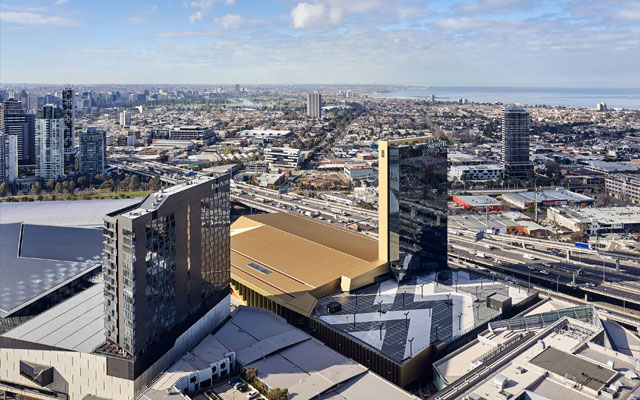
Dolan shared: “We are seeing a growing desire from clients and event planners for venues with multiple, connected spaces that offer indoor and outdoor experiences.”
She related how CENTREPIECE’s outdoor terraces are “popular locations for dessert and cocktail bars”, while the venue’s central terrace has also hosted pre-function gatherings that allow for outdoor networking.
For Squire, unique experiences offsite have proven to be popular. “Sugar cane farms are hot this year, and we’ve put some time into assisting a farm we work with to develop the shed into a ready-to-go venue.”
Sargent advised venues to “think outside of the box and consider how outdoor areas can be utilised”, such as an unused carpark to incorporate food trucks.

This would provide guests with a casual and fun ambience, along with some fresh air, help venues overcome labour shortages, and work with local vendors who have familiarity with local cuisine, she elaborated.
When asked about corporates’ budgets for dining functions, Sargent said clients are setting aside good money, with some “even (more) than pre-Covid days” as companies seek to reunite staff in a memorable fashion.
Nubul has also not observed “any restrictions on budgets”, because the priority now is on “celebrating being back together and creating memorable experiences.”
“Everyone is appreciating the need to bring people together, so budgets have not been severely impacted,” observed Dabbs for SEG events.
However, when it comes to decision-making, Squire hopes that event organisers will have more respect for suppliers.
“As suppliers, we do our best to supply quotes as soon as possible, but when clients take their time to decide, venues become unavailable. We also take time to host potential clients at venues, talk through the possibilities and provide quotes, but we never hear back from them.
It would be nice to get back to us with a yay or nay,” Squire lamented.
Veriu Group beefs up meeting portfolio
Australian apartment hotel operator Veriu Group will be opening the Veriu Queen Victoria Market later this year, in light of the resurgence of corporate travel and the increase in the number of in-person meetings.
The property will feature three conference rooms and a dedicated breakout area, as well as a large outdoor terrace facing Queen Victoria Market, offering opportunities for curated market or foodie experience to delegates.

More recently, the newly-built Punthill Caroline Springs offers a meeting space with floor-to-ceiling windows that open out across Spring Lake, as well as an adjacent breakout area, which can accommodate up to 110 delegates. The space can also be divided into two rooms for smaller events.
In addition to properties in Victoria, Veriu Group has a spate of Veriu and Punthill branded properties in New South Wales, and Queensland, that have been designed to accommodate and cater for all corporate conference requirements.
All conference rooms are furnished with a 75-inch TV monitor, as well as a webcam and speakers for any delegates participating remotely. Veriu Group will also take care of all culinary requirements, with a variety of F&B options throughout the day.


Philippine president Ferdinand Marcos, Jr has directed regional offices of the Department of Tourism (DOT) to work with their respective local government units to determine the extent of damage, and extend assistance to tourism-related establishments (TREs) affected by Wednesday’s earthquake.
The DOT’s infrastructure arm, the Tourism Infrastructure Enterprise Zone Authority (TIEZA), has also been tasked to explore support specifically for cultural and heritage sites impacted by the earthquake.
Initial reports note that at least two churches, declared National Cultural Treasure by the National Museum of the Philippines, are affected while several heritage and ancestral houses also sustained notable damage.
Other impacted tourism sites include the Vigan Cathedral in the Heritage City of Vigan in Ilocos Sur; multiple ground faulting in the popular Santa Ana Beach Area; and Lafaayette Luxury Suites Hotel and Crown Legacy in Baguio City.
Two properties managed and owned by TIEZA sustained damage as well. The riprap and ceiling of the Banaue Hotel and Youth Hostel in Ifugao partially collapsed, according to an initial report by the agency.
The quake also brought down the ceiling in the fireplace and lobby area of Mt Data Hotel in Bauko, while several hotel decorations were also damaged.
According to TIEZA, bookings for both impacted properties will be cancelled until a thorough assessment has been made.
DOT secretary Christina Garcia Frasco said in a press statement: “My concern and sympathy are one with those who have been affected by the recent earthquake in Northern Luzon. The Department will extend whatever help it can to tourism stakeholders and establishments that have been directly affected by this incident.
“Our resilience as a nation has already been tried and tested in the past. I am certain that this can be strengthened by the essential collaboration between our national agencies, local governments, and crucial stakeholders as we conquer our challenges.”