Centara Hotels & Resorts has named Siriwan Wangthamrong as executive vice president of human resources.
She brings 30 years of experience to Centara, where she will oversee the company’s entire human resources efforts to support more than 6,000 staff members across Asia and the Middle East.
She was most recently director – human resources and administration for G4S Security Services (Thailand), overseeing a total headcount of 20,000 employees.
Natalie O’Brien has been appointed chief executive of the Melbourne Convention and Exhibition Centre (MCEC), a role she will step into on January 9, 2023.
She takes over the reins from Peter King, who departs MCEC after 11 years.
As CEO of MCEC, O’Brien will be responsible for the overall management, business plan delivery and future strategic direction of MCEC and the operational planning for the new Geelong Convention and Exhibition Centre.
“When I start the role in early 2023, I will focus on leaning in and listening. I want to understand from our team and stakeholders what the current business opportunities and challenges are in this new operating environment. This will be a time to listen, gather insights and harness the experience and working knowledge of the organisation, its people, customers, and partners,” she told TTGmice.
“Integrating the needs of future audiences is front of mind for me. Our forward planning will consider changed consumer behaviours looking for deeper experiences, a hybrid business environment, acceleration of technology, increasing digitisation, AI, and its integration with the workforce. I’m also looking forward to understanding MCEC’s sustainability and community programmes. The organisation has been a leader in this space and it’s a focus that all organisations must continue to grow.”
O’Brien brings a wealth of leadership experience in the tourism and events industry. She is the former CEO of Food and Wine Victoria, producers of Australia’s Melbourne Food & Wine Festival.
She currently manages her own strategy consultancy, while operating as the CEO for Wine Victoria, and previously interim CEO for Ballarat Regional Tourism, where she led the co-design of Visitor Economy Recovery Plans.
Tākina Events appointed Jake Downing as director museum and commercial services.
In his new role, Downing will also be in charge of the operational team for the new convention centre Tākina, scheduled to open in mid-2023.
He was previously the head of tourism at Wētā Workshop, a position he has occupied since 2014. Before joining Wētā, Downing was commercial channel manager at Te Papa Atawhai Department of Conservation, where he created and implemented a national strategy for DOC’s 23 visitor centres, among other responsibilities.
With a career in tourism dating back to the late 1990s, he also currently holds positions with the TIA (Tourism Industry Aotearoa) board, Business Events Industry Aotearoa, and the Tourism Export Council.
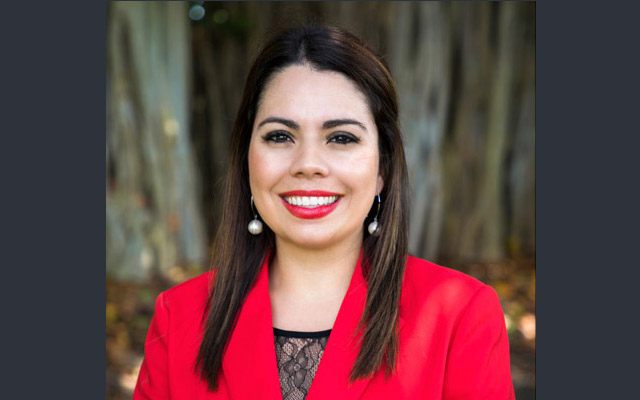
Destination Gold Coast’s CEO Patricia O’Callaghan has resigned after two years of service and will join Tourism and Events Queensland as CEO in 2023.
O’Callaghan will continue in her current role until November 30.
As an advocate and strong supporter of Gold Coast’s tourism industry, O’Callaghan will continue to promote the destination and the wider Queensland tourism economy in her new role.
Renowned for its picture-perfect backdrops, the South Island of New Zealand is ready to put on a show with new products, experiences, destinations, and a tourism experience that promises to go deeper, having had more than two years to rethink its tourism offering.
“What we’re now saying is that there’s actually a lot more to New Zealand,” Lisa Hopkins, chief executive of Business Events Industry Aotearoa, told TTGmice.
Marlborough (pictured) offers a blend of wine discoveries and adventure
“There’s a lot that’s new but there’s also a greater level of authenticity to the offer and it will be more connected to who we are as a country,” she said.
One of the South Island’s “new” regions is the re-birth of Christchurch, a destination that disappeared from the business events map after the major earthquake of 2011 devastated much of the city’s prized infrastructure, including the Christchurch Convention Centre, and pausing its domination of the conferencing market.
With an international airport just 20 minutes from the city, Christchurch held almost a quarter of the country’s market share prior to the earthquake, and 40 per cent of all Australians coming from “across the ditch” held their conferences in Christchurch.
Christchurch’s post-earthquake transformation has given the city a trendy and vibrant vibe
The rebuild has been slow but as visiting delegates to Meetings in Christchurch in June can attest, the city has left its ruinous landscape well in the dust to showcase a vibrant, redesigned destination complete with the stunning new Te Pae Christchurch Convention Centre.
“What we launched at Meetings is a business events positioning that aligns with the reset that people have been experiencing in the way that we live and work, and also how we meet,” said Megan Crum, ChristchurchNZ’s head of business events.
“Otautahi Christchurch is about finding your space – not just a physical space to hold your meeting but a space to think, reconnect, imagine and create,” she added.
Christchurch now offers hot thermal pools that sit on the edge of the ocean, whale watching and acrobatic dolphins nearby in Kaikoura, and the world’s largest international dark sky reserve at Aoraki Mackenzie that provides perfect conditions for stargazing.
There is also a gondola that sits on the volcanic rim of the city, surrounded by the spectacular scenery one would expect from the South Island, as well as mountain biking and hiking within 10 minutes from the city centre, and almost 30 golf courses to choose from.
The city centre itself has a completely new vibe that is distinct from its pre-earthquake character.
“We now have a range of incredible little secret laneways and boutique shopping and things that, dare I say, echo Melbourne with an international flavour that we never had before the earthquake,” said Crum.
“Also, our Riverside Market, where the whole paddock to plate philosophy is incredibly important and is a wonderful experience for cocktail parties of 1,000 people, is just two minutes’ walk from Te Pae,” she continued.
While Christchurch is rich with opportunities for event activations, it also invites delegates to explore the rest of the island.
Most people would head south towards Queenstown, but another gem of an events destination sits north of Christchurch. Laying claim to one of the country’s highest sunshine areas, Marlborough has been on the radar for many Australian event planners but is often overshadowed by its bigger and more popular city cousins.
Yet, to explore Marlborough is to discover some of New Zealand’s best, especially if delegates are a fan of New Zealand wines. Some 90 per cent of the country’s wines are produced here and there is a plethora of opportunities for meetings on beautiful wine farms.
“We’ve probably been overlooked because lesser people know about us, but we’ve got the greatest ingredients for a small conference or incentive programme,” said Wendy Desiles, business development manager at Business Events Marlborough.
“Anything from four-wheel drives and helicopter tours, to hunting and horse trekking up in the Marlborough high country. You can swim with dolphins and there are some great corporate responsibility opportunities too,” she added.
Marlborough has been hard at work developing its incentive offering, which can include experiences like a private tasting at Louis Vuitton’s Cloudy Bay vineyard or a stay at the secluded Bay of Many Coves resort in Queen Charlotte Sound.
History aficionados will love Peter Jackson’s private collection of aircraft and memorabilia from the first and second world wars at the Omaka Aviation Heritage Centre, perfect for immersive aviation or golden-era-themed dinners. Bolder delegates can even go on a “mild to wild” ride in one of the best WW2 fighters called Full Noise.
Noted Desiles: “There’s been a sentiment post-Covid of wanting to support tourism and events in smaller regions and communities. We have ways to focus and tailor the experience to different tastes and cultures, and we have an advantage because there’s such a variety.”
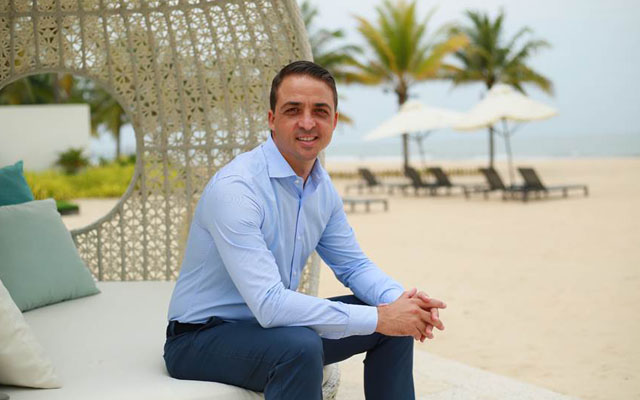
Alvaro Berton has been appointed as the new general manager of Meliá Ho Tram Beach Resort.
The Spanish-born has worked in management roles for Meliá Hotels International for more than eight years. He was previously the general manager of Meliá Purosani Yogyakarta in Indonesia for more than two years.
In his new role, Berton will oversee operations and strategies for business development and implementation of the new phase concept.
Event brief
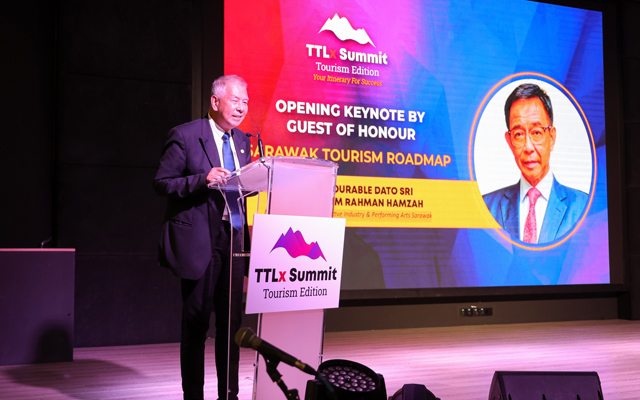
The inaugural TTLx Summit Tourism Edition 2022 was an in-person tourism conference held in Sarawak’s state capital, Kuching. The two-day conference was specially targeted at the travel trade in Sarawak, for them to share about the challenges in the industry post-lockdown, as well as provide them with ideas and solutions that could improve their businesses.
Held at the Chemsain Auditorium, the homegrown event also included an academic element. University undergraduates studying tourism and hospitality were tasked with doing a presentation on industry-related research ideas, with an RM1,000 (US$214) award grant up for grabs.
This event was conceptualised by Place Borneo, a PCO headquartered in Kuching.
Event highlights
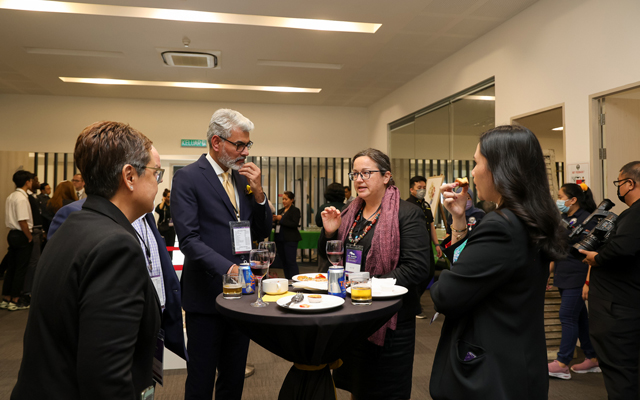
Aside from two keynote addresses, there were workshops, panel sessions, and networking events. Mona Abdul Manap, managing director, Place Borneo, told TTGmice that the “conference content was designed based on feedback from industry players in Sarawak”.
“Many knew that travellers would gravitate more towards online bookings and that it was imperative to have a digital presence, but they didn’t know how to go about it,” she stated.
That is how the digital marketing workshop session by Melvin Ong, CEO of Karuna (Sarawak) Enterprise came about, where Ong spoke about the importance of digital marketing and how to get started.
To further tap the Singapore market, which is important for tourism and trade for Malaysia and the region, Putrie Rozana, deputy CEO, Sarawak Trade and Tourism Office Singapore, was also present to share with attendees useful information on packaging products and services to meet the needs of Singaporeans.
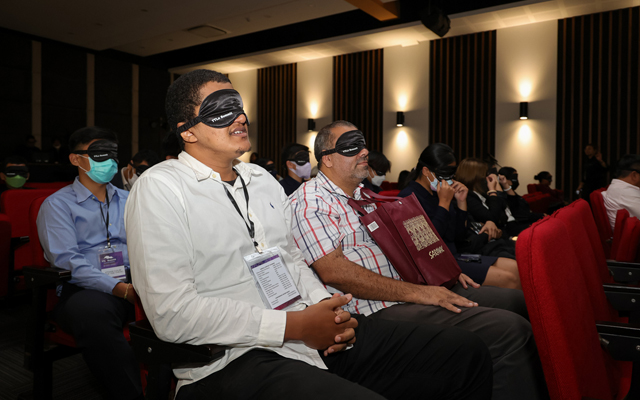
There was also a very motivational session by Ruth Yong Wang Theen. Born prematurely without sight, Yong shared how her doctor told her parents that she would not live long. However, with her parents’ support, she overcame all odds and became successful in life. Today, she is gainfully employed with a talent sourcing company, and also volunteers as an online tutor for refugee and orphanage centres.
Yong was a living testimony that with the right attitude and mindset, a person could achieve what they had set out to do. Many in the audience were also moved by Yong’s presentation and wanted to contribute towards her community efforts.
Challenges
Although this was planned as a hybrid event, with the opening of borders and gradual loosening of restrictions for gatherings, many attendees requested an in-person event instead.
This prompted a quick reassessment, and a decision was made for it to be fully in-person, to enable face-to-face networking. Mona also shared that with few virtual registrants, it was not financially viable for the event to be hybrid.
But because of this, some international speakers could not travel to Sarawak due to a reduced airlift, so Place Borneo had to look for new speakers located within Asia Pacific. This would help with budgeting costs, plus there were better air links.
Another challenge Mona shared, was the shortage of event suppliers. She had trouble looking for photographers, videographers and audiovisual suppliers as there were many other in-person corporate and governmental events happening in Kuching simultaneously.
Place Borneo also had to pay more for design and printing services to promote the conference as the printing company was stretched with other jobs.
Event TTLx Summit Edition 2022 Organiser Place Borneo Venue Chemsain Kuching Dates September 21-22, 2022 Attendance 150
Corporate meetings and events budgets are set to increase in 2023
Meeting professionals expect in-person events and budgets to increase in 2023, according to the 12th annual Global Meetings & Events Forecast, produced by American Express Meetings & Events, a division of American Express Global Business Travel (Amex GBT).
The 2023 Global Meetings & Events Forecast is based on a survey of 580 meetings and events (M&E) professionals across the value chain in 23 countries, as well as interviews with industry leaders.
Corporate meetings and events budgets are set to increase in 2023
Key findings from the report include:
• 77% of respondents are optimistic about the health of the industry heading into 2023 (rating eight or above out of 10) – a six-point increase compared to last year’s survey.
• 67% said they believe the number of in-person events will return to pre-pandemic levels within one or two years, with internal and smaller meetings already exceeding 2019 levels in some regions.
• Budgets: 65% said that overall M&E spend is increasing for 2023.
Strong growth of in-person events
Internal meetings continue to be a higher priority than they were pre-pandemic, as organisations see face-to-face interactions as key to improving productivity, connecting teams, reducing turnover and attracting top talent.
Survey respondents anticipate that in-person meetings and the number of event attendees will increase across the board, with 87% of meetings expected to have an in-person component. Moreover, only 32% of internal meetings are expected to be held on the corporate’s property, with 40% being held in a different city from the office, and 45% including overnight accommodation for attendees. After two years of remote and hybrid arrangements, respondents also expressed growing virtual fatigue.
For meeting professionals in the Asia Pacific region, over half (53%) of respondents say that macroeconomic changes are a top factor that influences an overall change in meeting spend at their organisation, more so than other regions.
Furthermore, they fall behind other regions in expecting in-person attendee numbers to return to pre-pandemic levels in the near future (61%). This is likely due to the region easing Covid-19 restrictions later than other regions.
Overall, a strong majority expect in-person M&E activity to be their main focus next year, with only 29% of respondents in North America and 33% in Europe expecting an increase in hybrid meetings.
Commitment to sustainability
Sustainability also continues to be a priority for most M&E programmes in 2023. Four in five respondents (80%) say their organisation takes sustainability into account when planning events.
Of those who say their organisation takes sustainability into account, 76% say their organisation has a defined sustainable meetings program strategy. Impactful practices cited include minimizing paper usage (22%), energy-saving and waste-reduction measures (19%) and booking green suppliers (18%).
Respondents in the Asia-Pacific region were more likely to incorporate sustainability into their meeting and events planning (86%) and 83% say they have a defined sustainable meeting programme strategy for 2023.
Diversity, Equity & Inclusion efforts
Incorporating diversity, equity and inclusion (DE&I) into meetings and events was also a top priority for meeting professionals. Nearly nine in ten (87%) respondents say their organisation or client actively strive to incorporate DE&I in their M&E programmes. These respondents say the top two ways they do this are by using diverse and minority-owned suppliers (29%) and by providing an option to attend the event virtually (28%).
“This Forecast reflects a renewed understanding of the value of meetings and events, and the critical role they play in building company culture and driving business,” said Gerardo Tejado, general manager, American Express Meetings & Events. “The report also finds an industry taking lessons learned during the last few years to bring positive change, including in areas such as technology, well-being, sustainability and inclusivity.”
The Asia Pacific Incentives and Meetings Event (AIME) will be returning to the Melbourne Convention and Exhibition Centre (MCEC) from February 13-15, 2023.
AIME will open its doors next year to 400 hosted buyers, 2,000 visitor buyers and over 300 exhibitors from all over the world. Next year, the tradeshow will also celebrate its 30th anniversary.
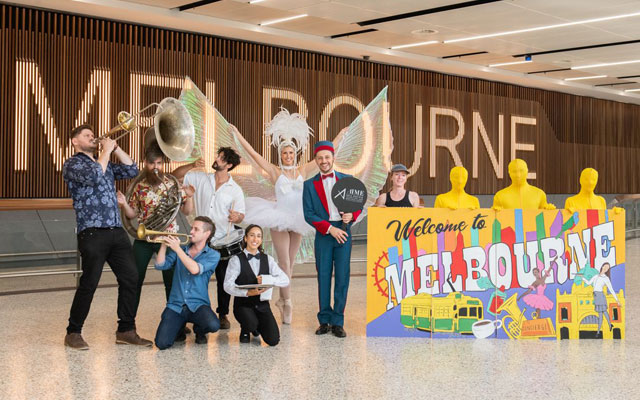
The welcoming committee at the airport for AIME 2022
Silke Calder, AIME event director, shared: “Five months out from the show and AIME has already sold over 80 per cent of its showfloor. We’re thrilled with the support we’ve received from international destinations along with Australia’s convention bureaus – every state in Australia will be represented at AIME next year.”
AIME will also add rigour to its Knowledge Program with the establishment of a new initiative – the Knowledge Program Advisory Committee. This committee consists of eight leaders from the Asia Pacific meetings and events industry, who will guide the curation of the Knowledge Program, held on February 13. The programme is set to spark interest, stir debate and engage all areas of the events sector.
AIME’s highly anticipated Welcome Event will also return this year, and will be held at a secret location to drive further excitement around anniversary celebrations.
Exhibitor sales and hosted buyer registration are currently open.
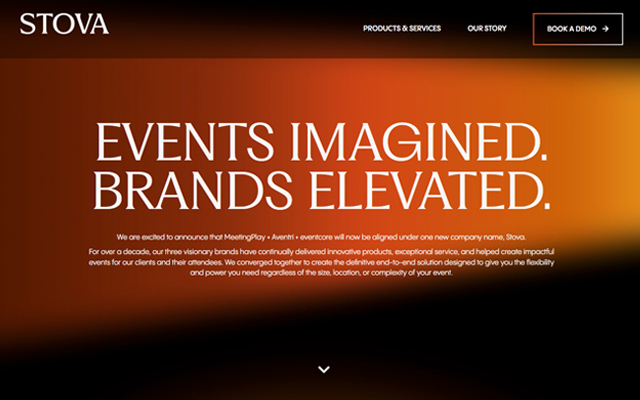
Following the merger of MeetingPlay and Aventri, and the acquisition of eventcore earlier this year, these three event technology companies have consolidated to emerge as one global leader in event management solutions – Stova.
The new branding is rooted in the heritage, technology, and people of these three brands – three drivers that have made the company and its portfolio what it is today. As the organisation continues to look ahead, creating a strong, unified brand in the marketplace is essential while ensuring the new identity matches the innovative technology firm the company has become.
A screenshot from the Stova website
Born from the phrase “standing ovation”, “Stova” is a statement to the brand’s value of delivering synergistic, solutions-based products and services for event management that supports clients in creating epic experiences for events of any size and for every audience.
“For over a decade, our three unique brands have offered innovative products and technologies to help brands deliver highly impactful events,” said Eric Lochner, CEO of Stova.
“We have immense pride in the consolidated entity we have created, and we’ve only just begun. We are deeply connected to our clients’ event landscape and will continue to invest in and build event technology solutions that consistently meet our clients’ changing needs to deliver epic events, every time. We’re excited to unveil an updated corporate name and branding that more accurately reflect the company we’ve become, a true one-stop-shop for our clients’ event technology needs.”
The Stova platform offers capabilities for any event budget, size, and format from onsite and hybrid to fully virtual events.
Just 10 minutes from Phuket International Airport on the serene northern coast, this 178-key, Bill Bensley-designed resort offers delegates a quiet, tropical paradise steeped in Phuket’s tin-mining heritage
The newly-opened Ritz-Carlton, Bangkok anchors the One Bangkok development with cosmopolitan elegance. Featuring the city's largest ballroom and a spectacular new penthouse suite, it delivers exceptional hardware and deeply authentic, soulful service for business and leisure travellers alike
Behind the imposing, Brutalist concrete that defines Zurich’s Oerlikon district lies a surprising secret. While its exterior honours the neighbourhood’s industrial roots, stepping inside Mama Shelter reveals a vibrant, neon-soaked world that is a far cry from its rigid shell



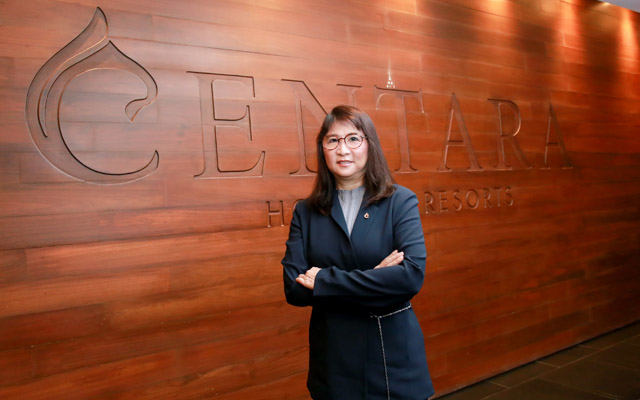
 She was most recently director – human resources and administration for G4S Security Services (Thailand), overseeing a total headcount of 20,000 employees.

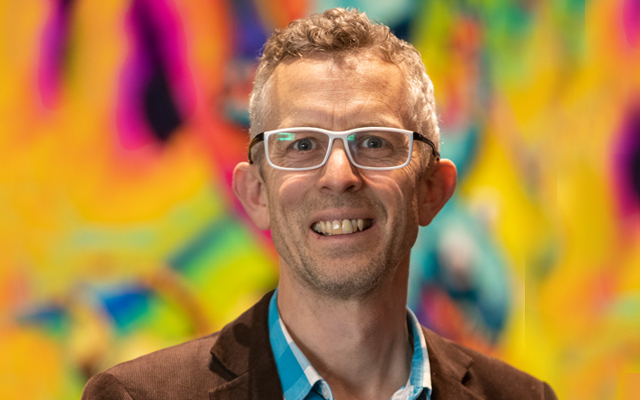
 As an advocate and strong supporter of Gold Coast’s tourism industry, O’Callaghan will continue to promote the destination and the wider Queensland tourism economy in her new role.


 In his new role, Berton will oversee operations and strategies for business development and implementation of the new phase concept.