Asia/Singapore Friday, 12th June 2026
Page 47

UFI Global Congress celebrates centenary in Hong Kong; Bahrain to host 2026 edition

0
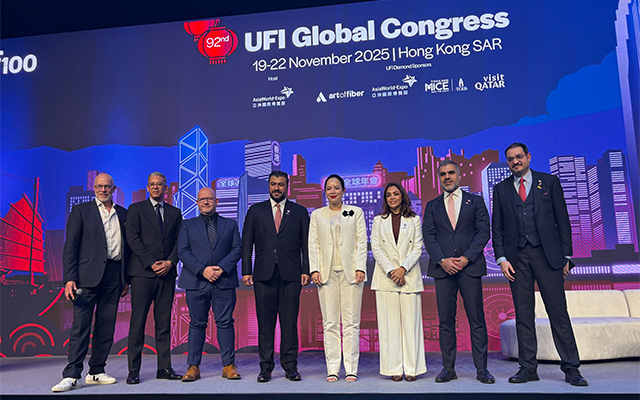
Delegates from Bahrain at the UFI Global Congress in Hong Kong; photo by Prudence Lui

The UFI 92nd Global Congress concluded on a high note in Hong Kong in mid-November 2025, drawing over 600 global industry leaders from 47 countries.

Hosted by AsiaWorld-Expo (AWE), the event marked a double celebration: AWE’s 20th anniversary and UFI’s centenary. The Congress, which returned to Hong Kong after 25 years, was themed Shaping the Future, and featured keynotes, workshops, discussions, and networking opportunities.

Delegates from Bahrain at the UFI Global Congress in Hong Kong; photo by Prudence Lui

Beyond business sessions, the Hong Kong Tourism Board curated post-congress tours, including visits to M+ for the Congress Dinner, Peak Tram, Palace Museum, Tai O, and Tai Kwun. The goal was to showcase reasons for delegates to extend their stay and explore the destination.

UFI’s managing director and CEO, Chris Skeith, said: “Coming to Hong Kong this year particularly is important to UFI as it’s our centenary. We’ve been celebrating the past, honouring the present, but the main thing we’re here today for is to help shape our future.”

Skeith highlighted that Hong Kong has the capability to host large-scale events, and anticipates many UFI members will bring future events to the city.

Richard Ireland, CEO of Clarion Events Asia, echoed this sentiment, calling Hong Kong a “great destination” due to its proximity to the Greater Bay Area, affluent population, and proven ability to host successful large events.

Looking ahead, the 93rd UFI Global Congress will be hosted by Exhibition World Bahrain (EWB) in Sakhir from November 2 to 5, 2026.

Huda Al Shamlan, EWB’s director of marketing, communications partnership, stressed the vital importance of the business events industry to Bahrain.

“When we were established three years ago, we were established to lead the growth of this industry,” she told TTGmice. She noted that EWB is backed by a destination and partners who understand the industry’s significance.

The 2026 edition aims to showcase Bahraini hospitality, regional innovation, and EWB’s modern event environment. Delegates can expect thought-leadership sessions, exposure to emerging technologies, and first-hand insights into Bahrain’s rapidly evolving business events ecosystem.

Al Shamlan confirmed EWB is actively preparing by enhancing operational, technological, and experiential pillars. This includes strengthening AV/technology infrastructure, expanding service offerings for a seamless delegate journey, and deepening partnerships with national stakeholders for integrated logistics, accommodation, and cultural experiences.

Twenty years strong

0

This year marks the 20th anniversary of AFECA. Looking back to its beginnings in 2005, how did the association come about?
AFECA was founded in 2005. At that time, Dylis Yong, who was then president of SACEOS in Singapore, proposed the idea of forming a federation for the Asian business events community. We supported her idea because we believed it was the right move for Asia.

She reached out to associations from six other economies – Indonesia, Malaysia, the Philippines, China, Taiwan, and Japan – and together with Singapore, these seven associations became the founding members of AFECA. Yong served as the founding president, and two years later, in 2007, I succeeded her as president.

Since then, AFECA has grown steadily. Every year, we have added new members and expanded across Asia. I personally helped to connect with China, as my company was involved in organising events there. This led to partnerships with CCPIT and the creation of the China Expo Forum for International Cooperation, which also celebrates its 20th anniversary this year.

What does this 20-year milestone represent for both AFECA, and you on a personal note?
For me, this anniversary is not just a reflection of longevity – it’s about resilience, growth, and collaboration. Over the years, we’ve gone through challenges, but AFECA has continued to bring committed members from across China, India, and South-east Asia together.

It’s about celebrating what we’ve built: a regional platform that connects associations, governments, and industry professionals across 19 (soon 20) economies under one shared vision.

AFECA’s A20 concept has become one of its key initiatives in recent years. Can you explain what it stands for and what it aims to achieve?
A20 stands for Asia 20. It was introduced by our current president, Vincent Lim, about three years ago. The idea is to represent the 20 economies in Asia that contribute to the business events industry. Although we currently have 19 members, we are working to bring in one more to complete the “20”.

A20 is built on two principles – cooperation and collaboration. Each host country brings its own strengths, and together, we showcase Asia’s diversity and potential. This year, A20 was organised jointly with ASPERAPI in Indonesia, alongside the Indonesia Business Event Forum. I think it has been a great success and a strong example of regional partnership in action.

AFECA is also launching its inaugural Annual Awards this year. What inspired this initiative?
Since it’s our 20th anniversary, we wanted to create something meaningful, and honour the pioneers and visionaries who helped shape Asia’s business events industry. Many of these individuals and organisations have been working for more than 20 years, building conferences, exhibitions, and venues that drive economic development.

So we established the AFECA Annual Awards with five core categories (including) Outstanding leaders in conventions, Outstanding contributions to exhibitions, Excellence in contracting and business services, Leadership in venue management, and Visionary contributions to the overall business events ecosystem.

We decided to honour 20 individuals this year – one for each year of AFECA’s journey. Seven of them represent our founding associations, two are past presidents (myself and Yeh), and the remaining 11 were selected through an international jury process.

Our jury includes representatives from UFI, IAEE, ICCA, AFECA’s advisory council, and media partners like TTG Asia Media. Together, they reviewed nominations and selected the honourees. These pioneers are then formally inducted into the AFECA Hall of Fame.

How do you see the role of governments across Asia evolving in supporting the business events industry post-pandemic?
The pandemic was a very difficult period for everyone globally, not just in Asia. But one key reason our industry survived was the strong government support across many Asian economies.

In Singapore, for example, the government subsidised part of our companies’ salaries, which helped us sustain operations for three years. We also saw great examples of public-private partnerships, where the private sector and government worked hand-in-hand to rebuild the industry.

Today, many governments not only provide financial support but also help stimulate demand by bringing buyers and organisers together. Across Indonesia, Singapore, Malaysia, Taiwan, Hong Kong, and the Philippines, public agencies have played a major role in helping the business events ecosystem recover.

We must acknowledge that our industry is an engine of economic development. Events drive trade, investment, job creation, and innovation. When the public and private sectors collaborate effectively, the entire economy benefits.

Looking ahead, what is your vision for AFECA in the next 20 years?
The first 20 years were about building connections. The next 20 should be about empowerment and legacy – nurturing young leaders, strengthening sustainability practices, and ensuring Asia continues to be a driving force in the global business events landscape.

We want to see AFECA become a thought leader, and shape the future of business events through collaboration, education, and innovation.

Asian corporates merge meetings and corporate travel programmes for better synergy

0
Strategic Meetings Management Programs gain ground in APAC

Asian corporate meetings and events (M&E) programmes are playing catch-up with global standards, evidenced by the growing, cross-industry interest in implementing Strategic Meetings Management Programs (SMMP).

Unlike the US and Europe, not many companies integrate Meetings & Events (M&E) with their travel programme, according to a lead member of the Global Business Travel Association (GBTA) APAC M&E Committee, but the practice is gathering pace.

Strategic Meetings Management Programs gain ground in APAC

“It is getting apparent more corporates see it is smarter to leverage both programmes to achieve synergy.”

Sanjay Seth, managing director-Asia Pacific, BCD M&E, said planners are having to do more with less and budget constraints are driving them to seek efficiencies and consolidate spend.

“Events and strategic meetings management are now seen as strategic investments aligned with business goals and greater involvement from procurement, marketing and finance teams.”

Seth advocates for integrating M&E and travel programmes to consolidate spend visibility. This integration enables deeper savings, better supplier leverage, and more strategic decision-making. He also advises aligning travel policies with M&E strategies, using shared data to optimise budgets and logistics, and working with suppliers who offer sustainability credentials, contingency planning, and flexible cancellation policies.

Finally, he recommends using AI for personalisation and automation while maintaining the human touch for immersive experiences, and focusing on tools that streamline planning and reduce friction.

A global travel and meetings manager in the pharmaceutical sector told TTGmice that leveraging programme integration depends on the size of the business and allocation of resources.

“It makes sense to teams working on both programmes as there is so much overlapping. But ultimately it depends on spend, scale of the programmes, what you want out of it and stakeholder buy-in.”

Meanwhile, a Singapore-based regional corporate travel manager (CTM) of a European heavy machinery provider, said the company’s SMMP, launched in November, may appoint a regional lead.

He is now providing cultural and regional knowledge on how things are done to support the global M&E lead in the company’s headquarters.

Describing the company’s “global but decentralised” policy, the CTM said every business unit has its own requirement, budget and design autonomy, so the programme has to be “user-centric”.

Meanwhile, the CTM of a regional bank is launching its SMMP in 2026, to achieve a “more meaningful relationship” with stakeholders and partners.

“Meeting planners may not necessarily be speaking the corporate travel lingo and we are now on that part of our journey where we want to find synergies, track spend and manage both programmes better.

“We may look at the value of engaging the M&E team of our TMC to be recognised as a serious client and premier partner, or adopt a tool like planned.com for potential cost and time savings,” he shared.

Nyaal Banyul highlights Geelong’s regional produce in event menus

0
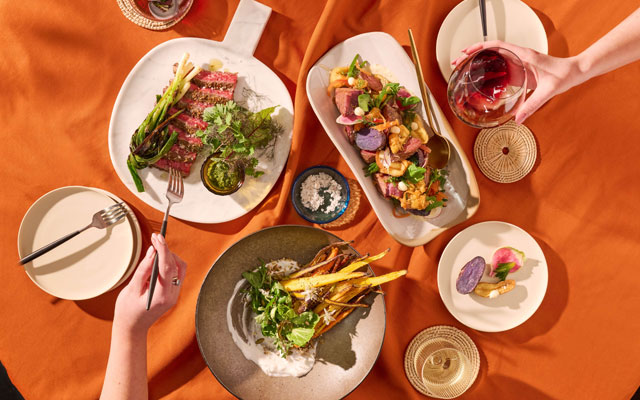
A sample spread at Nyaal Banyul Geelong Convention and Event Centre

Nyaal Banyul Geelong Convention and Event Centre has unveiled its inaugural F&B menus.

Designed to showcase the best of Geelong and The Bellarine’s regional produce, the menus are a blend of coastal flavours and culinary innovation.

A sample spread at Nyaal Banyul Geelong Convention and Event Centre

The debut menu from head chef Andreas Gober celebrates local growers and makers, and the strong sense of community that is distinctly Geelong.

“Our food philosophy is all about gathering and sharing – connecting people with place,” Gober said. “We’ve worked closely with local farmers, producers and artisans who share our passion for sustainability and creativity. Every dish on our menu captures the freshness and beauty of Geelong and The Bellarine.”

From native fruits and coastal honey at breakfast to refined gala dishes that hero local seafood, grains and seasonal vegetables, the menus are designed to suit every event style, from conferences and networking cocktails to grand celebrations.

Sustainability sits at the core of Nyaal Banyul’s offering, with many ingredients sourced from carbon-neutral suppliers and a focus on seasonal, low-waste menu design.

Plant-based, gluten-free and allergy-friendly options are featured across all menus, ensuring every guest feels welcome at the table.

[REDIRECT] Auckland welcomes Indigenous wisdom at WIPCE conference

0
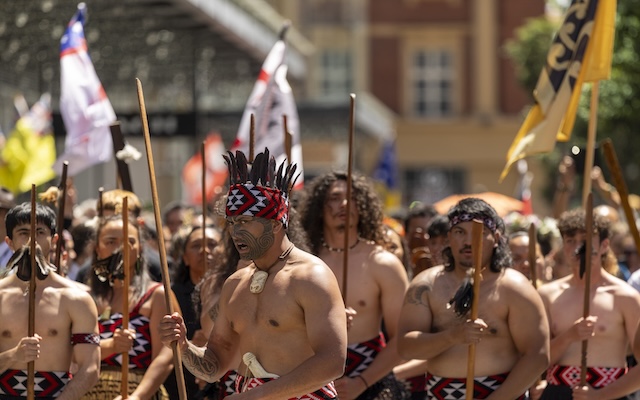
Experiences at WIPCE 2025 shared stories of place, ancestry and innovation

Singapore harnesses wind energy sector with new flagship conferences

0
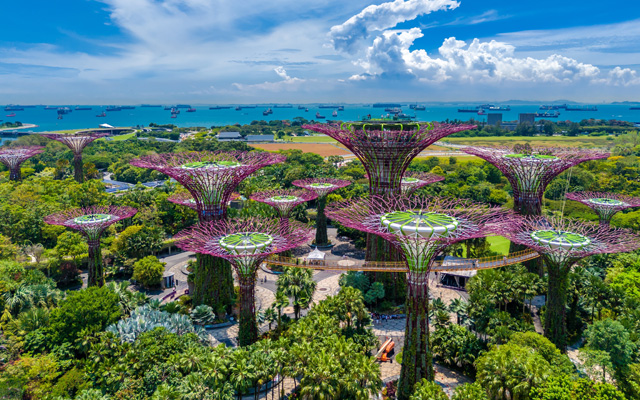
The series of wind energy conferences and exhibitions are aimed at accelerating the growth of renewables across Asia-Pacific region; Singapore's Gardens by the Bay pictured

A five-year Memorandum of Understanding (MoU) has been formed between DN Media Group (Recharge), Hamburg Messe und Congress (HMC), Enterprise Singapore (EnterpriseSG), and the Singapore Tourism Board (STB) to establish a series of wind energy conferences and exhibitions in Singapore.

The MoU signing ceremony was witnessed by the first mayor of Hamburg, Peter Tschentscher, and Singapore’s ambassador to Germany, Lee Chong Hock, and signed in Hamburg during the Recharge Wind Power Summit 2025, marking the first expansion of the globally-recognised WindEnergy Hamburg brand outside of Europe.

The series of wind energy conferences and exhibitions are aimed at accelerating the growth of renewables across Asia-Pacific region; Singapore’s Gardens by the Bay pictured

The partnership will see EnterpriseSG and STB support the organisation of the two-day Recharge Wind Power Summit Asia-Pacific, powered by WindEnergy Hamburg, in Singapore in 2026, and the flagship three-day WindEnergy Asia-Pacific powered by Recharge in Singapore in 2027 and 2029. WindEnergy Asia-Pacific will alternate with the biennial WindEnergy Hamburg.

The events will leverage the expertise of WindEnergy Hamburg and Recharge to feature conferences, trade fairs, plenaries, roundtables, networking sessions, and site visits, facilitating business development and policy dialogue among global industry leaders.

These events arrive as wind energy in Asia-Pacific reaches a critical juncture, with countries like Australia, India, Japan, the Philippines, South Korea, and Vietnam announcing substantial wind energy targets. The region is already the world’s largest wind market, with 607.5 gigawatts installed in 2024.

Offshore wind, in particular, is a focus, expected to deliver 50 gigawatts of capacity by 2034, accounting for over 60 per cent of new global offshore capacity additions.

Iconic theatre comes under management of The Capitol Kempinski Hotel Singapore

0
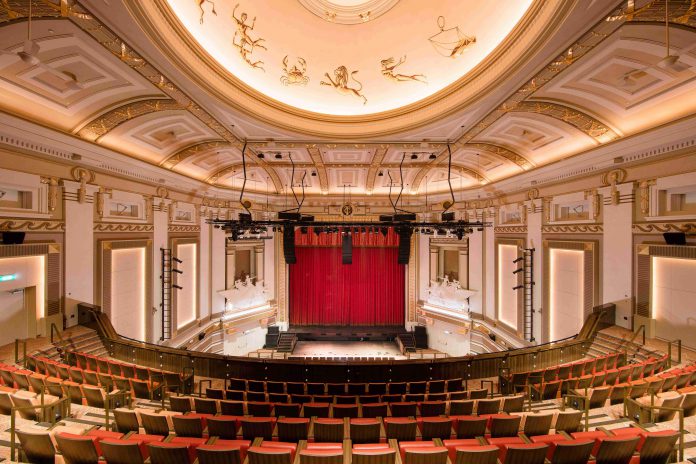
Capitol Theatre stage view

Singapore’s historical landmark, the Capitol Theatre, is now being managed by The Capitol Kempinski Hotel Singapore, allowing the latter to curate a diverse selection of public and private events in a storied venue.

The Capitol Theatre, launched in 1930, drew inspiration from New York’s famed Roxy Theatre and features a neoclassical architecture. It made waves when it first opened, showing off modern auditorium technology along with the largest capacity in the Far East. Charlie Chaplin and Ava Gardner were among international stars who once graced the venue.

Capitol Theatre stage view

Today, the venue boasts a blend of conserved architectural grandeur with flexible design – its rotational floor system allows it to transform from a traditional tiered theatre layout to a flat-floor configuration in just minutes. Recent renovations have also updated its audio and visual equipment and interiors.

It accommodates 865 seats, and can welcome up to 400 guests in reception style.

Through the hands of the hotel, Capitol Theatre has welcomed a range event clients, from corporate entities and luxury brands to DMCs and event agencies.

It recently hosted a Singapore Grand Prix after-party, a 300-guest fashion show and gala, weddings, concerts, and comedy shows with local home-grown talents.

Chiang Mai Marriott debuts new events venue

0
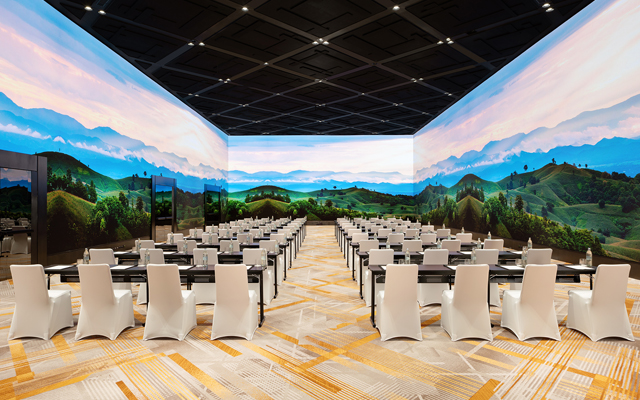
Plaii Ballroom

The Chiang Mai Marriott Hotel, a five-star property owned by Asset World Corporation, has officially launched the Plaii Ballroom and Plaii Hybrid Meetings & Entertainment Complex.

The three-story Plaii Complex, named after the Thai Royal elephant – a symbol of strength and noble presence – is designed as an all-in-one event destination. The centrepiece is the Plaii Ballroom, Thailand’s first 360-degree immersive LED ballroom, featuring an 84m wraparound LED display, a 6.2m screen height, and 400m2 of pillarless space. It is purpose-built for international conferences, product launches, and luxury celebrations.

Plaii Ballroom

Supporting the ballroom, the complex includes 11 fully equipped meeting rooms, executive breakout suites, and a naturally lit Mingle Space. For lifestyle and entertainment, the complex integrates The Wang Bar, private golf simulator rooms, private karaoke lounges, and The Plaii Eatery Café & Bar.

With this debut, Chiang Mai Marriott Hotel now offers a total of 22 meeting rooms and over 2,800m2 of flexible event space, catering to large-scale regional and hybrid conferences. According to the hotel’s general manager, Rajat Chatterjee, the launch has drawn significant interest from domestic and regional markets, notably South Korea, Taiwan, and Greater China.

Beyond its event facilities, the Chiang Mai Marriott Hotel offers 383 contemporary rooms and suites with panoramic views of Doi Suthep. Its dining collection includes the Michelin Guide-recognised Italian restaurant Favola, the Chinese restaurant Han The Chinese Cuisine, and all-day dining at The Ping Cuisine & Bar. Guests in Club rooms have access to the M Club executive lounge. The hotel also provides a 24-hour gym and an infinity-edge pool.

Tokyo leads the way as ultimate destination for congresses and culture

0
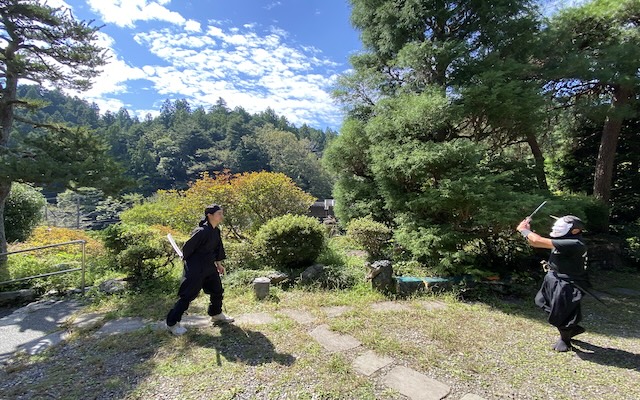
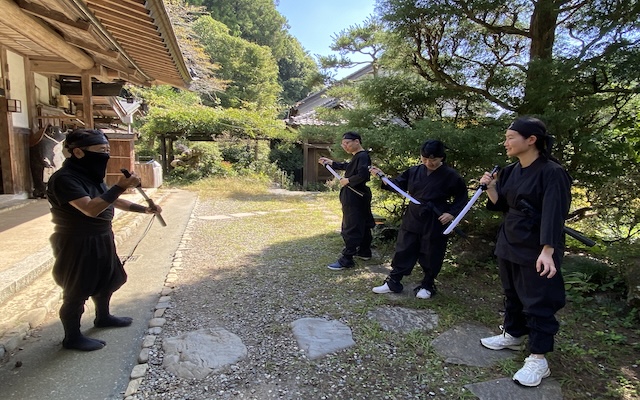
One of the tour excursions as part of the event took delegates to the Nishi Tama area for a ninja experience

Brought to you by Tokyo Convention & Visitors Bureau 

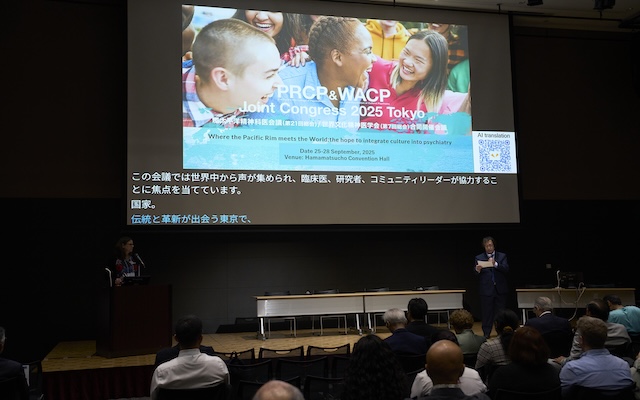
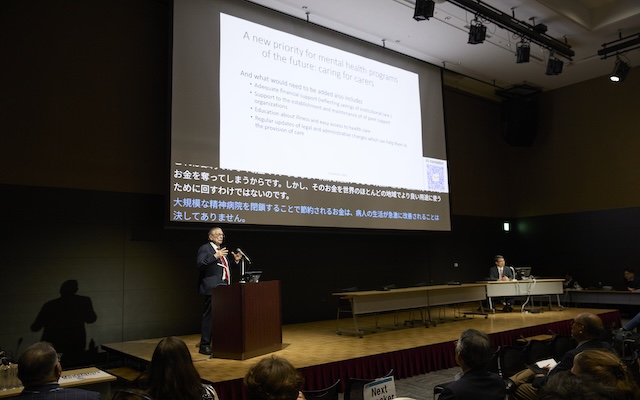
The Hamamatsucho Convention Hall & Hybrid Studio in Tokyo saw a lively gathering of professionals from the mental health sector from September 25 to 28, 2025. 

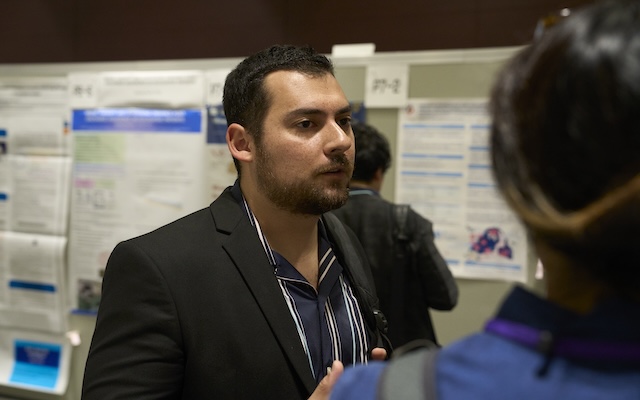
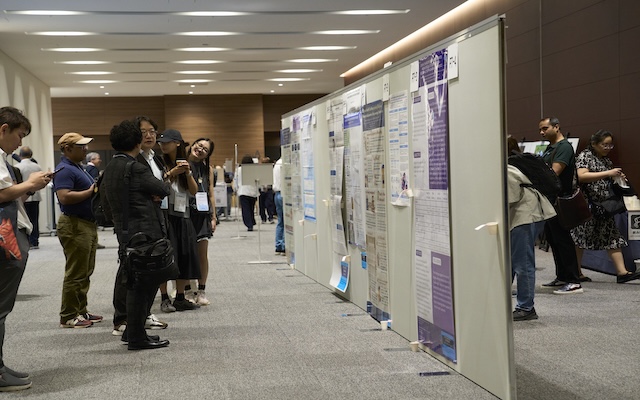
About 1,175 participants from 55 countries attended the first ever joint congress between the 21st Pacific Rim College of Psychiatrists (PRCP) and 7th World Association of Cultural Psychiatry (WACP). With a focus on socio-cultural psychiatry, the congress comprised various symposia, oral presentations, lectures, plenary sessions and workshops. 

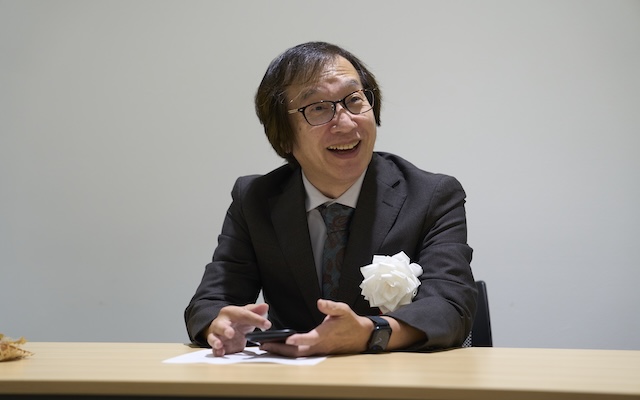
The decision to hold a joint congress in Tokyo fell into place rather serendipitously as both organisations were looking towards Asia to hold their events, according to Itsuo Asai, professor and the congress chair. As a board member of both organisations, he recognised the similarities and proposed a joint congress in Japan. 

Tokyo was chosen for its international connectivity, ease of accessibility and all-round desirability as a destination for many visitors. The Hamamatsucho Convention Hall & Hybrid Studio itself is easily accessible from Haneda Airport by a direct monorail in less than 15 minutes. Moreover, the availability of hotels in the area added to the venue’s advantage. 

“The Shiba, Tokyo Bay area where the venue is located, has been designated by the Tokyo Metropolitan Government as a leading area for business events in Tokyo,” said Toyota Sone, director of Sales, Business Events Team, Tokyo Convention & Visitors Bureau (TCVB). 

“Hosting this international conference is expected to provide substantial momentum for attracting future international conferences and is an achievement of the collaborative efforts by the government and local companies to actively promote MICE,” he added. 

The location proved a great benefit for professionals based in Japan.

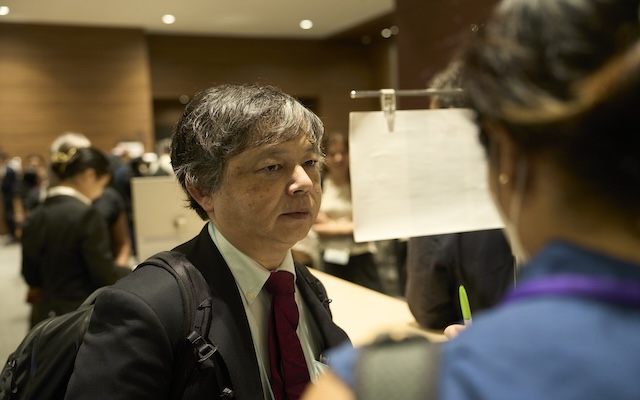
Makoto Hashiro, owner of a dermatology and psychotherapy clinic in Osaka, cited Tokyo’s excellent accessibility for delegates from across Japan as well as for experts flying in from the West. The congress venue’s proximity to Tokyo Station, hotels, and restaurants further enhances convenience.

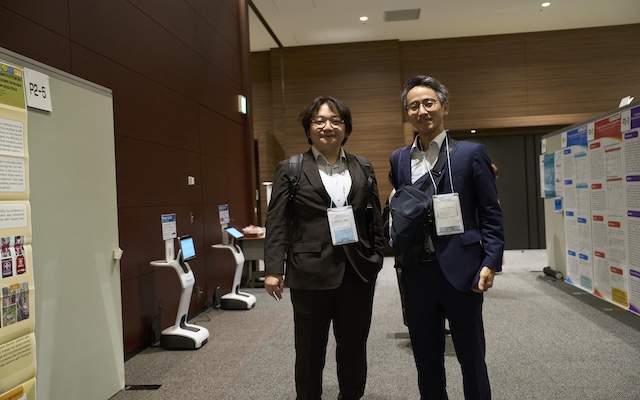
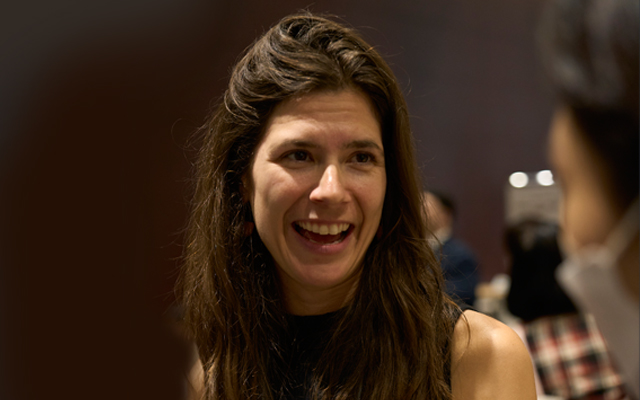
Morio Aki, an assistant professor at Kyoto University, noted Tokyo’s convenience. His colleague, Toshihiro Shimizu, agreed, highlighting the city’s abundance of restaurants and attractions that facilitated excellent networking. Both are members of the Japan Young Psychiatrist Association, and appreciate the networking opportunities provided by the congress. 

For Francisco José Barbosa-Camacho who works at a hospital in Mexico, visiting Japan had always been a dream of his. Apart from engaging in knowledge exchange at the congress, he also enjoyed exploring Tokyo’s popular neighbourhoods of Akihabara and Shibuya. Similarly, University of Montreal professor, Dominique Gaulin, was happy to seize the learning opportunity and extend her stay in Japan post-congress with her husband and toddler, remarking that it was easy to travel around Tokyo with a child.

Beyond the logistical advantages, Asai acknowledged the financial support from the Tokyo Metropolitan Government and TCVB that enabled the organising committee to introduce new elements to the programme that made it more exciting, interactive and helpful for delegates.

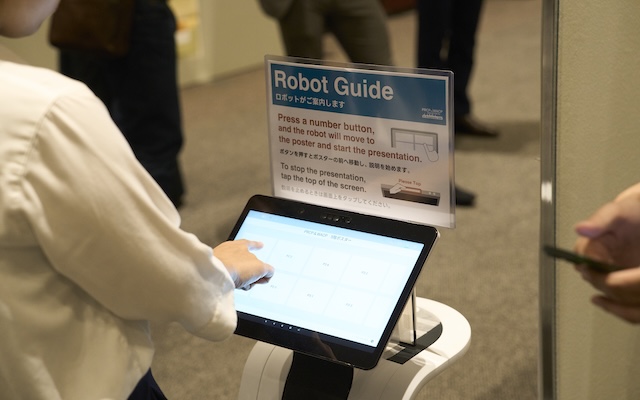
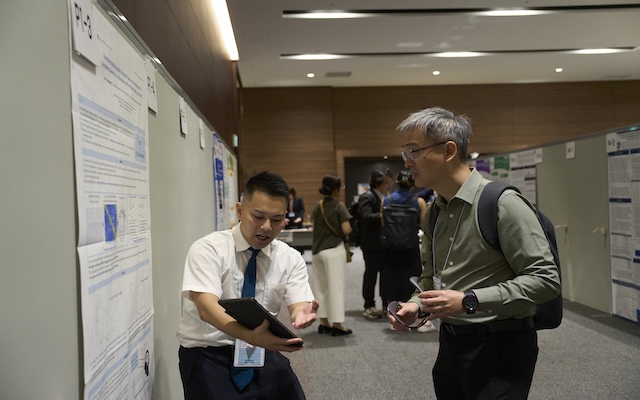
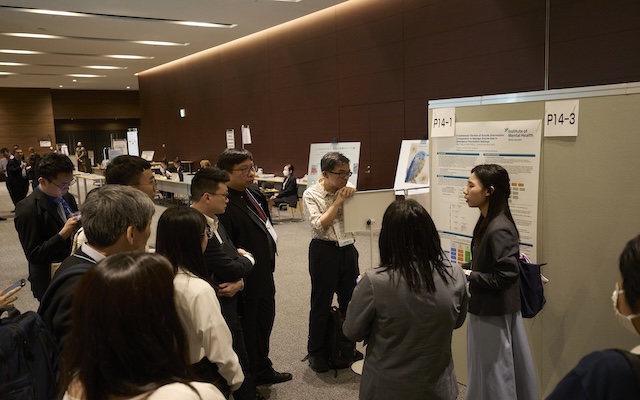
We utilised AI in programme planning and introduced robot guides in the poster sessions. The assistance with venue cost and the introduction of the AI-based simultaneous interpretation system proved to be the most valuable contribution to the congress’ success,” said Asai.

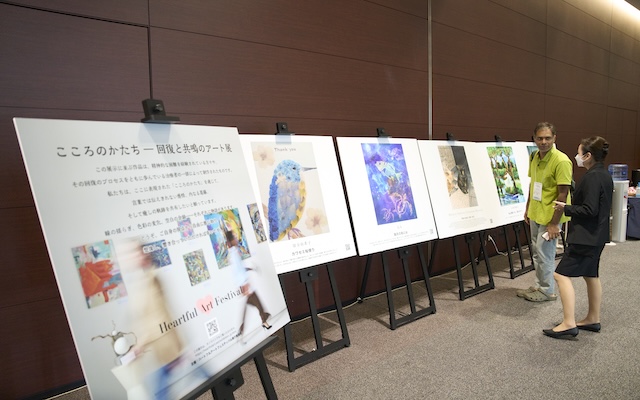
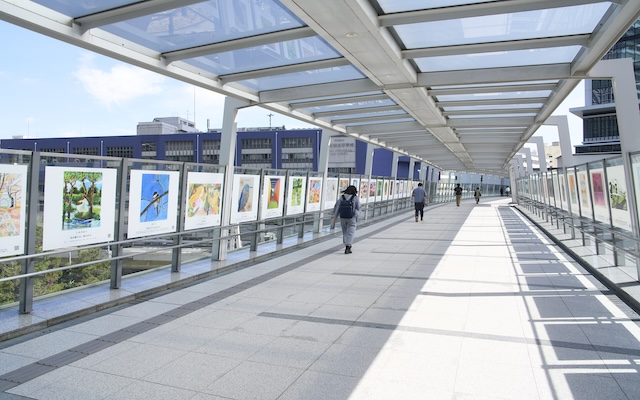
At the same time, The Heartful Art Festival, a project conceived by Asai to show how art can restore hope and pride to those suffering from mental illness, was carried out with the cooperation of DMO Shiba, Tokyo Bay, the local DMO responsible for the area. Art submissions were displayed at the congress venue and along a pedestrian bridge near the Hamamatsucho Station area throughout September. Following the congress, artworks remain on the website and will be developed as an online museum. 

“The purpose of this exhibition is to provide a sense of pride and joy for the participants and their families. For future congresses, we plan to organise a lot of exhibitions in the same manner,” he said. 

Experiencing more of Tokyo and gaining firsthand cultural experience

Complimentary cultural programmes and tours organised by TCVB further enriched the congress experience.

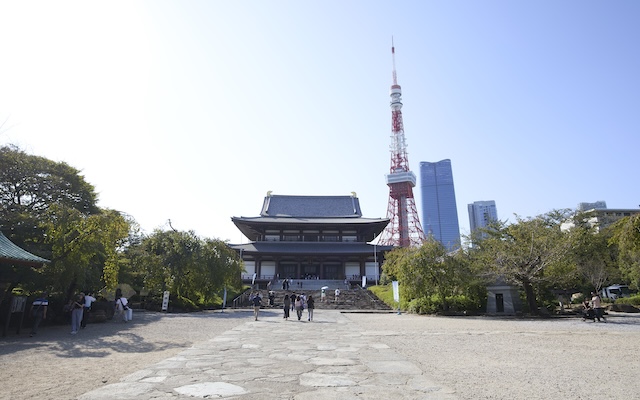
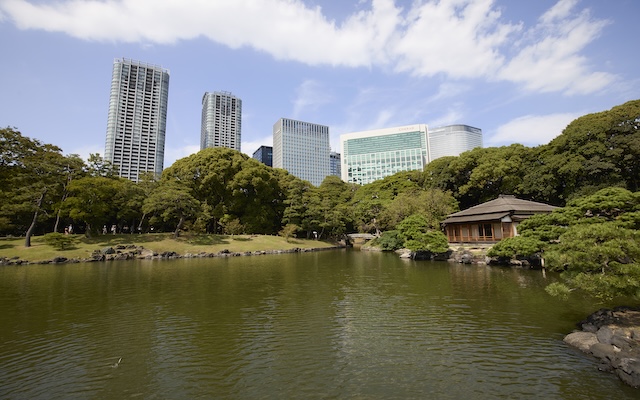
Delegates could sign up for excursions to iconic Tokyo attractions such as the Tokyo Skytree and a walking tour of Asakusa; Tokyo Tower and Odaiba area, or a river cruise and a visit to Hama-rikyu Gardens. The beautifully landscaped garden, originally built as a feudal lord’s residence and duck hunting grounds during the Edo period, offers a dramatic contrast to the skyscrapers of the surrounding area. A traditional teahouse and outdoor pavilions make it a unique venue option for MICE events

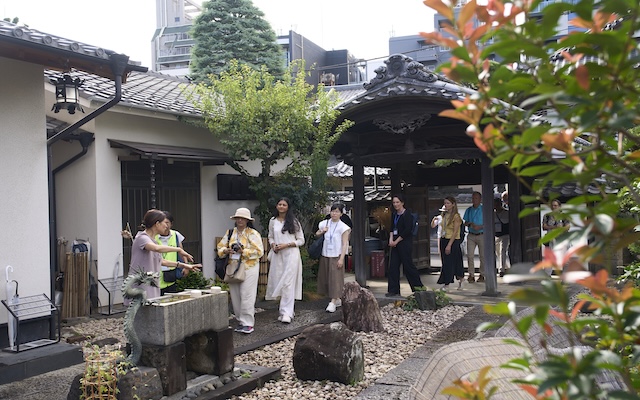
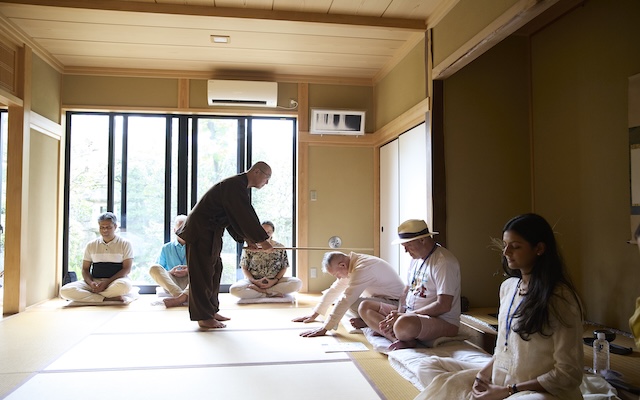
For a deeper cultural experience, delegates could also sign up for a zen meditation session. Held at Korin-in temple, staff explained the significance and process of this particular style of meditation before guiding participants through the process. 

One of the highlights was a five-hour excursion to Nishi Tama, a district west of central Tokyo, for an interactive cultural experience. 

Delegates were transported to a past era at Hinode Bukeyashiki, a ninja dojo located in a 150-year-old historical residence. Dressed in ninja outfits, they received a crash course on ninja traditions and weapons from enthusiastic senseis (teachers), before getting hands on themselves, wielding said weapons including a throwing star, blowgun and sword. 

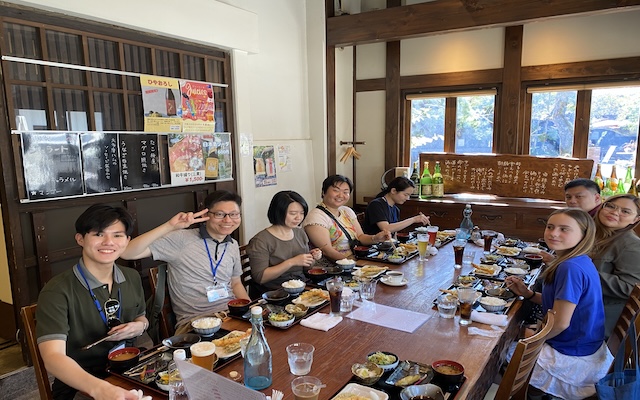
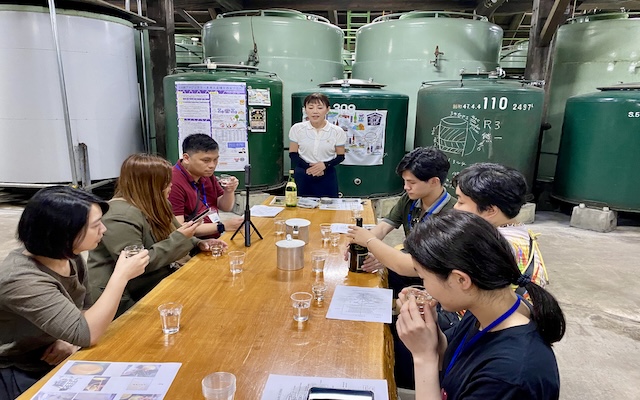
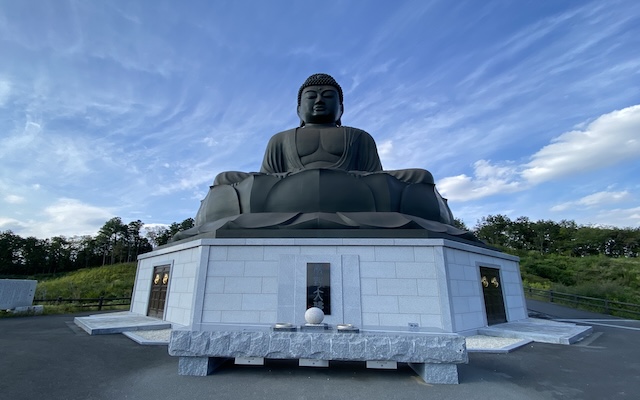
Then it was off to the ​​Ishikawa Brewery for a complimentary lunch and learning about sake brewing, with a small tasting session. The last segment of the tour included a stop at the giant 12m Rokuya Buddha, one of the newer giant Buddha statues in a quiet part of the greater Tokyo countryside. 

Even for repeat visitors to Tokyo, the opportunity to explore a different side of the city was still appealing. 

“I always wanted to try the ninja activity and go on a sake tour but never had the chance to,” said Ynna Lee, a first year psychiatry trainee in Melbourne’s Monash Hospital, adding that it was just nice that the congress offered such an activity.  

Similarly Huey-Ling Chiang, a psychiatrist in Taiwan and frequent visitor to Japan, enjoyed the novelty of the experience. “We get to do something by ourselves and it is an activity unique to Japan,” she said, adding that the tour was very good and well planned. 

“By offering these tourism programmes free of charge, TCVB aims to invigorate tourism exchange triggered by international conferences, achieve sustainable visitor attraction, and further enhance the brand value of Tokyo as an international conference city where everyone can find genuine satisfaction,” said TCVB’s Sone. 

He added that the Nishi Tama area was a way to showcase a new side of Tokyo “where you can experience nature while still being in the city.” “We hope that through the tourism programme, overseas participants experience Tokyo’s diverse appeal and are encouraged to return.”


To find out more about the support available for your event, visit businesseventstokyo.org

Fall for the charm of Gyeonggi: nature, history and cultural attractions

0
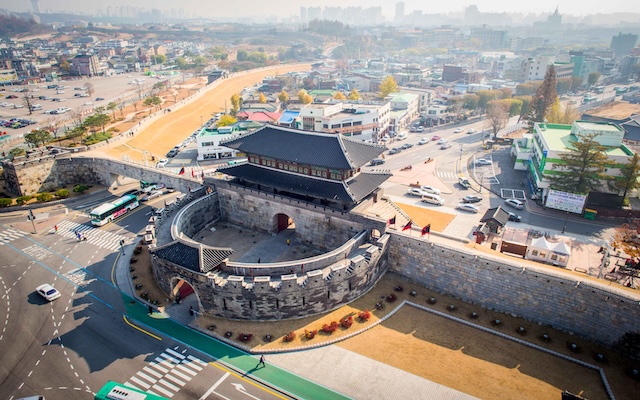
Suwon Hwaseong Fortress complex, a UNESCO World Heritage, stands as an open air cultural museum
Brought to you by Gyeonggi Tourism Organization

Suwon Hwaseong Fortress complex, a UNESCO World Heritage, stands as an open air cultural museum

Just outside of and around Seoul is Gyeonggi province, the most populous in South Korea. Home to popular attractions such as Everland theme park, the Korean Demilitarized Zone and its historical capital of Suwon, Gyeonggi is also a potential growth market for MICE. 

To attract more events, the Gyeonggi Tourism Organisation has launched its campaign called Fall in Gyeonggi to showcase the different reasons why the province is a great place for MICE. 

Events on a grand scale

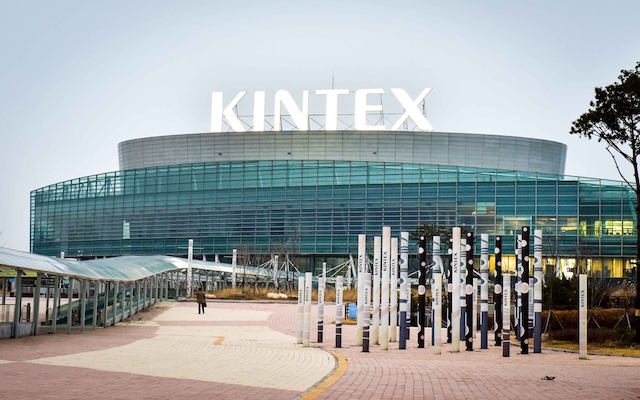
KINTEX (Korea International Exhibition Center) in Goyang, is the largest exhibition and convention complex in South Korea at 178,000m2 of space

Gyeonggi is more than ready for MICE, with world-class venues capable of holding large-scale events. The province has seen events such as Bucheon International Comics Market, Ansan Intercultural City Symposium, Seongnam GxG Game Conference, Goyang Content Business Forum in 2025 alone. 

The most prominent among them is KINTEX (Korea International Exhibition Center) in Goyang, the largest exhibition and convention complex in South Korea. With 178,000m2 of space spanning three exhibition halls, KINTEX is built for efficiency and flexibility. Its spacious concourses and lobbies are suitable for opening ceremonies, while VIP lounge provides exclusivity for important guests. 

With various room types, KINTEX is ideal for all sorts of events from conferences and forums to ceremonies and sporting events. The venue also plans to attract more international exhibitions and conventions. 

Accessibility from Seoul is highly convenient, either via airport limousine or subway from Incheon International Airport, in less than 90 minutes. 

Another exhibition venue is the Suwon Convention Center, located in the modern Gwanggyo district. It brings together a exhibition hall (7,877m2), concourse, convention hall, VIP room, rooftop terrace, and various meeting rooms all in one massive complex, making the venue ideal for opening ceremonies, concerts, exhibitions, and performances among others.

Multiple transport options including subway, buses and airport limousine make accessibility a breeze. 

The surrounding Gwanggyo area – home to a lakeside park, department store and the Hanwha Aqua Planet aquarium – makes it a lively area for retail and recreational activities.


Activities to fall in love with Gyeonggi’s charm

Beyond the convention centres, Gyeonggi offers attractions such as Unique Venues to enrich the planner’s itinerary and delegate experience. The province boasts more than 25 Unique Venues that are ideal for team-building, receptions and galas. 

Demilitarized Zone and Imjingak Peace Park 

The Korean Demilitarized Zone (DMZ) and Imjingak Peace Park in Paju are stark reminders of the Korean War. With iconic monuments such as the Freedom Bridge, Peace Bell, and the DMZ Peace Train, they are ideal for events that want to focus on peace and unity. 

Pyeonghwa Nuri, a large lawn that can hold up to 20,000 people, can be used for opening ceremonies, galas and large group teambuilding. 

Nearby isCamp Greaves, a former military camp base turned cultural venue that focuses on peace and security. It offers an immersive experience for workshops and tours. There is also a youth hostel that can accommodate up to 240 guests.

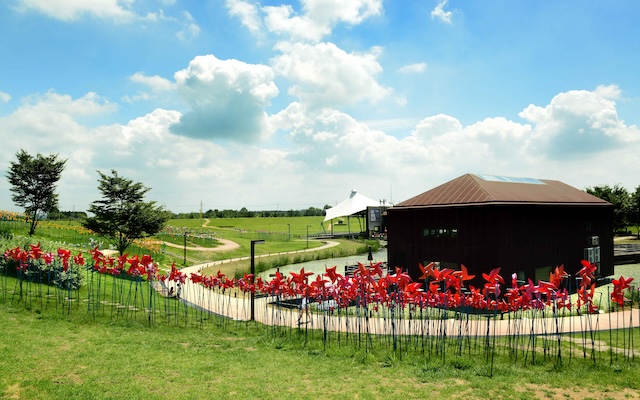
Imjingak offers tranquil natural surroundings for sightseeing

Paju Book City

The Paju Book City area provides a completely different energy – minimalist, design-forward, and intellectual. Its multipurpose halls and gallery-style spaces are ideal for symposiums, forums, C-suite roundtables and creative workshops. Adding a curated book exhibit or an intimate networking reception amid the architectural calm can create a memorable event experience.

Gwangmyeong Cave

For dramatic ambience, Gwangmyeong Cave delivers a unique underground experience. An abandoned mine converted into a theme park, there are attractions such as a wine cave, horror experience, Cave Aqua World, Gold Falls, and other mining themed experiences, making it ideal for immersive galas and symbolic ceremonies. 

Korean Folk Village

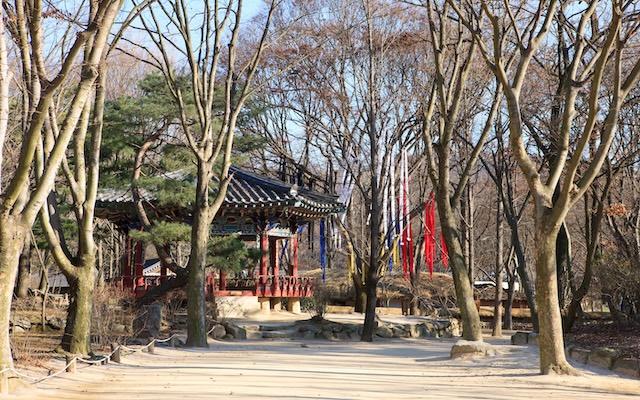
Take in the calming surrounds of the Korean Folk Village

The Korean Folk Village in Yongin brings Korea’s traditional culture to life through hanok courtyards, folk performances, and lantern-lit paths — perfect for heritage-themed galas or cross-cultural team-building.

EHAM Campus

Located in Yangpyeong, the EHAM Campus, represents a space of limitless possibilities for knowledge and creativity. Home to an art museum, the venue also houses an artist residency, banquet hall and cafeteria. The outdor area with a large garden with diverse tree species and sculptures gives nature vibes. 

Events such as environmental, social and governance (ESG) workshops and wellness sessions can be held here. 

Want to experience the province’s charm and Fall in Gyeonggi yourself? Visit Gyeonggi Tourism Organization or contact gmice@gto.or.kr to organise your next event. 

Reviews

The Slate Phuket

Just 10 minutes from Phuket International Airport on the serene northern coast, this 178-key, Bill Bensley-designed resort offers delegates a quiet, tropical paradise steeped in Phuket’s tin-mining heritage

The Ritz-Carlton, Bangkok

The newly-opened Ritz-Carlton, Bangkok anchors the One Bangkok development with cosmopolitan elegance. Featuring the city's largest ballroom and a spectacular new penthouse suite, it delivers exceptional hardware and deeply authentic, soulful service for business and leisure travellers alike

Mama Shelter Zurich

Behind the imposing, Brutalist concrete that defines Zurich’s Oerlikon district lies a surprising secret. While its exterior honours the neighbourhood’s industrial roots, stepping inside Mama Shelter reveals a vibrant, neon-soaked world that is a far cry from its rigid shell