From show kitchens and 3D projection mapping to hyper-local sourcing and brain food, creative innovation is reshaping every bite of corporate event catering
In the modern corporate landscape, F&B has evolved from a functional necessity into a driver of event success.
No longer confined to static buffet lines, today’s catering is being reimagined to elevate corporate functions, breathe life into mid-conference breaks, and foster deeper connections through sensory storytelling.
In this feature, we explore the creative philosophies and trends of five industry leaders to see how they are turning the dining table into a stage for engagement and sustainability.
Kuala Lumpur Convention Centre
Rather than serving purely functional meals, Kuala Lumpur Convention Centre (the Centre) focuses on culinary creativity to elevate social functions and energise mid-conference breaks, ensuring food becomes part of the overall event narrative.
Hisham Jaafar, executive chef at the Centre shared how the role of catering has evolved for business events.
“From a simple event necessity, it has become a key experience driver at events, as memorable culinary moments can evoke emotions, spark memories, and foster a sense of belonging,” he elaborated.
This shift in expectations from organisers guides the Centre’s approach to designing immersive dining experiences that encourage delegates to interact, connect and remember the event long after it ends.
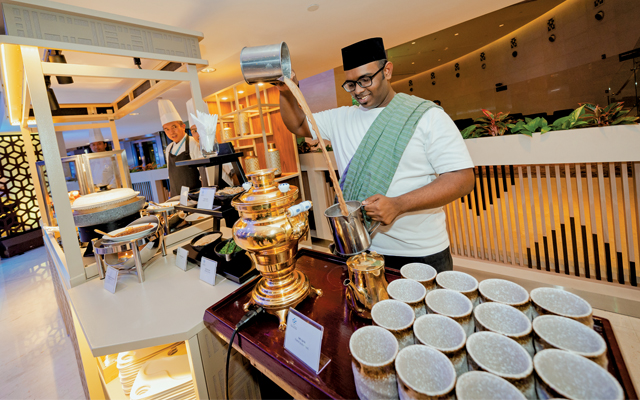
To elevate conference catering, the Centre blends local heritage with interactive flair. Live cooking stations – featuring wok-frying and satay grilling – transform routine breaks into social, multi-sensory experiences. Traditional Malaysian staples like nasi lemak and rendang are reimagined with a modern twist, showcasing the destination’s flavours in contemporary ways.
Organisers are further reimagining refreshments as curated culinary moments rather than simple stops, utilising artisanal snacks and themed concepts to maintain delegate engagement. For gala dinners, the focus shifts to immersive storytelling and creative presentations, using layered flavours to turn every meal into a memorable event.
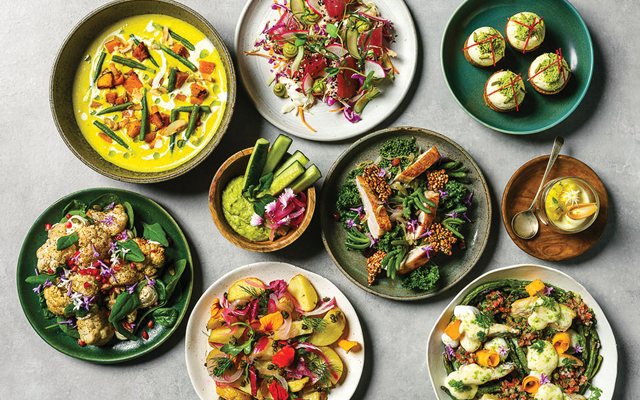
Alongside these creative formats, Hisham noted that organisers are increasingly requesting plant-forward menus and locally-sourced ingredients, reflecting growing awareness of health and sustainability.
“International delegates are also showing greater interest in authentic destination-based dining that allows them to experience local culture through food,” he said.
Options for vegetarian, vegan, halal and allergen-sensitive diets have also been integrated into the Centre’s overall menu design rather than treated as separate alternatives, ensuring all attendees can enjoy the same shared culinary experience. – S Puvaneswary
ICC Sydney
At ICC Sydney, catering is no longer a supporting act, but a strategic lever shaping delegate experience. Creativity in F&B is defined not just by what is served, but how it aligns with event objectives and audience outcomes.
“We don’t just see creativity in F&B as what’s on the plate,” said Marc Singerling, director of event delivery. “Menus are crafted around the client’s objectives so food plays a meaningful role in the overall experience.”
For planners, this translates into opportunities to reimagine routine moments. While mid-conference breaks primarily serve as breathing space between sessions, ICC Sydney focuses on quality coffee, wellness-led options and spatial flow to encourage movement and interaction, with chef-led activations and grazing formats increasingly used during lunch periods to spark conversation.
The venue weaves native and indigenous ingredients into offerings to create a distinctly Australian experience. Live stations, such as an oyster shucking course led by a local producer, invite delegates to interact with the story behind the food.
A 900-person international gathering was similarly transformed through a taste of country reception featuring interactive stations and storytelling from culinary and beverage experts.
“More than a networking event, it becomes an immersive cultural experience,” Singerling noted.
Several trends are reshaping catering design, noted Singerling: rising demand for indigenous ingredients and ethical sourcing, wellness-driven menus with lighter lower-sugar options, and carbon-labelled menus driving climate-conscious dining.
Back-of-house investment, including water cutting technology, is also improving precision and sustainability, while immersive stations and fluid market-style layouts replace static buffets. – Adelaine Ng