Asia/Singapore Friday, 26th December 2025
Page 476

Global exhibition industry shrunk by 68% in 2020: UFI

0

UFI has released an updated Covid-19 damage assessment for the global exhibition and tradeshow industry, where figures revealed that global industry revenues for 2020 dropped by 68% compared to 2019.

This result is based on regional data provided in the UFI Global Exhibition Barometer, which indicates that 2020 revenues represented only 23% of those from 2019 in Central and South America, rising to 24% in the Middle East and Africa, 27% in the Asia-Pacific region, 32% in Europe and 36% in North America.

Latest Global Barometer research highlights the severe impact of Covid-19, but indicates recovery may be possible this year

Exhibitions have a direct impact on numerous sectors in the regions where they take place – not just the exhibition industry (venues, organisers and service providers), but all related sectors, such as accommodation, restaurants and transport.

Taking all of these sectors into account, it is estimated that a minimum of €200 billion (US$224 billion) of total exhibition-related output was not generated in 2020, including €80 billion in North America, €65 billion in Europe and €46 billion in the Asia-Pacific region.

This equates to 2.4 million full-time jobs affected globally.

Exhibiting companies use face-to-face events to generate contacts that lead to business, either at or soon after the event, and the non-tenure of most exhibitions in 2020 has led to an estimated €330 billion of business volume affected. While a small fraction of that loss may have been compensated for specific sectors, with the development of purely digital solutions, the net impact remains very high.

“Covid-19 has had a significant impact on the exhibition industry, as well as those sectors who benefit from face-to-face events. The impact has not just been felt by exhibitors, who showcase their products and develop their sales, but also by those involved in tourism-related activities. We all look forward to the lifting of current restrictions and the rebound of our economies, where exhibitions will play an important role,” said Kai Hattendorf, UFI managing director and CEO.

The full report can be found here.

Photo of the day: New aquarium marks completion of Suwon MICE Complex

0

The Suwon MICE Complex in South Korea’s Gyeonggi Province is officially complete, with the opening of a large-scale aquarium.

Located inside the Suwon MICE Complex, Aqua Planet Gwanggyo boasts a total floor area of 6,500m2 with 2,000 tons of aquarium area. The aquarium is comprised of nine zones, and visitors can see over 210 different types of sea creatures.

The main attraction, Ocean in the City, is the aquarium’s largest tank where visitors can see a variety of sharks along with a two-meter-long black manta ray. The aquarium will also stage special performances 365 days of the year.

The establishment of Suwon MICE Complex began in early 2019 with the opening of Suwon Convention Center, followed by the opening of Courtyard Marriott Suwon hotel and Galleria Gwanggyo Department Store in January and March of 2020.

Suwon MICE Complex is located an hour’s drive from Incheon International Airport and has a direct subway line which connects to Gangnam in 30 minutes.

Busan scores space research assembly for 2024

0

The 45th Scientific Assembly of the Committee on Space Research (COSPAR) will head to Busan in 2024, an event that is expected to bring 3,500 people from across the world onto South Korean soil.

The win has been years in the making, with Busan Tourism Organization and Busan Exhibition and Convention Center working together on the bid since 2019.

The Scientific Assembly of the Committee on Space Research was hosted in Syndey this year

The Korean Committee of COSPAR, led by chairperson Jong Uk Park, who is with the Korea Astronomy and Space Science Institute, has also been courting the Scientific Assembly to South Korea since the successful execution of the 3rd COSPAR Symposium in 2017. The event in Jeju was attended by about 350 people from 38 countries.

The nine-day Scientific Assembly will bear the theme, Team Spirit in Space Research.

Lee Chang-Yoon, head officer of Space, Nuclear and Big Science Policy
Bureau of the Ministry of Science and ICT, said: “The COSPAR Scientific Assembly is the world’s largest space science event with more than 4,000 academic presentations in various space research fields, including space science and exploration. We will support it as an opportunity to promote industrial cooperation between global and Korean space industries in a new space era.”

Held once every two years on a rotational basis, the Scientific Assembly is recognised as the largest academic event in the field of space research. The 2021 Scientific Assembly was held in Sydney, from January 28 to February 4.

Australia’s first Mövenpick opens its doors

0
Guestroom

Australia’s first Mövenpick hotel, Mövenpick Hotel Hobart, has opened on one of Hobart’s principal heritage streetscapes near the Hobart waterfront.

Intimate meetings can be held on-site, for the property boasts a flexible function space for up to 100 guests, which can also be divided into two smaller meeting rooms, along with a pre-event area and full bar.

Guestroom

The 221 guestrooms are situated on floors three to 18, all of which come with Tasmania-inspired interiors.

Amenities on-site include the Tesoro Modern Italian restaurant, and gym. Several Mövenpick brand experiences are also available, such as its famous Chocolate Hour, chocolate tasting packages, and energy shots at breakfast.

Changes for the better

0

The Covid-19 pandemic and resulting disruption of face-to-face events in 2020 has catalysed the digitalisation of business events, forcing event owners and organisers into unfamiliar and complex territories of hybrid and omni-channel event formats within short months.

For Joe Ciliberto, global director sales and marketing with EventsAIR, a specialist in cloud-based events management platform, the steep learning curve was critical for the future of events.

“There was initial fear (among clients when events were first disrupted by the pandemic) that events would never be the same, and 10 months later that statement was proven (true). With the evolution of digital event technology, we have been able to meet, network, learn and do business remotely. In some cases, event clients achieved higher attendee numbers and learnt how to engage with customers in a whole new way,” Ciliberto told TTGmice.

He likened the digital event evolution to that of mobile phones: “10 years ago you would never have thought that smartphones would become part of everyday life and business today”, and that learning to use a smartphone then was a critical journey.

Event specialists are unanimous that there was much for everyone to learn from turning face-to-face events into digital and hybrid productions. Discoveries included the need to construct an event that can engage both offline and online audience; work with new technologies; deliver on much shorter lead times; rework revenue models; and manage and train remote speakers.

“These lessons remain relevant even after in-person events return, as hybrid is the future of meetings and events,” said Aventri’s vice president-channel and partner management, Brad Langley, adding that a 2020 Aventri study found that 89 per cent of global event professionals said virtual components would continue to play a role after the lockdown.

Unlearn, relearn
When Kuoni Tumlare first brought its established virtual and hybrid event solution from Europe to Asia in December 2020, COO Tim Martin discovered that there were corporate clients here in the region that did not understand how a virtual or hybrid event should be planned and delivered, although they had clear messaging objectives.

“We needed to help them understand that a virtual event isn’t just using a Zoom-based platform and expecting it to fulfil their (usual) programme that includes CEO and VIP addresses, plenary sessions, breakout meetings and interaction with 300 people from around the world, and other elements,” said Martin.

“Before they know it, they have a packed agenda of four to six hours, which doesn’t quite work for an online event. So, our role is also to guide the client on programming, to recommend shorter sessions, gamification, online polls, etc to break up the flow and improve engagement.”

Langley agrees that a successful shift from offline to digital requires letting go of traditional approaches to event programming. He warned against duplicating an in-person event for digital, as “no one wants to sit at a computer for an eight-hour conference day”.

“Short, fast-paced sessions work well for virtual attendees,” advised Langley. “Bring them into the conversation with engagement tools, such as question submissions, chat, surveys, social sharing, video conversations, and instant polls. Speakers can get real-time feedback to customise sessions to audience needs.”

He also recommended short sessions of under an hour for remote audiences, but over more days.

Deeper engagements are also possible at virtual events, noted Langley, who suggested virtual networking lounges and cocktail hours, music breaks with live deejays, live-streamed yoga sessions, as well as video meet-ups and dedicated chat feeds.

Another key difference in the planning process is the shortened timeline.

Reto Kaufmann, vice president – sales & operations South East & South Asia, Kuoni Tumlare, said an online event RFP for 300 people across 30 countries could come in just seven weeks ahead of the big day. Considering how online event production is as intense as producing a live TV show, Kaufmann said such a lead time is “super short”.

This high-pressured lead time must now also fit in speaker training and rehearsals. While scripting used to be done only for critical speeches, Mathilde Gabriel, account manager, Chab Lab said every word must be scripted for digital and hybrid events.

“Some clients are unable to visualise the entire event with just rundowns, unlike how it used to be with physical events. We tackle this problem by using mock-ups and silhouettes to create scenes and scripts, so that our clients are able to visualise the actual event and know what to expect,” she explained, adding that rehearsals conducted at least a day ahead of the main event would allow producers to coordinate the many components of event designs. These components could include scenes, overlays, backdrop, lower thirds (speakers title), videos and slides.

“With rehearsals being done a day before, our design team will have at least four to five hours to fine-tune colour contrast, pixels and other minor changes. That being said, (rehearsal time) is also determined by the amount of designs an event has and how complex they are,” said Gabriel.

Better management, better ROI
Events specialists are turning lessons throughout 2020 into solutions that ease the shift from offline to omni-channel events.

“With existing solutions, virtual attendees must use multiple solutions, including calendar tools, messaging bots and lead generation forms. Then, they often wait hours in a queue before connecting with experts. Sponsors and exhibitors spend part of their meetings manually qualifying leads. This leaves them less time to address prospect needs,” recalled Langley.

That has changed, and new tools today enable immediate connections. For instance, Aventri Digital Lead Capture combines tools for chat, lead qualification, video conferencing, content delivery and reporting on a single platform. These solutions not only mirror the showroom experience at in-person events, they also allow virtual exhibitors to provide prompt answers via one-on-one video calls and relevant event follow-up.

“They shorten the sales cycle and improve return on investment,” he said.

In addition, the new Aventri Virtual Event Platform is said to be the first solution enabling event and marketing professionals to manage their virtual, hybrid and in-person events on a single platform and without having to master complicated, new processes with reduced staff and resources.

Over at EventsAIR, version five of OnAIR, a virtual and hybrid event platform, is close to launch. It promises an enhanced online experience with a range of new features, such as a new visual mode for even greater online engagement.

Since the solution first debuted in May 2020, OnAIR has more than 300,000 virtual attendees on the platform. These users provided a wealth of knowledge and feedback that EventsAIR channel back into the product to help clients produce even better events.

EventsAIR’s efforts to get clients up to speed on the digital event transformation include virtual training bootcamps and research into different methods of interfacing video and audio elements of a hybrid event.

The only constant is change
The journey deeper into omni-channel events would continue to spring new lessons, opined events specialists.

Ciliberto expects a range of technology around contactless interaction, attendee tracking, and blended-style content delivery for live and digital events will surface this year as people start returning to venues for in-person gatherings.

“At the end of the day, the goal of an event planner is to provide an environment where the audience can learn, engage, network, and do business so that their attendees will come back for more. The year 2021 will see greater adoption of event technology to ensure that the industry can continue to deliver attendee experiences,” remarked Ciliberto.

Lessons picked up in 2020 will only serve to strengthen clients’ confidence in the new event formats, observed Gabriel, who said her customers are now more open to innovative solutions to achieve their desired event goals.

Looking forward, she sees new event technology, from green screens to extended reality (XR) stage and environment becoming more affordable and with options to suit every budget.

For now, Gabriel is betting on XR solutions being the new trend in 2021, and Chab Lab is currently developing fresh ideas around the concept.

STB partners local event players on 3D virtual tradeshow

0
The future of Singapore's MICE future looks bright

The Singapore Tourism Board (STB) is collaborating with local business events players to deliver a two-day event next month.

Held from March 3 to 4, 2021, the SingapoReimagine MICE Virtual Show is part of the Republic’s efforts to catalyse the business events industry’s recovery and generate business opportunities. Some 700 participants are expected to attend.

Connect with suppliers including convention centres, hotels, unique meeting venues, DMCs and tour operators in Singapore

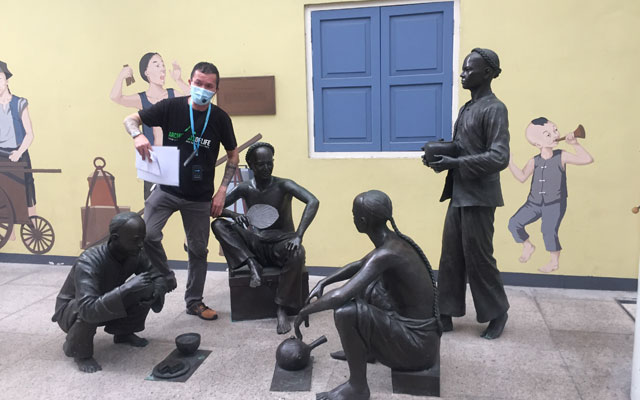
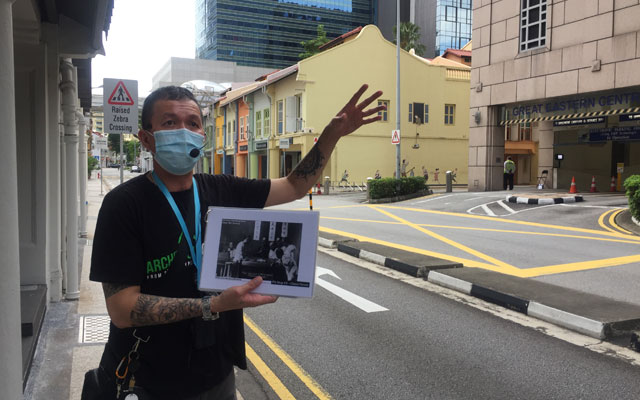
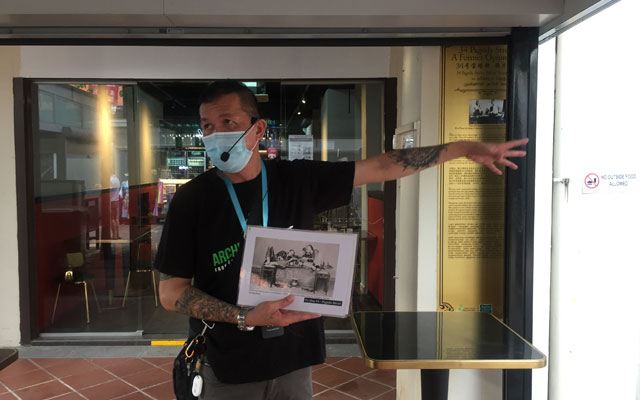
The SingapoReimagine MICE Virtual Show will feature a local programme that includes live cultural tours at Waterloo Street and Little India; masterclasses by homegrown distillery Brass Lion Distillery and Malcolm Lee, chef-owner of the world’s first Michelin star Peranakan restaurant Candlenut; and a behind-the-scenes tour of one of Singapore’s oldest coffee shops, Killiney.

There will also be a live panel discussion with industry leaders on organising pilot events in Singapore. Within the virtual 3D showfloor, participants will be able to connect with exhibitors, such as Gardens by the Bay, Singapore Airlines and Sentosa Development Corporation. They can also catch up on various event programmes on demand and take part in trivia quizzes to win prizes. The top five voted buyers will each win a hosted trip to Singapore on Singapore Airlines, inclusive of a hosted stay and exclusive experiences.

To stage the inaugural SingapoReimagine MICE Virtual Show, STB has joined hands with local event organisers MICE Neurol, Aspen Event Planners and TLC Events.

Edward Koh, executive director (Conventions, Meetings & Incentive Travel), STB, said: “Singapore has started its journey to reimagine the future of business events, and we are doing so in partnership with our MICE industry to push new boundaries using technology and creativity. The SingapoReimagine MICE Virtual Show demonstrates how we are transforming industry models to seize new opportunities, and underlines our reputation as a safe, trusted and innovative destination for business events. We look forward to having delegates from around the world join us in this journey of exploration and reimagination.”

Kenny Goh, founder of MICE Neurol, said: “We are excited to partner STB for the SingapoReimagine MICE Virtual show, not just to deliver a platform to connect buyers and sellers, but also to co-curate experiences and gamification to enhance the Singapore destination experience. Singapore has both the physical and digital infrastructure to be the centre of global events and we hope to do our part to reignite the MICE industry and continue to brand Singapore as a leading MICE destination.”

Ongoing targeted support and border unity a priority: BECA

0
Tourism Australia doubles down on efforts to get domestic travellers to explore their own backyard

The Australian business events industry continues to face severe limitations and restrictions, with uncertainty over internal state borders compromising recovery, according to the latest statement from the Business Events Council of Australia (BECA).

BECA points out the industry has invested heavily in preparing its businesses to deliver Covid Safe events in terms of protocols, training and infrastructure. However, state premiers have yet to agree on a common management policy relating to free movement within Australia.

BECA calls for state governments to put an end to the uncertainty surrounding state borders to facilitate national business events; Sydney pictured

Other challenges the business events industry is facing now include conflicting guidelines for event approvals across the states and the financial implication to businesses with the impending conclusion of JobKeeper.

Border restrictions are impacting the confidence of event organisers, as well as the ability for event participants to make commitments, something that has led to event cancellations for 1H2021, such as the annual Asia Pacific Incentives and Meetings Event.

Event organisers managing the financial risk of such events are reliant on national participation, BECA pointed out, adding that the perceived risk to fly interstate to attend a conference, exhibition or meeting is too high if there is a border closure or enforced quarantine.

BECA warned that the Australian business events industry will not recover if it is limited to conducting state-based events.

“We need to be able to leverage off the size and scope of national event participation and the contribution it makes to the visitor economy. With the current limitations on international inbound business, our industry is even more reliant on this national market to recover in 2021,” the statement noted.

BECA is calling on state and federal leaders to create confidence in business once again and commit to an evidence-based approach to managing internal borders, an approach it says is critical to enable survival and then recovery of the business events industry.

Many businesses in the Australian business events industry are now looking at 12-18 months of little or no revenue, but the JobKeeper support scheme, which enabled companies to survive throughout 2020, is set to conclude in March 2021.

BECA says the business conditions that saw that scheme being introduced have not changed for the events sector, and in some cases, have worsened for 2021. With the limitations and restrictions surrounding the industry, most organisations continue to experience loss of revenue more aligned to 70-100 per cent rather than the 30 per cent criteria.

Moreover, BECA added that industry challenges extend well beyond March 2021 with the business events industry facing three to six months of lag time in the planning, marketing and delivery of events before revenue starts to flow through the supply chain.

Vanessa Findlay, chair of BECA commented: “We are not in the position of recovery we envisaged for early 2021 and continue to face extraordinary challenges to ensure the survival of the business events sector.

“With the impending conclusion of the JobKeeper scheme, the industry is deeply concerned that the conditions that led to JobKeeper have not improved for the business events industry. Businesses cannot remain viable with revenue losses that are averaging more than 70 per cent, and this has been ongoing for over 12 months now. We cannot see a path to recovery for the industry if it does not include some form of ongoing targeted Government support.

“BECA continues its work with the Federal Government to formulate options for ongoing support programs and extends its calls to our State Leaders to consider state-based recovery grants. We have business in the pipeline for 2021 and beyond, and need to ensure we can sustain the infrastructure and professional expertise through this critical period.”

Leading the future

0

Event brief
Kicking off 2021 with Singapore’s biggest hybrid event since reopening, PCMA’s Convening Leaders was an ambitious undertaking in unprecedented times. Split into physical and virtual platforms across five days, the event had a roster of Safe Management Measures (SMM) and testing procedures to implement, on top of keeping its online programming seamless.

Event highlights
Convening Leaders employed the tried-and-true cohort system for on-site events, where attendees were assigned to separate zones of 50 and allocated registration time slots to prevent a bottleneck.

Unlike previous post-Covid events ­– which restricted attendance to locals or ran Antigen Rapid Tests (ART) only on international delegates – Convening Leaders conducted swab tests for all physical attendees, on every day of the conference. As its name suggests, the ART process was pleasantly quick, with minimal discomfort. Speeding from event registration to receiving the test results took only 20 minutes, the bulk of which was spent in a dedicated waiting zone.

The zonal system was employed throughout the event, with even smaller sub-groups of five implemented during meal breaks to prevent intermingling. In the plenary hall ­– where all the physical sessions were conducted – delegates were seated in our sub-groups, but cross-interactions within our zones were permitted.

Throughout the venue, Safe Distancing Ambassadors were dispatched by Singapore Tourism Board to ensure we kept to our zones and maintained social distancing during breaks. For this, co-organiser George P. Johnson provided a manager in charge of implementing the SMM plan, as well as coordinated communications and badging for each zone.

PCMA’s associate director, development, Patricia Cheong, shared: “Planning for Convening Leaders 2021 started back in September 2020, between PCMA, Singapore Tourism Board and Marina Bay Sands. Changes were taking place until the week of (the event), including the total number of participants. We have a strong partnership with both (partners) who helped us execute the event.”

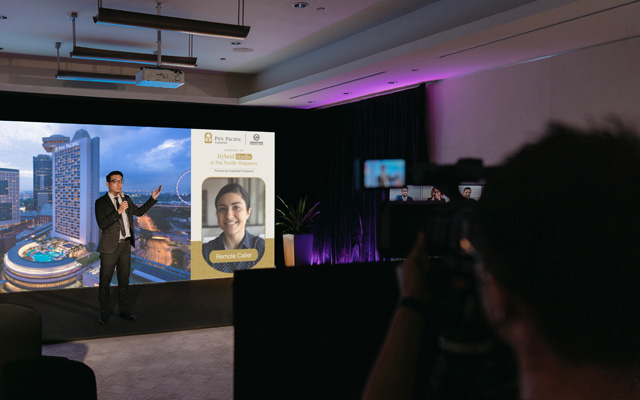
Arguably the star of the show was the mixed-reality technology afforded by Marina Bay Sands’ new Global Broadcast Centre – a concept that was formulated at a PCMA meeting in 2020, before Covid-19 hit. In Hybrid Broadcast Studio 2, the plenary hall for Convening Leaders, delegates were treated to an interesting mix of ‘live’ broadcasts.

While some keynote speakers tuned in from overseas, some guests made a special appearance via mixed reality broadcasts that beamed them onto the stage, allowing them to converse with other speakers and panellists. Besides garnering much fanfare and raising engagement on-site, this feature elevated the virtual aspect of this omnichannel event, even for the physical audience.

“When we first proposed the idea of the Global Broadcast Centre, it seemed like a far-fetched concept as the physical event (using this technology) is traditionally held in the US. Launching it from a remote location was never thought of. Together with our strategic partners, we pushed the boundaries even further. We conceptualised and executed the industry’s first omnichannel event of its kind – combining digital with face-to-face partner and chapter events around the world,” described Ong Wee Min, vice president of conventions and exhibitions, Marina Bay Sands.

Challenges
While the zoning system has proven effective for Singapore’s hybrid ventures thus far, it is not without its shortcomings. Some delegates found themselves to be the only attendee of their sub-group, which heavily reduced the potential for networking in an already limited setting.

Delegates could also have benefited from indicating the demographic of attendees we would like to be grouped with. In an era of controlled registration timings and arranged seating, any morsel of customisation afforded to the hungry delegate could elevate an event’s potential.

The flexibility to embrace different solutions was crucial in planning a key event such as Convening Leaders, remarked Tonya Almond, vice president, knowledge and experience design, PCMA.

She explained: “It was important to be flexible in planning. We needed to work through various scheduling changes due to speaker availability in Singapore, which then created changes to the digital event schedule. Luckily, the team worked together to find the best solutions to make the experience work best for the participants both at Marina Bay Sands and online. Designing a global omnichannel experience during a pandemic represents a variety of challenges, however, working with great partners certainly makes a big difference.”

Cheong added that having buffers also helped in execution.

“The safety measures implemented can and will change depending on the situation. It’s important to embrace the limitations of these safety measures, and come up with fresh and creative solutions that can enhance the delivery of an engaging omnichannel experience,” she concluded.

Event PCMA Convening Leaders 2021
Organiser PCMA
Venue Marina Bay Sands
Date January 11-15, 2021
Attendance 300 (physical), 3,500 (virtual)

BCD Travel establishes Life Sciences Center of Excellence

0
the new project “builds upon BCD Meetings & Events’ focus” and allows the channelling of the company’s expertise into global, compliant and comprehensive solutions for its customers

BCD Travel has launched a Life Sciences Center of Excellence, which strengthens BCD’s ability to provide integrated offerings specific to the life sciences sector.

The group alreadyhas expertise in the sector, and BCD Meetings & Events has an existing Life Sciences Center of Excellence.

The new project allows the channelling of the company’s expertise into global, compliant and comprehensive solutions for its customers

The new Center of Excellence will offer strategic consultation and guidance on best practices, and enable it to maximise the healthcare provider, patient and traveller experience while balancing complex compliance and regulatory requirements. The idea is also to provide holistic solutions across travel, meetings, HCP/patient engagements and consultancy.

BCD currently services 90 per cent of the top 20 pharmaceutical companies, and has more than 20 years of experience and deep institutional knowledge across more than 100 customers and 40+ therapeutic areas.

While traditional corporate travel has slowed drastically during the pandemic, the life sciences industry has faced challenges, including the need to expand traditional support to include frontline workers.

BCD Travel shared in a statement that life sciences companies have also been turning to them for support in addressing the sensitive needs of clinical trial patients and that the company expects soon to announce an improved approach to delivering a patient travel experience with the benefits of a corporate travel programme.

Marie-Laure Bellon joins UFI as COO

0
Marie Laure Bellon

UFI has appointed Marie-Laure Bellon as its next chief operating officer. She will join the association on March 1, 2021, and work out of the organisation’s headquarters in Paris.

Bellon takes over the role from Sonia Thomas, who will leave the association to set up her own business.

Marie Laure Bellon

Bellon is currently the CEO and general manager at French exhibition organiser Eurovet. At Eurovet, she has held various senior executive positions over the years. These roles involved the strategic positioning and restructuring of the business, launching new activities in Asia and the US, and leading the overall international development of the organisation.

Her career also includes leadership positions in management as well as business development for Reed Expositions France.

Reviews

Hyatt Regency Kuala Lumpur at KL Midtown

A polished urban retreat designed for business travellers, Hyatt Regency Kuala Lumpur at KL Midtown combines thoughtful design, seamless service, and exceptional facilities.

A versatile powerhouse

Arena @ Expo, a multipurpose concert hall at the Singapore Expo is a flexible space for high octane concerts and lifestyle events.

Amari Bangkok

The five-star property excels in backing its expansive facilities with seamless service and personalised attention, setting the benchmark for luxury in Bangkok.