


SG-HK air travel bubble to take off on May 26

Leslie Chiyoma takes helm at Grand Park Otaru
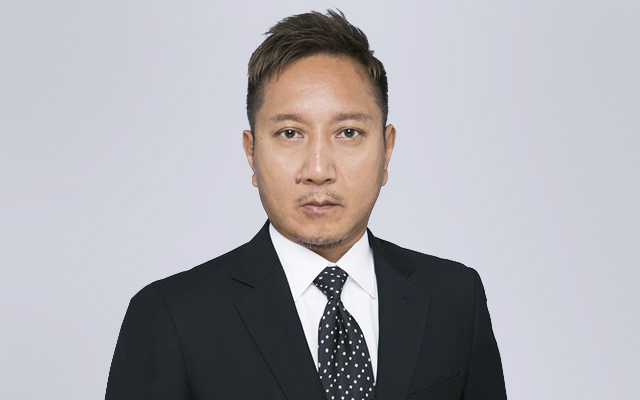
Grand Park Otaru has appointed Leslie Chiyoma as general manager of the hotel.
With more than 20 years of hospitality experience, Chiyoma has held leadership appointments with luxury hotel chains and select service hotels in Japan, Asia-Pacific, Middle East, and Africa.
Born in Saitama, Japan, Chiyoma started his career as a sales manager in an international hospitality company. He worked across multiple functions and rose through the ranks to leadership positions that required him to oversee the development of a new resort and operate a new hotel in Niseko, Hokkaido.
He was also a hotel performance consultant for nearly a decade where he provided analysis and guidance for 38 hotels across the world.
Hotels evolve meeting capabilities to support hybrid event needs

- A mix of broadcast studios and on-demand technology for transformable venues is being offered
- Hybrid events drive F&B and accommodation earnings
- Hotels may retain hybrid event-ready capabilities into the foreseeable future
Broadcasting studios and technical capabilities to support online/in-person events are diffusing into the hotel arena, beyond specialist venue operators like convention centres, as hybrid events grow in popularity.
Both Marriott International and Hilton claim that most of their hotels in Asia-Pacific are now hybrid event-ready.
Marriott International has a collection of hotels – such as JW Marriott Singapore South Beach and The Westin Singapore – with permanent hybrid event-ready studios while the rest are capable of transforming venues upon request and with support from trusted and experienced third-party vendors.
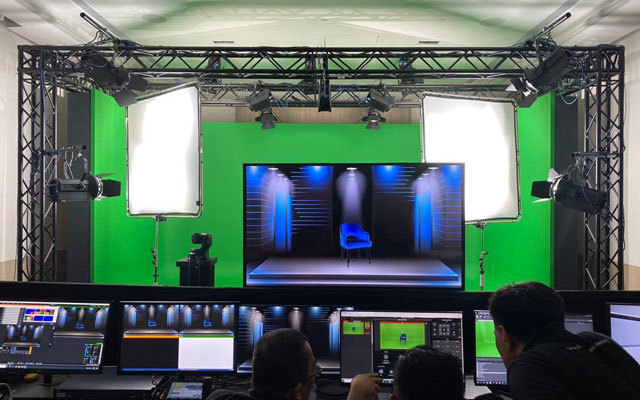
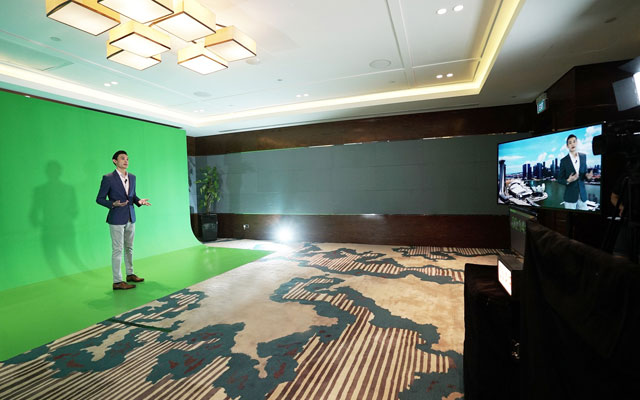
All hybrid event-ready Marriott International properties are equipped with a broadband connection that facilitates smooth transmission and a suite of “unique technological features” that allow planners to enliven their production, such as with gamification engagement modules to draw the audience, shared Ramesh Daryanani, vice president, global sales, Asia Pacific.
Citing Studio Britannia at JW Marriott Singapore South Beach as an example, Ramesh said the venue is equipped with state-of-the-art production facilities, along with an on-site production crew, ultra-high-speed connectivity, teleprompters and digital broadcast cameras. Planners can broadcast in real-time across multiple meeting rooms or from the grand ballroom while streaming the event online for remote participants.
While Hilton properties do not have dedicated hybrid event studios, existing function spaces are equipped with solutions to support hybrid event production. Through Hilton EventReady Hybrid Solutions, a programme launched earlier this year, event planners are guided towards hybrid event-ready hotels and given access to planning resources under the company’s proprietary Hilton EventReady Playbook.
Richard Myerscough, Hilton’s vice president of sales, Asia Pacific, told TTGmice that hybrid event-ready hotels must have a minimum amount of incremental and available bandwidth that is above and beyond the hotel’s average circuit utilisation level, and they must pass an evaluation to ensure they meet the needs of small hybrid events.
Qualified hotels also partner with specialist event production companies to offer event technology packages created for small hybrid events. At the same time, heavy investments have been made into staff training to ensure they are in tune with current event needs.
A highlight of Hilton EventReady Hybrid Solutions is the availability of a single contract, multi site provision, which enables planners to book the in-person portion of their event at various hybrid event-ready Hilton properties under one contract. Myerscough said this feature was borne out of the desire to put planners’ mind at ease.
Presently, the newest hybrid event-friendly kid on the block is Grand Hyatt Hong Kong, which showed off its solutions in April this year.
However, Hyatt Hotels & Resorts is not late to the game. Hyatt Regency Sydney was among the first hotels in Asia-Pacific to alter existing event capabilities to answer to the growing demand for online and broadcasting facilities when international meetings were disrupted by the pandemic. In partnership with audiovisual and event technology company Encore, it converted two of its meeting rooms into a high-spec broadcast studio in November 2020. The Heritage Studio features a green screen room offering broadcast-quality streaming capabilities alongside a control room that comes equipped with audio-visual equipment to provide turnkey solutions to connect attendees and speakers around the globe. Encore’s ImmersiveXR technology can also be incorporated to create engaging virtual sets.
With Encore’s expertise, Hyatt Regency Sydney can also support online events hosted anywhere else in the hotel.
These hardware and technical support are part of Hyatt Hotels & Resorts’ new Hybrid Meeting Offer, which promises hybrid event-friendly solutions “neatly bundled and centrally billed” for the convenience of planners requiring activities across multiple Hyatt venues, said Kate Atkinson, regional vice president – sales & marketing for Australia, New Zealand and Indonesia.
Reputed in the events industry for delivering outstanding live experiences, Hyatt Hotels & Resorts have worked emotional and mental well-being into the heart of the Hybrid Meeting Offer. Where in-person events are possible, the hotel’s creative events teams can coordinate unique well-being experiences, such as gong sound baths and percussion therapy, designed to break the ice and/or energise guests.
Good business generator
Since introducing the Hybrid Meeting Offer, Hyatt Regency Sydney has hosted a number of successful pan-regional hybrid events for large and medium-sized conferences, including fully virtual conferences, company annual general meetings, multi-city hybrid events, product launches, training seminars and pre-recordings for use at events or for online distribution.
These hybrid events generate further revenue for the hotel through catering and accommodation usage, said Atkinson.
“Many (events also conclude with) networking in the hotel’s popular bars and restaurants,” she added.
Atkinson described virtual events as a “lifeline for events in the midst of current restrictions and they will be a key component of events during the transition back to normal life and beyond”.
Over at Hilton properties, the ability to support hybrid events has earned them incremental revenue through F&B – not just from onsite catering but also home delivery for remote event attendees.
Myerscough said there has been an encouraging rise in interest and bookings from event planners since kicking off its hybrid-event-ready concept.
“Just earlier this year, we hosted a 30-person hybrid meeting for a technology company in Beijing,” he shared. “In April, we will serve as the main hub in Japan for a larger scale hybrid meeting, connecting to eight other locations and streaming live to more than 500 delegates. A sizeable hybrid event will also be hosted in one of our hotels in Singapore later this month.”
While acknowledging that meetings business continues to be impacted by the pandemic, Myerscough said the Hilton EventReady Hybrid Solutions will at least allow his properties to “remain relevant and competent to capture a strong share of virtual and hybrid event demand”.
Taking cue from demand
Ramesh is confident that the demand for hybrid events will only continue to intensify, especially as governments relax their restrictions on activities. The company has observed “high interest across the region”, and some of the events hosted at these hybrid event-ready facilities are senior leadership meetings in India and Australia.
Having seen a growing number of hybrid event enquiries in Singapore, Bangkok, Kuala Lumpur and Hong Kong, Hyatt Hotels & Resorts is now looking into the possibility of converting existing space into hybrid broadcasting studios at more hotels, Atkinson told TTGmice.

“We anticipate expectations and needs for meeting and event formats to continue to evolve, and we are equipped and ready to adapt to new formats and client preferences,” she said.
When asked if Hyatt Regency Sydney’s Heritage Studio would be a permanent facility, Atkinson said it would continue to be on offer as demand dictated. However, the hotel has no plans to create more hybrid event-ready studios, as the demand for larger format, face-to-face events is growing as movement restrictions ease across Australia.
“Trends are showing that hybrid events with streaming capabilities will continue to be in demand while international travel restrictions remain, but domestically there is pent up demand for people to meet face-to-face again when safe to do so, so they predict in-person will be first choice with virtual being an extension/ back up offering,” she explained.
In tackling the same question, Myerscough expects Hilton hotels to continue offering hybrid solutions for the “foreseeable future”.
The “guest-centric innovation in Hilton’s DNA” will lead the company to keep evolving its products and services to cater to new demands, he said.
Singapore, Hong Kong delays travel bubble announcement
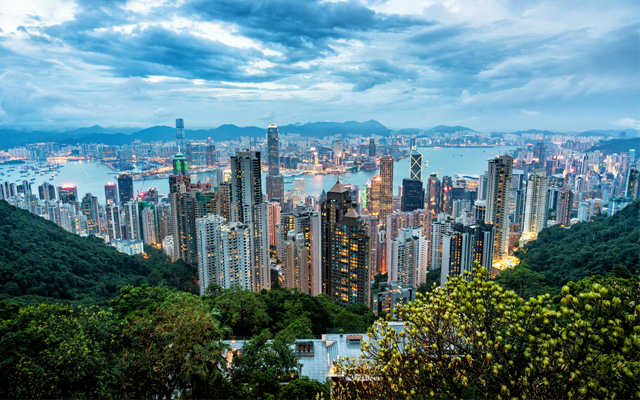
Singapore and Hong Kong have called off an announcement planned for Thursday (April 22) on an air travel bubble between the two cities.
It is not clear why the announcement has been delayed, and a new date has not been set, Bloomberg reported, quoting people familiar with the matter. The report also quoted a source as saying that the cancellation was initiated by the Singapore authorities.
Media reports had earlier reported that Singapore and Hong Kong were finalising the details of the travel bubble, which will exempt travellers from quarantine. Sources had told the South China Morning Post that the Singapore-Hong Kong delayed travel bubble is on track for a mid-May launch, despite the emergence of new virus variants.
The development comes as Singapore faces a new Covid-19 cluster among its migrant worker community that is linked to an imported case.
Wanderlust, The Unlimited Collection by Oakwood

Rooms
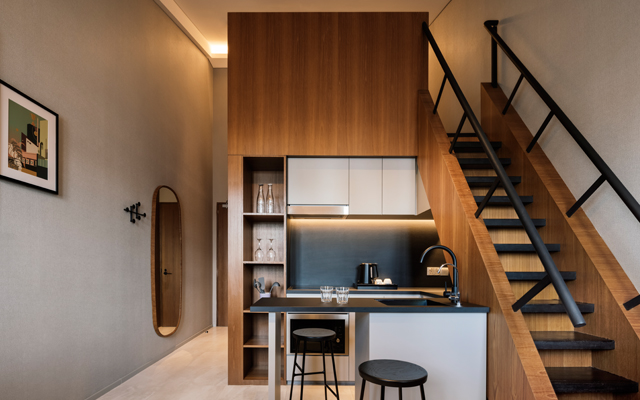
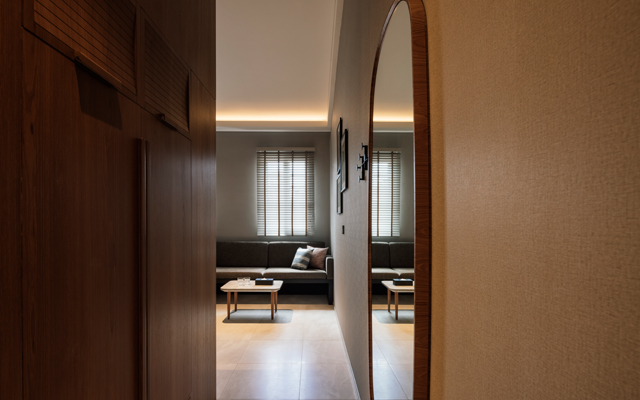
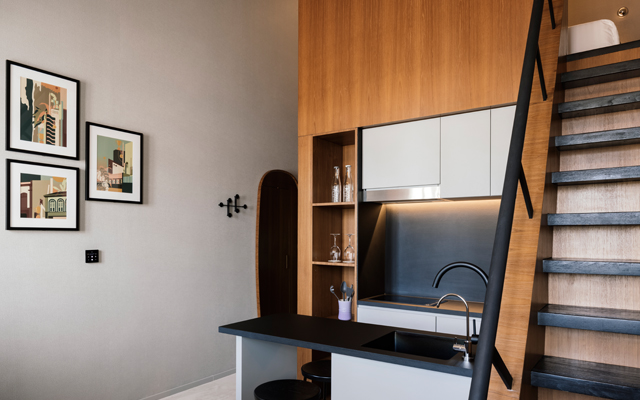
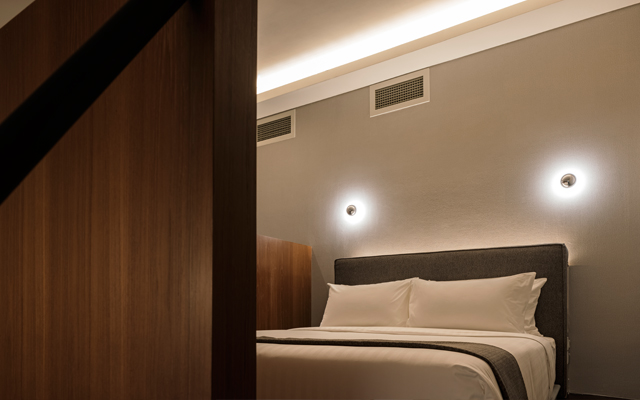
I stayed in a Studio Loft room, on the top floor of the shophouse. My dwelling felt cosy, thanks to the wooden furnishings and earthy palette. In a corner was a working space with a Bluetooth speaker, a contemporary grey sofa, and a small kitchenette for light cooking. A flight of stairs led up to the loft bed, but there wasn’t much walking room on that level.
Due to the configuration of the original site, room sizes in the same category may vary, but all boast similar fixtures and features.
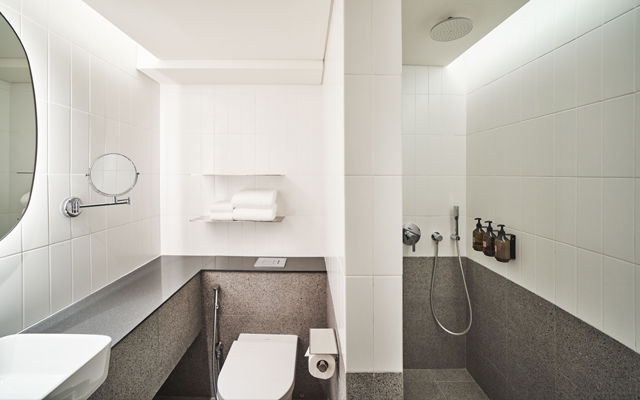
Strangely, my favourite part of the room was the bathroom, strategically hidden behind a wooden door. The white tiles juxtaposed against the black countertop made the space aesthetically pleasing, and made me think about wanting such a design for my future home bathroom. The shower pressure was great, and the bathroom came well stocked with my favourite brand of body wash and shampoo, Ashley & Co.
Aside from providing large bottles of bathroom amenities, the property’s sustainable efforts extend further into the room. For example, two glass bottles could be found in the kitchenette, and these could be filled with warm, cold or sparkling water at the Nordaq filter on Level 2. Guests staying in the studio lofts can also drink directly from the Hyflux filters.
MICE facilities
No meeting facilities are available on-site, as this property is geared towards business travellers who are on short-term assignments for around two weeks to a month. Due to current border closures, Wanderlust is currently targeting locals seeking a comfortable and quiet space to live and work in for a short or extended period of time.
To showcase Singapore’s multiracial and multicultural identity, Wanderlust has partnered with several local companies to offer exclusive activities for guests. Options range from a Little India walking tour with Singabites to a leathercraft workshop by Crafune and a Kombucha masterclass using ingredients sourced in the Lion City.
Being a foodie, I chose the Little India tour, which comprises five delicious food stops, as well as visits to several cultural attractions in the historical district. Separately, Singabites is also able to organise corporate events in Singapore that are centred on the city-state’s burgeoning food scene.
Other facilities
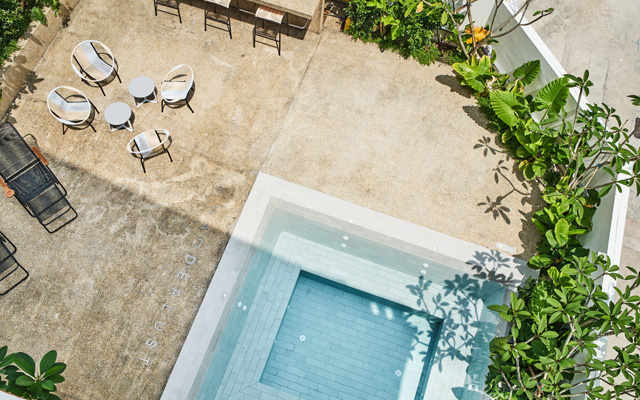
Soak in the Jacuzzi on the second floor to unwind, or knock back a tipple at the rooftop bar overlooking the charming shophouses in the vicinity.
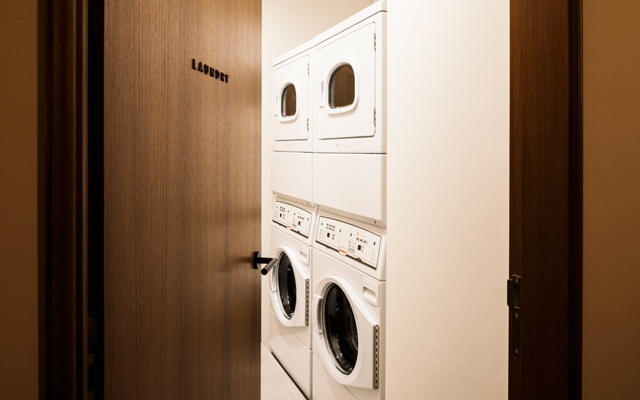
There is also a laundry room with two dryers and two washers on-site. I was delighted to find out that washing powder comes complimentary, which would be an added perk for long-stay guests.
Service
The ever-smiling staff, who always addressed me by name, put me at ease and feeling welcomed from the moment I set foot into the property.
Meanwhile, the Little India walking tour was an insightful experience. Shabnam, my guide for the two-hour jaunt around the district, was extremely knowledgeable and enthusiastically shared more of Singapore’s backstory with me.
During the tour, we got to admire several wall murals, and made a few stops for delicious South Indian cuisine such as chicken biryani and appams. All of the eating spots were first-time visits for me – rather embarrassing for a local who has lived here for more than three decades.
Verdict
The peace and quiet I found in that Studio Loft Room made for a restful stay. I can also see myself working comfortably from this space for an extended period of time.
No. of rooms 29
Contact details
https://www.oakwood.com/singapore/singapore/wanderlust
SG-HK travel bubble set for mid-May launch
The much-delayed travel bubble between Singapore and Hong Kong is on track for a mid-May launch, despite the latter having confirmed the first Covid-19 infection with a mutant strain in the community.
According to a report by the South China Morning Post, insider sources have revealed that details on the travel bubble are set to be released in the coming days. The report also quoted a source as saying that both sides are keen for the plan to materialise as soon as possible.
The development follows Singapore’s announcement that the stay-home notice period (SHN) for travellers from Hong Kong will be reduced from 14 days to seven days from Thursday (April 22), and they will be allowed to serve their SHN at their place of residence.
Travellers will also be required to take a Covid-19 PCR test upon arrival and another PCR test before the end of their seven-day SHN.
Hong Kong will also shorten the self-isolation period for fully vaccinated visitors from Singapore, requiring them to serve only a seven-day quarantine at a designated hotel, instead of 14, from as early as end-April or early May. Additionally, Singaporean travellers who have not been vaccinated will need only quarantine for 14 days at a designated hotel, as compared to 21 days previously.
Hong Kong travellers who wish to join the travel bubble scheme will have to be fully vaccinated. However, Singapore will not impose the same vaccination requirement for incoming travellers from Hong Kong.
Joanna Flint joins Mandarin Oriental group as CCO
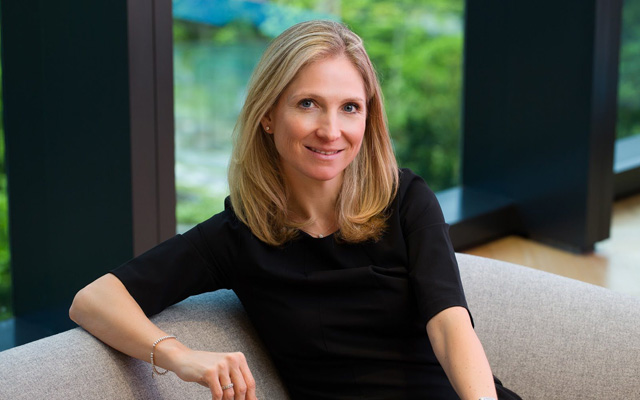
Mandarin Oriental Hotel Group has appointed Joanna Flint to the newly-created role of chief commercial officer.
In this new role, she will oversee the development and execution of the Group’s commercial strategy while also taking executive responsibility for all aspects of Mandarin Oriental’s customer experience.
These responsibilities were originally assigned to chief marketing officer, Jill Kluge, who will retire from Mandarin Oriental in September 2021.
Prior to joining Mandarin Oriental, Fint spent 12 years at Google in general management and sales leadership roles, most recently as managing director – global partner Business, with responsibility for industry go-to-market and commercialisation for Google’s media and technology partners in Asia Pacific.
Before Google, she was principal consultant at Ogilvy Asia Pacific. This followed a decade in the travel industry-leading global eCommerce, CRM and customer service transformation programmes for Singapore Airlines and British Airways.
FEH ploughs ahead with regional expansion
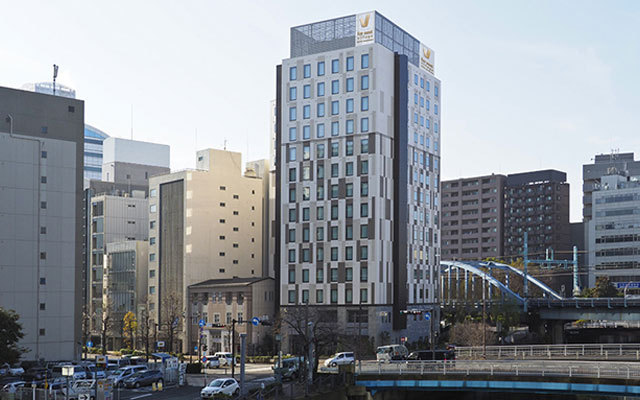
Far East Hospitality (FEH) will continue with its regional expansion plans, which includes two upcoming properties in Japan and Singapore, as well as a partnership with Artotel Group to boost its presence in Indonesia.
Slated for opening in June this year, Far East Village Hotel Yokohama will be FEH’s and the Village brand’s second property in Japan, following the opening of Far East Village Hotel Ariake last July.
The 277-key property will be managed by FEH under a hotel management agreement with Far East Organization. Situated in the heart of downtown Yokohama, the property targets business travellers. It is a five-minute drive to the CBD and a three-minute walk to Sakuragicho and Kannai stations.
On home ground, the hospitality group will also be expanding into the resort and spa category with the opening of Oasia Resort Sentosa in 2H2021.
The 191-key property will consist of Suites, Wellness Premier Rooms, and Deluxe Rooms, and will be the fourth property on Sentosa island managed and operated by FEH. Guests will be able to partake in wellness activities such as spa treatments, fitness routines, and mind-body practices; as well as connect with nature. Wellness journals, self-care checklists, and access to a collection of guided meditation audio will also be made available to guests during their stay.
In addition, FEH has entered into a partnership with Indonesia’s hospitality and lifestyle company Artotel Group to collaborate across operations, branding, and training, as well as support business growth across markets.
As part of the agreement, both FEH and Artotel Group will be represented as an “Affiliate Brand” on the respective parties’ distribution channels and ecosystem. FEH will also work with Artotel Group to enhance its presence in Indonesia and gain meaningful market share. Both parties will also conduct training exchanges to share industry best practices and increase internal knowledge and expertise across markets.
On the path of gradual recovery
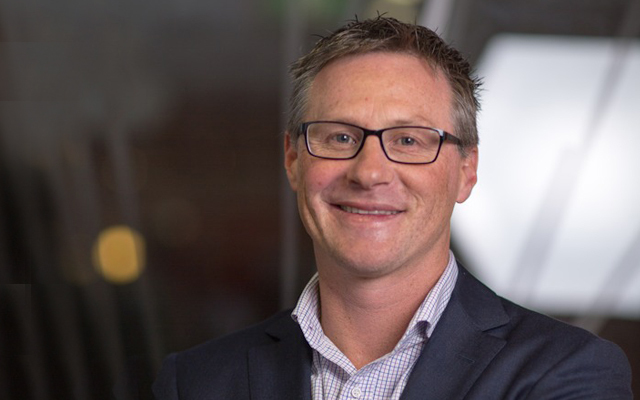
Adelaide hosted Australia’s first destination showcase for national delegates this year in February. Why was it important to do it despite the risks of sudden Covid-sensitive interstate border closures?
The challenge has been to showcase what’s new in Adelaide and demonstrate our ability to host events safely. On the day before the start of Destination South Australia (DSA), our borders were closed at midnight to Victoria because of new cases at the time. We love our Melburnian colleagues, but that’s the fragility of the environment and this is where you need to be nimble, flexible and ready for anything. The planning of DSA was months in the making and there were so many contingency plans in place for the unexpected, and that showed on the eve of the event. Fortunately, our Melbourne guests came when they did but yeah, that could have all been different 24 hours later (when South Australia temporarily shut the borders to Victoria).
What did Adelaide want to show delegates?
Our supply chain has increased in recent years so the infrastructure and investment along the Adelaide riverbank by the state government has been significant. Also, private investment is now starting to take place.
In the last four months or so we’ve had a new Crowne Plaza open, EOS by SkyCity which is very upmarket – part of a A$300 million (US$231.5 million) redevelopment through the SkyCity casino makeover which is well suited to the Asian market – and we’ve also got the Adelaide Oval Hotel that is the first and only hotel aligned to a sporting stadium in Australia, and one of only a handful in the world.
Looking ahead, there’s a new Sofitel that will open in the next six months, a new Hyatt, and a Westin. So the infrastructure growth has been quite significant and the key driver behind that is business travel, but behind these, business events. And being a small city that’s open, clean, green and free to move around is going to be really important. I think we’re really well-positioned for the future that will see the rise of boutique cities to grow and secure a lot more business events in the future.
The uncertainties with sudden border closures though have repeatedly thrown a spanner in the recovery plans. What has the last year been like for you?
The way that Adelaide Convention Bureau (ACB) has approached it hasn’t been about one person but it’s been about a team and I’m very proud of how this team has adapted to be more flexible and nimble. Our approach was very tailored and made personal to our members, clients and event planners, both domestically and internationally. We pulled back in other ways, in advertising or implementing big campaigns because of resource constraints. But it was all about helping, supporting and trying to do as much as we could.
We’re really proud of the effort, which resulted in a postponement of 85 per cent of the business that was due to take place in 2020 to 21 through to 23. That’s an incredibly high postponement rate and some other destinations are probably half of that. Again, I think it’s as simple as being really personalised and understanding of the environment, helping and caring. At the end of the day, we’re all in the game of business events, and unless we support one another and work together, it’s going to be really difficult to reboot the industry.
What other measures have you adopted to encourage business events returning to Adelaide?
Back in June, we developed a Safe SA campaign. We brought together around 10 of our members and created an end-to-end solution. When you arrive at the airport, you would get into your transport, go to your hotel, and a venue such as the Adelaide Convention Centre. (But regardless of which step of the journey you are at) everyone would be operating to the same processes and procedures.
In October, we ran a pilot Covid event to instil confidence and show that if you can do the three things of tracing, hygiene and social distancing, there’s no reason why business events can’t be presented. Healthy and safe events are critically important because it doesn’t matter if you’ve got the biggest convention centre or the biggest hotel in the world, unless you operate in a healthy and safe way, that means nothing.
With that, we feel that we’re in a really good position for Adelaide to move forward and secure business but that’s come with a lot of hard work and we feel incredibly for our members because the economic impact has been significant.
But DSA was all about rebooting business events in Adelaide and on behalf of Australia, as it was the first business exchange event of the year in the country. There may not have been as many people on the floor (because of travel difficulties) but we had a few joining online using hybrid technology and the word on the street is that there’s pent-up demand and enthusiasm from buyers. We believe the industry is now at a point of being very cautious but cautiously optimistic. People can’t continue to hold off making their decisions. It wouldn’t surprise me if we converted more business than ever.
In many cities, the events and tourism industry has been at odds with the state government over meeting rules and border restrictions. Has that also been the case in Adelaide?
We’ve developed a very close relationship with the (state’s) health department. They attended our pilot event in October, and looked at our exhibition and plenary setup. That was a pinnacle moment for us at ACB. They quickly saw that when you do have a controlled gathering of professional people, all those three practices of tracing, hygiene and social distancing can easily take place. I think one of the challenges for the Australian event industry, and particularly business events, is that we’ve been (categorised together with) festival events and major events. They are completely different operations compared to what a business is.
We’re now working with Health SA to develop a guideline or template for the business events sector to work towards. That’s coming from the top of government and their support to get the economic (recovery) process back up and running and can only be applauded. We’re hoping that within a couple of weeks or months, we’ll be able to share a new package of information that is endorsed by the state government’s health authority.
In terms of leadership at an innovation point, no one else in Australia has been able to develop that with their authority. So we’re really pleased with where that will potentially end up, to be able to basically guarantee a healthy and safe event.
What would it mean to you to have the international borders open?
International borders are critically important when the environment’s right and I think the federal government is approaching that very sensibly at the moment. We’re expecting the reopening of borders won’t happen until early 2022. We were due to host 15 or 18 international events this year including some corporate incentives out of Asia. Fortunately, we’ve been able to postpone. It’s critically important for economic recovery for Adelaide that those international events do take place.
We’ve been working very closely with the Department of Premier and Cabinet. And we’ve strategically aligned our bidding opportunities and strategy if you like, to the state government’s economic priorities, which also overlap and are consistent with the City of Adelaide as well. It’s not just a case of visitors coming into the destination and spending money. While that’s absolutely critically important for economics, we’re working and focusing more and more on the economic tail.
You’ve only got to look at the legacy that evolved from our hosting the International Astronautical Congress in 2017. That led to the development of the Australian Space Agency and a Research CRC programme, developing a mission control and an ecosystem of industry around that which has been critically important. It’s about local leaders mixing with global leaders. That’s how trade and investment, and transactions take place. And that’s why we’re desperate for international business to come back.
Has your strategy, to attract the Asian market back into Australia when the borders do re-open, changed?
The strategy has changed because everyone’s changed, because of the impacts of Covid. We were very fortunate to have success in the Chinese corporate incentive market. We were working very closely with Business Events Australia and secured two very large groups .. one was 3,000, the other 5,000. Unfortunately, they didn’t materialise because they were due to take place last year. And with international travel down those events were cancelled.
I think the opportunity, particularly for corporate incentives for Adelaide is that we are a new and fresh destination, there are new products and experiences. But again, our Covid record is going to be critically important. From 2022 to 2023 onwards I think we would see, small, more frequent waves of corporate incentive guests coming from China or across Asia as an absolute high probability. Large events in the short- to medium-term probably aren’t going to take place.
It sounds like you’re very optimistic about the Chinese market when some have been wondering about the relationship between China and Australia, which has become a little challenging of late. Your reading is that there will be no impact for business events here?
It’s difficult and not right for me to talk about the politics of the relationship but I certainly see the intent of the federal government to improve relations and China as an economic trade partner is critically important to Australia. Certainly, our individual engagements with clients and meeting planners in China are very positive and warm, and welcoming. So, yeah, we’re aware of that in the backdrop, but it’s out of our control.
Again, we focus on very strong, personalised communication to promote the incredible things you can do here in Adelaide as part of an Australian experience. It is what the clients are looking to hear about. The (lack of five-star hotels) has probably been a challenging point for Adelaide in the past but with the new and refurbished stock coming online, I think we’re in a really good position.
Those groups will stay in the city and they’re only an hour from the Barossa Valley and (a short distance to) the seafood capitals of Australia. So for all of those benefits, we’ve got a lot to offer. And everyone knows the Asian market is resilient, it bounces back very quickly and moves very quickly. So we’re ready for that and I’m hoping we can host a lot of groups from 2022 onwards.
This industry has always been super competitive. Do you expect competition between destinations in the new environment will get easier or harder?
Absolutely, without a doubt, harder. Competition was already increasing between destinations, not only within Australia but around the world for the last decade or so, recognising the value of business events, high-yield, high-spending visitors, and also the economic tail that I spoke of from hosting a business event.
So destinations were already cashed up. There’s incredible infrastructure across Asia and the Middle East, in particular, (has been) winning a lot of international business that was already tough to win. With international events not existing for two years, that competition is will absolutely go through the roof. Those destinations that already had a big kitbag of resources are probably going to double or triple that to ensure that they can win their business back really quickly and swiftly.
From an Australian perspective, we’re in a great position because of our Covid safety record and we’re a very unique product with a lot of great growth industries that the world can learn from. I’m sure we’ll win business but that competition will be so much more challenging and difficult moving forward. For each jurisdiction in Australia, it’s going to be critically important that they secure even more support from their state governments through their city councils.
Because unless the resources are available in a bid funding and infrastructure supply sense, it’s going to be really challenging for Adelaide and Australia as a whole to do business. I look at the domestic market and my colleagues that have in the past, totally focused on international business. They’ve of course had to pivot back to the domestic market because international business just doesn’t exist. Even in the domestic market, the competition has increased significantly as well. But again, Adelaide is a proud destination with a lot to offer and we’re up for the challenge.
When you said you’ve changed your strategy for Asia, how will it be different? Normally you would be in-market, travelling overseas to be part of exhibitions and fairs. Many people have more or less Zoomed out as well, so there are not that many options.
You raise a really good point. It’s incredibly challenging. We don’t have in-market resources in Asia or China. We were about to, before Covid struck and we’ve obviously pulled back. I’m going to give credit to Business Events Australia that (are helping) destinations like us that don’t have resources in-market. They’ve tried to keep us linked to the local market in China and across Asia, to keep that communication going and keep Adelaide and South Australia top of mind. But again, I think the opportunity will bounce back and we’ll certainly make the most of that.
But that bounce-back will be gradual and won’t be a 100 per cent recovery in 2022. All the research, particularly through the aviation sector, says it could be as far away as 2024. Which is a long way away for a return to full economic impact and benefit for a destination. We don’t (even) know what’s happening tomorrow or the next week or the next month. You’ve just got to take it with baby steps and do the very best that you can with what you’ve got in front of you.
What else is on your mind?
(Also on my mind is that) the next pinnacle point for our industry is the end of JobKeeper (Australia’s Covid wage support scheme which ended March 31), which could be a challenge.
I think we’re at a point as an industry that we need to present one voice (to the federal government). We have the Business Events Council of Australia and I’m on the board of the Association of Australian Convention Bureaux. We also have Meetings and Events Australia (and others) but I think all of these associations need to come together from a strategic sense, to communicate with and brief the government, rather than the sort of ad hoc random approach that’s happening at the moment.
I think the time is right as members, the industry, products and suppliers are probably fed up with paying four or five different subscriptions. We need to come together as one organisation because we need the support from government especially with the end of JobKeeper – putting many of our products and suppliers at risk – and we can only achieve that through one voice. And if Australia can’t present a full supply of products and services, it’s going to be really difficult to win that international business back.
Anantara Chiang Mai Resort revamps multipurpose space
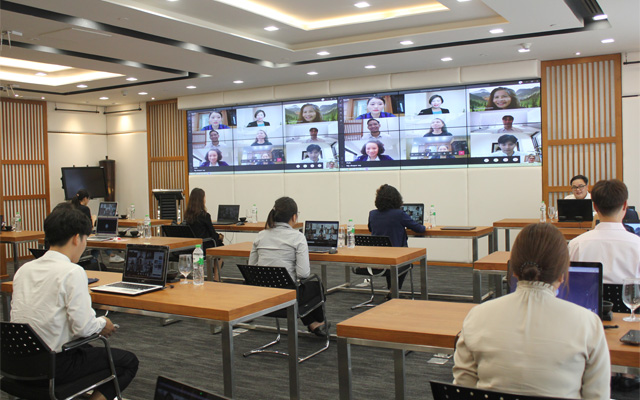
The Anantara Chiang Mai Resort in Chiang Mai has recently revamped and expanded its multipurpose Anantara Function Room.
The 114m2 venue has been outfitted with 12 wireless video wall screens which can be connected using a computer or mobile device, as well as touchscreen monitors. There is also a separate control room where organisers can seamlessly arrange to play videos or other media from. It can host up to 75 participants theatre-style, 36 executives for a boardroom meeting, or 48 guests for a banquet.
Business and multilingual secretarial services, along with coffee breaks and luncheons can also be arranged.
Other meeting venues at the Anantara Chiang Mai Resort include the Rooftop Terrace that can host sunset cocktail receptions or a sit-down banquet for 60; The Service 1921 Lawn which can hold 120 guests banquet-style; or the restaurant’s waterfront deck that can be exclusively booked for up to 86 guests.
Reviews

The Ritz-Carlton, Bangkok
The newly-opened Ritz-Carlton, Bangkok anchors the One Bangkok development with cosmopolitan elegance. Featuring the city's largest ballroom and a spectacular new penthouse suite, it delivers exceptional hardware and deeply authentic, soulful service for business and leisure travellers alike

Mama Shelter Zurich
Behind the imposing, Brutalist concrete that defines Zurich’s Oerlikon district lies a surprising secret. While its exterior honours the neighbourhood’s industrial roots, stepping inside Mama Shelter reveals a vibrant, neon-soaked world that is a far cry from its rigid shell
Hyatt Regency Kuala Lumpur at KL Midtown
A polished urban retreat designed for business travellers, Hyatt Regency Kuala Lumpur at KL Midtown combines thoughtful design, seamless service, and exceptional facilities.


The much-delayed air travel bubble (ATB) between Singapore and Hong Kong that will allow quarantine-free travel between the two cities is poised to kick off on May 26.
This comes six months after the ATB’s original planned launch last November was deferred by both parties due to the worsening Covid-19 situation in Hong Kong.
Both parties will start the Singapore-Hong Kong ATB cautiously, with one flight a day in each direction, capped at 200 passengers on each flight for the first two weeks, Singapore’s Ministry of Transport (MOT) said in a statement on Monday (April 26). The numbers will be reviewed thereafter, it added.
Singapore’s transport minister Ong Ye Kung said in the release: “I am happy that Hong Kong got the Covid-19 situation under control. It has been a long few months, but the conditions are now ripe again to relaunch the ATB. Both sides will need to stay very vigilant in the next one month, so that we can launch the first flights smoothly. It is a significant ATB between two aviation and financial services hubs in Asia.”
Hong Kong’s secretary for commerce and economic development, Edward Yau, added: “With gradual stabilisation of the fourth wave of epidemic in Hong Kong, we have been engaging in active discussion with Singapore on the relaunch of ATB. The two governments have reached consensus on the latest arrangements and will put in place more stringent public health protocols in response to the latest epidemic development. Our goal remains striking a right balance between public health and travel convenience so that the public will feel assured while providing certainty.”
Both sides will closely monitor the Covid-19 situation from now to the ATB’s targeted launch date, and will proceed with the launch if the situation continues to be steady and under control in both cities, said MOT.
The ATB flights will be operated by Singapore Airlines (SIA) and Cathay Pacific.
Welcoming the move, a spokesperson from SIA, said in a statement: “This is an important milestone in our recovery from the Covid-19 pandemic, and helps to establish confidence in the safe resumption of international air travel with the necessary protocols in place. Singapore Airlines strongly support all efforts to open the Singapore air hub up in a safe and calibrated manner. We will continue to be nimble and flexible in adjusting our capacity to meet the demand for air travel.”
SIA has also released its ATB flight schedule to and from Hong Kong.
The airline’s inaugural ATB flight from Singapore to Hong Kong, SQ882, will depart on May 26; while its inaugural ATB flight from Hong Kong to Singapore, SQ883, will depart on May 28.
From May 26 to June 7, the flight schedule will be as follows:
From June 9, SIA will operate daily ATB flights, with the schedule as below:
In a statement, Cathay Pacific said that these ABT flights will be operated by pilots and cabin crew who have all been fully vaccinated.
“With travel having been difficult for everyone over the past year, we know that our customers have been eagerly anticipating the launch of our Hong Kong-Singapore air travel bubble flights so that they can rediscover the joy of flying. We believe the safe and secure bubble flights will be a milestone showcase for the opening of similar travel arrangements with other popular destinations,” said the airline.
Cathay Pacific’s ATB flights will operate as CX759 and CX734 using the airline’s modern, fuel-efficient Airbus A350-900 aircraft. The inaugural CX759 flight from Hong Kong will depart on May 26, while the first CX734 flight from Singapore will depart on May 27.
From May 27 to June 9, the flight schedule will be as follows:
From June 10, Cathay Pacific will operate daily return ATB flights to Singapore.
This article has been updated to include Cathay Pacific’s comments and ABT flight details.