Thailand is transforming herself into a land of healthy smiles as she emerges from the pandemic, with the Tourism Authority of Thailand (TAT) setting a goal for the country to become the ‘Medical and Wellness Resort of the World’ by 2024.
The Thai government has also picked up on the wellness trend, listing wellness tourism as one of 12 targeted S-curve industries that will form the foundation for the country’s burgeoning Eastern Economic Corridor project.
More Thai hotels are coming up with wellness programmes for corporate groups
According to Chiruit Isarangkun Na Ayuthaya, president of the Thailand Convention and Exhibition Bureau (TCEB), Thailand’s globally recognised containment of the pandemic has also given rise to an outstanding opportunity for the development of business events in the medical, health and wellness sectors.
“To help realise this, TCEB is now working with the Ministry of Public Health, the TAT and the Thai Health Promotion Foundation to organise the Thailand International Health Expo 2021 from July 16 to 19 in Bangkok to showcase Thailand’s innovation in medical products and services, and to launch a business matching platform, both online and onsite, for entrepreneurs and buyers in this sector,” he shared.
Paul Hawco, corporate director of wellness at Dusit Hotels and Resorts, also sees Thailand’s shift from being primarily a spa destination to a health and wellness hub as a potential catalyst to build renewed interest and trust in the country’s business events sector.
“As more and more guests increasingly filter their travel experiences through a holistic wellness lens, MICE organisers and participants will increasingly become interested in destinations that have an authentic and holistic approach, and have confidence in countries with a proven track record in preventative measures and systems to deal with post-Covid expectations,” Hawco stated.
A growing trend
Business and personal challenges brought on by the pandemic, especially loaded upon the shoulders of C-suite executives, have led companies to realise the importance of caring for the well-being of their staff so as to ensure optimal performance.
“Companies around the world and in Thailand are trying to find ways to build wellness into their human resource tools,” observed Bruce Ryde, general manager and brand strategist at Kamalaya, Koh Samui.
The wellness sanctuary, known globally to wellness enthusiasts, has been getting more corporate enquiries. As a result, Kamalaya now expects corporate demand – from Thailand and overseas – to account for almost one-third of its business in 2022.
As Thailand recovers from its second wave of Covid-19, Sindhorn Kempinski Hotel Bangkok, which opened its doors in October 2020, has seen a pick-up in domestic meetings; clients are specifically requesting programmes with wellness elements.
“Instead of doing an indulgent cooking workshop, one of our recent clients asked if we can do a healthy cooking workshop. So, we offered our Middle Eastern vegan cooking workshop. Guided by our hotel chef, the group learnt to make hummus,” shared Aaishah Bohari, the hotel’s director of sales and marketing.
Another company, intent on fitness activities, arranged a post-meeting virtual cycling session for its executives, she added.
Holistic offerings
From helping companies adapt to the new normal with personalised programmes and online courses, enabling teams to de-stress and cope with the upheaval of the global pandemic, to wellness-themed meetings, Thailand’s hotels are sculpting a healthier landscape for business events.
Kamalaya is conducting Embracing Change programmes via its Kamalaya Connect platform, aimed at helping large companies build change management competencies as part of teambuilding objectives. The programme has seen strong support from local businesses, as well as global NGOs and medical professionals.
Kamalaya’s Embracing Change workshops are different from other similar programmes, stated Karina Stewart, founder and chief wellness director. “(Our programmes) are about embracing change within yourself – your behaviour, so you understand the people you’re making decisions about,” she elaborated.
Companies have also chosen to weave Kamalaya’s tailored personal development programmes into their incentive packages, resulting in a pick-up in wellness incentive programmes.
“Pre-pandemic our corporate derived mix was around seven per cent. We see that building up to between 10 and15 per cent in 2022,” Ryde said.
Hawco observes a new model emerging: smaller bespoke offerings and events, with higher levels of flexibility enveloped in a greener approach, something Dusit Hotels is now developing as part of its business events offerings. This follows the hotel group’s introduction of #meetwell@dusit, a proactive wellness approach taken for meetings that support optimal performance.
“People now expect to continue their healthy lifestyles and wellness routines when they are away from home. Business event attendees and organisers will expect nothing less,” said Hawco.
Wellness-themed meetings at Dusit properties include breakout sessions with breathwork and stretching, nutrition-based menus and minibars, and supplementary holistic activities like environmentally-friendly silent concerts, gong baths on the beach, and a variety of physical and mental health sessions, workshops and classes.
“These elements help participants replace fatigue and stress with a calm head, sharp mind and a growth mindset, resulting in higher team engagement and productivity. We see an amazing opportunity to drive tourism while also exporting the approach of what is a highly relevant wellness offering. Thailand as a wellness destination can kickstart tourism in general,” he concluded.
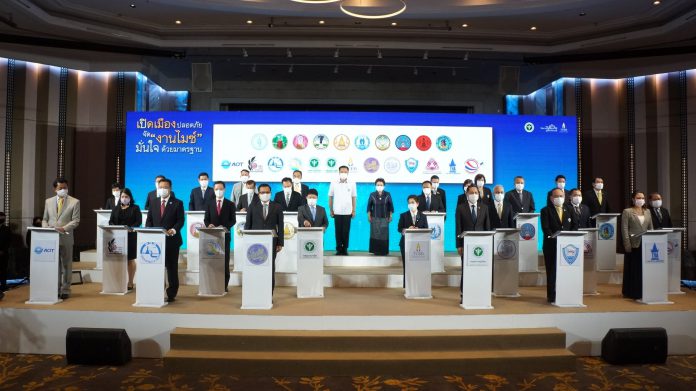
Thai government officials, 10 provincial representatives, and TCEB officials at the launch of Unlock MICE Cities with High Standard of Safety
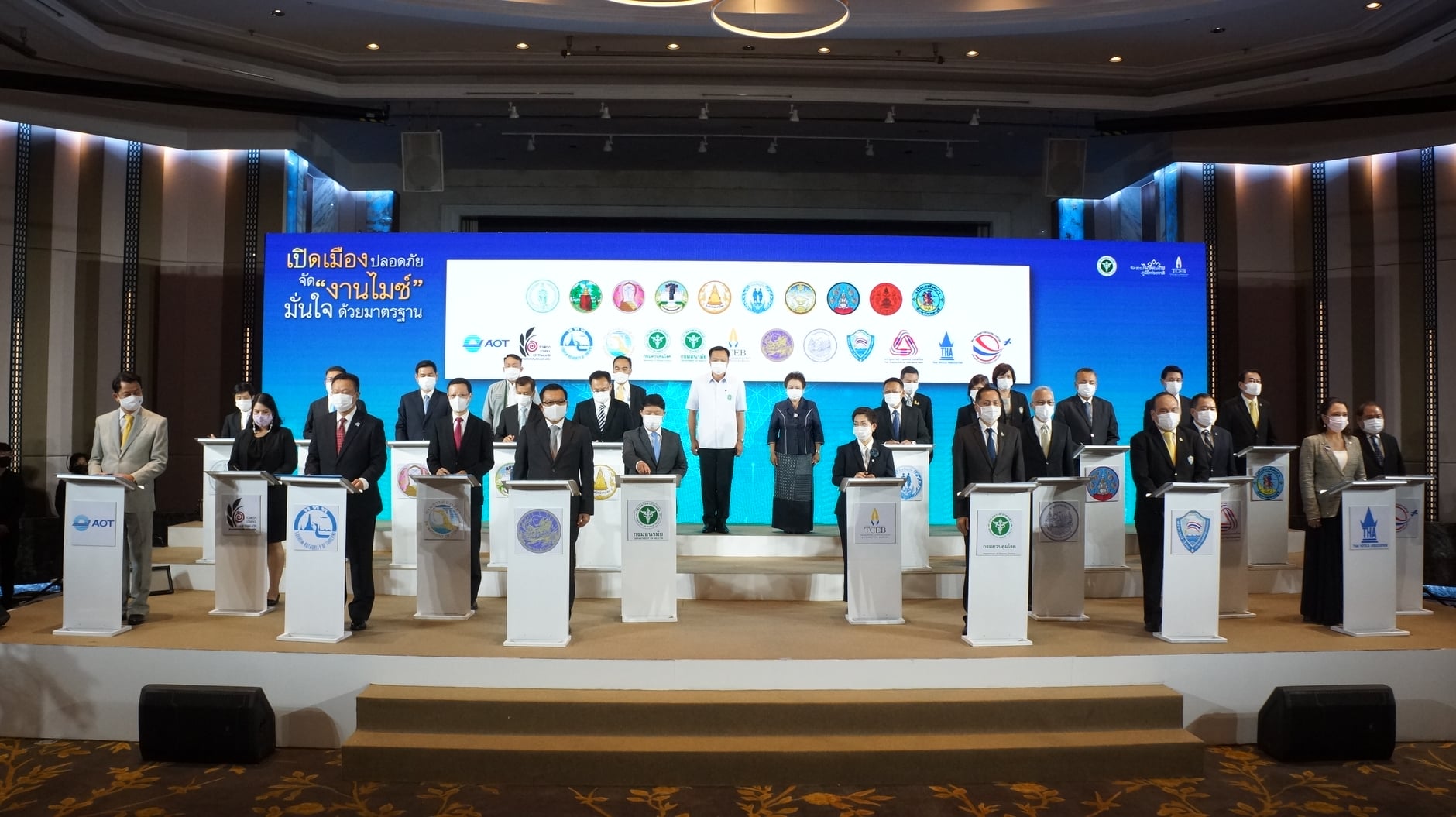
The Thailand Convention and Exhibition Bureau (TCEB), 12 organisations, and the 10 MICE cities have signed an MoU to upgrade the hygiene standard across the country.
The new initiative, named Unlock MICE Cities with High Standard of Safety, was launched by TCEB’s president Chiruit Isarangkun Na Ayuthaya.
Thai government officials, 10 provincial representatives, and TCEB officials at the launch of Unlock MICE Cities with High Standard of Safety
Billed as the largest inter-organisational MICE collaboration in Thailand during Covid-19, the initiative heightens the safety standards in the 10 MICE cities to boost the confidence among domestic event planners in holding MICE events there. Target groups include venues, organisers, accommodations, transport services, restaurants, retail outlets, department stores and other-related MICE businesses.
The 10 cities are Bangkok, Khon Kaen, Chiang Mai, Nakhon Ratchasima, Phitsanulok, Phuket, Songkhla, Surat Thani, Udon Thani and Pattaya. Meanwhile, the 12 organisations include the Department of Health, Tourism Authority of Thailand, as well as the Airports of Thailand.
Currently, Bangkok has been gazetted as a red zone with a high risk of infection following the third wave of Covid-19. Hotels and MICE venues remain status quo however, where events can still go on with safety measures in place.
Meanwhile, Pattaya has been gazetted as an orange zone, while Songkla and Khon Kaen are yellow zones.
Following the launch, TCEB organised a seminar in Songkla for MICE stakeholders to meet, and provide perspectives and ideas to ensure business events could take place safely in the province.
TCEB, the Mekong Institute, and their partners also jointly hosted GMS Logistics Forum in Pattaya to help highlight Eastern Economic Corridor as a destination for national conferences, seminars and tradeshows of the logistics industry.
According to Thai Stop COVID Plus, a self-evaluation under the Department of Health, 100 per cent of convention and exhibition centres, and 99.1 per cent of hotels, have passed an assessment of hygiene and safety at their venues.
Guidelines by Tokyo serve as an adaptable blueprint for event planning, on-site management, and post-event considerations
With Japan in the global limelight ahead of the summer Olympic Games, Tokyo Convention & Visitors Bureau (TCVB) is intensifying efforts to welcome MICE business.
Last month, the TCVB hosted its first online seminar for international associations, meeting planners and conference organisers, where its business events team introduced the recently launched content on its “Safe Events in Tokyo” webpages.
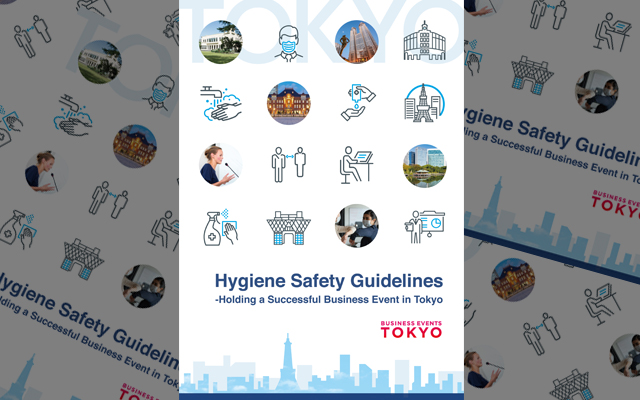
These guidelines serve as an adaptable blueprint for event planning, on-site management, and post-event considerations
Resources include guidelines on how to hold a successful business event in Tokyo, details on venues offering hybrid events and examples of best practice in holding in-person, hybrid and socially distanced events.
The “Hygiene Safety Guidelines” are intended to act as “a blueprint that can be adapted and implemented throughout the event-planning, site management and post-event (stages),” Masahito Tsukiyama, an assistant manager with TCVB’s Business Events Team told the 30 event attendees. The document will provide “a clear image of what to prepare for,” he added, pointing to the detail on everything from communications policies to crowd-control measures.
The guidelines are based on medical advice from professionals in the field of infectious diseases and feature the safety measures and precautions recommended by both the Japanese and Tokyo metropolitan governments.
Other new content that has been launched on the site are Tokyo’s range of new and adapted venues for hybrid events, including conference centres, hotels and studios. Some facilities, such as Tokyo Port City Takeshiba, were opened as recently as autumn 2020.
There are also 15 accommodations in the city that hold either a Safeguard Label or a GBAC Star facility accreditation, two of the highest health and safety standards globally, according to the site.
The TCVB also showcased products it has been developing for use at hybrid and online events. Options include a digital tour of Shibuya, which has proven popular as a post-event activity or break-time activity, according to the TCVB’s Inaho Hamaguchi. Performances can also be pre-recorded and shown as digital content, such as tezuma, a traditional form of magic that combines illusion, acting, music, costumes and stories.
Reduced foreign attendance at business events during the Covid-19 pandemic has driven the Singapore Tourism Board (STB) to revise its business events strategy and action plans, with the adoption of new event formats and business model being the prime focus.
Andrew Phua, STB’s executive director, exhibitions & conferences, told TTGmice that the organisation’s priority now is to “get domestic events in place” to keep the city-state’s business events sector going as border controls keep international delegates out.
Phua: STB schemes could also help event organisers tackle higher costs from SMM implementation
Through the enforcement of Safe Meetings Measures (SMM) for events last year, Singapore has been able to conduct about 60 pilot events that saw close to 9,000 attendees.
But with its vision set on the eventual return of international events, STB has also been piloting several events to perfect its processes for conducting large-scale events in a safe, trusted and innovative manner.
These pilot events include TravelRevive in November 2020 and Geo Connect Asia 2021 last month – both utilising a hybrid format of online and in-person attendance.
Phua said having to engage the community digitally could present new opportunities for the destination.
“Take Geo Connect Asia for example. The number of online attendees was larger than the in-person turn-out. We have the opportunity to (entice) this captive virtual audience, and get even more people to come to Singapore (for the next edition) when travel lanes are up and safe travel protocols are in place next year,” he said.
Currently, in-person events in Singapore have to abide by strict SMM requirements, which include mandatory on-site Antigen Rapid Test for participants and separating delegates into zones and cohorts for safe distancing.
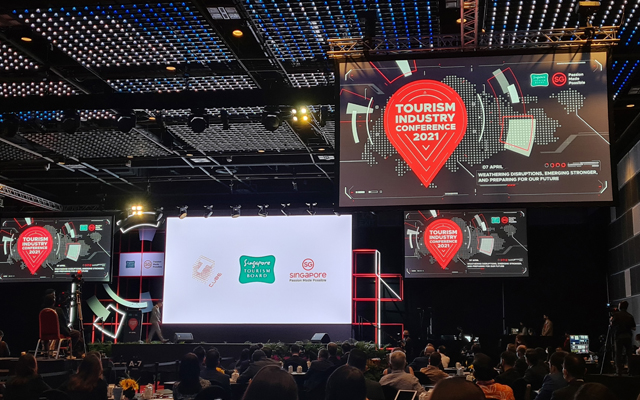
At the Singapore Tourism Industry Conference this morning, for instance, delegates were grouped into clusters of five within various zones. Interaction was limited to members of the same cluster.
When asked if SMM would have to eventually relax to allow spontaneous face-to-face interactions among event delegates, which is a key objective of business events, Phua said that would happen progressively.
“When SMM first started, it allowed events with cohorts of 20 people. Today we allow cohorts of 50. That will step up over time, especially as more of the population gets vaccinated,” he explained.
“Meanwhile, what do we do to ensure there is quality interaction in a safe and trusted manner? At some tradeshows, we have put in Plexiglas dividers and microphones to allow interaction between exhibitor and buyer – and they can even speak for up to 30 minutes. Before the next buyer comes along, that Plexiglas is sanitised,” he added.
Admitting that face-to-face interaction is harder to manage at hybrid events, Phua said work to develop creative ways to facilitate interaction continues.
In light of new event formats and business models, Phua shared that STB is reviewing its current event support schemes to keep them relevant.
“In terms of our Business Events in Singapore scheme, we will have to first and foremost review our KPIs (key performance indicators). In the past, our KPIs were mostly tourism receipts and number of foreign attendees. With border restrictions in place, we have to tweak these KPIs.
“Therefore, in our last two pilot events, TravelRevive and Geo Connect Asia, it was no longer about the number of foreigners but the total attendance, the local business spend to the whole industry, and the knowledge and thought leadership value,” Phua detailed.
He added that STB’s Business Improvement Fund now looks at helping business event owners pivot digitally and to build up technology capabilities.
When asked how would knowledge and thought leadership value be measured, Phua told TTGmice that it was indeed “harder to quantify” than other KPIs.
However, he suggested that the presence of A-list speakers, new announcements from the event, and international media value could be good indicators.
“We want people to associate (high-profile) events like the World Economic Forum and the Trump-Kim Summit with Singapore,” he said.
The Indonesian business events industry has lost a veteran player with the passing of Ketut Salam, vice president director of Pactoconvex Niagatama (Pacto Convex).
Ketut passed away last Saturday after a heart attack at his home in Jakarta, and he was buried on the same day.
Ketut Salam
Apart from leading the financial team Ketut was always at the forefront of Pacto Convex’s major events and shows together with the company’s president director, Susilowani Daud. The business events industry in Indonesia has long viewed both Ketut and Susilowani as a pair of leaders who complete one another.
Susilowani described her professional relationship with Ketut as ‘Tom and Jerry’. “We can argue like anything, but we have proven to always come to the best decisions in the end.”
Ketut was also an active member of the Indonesia Congress and Convention Association (INCCA), where he also led the INCCA institute.
SG Safe Events Certification to help MICE sector prepare for the
eventual resumption of activities
The Singapore Association of Convention and Exhibition Organisers and Suppliers (SACEOS) has launched a safety certification programme, as the city-state ushers in the return of events of more than 1,000 attendees.
To achieve the SG SafeEvents Certification, MICE and event companies must uphold a set of hygiene benchmarks and safe-distancing practices. These include having a risk management plan, documenting identified hazards and necessary control measures that have been implemented before and during events, having a cleaning and disinfection plan for venue operators, using contactless technology as well as implementing protocols to contain and manage emergency situations.
The certification will help Singapore’s MICE sector prepare for the eventual resumption of activities
More details on the certification process and panel of certification bodies will be announced in May 2021 through an industry briefing, for which SACEOS is now accepting registrations of interest.
To ensure the certified standards are upheld at events, SG SafeEvent Ambassadors trained by SACEOS and the National Trades Union Congress Learning Hub will be deployed on-site. SACEOS aims to train a pool of 1,000 ambassadors by mid-2021, when more and larger events are expected. Currently, 700 trained ambassadors are ready to be mobilised.
Aloysius Arlando, president of SACEOS, said: “We are confident that this will help provide a competitive edge for Singapore as a MICE destination and our MICE enterprises as they re-think and re-calibrate their business operations for a Covid-safe marketplace.
“Adherence to the national standards provides a mark of assurance to the industry and the global community that events organised by certified organisers and suppliers, and held at certified venues, are recognised under the programme to be safe; and the health and well-being of all involved are managed with the utmost care and consideration.”
Announced at the Singapore Tourism Board’s Tourism Industry Conference, the SG SafeEvents Certification is based on Technical Reference (TR) 84, “Safe event management for the MICE and events industry”.
TR 84 is a paid guide that lists recommended best practices in hygiene and sanitisation, safe distancing and emergency management for business events, beyond the government-mandated Safe Management Measures.
It was developed by the Singapore Standards Council and overseen by Enterprise Singapore, and closely references the Events Industry Resilience Roadmap released by SACEOS in October 2020.
Director-general (quality & excellence) of Enterprise Singapore, Choy Sauw Kook, said: “The certification programme provides the added assurance that enterprises in the MICE and events industry have implemented the necessary measures to address and minimise any risk of Covid infection or its spread. TR 84 also lends confidence to overseas organisers holding large-scale events in Singapore when they know our enterprises adhere to best practices in developing customised hygiene, crowd management and emergency protocol systems.”
Concept
With access to non-essential travel still shut, the steady stream of domestic activities in Singapore continue to see demand from corporates hungry for creative team experiences. On the back of the success of its Chinatown Murders game tour set in the historic district, Tribe Tours launches a second version that explores Jewel Changi Airport beyond its lifestyle offerings.
What
In Jewel Heist, two teams lock horns in a battle of wits and speed to locate a ‘jewel’ in the mall, while solving trivia questions and racking up ‘prize money’ points. Puzzles encountered at each stage have time limits ranging from 15 to 25 minutes, with the entire tour running up to three hours.
MICE application
In a time of limited teambuilding options, an exciting challenge with storied trivia and friendly competition can be a welcome break from the daily grind. Tours in Singapore are now allowed a maximum guest capacity of 50, enabling larger corporate groups to be split into multiple teams to duke it out for a win.
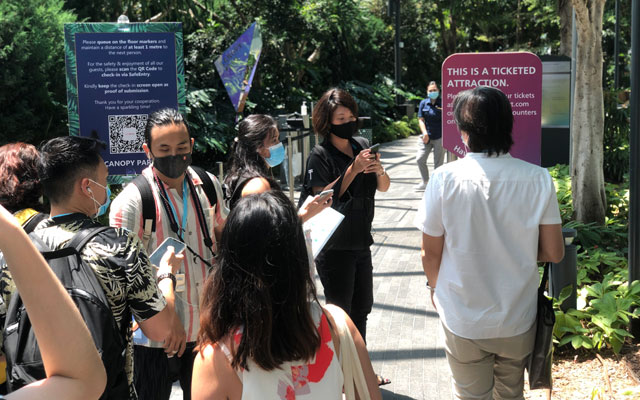
In accordance with safe management measures, our tour started with a pre-tour huddle, where sanitised audio sets were distributed. Then, splitting into two teams (one with four members, and the other, five), we set off on our mission.
The first task was fairly straightforward and kept us within a contained portion of Jewel, but it was a deceptively simple start. As the story progressed and the tour made its way through the different parts of the mall, we found ourselves racing and combing through entire levels in search for clues – and not before racking our brains to interpret the hidden meanings in each puzzle.
Thankfully, each team is given a collection of lifelines redeemable with the ‘prize money’ points racked up through solving puzzles and trivia questions. These pop-up trivia quizzes are a clever component of the tour that taught us lesser-known facts about Jewel. For instance, I now wield the knowledge that each of the 9,000-plus triangle glass panes of Jewel’s dome has a unique QR code for maintenance.
The scale of Jewel Heist meant that each member of the team had to pull their weight, whether it be keeping a sharp eye on surroundings or speeding towards a clue. Flexibility and communication were also essential to our strategisations about which lifeline to use, as activating them entailed a deduction from our ‘prize money’ pool. This element could be useful for companies hoping to foster openness between employees.
The end of the tour placed us at the top level of Jewel, thanks to complimentary access into the Canopy Park. From here, participants may choose to linger and enjoy the view, or retreat back to the lower levels for a team meal. Those who decide on the latter should note that they would have to pay for re-entry into the Canopy Park.
Service
One marked difference of this game tour from Chinatown Murders is the introduction of a competitive element. Based on feedback from its Chinatown Murders tour – particularly from corporate and special interest groups – Tribe implemented a points system in this second instalment, which made the other participants and I more driven to quickly complete the missions.
The guide-slash-storyteller leading our tour, Elaine, was always ready for our enthusiasm and doubts, and was adept at promoting friendly competition between teams – lest the battle gets too heated. This passively competitive approach has also hit the right note with its test groups, revealed Tribe Tours co-founder Jason Loe.
While Jewel Heist plays out in an air-conditioned building, the tour left us sweating from scouring whole floors of the mall in between cracking puzzles. Guests who have been on the Chinatown Murders tour may have an edge, but beware that Tribe is back with trickier tasks this time.
Overall, the tour will test one’s mettle in teamwork and communication skills, but not without a generous helping of fun and learning.
Recovery for the tourism industry is still uncertain, but the Singapore government has reiterated its commitment to supporting the sector
Singapore’s tourism industry will receive further training and business development funding, as well as digital transformation support from the government, as it continues on its road to recovery.
The Tourism Development Fund (TDF) will get a S$68.5 million (US$51.1 million) injection and extended support levels for the Business Improvement Fund and the Training Industry Professionals in Tourism grant until end-March 2022. The total value of TDF is now at S$848.5 million.
Recovery for the tourism industry is still uncertain, but the Singapore government has reiterated its commitment to supporting the sector
In addition, the Singapore Tourism Board (STB) will kick off next week the second season of the SG Stories Content Fund to encourage tourism firms, content creators and individuals to craft authentic Singapore stories to inspire tourist visitation.
Further, in line with Singapore’s push for digital transformation among local businesses, STB will launch the Tourism Technology Transformation Cube – known as Tcube – this afternoon. Tcube is said to be a go-to resource for tourism businesses desiring a digital transformation, where they will get to meet like-minded tourism stakeholders to facilitate knowledge exchange, test innovative ideas through proofs-of-concept and pilots, and access tools to build and scale sustainable business models.
These initiatives were revealed at this morning’s Tourism Industry Conference, an event held once every two years to bring the local travel and tourism community together to review past achievements and deliberate on the way forward.
In his welcome address, Singapore minister for trade and industry, Chan Chun Sing, noted that the country’s tourism sector was “still in the thick” of its gravest challenge since the 2003 SARS pandemic, and that “recovery remains uncertain”.
“In the near term, there will still be headwinds. But we remain committed to supporting our tourism sector, to help businesses and workers build new capabilities, and break new ground,” said Chan.
He added that the challenge for Singapore’s tourism sector lies not in recovery this year or the next, but in how it will prepare for long-term success and reinvent global travel.
“We are not waiting for a full reopening. Singapore is prepared to disrupt the status quo, transform our products and services, and harness our capabilities to capture the next lap of growth ahead,” he remarked.
Taking stock of how Singapore’s tourism businesses have redefined tourism during the global travel disruption, STB chief executive Keith Tan said Singapore has been successful in establishing travel lanes and resuming some high-profile public and business events such as the ONE Championship events in 2020 and recent Geo Connect Asia 2021. He also commended tourism stakeholders for being proactive in pivoting quickly to new ways of securing revenue, such as through the domestic tourism market.
“This period may well be one of the most fertile periods in the Singapore tourism sector, with new products, experiences and bundled packages being launched weekly,” Tan said.
Moving forward, Tan bid tourism players to maintain their creativity while building up resilience and preparedness for inevitable future crises.
One of the ways to be ready for the future is through digital transformation, said Tan, who went on to explain that Tcube will support tourism businesses through a three-step Learn-Test-Build approach.
The Learn phase will be facilitated by STB’s Tourism Transformation Index, a self-assessment tool that will lead to recommendations on relevant programmes to support digital transformation.
The Test phase is facilitated by STB’s Singapore Tourism Accelerator programme, launched in 2019 to help tourism businesses source for innovative solutions to address business challenges. The Singapore Tourism Accelerator programme may be extended until September 2023.
The Build phase is supported by a suite of smart services, including the Tourism Information and Services Hub, and Singapore Tourism Analytics Network.
Tourism stakeholders can also expect continued support in their move towards Augmented Reality content, through STB’s efforts to build up a library of free 3D assets over the next three to four years.
Mapping out even more support from STB, Tan revealed that the organisation is working with the National Trades Union Congress to draw up a Tourism Sector Capability Development Roadmap; establishing more partnerships with overseas entities to maintain Singapore as a top-of-mind destination among international travellers; and extending the Marketing Partnership Programme to support domestic and international marketing efforts.
Once upon a time, before the world knew Covid-19 and global travel restrictions, and when people could easily cross borders to mingle, exchange knowledge and trade, most business events would include some form of meaningful corporate social activity to allow delegates an opportunity to leave the host destination in a better shape than they had found it.
Rebuilding schools, visiting wildlife sanctuaries to appreciate animal conservation efforts, interacting with indigenous people, and packing and delivering meals or daily essentials to needy communities were all popular corporate social responsibility (CSR) elements within business programmes.
When Covid-19 swept across the globe, it disrupted travel and changed the way people socialise. Maintaining internal meetings was challenging, more so coming together with external communities.
Ailynn Seah, vice president of sales, MIC and association with Marina Bay Sands (MBS) Singapore, found that as Singapore’s business events ground to a halt in 2020, CSR activities “understandably took a backseat for event organisers”.
“Even with the gradual resumption of the business events industry, restrictions such as safe distancing, and cancellation of mass and group events may force event organisers to think harder before incorporating any CSR activities in immediate programmes. They may even face greater challenges trying to evolve their CSR plans, incorporating virtual or hybrid elements, to suit the current environment,” said Seah.
On the other hand, Michelle Sargent, director, Australia/New Zealand, CWT Meetings & Events, told TTGmice that companies are “still very interested in CSR activities”, with half of all meeting and event RFPs in Australia over the past six months requiring an opportunity to give back to hard-hit communities.
“One change we have observed is a preference to give back to local communities where the client’s business is based, compared to pre-pandemic times where we also saw a lot of interest in supporting initiatives in other regions. This may, in part, be down to the inability to travel,” Sargent said.
While acknowledging that restrictions around in-person events have presented obstacles to conducting hands-on CSR programmes as part of business events, Sargent believes that there is nothing some creativity cannot fix.
Just a little differently
For event organisers and owners who were determined to retain CSR goals within their altered activities, a dose of creativity was needed.
Fu Kei Cheong, co-founder of Malaysia headquartered PCO Anderes Fourdy, told TTGmice that the act of donating attendance fees collected from event delegates can replace traditional CSR initiatives.
“We had an example where pre-conference workshop fees were collected and donated to a patient healthcare organisation,” shared Fu.
The Penang Convention & Exhibition Bureau (PCEB) attempted this approach, pledging registration fees collected from its BE@Penang virtual conference in December 2020 to fund a food donation drive that benefitted orphanages in the Malaysian state.
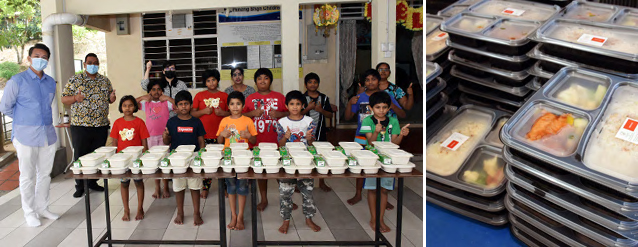
PCEB worked with 10 hotel partners to provide 370 packaged food for the children and caretakers in 10 orphanages and social organisations. Hotel partners also contributed care kits that included face masks and hand sanitisers, while other partners matched PCEB’s donation with additional food items.
Anderes Fourdy is presently working on a congress this year that is committed to raising funds to afford a six-month-long data subscription for 100 students.
“Priority is given to students who are taking the public school exams in 2021 and cannot afford data subscription. We are also trying to get Internet Service Providers onboard so that the money raised through the congress would go even farther,” said Fu.
Virtual goodness
CSR activities could take the virtual route, just as many business events have done amid global travel restrictions, opined Sargent, who suggested having delegates working individually – or together in the same region – to pack goods for specific charities, or having delegates participate in online cooking classes or music programmes with communities in need.
Another idea is to send virtual delegates gift boxes packed with goodies from in and around the region. “In doing so they are helping to support local businesses and communities,” she said.
When asked what event organisers and owners should consider when incorporating CSR objectives into digital or hybrid event formats, Seah said: “Just like it takes time for event organisers to adopt hybrid event formats, similarly, the implementation of new formats of CSR activities will have a longer incubation period.
“Event organisers will first have to weigh the feasibility of implementation, the potential participation rate, and the company’s CSR mandate before proceeding.”
She described the business events industry’s move to digital and hybrid formats as a “steep learning curve”, but MBS’ team of certified Digital Event Strategists has been able to help clients achieve a smooth transition.
“Leveraging on our past extensive experiences in working with clients to incorporate CSR-related activities in their event programmes, our team is ready to brainstorm with our clients on new and innovative CSR ideas and formats,” she added.
“It is always heartening to see event organisers get creative and take an interest in doing good for the community even during these uncertain times,” Seah added.
Sharing an example of a CSR programme that was conducted as part of a hybrid business event, Seah said the WiT Experience Week 2020 hosted an online art auction that raised about S$40,000 (US$29,685). The money was used to improve the lives of women and children in Asia.
For the online art auction, attendees were invited to co-create a piece of art by visualising the future of travel and provide words that best describe “Travel 2025”. On the final day of the event, the physical art piece was auctioned off for charity.
PCEB fed children and caregivers of 10 orphanages and social organisations with registration fees from BE@Penang 2020
Green step forward
Having a standalone CSR activity may not always be necessary for an event to leave behind positive impact.
The act of replacing an overseas meeting with a virtual gathering can be seen as a way to cut carbon footprint – a good way to achieve CSR objectives, pointed out Sargent.
Working with eco-conscious vendors would also score some CSR points.
Marriott International’s in-built sustainability initiatives allow event clients to achieve green goals without additional effort on their part. All properties in the chain no longer provide plastic straws and instead offer environmentally friendly alternatives. Certain properties run their own eco-friendly initiatives as well as utilise energy efficient fixtures.
For example, trestle tables at Sheraton Grand Sydney Hyde Park, Australia are table-cloth-free to reduce laundry needs and the property has shifted to using recyclable glass bottles. At Element by Westin Kuala Lumpur, Malaysia, water stations have been introduced as an alternative to plastic water bottles. Over at JW Marriott Marquis Hotel Shanghai Pudong in China, energy efficient LED lights are used.
Event organisers and owners can further reduce their carbon footprint by arranging green transportation for delegates. More than 100 electric vehicle charging stations are offered at Marriott properties across Asia-Pacific.
Ramesh Daryanani, vice president, global sales, Asia Pacific, noted that event clients have not lost their focus on CSR despite the pandemic, and they have continued to support Marriott International’s sustainability and social impact work.
“From the planning stage to the event roll-out, we support event planners with various resources and initiatives they can tap on, to create a positive impact. By choosing to host their events and meetings at our properties, they can be assured that they are already taking the first step in making a difference in the communities where our hotels operate,” he explained.
Property-level environmental data is made available so that event organisers and owners can assess the impact of their stay and meeting with a Marriott property.
Every bit counts
Industry specialists who have made it part of their job to advise and assist clients on CSR elements within their business events, are taking it upon themselves to support needy causes as event CSR priorities take a backseat.
Instead of replacing the company’s old onsite registration laptops, Anderes Fourdy chose to donate them to children in need of devices to attend virtual classes during Malaysia’s lockdown.
“Some needy students were trying to purchase our laptops to attend virtual classes. Their stories were very depressing. Some had to share a mobile phone with four other siblings to attend classes. So, instead of selling our laptops, we chose to donate them and have given away more than 30 laptops to-date,” said Fu.
MBS, which typically connects event clients with worthy organisations and needy communities seeking support, utilised property-wide resources to maintain assistance to affected communities during the pandemic.
“Ahead of a government-mandated industry closure (part of the country’s Circuit Breaker nation-wide lockdown) last April, we had 48 hours to amass and donate 15,000kg of unused produce from our F&B outlets to vulnerable communities under The Food Bank Singapore,” shared Seah.
Furthermore, team members volunteered to distribute meals to Muslim families in need, as well as to healthcare workers and their families during the Ramadan fasting month in 2020. The move supplemented the manpower crunch experienced nationwide.
Team members also came together to pack 10,000 care kits with essential items such as masks and soaps, and donated these supplies to low-income families, healthcare and construction worker communities.
As well, a Red Cross blood donation drive was organised last September to increase the low national blood supply, “especially vital during pandemics”, said Seah.
Even as Singapore gains considerable control over the pandemic and the city-state relaxes restrictions on public activities, MBS is determined to continue with its community efforts.
It has explored new ways of community engagements, including co-organising the virtual Community Chest Heartstrings Walk 2021 with Community Chest. The event aims to rally individuals, public and private sectors to take a step forward together to support families in need, children with special needs and youth-at-risk, adults with disabilities, vulnerable seniors and persons with mental health conditions. Co-organised for the 10th year, this year’s Heartstrings Walk allows participants to choose from two virtual walk formats of 5km each – Heartstrings Walk Marina Bay and Heartstrings Walk Anywhere.
Keeping up the good work
Support education
At a time of business and career upheaval, upskilling becomes ever more important for people to stay relevant and employable. Event organisers and owners can help make education more accessible for either the new bloods or professional peers who were unfortunately displaced.
One way to do this is to establish an education fund, with money coming from event registration fees, sponsorship or a fund-raising exercise conducted among attendees.Another option is to offer attendees in need free access to online conference content and mentorship sessions.
Support ecotourism projects
The global travel freeze has impacted environmental and wildlife conservation projects that are dependent on tourism to further public education, as well as for revenue to fund activities. Even as in-person visits to these project sites are impossible, event organisers and owners can incorporate conservation project messaging within their programme and establish a fund-raising effort in the lead up to, during and after the event to aid affected projects.
Support small businesses
The pandemic and resulting economic impact have devastated many small local businesses. Event organisers and owners can choose to prioritise small local suppliers in their procurement of live entertainment, fresh flowers for table arrangements, welcome bags for delegates, appreciation gifts for speakers, and others. For virtual events, small local businesses could be called on to supply snack packs or gift packs to be delivered to remote attendees.
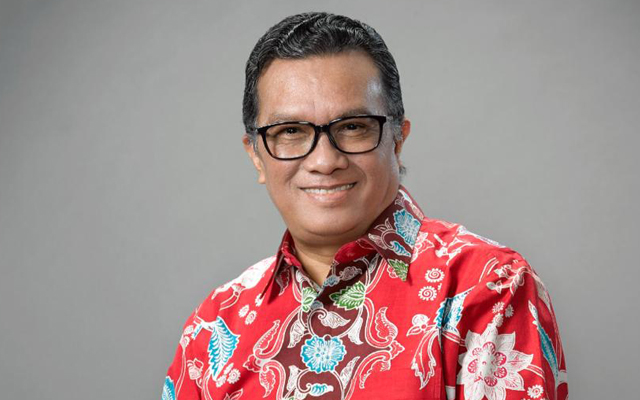
Best Western Hotels & Resorts has appointed Erwann Mahe as managing director – Asia.
In this new role, Mahe will be responsible for all aspects of operating Best Western Hotels & Resorts in the region. He will focus his efforts on supporting hoteliers through the upcoming recovery and expanding the brand’s portfolio of hotels throughout Asia Pacific.
Erwann Mahe
The seasoned hospitality professional joins the Best Western Hotels & Resorts team with over 23 years of industry knowledge. Mahe’s prior roles range from managing large-scale Accor hotels to holding executive-level positions, including chief operations officer at Red Planet Hotels and executive vice president of Hotel Investment at The Erawan Group.
Mahe takes over from Olivier Berrivin, who has moved within the BWH Hotel Group parent company to take up the role of managing director of WorldHotels Asia Pacific.
The newly-opened Ritz-Carlton, Bangkok anchors the One Bangkok development with cosmopolitan elegance. Featuring the city's largest ballroom and a spectacular new penthouse suite, it delivers exceptional hardware and deeply authentic, soulful service for business and leisure travellers alike
Behind the imposing, Brutalist concrete that defines Zurich’s Oerlikon district lies a surprising secret. While its exterior honours the neighbourhood’s industrial roots, stepping inside Mama Shelter reveals a vibrant, neon-soaked world that is a far cry from its rigid shell
A polished urban retreat designed for business travellers, Hyatt Regency Kuala Lumpur at KL Midtown combines thoughtful design, seamless service, and exceptional facilities.









 Support education
 Support ecotourism projects
 Support small businesses