Asia/Singapore Thursday, 11th June 2026
Page 5

How Australia is a destination that delivers on every level

0
Kayak along Brisbane's winding river to see the city from a different perspective

Brought to you by Business Events Australia
Kayak along Brisbane’s winding river to see the city from a different perspective; photo by Brisbane Marketing

With welcoming people, exceptional food and wine, ease of access, Australia continues to rank among the world’s most compelling destinations for business events. For incentive and corporate planners seeking a destination that delivers both substance and wonder, Australia offers an unrivalled proposition.  

Incentive experiences that inspire and revitalise
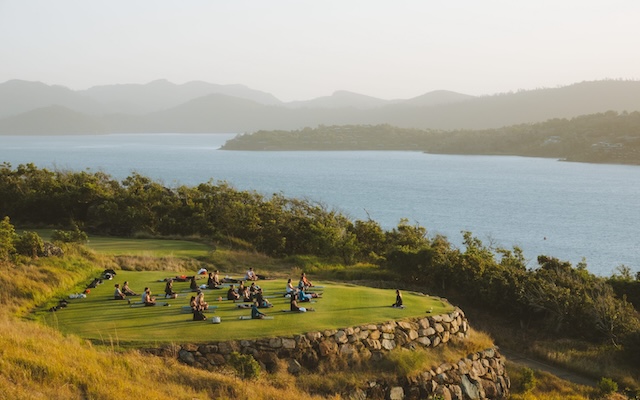
Outdoor activities such as yoga in nature will energise delegates right up; photo by Tourism Australia

Australia offers an attractive blend of adventure, luxury and authenticity, enhanced by a strong focus on wellbeing and balance.

Delegates can sail across Sydney/Warrane Harbour at sunset, explore the vibrant laneways and hidden cocktail bars of Melbourne/Narrm, kayak along Brisbane’s/Meanjin’s winding river, dine on fresh seafood in Hobart/nipulana or see quokkas in the wild on Rottnest Island. In Tropical North Queensland, Cairns/Gimuy provides access to the world-renowned Great Barrier Reef and the ancient Daintree Rainforest, where immersive, nature-based experiences double as unforgettable team-building moments.

Wellbeing is increasingly central to modern business events, and across the country, wellness-focused venues and experiences are integrating relaxation into event programmes. Delegates can start the day with beachside yoga, take guided rainforest walks or unwind in mineral hot springs and bathhouses. Many venues are designed with wellness in mind, incorporating natural light, outdoor spaces and menus centred on nutrition and seasonal produce.

Watch how Tourism Australia’s signature incentive event, Australia Next, showcased Australia’s exceptional business events capabilities and highlighted how incentive experiences translate into meaningful outcomes.


The warmth of Australian hospitality  

Australia’s reputation for warm hospitality is a major draw for business events. Delegates consistently cite Australia’s friendly people and welcoming nature as standout features of their experience.

When it comes to planning, Australia makes it easy for event organisers with streamlined visa processes and dedicated teams to provide free advice on visas

And unlike many other international destinations, taxes are already included in quoted prices, which means the price listed is the price paid. Tipping is not expected, and favourable exchange rates for many international markets often enhance the value proposition. 

Combined with a proven track record in delivering large-scale incentives, Australia ensures events will run smoothly while delegates feel welcomed.


Cities evolving through bold infrastructure

Australia is currently undergoing a significant wave of infrastructure development, strengthening its position as a global business events powerhouse. Across the country, new hotels, airports and cultural precincts are transforming cities and expanding the possibilities for business events.

The accommodation pipeline is expecting nearly 4,300 new hotel rooms to open across the country over the next two years, with around 55 percent classified as luxury. Global brands are preparing to debut in Australia including St. Regis and Andaz on the Gold Coast, Waldorf Astoria in Sydney/Warrane and Ritz Carlton will be opening its world-first Ritz Carlton Lodge at the Wolgan Valley property in the Blue Mountains in July.


Exceptional food and wine
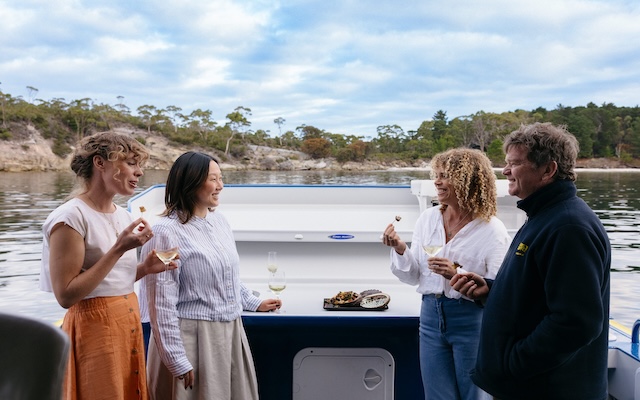
Let delegates enjoy private tasting sessions that feature the best of Australian produce; photo by Tourism Australia

Australia’s culinary reputation has evolved into one of the world’s most exciting food and wine scenes, driven by outstanding produce, diverse cultural influences and a strong connection to place.

From vineyard lunches in South Australia’s Barossa Valley to seafood feasts along Western Australia’s coast, the country’s landscapes continue to shape the flavours on the plate. Chefs work closely with farmers, fishers and providores, creating menus that celebrate seasonality, sustainability and provenance.

For business events, Australia’s food and beverage is an experience in itself. Delegates can enjoy private tastings with winemakers, in-water oyster shucking and tasting, progressive dining events through award-winning restaurants and outdoor banquets set against dramatic natural backdrops and starry skies.

This focus on quality ingredients and storytelling through cuisine transforms dining from a simple part of the programme to a meaningful expression of place and connection that leaves a lasting impression.


Culture, connection and meaningful experiences

Australia offers more than beautiful scenery; it provides opportunities for delegates to connect with the world’s oldest continuous living culture and engage in impactful corporate social responsibility (CSR) experiences.

The traditions and stories of Aboriginal and Torres Strait Islander peoples are increasingly integrated into business events programmes. Experiences might include guided cultural walks, storytelling performances or First Nations-led art workshops. These experiences create powerful moments of reflection and understanding while supporting cultural preservation and local communities.

CSR activities in Australia are designed to deliver genuine impact, offering delegates the opportunity to leave a meaningful legacy. From hands-on reef conservation and wildlife protection to large-scale habitat restoration projects, groups can engage in hands-on programmes that give back to the environments and communities they visit in some of Australia’s most extraordinary landscapes.

Get in touch with Business Events Australia today

Edward Kwek

Senior business events manager, South East Asia 

ekwek@tourism.australia.cm 

+65 6351 6326

www.australia.com/businessevents

Mandai Rainforest Resort welcomes new GM

0

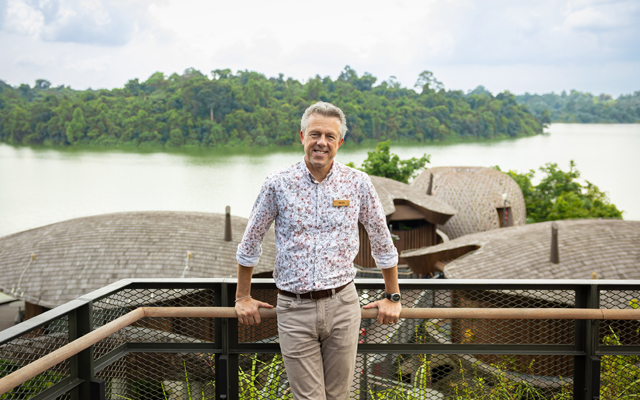
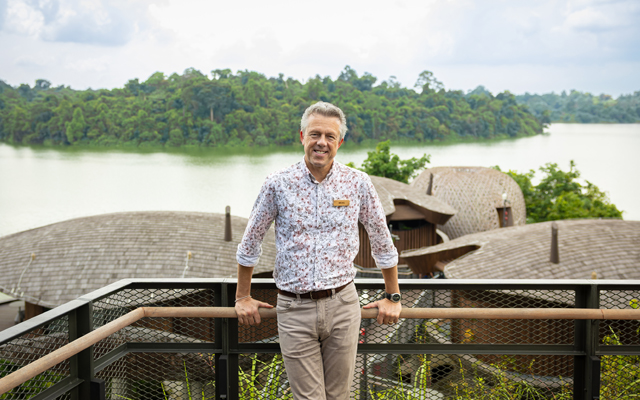
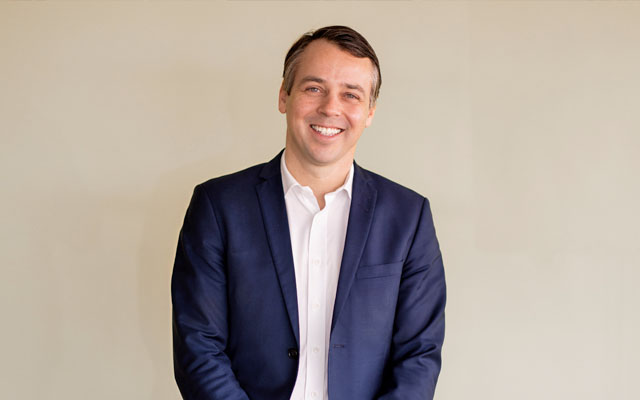
Michel Scheffers has been appointed general manager of Mandai Rainforest Resort by Banyan Tree.

He brings more than 25 years of hospitality experience, having held senior leadership positions with Onyx Hospitality Group, Shangri-La and Hilton across Asia, including Thailand, Singapore, India, the Maldives and Hong Kong.
Copenhagen launches free global risk management toolkit for MICE industry

0
Risk management can no longer remain an afterthought

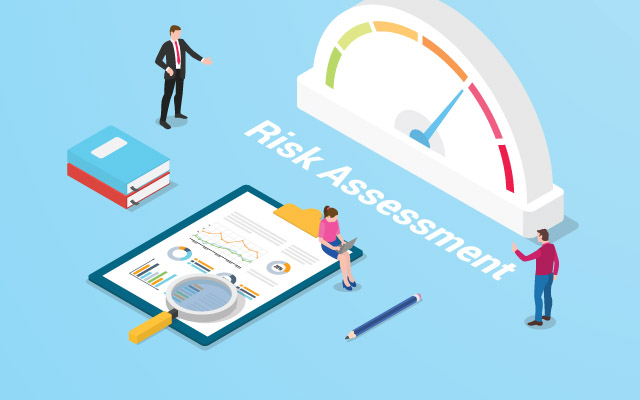
The Copenhagen Convention Bureau has unveiled Copenhagen Risk Navigator, a free, first-of-its-kind digital toolkit designed to help the global business events industry navigate increasing geopolitical, climate, and technological volatility.

Developed in partnership with global consulting firm GainingEdge, the Federation of European Risk Management Associations (FERMA), and the Risk and Insurance Management Society (RIMS), the resource aims to bridge the gap between high-level industry risk awareness and daily practical execution.

Risk management can no longer remain an afterthought

The initiative follows recent research indicating that while risk management has rapidly become a leadership priority, most event organisations still lack the concrete frameworks needed to imbed it into their strategies.

To address this, the Copenhagen Risk Navigator introduces 14 specialised risk management tools validated by FERMA and RIMS. These tools are structured to support organisations across the entire event lifecycle, spanning from strategic planning and procurement through to event delivery and post-event reviews.

The resource is designed to scale with an organisation’s experience, offering a five-step Quick-Start Guide for beginners alongside advanced frameworks for established risk professionals.

The project has already garnered widespread industry-wide backing, receiving peer reviews and formal endorsements from major global business events bodies, including PCMA, ICCA, IMEX, AIPC, and EIC.

The Copenhagen Risk Navigator is currently open-source and available for free download to all business events professionals globally.

Filip Werne Hermann to lead Polar Latitudes Expeditions

0

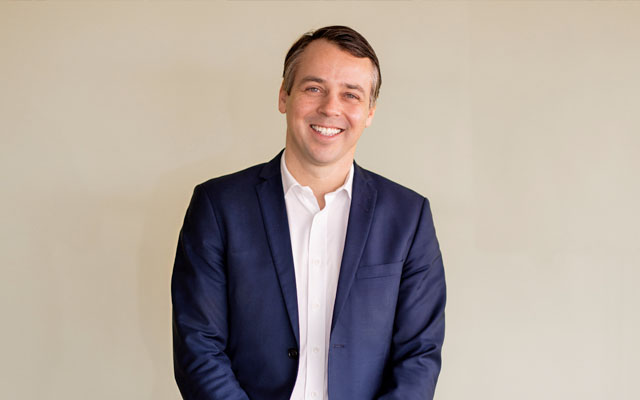
Filip Werne Hermann has been appointed CEO of Polar Latitudes Expeditions, effective August 1, 2026.

He joins from DFDS A/S, where he most recently served as vice president and head of the company’s passenger and freight business in Northern Europe.
Kyoto fires up ambitions for business events development

0
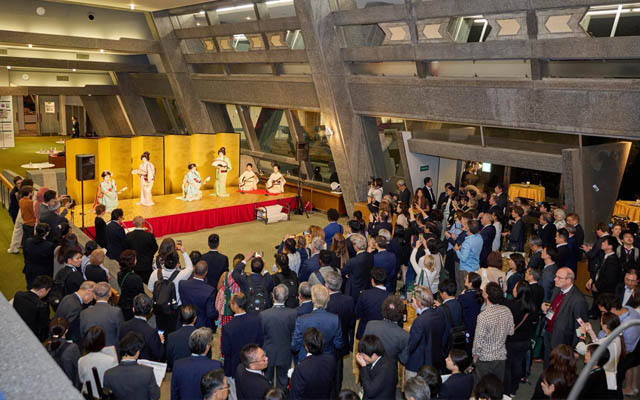
The ICC Kyoto (pictured) is one of the many event venues in the City of Kyoto

The City of Kyoto in Japan has risen the development of business events to a higher level in its core tourism policy for 2030, with an aim to ensure that these intellectual and trade gatherings support the sustainable development of the city, enrich the lives of local residents, and position Kyoto as a leading international MICE City.

One of the most telling signs of the city government’s commitment is found in the title of the new core tourism policy: Kyoto Tourism and MICE Promotion Plan 2030 – Sustainable Tourism, MICE, and Beyond FY2026 to FY2030.

The ICC Kyoto (pictured) is one of the many event venues in the City of Kyoto

While the business events sector was regarded as being part of tourism and included within past policies, this is the first time that the term, MICE, takes its own stand in the title, reflected Yasumasa Shimizu, managing director, Department of Conventions and Tourism at the Kyoto Convention & Visitors Bureau.

The tourism policy is reviewed every five years, and its latest version spells out three broad actions.

First, Kyoto will maximise business events impact by creating opportunities for interaction and learning with citizens, students, researchers, companies, etc. In addition to promoting longer stays and repeat visits, Kyoto will create business opportunities, promote innovation and startups, and encourage student participation for knowledge exchange through these gatherings.

Organisers will be encouraged to utilise highly regarded unique venues, and funding will be provided for organisers to conduct public lectures for city residents.

Second, there will be a stronger focus on attracting business events that leverage Kyoto’s strengths. The city will intensify destination marketing, enhance global networks, and support sustainable events that meet the United Nation’s Sustainable Development Goals.

Third, Kyoto will work to raise the awareness of business events and their effects. Community impacts of business events hosted in Kyoto will be recorded in advanced case studies, according to Shimizu, with plans to share them with the local community and researchers so as to foster acceptance and participation in business events.

Shimizu told TTGmice that besides a doubling of budget to support incoming business events, the CVB will also conduct a trade matchmaking event with 20 carefully selected hosted buyers next January in the city.

He explained that the sharper focus on business events development has come about due to several reasons.

The City of Kyoto recognises the positive impacts of business events, where average spend is much higher than that of leisure travellers, stay duration is longer, and there is greater curiosity about local culture and heritage. Furthermore, business events can be held during off-seasons, allowing the city to balance arrivals by directing gatherings away from the peaks of spring and autumn.

“Winter, in fact, is a great time to meet in Kyoto. Our hotels are very supportive of promoting and facilitating business events in winter. There is a lot more capacity during this season, prices are lower, and there will be financial assistance to help organisations make this choice,” said Shimizu.

To further sweeten the appeal of meeting in winter, Kyoto is working with neighbouring destinations, such as Ise-Shima, to create dual-city excursions that meeting delegates can enjoy.

Another crucial motivation for the development of business events is that it comes with the support of local residents, who “recognise the advantages of business events too, and welcome the idea of having more business delegates in the city”.

With the new and improved initiatives, the City of Kyoto hopes to raise its standing in ICCA’s city rankings. It ranks 46th in the world for the number of international meetings in ICCA’s 2025 report. The goal is to be ranked within the top 30 by 2030.

Hong Kong expands convention ambassador programme

0
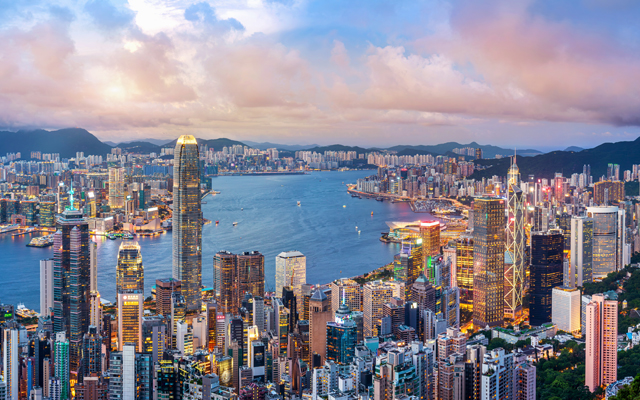
Through its expanded convention ambassador programme, Hong Kong (pictured) is capturing new business by helping mainland Chinese associations internationalise their events

The Hong Kong Convention Ambassador programme, a network of distinguished business leaders championing the city for global meetings and conventions, is now carving new pathways for mainland Chinese associations looking to expand internationally.

Since expanding the programme two years ago to include mainland Chinese ambassadors, Meetings & Exhibitions Hong Kong (MEHK) has secured two meetings that were previously only ever held in China – the 15th China Chest Pain Centers Congress, which took place in April, and the We4Vet veterinary conference set for June this year.

Through its expanded convention ambassador programme, Hong Kong (pictured) is capturing new business by helping mainland Chinese associations internationalise their events

Marilyn Tham, general manager of MEHK, shared that the 170-person-strong Hong Kong Convention Ambassador programme now includes 30 from China.

“China has always been our biggest source market for meetings and incentives, but we recently observed the potential for conventions too. There are more than 1,000 professional associations across China, and many are developed to a world-class standard. They rotate their conventions within China, but there is an opportunity for them to go farther,” shared Tham.

She said Hong Kong makes an ideal “springboard” for Chinese associations looking to go global, thanks to her city’s positioning as the meetings hub in the Greater Bay and connection to international markets.

“On one hand, we drive and invite lots of international conventions to be staged in Hong Kong, allowing them to gain access to 86 million residents as well as many Fortune 500 companies in the Greater Bay Area. On the other hand, Chinese associations will see the merits of meeting in Hong Kong and growing into the global space,” she added.

Tham highlighted how the 15th China Chest Pain Centers Congress serves as a prime example of the advantages of meeting in Hong Kong.

For the past 14 years, the event was attended solely by local healthcare leaders, physicians, nurses, researchers, policymakers, and industry experts. However, the Hong Kong convention drew record-breaking attendance – including international participants – allowing the association to achieve its goal of expanding a network of chest pain management and cardiovascular care centres beyond China.

When asked about further contributions from MEHK’s mainland Chinese ambassadors, Tham told TTGmice that bids are in progress. These ambassadors are supported by MEHK teams in cities like Beijing, Shanghai, Guangzhou, and Chengdu, all working together to secure more meetings for Hong Kong.

While MEHK will demonstrate its value as a growth partner for Chinese associations and convince them to retain their meetings in Hong Kong for a longer time, Tham acknowledges that these events may eventually move beyond Hong Kong.

“That is ok because we are happy to see them grow. There are more than 1,000 associations in China. When one moves out of Hong Kong, others from mainland China will come in,” she said.

Furthermore, Hong Kong is well-positioned to welcome more events as international associations increasingly split global congresses into smaller regional meetings, reducing travel costs for delegates.

Tham shared that despite rising cost concerns, associations prioritise Hong Kong because the city supports their event bids from start to finish, connects them with the right venues and partners, and helps promote their meetings globally.

“Financial assistance is common in Asia, and many of our neighbouring destinations are aggressive in this form of subvention. But funding is never the only reason for associations to pick a destination,” she stated.

Global socio-political instability disrupts international MICE industry: IAPCO

0
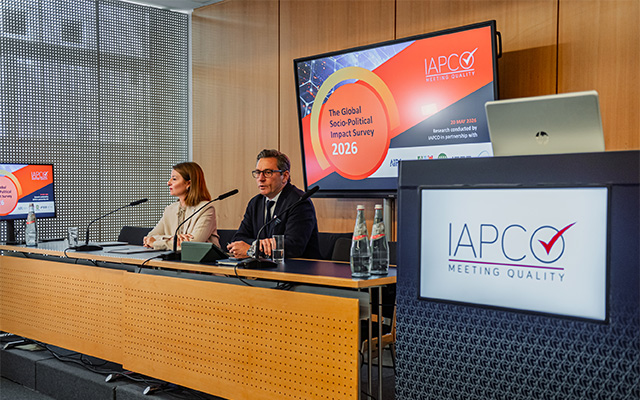
From left: IAPCO’s Sissi Lignou and Martin Boyle addressing the press at IMEX Frankfurt 2026

Global conflict and socio-political instability have surged from background concerns to major operational disruptors for the international business events industry, according to the recently-released 2026 Global Socio-Political Impact Survey by the International Association of Professional Congress Organisers (IAPCO).

The report, unveiled at IMEX Frankfurt, revealed that 73.8% of respondents have seen their ability to plan or host international meetings impacted by global conflicts; a sharp rise from 53.9% in 2025.

From left: IAPCO’s Sissi Lignou and Martin Boyle addressing the press at IMEX Frankfurt 2026

The study, conducted with five industry bodies including AIPC, ICCA, and PCMA, surveyed 130 global organisations. It tracks a steep year-on-year increase across all major disruption metrics, with travel disruptions for clients and delegates jumping to 65.4% (up from 41.7% in 2025), and 58.5% of respondents now reporting reduced international attendance. Almost half reported increased costs to their teams, and 48.5% said costs had increased for clients and/or participants.

The fallout is shifting where and how events take place. More than 42% of respondents reported actively moving events away from areas perceived as politically or regionally unstable, while 33.1% have frequently or occasionally cancelled, postponed, or relocated events due to safety concerns.

The research also highlighted the escalating drag of government legislation. Nearly 60% of respondents stated that US policies enacted over the past two years are actively disrupting event execution through 2028. Key policy hurdles include visa and immigration logjams, alongside deep funding cuts restricting travel for academic and scientific experts.

Geopolitical instability is no longer a peripheral challenge for the sector, said IAPCO’s president Sissi Lignou. “Conferences and meetings are where knowledge is shared, research is advanced, relationships are built and industries move forward. These findings show that global socio-political instability is now directly affecting essential knowledge exchange.”

The impact is already being felt across the event lifecycle: 33.1% of respondents said they had frequently or occasionally had to cancel, postpone or relocate events, or withdraw planned participation due to safety concerns or regional instability. A further 42.3% reported a shift away from destinations perceived as politically or regionally unstable, with respondents avoiding conflict-prone regions.

The survey also highlights the growing influence of government policy on future event planning. Around 59.3% of respondents said US government policies enacted in 2025 and 2026 had affected their ability to plan and execute events for 2026, 2027 and 2028. Funding cuts affecting academic and scientific experts’ ability to travel, alongside visa and immigration policies affecting international participants, staff and speakers, were identified as the most significant policy-related challenges.

IAPCO’s CEO Martin Boyle noted: “The global meetings industry exists to bring people together around issues that matter: science, medicine, education, business, policy and progress. When conflict, policy and instability restrict participation, the impact reaches far beyond individual events. It affects research visibility, the exchange of ideas, and the ability of communities and industries to progress collectively.”

EIC Connect Energy Borneo 2027 to address SE Asia’s energy sector

0
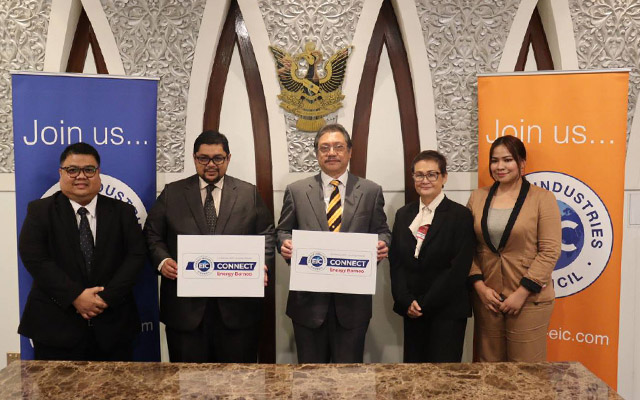
From left: Sarawak’s deputy minister for energy and environmental sustainability, Hazland Abang Hipni; EIC’s Syed Saggaf, and Awang Muawaludin; Place Borneo’s Gracie Geikie; and EIC’s Nayli Yusrina

The Energy Industries Council (EIC) will host EIC Connect Energy Borneo 2027 from February 3 to 4, 2027, at the Borneo Convention Centre Kuching.

Operating under the theme Powering Borneo: Securing Energy, Advancing Transition, the event is supported by Sarawak’s Ministry of Energy and Environmental Sustainability alongside Business Events Sarawak.

From left: Sarawak’s deputy minister for energy and environmental sustainability, Hazland Abang Hipni; EIC’s Syed Saggaf, and Awang Muawaludin; Place Borneo’s Gracie Geikie; and EIC’s Nayli Yusrina

The platform will convene policymakers, investors, technology providers, and industry professionals to address the growing need for balanced energy strategies that support economic development while accelerating regional decarbonisation.

The comprehensive programme will feature plenary leadership forums, technical panels, and fireside chats covering critical sectors shaping the regional energy landscape, including LNG, hydrogen, CCUS, power grid interconnectivity, renewable energy integration, digitalisation, and AI adoption.

An international exhibition featuring country and industry pavilions will create opportunities for trade, investment, and strategic partnerships to strengthen regional supply chains. Additionally, a dedicated Career Fair component will connect students, graduates, and professionals with leading organisations across the energy value chain to support South-east Asia’s demand for future-ready talent.

Sarawak’s deputy minister for energy and environmental sustainability, Hazland Abang Hipni, noted: “Sarawak is committed to strengthening regional collaboration and accelerating sustainable energy development that balances economic growth, energy security, and environmental responsibility.”

EIC Asia Pacific regional director, Syed Saggaf Syed Ahmad, added: “EIC Connect Energy Borneo 2027 is not just about energy transition, but about ensuring the region remains competitive, resilient, and connected.”

Curated Partner pioneers global venue sourcing standards for Thailand outbound MICE

0
Juthamas: Curated Partner aims to professionalise negotiation dynamics for Thai outbound planners

Ahead of its first anniversary this June, Curated Partner has launched a new suite of services designed to introduce global venue sourcing standards to Thailand’s outbound business events sector.

The travel advisory’s global venue sourcing service queries a database of over 300,000 properties worldwide to compare and negotiate optimal venues and offers.

Juthamas: Curated Partner aims to professionalise negotiation dynamics for Thai outbound planners

To streamline procurement, Curated Partner utilises an introductory sourcing model that operates without client service fees, drawing compensation instead from hotel commissions post-actualisation. The firm also provides VIP booking access to over 6,000 luxury properties alongside specialised experience design services.

The firm was founded by Juthamas “Kwan” Carranco, an industry veteran with over 25 years of luxury hospitality and event planning experience. She launched the consultancy to address a gap in the local market, where many planners still rely on traditional tour operators or approach foreign convention bureaus directly for room blocks due to a lack of specialised local alternatives.

“Global venue sourcing is the professional process of identifying and securing the most suitable hotels, resorts, villas, and event spaces for a group’s specific needs. This service is essential for group travel requiring 10 rooms or more, where rates, concessions, and contract terms differ significantly from individual bookings,” she explained.

“Thailand has lacked a dedicated player focused on global venue sourcing. Our goal is to move beyond relationship-based bookings towards a more structured, transparent, and strategic sourcing approach that empowers organisations to negotiate efficiently and on equal terms,” Juthamas noted.

Highlighting the local confusion between DMCs and dedicated sourcing agencies, she explained that Thai professionals often mix the two disciplines. In established markets like the US, UK, and Australia, the roles are strictly separated.

This dearth of structured sourcing also leaves local agencies vulnerable when navigating complex, technical international hotel contracts. Without deep commercial expertise, many planners default to price reduction as their primary negotiation tool – a tactic Juthamas warns can be counterproductive to securing long-term value and robust contractual protections.

“The terminology of global venue sourcing is still in its infancy here in Thailand, positioning us as the first local agency to specialise fully in this. Our vision is not only to elevate sourcing standards in Thailand, but also to demonstrate that Thai hospitality expertise can confidently deliver world-class corporate travel and venue sourcing solutions on a global stage,” Juthamas stated.

New Net Zero Academy helps planners tackle green regulations

0
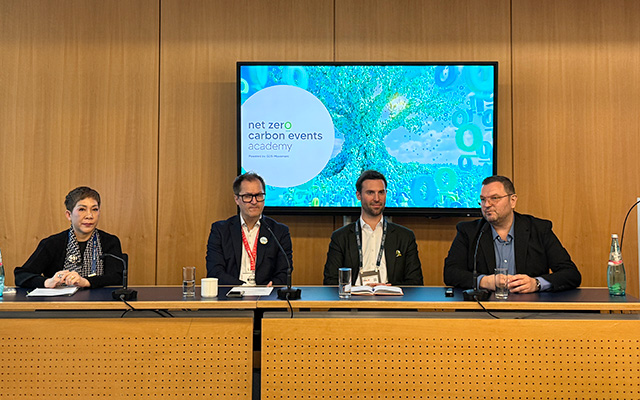
JMIC press conference at IMEX Frankfurt 2026; photo by Rachel AJ Lee

The Joint Meetings Industry Council (JMIC) and GDS-Movement have launched the Net Zero Carbon Events Academy, a global training programme designed to close the business events sector’s critical climate skills gap.

Endorsed by the Net Zero Carbon Events Initiative, the academy provides a structured, tiered learning pathway to help event professionals navigate rising energy volatility and tightening global regulations around greenwashing.

JMIC press conference at IMEX Frankfurt 2026; photo by Rachel AJ Lee

The curriculum is aligned with the eight Net Zero Carbon Events work streams and spans three competency levels. Net Zero Beginner builds core climate literacy and sustainability understanding; Net Zero Practitioner applies carbon measurement and reduction strategies; and Net Zero Certified Leader enables organisational and supply chain transformation.

“Volatility in fossil fuel markets is exposing the risks of business-as-usual and accelerating the shift towards energy efficiency, renewable energy, and more local, circular supply chains,” said Guy Bigwood, CEO of GDS-Movement.

“At the same time, many organisations do not yet have the skills to act. This academy is about bridging that gap, moving from ambition to capability, and from carbon emissions’ commitments to real, lasting change.”

The initiative has secured early backing from regional destination agencies. The Thailand Convention and Exhibition Bureau has signed on as a supporting partner, while the Macau Fair & Trade Association will host the academy’s inaugural courses in June 2026.

Alexander Alles, JMIC executive director, said: “The events industry has made bold commitments on climate action; now we have a structured and systematic framework to build the skills to deliver on them.”

Reviews

The Slate Phuket

Just 10 minutes from Phuket International Airport on the serene northern coast, this 178-key, Bill Bensley-designed resort offers delegates a quiet, tropical paradise steeped in Phuket’s tin-mining heritage

The Ritz-Carlton, Bangkok

The newly-opened Ritz-Carlton, Bangkok anchors the One Bangkok development with cosmopolitan elegance. Featuring the city's largest ballroom and a spectacular new penthouse suite, it delivers exceptional hardware and deeply authentic, soulful service for business and leisure travellers alike

Mama Shelter Zurich

Behind the imposing, Brutalist concrete that defines Zurich’s Oerlikon district lies a surprising secret. While its exterior honours the neighbourhood’s industrial roots, stepping inside Mama Shelter reveals a vibrant, neon-soaked world that is a far cry from its rigid shell