Asia/Singapore Tuesday, 7th April 2026
Page 50

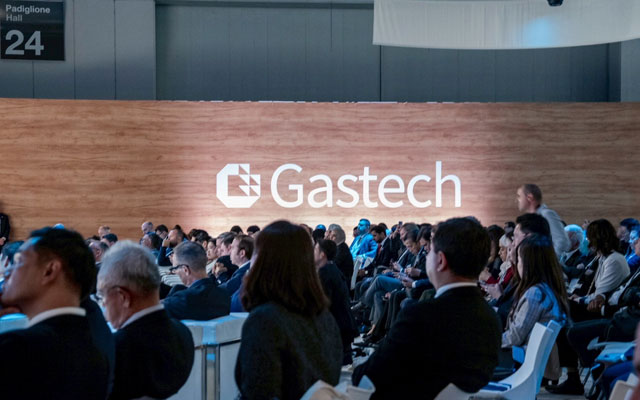
Thailand secures Gastech 2026

0
Thailand is ready to welcome the global energy community to Gastech 2026

Thailand will host Gastech 2026, the world’s largest energy exhibition and conference, for the first time in 18 years.

The event, slated to be held in Bangkok, is expected to attract over 50,000 attendees from 150 countries, 1,000 exhibiting companies, and 1,000 expert speakers. It will focus on gas, LNG, hydrogen, and other sustainable energy solutions.

Thailand is ready to welcome the global energy community to Gastech 2026

At the Gastech 2025 event in Milan, the Thai team highlighted the country’s readiness and world-class event infrastructure.

The Thailand Convention and Exhibition Bureau (TCEB), along with the Ministry of Energy, secured the bid. Pasu Loharjun, TCEB’s chairman, said hosting the event is a “significant milestone” for Thailand’s business events sector, as it is projected to generate an estimated 385 million euros (US$453.3 million) in economic impact and create 4,700 jobs.

Gastech 2026 will be held at the Bangkok International Trade and Exhibition Centre, which offers 70,000m2 of event space.

Infinitus Jinyang Group kicks off incentive season in Adelaide

0

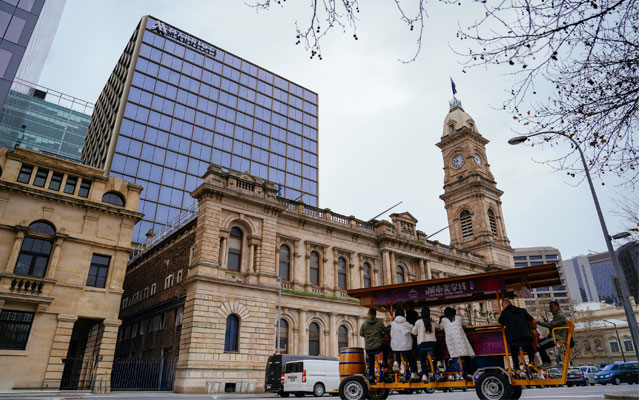
Adelaide’s season for corporate incentive travel has begun with the successful hosting of over 1,200 top-performing distributors from Infinitus JiYang, a China-based health and wellness company.

The delegates arrived in two waves, staying at multiple hotels for their visit from September 1 to 7, 2025. Their five-day itinerary included activities in the Fleurieu Peninsula, Adelaide Hills, and Barossa Valley. The trip also featured business seminars and a public wellness session, concluding with a gala dinner at the Adelaide Convention Centre.

Delegates from the Infinitus Jinyang Group on a HandleBar tour

This event marks the beginning of a busy season for Adelaide, which will see more than A$10 million (US$6.6 million) injected into the state’s economy from a series of corporate incentive groups. Future groups are expected from Greater China, Malaysia, and India.

Business Events Adelaide’s CEO, Damien Kitto, said that the Infinitus corporate incentive was much coveted.

“We first won this incentive in 2018 and it was due to be held in 2020, however the bid was cancelled due to the Covid pandemic. Having maintained the relationship, it is extremely gratifying to have welcomed Infinitus and their leadership team to Adelaide.”

Business Events Adelaide secured the event for the city, supported by Tourism Australia’s Business Events Bid Fund.

Photo of the day: New Zealand celebrates its conference champions

0
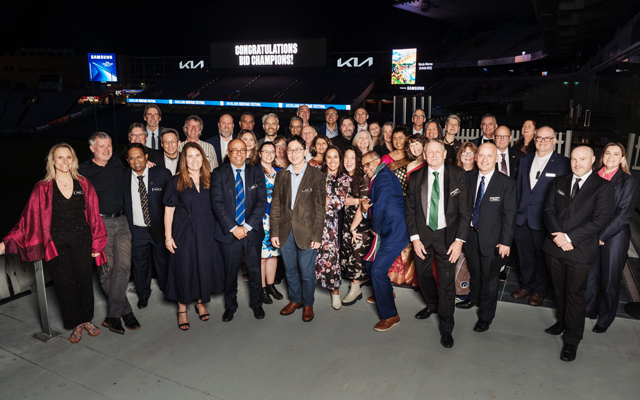
New Zealand celebrates its bid champions

The New Zealand Business Events Bid Champions Awards 2025 were held on September 18 at Eden Park, celebrating the individuals and academics who successfully brought international conferences to the country.

Hosted by Tourism New Zealand, the awards honoured conference champions who secured high-profile events over the past year through the Conference Assistance Programme.

New Zealand celebrates its bid champions

According to Tourism New Zealand, the country secured a total of 64 international conferences in the last financial year. These events are projected to have an estimated economic impact of NZ$78.8 million (US$46.2 million).

Tourism New Zealand chief executive René de Monchy acknowledged: “These bid champions have secured conferences in areas from health to the environment, law to information technology. Their dedication in bidding for these events means New Zealand will play a leading role in shaping the future of these sectors.”

With Tourism New Zealand’s Business Events team currently chasing 110 bids worth NZ$185 million, its highest ever value target, de Monchy urged more bid champions to come forward and help extend the conference pipeline.

Registrations now open for ABEA Conference 2025

0
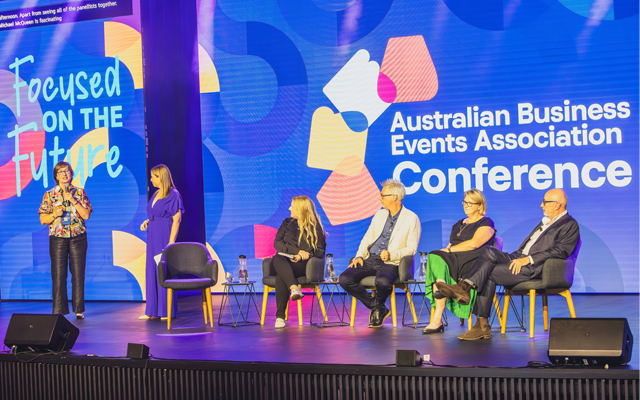
ABEA Conference 2024

The Australian Business Events Association (ABEA) has opened registrations for its 2025 conference which will take place from December 3 to 5 at the Melbourne Convention and Exhibition Centre (MCEC).

This year’s theme, Partner with Impact, focuses on how collaboration across different sectors can lead to significant, measurable outcomes for the industry.

ABEA Conference 2024

The programme will feature a mix of keynote speakers, interactive sessions, and networking events. Noteworthy speakers include journalist Tracey Spicer, leadership expert Holly Ransom, and futurist Scott Millar. The agenda will cover topics such as sustainability, workplace health and safety, and career pathways.

The conference will also host two evening events: the Welcome Reception on opening night and the Australian Business Events Awards on December 4, which celebrates industry excellence.

Following a successful debut in 2024, the three-day ABEA Conference is designed for professionals across various sectors, including venues, suppliers, and organisers, and will offer insights, education, and networking opportunities.

New menu at Mai Restaurant & Bar focuses on sustainability

0
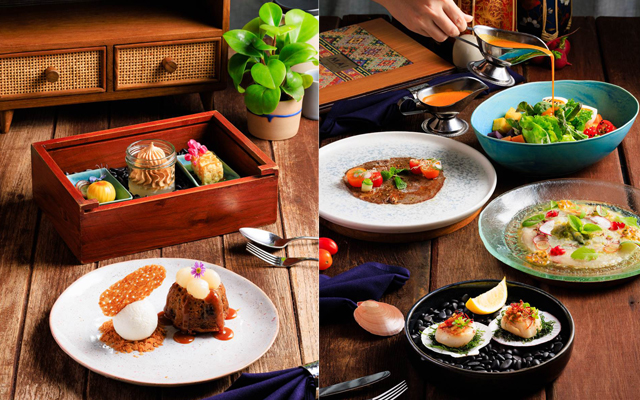
There are a number of new dishes on offer

Mai Restaurant & Bar, located in the Meliá Chiang Mai hotel, has launched a new menu that emphasises sustainable and local sourcing.

Located on the 21st floor, the restaurant’s offers diners contemporary Northern Thai cuisine with a Mediterranean twist, alongside views of Doi Suthep Temple.

There are a number of new dishes on offer

The menu is part of the hotel’s 360° Cuisine programme, which aims to reduce food waste and greenhouse gas emissions. Executive chef Suksant Chutinthratip and sous chef Karn Phojun source ingredients from a network of local, chemical-free farms, including Rong Khum and SEED. Chefs use as much of each ingredient as possible. Leftover food scraps are sent back to the farms to be used as compost, and used cooking oil is recycled into biodiesel.

Dishes on the new menu include a Khao Soi Salad, a mixed salad bowl with fresh produce from local farms, served with khao soi dressing. Meat dishes feature the Cheeva Pork Chop, locally-sourced pork with wild peppercorn sauce, and Neau Yang Nam Prik Kha, grilled Thai-Angus rib-eye beef with dried galangal gravy and San Pa Tong rice.

For dessert, the Lum Yai Pudding is a highlight, made with organic longan pudding, butterscotch sauce, and coconut ice cream. The organic longans for this dish come from the Farm Lab at Rong Khum farm, a project dedicated to sustainable agriculture. The Farm Lab develops and tests organic farming methods, focusing on perennial fruits and improving soil health.

The restaurant’s design draws inspiration from local culture, featuring a temple-style archway at its entrance and ceiling installations that resemble the ribs of traditional Bo Sang umbrellas.

Crowne Plaza Fiji strengthens leadership team with key appointments

0

Crowne Plaza Fiji Nadi Bay Resort & Spa has announced several senior leadership appointments across its operations.

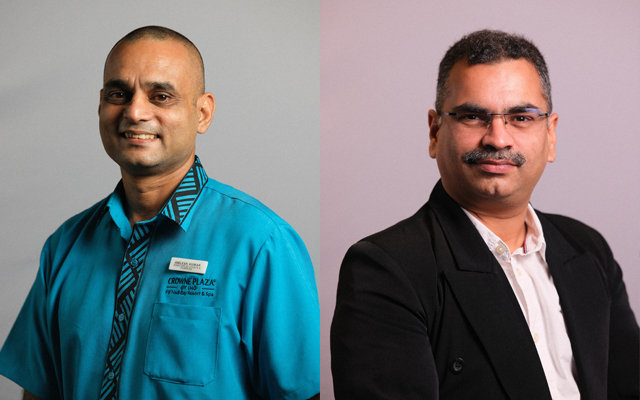
The new appointments are: Regina Wilson, director of sales & marketing; Anand Ravi, director of F&B; Amlesh Kumar; director of events planning; and Ajit Mishra; rooms division manager.

From left: Regina Wilson, and Anand Ravi

Wilson brings over three decades of hospitality leadership experience to the role working in Australia, Indonesia, Thailand and Taiwan.  She has spent 5.5 years working in Fiji, previously serving as market director of sales & marketing – Fiji & Samoa for Marriott International Fiji; and director of sales and marketing at Fiji Marriott Resort Momi Bay.

From left: Amlesh Kumar; and Ajit Mishra

Next, with more than 24 years in hospitality, Ravi has extensive experience in culinary operations and management – having held senior leadership roles with Marriott, Accor Hotels, and J.P. Morgan Chase & Co.

Meanwhile, Kumar is a seasoned professional in event management and corporate hospitality. He will oversee all events at the resort and will play a key role in launching the resort’s new convention centre and ballroom in November.

Mishra joins Crowne Plaza Fiji with a strong background in hotel operations and guest services. He will manage front office, housekeeping, and guest relations teams to ensure seamless stays for all visitors.

JNTO appoints new executive director

0

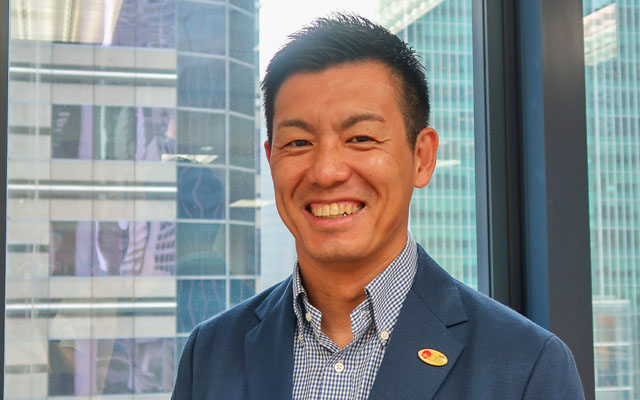
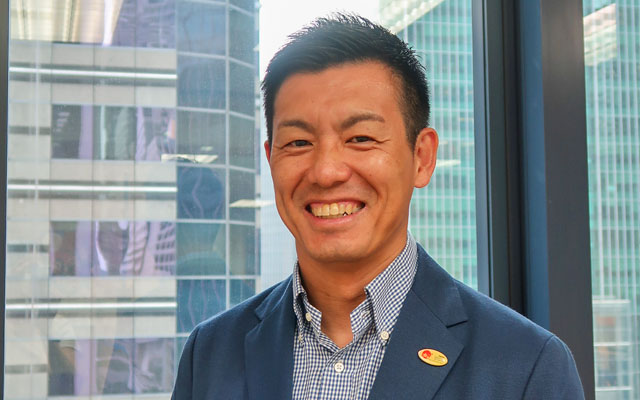
Japan National Tourism Organization (JNTO) Singapore Office has named Kenji Yoshida as executive director. He succeeds Takuya Shiraishi, who has returned to JNTO headquarters in Tokyo.

Yoshida joined JNTO headquarters in 2016, where he was responsible for digital marketing, before serving as executive director at JNTO Hanoi Office.
In his new role, he will oversee JNTO’s initiatives in Singapore and work with local stakeholders to strengthen tourism links between Singapore and Japan.

Wine and dine

0

1. Somma, Singapore
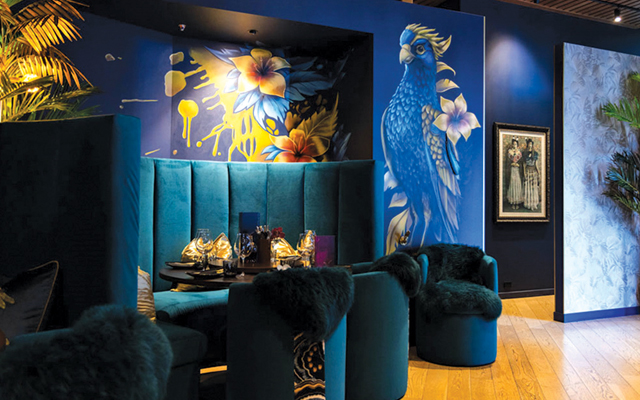
Somma, a modern Italian dining destination by chef-partner Mirko Febbrile and The Lo & Behold Group, is located within the New Bahru lifestyle cluster. Spanning two floors, Somma emphasises purpose and simplicity in its cuisine, drawing from Febbrile’s Puglian heritage and utilising meticulously sourced ingredients.

Somma Bar & Lounge is perfect for cocktail networking, where a full bookout of Bar Somma accommodates 85 to 100 guests and starts at S$15,000++ (US$11,732) on weekdays and S$20,000++ on weekends.

Located on the upper floor, Somma Restaurant offers 36 seats, as well as another eight-person private dining room. A minimum spend of S$35,000++ applies for a customised course menu, complete with wine pairing.

2. Manu, New Zealand
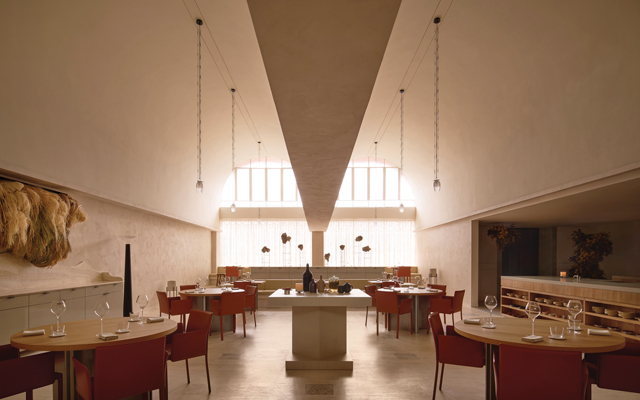
Manu in Christchurch offers a sensory celebration of Pacific heritage and modern culinary artistry, where the restaurant’s design and menu seamlessly blend Maori, Pacific, and Asian cultures.

Catering for groups of up to 80, this venue channels the role of kaitiaki, or the traditional guardian and the host, experienced through storytelling, hospitality, and a taste of New Zealand’s interconnected cultural tapestry.

3. Mesa on 51, Malaysia
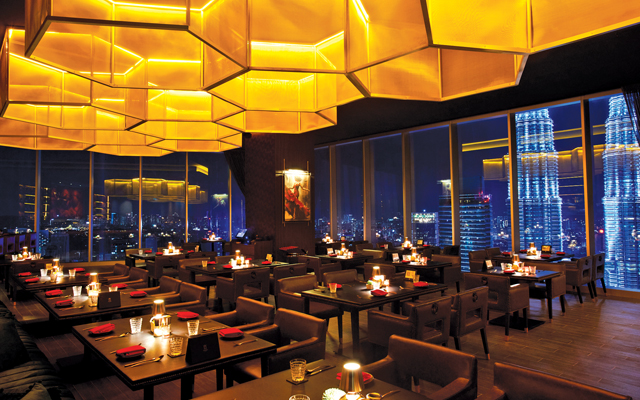
Opened in late 2024, Mesa on 51 is located on Level 51 of Permata Sapura Tower in Kuala Lumpur. The venue, which seats around 120 people, offers stunning views of the Petronas Twin Towers, KLCC Park, and the city skyline.

Mesa on 51 features a full Spanish restaurant with a selection of Nikkei cuisine. Guests can also visit Nikkei Lounge, which is equipped with state-of-the-art audiovisual lighting, a premium sound system, and a dedicated DJ station. The Terrace Bar completes the experience, providing both covered and open-air seating with panoramic vistas.

4. Plataran Bandung, Indonesia
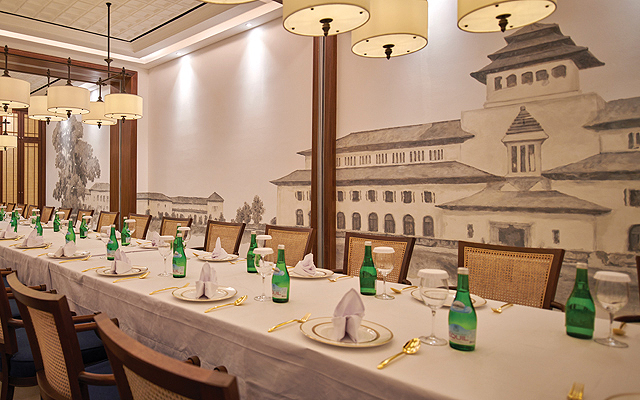
Plataran Bandung is an upscale dining and event venue in the heart of the city, near the historical landmark Gedung Sate. The venue has a total seating capacity of 350, as well as five private rooms that can host eight to 120 guests which can be flexibly configured for larger parties.

A more recent addition is the Kinandari Ballroom, with a capacity of 150 guests for cocktail or roundtable events. For a more casual atmosphere, the semi-outdoor Bandung Enclave bistro and lounge is perfect for pre-dinner cocktails or networking.

5. Suseokjeong, South Korea
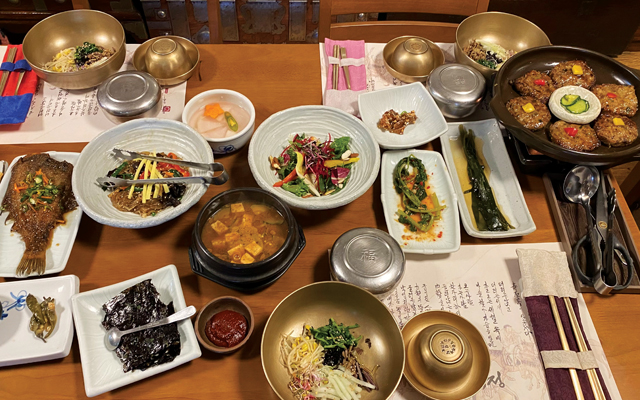
Partake in hanjeongsik, a multi-course Korean table d’hôte in Suseokjeong, Gyeongju, and savour refined Korean delicacies. Its signature grilled galbi (beef short ribs) are a must try and enjoy elevated classic dishes like scorched rice soup, abalone porridge, and royal japchae (stir-fried glass noodles). The restaurant is decorated to resemble a cross between a museum and home, adorned with artefacts. Private rooms are available for corporate groups.

6. Barragunda, Australia
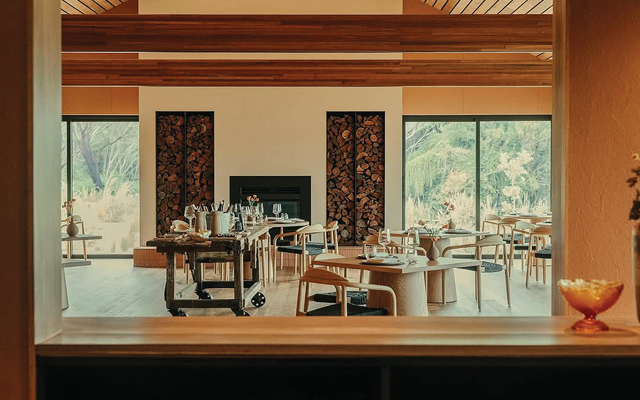
Situated within the expansive 405-hectare Barragunda Estate on the Mornington Peninsula, Victoria, Barragunda is a restaurant and regenerative farm that emphasises sustainability and hyperlocal dining. Around 90 per cent of the food served in the restaurant comes directly from the farm, which boasts its own cattle, sheep, vegetable gardens, and an orchard.

The 40-seat dining room is perfect for intimate gatherings. For larger occasions, the lakeside heritage barn can accommodate up to 200 guests.

Change that matters

0

What is your vision for Thailand’s business events industry?
My guiding philosophy is “Change That Matters”. MICE cannot be measured by numbers alone. Our role is to win events that create real impact for the economy, industry, and local communities. This means being selective – targeting events that strengthen Thailand’s global profile while transferring knowledge and opportunities to our people.

We frame this through four strategies: Global Reach via smart bidding and partnerships; Local Strength through MICE city clusters and flagship events; Capabilities Excellence with sustainability and standards; and Organisational Transformation embracing digitalisation, talent development, and South-east Asian expertise.

What has it been like coming back to TCEB? What are some of the biggest differences?
The challenge in the MICE industry is much greater than before, because the competitors around us have also developed. Look at Vietnam – they’ve sprung up very powerfully.

There has also been a generational shift in leadership. Four or five years ago, we said Gen X was the new president. Now it’s millennials and Gen Z. Their mindsets and expectations are very different, which means we must adapt our approaches to event design, technology, and engagement.

On top of that, the environment has changed dramatically. We are dealing with the lingering impact of Covid-19, ongoing political and economic volatility, the push toward de-globalisation, and the rise of new technologies. All of these factors have made business events more complex, and expectations are higher on destinations to deliver innovation, safety, and credibility.

How central is sustainability to your vision for the industry?
Sustainability is no longer optional – it must be the default for every event. Our goal is to make Thailand’s business events eco-friendly by design, moving toward carbon neutrality and zero waste. When international organisers look at destinations, the first question they ask is whether hotels, venues, and cities have strong green policies – whether we are a Green City or Smart City.

How does this translate into practice for events held in Thailand?
Wellness, safety, and hygiene are now habits. To build trust and confidence, Thailand has to embed these principles in every meeting. We are talking about creating standards that align with ESG principles and ensuring organisers see visible proof of our commitment.

What lessons do you take from global benchmarks?
Leading festivals such as EDM and Tomorrowland are already at the forefront of sustainability. They don’t just run events – they leave behind knowledge bases for the industry and for local students. Thailand must do the same: use each event as an opportunity to transfer knowledge and create long-term benefits for communities, not just short-term tourism receipts

Where does Thailand stand today in terms of performance?
In 2024, Thailand welcomed 19 million MICE visitors, nearly back to our pre-pandemic peak of 20 million. What’s critical is their spending power of 60,000 to 100,000 baht (US$1,889 to US$3,148), which averages 80,000 to 90,000 baht per delegate. This underscores our industry’s outsized value.

But growth in 2025 is forecast to add only two to three per cent to GDP, reflecting fragile business confidence and global economic headwinds.

Exhibitions are our highest-value segment, followed by conventions and incentives. Corporate meetings make up about 20 per cent, but they remain the most sensitive to political and economic shifts.

What challenges must Thailand overcome to remain competitive?
One of our biggest gaps is outside Bangkok. Too few MICE operators are based in secondary cities, so organisers must import teams from the capital, raising costs. Compare this with Korea, Japan, or China – their secondary cities are already event-ready. That is their “product”. Thailand must compete on products too.

Our task now is to strengthen the 10 existing MICE cities while developing new ones tailored to different event types – whether meetings, incentives, conventions, or exhibitions. Alongside this, we are creating a digital platform where local operators, influencers, and partners can connect with organisers.

How do you plan to improve Thailand’s international credibility and perception?
Perception is as important as infrastructure. For too long, Thailand has been labelled a “cheap destination”. That must change. We want Thailand to be seen as worth the price: a premium destination delivering networks, partnerships, and opportunities, not just headcount spend.

Safety perceptions also need rebuilding, and credibility comes from consistent standards. Organisers will come if they are confident in standards and support. They need clarity, and that must be our responsibility. TCEB itself is expanding its role; no longer just a facilitator, but also a regulator and ecosystem designer, ensuring readiness nationwide.

What opportunities are on the horizon?
We have outpaced Singapore in hosting medical conventions and are building strength in science, technology, innovation, and digital events. Partnerships with Chinese exhibition organisers and Tencent are opening doors to large-scale pavilions and incentives.

At the same time, collaboration with the Tourism Authority of Thailand and Ministry of Foreign Affairs extends our reach in overseas markets where TCEB has no offices.

Which headline events should buyers watch for?
Our upcoming calendar shows the scale of Thailand’s ambition: Amway China (13,000 visitors); Gastech Bangkok 2026 (50,000 visitors, March 2026); the IMF–World Bank Annual Meetings (10,000 visitors, October 2026); and the Udon Thani International Horticultural Expo (3.6 million visitors, November 2026–March 2027).

How can business events drive change for the nation?
Ultimately, MICE must evolve from volume-driven tourism into an engine of impact.

Our global reach strategy is to bid for events that create change, secure international recognition, and then cascade benefits across Asia and South-east Asia. To do this, we will work with national ministries tied to target industries, and we leverage Thailand’s priority issues as anchors to attract high-impact events.


From gadgets to goals, Asia-Pacific is leading the MICE tech shift

0
Beyond flash and fanfare, technology in business events is about intentional connections and lasting impact

Across Asia-Pacific, business events are entering a new era: one where technology is not the headline act, but an enabler of something bigger.

The days of flashy gadgets and impressive displays are giving way to tools that bridge connections, support inclusion, and leave lasting legacies in host communities.

Beyond flash and fanfare, technology in business events is about intentional connections and lasting impact

At BestCities Global Alliance, we have always believed that innovation should make events more meaningful for delegates, destinations, and communities. With the tech revolution accelerating, our 13 partner cities – including Singapore, Tokyo, and Melbourne – are using artificial intelligence (AI) and immersive tech to transform events into intentional, inclusive, and impact-driven experiences.

BestCities: Tech with purpose
For 25 years, BestCities has advocated for business events that leave positive legacies. Our Global Forum embodies this mission. At the 2025 event in Dublin, for example, we introduced AI-powered translation, sustainability tracking, and social impact projects.

Through our new collaboration with Snapsight, attendees gain real-time, personalised insights from AI analysis of live discussions – making engagement smarter and more impactful. And through Engage for Good, every delegate interaction supports local causes, like the Solas Project in Dublin. It’s tech and impact, working hand in hand.

Singapore: AI as a delegate ally
Singapore is breaking new ground as the first destination in Asia to partner with OpenAI, embedding generative AI into tourism and events. For delegates, this means multilingual support, immersive storytelling, and more intuitive and inclusive conference experiences.

At GITEX Asia 2025, over 1,000 innovations debuted – 75 per cent of them for the first time in Asia-Pacific – showing Singapore’s role as a testbed for business events tech. Events like the Singapore FinTech Festival use AI for smart matchmaking, taking networking to another level.

Supporting this innovation ecosystem are organizations like the VR/AR Association and Plug-In@Blk71, alongside national leadership through the Digital Education Council, which ensures responsible AI adoption.

Tokyo: Tech with empathy
Tech meets empathy in Tokyo with events such as SusHi Tech Tokyo and WebX, where attendees do not just observe – they interact, operate robots, and step into virtual environments across city infrastructure, healthcare, and WEB3.

With backing from collaborations like Microsoft Research Asia – Tokyo, which focuses on “societal AI” for wellbeing and neuroscience, Tokyo proves that experiential storytelling can be meaningful and human-centre, not merely spectacle.

Melbourne: Innovation with purpose
Recognised as Australia’s hub for ethical innovation, Melbourne hosted The Economist’s Progress 2030 Summit – its first-ever event in Australia – attracting over 400 global leaders.

The city’s commitment is evident in the Australian Centre for Artificial Intelligence in Medical Innovation, the world’s first university innovation centre advancing vaccines, immunotherapy, and medical breakthroughs with AI. In parallel, Monash University and partners are developing MAVERIC, Australia’s first AI supercomputer, designed to solve some of humanity’s most pressing challenges.

Looking ahead: Purpose as priority
In Singapore, Tokyo, and Melbourne, business events tech is evolving – shifting from what tech can do, to what tech can help us achieve.

At BestCities, we’re proud to help lead this transformation – from gadgets to goals, from passive participation to lasting impact.


Loren Christie brings more than 25 years of experience in Tourism & Hospitality to his role as managing director of the BestCities Global Alliance.



He held various leadership positions with Starwood Hotels & Resorts during his 17 year career. From 2017 to 2020, he moved to Destination Toronto, the Destination Management Organization for Canada’s largest city, where he led the International Congress and Canadian sales teams.

For the last three years he has been running his own consulting and project management company working with a number of clients including IAPCO – as faculty, #Meet4IMpact and the Global Destination Sustainability Movement teaching their masterclass on Legacy and Impact. He recently wrapped up two years as the vice-chair of the Global Business Travel Association’s meetings & events committee for Canada.

Reviews

The Ritz-Carlton, Bangkok

The newly-opened Ritz-Carlton, Bangkok anchors the One Bangkok development with cosmopolitan elegance. Featuring the city's largest ballroom and a spectacular new penthouse suite, it delivers exceptional hardware and deeply authentic, soulful service for business and leisure travellers alike

Mama Shelter Zurich

Behind the imposing, Brutalist concrete that defines Zurich’s Oerlikon district lies a surprising secret. While its exterior honours the neighbourhood’s industrial roots, stepping inside Mama Shelter reveals a vibrant, neon-soaked world that is a far cry from its rigid shell

Hyatt Regency Kuala Lumpur at KL Midtown

A polished urban retreat designed for business travellers, Hyatt Regency Kuala Lumpur at KL Midtown combines thoughtful design, seamless service, and exceptional facilities.