There are activities that cannot be replaced by virtual alternatives, like hugs, handshakes and honeymoons. Incentive travel planners will not hesitate to add to that list reward trips for top achievers.
Interviews conducted for our cover feature this month show just that – they are unanimous in their belief that the motivational value of extraordinary travel experiences can’t be beat and will remain the preferred business tool for companies looking to drive performance.
As much as that is true, the painful reality is that with most international borders shut to non-essential travel, one cannot jet their top achievers off to somewhere impressive and exotic. The only destination that remains accessible is one’s very own backyard.
For many companies, an incentive trip at home packs a weak punch, so top performers of 2019 are taking home cold, hard cash rewards this year.
But is one’s own backyard truly that unworthy as a reward? This pandemic could well be a true test of incentive programmers’ creativity, especially if they have long built their fortune on whisking top achievers off to foreign lands that sell themselves. How will they fare turning inwards to identify gems at home? And can they convince their clients to trust them?
What I think could aid incentive programmers in their quest for an outstanding local experience now is the intensified marketing by hospitality players to the domestic audience – the only source of business they currently have.
At the same time, studies have found that consumers are desiring destination experiences that are authentic and enriching when they can resume their travels. But why wait till international borders reopen? There are authentic and enriching experiences to be found at home, to be discovered by residents who never thought to give what they perceived as familiar a second glance.
Could a fireside chat with the destination’s last-standing whoever be hosted, where guests would hear precious first-hand recollections of a bygone era that even their grandparents wouldn’t know to tell? Could a group access a local landmark that is reserved for the highest of foreign dignitaries? Could a feast be served, featuring rare recipes that are close to extinction because of cultural dilution?
I’m sure even a destination as small as Singapore would hold many hidden gems in her bosom, and I would love to rediscover my country myself.
At the start of 2020, the incentive travel industry’s future looked incredibly bright.
This was supported by results from the 2019 Incentive Travel Industry Index, a joint research effort from SITE (the Society for Incentive Travel Excellence), IRF (the Incentive Research Foundation) and FICP (Financial & Insurance Conference Professionals), which pointed to an uptick in incentive travel spend over the next few years.
Industry players believe incentives will still be key performance motivators which cannot be replaced
The survey showed that incentive travel was expected to grow at an average rate of nearly three per cent from 2020 to 2022, with budgets increasing over the next three years, while spending per person also looked set to increase by roughly two per cent.
However, the pandemic has altered the outlook, with many companies putting their travel and event plans on hold until it is safe and possible to get moving once more.
Health is wealth
When incentive travel demand returns, programme designers and specialists believe that health and safety factors will play a major role in the decision-making process. Travellers will want to know that they are safe, and be reassured that the trip has been planned carefully and tightly-managed.
SITE’s CEO, Didier Scaillet, pointed out: “We will see new standards and procedures – less people per room, more room between chairs, sanitisation procedures, new security protocol at airports, new rules on plane, etc.”
Niels Steeman, group director marketing and e-Commerce, Asian Trails, agree that health and safety matters will take a front row seat.
“The administrative side of assuring a clean and safe environment for participants will be of the utmost importance. I believe that this post-Covid wish for incentive travel will evolve around getting assurances that venues, hotels, transportation companies, and DMCs adhere to local and international health standards,” he elaborated.
Health and safety might even be taken to the next level, mused Jennifer Glynn, president, SITE Global. “After 9/11 we saw security measures at airports and within airlines increasing; (I think we’re) going to see incentive travel programmes travelling with nurses or doctors and (clients) asking more difficult questions about the health security of the area.”
Safe locations in focus
Incentive programmes of the future may also feature more time outdoors.
Alicia Yao, managing director of IME Consulting in China, predicts a leaning towards open-air venues for activities and dining, to allow planners to abide by social distancing requirements.
Yao also expects incentive programmes to feature healthier food options and wellness activities.
Anticipating this trend, DMC Asian Trails has taken a step in this direction by collating a list of open-air activities that can be done in Asia, ranging from candle-lit dinners for up to 80 pax in Bagan, to walking and dining on the iconic Great Wall of China for groups of up to 50.
Meanwhile, Sheikh Awadh Sheikh Abdullah, managing director of Malaysia-based Gotz Travel & Tours, believes that his clients will be more discerning in selecting a destination.
“They will do their own research into the destination and (ensure that) safeguards are in place at all the hotels and venues. They will also want to go to destinations and venues that are not crowded. Destinations that have stringent SOPs (standard operating procedures) in place will be favoured,” he remarked.
As companies avoid densely populated locations, Scaillet believes that second- and third-tier destinations will become more “attractive”.
“Incentive travel does not need massive infrastructure and major hubs, as these small groups can use other means of transportation. This represents a true opportunity for less MICE-developed destinations,” he posited.
Destinations with a good health system in place will also shine, opined Abdul Rahman Mohamed, general manager, Mayflower Holidays Malaysia.
Covid-19 fears, travel restrictions and budget limitations will also result in companies choosing destinations closer to home, say incentive travel specialists like Singapore-based MICE Matters’ director, Melvyn Nonis.
“Trans-continental travel will take some time to resume and incentive travel will stay national first, then progressively regional, and finally global,” said Scaillet.
Watch for contractions
Health and safety considerations, as well as poorer business performance among companies during the current economic downturn, are expected to impact the size of future incentive groups.
But there’s good news, for Sheikh foresees CVBs hungry for incentive groups will “come up with new subventions and lower the qualifying size of groups”.
A group size of 25 to 30 people is ideal for efficient social distancing and management, according to Alexander Wong, founder of MICE Hospitality Connections in Malaysia.
“Coaches will be travelling at half capacity as delegates are encouraged to sit apart. During mealtimes, we will see more space between individuals,” Wong added.
In fact, nothing more than 500 pax, opined Agustinus Pake Seko, president director of Indonesia-based Bayu Buana Travel. The downside to reduced group sizes is that prices could increase by 20 to 30 per cent, he said.
The only way is up
While the mood among incentive travel specialists is sombre now, many told TTGmice that they remain confident that business will rebound soon enough, with pent-up demand being the main driver.
There is no substitute for incentives, said Destination China’s general manager, Gunther Homerlein, as experiencing another country and its culture remains a key motivator for many.
Indonesian players are also optimistic that their clients will not replace trips with cash rewards.
Agustinus said: “Money cannot replace experiences and create engagement… Many companies still plan to travel next year with us.”
Bringing hope to the conversation, Vidya Hermanto, managing director of Orange Incentive House – the corporate incentive division under Panorama JTB Tour – revealed that she has been fielding some enquires from local companies.
She said: “Unlike meetings and exhibitions, incentive trips cannot be done virtually. The market will always be there regardless of the situation.”
Asian Trails’ Steeman has also seen new enquiries coming in for potential trips for 2021, and pointed out that programmes for 2020 were only postponed and not cancelled.
Meanwhile, Nonis expects possible movement to only begin from April 2021.
“I have no doubt that the fundamentals that fuelled the growth of incentive travel pre-pandemic will persist post-pandemic: motivating and rewarding top performers by extraordinary travel experiences is, and will be more than ever now that people have experienced confinement, one of the most powerful business tools (and more so with millenials),” Scaillet concluded.
Rachel AJ Lee, S Puvaneswary, Mimi Hudoyo, Anne Somanas, and Prudence Lui contributed to this article
Xperience Singapore’s Crazy Rich Asians Tour
While the hype surrounding popular film Crazy Rich Asians has calmed, tours inspired by the movie remain a wealth of rich cultural experiences for visitors to Singapore. In Xperience Singapore’s take of a behind-the-scenes journey, participants will visit a number of movie locations that also hold historical and cultural significance. These include the Gothic chapel CHIJMES and Newton Circus Food Centre with its Michelin-listed hawker stalls.
Finally, in a rare opportunity, guests can also partake in a private mahjong session with an expert. A gamble between four persons, mahjong is no longer played in public, making it almost inaccessible to visitors. The two-hour tours are kept small and intimate, ranging from two to a maximum of five individuals at a given time. contact@xperiencedmc.com
Sunrise at Mount Bromo and Breakfast on the Savannah
This two-day trip starts from Surabaya, where upon arrival at Juanda International Airport, delegates will be transferred to Cemorolawang Village near Mount Bromo for an overnight stay at the local hotel.
Guests will be then hop into a 4WD jeep at 03.00 to the Penanjakan view point to watch the sunrise, before continuing to the mountain’s crater, followed by a pony ride before climbing 245 stairs to the summit. After that exercise, delegates will be brought to a quiet area for a freshly-prepared breakfast served picnic-style.
Under new health regulations, group sizes will be limited to 15, while the jeep will accommodate only two instead of four. info@monastours.com
Wildlife Encounters in Sabah
This two-day programme by Borneo Trails to Sandakan and the Kinabatangan River in Sukau, Malaysia is ideal for those who want to get away from the city.
It starts with a tour to see two endangered species, the orangutan and the Borneo sun bear at their respective rehabilitiation centres. At both centres, delegates will be briefed on what Sabah is doing to rehabilitate these animals so that they can be released back into the wild.
This is followed by a two-hour drive to Sukau, and a stay at the eco-friendly 12-room Borneo Nature Lodge, located along the Kinabatangan River. Guests can opt for a day or night cruise with an experienced guide to spot local wildlife such as proboscis monkeys, pygmy elephants, wild cats and hornbills.
This is suitable for small groups of up to 20 people, and with advance notice, companies will also be given the option to book the entire resort for the ultimate privacy. bernadette@borneotrails.com
Jetski Island Adventure Excursion
The four-hour jet ski excursion offered by Mega Water Sports explores the natural beauty of the southern islands of Langkawi, which is a UNESCO Global Geopark.
The experienced guide will share knowledge of what Malaysia’s Langkawi Geopark is about, the limestone formations along the way, as well as point out wildlife sightings of eagles, hornbills, long tailed macaques and dusky leaf langurs. A stop at a secluded island for delegates to swim and relax on the beach is also included.
This activity can take a maximum of 40 people at one time, split into four groups of 10 people on five jet skis. info@megawatersports.com
Khmer Party in Chhreav Village
The Khmer people hold a gathering every year in the countryside to celebrate the rice harvest. Asian Trails can arrange for groups of between 26 to 60 to partake in the outdoor traditional event in Chhreav Village, a 20-minute drive from Siem Reap. It will be an evening of gastronomical delights and local cultural experiences.
Photo by: Jaya Catering, Siem Reap, Asian Trails
The group will be able to taste Khmer cuisine, where the dining area is set up around a local craft market with stalls in wooden cottages. After eating their fill, guests will be able to try their hand at a sculpture workshop, making baskets, milling rice, shadow-puppet making, or fishing. There will also be a Bokator – Cambodian martial art demonstration – and a chance to dance to traditional music. res@asiantrails.com.kh
The Vietage
The Vietage, a 12-guest carriage, has launched luxury railway journeys through the Vietnamese countryside linking Danang and Quy Nhon.
It journeys for six hours between Anantara Hoi An Resort and Anantara Quy Nhon Villas, passing through local villages, the rural countryside, and stops at a few stations on the way.
Amenities onboard the custom-designed carriage include a sit-up bar, and a dedicated area with spa treatment chairs. An à la carte menu also offers premium wines, champagnes and treats such as local caviar and cheeses, all available for pre-purchase.
The Vietage runs for 11 months each year, taking a break during the annual Vietnamese Tet holiday period. vietage@thevietagetrain.com
Local Alike “Covid Therapy” Activities
Ethically-conscious community-based tourism enterprise Local Alike in Thailand has debuted a series of six post-Covid therapy activities.
They are Aural Therapy through folk music and the sound of nature in Chiang Mai; Endless Horizon Visual Therapy in a village nestled in the mountains of Mae Hong Sorn; Breath of Life Oxygen Therapy in Chulapornpattana local community in Yala; Eat Well to Live Well Therapeutic Gastronomy at a community in Rayong; Forest Bathing to revitalise the body at Baan Rai Jai Kaew organic farm with an included homestay; and Spiritual Therapy Path to Peace in Lamphoon.
Each trip is usually 2D/1N long but can be customised according to a group’s preference, and is limited to 20 pax or less. sales@localalike.com
9 Hornbills Tented Camp
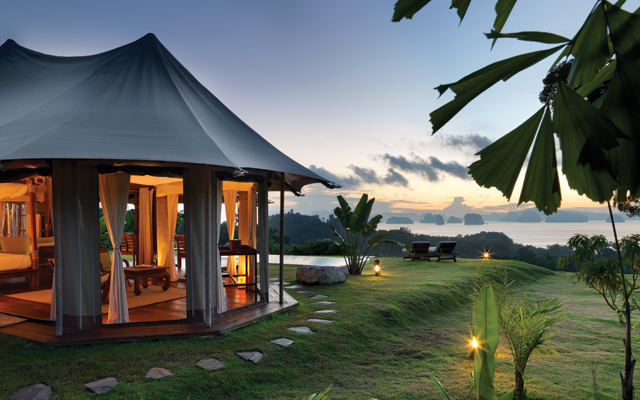
Probably no form of accommodation is more suited to social distancing than glamping, and the secluded, adults-only 9 Hornbills Tented Camp on Ko Yao Noi Island in Thailand will take all the bite out of the necessary health and safety measure.
The seven tented villas here open out to a view of the sea, and each dwelling boasts its own private infinity pool where floating breakfast platters and butler service are order of the day. Groups that book out the entire resort will have the property’s private beach all to themselves.
Snooze in a beachside hammock, snag a kayak or paddle board and hit the water, or rent motorbikes or bicycles to explore the island. Teambuilding activities or local explorations can also be organised by the resort, or through its partner, Khiri Travel. reservations@9hornbills.com
Soneva Fushi Island Buyout
Soneva Fushi, a luxury beach resort in the Maldives’ Baa Atoll, recently released an Island Buyout Offer.
Prices start from US$100,000++ per night, and are inclusive of accommodation in any of the one- to nine-bedroom villas for as many people as an event planner desires. However, prices do not include meals, experiences or transfers.
Guests will be able to watch films at the outdoor Cinema Paradiso, saunter into any restaurant at any given time of the day for a bite, head to the spa for a soothing scrub, cycle on trails through the island jungle, snorkel with manta rays, or just laze by the beach with a cocktail in hand. reservations@soneva.com
Pure Adventure with Nature
This five-day, four-night programme in New Zealand’s Queenstown is packed to the brim with all the adrenaline activities one could dream of.
Planners will have a slew of land and water activities to choose from, ranging from bungee jumping and skydiving to whitewater rafting and horse riding. Winners will also be brought to restaurants such as Waikatipu Grille and Colonel’s Homestead Restaurant, to taste dishes made with locally-sourced ingredients.
There will be a chance to interact with the Maoris, and work with the Wakatipu Reforestation Trust, a volunteer-led community organisation that aims to protect and restore the native biodiversity of the region through revegetation projects. Group sizes range from 20 to 120 pax. connect@micematters.com
Lamma Fisherfolks’ Village
Situated on Lamma Island, the 1,858m2 floating exhibition area is the only venue in Hong Kong that preserves the local fisherfolk culture and history of the fishering industry.
Participants can discover what life was like on the island, through various exhibits and activities such as hook-less fishing, traditional net fishing, cocktail mixing with preserved salted tangerine, or even Hakka tea pudding class in just half a day.
The open-air setting is a plus as groups can be split up and take part in different activities simultaneously. It should be avoided during the typhoon season, as well as on the weekends as it gets crowded with locals.
Sideline programmes like hiking and cultural tours at So Kwu Wan are also offered, while in the summer, guests can even try their hand at dragonboat paddling. cs@rainbowtour.com.hk
Geopark Wonders Walk
Sharp Island in Hong Kong – a UNESCO Global Geopark – is a long and narrow south-north island located a stone’s throw from Sai Kung Town Centre.
A three-hour tour, led by a certified EcoGuide, will take visitors on a hike around the island to look at various kinds of igneous rocks, such as volcanic breccia, quartz monzonite and rhyolite.
Visitors will also get to see evidence of a huge ancient caldera – it is believe that around 140 million years ago a volcano was located in Sai Kung – and walk across a tombolo (a sand bar) to another smaller island.
The tour is available all year round, with summer tipped as a good season for photos and clear blue sky and sea. Group sizes range from two, to a maximum of 10. derektse@ecotravel.hk
Aventri’s partnership with VenueBook clearly indicates a growing need for unique, standalone venues among corporate planners. Is this trend present and growing in Asia-Pacific?
Over the past few years, demand for non-traditional meeting spaces has been growing worldwide. The venue is one of the most important drivers for attendance and attendee satisfaction. Attendees today are looking for unique cultural experiences, and planners are finding unconventional venues are a great way to deliver on this promise.
This is good news for event professionals in Asia-Pacific, home to stellar non-traditional venues.
Event spaces in high demand here include restaurants, art galleries, museums, bars, historic landmarks, speedboats and sailboats for group excursions, renovated mansions, theatres, as well as venues in botanic gardens, parks, aquariums, towers, zoos and more.
Is a growing need for shorter, more focused meetings one of the factors driving the demand for such venues?
Yes, that’s one of the factors. Non-traditional venues work well for shorter events, including meetings within meetings.
Let’s say you want to entertain customers during a large international conference at a convention centre. Hosting a meeting at a unique venue nearby is a great way to deepen connections and provide a richer and fuller cultural experience.
Switching up the venue to a favourite local restaurant, boat excursion or vineyard and winery, for example, can provide a refreshing change of pace and a look at the distinct flavour of the destination.
What other factors are driving this trend?
Rise in experiential events, (the preferences of the) millennial workforce, and growth of small meetings.
Global meeting owners and planners today are focusing more on the experiential aspects of meetings and events, according to the 2020 Global Meetings and Events Forecast by American Express Meetings & Events.
(The theme) and content (now) demand more attention; organisers are increasingly looking at the venue as a way to deliver unforgettable, immersive experiences.
This brings us to the next trend. (The millennial generation) is expected to form the largest group of business travellers worldwide starting in 2024.
Here are a few general insights Aventri has gathered about millennials’ attitudes on meetings and events: the Internet and globalisation have produced a generation that’s keenly culturally aware. Millennials value broadening their global perspective and experiencing different ways of life first-hand.
This means going beyond the meeting room and experiencing the host destination. Non-traditional venues fit the bill, providing authentic local experiences.
The trend toward small meetings has also driven interest in unique venues.
According to GBTA’s How Do Companies Approach Simple Meetings? study, half of all corporate meetings are simple or small meetings.
Small meetings encourage two-way conversations, feedback and bonding among attendees. Non-traditional venues provide more intimate settings for achieving vital business goals.
What does this mean for traditional venues?
Traditional and non-traditional venues can work hand-in-hand.
When attendees come to a city for larger events, you may want to change things up with smaller supporting events. From concerts and wine tastings to dinners with key clients at iconic restaurants, unique venues help you deliver the unexpected…after being inside all day for a conference.
How do you expect the Covid-19 pandemic to impact venue choice when events resume?
When meetings resume, there will likely be changes in the size and type of meetings. We also expect to see more emphasis on health and safety, food service, hybrid events and contract clauses.
Some other predictions that apply to both unique and traditional venues are: an increase in local and regional drive-to events as air travel remains a concern for some; smaller meetings with more spacing between seats will be in-demand; and more events may take place in large museums or outdoors in private parks, botanic gardens and sports stadiums, with plenty of room for people to spread out.
All venues must meet more stringent health and safety standards. Before booking, planners will make in-depth enquiries about behind-the-scenes operations, including sanitising procedures and food preparation. During events, attendees will want to see plenty of hand sanitisers available.
Physical distancing protocols (mean that) planners and venues (will need) to provide more space in lobbies and public areas. Bar set-ups will need to factor in (safe) distancing too.
• Domestic events are materialising this year
• New RFPs have greater curiosity around health, safety aspects and contract flexibility
• CVBs urged to be proactive communications hubs
Business event specialists in Asia-Pacific are starting to see a revival of face-to-face event interest, with some likely to take place as soon as 3Q2020.
Despite “massive amount of apprehension about groups and how big they can be”, Ian Cummings, global vice president, commercial, CWT Meetings & Events noted that clients were starting to consider events for the last two quarters of 2020.
Local face-to-face meetings are resuming
Cummings suggested that this was possible, as governments in certain countries have allowed events to resume, subject to some health and safety restrictions.
Francis Cheong, co-founder and group CEO of Malaysia-based Aavii Worldwide, is preparing for domestic face-to-face events that will come alive from late-September, with most of the interest stemming from pharmaceutical and insurance companies.
He has also just completed “an extremely rare” pitch for an international incentive programme in 2021.
“Multinational clients in Malaysia are starting to look for (overseas event) alternatives because it has been more than four months of business inactivity in Malaysia. (However), clients are only looking at 2H2021 and are still very cautious with decisions,” Cheong told TTGmice.
New selection criteria
With the return of RFPs, event planners have observed a different set of considerations when evaluating potential destinations and event vendors.
Unique activities, exciting venues and appealing attractions in a destination now sit lower on clients’ checklist, according to Petrina Goh, commercial director of CWT Meetings & Events in Singapore. The destination’s track record in coping with the Covid-19 outbreak, safety standards and availability of good hospitals are deemed more important today.
Cheong: pharmaceutical and insurance companies are most active with event plans now
BCD Travel now runs through a comprehensive set of questions, on behalf of their clients, when deciding on a destination or supplier.
According to company spokesperson Agnes Heng, the checklist includes policies on surgical masks and other personal protective equipment (PPE) for employees, guests and event attendees; updated capacity charts with social distancing measures in place; crisis management plan; and the availability of an infection mitigation coordinator onsite; among others.
And with event plans likely to be disrupted by sudden infection resurgence, event planners and their clients are also scrutinising attrition clauses, minimum spend requirements and cancellation or postponement policies.
CVBs as information consolidator
The current complexity around event decision-making, frequent changes to travel and activity restrictions, as well as differing health and safety regulations across destinations, have led event specialists to advise CVBs to be more informative.
Cummings said: “There are some CVBs that we are just not hearing from at all and therefore have no information on their destination. TCEB (Thailand Convention and Exhibition Bureau) is a great example (of an Asian CVB that is doing it right). I get three or four pop-ups a day on LinkedIn on TCEB initiatives, things that are happening in this industry, and updates on (Thai) airports and airlines particularly their routes and pricing, etc.
Cummings: CVBs should be effective consolidator and disseminator of relevant information from various sources across the country
“Another important piece of information is incentives (for companies to meet in the destination). Some incentives or special treatment for groups will help with decisions.”
He believes that CVBs should now act as communication hubs – an effective consolidator and disseminator of relevant information from various sources across the country.
“We used to think that (destination) information overload for our clients isn’t great, but it is now better to have more information (as that can help improve clients’ perception of a destination),” opined Goh.
She said that in addition to looking to planners for advice, clients also turn to CVB websites in hopes of getting information on attraction reopenings, venue capacity limits, and new pricing structure of event products, especially if rates have been changed to accommodate social distancing requirements and capacity limits.
And if done right, CVBs could well sway clients’ decision with their messaging during this business crisis.
Cheong said: “CVBs will play an even more important role now than ever. They need to think differently about how to inspire travel intent during such unusual times. Their content for training and destination updates need to be revolutionised, such as by focusing on what can be done in the destination before and after a vaccine is available. For example, CVBs can play up faraway yet unique spots and outdoor glamping ideas in remote places.
“CVBs can also work with national carriers to come up with special chartered flights to destinations that are remote yet exciting enough for eager but weary event attendees,” Cheong added.
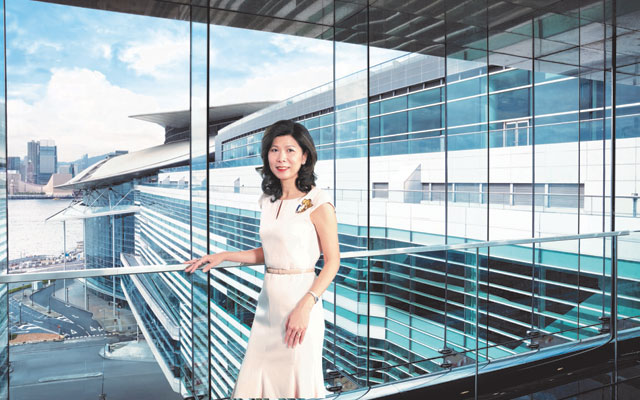
The UFI Board of Directors has elected Monica Lee-Müller as president of UFI for the 2021/22 period.
The UFI Presidential Trio for the 2020/21 term will therefore comprise:
– Monica Lee-Müller (Hong Kong Convention and Exhibition Centre (Management) (HML); Hong Kong), incoming president
– Anbu Varathan (Indian Machine Tool Manufacturers’ Association; India), president 2020/21
– Mary Larkin (Diversified Communications; US), outgoing president
Monica Lee-Müller
This decision becomes effective at the conclusion of the 87th UFI Global Congress, which runs from November 15-20, 2020.
Lee-Müller has been the managing director of HML since July 2012. HML is the private company responsible for the management and operation of the 306,000m2 Hong Kong Convention and Exhibition Centre, where about 1,000 events are held there every year.
She has been active in UFI for many years, supporting the association’s mission and driving developments, especially on diversity and sustainability projects. Lee-Müller has also served as a board member of UFI for the past 12 years.
UFI’s recent presidents were from South Africa (Craig Newman 2018/19), Italy (Corrado Peraboni 2017/18), Germany (Andreas Gruchow 2016/17), Russia (Sergey Alexeev 2015/16), Colombia (Andrés López-Valderrama 2014/15), and France (Renaud Hamaide, 2013/14).
Yearning to take off on the next incentive trip or team building exercise as working from home takes a toll on physical and mental health?
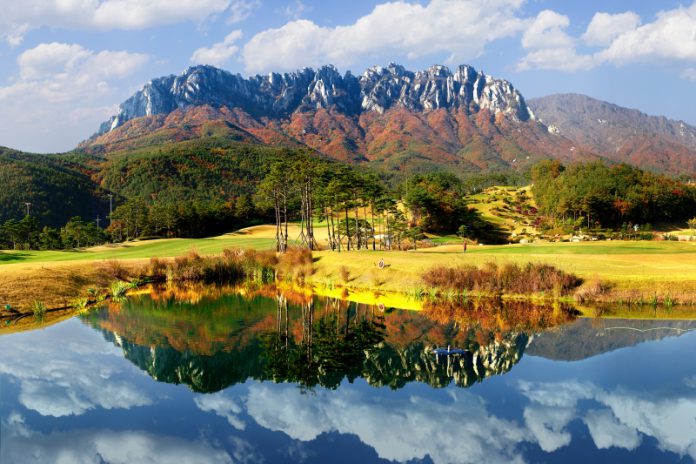
In assisting planners for the next corporate getaway – be it to connect with one’s inner soul or embarking on an exhilarating adventure in the great outdoors – Gangwon Provincial Office presents a selection of retreats and activities that allow guests to rediscover themselves, and emerge refreshed.
Park Roche Resort & Wellness
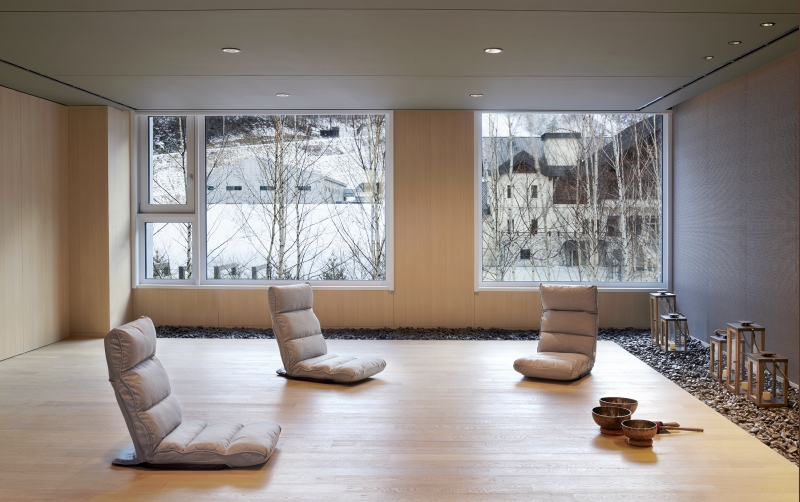
Located in Jeongseon, Park Roche Resort & Wellness is located in a village named ‘Sugam’ – where a protagonist is said to have fallen into deep sleep on a rock – resonates with the resort’s unique selling point in recharging the body and mind through deep sleep.
Sugam Lab, a collaboration between the resort and Ace Bed R&D Institute, matches body type measurements to individual bedding for a guest’s duration of stay. Body composition and stress level measurements are then used to recommend personalised wellness programmes and outcomes analysed with a scientific approach.
Wellness programmes are also divided into three themes, starting from improving one’s daily habits, to reigniting passion and motivation, to revolutionary mediation techniques. Guests are also encouraged to participate in activities that calm their mind; for instance, painting stone or patterning mandala, practicing calligraphy and making herbarium.
Donghae Mureung Health Forest
A forest where no one would object losing themselves in, guests traverse a skywalk-type bridge to access this sanctuary; while soaking up sweeping views of the Mureung Valley, a must-see destination for its commanding scenery.
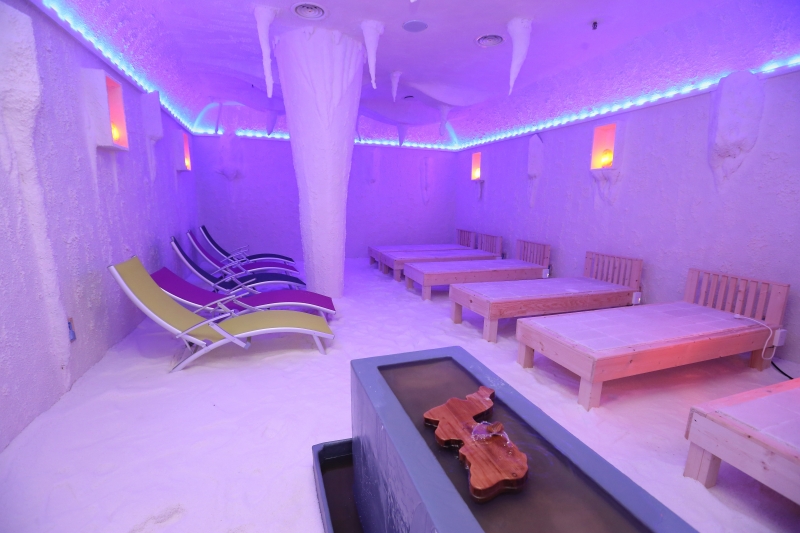
As South Korea has an established sauna culture, the highlight in visiting Donghae Mureung Health Forest would be to experience its themed alternative offerings featuring local produce (e.g. Salt Cave), and Oxygen Healing Room equipped with round-the-clock oxygen generators.
Guests may also choose from a variety of single-day or overnight (of up to 4) programmes. While single-day programmes lean more to craft making, overnight programmes can accommodate from 2 – 8 pax. Sit back and enjoy the views of the beautiful lake garden, sign up for healing or detoxing programmes led by well-trained instructors, or visit the Oseonnyeotang Outdoor Pool, which draws water from the Mureung Valley, in summer.
Yangyang Surfyy Beach
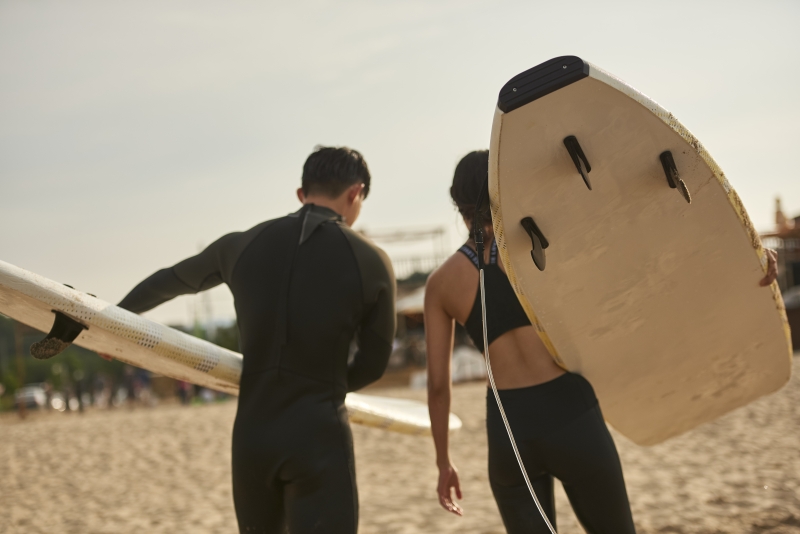
Blessed with a geographically coastal location, it’s surf’s up at South Korea’s first private beach for surfers located in Yangyang’s Hajodae beach.
There is something for everyone here, from surfing lessons to sussing out local produce at the traditional Yangyang Market – taking place every five days – get there early to beat the snaking queue for the stall peddling fish cake boiled in red crab broth.
For visitors who seek some zen from the hipster vibe, go to Naksana Temple, one of the few Buddhist monasteries overlooking the east coast and experience a variety of temple stay programmes such as Dadam (dialogues over a cup of tea) with monks.
Chuncheon Chosunilbo Marathon
Chuncheon Chosunilbo Marathon is nicknamed Legend of Autumn for taking runners on a scenic route
The 2nd oldest marathon in Korea held every October coincides with the autumn season. Organise a team run to take in scenic Chuncheon; as the marathon course – adorned in maple leaves – meanders along captivating views of Soyanggang River, Lake Soyang and Lake Uiam. Half, full and 10km courses are available.
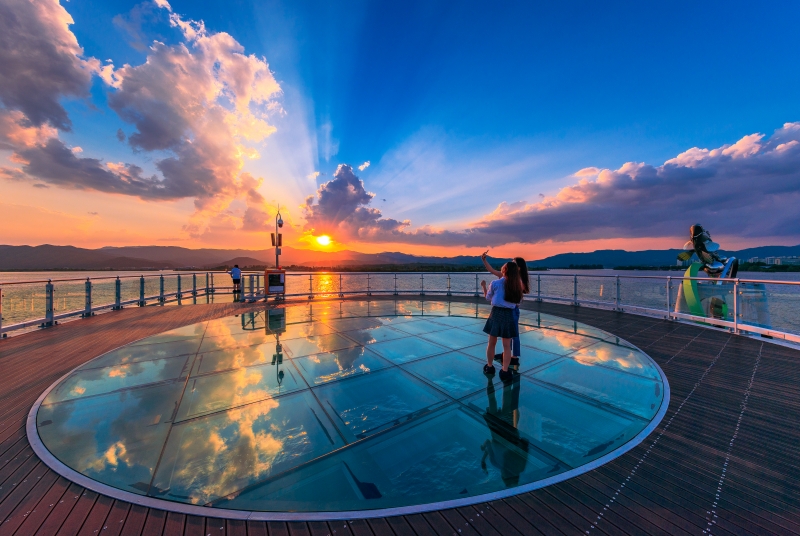
Having come to the capital city of Gangwon, bond at Soyanggang Skywalk, an observatory facility set over Uiamho Lake. The 156m walking path made of transparent glass offers visitors a thrilling experience as if they were walking on the lake.
For more information on other destinations and activities in Gangwon, email Nuri Kim, tourism marketing manager, Gangwon Tourism Kuala Lumpur Office at kim.nuri@ymail.com.
Indonesian exhibition organiser Dyandra Promosindo will be organising Dyandra New Adventure (DNA) in October, an event that will comprise three exhibitions and a music concert happening concurrently at the Jakarta International Expo.
Scheduled for October 2-4, 2020, DNA will be a combination of Create By IFEX (Indonesia International Furniture Expo); IIMS (Indonesia International Motor Show); Property Weekend Fiesta; and Infinite Live! concert.
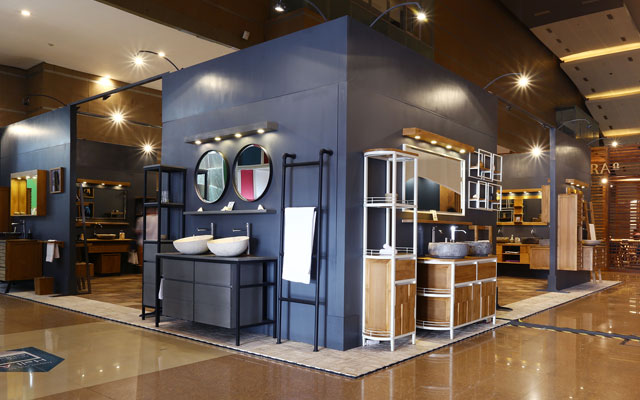
IFEX was previously B2B, but it has been modified to appeal to both B2C and B2B for this upcoming event
Create By IFEX will be staged on an area of 4,800m2, with around 150 exhibitors expected. Meanwhile, IIMS expects to bring attract more than 90 exhibitors, while the Property Weekend Fiesta will see over 200 participating developers. The music concert, Infinite Live!, will involve both domestic and foreign musicians, and will be held in the outdoor area that’s good for 5,000 people.
Taking up a total of 41,000m2 of space, DNA targets to attract a total of 95,000 visitors, and aims to generate 80.4 billion rupiah (US$5.7 million).
When asked about the motivation behind the massive event, Hendra Noor Saleh, president director of Dyandra Promosindo, said: “For more than four months, there has been no business. To kickstart the industry, we need to create a large momentum.”
And this momentum was sorely needed, as it will not only attract attention, but also foster new optimism, which will in turn help to revive the badly-hit industry, he added.
“With this in mind, we decided to hold DNA by putting four different industries into one event. This is a risky undertaking, but I feel that we should do something now to kickstart the sector,” Henda explained.
And although the industries and target markets differ, Michael Bayu believes that their “ecosystems are inter-related”, and by creating a cross audience, “visitors will be able to enjoy themselves as there are many things they can see in one venue”.
To entice exhibitors, Dyandra Promosindo has set a competitive booth price, to “help the industry bounce back”, shared Michael.
For The Indonesian Furniture and Craft Association (HIMKI) – the co-owner of Create By IFEX – DNA is an alternative for handicraft and furniture businesses to market their products after IFEX, a B2B furniture and craft exhibition supposed to be held in March was cancelled.
Abdul Sobur, secretary-general of HIMKI, shared that the concept of the exhibition has been changed to target the domestic market, instead of solely being B2B.
“The B2C portion will make up almost 85 per cent, while the B2B exhibition will be held virtually,” he added.
For Paulus Totok Lusida, chairman of Real Estate Indonesia – co-owner of Property Weekend Fiesta – said DNA provides fresh hope to lure potential buyers, and reach developers and markets outside the Jakarta metropolitan area.
Similarly, Property Weekend Fiesta will also feature a hybridised format which will see a festival, as well as an online exhibition that will last two weeks from September 28 to October 11.
Hendra asserted that DNA will follow basic health and safety protocols for guests’ safety, such as having a crowd controller, limiting the number of individuals at a booth, and installation of a gangway with a minimum width of three metres. DNA will also be using technology to implement non-cash payment systems and e-tickets.
offer event professionals easy way to organize multi-city hybrid meetings more effectively
Malaysian venue operators have reported a pick-up in enquires, and along with them, a growing interest in hybrid and virtual events.
This comes not long after the government gave the green light for business events – such as seminars and conferences – to start from July 1, with the exhibitions sector given the go-ahead on July 15.
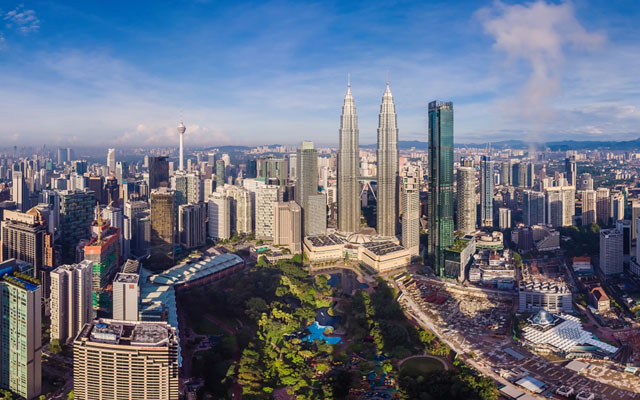
The domestic MICE scene is showing gradual signs of recovery; Kuala Lumpur pictured
Christy Woon, director of sales & marketing for Hotel Maya Kuala Lumpur shared that event organisers were asking the hotel for production studio set-ups in order to do live streaming sessions, as well as virtual reality productions.
Meanwhile, Sofitel Kuala Lumpur Damansara’s assistant director of events, Emral Kuek, shared that the property has received a number of requests for physical meetings for 15 delegates or less.
She added: “Organisers for groups above 20 are opting for virtual meetings using Zoom, Webex and so on.”
Kuala Lumpur Convention Centre’s general manager, Alan Pryor, agreed that the venue has seen growing interest from organisers for hybrid and virtual events, and he expects this demand to continue moving forward.
Pryor added that conferences, especially those that will take place from now until the end of this year, will “likely proceed, with many adopting a hybrid format”. Currently, the Centre has successfully hosted several small corporate meetings in July, with more upcoming.
When asked about the outlook for the meetings industry, Pryor said there will be a continued focus on domestic business events, adding that “it will probably take at least a year or two for business events, especially those with international attendees to make a comeback”. However, he acknowledged that this is also dependent on the global situation.
Woon also agreed that domestic events will lead the way through to 1H2021, where companies will request for venues with more space to conduct staff trainings.
Last week, Malaysia Convention & Exhibition Bureau unveiled a Meet in Malaysia campaign, where one component is focused on encouraging domestic MICE events.
MCB continues to work towards securing future international business events for Melbourne
Melbourne has been chosen as the host city for three business events – The International Trade Union Congress 2022, The International Conference on Social Work in Health and Mental Health 2022, and The International Geographical Congress 2028.
Combined, these business events will deliver an A$24.8 million (US$17.8 million) economic contribution to the state, almost 15,000 room nights to boost the Victorian hotel and accommodation sector, and drive 3,750 delegates through the Melbourne Convention and Exhibition Centre doors.
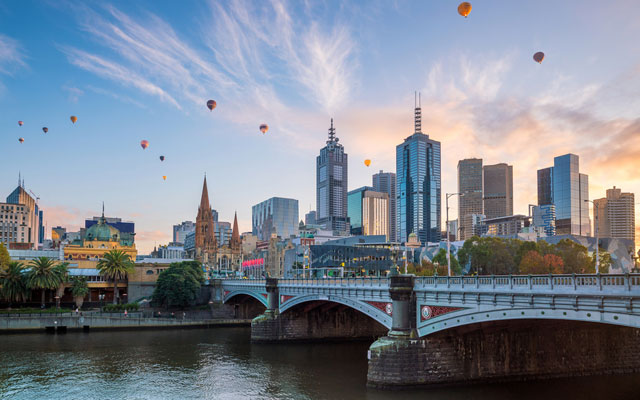
MCB continues to work towards securing future international business events for Victoria; Melbourne pictured
Melbourne Convention Bureau’s (MCB) CEO Julia Swanson said: “While we are presented with a challenging landscape, I’m pleased to say that MCB continues to secure international business events for Melbourne which will play a significant role in Victoria’s economic recovery in the years ahead.”
Since the onset of the pandemic, the majority of this year’s events have been rescheduled, taking a toll on many players in the business events industry. Currently, 70 per cent of planned events have been rescheduled to 2021.
But Swanson believes that news of these wins will provide a boost in the sector, and instil ongoing confidence in attracting future international business events to Victoria.
MCB is also continuing to identify, negotiate and secure the business events pipeline spanning out as far as 2028.
Just 10 minutes from Phuket International Airport on the serene northern coast, this 178-key, Bill Bensley-designed resort offers delegates a quiet, tropical paradise steeped in Phuket’s tin-mining heritage
The newly-opened Ritz-Carlton, Bangkok anchors the One Bangkok development with cosmopolitan elegance. Featuring the city's largest ballroom and a spectacular new penthouse suite, it delivers exceptional hardware and deeply authentic, soulful service for business and leisure travellers alike
Behind the imposing, Brutalist concrete that defines Zurich’s Oerlikon district lies a surprising secret. While its exterior honours the neighbourhood’s industrial roots, stepping inside Mama Shelter reveals a vibrant, neon-soaked world that is a far cry from its rigid shell